

Cala del Porto Punta Ala
Punta Ala, Castiglione della Pescaia
Hotel in Castiglione della Pescaia, Italy
 Book with Pearl
The Read
Maremma Peninsula Retreat
Why go
Book Cala del Porto Punta Ala if the brief is a calm Punta Ala base with a polished, occasion-friendly feel. It suits couples and families who want the Maremma coast without a high-energy resort atmosphere; compare Gallia Palace Beach - Golf - Spa - Resort or The Sense Experience Resort if broader facilities matter more.
About Cala del Porto Punta Ala
Cala del Porto Punta Ala is a venue in Castiglione della Pescaia. The safest way to evaluate it is by focusing on basics rather than assumptions about facilities, room types, dining, or on-site programming.
The clearest signals are its smart casual dress code and its Preferred Hotels L.V.X. Collection recognition. Treat those as useful starting points, then confirm the practical details that matter for your trip directly before booking.
Choose it for a Castiglione della Pescaia stay with a collection signal
The Preferred Hotels L.V.X. Collection recognition gives Cala del Porto Punta Ala a useful trust signal, but the decision should still be practical. If you are comparing options Gallia Palace Beach - Golf - Spa - Resort and The Sense Experience Resort alongside Cala del Porto Punta Ala, while confirming current facilities and booking conditions directly with each venue.
Do not assume that every category or stay style will work equally well. The smart move is to check room configuration, policies, and any trip-specific needs before committing.
How to decide against other options
Use Cala Beach Resort as one comparison if you are weighing other options. Vedetta Relais and L'Andana are also useful reference points when deciding whether Cala del Porto Punta Ala in Castiglione della Pescaia is the right fit.
For wider planning, cross-check dining through the restaurants guide.
Quick reference: Cala del Porto Punta Ala is in Castiglione della Pescaia, has a smart casual dress code, and is recognised in the Preferred Hotels L.V.X. Collection.
Planning details
- Location
- Via Cala del Pozzo, 58043 Punta Ala GR
- Website
- caladelportoresort.com
- Phone
- +39 0564 080136
The take
The Take
The Vibe
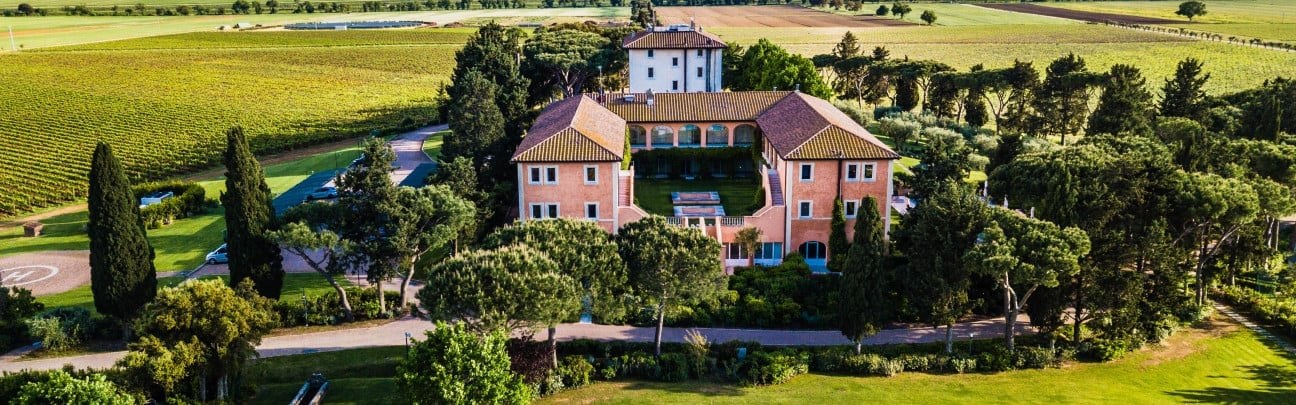
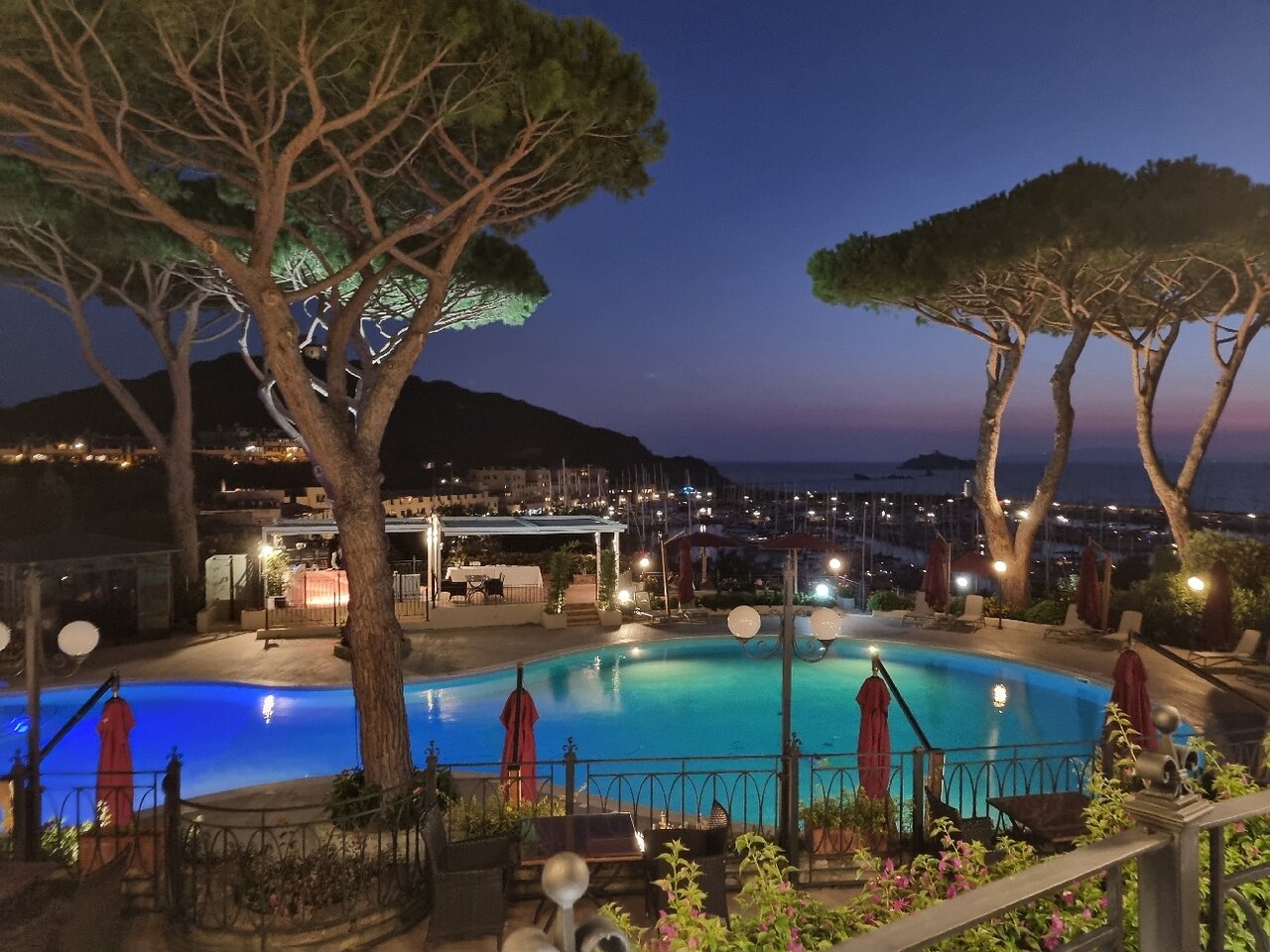
Cala del Porto Punta Ala reads as a study in restraint: low-slung architecture, pale rendered facades and a postwar Mediterranean vernacular that keeps scale deliberately modest. The property’s 41 rooms underline its small-hotel logic — large enough to provide proper infrastructure, small enough to preserve privacy and an intimate atmosphere. The peninsula’s filtered access and a guest profile that prizes sailing over spectacle give the place a quietly refined, almost secretive quality. Expect understated design, a coastal hush and an emphasis on seclusion rather than showy seaside amenity.
Best For
This hotel suits travelers who prize privacy, quiet and proximity to the water without the buzz of bigger resorts. Couples and honeymooners find the small scale and restrained architecture especially appealing; sailing enthusiasts and visitors who want easy access to a marina-setting coastline also benefit from its location. The modest room count means the address works well for short romantic escapes and weekend stays when guests prefer low-density hospitality and understated seaside character rather than a large, activity-driven complex.
Stay Tips
Book early: with just 41 rooms Cala del Porto Punta Ala can fill quickly, particularly in peak season, so reservations are advisable well in advance. Note the peninsula’s narrow approach and the hotel’s discreet profile — this is a destination that rewards planning rather than last-minute arrivals. If proximity to sailing or the marina matters to you, factor that into your travel logistics; otherwise expect a calm, low-density stay and plan for a relaxed rhythm rather than a heavily programmed resort experience.
Venue details
Ambiance
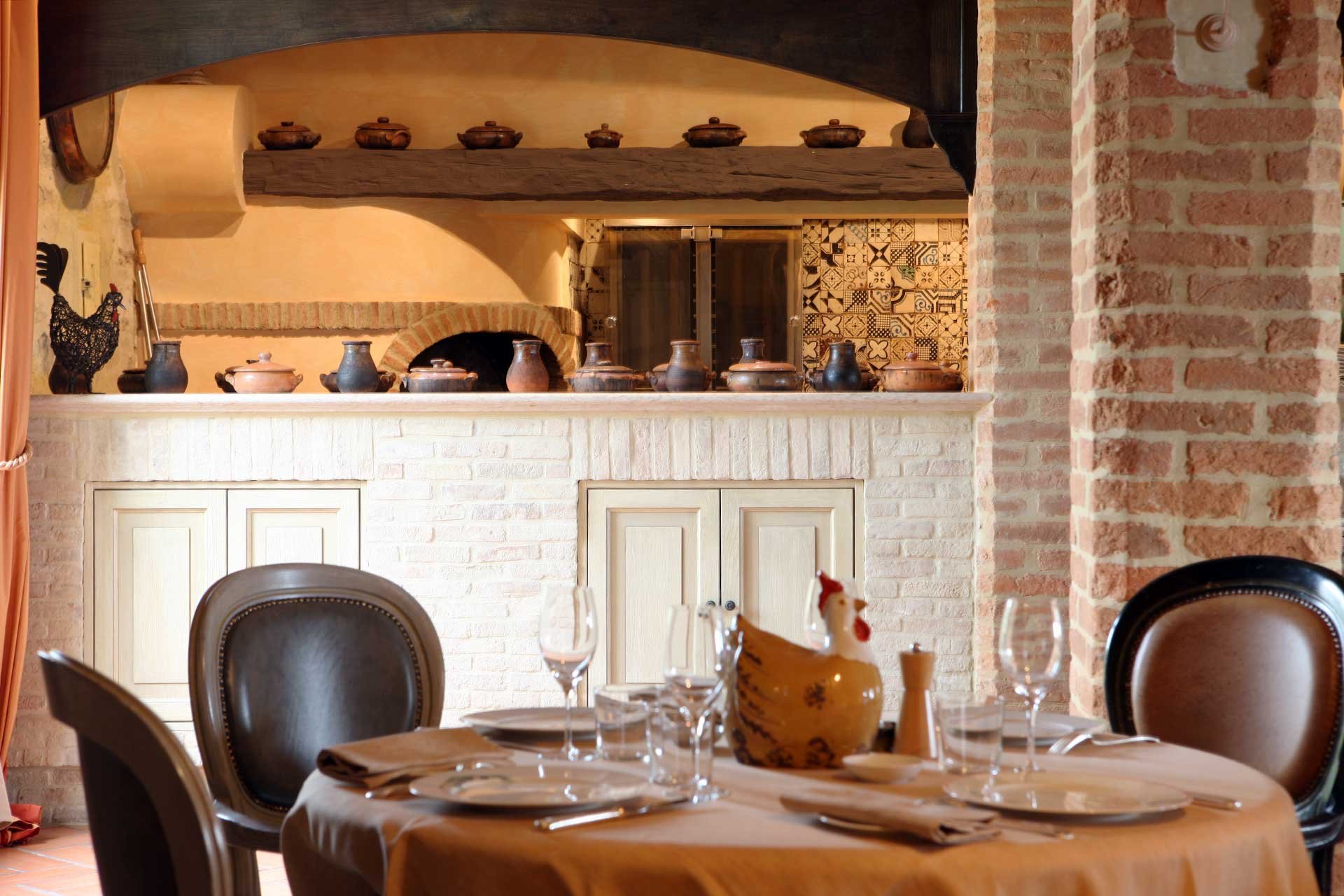
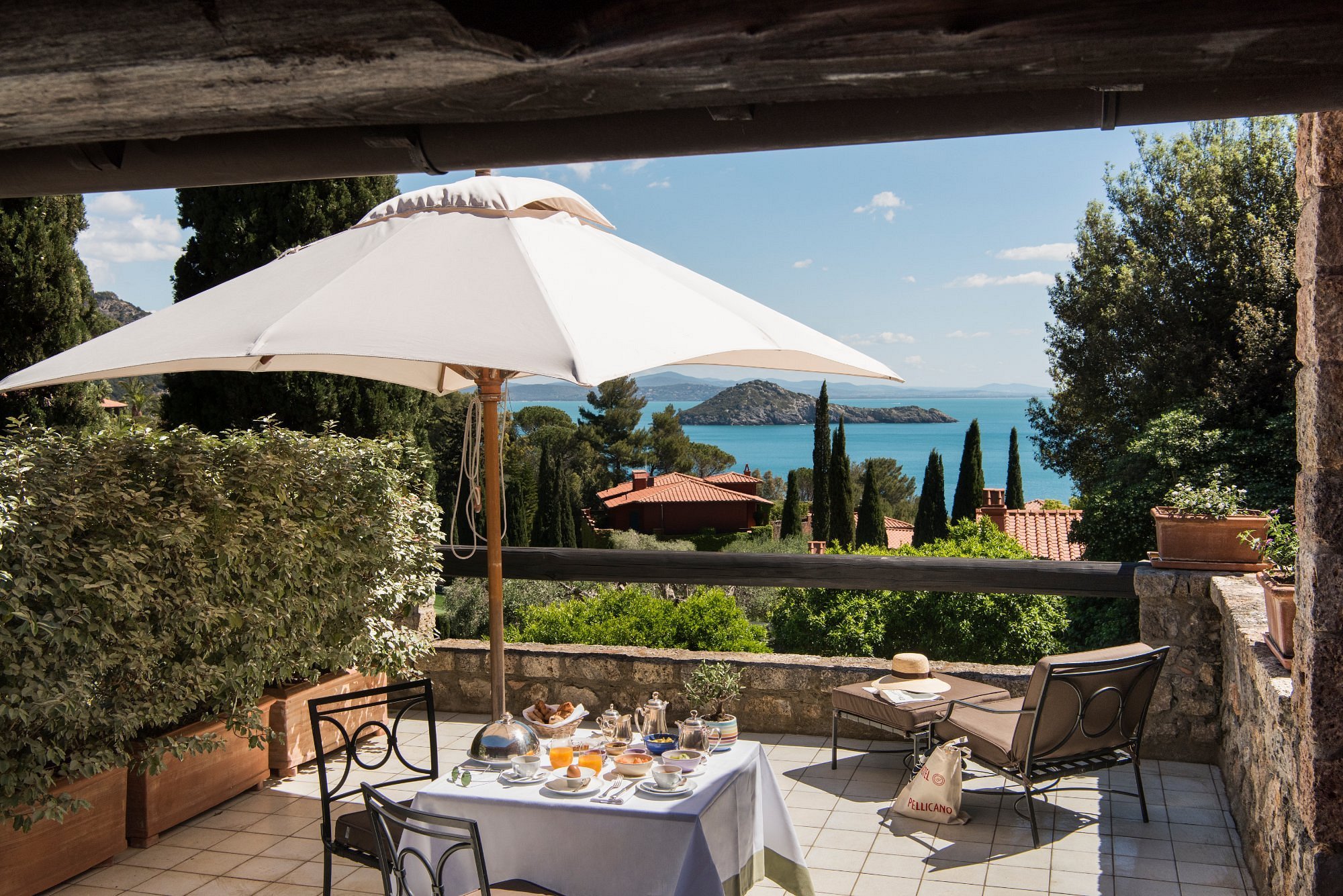
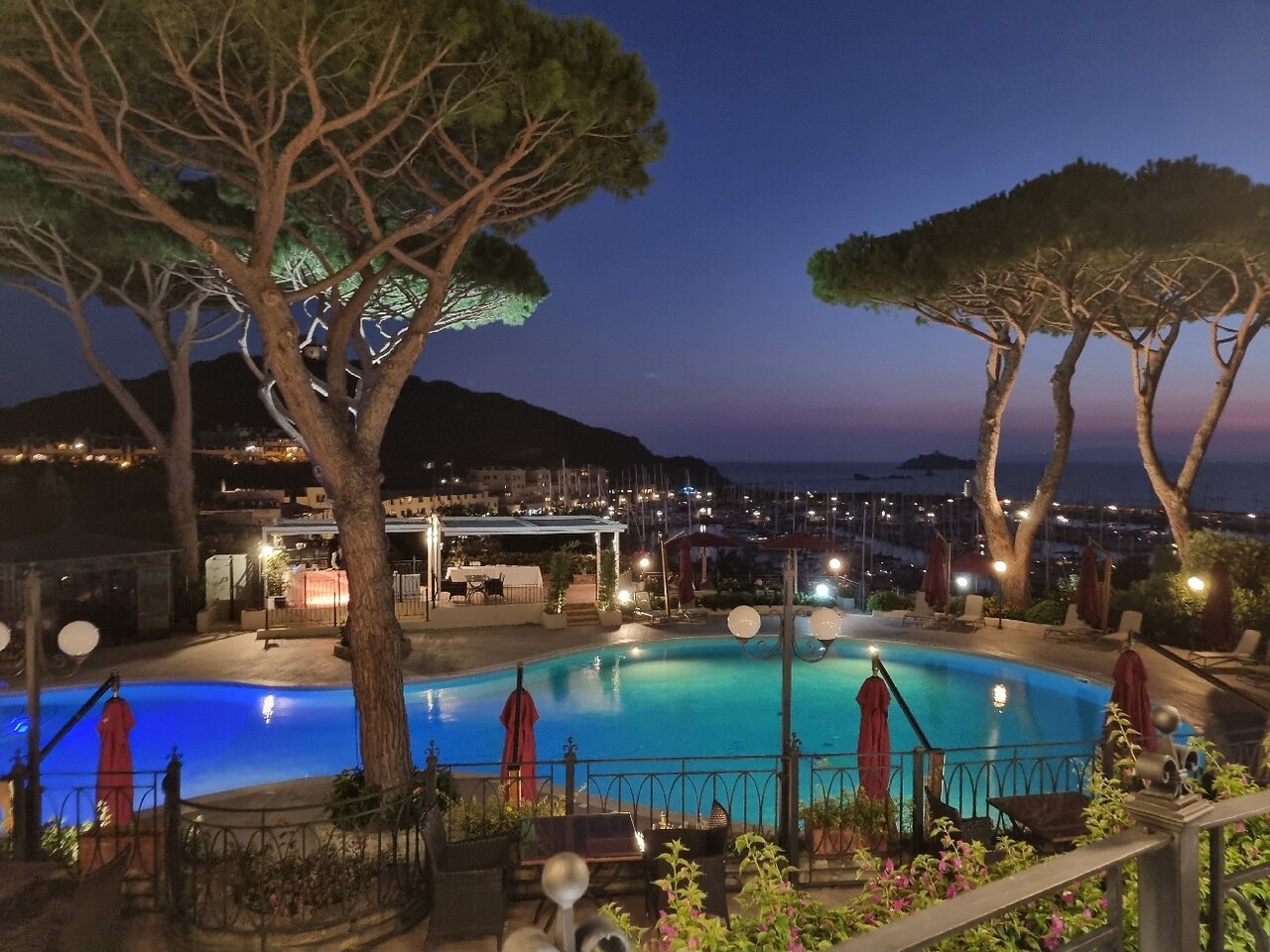
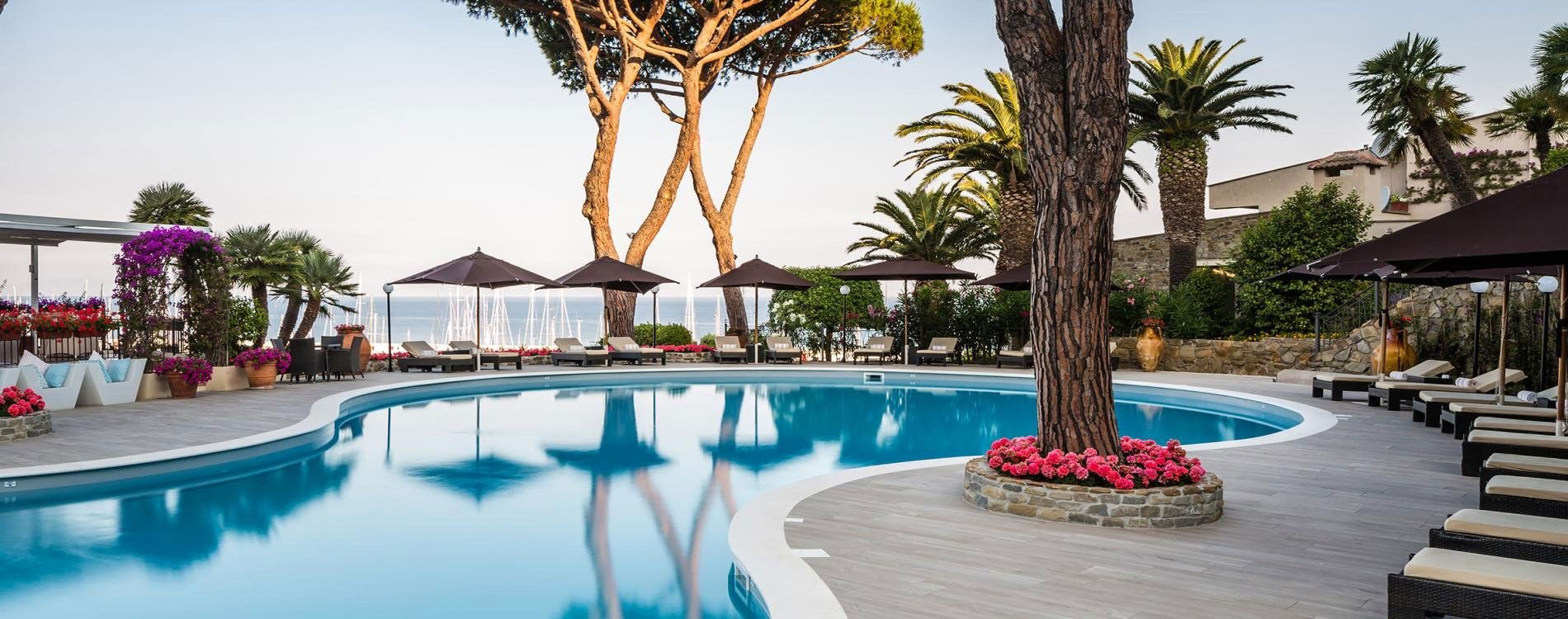
Calming and beautiful decor with elegant, relaxed atmosphere, spectacular terrace views of the marina, and peaceful luxury surroundings as described in guest reviews.
Tags
Vibe
Best For
Experience
Amenities
View
Accessibility
About the Stay
- Rooms
- 41
- Check-in
- 15:00
- Check-out
- 12:00
- Property Style
- Seaside Luxury Resort
- Design Style
- Modern Italian Style with Calming, Elegant Decor
Know before you go
Know Before You Go
- Getting there
- Via Cala del Pozzo, 58043 Punta Ala GR
Planning details
Location
Recognition and awards
Also consider
Where to look if this is not the right fit
If the Punta Ala mood is right but the stay needs more beach emphasis, cross-shop Cala Beach Resort. If the occasion calls for a broader destination hotel, look at L'Andana instead.
Hotel context
How it compares with Castiglione della Pescaia hotels
Cala del Porto Punta Ala is the quieter, more contained choice in this set. Against Cala Beach Resort, it reads better for guests who want Punta Ala atmosphere without making the beach-club feel the whole point of the stay. Cala Beach Resort is the sharper cross-shop if the trip is beach-first and the room is secondary to being by the water.
Gallia Palace Beach - Golf - Spa - Resort and The Sense Experience Resort are the more obvious picks for travelers who want a fuller resort setup. Choose them if facilities, spa time, and a broader on-property rhythm matter more than Punta Ala calm. Cala del Porto Punta Ala is the better fit when the stay is about a polished base and easier pacing.
Vedetta Relais is the alternative for a smaller retreat feel, while L'Andana is the better call for countryside scale and estate-style downtime. For families, Cala del Porto Punta Ala makes sense when location and simplicity outrank a long list of facilities; for a celebration, L'Andana gives more destination-hotel weight.
Around this place
Discover more on Pearl
Unlock the full Cala del Porto Punta Ala guide in Pearl, including awards, comparisons, FAQs, planning details, and nearby places.
Compare Cala del Porto Punta Ala
| Venue | Location | Awards |
|---|---|---|
| Cala del Porto Punta Ala | Castiglione della Pescaia | 2025 Michelin Selected HotelsPreferred Hotels L.V.X. Collection 2025 |
| Cala Beach Resort | Punta Ala | Leading Hotels of the World 2026 |
| Gallia Palace Beach - Golf - Spa - Resort | Punta Ala | 2026 Relais Chateaux Hotels2025 Relais Chateaux Award |
| Vedetta Relais | Scarlino | No published awards |
| The Sense Experience Resort | Follonica | 2025 Michelin Selected HotelsPreferred Hotels Member 2025 |
| L’Andana | Castiglione della Pescaia | 2026 Virtuoso Luxury Hotel Collection2026 Mr & Mrs Smith Luxury HotelsLeading Hotels of the World 20262026 Michelin 1 Key2025 Michelin 1 Key2024 Michelin 1 Key |





How Cala del Porto Punta Ala compares with similar nearby venues.
FAQ
Frequently Asked Questions
How is the location of Cala del Porto Punta Ala?
Cala del Porto Punta Ala is in Castiglione della Pescaia. The Preferred Hotels L.V.X. Collection recognition adds a useful signal, but specific location details beyond the city should be checked directly before travel.
Is Cala del Porto Punta Ala family-friendly?
If you are planning a family stay, confirm family-specific facilities, room layout, policies, and any child-related services directly before booking. For comparison, Gallia Palace Beach - Golf - Spa - Resort is another property to review.
When is the best time to book Cala del Porto Punta Ala?
Which room category is best at Cala del Porto Punta Ala?
Choose based on room size, layout, outlook, and policies from the property rather than assuming a specific category is best. If you are comparing the overall fit of alternatives, Vedetta Relais is another option to review.
How does Cala del Porto Punta Ala compare to other options?
Cala del Porto Punta Ala is a Castiglione della Pescaia venue with Preferred Hotels L.V.X. Collection recognition and a smart casual dress code. Cala Beach Resort, Vedetta Relais, The Sense Experience Resort, Gallia Palace Beach - Golf - Spa - Resort, and L'Andana are useful comparison points, but confirm each property's current facilities and policies directly.
Do loyalty programs work at Cala del Porto Punta Ala?
Do not assume every external loyalty scheme applies here just because the venue is in the Preferred Hotels L.V.X. Collection. Use the collection recognition as a signal, then confirm any points, perks, or booking-channel benefits before you commit.