

The Sense Experience Resort
Torre Mozza, Follonica
Hotel in Follonica, Italy
 Book with Pearl
The Read
Tyrrhenian Coast Scale
Why go
Worth booking if you want a coastal Follonica resort base with Preferred Hotels membership rather than a restaurant-led trip. Dining may be useful for guests staying on property, but there is not enough verified menu or chef detail to make it a stand-alone food destination.
About The Sense Experience Resort
Is The Sense Experience Resort worth considering in Follonica? The key points to plan around are a smart-casual dress code and Preferred Hotels Member recognition for 2025. Check current official information before making room, dining, or itinerary decisions.
Assess The Sense Experience Resort through those basics while checking cuisine, chef, menu format, prices, facilities, and services directly with the property before booking.
Book with the confirmed details in mind
When comparing it for a meal or stay, details such as cuisine type, chef, menu format, and price range should be checked directly with the resort. Travelers weighing meals or amenities should use Our full Follonica restaurants guide and official venue information before making those factors the deciding point.
If you are deciding whether to book, keep the main facts in view: the venue is in Follonica, the dress code is smart casual, and its 2025 Preferred Hotels Member status is the clearest recognition. For anything beyond that, including menus, drinks, room categories, services, and seasonal operations, check the venue's official channels.
Where it fits in a Follonica hotel shortlist
The clearest trust signal is its Preferred Hotels Member status for 2025, which places it within that hotel collection. That matters if you are looking for a property with a recognized independent-hotel affiliation, but it should not replace checking current room types, rates, inclusions, and policies before committing.
For alternatives, compare it against other Follonica options first, then widen the search if your trip is more region-led. Other properties to research include Cala Beach Resort, Cala del Porto Punta Ala, Gallia Palace Beach - Golf - Spa - Resort, and Vedetta Relais, alongside The Sense Experience Resort itself.
Planning details
- Location
- Viale Italia, 315, 58022 Follonica GR
- Website
- thesenseresort.it
- Phone
- +39 0566 280035
The take
The Take
The Vibe
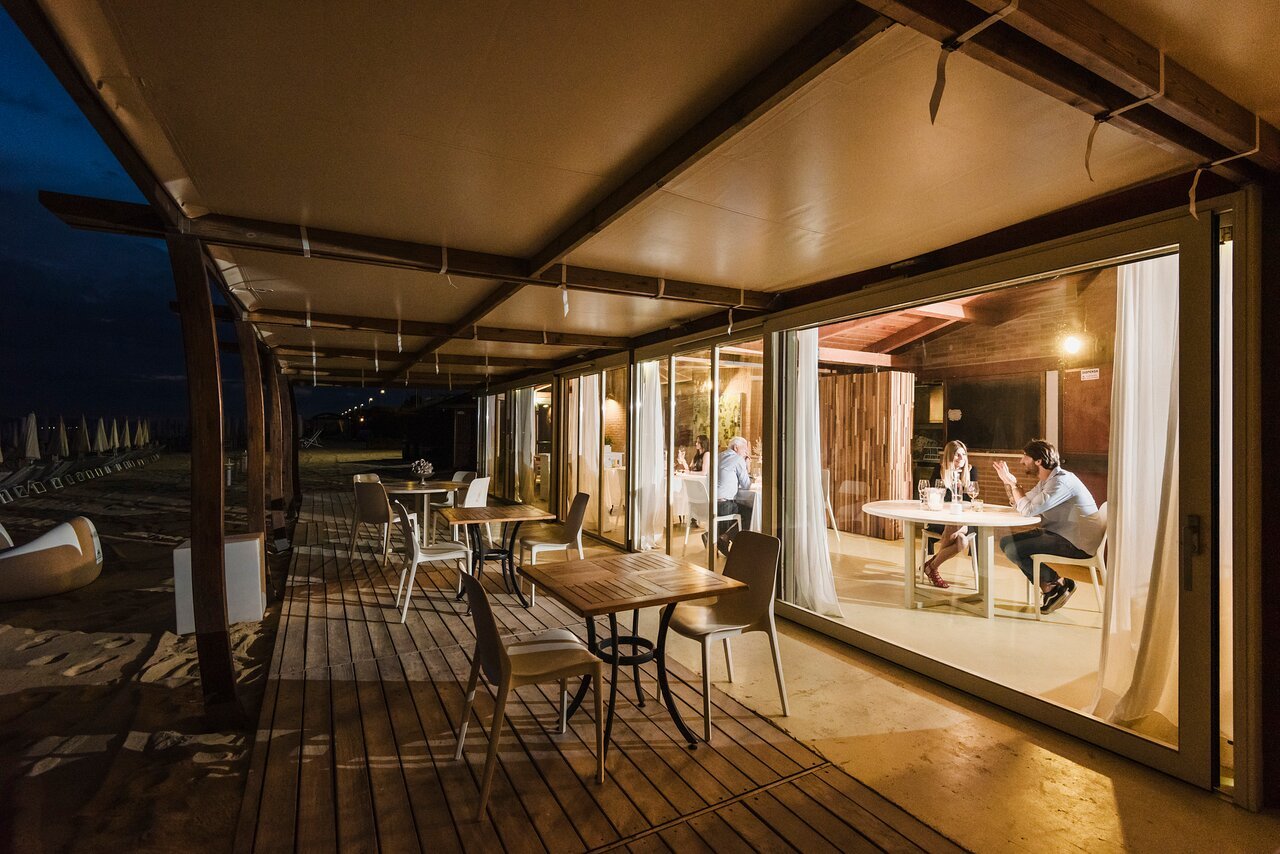
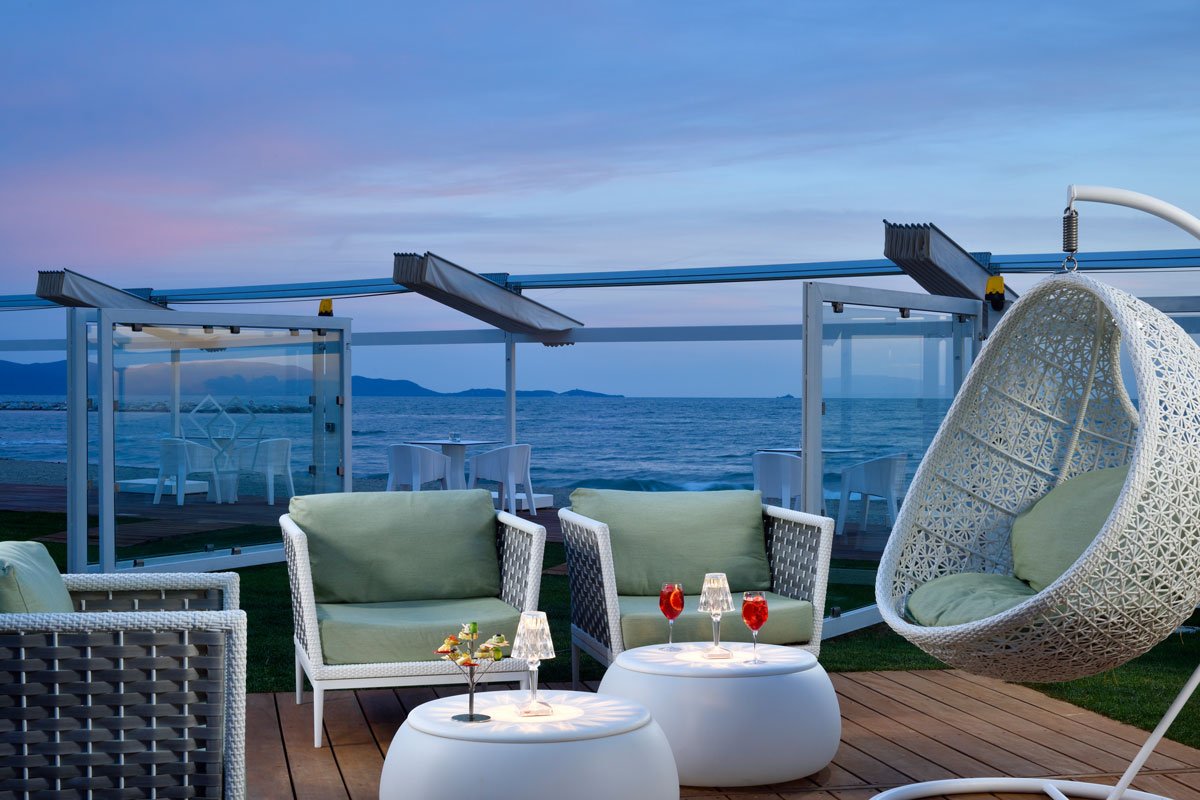
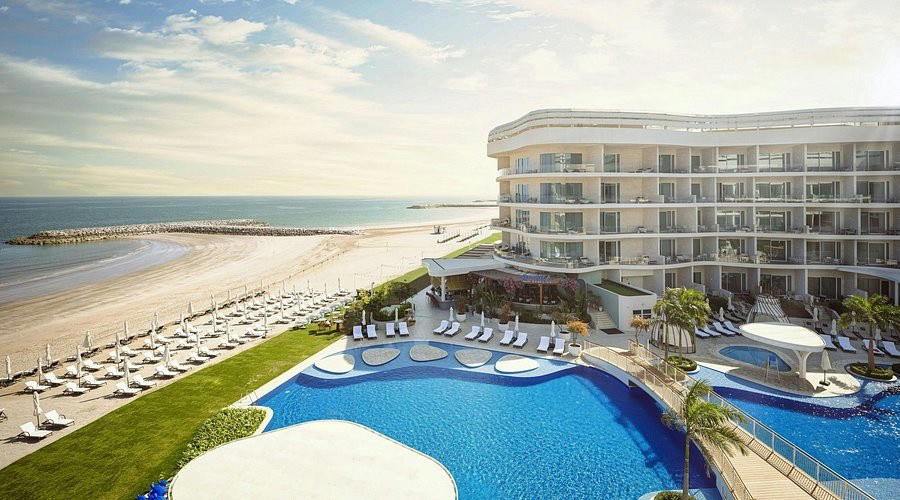
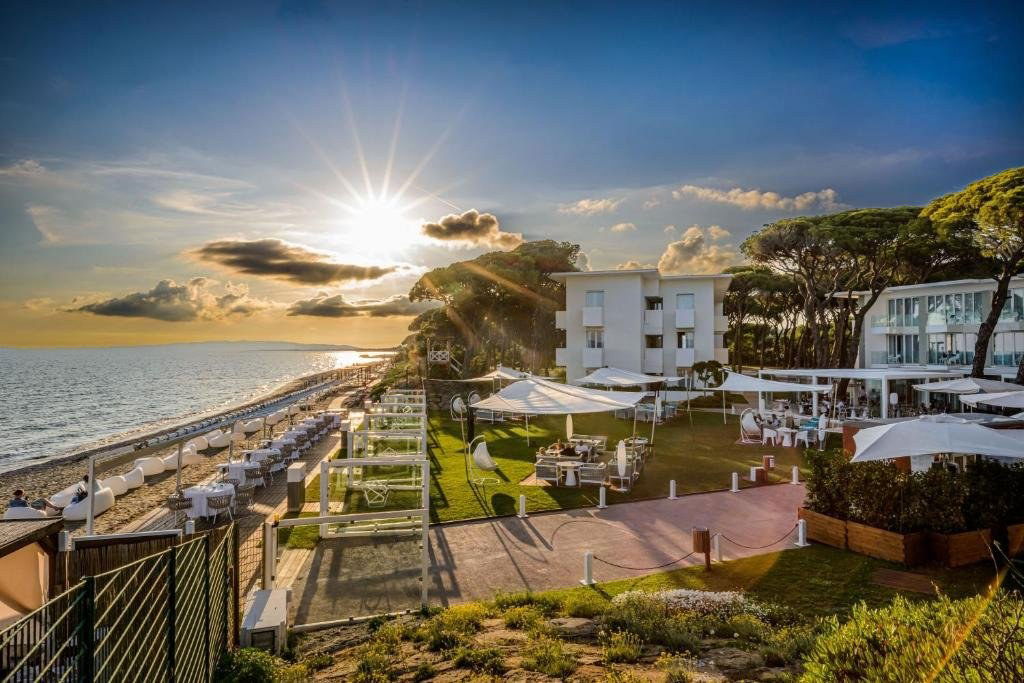
The Sense Experience Resort conveys a deliberately subdued seaside temperament. It sits within a quieter register of the Tyrrhenian coast where pine-shaded promenades and uncrowded beaches shape a calm, contemplative rhythm. At 112 rooms the property balances scale and intimacy: large enough to offer a suite of on-site amenities yet compact enough to avoid the anonymity of a mega-resort. Design and placement along Viale Italia lean into the promenade typology, so the overall feel is relaxed and serene rather than theatrical—the sort of coastal escape that privileges long afternoons and a measured relationship with the sea.
Best For
This resort is best for families and extended-stay travellers who want a complete on-site environment rather than a minimalist, day-trip base. The size and amenity infrastructure make it suited to guests planning longer stays who value easy access to the beach and a calm coastal setting. It also appeals to travellers seeking a less crowded, more local-feeling stretch of Tuscany’s coastline — people who prefer relaxed seaside days and pine-lined walks to theatrically vertical views or highly touristed promenades.
Stay Tips
Plan to stay multiple nights: the property’s scale and described amenity infrastructure reward extended visits rather than one- or two-night stopovers. Book with the intent to use on-site facilities rather than treating the resort as merely a place to sleep; the text frames the Sense Experience as a complete environment scaled for families and longer stays. If seaside access is important, make logistics around the Viale Italia promenade part of your planning, since the hotel occupies the narrow coastal band between road and beach.
Venue details
Ambiance
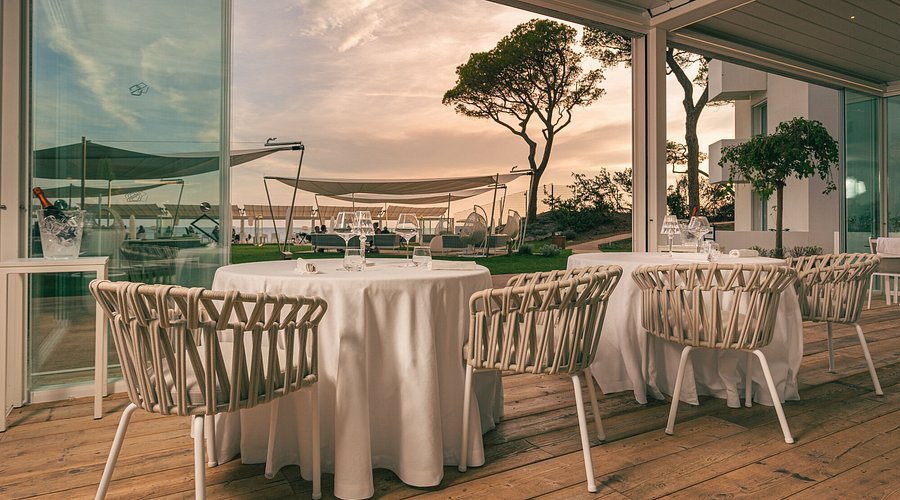
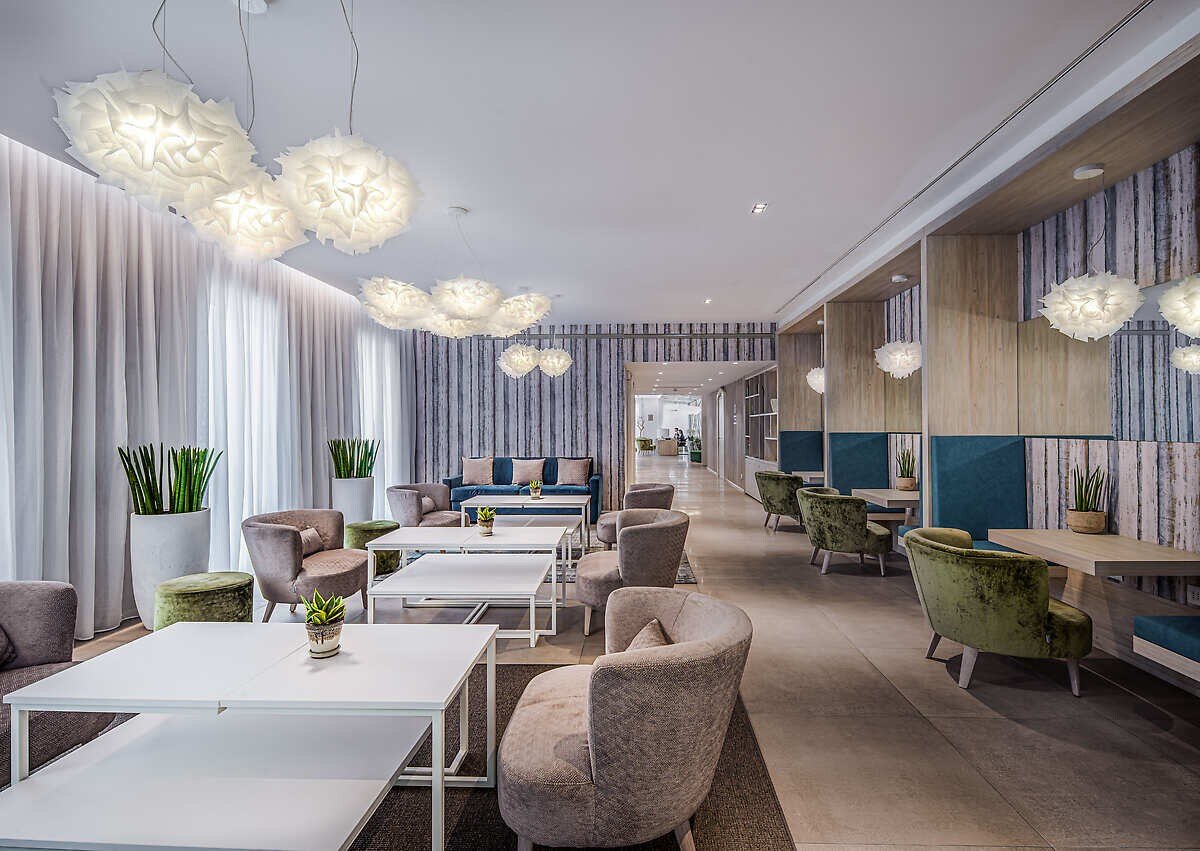
Serene and relaxing with a contemporary design aesthetic; guests describe it as peaceful and tranquil with excellent natural lighting from beachfront location and modern furnishings.
Tags
Vibe
Best For
Experience
Amenities
View
Accessibility
About the Stay
- Rooms
- 112
- Check-in
- 15:00
- Check-out
- 11:00
- Property Style
- Contemporary Luxury Resort with Mediterranean Influences, Built in 2020 with Modern Tuscan Design Elements Integrated Into a Natural Pine Forest Setting.
- Design Style
- Modern Minimalist with Natural Materials, Featuring Individually Decorated Rooms with Smart Technology, Designer Toiletries, and Emphasis on Clean Lines and Natural Light.
Know before you go
Know Before You Go
- Getting there
- Viale Italia, 315, 58022 Follonica GR
Planning details
Location
Recognition and awards
Also consider
Where to look if this is not the right fit
If you want a quieter stay, cross-shop Vedetta Relais. If you want a resort with more emphasis on golf and spa facilities, compare rates at Gallia Palace Beach - Golf - Spa - Resort.
Hotel context
How it compares with nearby coastal hotels
Choose The Sense Experience Resort if you want the safer independent-resort signal: its 2025 Preferred Hotels membership gives it a clearer quality marker than a generic seaside hotel search. Vedetta Relais is the better cross-shop if you want a quieter, more retreat-style stay rather than a Follonica resort base.
Cala Beach Resort and Cala del Porto Punta Ala are stronger comparisons for travelers prioritizing a beach-forward holiday outside the immediate Follonica frame. If the trip is about golf, spa time, and a fuller resort circuit, Gallia Palace Beach - Golf - Spa - Resort is the more relevant alternative.
Booking difficulty is marked easy here, so this is the practical pick when you want less reservation friction. For value, compare seasonal room rates closely: without verified dining prices or room-category data, the smartest move is to price the total stay rather than judge by headline positioning.
Explore Follonica
Around this place
Discover more on Pearl
Unlock the full The Sense Experience Resort guide in Pearl, including awards, comparisons, FAQs, planning details, and nearby places.
Compare The Sense Experience Resort
| Venue | Location | Awards |
|---|---|---|
| The Sense Experience Resort | Follonica | 2025 Michelin Selected HotelsPreferred Hotels Member 2025 |
| Vedetta Relais | Scarlino | No published awards |
| Cala Beach Resort | Punta Ala | Leading Hotels of the World 2026 |
| Cala del Porto Punta Ala | Castiglione della Pescaia | 2025 Michelin Selected HotelsPreferred Hotels L.V.X. Collection 2025 |
| Cala del Porto Punta Ala | Grosseto | 2025 Michelin Selected HotelsPreferred Hotels L.V.X. Collection 2025 |
| Gallia Palace Beach - Golf - Spa - Resort | Punta Ala | 2026 Relais Chateaux Hotels2025 Relais Chateaux Award |


How The Sense Experience Resort Follonica compares with similar nearby venues.
FAQ
Frequently Asked Questions
What is check-in like at The Sense Experience Resort?
For check-in, consult the venue's official channels for current arrival times and procedures. The Sense Experience Resort is in Follonica and is a Preferred Hotels Member for 2025.
Is The Sense Experience Resort family-friendly?
How is the location of The Sense Experience Resort?
The location is Follonica. Use the venue's official channels for precise directions.
How is the dining at The Sense Experience Resort?
Which room category is best at The Sense Experience Resort?
For room-category choice, compare the current room descriptions, views, space, and inclusions on the venue's official channels.
How does The Sense Experience Resort compare to other hotels?
The Sense Experience Resort has Preferred Hotels Member status for 2025. For comparison, travelers can also research Cala Beach Resort, Cala del Porto Punta Ala, Gallia Palace Beach - Golf - Spa - Resort, and Vedetta Relais, choosing based on the latest official details for each property.