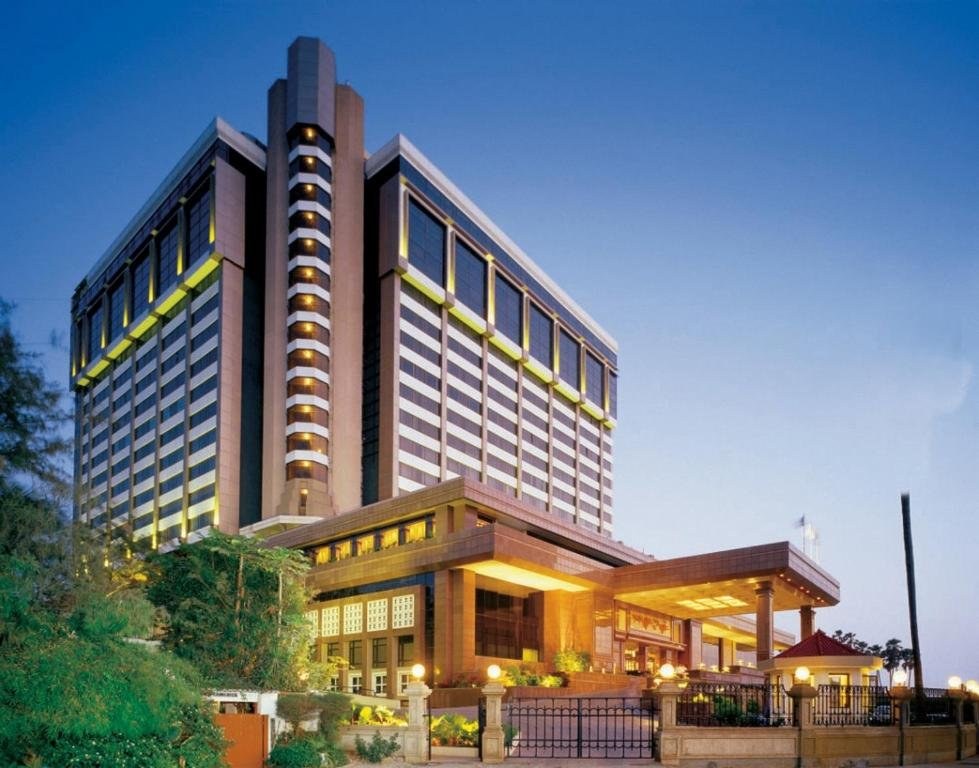



Taj Lands End, Mumbai
Bandra B, Mumbai
Hotel in Mumbai, India
 Book with Pearl
The Read
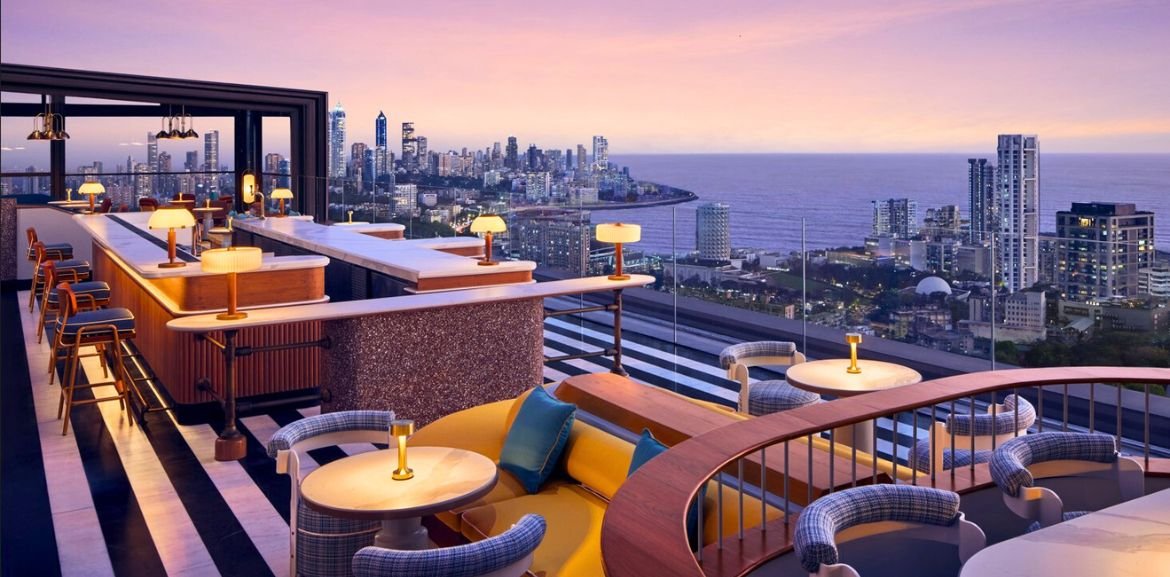
Arabian Sea Vantage Point
Why go
Book Taj Lands End, Mumbai when Bandra is central to the trip and the stay needs full-service comfort for family plans or a special occasion. It has stronger recognition than many city hotels, including La Liste 2026, Travel + Leisure 2025, and MICHELIN Guide hotel selection signals, but location should drive the decision.
About Taj Lands End, Mumbai
Taj Lands End, Mumbai is an award-recognized hotel option in Mumbai with a smart casual dress code. For travelers comparing stays in the city, frame it as an award-recognized Mumbai hotel and check trip-specific details directly before booking.
The recognition is notable. La Liste scored Taj Lands End, Mumbai 93.5 points in its 2026 Top Hotels list, Travel + Leisure placed it at #55 in its 2025 list of 100 Favorite Hotels in the World with 97.9 points, and the MICHELIN Guide selected it for hotels in 2025. Those are strong reasons to keep it on a Mumbai hotel shortlist.
Recognition is the main reason to shortlist it
Planning around Taj Lands End, Mumbai should start with its core appeal: the venue is in Mumbai, the dress code is smart casual, and it has recognition from La Liste, Travel + Leisure, and the MICHELIN Guide. Check specific services, room categories, dining formats, views, facilities, or ideal trip types directly with the hotel before booking.
For comparison shopping, keep the set focused on other Mumbai options such as Four Seasons Private Residences Mumbai, Grand Hyatt Mumbai, ITC Grand Central, A Luxury Collection Hotel, Mumbai, Le Sutra the Indian art hotel, and Soho House Mumbai. Each may suit a different stay, while Taj Lands End, Mumbai stands out for its hotel recognition and Mumbai location.
Use it as a Mumbai hotel shortlist candidate, then check trip-specific needs
The right way to evaluate Taj Lands End, Mumbai is practical: decide whether its recognition and Mumbai location match the trip, then confirm any stay-specific requirements directly before committing. That includes questions about rooms, dining, facilities, accessibility, family needs, business services, or transport timing.
For dining-focused planning beyond the hotel, use our full Mumbai restaurants guide to build a separate itinerary around other Mumbai dining options. For hotel cross-shopping, compare Taj Lands End, Mumbai with Four Seasons Private Residences Mumbai, Grand Hyatt Mumbai, ITC Grand Central, A Luxury Collection Hotel, Mumbai, Le Sutra the Indian art hotel, and Soho House Mumbai.
Quick read: choose Taj Lands End, Mumbai for a Mumbai hotel shortlist when hotel recognition matters; check any specific facilities, room preferences, dining needs, or trip logistics directly before booking.
Part of
Taj Hotels52 locations on PearlPlanning details
- Location
- BJ Road, opp. ICICI Bank, Mount Mary, Bandra West, Mumbai, Maharashtra 400050
- Website
- tajhotels.com/en-in/hotels/taj-lands-end-mumbai
- Phone
- +91 22 6668 1234
The take
The Take
The Vibe
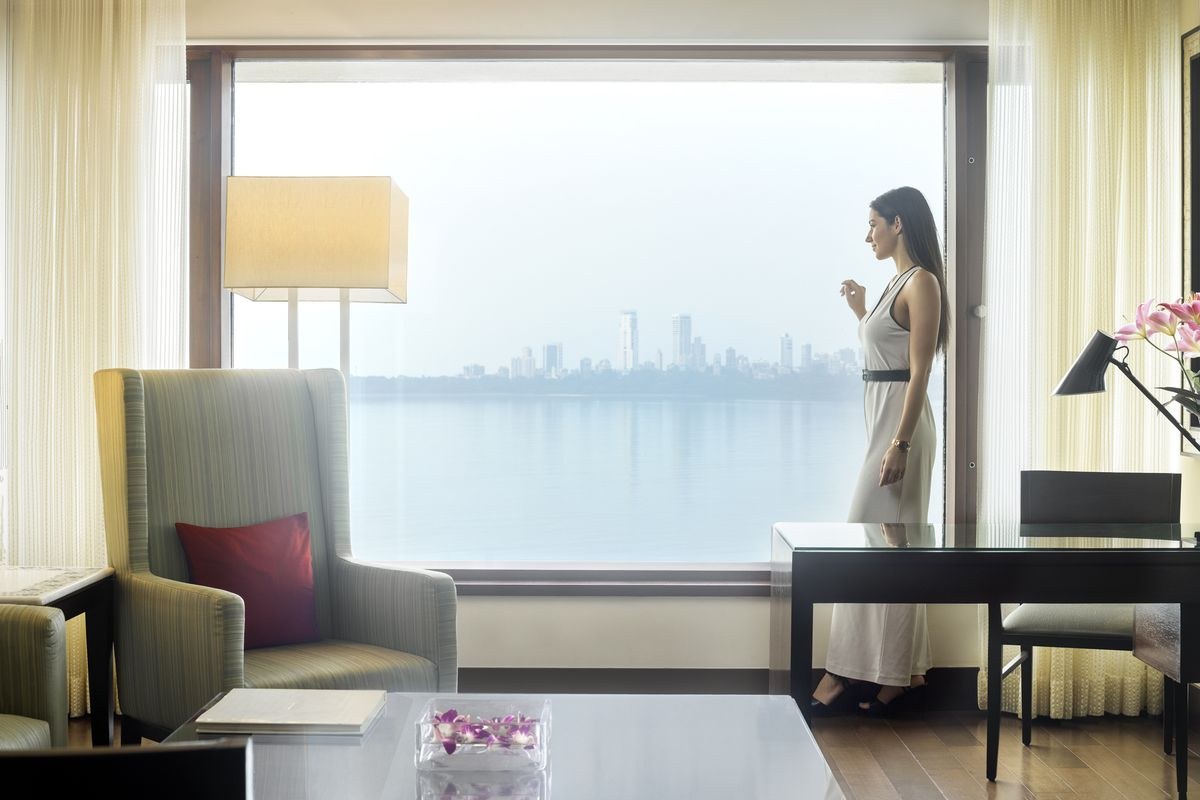
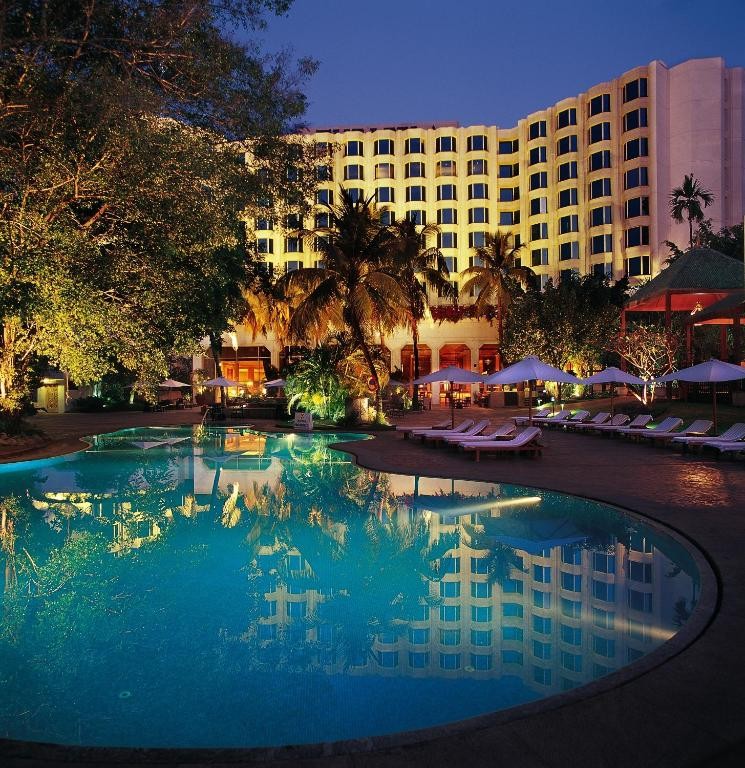
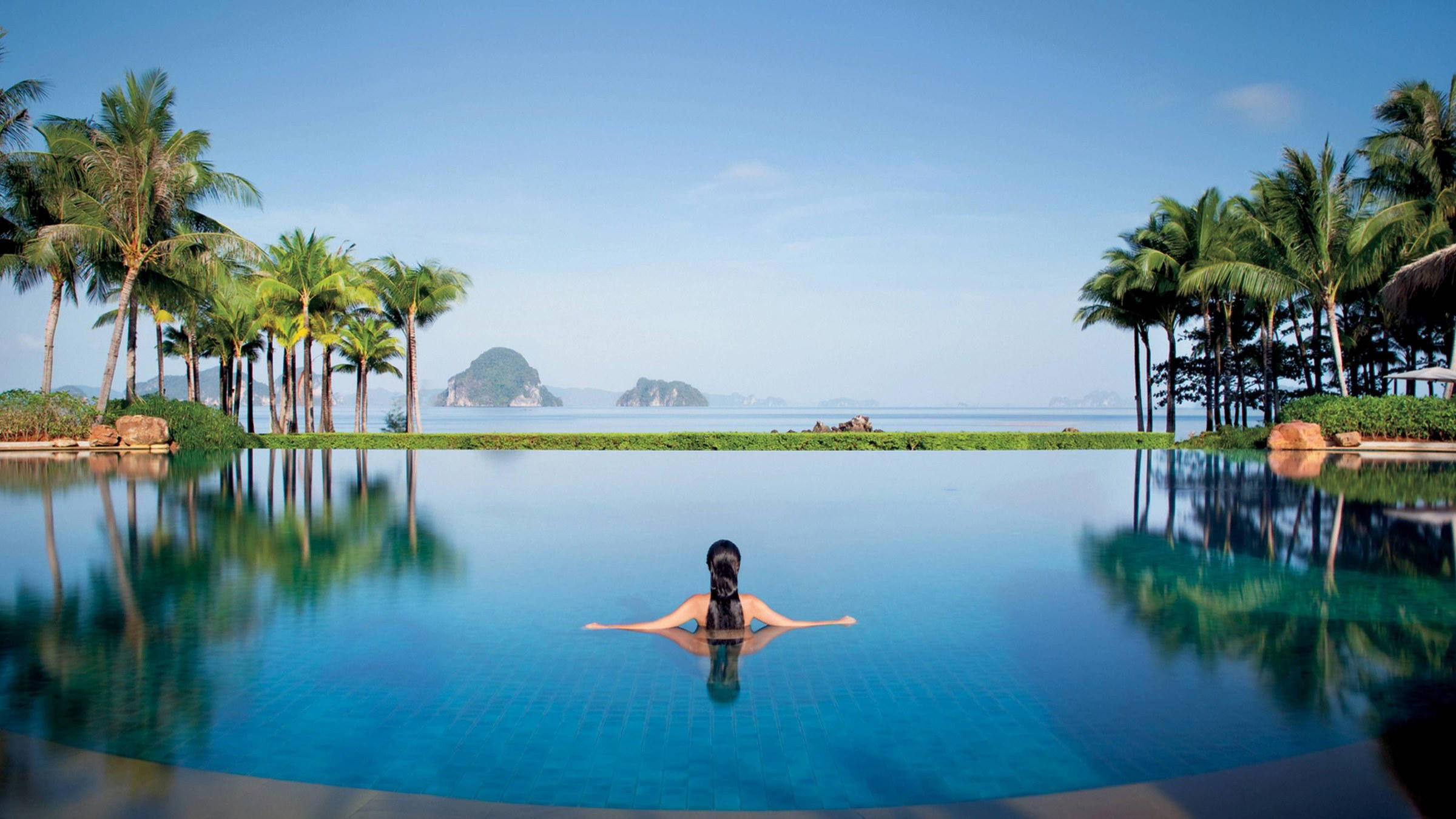
Taj Lands End capitalizes on a promontory position at the southwestern tip of Bandra West, where lateral sight lines across the Arabian Sea become the defining element of the property. With an unusually large inventory of water-facing rooms, the hotel foregrounds those sea views while sitting opposite the historic Bandra Fort and above a waterfront promenade locals use at dusk. The write-up stresses that the hotel removes guests from suburban noise without isolating them, producing a composed, scenic and quietly refined mood—an urban seaside retreat that leans on its outlook rather than overt theatrics.
Best For
The hotel suits travelers who prioritize a strong waterfront base in Bandra: couples on romantic getaways and honeymooners who want sea views, as well as business travelers who need reasonable airport and Bandra-Kurla Complex access. Its scale—486 rooms with significant water-facing inventory—makes it practical for short leisure stays and city escapes. Proximity to the Bandra Fort and the dusk-popular promenade also makes it attractive to guests who value easy seaside walks and a neighborhood edge to their stay, rather than a purely central-city address.
Stay Tips
When planning a stay, request a sea-facing room to take full advantage of the property’s promontory sight lines; the description emphasizes that many rooms look across the Arabian Sea and that the headland geometry changes the view. Time airport transfers to avoid Mumbai rush periods—the write-up notes a 20–30 minute drive from terminals outside peak traffic, with morning and evening windows often longer. For evenings, plan to visit the waterfront promenade at dusk when locals gather; that timing delivers the most atmospheric seaside experience described in the piece.
Venue details
Ambiance
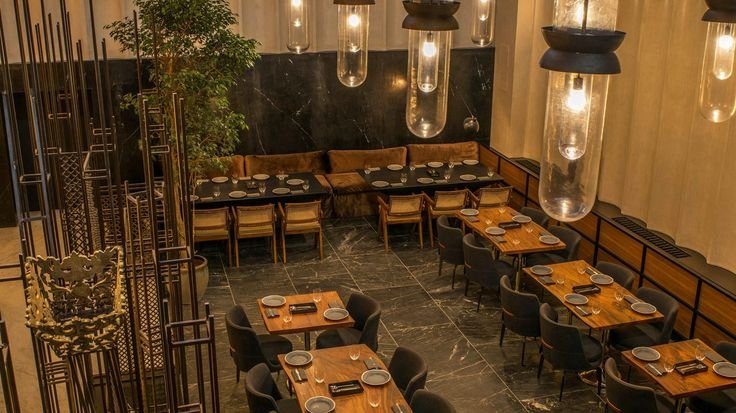
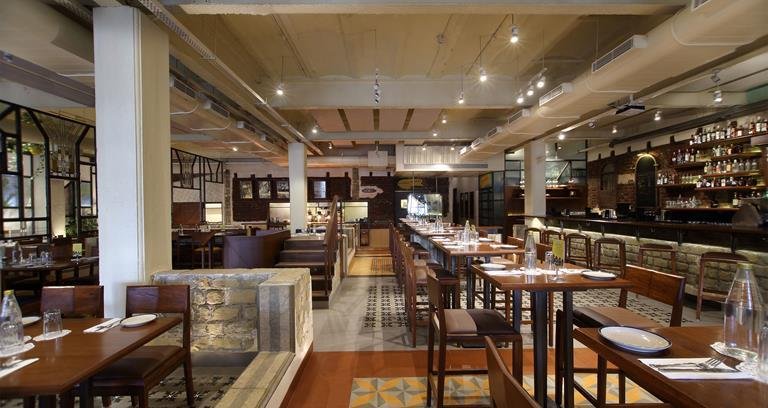
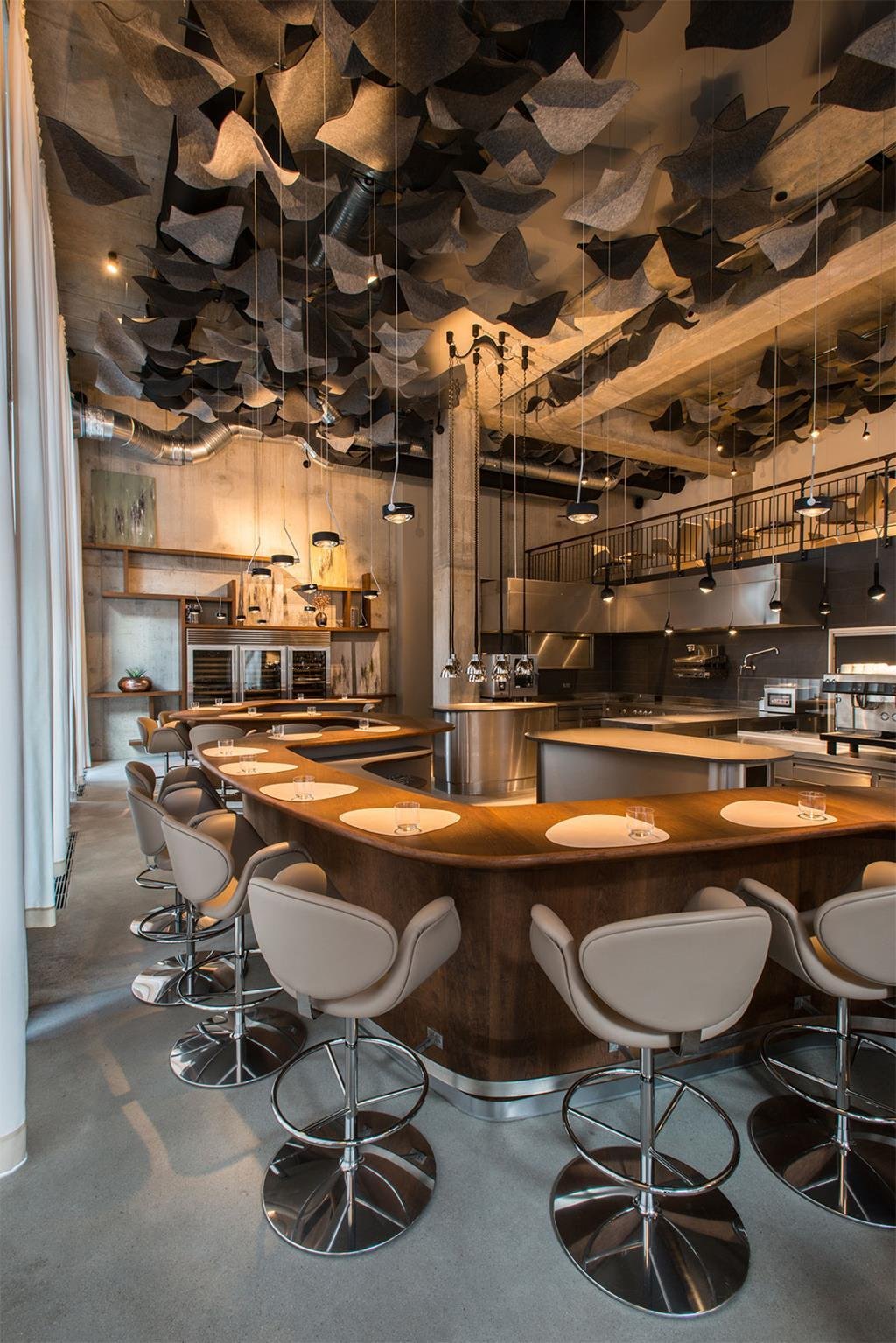
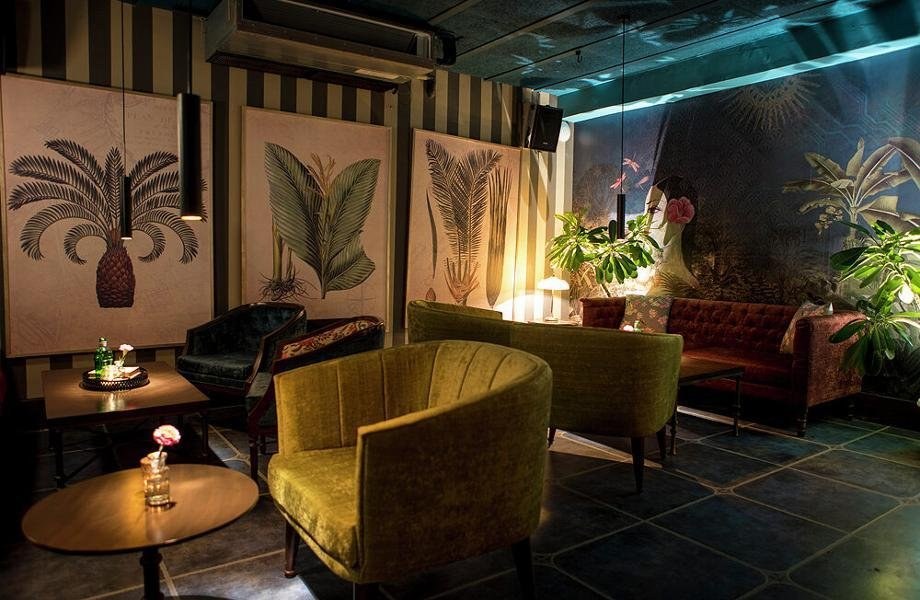
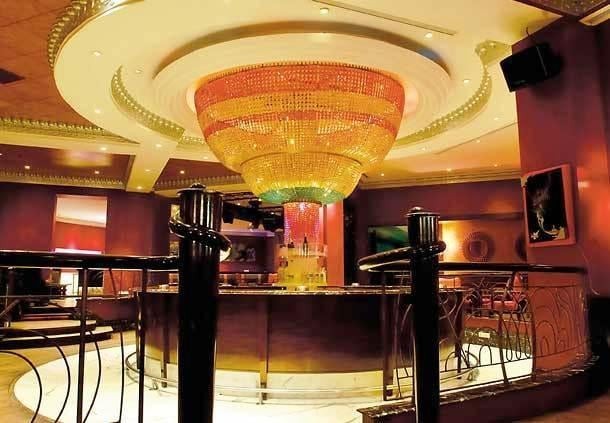
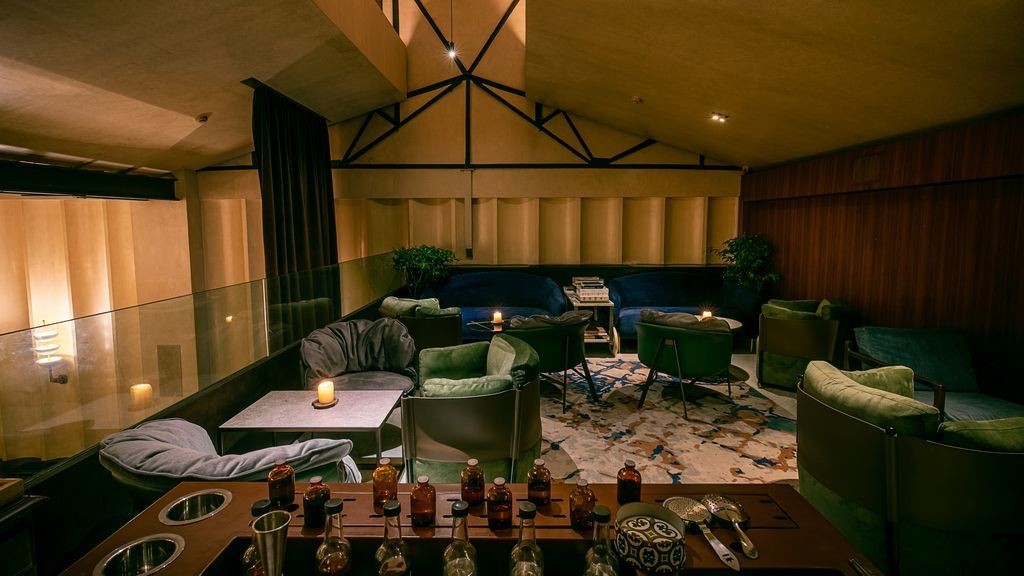
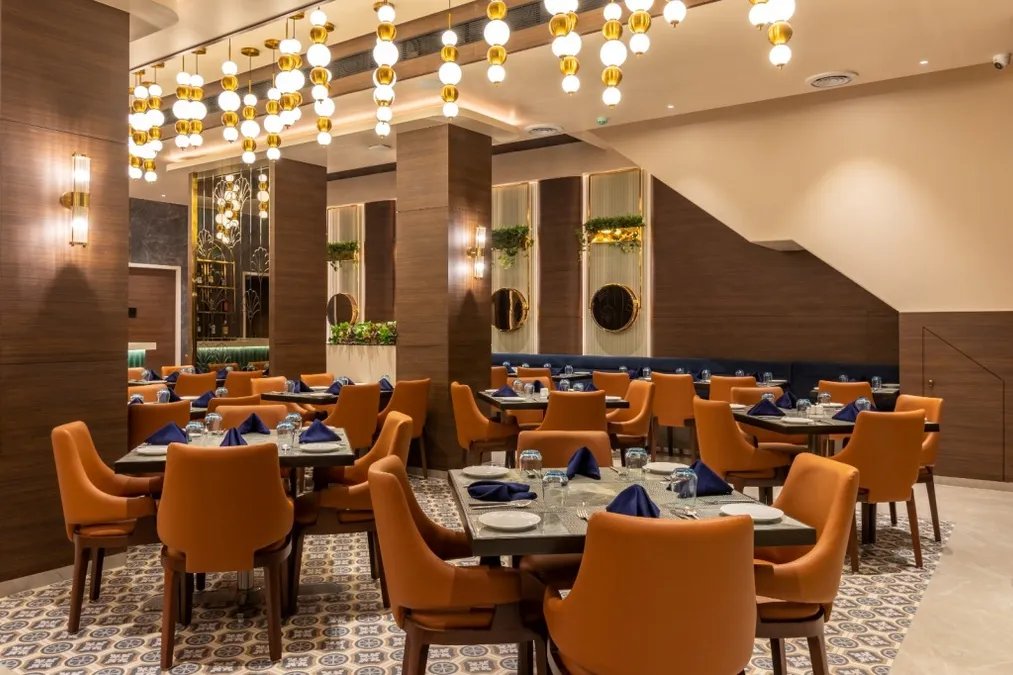
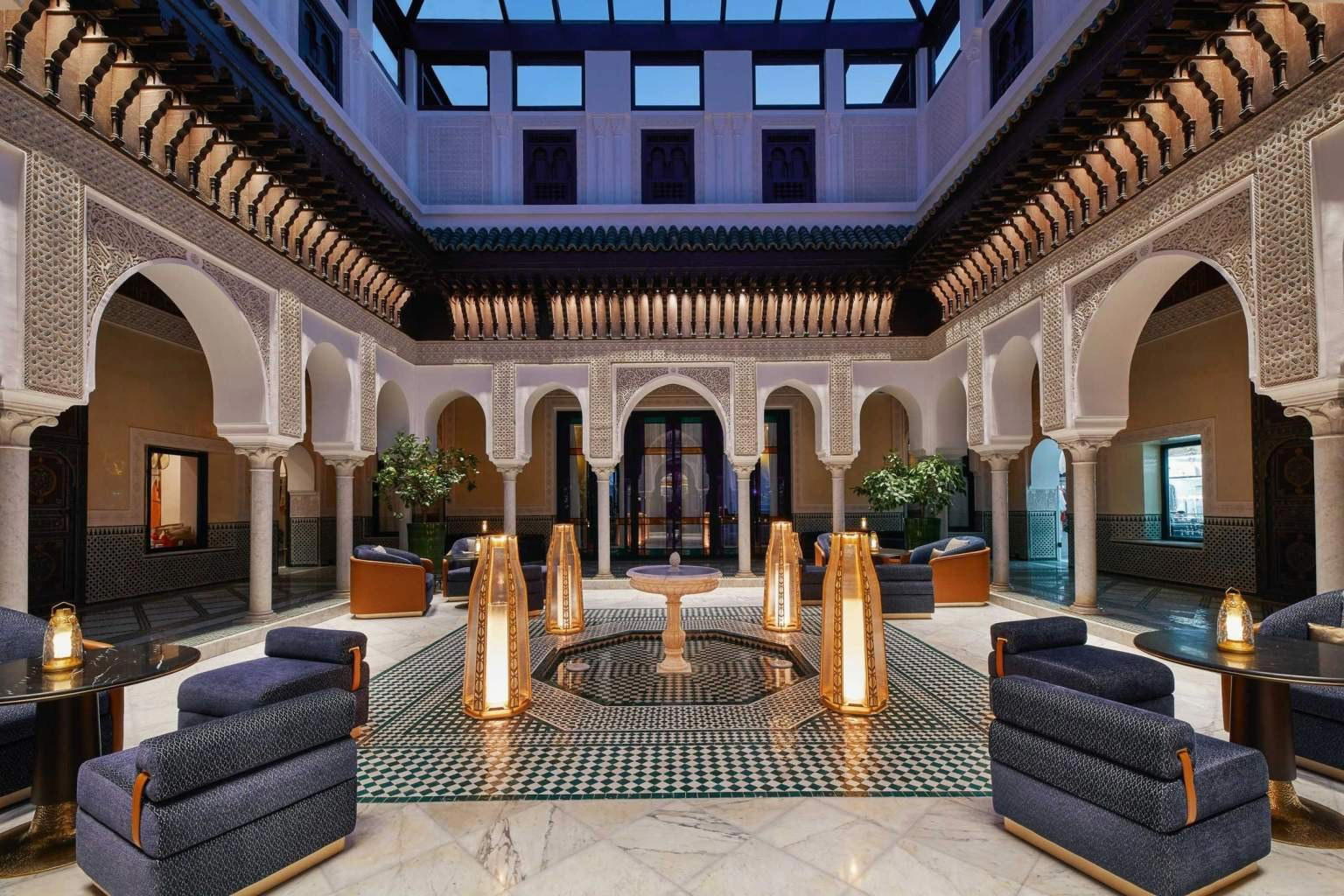
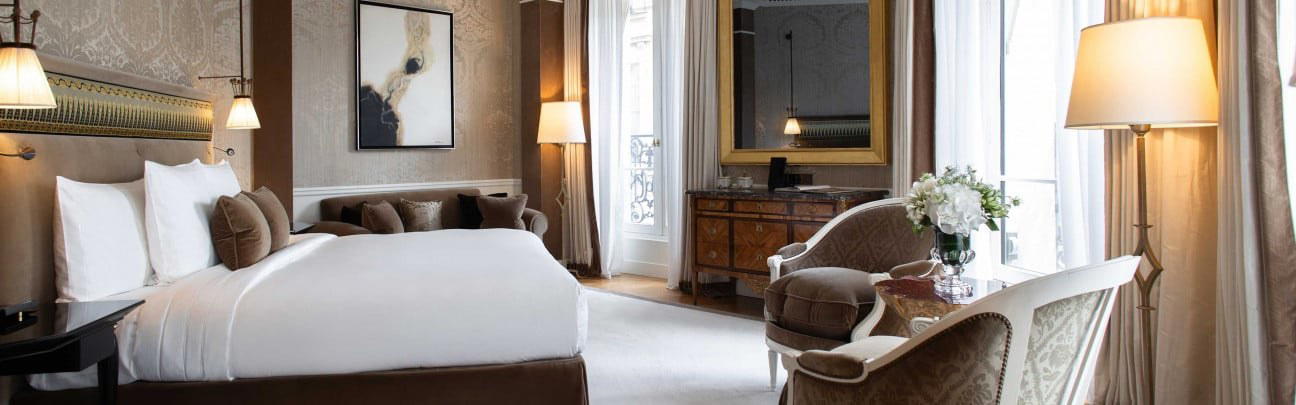
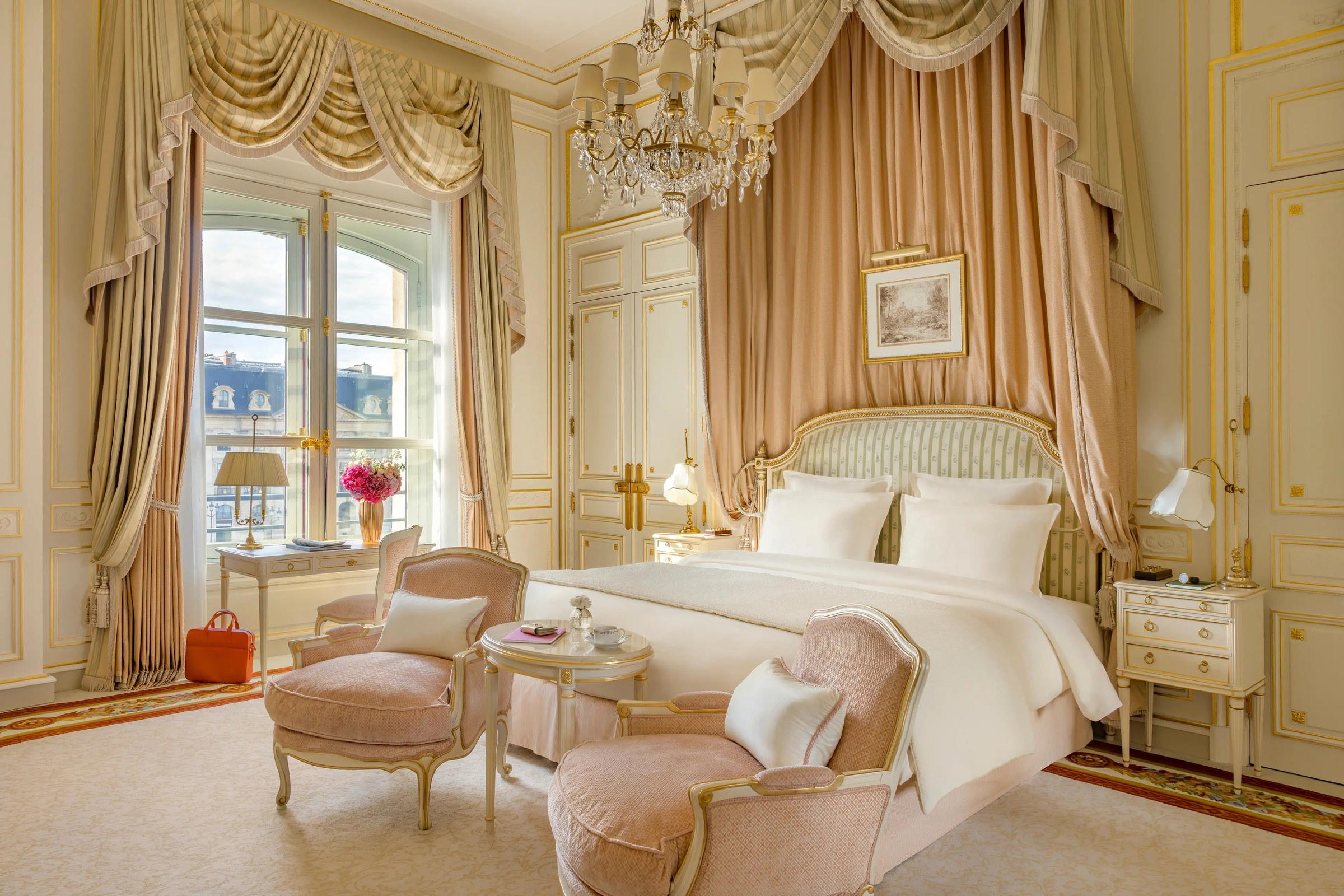
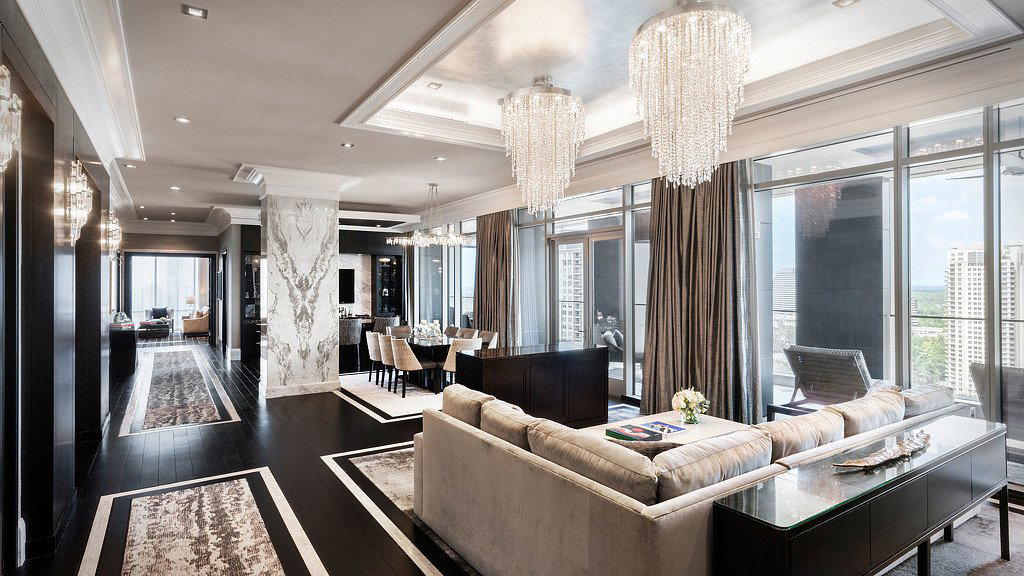
Elegant and luxurious with chic interiors, plush furnishings, and calming sea views.
Tags
Vibe
Best For
Experience
Amenities
View
Accessibility
About the Stay
- Rooms
- 560
- Check-in
- 15:00
- Check-out
- 11:00
- Property Style
- Luxury Urban Resort with Sea Views
- Design Style
- Modern Chic with Elegant Furnishings
Know before you go
Know Before You Go
- Getting there
- BJ Road, opp. ICICI Bank, Mount Mary, Bandra West, Mumbai, Maharashtra 400050
Planning details
Location
BJ Road, opp. ICICI Bank, Mount Mary, Bandra West, Mumbai, Maharashtra 400050 · Directions
Recognition and awards


Also consider
Also Consider
- Le Sutra the Indian art hotel, Notable alternative
- Grand Hyatt Mumbai, Notable alternative
- Soho House Mumbai, Notable alternative
- ITC Grand Central, A Luxury Collection Hotel, Mumbai, Notable alternative
- Four Seasons Private Residences Mumbai, Notable alternative
Hotel context
How It Compares
Choose Taj Lands End, Mumbai over Le Sutra the Indian art hotel when the stay needs a larger full-service hotel setup for family logistics, events, or a celebration. Le Sutra is the more character-led pick in Bandra, but it is less obvious for travelers who want a bigger hotel footprint and broader service support.
Grand Hyatt Mumbai is the stronger airport-and-business-corridor choice, while Taj Lands End, Mumbai is the better fit when Bandra West is the anchor. ITC Grand Central, A Luxury Collection Hotel, Mumbai makes more sense for guests prioritizing central access; pick Bandra instead when the stay is built around western-suburb plans and a more occasion-led mood.
Soho House Mumbai is the social, membership-club-adjacent cross-shop for adults who want a scene, not the default family choice. Four Seasons Private Residences Mumbai is the better route for residential-style privacy and longer-stay comfort, while Taj Lands End, Mumbai is easier to justify for a classic hotel stay with recognized awards backing.
Explore Mumbai
Around this place
Discover more on Pearl
Unlock the full Taj Lands End, Mumbai guide in Pearl, including awards, comparisons, FAQs, planning details, and nearby places.
Compare Taj Lands End, Mumbai
| Venue | Location | Awards |
|---|---|---|
| Taj Lands End, Mumbai | Mumbai | 2026 La Liste Top Hotels2025 Travel + Leisure 100 Favorite Hotels in the World · #552025 Michelin Selected Hotels |
| Le Sutra the Indian art hotel | Mumbai | No published awards |
| Grand Hyatt Mumbai | Mumbai | No published awards |
| Soho House Mumbai | Mumbai | 2026 Mr & Mrs Smith Luxury Hotels2025 Michelin 1 Key |
| ITC Grand Central, A Luxury Collection Hotel, Mumbai | Mumbai | 2026 Forbes 4-Star2025 Forbes 4-Star |
| Four Seasons Private Residences Mumbai | Mumbai | No published awards |


How Taj Lands End, Mumbai compares with similar nearby venues.
FAQ
Frequently Asked Questions
Is Taj Lands End, Mumbai family-friendly?
For a family stay, confirm room setup, services, and any child-related needs directly with Taj Lands End, Mumbai before booking, and compare it with other Mumbai options such as Le Sutra the Indian art hotel, Soho House Mumbai, and Grand Hyatt Mumbai.
How is the pool and spa at Taj Lands End, Mumbai?
Ask Taj Lands End, Mumbai directly about pool, spa, and wellness facilities before booking. Four Seasons Private Residences Mumbai is another Mumbai option to compare if your stay requirements differ.
Which room category is best at Taj Lands End, Mumbai?
Choose only after checking current room information directly with Taj Lands End, Mumbai. If you are comparing formats, Four Seasons Private Residences Mumbai is another Mumbai property to consider.
How is the dining at Taj Lands End, Mumbai?
Confirm current dining details directly with Taj Lands End, Mumbai, or use other Mumbai dining resources if restaurants are a major part of the trip. Le Sutra the Indian art hotel and Soho House Mumbai are other Mumbai venues that may be part of a broader comparison.
How does Taj Lands End, Mumbai compare to other Mumbai options?
Taj Lands End, Mumbai is recognized by La Liste, Travel + Leisure, and the MICHELIN Guide, and has a smart casual dress code. For a broader Mumbai shortlist, compare it with Grand Hyatt Mumbai, ITC Grand Central, A Luxury Collection Hotel, Mumbai, Four Seasons Private Residences Mumbai, Le Sutra the Indian art hotel, and Soho House Mumbai, while checking any specific stay requirements directly.