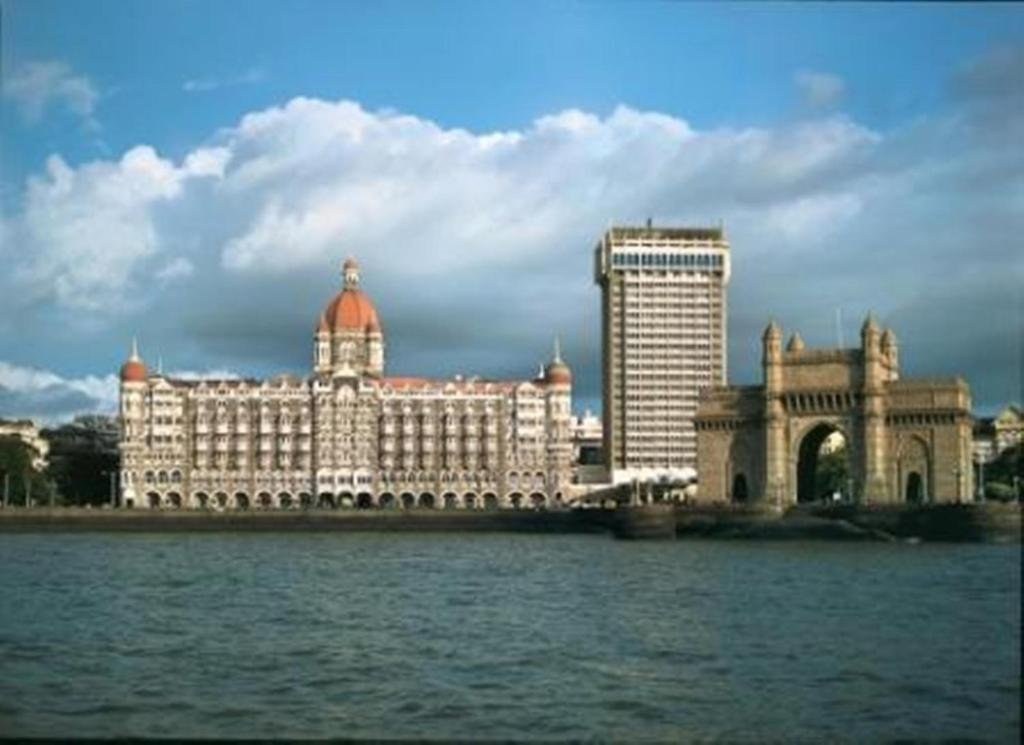

Taj Mahal Tower, Mumbai
Bombay Colaba, Mumbai
Hotel in Mumbai, India
 Book with Pearl
The Read
Harbor-Facing Heritage Address
Why go
Taj Mahal Tower, Mumbai is the practical luxury choice for travelers who want the Taj Colaba address with a less formal feel than the Palace. It is strongest for celebrations, first Mumbai trips, and business stays where service depth matters; cross-shop Abode Bombay for boutique character or The Oberoi, Mumbai for a quieter business profile.
About Taj Mahal Tower, Mumbai
Michelin 1 Key status in 2025 is a clear signal for Taj Mahal Tower, Mumbai. For travelers comparing stays in Mumbai, it is a grounded reason to keep the hotel on the shortlist, while other details should be confirmed directly before booking.
Choose it for a recognized Mumbai hotel stay
Taj Mahal Tower, Mumbai is best considered as a hotel option in Mumbai with Michelin 1 Key recognition for 2025. If you are deciding between it and The Taj Mahal Palace, Mumbai, compare the current room options, rates, and booking conditions directly rather than relying on assumptions about atmosphere or service style.
For a special occasion, client trip, or first Mumbai stay, this is a recognized hotel in Mumbai with smart casual dress guidance. Details such as specific amenities, dining formats, room categories, and arrival arrangements should be checked with the hotel or booking channel for your dates.
Who should book, and who should cross-shop
Book this if you want Taj Mahal Tower, Mumbai specifically and value its Michelin 1 Key recognition. Cross-shop Abode Bombay, The Oberoi, Mumbai, InterContinental Marine Drive-Mumbai, Sea Palace Hotel, and The Taj Mahal Palace, Mumbai if you are comparing different hotel styles, rates, or locations in Mumbai.
The main caution is to avoid over-reading details. Public-facing hotel pages and travel listings can vary, so confirm any specific need before committing, including room type, accessibility, dining, policies, and included services.
Quick reference: choose it for a Mumbai hotel with Michelin 1 Key recognition in 2025; compare it with Abode Bombay, InterContinental Marine Drive-Mumbai, Sea Palace Hotel, The Oberoi, Mumbai, and The Taj Mahal Palace, Mumbai before booking.
Part of
Taj Hotels52 locations on PearlPlanning details
- Location
- PJ Ramchandani Marg, Apollo Bandar, Colaba, Mumbai, Maharashtra 400001
- Website
- tajhotels.com/en-in/hotels/taj-mahal-tower-mumbai
- Phone
- +91 22 6665 3000
The take
The Take
The Vibe
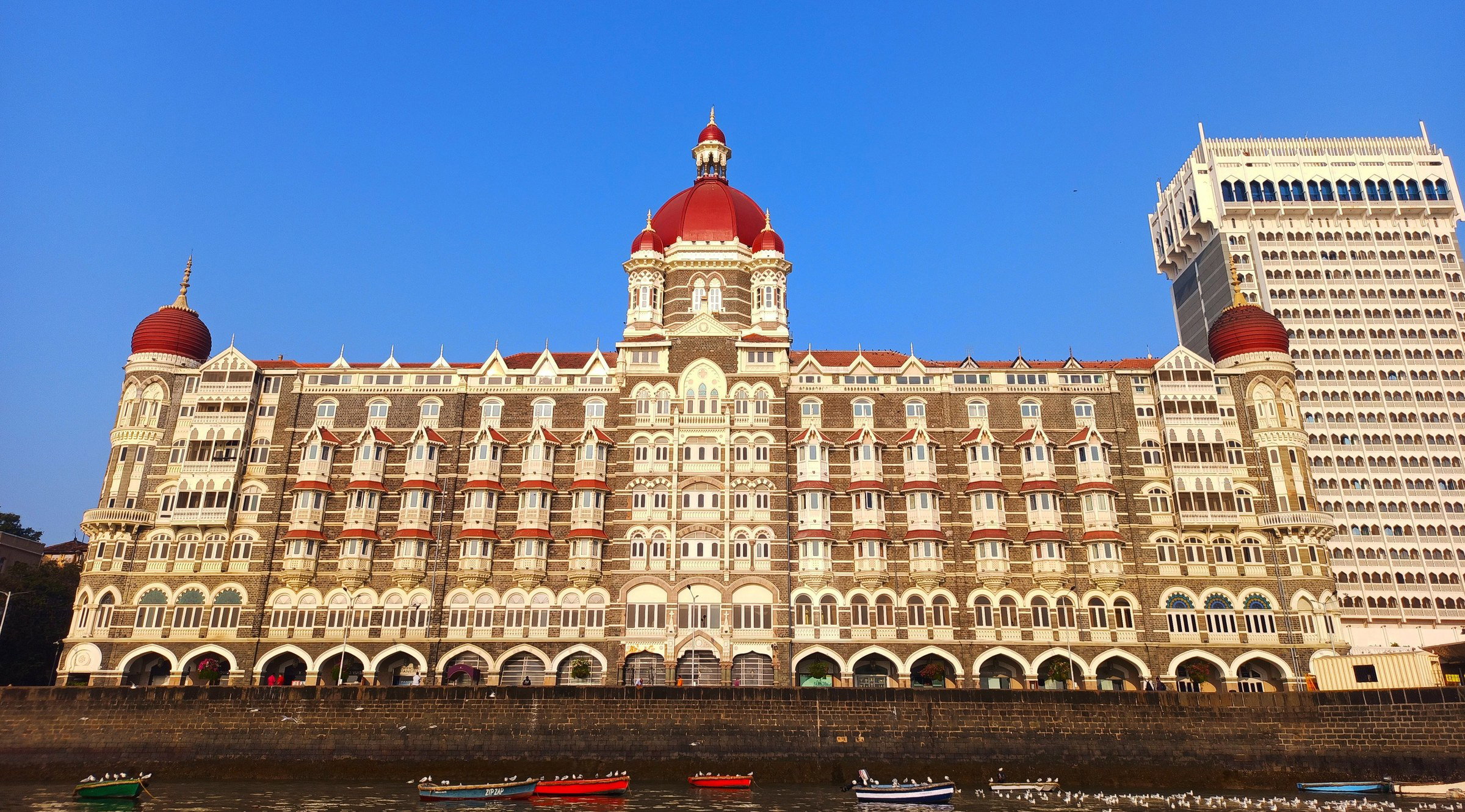
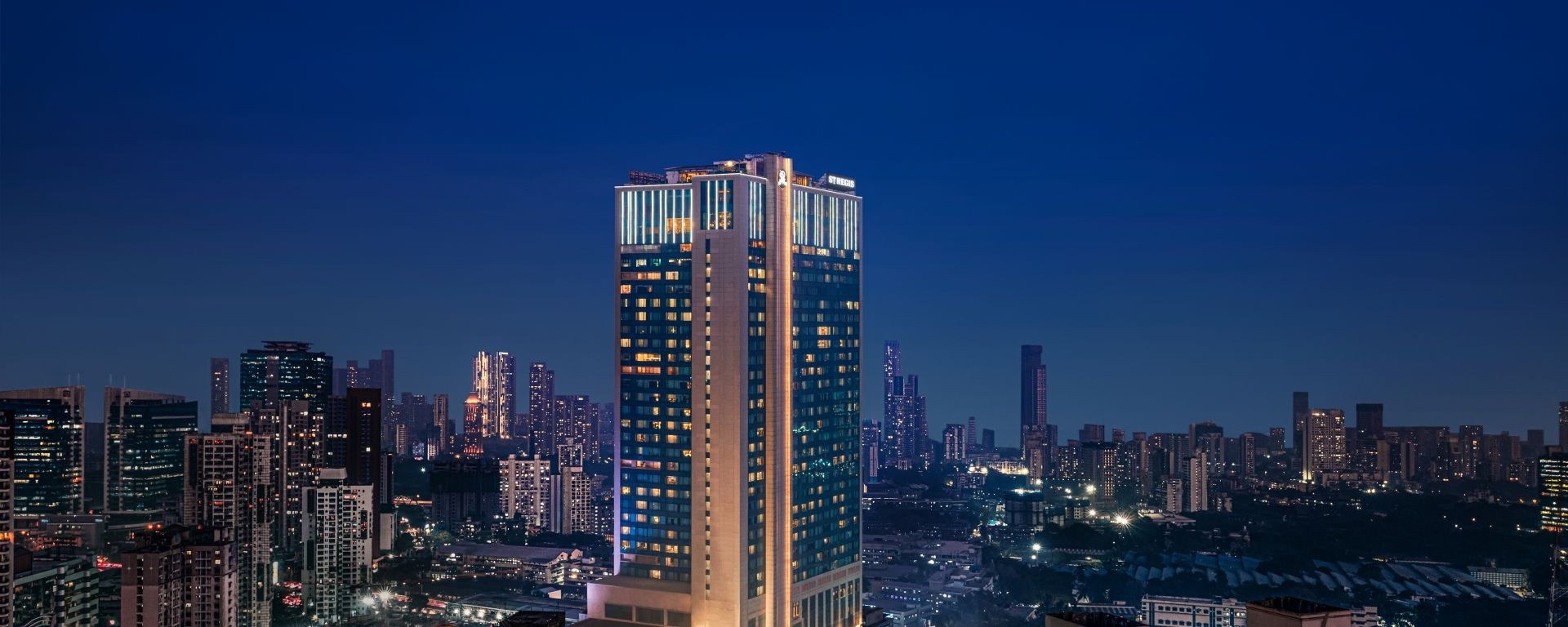
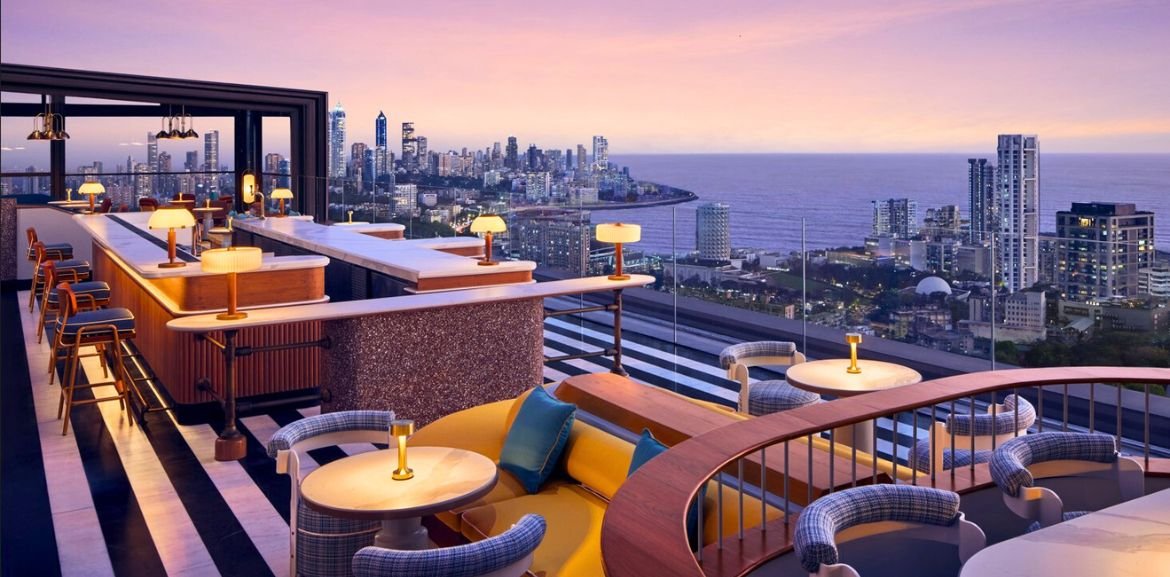
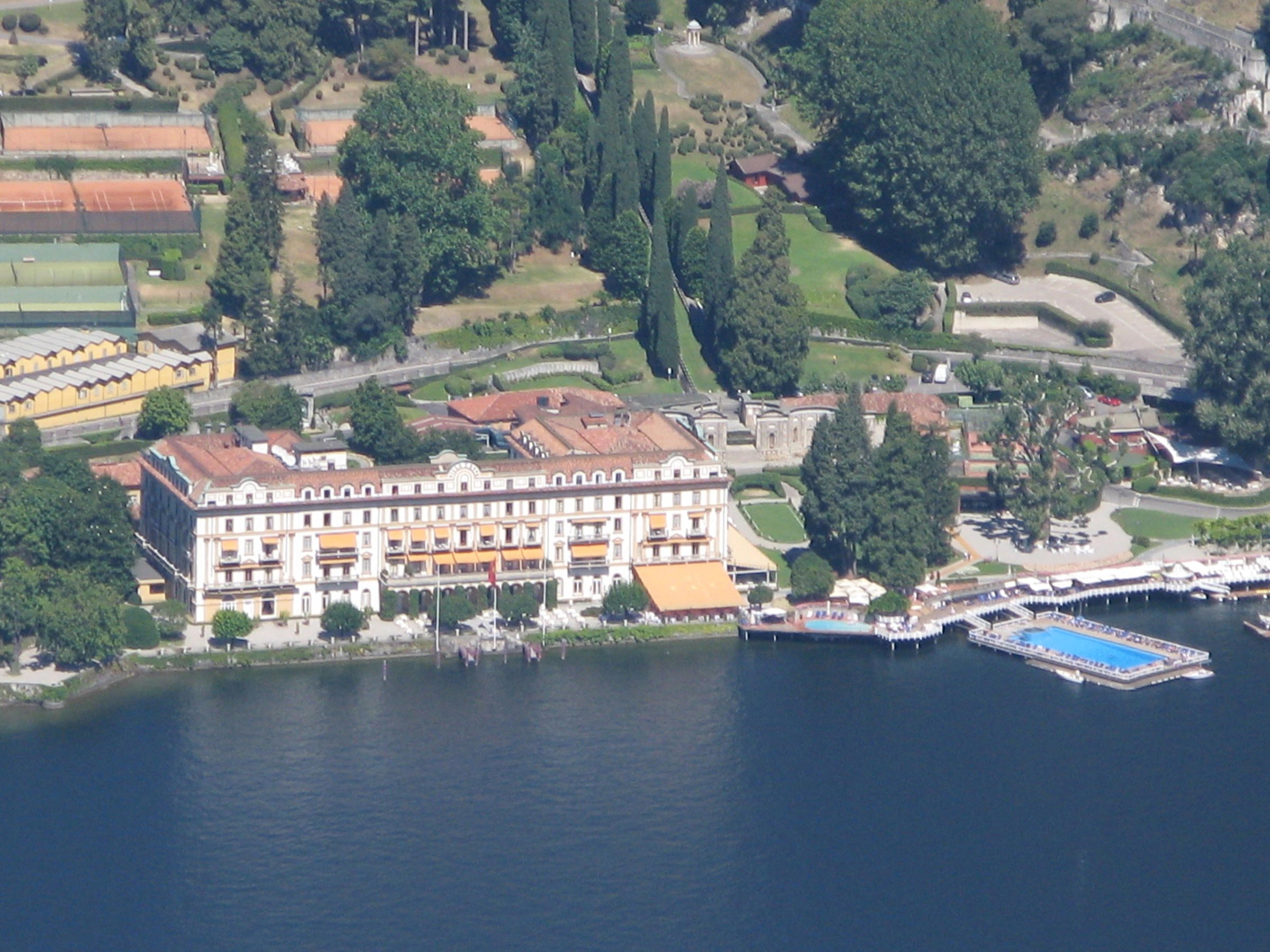
The Tower Wing of the Taj Mahal complex reads as a contemporary counterpoint to the adjoining Heritage Wing: a high-rise, efficiently organized structure that foregrounds harbour views and a cleaner architectural language. The property sits at the centre of Colaba’s layered urban fabric — colonial street grids, a working fishing harbour and the waterfront promenade — so even the Tower’s modern lines feel embedded in a historic context. The result is a hotel experience that balances modern luxury and the weight of place: refined and up-to-date while inextricably linked to the city’s maritime and colonial-era frames.
Best For
This property is best for travelers who prioritize location and views as much as hotel pedigree. Its Colaba waterfront address places the Gateway of India and the Arabian Sea within easy reach, making it ideal for guests who want to be at the heart of Mumbai’s tourist and harbour activity. The Tower Wing particularly suits visitors who prefer a more contemporary, efficiently organized room product while still benefiting from the Taj complex’s long-established service framework. It works equally well for visitors comparing a modern high-rise stay with the Heritage Wing’s ornate, pre-independence ambience.
Stay Tips
When choosing between accommodations in the Taj complex, be deliberate about wing selection: pick the Tower Wing for a more modern, high-rise layout and direct harbour views; choose the Heritage Palace if you want a deeper immersion in ornate, pre-independence architecture. Because the two wings share staff and address but offer different typologies, prioritize whether views and contemporary room planning or historic architectural character matter more to your stay. Book early if proximity to the Gateway of India and a waterfront outlook are priorities, as those features define the property’s appeal.
Venue details
Ambiance
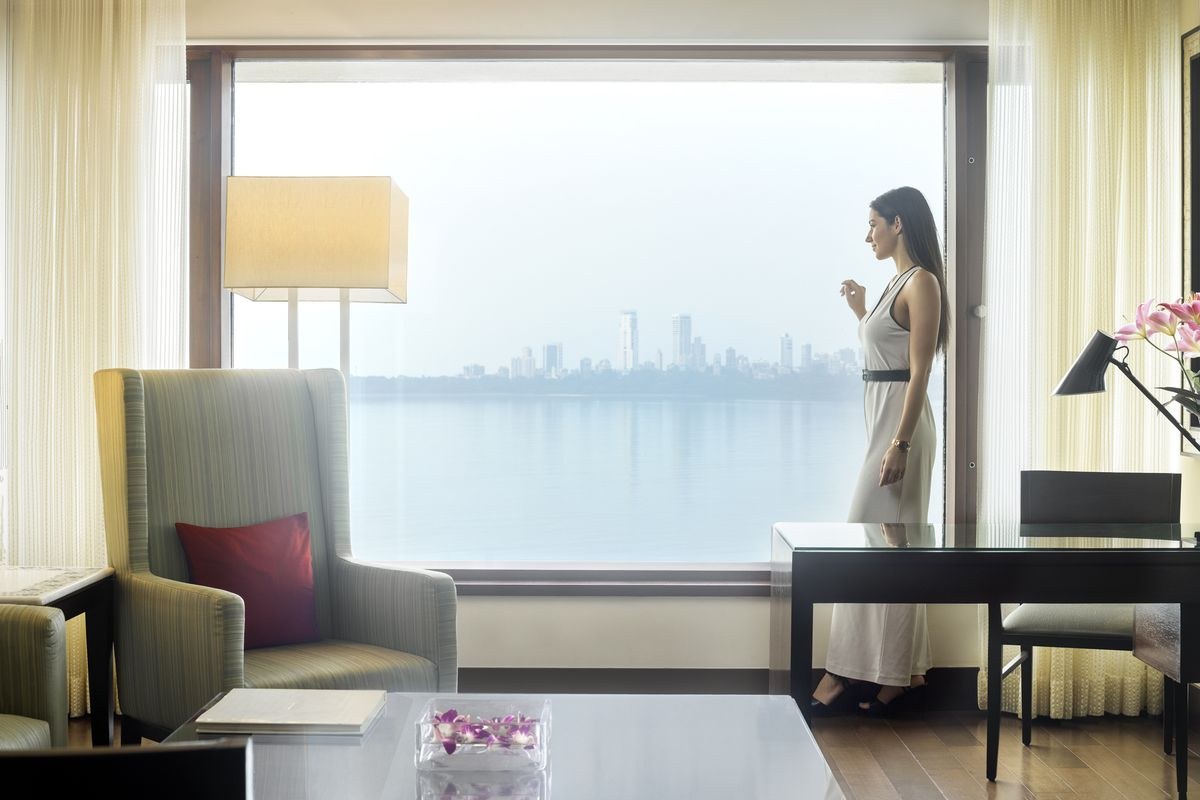
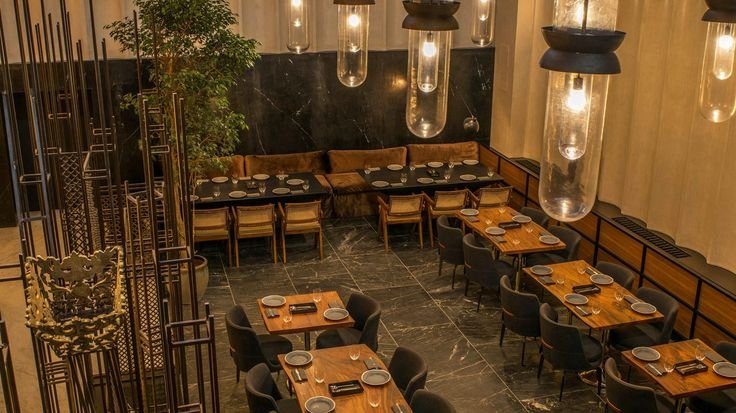
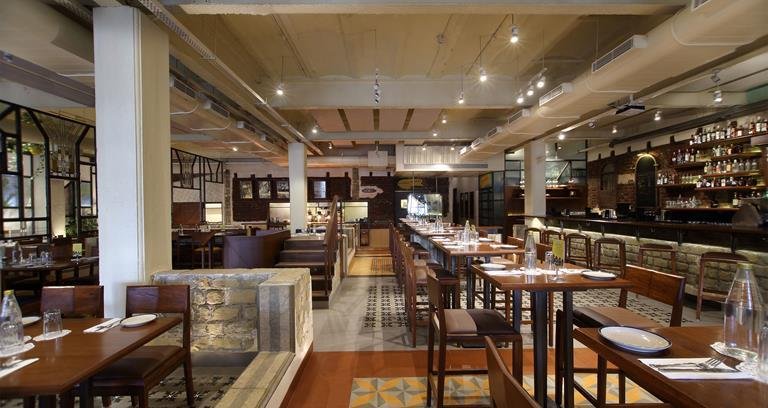
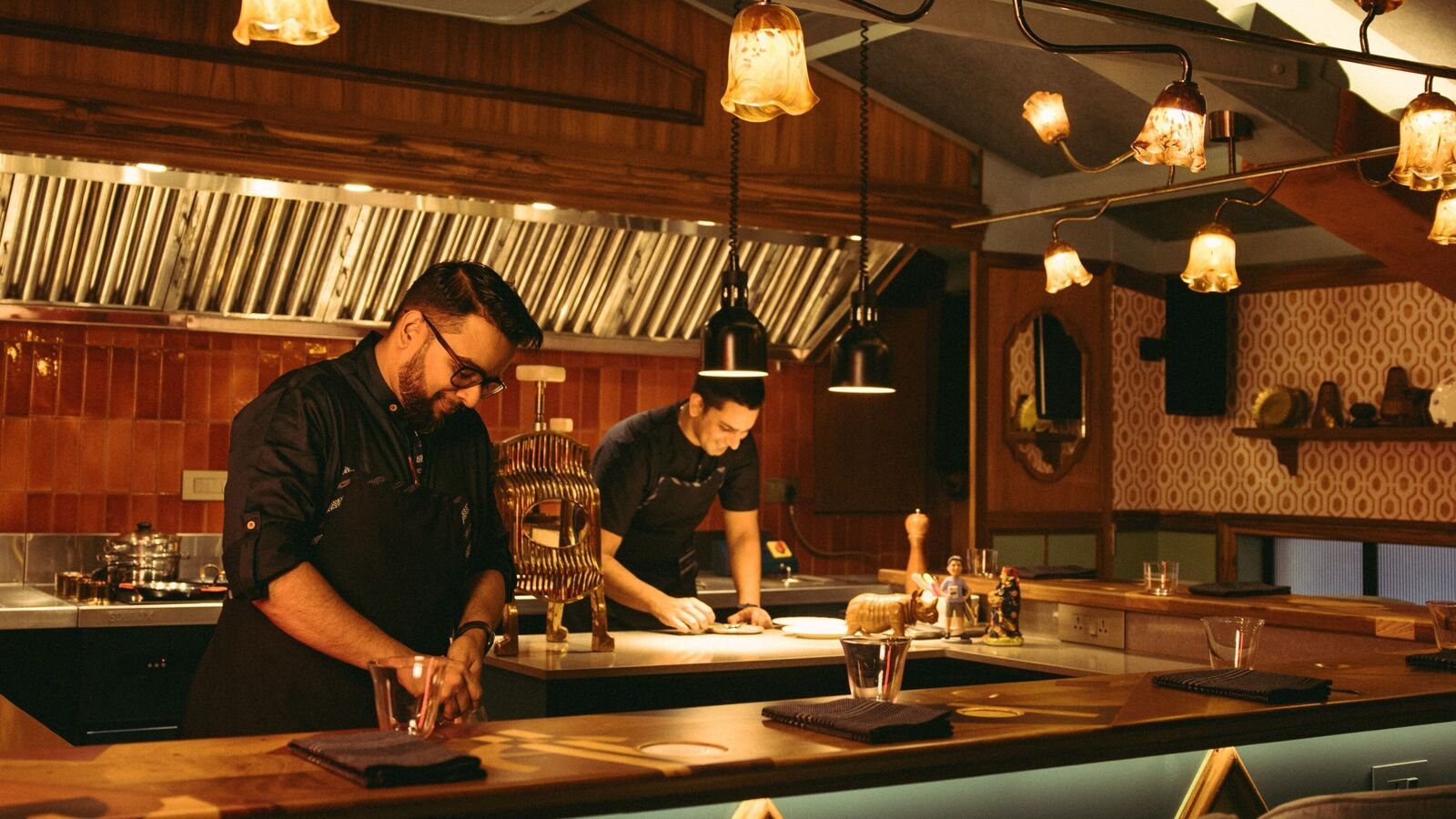
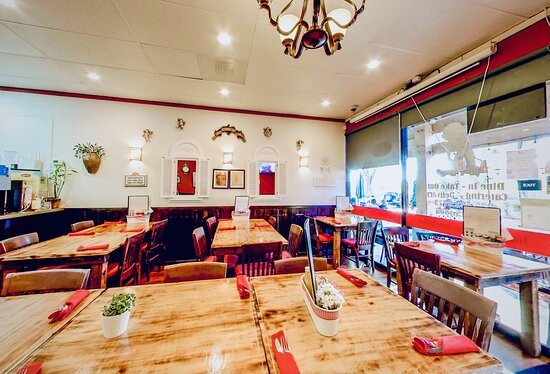
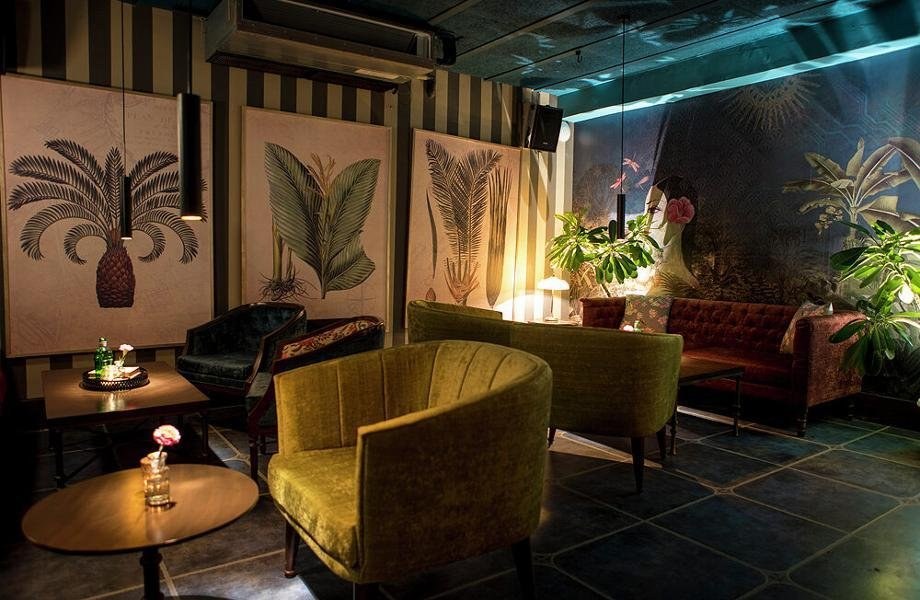
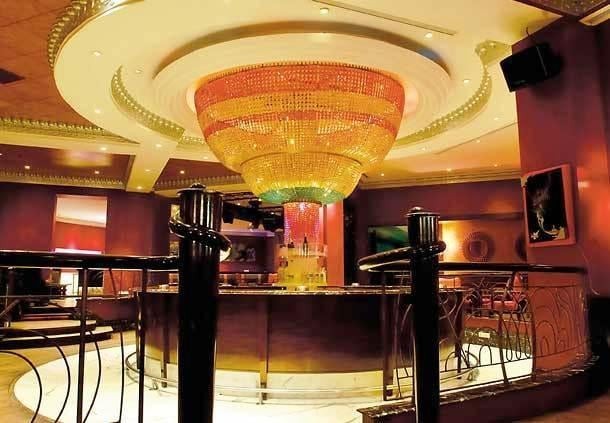
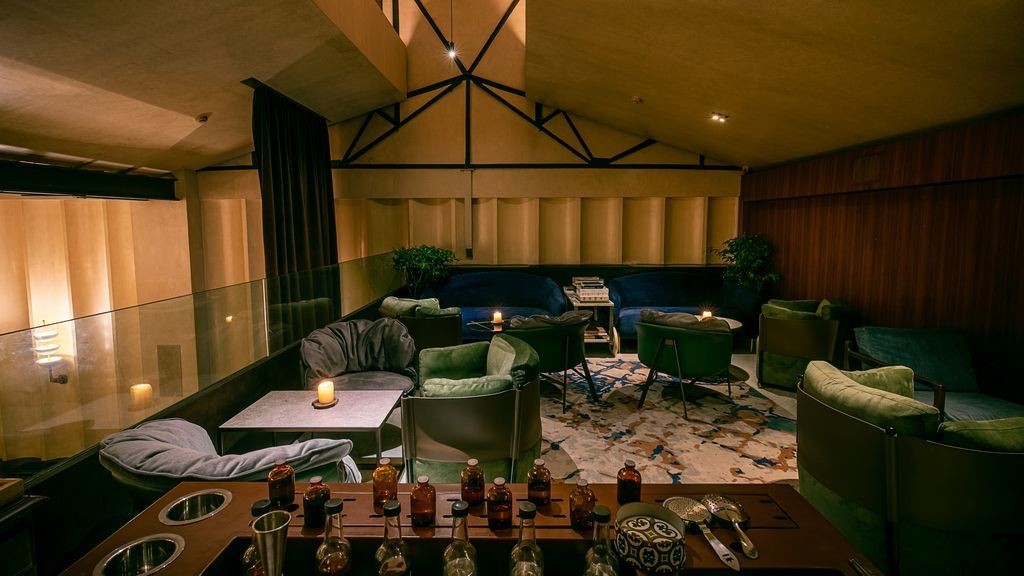
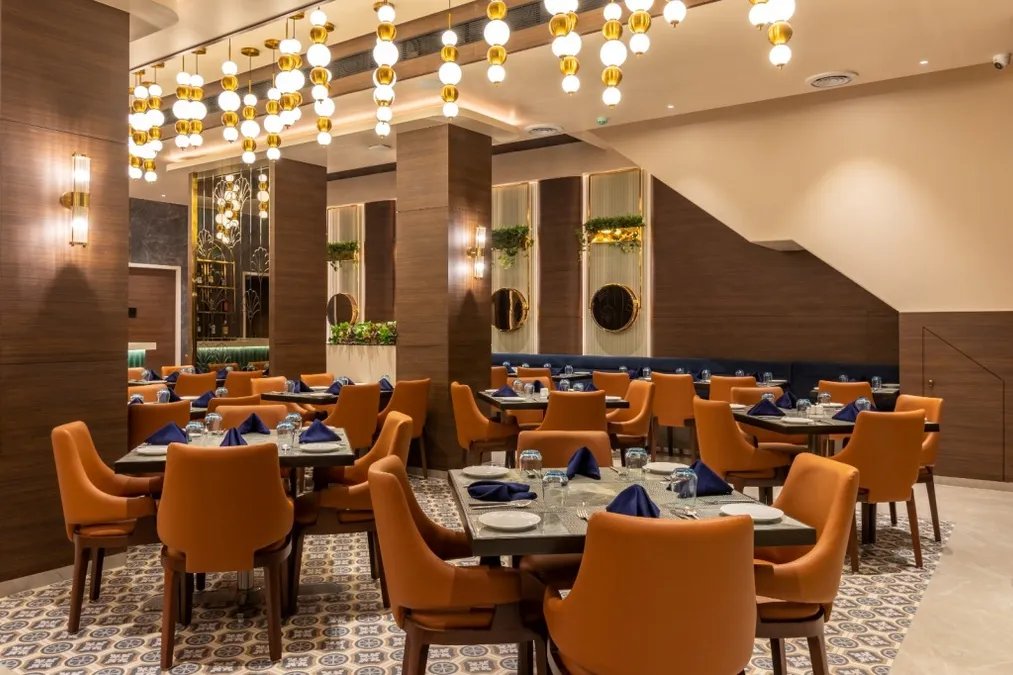
Luxurious and refined with period charm in public areas decorated with antiques, silk carpets, and crystal chandeliers; rooms feature understated elegance with contemporary allure and stunning Arabian Sea or cityscape vistas.
Tags
Vibe
Best For
Experience
Amenities
View
Accessibility
About the Stay
- Rooms
- 258
- Check-in
- 14:00
- Check-out
- 12:00
- Property Style
- Dual Wing Luxury Hotel Combining Historic Colonial Era Palace Architecture with Modern Tower Design, Positioned as Mumbai's Premier Heritage Luxury Destination.
- Design Style
- Eclectic Blend of South Indian Heritage Pillars, Rajasthani Arched Balconies, and Contemporary European Indian Fusion with Mughal Garden Inspired Spa Interiors.
Know before you go
Know Before You Go
- Getting there
- PJ Ramchandani Marg, Apollo Bandar, Colaba, Mumbai, Maharashtra 400001
Planning details
Location
PJ Ramchandani Marg, Apollo Bandar, Colaba, Mumbai, Maharashtra 400001 · Directions
Recognition and awards
Also consider
Also Consider
- The Taj Mahal Palace, Mumbai, Notable alternative
- Abode Bombay, Notable alternative
- Sea Palace Hotel, Notable alternative
- The Oberoi, Mumbai, Notable alternative
- InterContinental Marine Drive-Mumbai, Notable alternative
Hotel context
How it compares in Mumbai
The Taj Mahal Palace, Mumbai is the obvious first comparison: choose the Palace if heritage atmosphere is the point of the trip, and choose Taj Mahal Tower, Mumbai if you want the Taj address with a more practical, less ceremonial hotel feel. The Tower's Michelin 1 Key recognition gives it a credible luxury signal, but the Palace is the stronger emotional splurge for guests who want the classic Mumbai stay.
Abode Bombay and Sea Palace Hotel are the value-minded cross-shops in Colaba. Pick Abode Bombay for smaller-scale character and a more local-feeling stay; pick Sea Palace Hotel if the decision is mostly location and spend. Neither is the same full-service play, so the Tower is easier to justify when staff depth, arrival handling, and celebration polish matter.
The Oberoi, Mumbai is the sharper business-travel alternative, especially for guests who prefer a calmer luxury rhythm. InterContinental Marine Drive-Mumbai is the better comparison for travelers who want the Marine Drive setting rather than Colaba. Booking pressure is likely higher around peak travel periods and major city dates, so treat the Tower as a plan-ahead choice rather than a casual fallback.
Explore Mumbai
Around this place
Discover more on Pearl
Unlock the full Taj Mahal Tower, Mumbai guide in Pearl, including awards, comparisons, FAQs, planning details, and nearby places.
Compare Taj Mahal Tower, Mumbai
| Venue | Location | Awards |
|---|---|---|
| Taj Mahal Tower, Mumbai | Mumbai | Michelin 1 Key 20252025 Michelin 1 Key |
| The Taj Mahal Palace, Mumbai | Mumbai | 2026 World’s 50 Best Hotels 1-50 · #302026 Forbes 4-Star2026 Virtuoso Luxury Hotel Collection2026 La Liste Top Hotels2025 World’s 50 Best Hotels · #38World Travel Awards 20252025 Michelin 1 Key2025 Forbes 4-Star |
| Abode Bombay | Mumbai | No published awards |
| Sea Palace Hotel | Mumbai | No published awards |
| The Oberoi, Mumbai | Mumbai | 2026 Travel + Leisure 100 Favorite Hotels in the World · #202026 Forbes 4-Star2026 Virtuoso Luxury Hotel CollectionConde Nast Gold List 20262026 La Liste Top Hotels2025 Michelin Selected Hotels2025 Forbes 4-Star |
| InterContinental Marine Drive-Mumbai | Mumbai | 2026 Forbes Recommended2025 Forbes Recommended |









How Taj Mahal Tower, Mumbai compares with similar nearby venues.
FAQ
Frequently Asked Questions
Do loyalty programs work at Taj Mahal Tower, Mumbai?
How does Taj Mahal Tower, Mumbai compare to other hotels?
Taj Mahal Tower, Mumbai has Michelin 1 Key recognition for 2025. For a practical comparison, check current rates, room availability, and policies against The Taj Mahal Palace, Mumbai, The Oberoi, Mumbai, Abode Bombay, Sea Palace Hotel, and InterContinental Marine Drive-Mumbai.
How is the dining at Taj Mahal Tower, Mumbai?
The Michelin 1 Key recognition applies to the hotel as a stay, not to a specific restaurant. Confirm current dining options directly with the hotel if they are important to your trip.
Is Taj Mahal Tower, Mumbai family-friendly?
Is Taj Mahal Tower, Mumbai good for business travel?
Taj Mahal Tower, Mumbai is in Mumbai and has Michelin 1 Key recognition for 2025; if meeting facilities, workspace, transport arrangements, or other business needs matter, confirm them before reserving.
When is the best time to book Taj Mahal Tower, Mumbai?
Compare rates and availability for your dates, and check cancellation terms before confirming Taj Mahal Tower, Mumbai or alternatives such as The Taj Mahal Palace, Mumbai.