
Matsue Excel Hotel Tokyu
Asahimachi, Matsue
Hotel in Matsue, Japan
 Book with Pearl
The Read
San'in Commercial-Core Lodging
Why go
Matsue Excel Hotel Tokyu is a practical Matsue base with a Preferred Hotels Member signal, better for business travel and first-time city stays than for a dining-led escape. Book it for logistics and familiarity; cross-shop ryokan-style peers if the meal, atmosphere, or sense of place matters more than convenience.
About Matsue Excel Hotel Tokyu
For Matsue planning, Matsue Excel Hotel Tokyu is a hotel option to consider. Its clearest quality marker is Preferred Hotels Member (2025) recognition; check rooms, dining, prices, services, and amenities directly with the property before booking.
The Preferred Hotels Member recognition gives the property a clear quality marker, but its restaurant, bar, or meal offering should not be the main reason to travel without further research. For dining-led trips, use our full Matsue restaurants guide alongside broader hotel research rather than assuming the hotel itself will carry the itinerary.
Choose it for a Matsue stay, not a stand-alone meal
Matsue Excel Hotel Tokyu can be considered by travelers who specifically want a hotel in Matsue and value the Preferred Hotels Member (2025) affiliation. Details such as street location, neighborhood, room categories, dining format, cuisine, chef, menu, and price point should be checked directly with the property.
The safest way to frame the property is as a Matsue hotel with a hospitality affiliation, not as a destination-dining address. If dinner is the emotional center of the trip, compare dining options separately before committing to a stay.
Who should book, and who should look elsewhere
Bookers who are comfortable checking practical details directly with the hotel may find Matsue Excel Hotel Tokyu worth considering for a Matsue stay. Travelers who need a clearly documented food program, specific room features, or service details should check those points before booking or compare other properties such as Entô, Izumo Hotel The Cliff, Ryokan Onomichi Nishiyama, Yado Shiontei, and Yoruya where relevant to the wider trip.
Planning details
- Location
- 590 Asahimachi, Matsue, Shimane 690-0003
- Website
- tokyuhotels.co.jp/matsue-e/index.html
- Phone
- +81 852-27-0109
The take
The Take
The Vibe
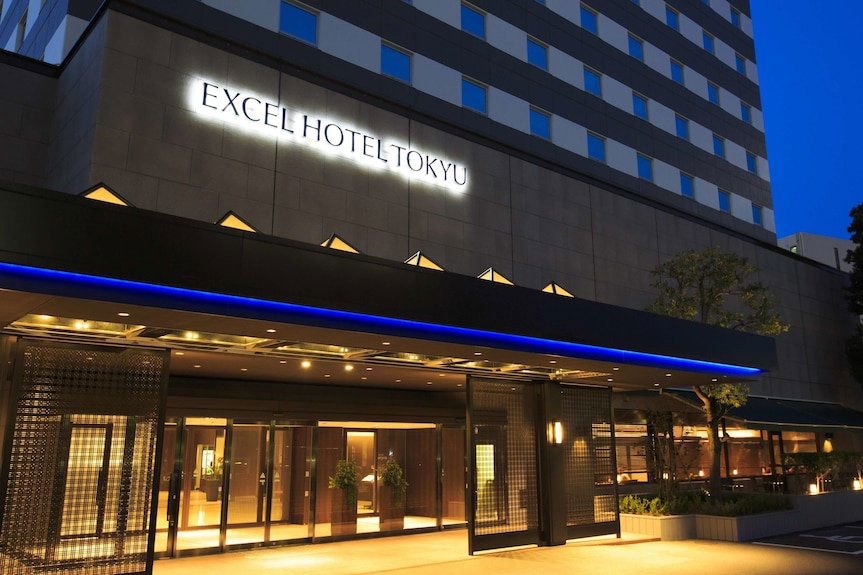
Matsue Excel Hotel Tokyu reads as a dependable, upper‑tier business property rather than a boutique or ryokan. It presents a polished, service‑oriented face; the Tokyu affiliation implies consistent staffing protocols and reliable facilities across daily operations. With 163 rooms and a city‑center location near Matsue Station, the hotel emphasizes practicality and steady standards over idiosyncratic design flourishes. Travelers encounter a familiar, professionally run environment that prioritizes functionality and service consistency, making it an unobtrusive base for exploring Matsue’s castle district and lakeside highlights.
Best For
This hotel is best for travellers who want a reliable, well‑managed base in Matsue — especially business visitors on structured itineraries and leisure guests on short breaks. Its placement in the higher tier of the regional business‑hotel register makes it convenient for people arriving via Matsue Station and those prioritizing predictable service and amenities. It’s a sensible choice for weekend escapes where convenience and consistency matter, and less appropriate for visitors specifically seeking the atmospheric intimacy of a small ryokan or a design‑led boutique property.
Venue details
Ambiance
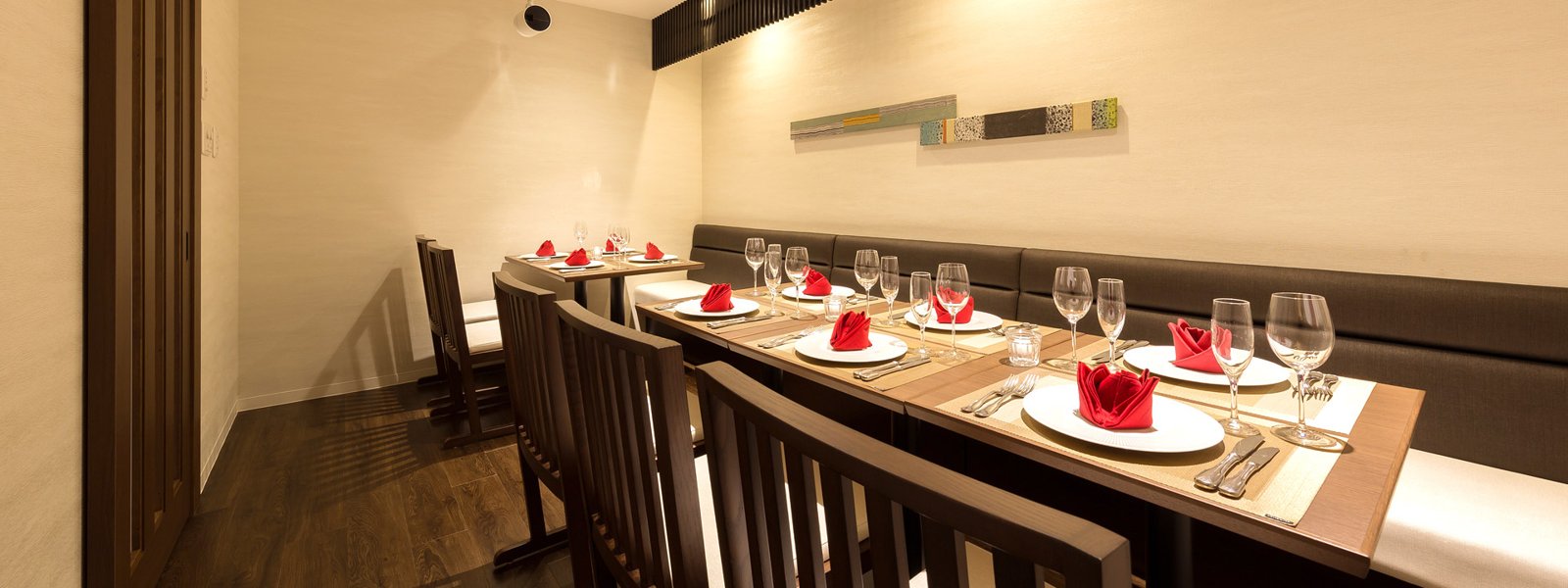
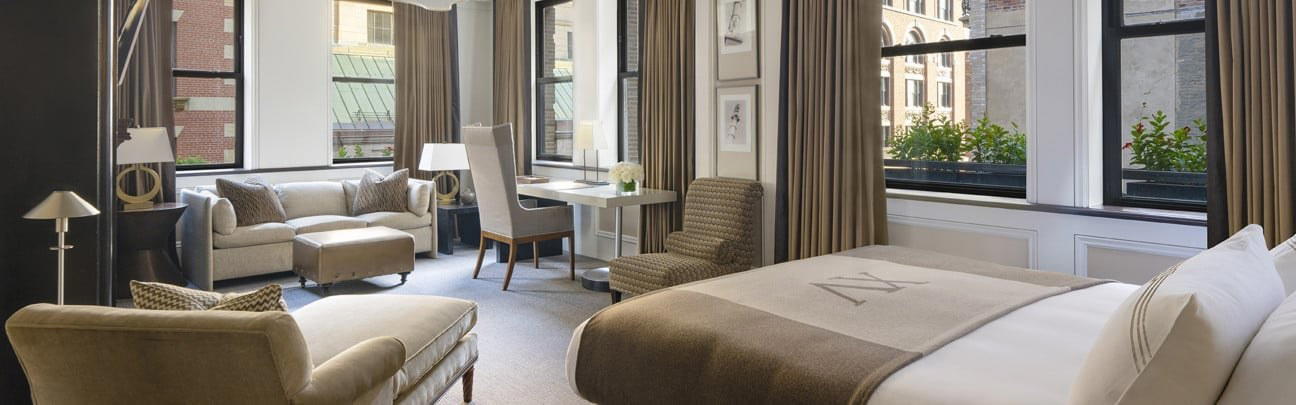
A practical, well-kept business-hotel atmosphere with modern, non-smoking rooms and a calm, orderly feel; the restaurant and public areas are positioned for comfortable everyday stays rather than resort-style leisure.
Tags
Vibe
Best For
Experience
Amenities
View
Accessibility
About the Stay
- Rooms
- 163
- Check-in
- 15:00
- Check-out
- 10:00
- Property Style
- Business Hotel with Straightforward, Efficient Operations and Meeting/event Facilities.
- Design Style
- Simple, Modern, and Functional Hotel Design with Non Smoking Guest Rooms and Practical Amenities.
Know before you go
Know Before You Go
- Getting there
- 590 Asahimachi, Matsue, Shimane 690-0003
Planning details
Location
590 Asahimachi, Matsue, Shimane 690-0003 · Directions
Recognition and awards
Also consider
Also Consider
- Yado Shiontei, Notable alternative
- Izumo Hotel The Cliff, Notable alternative
- Entô, Notable alternative
- Yoruya, Notable alternative
- Ryokan Onomichi Nishiyama, Notable alternative
Hotel context
How it compares in and around Matsue
Yado Shiontei is the stronger cross-shop if the stay should feel like the trip itself, especially for travelers prioritizing atmosphere and a more immersive Japanese lodging experience. Matsue Excel Hotel Tokyu is the easier, more functional pick for a city base, business travel, or a first Matsue visit where convenience matters more than retreat energy.
Izumo Hotel The Cliff and Entô sit in a more experience-led lane: choose them when the setting is a major part of the value equation. Choose Matsue Excel Hotel Tokyu when the trip is built around Matsue itself and the hotel needs to be dependable rather than dramatic.
Yoruya and Ryokan Onomichi Nishiyama make more sense for travelers who want character, slower pacing, and a lodging experience with stronger ambiance. If booking ease and city logistics are the priority, Matsue Excel Hotel Tokyu is the lower-friction choice; if dining and atmosphere are the point, look to the ryokan-style options first.
Explore Matsue
Around this place
Discover more on Pearl
Unlock the full Matsue Excel Hotel Tokyu guide in Pearl, including awards, comparisons, FAQs, planning details, and nearby places.
Compare Matsue Excel Hotel Tokyu
| Venue | Location | Awards |
|---|---|---|
| Matsue Excel Hotel Tokyu | Matsue | Preferred Hotels Member 2025 |
| Yado Shiontei | Yonago | No published awards |
| Izumo Hotel The Cliff | Kumura | 2025 Michelin 1 Key2024 Michelin 1 Key |
| Entô | Ama | No published awards |
| Yoruya | Kurashiki | No published awards |
| Ryokan Onomichi Nishiyama | Onomichi | 2025 Michelin 1 Key2024 Michelin 1 Key |

How Matsue Excel Hotel Tokyu compares with similar nearby venues.
FAQ
Frequently Asked Questions
How is the dining at Matsue Excel Hotel Tokyu?
Ask Matsue Excel Hotel Tokyu about cuisine type, chef, menu format, price, and dining schedule before treating dining as a reason to book.
Do loyalty programs work at Matsue Excel Hotel Tokyu?
The property has Preferred Hotels Member (2025) recognition. Ask about specific loyalty benefits, earning rules, or booking privileges before reserving.
What is check-in like at Matsue Excel Hotel Tokyu?
Is Matsue Excel Hotel Tokyu family-friendly?
Is Matsue Excel Hotel Tokyu good for business travel?
The property is a hotel in Matsue with Preferred Hotels Member (2025) recognition. Check work-trip needs such as desk setup, connectivity, meeting spaces, and schedule requirements directly with the hotel.