
Ryokan Onomichi Nishiyama
Onomichi
Hotel in Onomichi, Japan
 Book with Pearl
The Read
Recycled Heritage Architecture
Why go
Ryokan Onomichi Nishiyama is the right choice for a quieter Onomichi stay with ryokan atmosphere and a Michelin 1 Key marker. Book it over Hotel Cycle if calm and tradition matter more than cycling convenience; compare it with Azumi Setoda if deciding between Onomichi town and a Setoda-focused itinerary.
About Ryokan Onomichi Nishiyama
Ryokan Onomichi Nishiyama is a premium stay in Onomichi with a Michelin 1 Key distinction in 2024. It is best approached as a ryokan stay with a clear quality signal, while confirming any amenities, dining arrangements, or service details that matter before booking.
Choose it for a recognized Onomichi ryokan stay
Book this if the main appeal is staying at Ryokan Onomichi Nishiyama in Onomichi with the added confidence of a Michelin 1 Key recognition. Do not plan around specific facilities, room layouts, dining formats, prices, or services unless you have confirmed them directly before booking.
For comparison, travelers can also look at Hotel Cycle, Azumi Setoda, Itomachi Hotel 0, Uno Hotel, and Yoruya, depending on the wider itinerary. Keep the comparison focused on booking details rather than assumptions about style, amenities, or inclusions.
Plan around timing and trip fit
The strongest planning approach is to decide first whether Onomichi is the right base for the trip, then confirm availability, rates, room details, and any services that matter to you directly with the property or booking channel. Use other Onomichi lodging and dining research to round out the itinerary, but avoid relying on assumptions about what is included at the ryokan.
Verdict: worth shortlisting if you want a recognized ryokan stay in Onomichi. Skip it only if your trip depends on specific amenities, dining details, loyalty benefits, or service features that you have not confirmed in advance.
Planning details
- Location
- 678-1 Sanbachō, Onomichi, Hiroshima 722-0052
- Website
- o-nishiyama.co.jp
- Phone
- +81 848-37-3145
The take
The Take
The Vibe
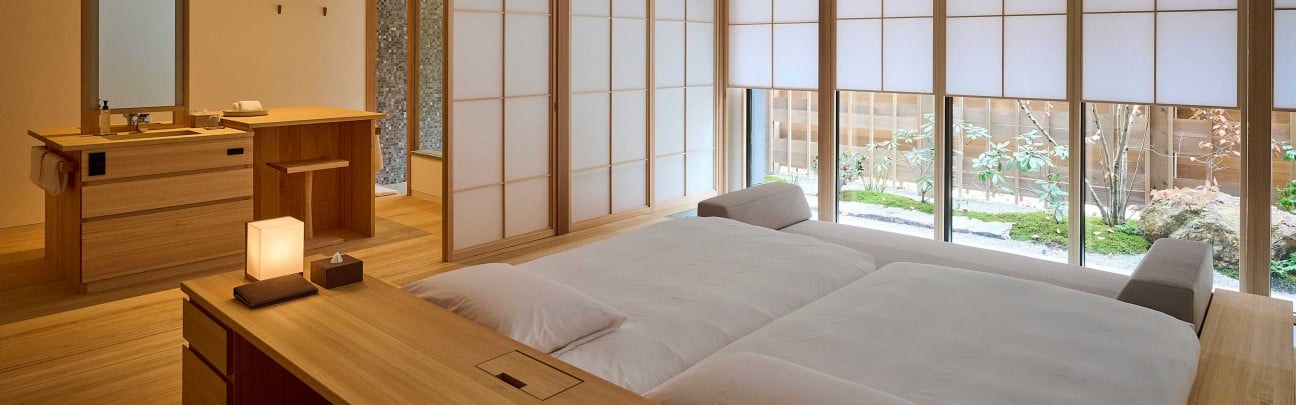
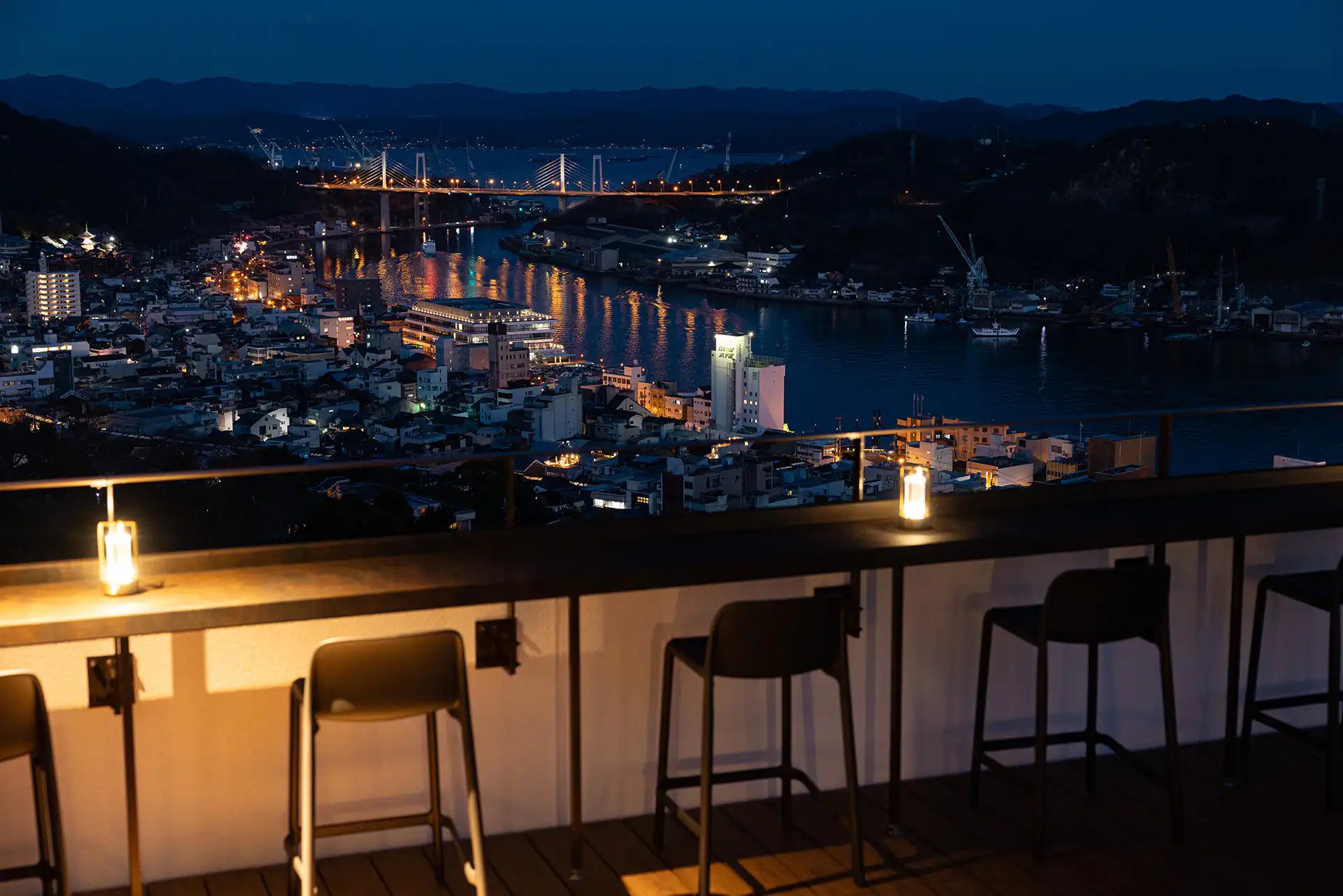
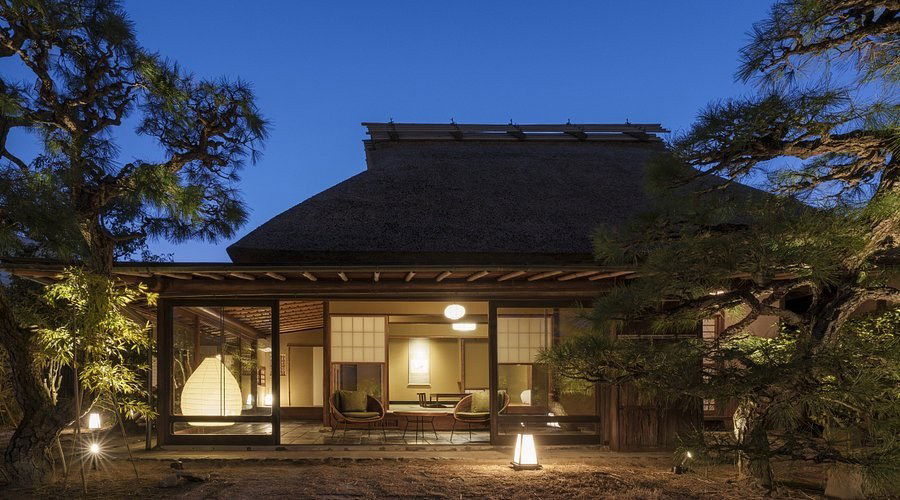
Ryokan Onomichi Nishiyama reads as a quietly refined, small-format hillside inn that prioritizes material memory and local character. Rebuilt in 2023 using timber and fittings salvaged from a 1943 tea house, the property foregrounds continuity with the past rather than flashy newness. The result is a restrained, historic sensibility—intimate and contemplative rather than theatrical—that mirrors Onomichi’s layered streets, wooden machiya and temple-lined lanes. The atmosphere favors thoughtful, low-key hospitality and an appreciation for craft and place, making the ryokan feel like a calm, authentic base from which to explore the town’s architectural and maritime history.
Best For
This ryokan is best for travelers seeking a quiet, design-conscious retreat rooted in local history. It naturally suits couples and small parties marking special moments—honeymoons, anniversaries or romantic getaways—because of its intimate scale and carefully salvaged interiors. It also appeals to visitors who want a short, restorative weekend escape while exploring Onomichi’s temples, lanes and Setouchi views; those who have already toured the region’s highlights and are looking for a considered, small-property stay will find it especially apt. The property reads as a pause from larger resort footprints rather than a hubbub-filled base.
Venue details
Ambiance
Tranquil and serene atmosphere with beautiful Japanese garden, relaxing lounge, and onsen, praised for impeccable hospitality and peaceful surroundings.
Tags
Vibe
Best For
Experience
Amenities
View
About the Stay
- Rooms
- 11
- Check-in
- 15:00
- Check-out
- 11:00
- Property Type
- Heritage hotel
- Property Style
- Historic Ryokan Blending Preserved Edo Period Architecture with Modern Comforts in Detached Garden Buildings.
- Design Style
- Classic Japanese with Western Furniture Fusion, Featuring Wooden Framed Scenic Windows and High Quality Bedding.
- Pets
- Allowed
- Cancellation
- Strict
Know before you go
Know Before You Go
- Getting there
- 678-1 Sanbachō, Onomichi, Hiroshima 722-0052
Planning details
Location
Recognition and awards
Also consider
Also Consider
- Hotel Cycle, Notable alternative
- Azumi Setoda, Notable alternative
- Yoruya, Notable alternative
- Itomachi Hotel 0, Notable alternative
- Uno Hotel, Notable alternative
Hotel context
How It Compares
Hotel Cycle is the more practical Onomichi choice for cyclists, short stays, and travelers who want immediate city energy. Ryokan Onomichi Nishiyama is the better fit for a quieter ryokan-style stay, especially if the hotel itself is meant to set the pace of the trip.
Azumi Setoda is the stronger cross-shop for travelers weighing Onomichi against a Setoda base. Pick Azumi Setoda if the trip leans island-focused; pick Ryokan Onomichi Nishiyama if the priority is staying in Onomichi with a more traditional feel.
Yoruya, Itomachi Hotel 0, and Uno Hotel work better as alternatives when availability or routing pushes the trip outside central Onomichi. For ambiance and recognition, Ryokan Onomichi Nishiyama is the more compelling splurge; for simpler logistics, start with Hotel Cycle or Uno Hotel.
Explore Onomichi
Around this place
Discover more on Pearl
Unlock the full Ryokan Onomichi Nishiyama guide in Pearl, including awards, comparisons, FAQs, planning details, and nearby places.
Compare Ryokan Onomichi Nishiyama
| Venue | Location | Awards |
|---|---|---|
| Ryokan Onomichi Nishiyama | Onomichi | 2026 Michelin 1 Key2025 Michelin 1 KeyMichelin 1 Key 20252024 Michelin 1 Key |
| Hotel Cycle | Onomichi | No published awards |
| Azumi Setoda | Onomichi | 2026 Mr & Mrs Smith Luxury Hotels2026 Michelin 1 Key2025 Michelin 1 Key2024 Michelin 1 Key |
| Yoruya | Kurashiki | No published awards |
| Itomachi Hotel 0 | Saijo | No published awards |
| Uno Hotel | Tamano | No published awards |

How Ryokan Onomichi Nishiyama compares with similar nearby venues.
FAQ
Frequently Asked Questions
What is check-in like at Ryokan Onomichi Nishiyama?
When is the best time to book Ryokan Onomichi Nishiyama?
If Ryokan Onomichi Nishiyama is important to your Onomichi trip, check availability early and confirm rates and policies through the property or your booking channel.
How is the pool and spa at Ryokan Onomichi Nishiyama?
Do not choose the property for a pool, spa, or wellness facility unless that feature has been confirmed directly.
Do loyalty programs work at Ryokan Onomichi Nishiyama?
If points, elite benefits, or booking-channel perks matter, confirm those terms before reserving.
Which room category is best at Ryokan Onomichi Nishiyama?
Choose based on the room information available at booking, and ask the property directly about any space, view, bedding, or quiet-room preferences.
How is the dining at Ryokan Onomichi Nishiyama?
How does Ryokan Onomichi Nishiyama compare to other regional stays?
Ryokan Onomichi Nishiyama has a Michelin 1 Key distinction in Onomichi. Travelers can compare it with Hotel Cycle, Azumi Setoda, Itomachi Hotel 0, Uno Hotel, and Yoruya, but should base the decision on location, availability, rates, and services rather than assumptions.