


Don Carlos Marbella
Elviria, Marbella
Hotel in Marbella, Spain
 Book with Pearl
The Read
Golden Mile Resort Scale
Why go
Don Carlos Marbella is a practical choice for a resort-led Marbella stay, especially if pool time, beach pacing, and an easy booking process matter more than being in the center. Cross-shop Hotel Marbella or La Fonda Heritage Hotel for a smaller boutique feel, and Hotel San Cristóbal if walkability is the priority.
About Don Carlos Marbella
For a first Marbella stay, Don Carlos Marbella is best approached as a hotel choice to compare on the basis of the stay you want, rather than on specifics about facilities, dining, or location within the city. The picture is deliberately limited: the venue is in Marbella, has a smart casual dress code, and carries confirmed hotel recognition including Preferred Hotels L.V.X. Collection 2025, Condé Nast Hot List Hotels 2026, and MICHELIN Guide Hotels Selected 2025. Those signals support considering it for a polished hotel stay, but they should not be stretched into claims about a particular restaurant program, pool setup, spa offering, beach access, or service format.
Because the data does not include booking difficulty, prices, room count, opening year, address details, or specific amenities, the safest decision is to treat Don Carlos Marbella as a recognized Marbella hotel and then confirm practical needs directly before booking. If your trip depends on a particular facility, dining arrangement, accessibility requirement, or family setup, verify those details with the hotel rather than relying on assumptions. The appeal here is grounded in the confirmed hotel credentials and Marbella setting; the rest should remain a checklist for the booking stage.
Better for a recognition-led Marbella hotel shortlist than an amenity-specific choice
Don Carlos Marbella can be considered by travelers looking at a Marbella hotel with established recognition. Its confirmed credentials place it in a premium-hotel conversation, but the data does not establish a precise neighborhood, amenity list, or daily rhythm. For that reason, it is more accurate to frame the choice around confidence in the hotel's recognition and the Marbella location, while leaving specific expectations about on-property routines, dining, or leisure facilities to direct confirmation.
The weaker fit is any traveler whose decision depends on details not here. If the trip requires a specific address, a particular walkable district, a named dining concept, a spa program, pool arrangements, or a defined family offering, those points should be checked before committing. Don Carlos Marbella may still be the right choice, but the confirmed facts alone do not justify making those promises on the page.
Who should choose it, and who should cross-shop
Choose Don Carlos Marbella if you want a Marbella hotel with confirmed recognition from Preferred Hotels L.V.X. Collection, Condé Nast Hot List Hotels, and the MICHELIN Guide hotel selection, and if a smart casual standard fits the kind of stay you are planning. It is a sensible candidate for travelers who value those hotel credentials and are comfortable verifying operational details directly before booking.
Cross-shop if you are deciding mainly by style, scale, or exact location. Hotel Claude Marbella, La Fonda Heritage Hotel, Hotel San Cristóbal, Kimpton Los Monteros Marbella, and La Zambra Resort are natural names to compare when refining the shortlist, though any specific differences in facilities, atmosphere, or access should be confirmed from current hotel information. The right comparison set depends less on a single headline claim and more on which details matter most for the trip.
Quick reference: pick Don Carlos Marbella for a recognized Marbella hotel with smart casual expectations; cross-shop other options if your decision depends on details such as exact setting, amenities, or dining format.
Planning details
- Location
- Av. Zurita, s/n, 29604 Marbella, Málaga
- Website
- ad.doubleclick.net/ddm/trackclk/N894730.127261MYBUSINESS/B29199291.357003129;dc_trk_aid=547867760;dc_trk_cid=185393400;dc_lat=;dc_rdid=;tag_for_child_directed_treatment=;tfua=;ltd=
- Phone
- +34 952 76 88 00
The take
The Take
The Vibe
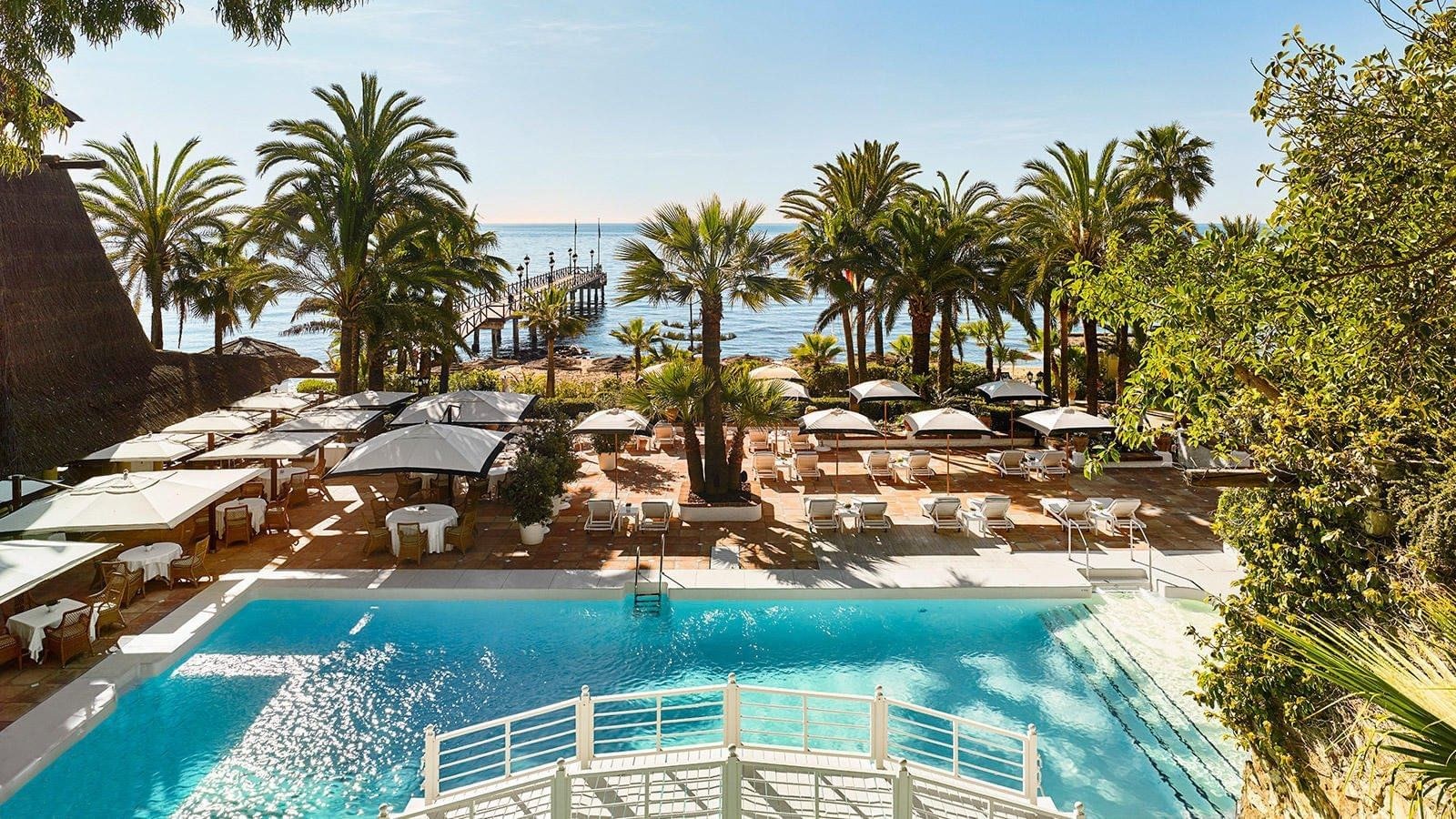
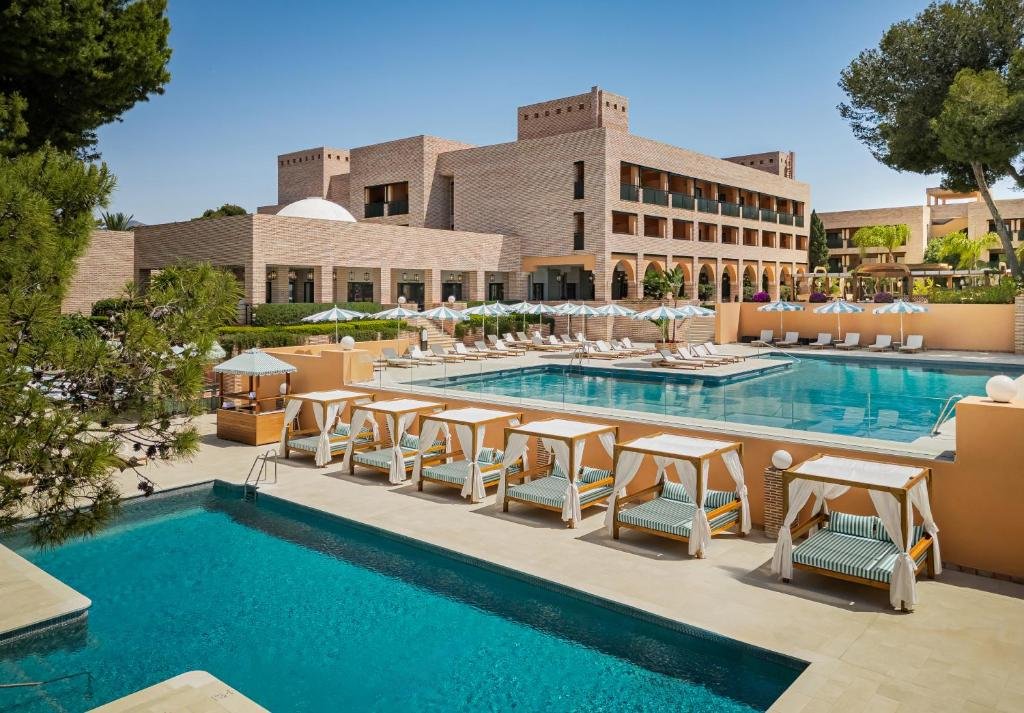
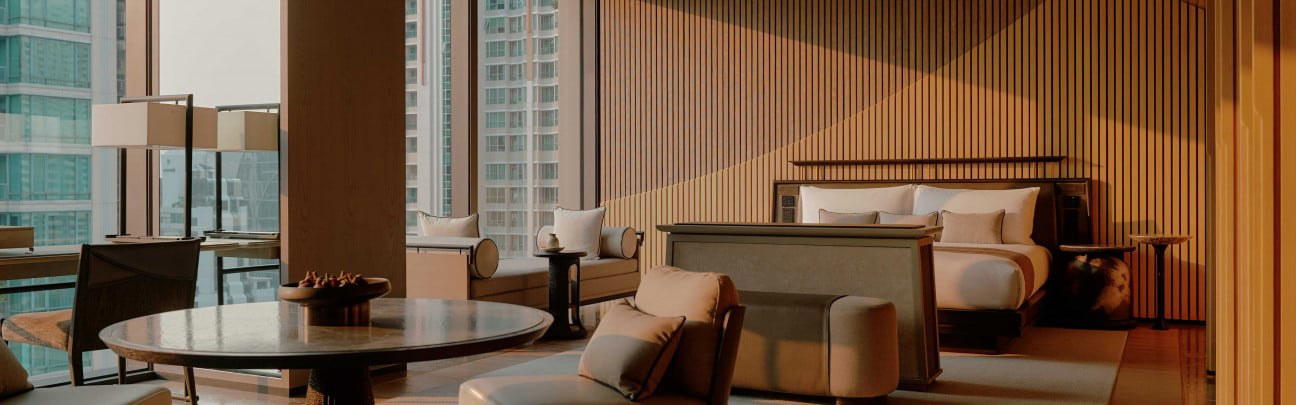
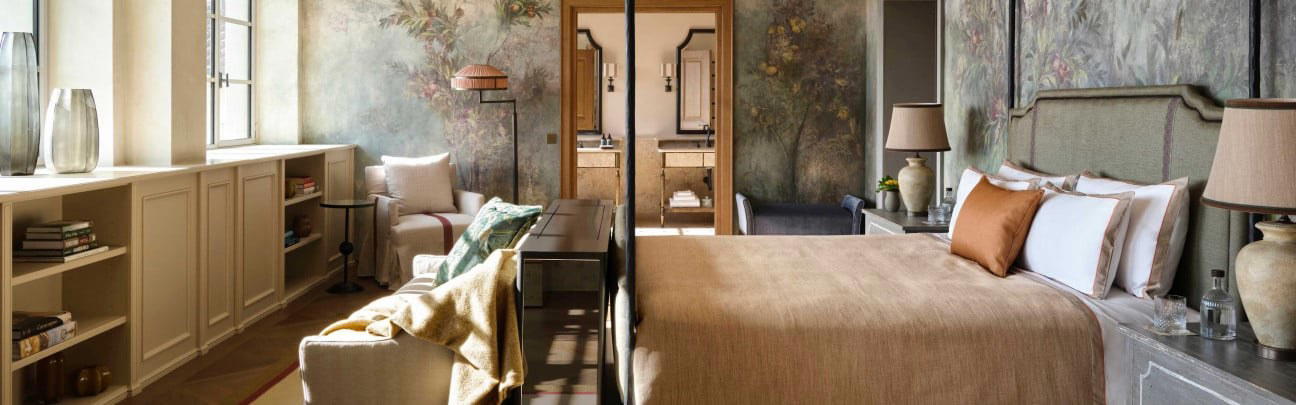
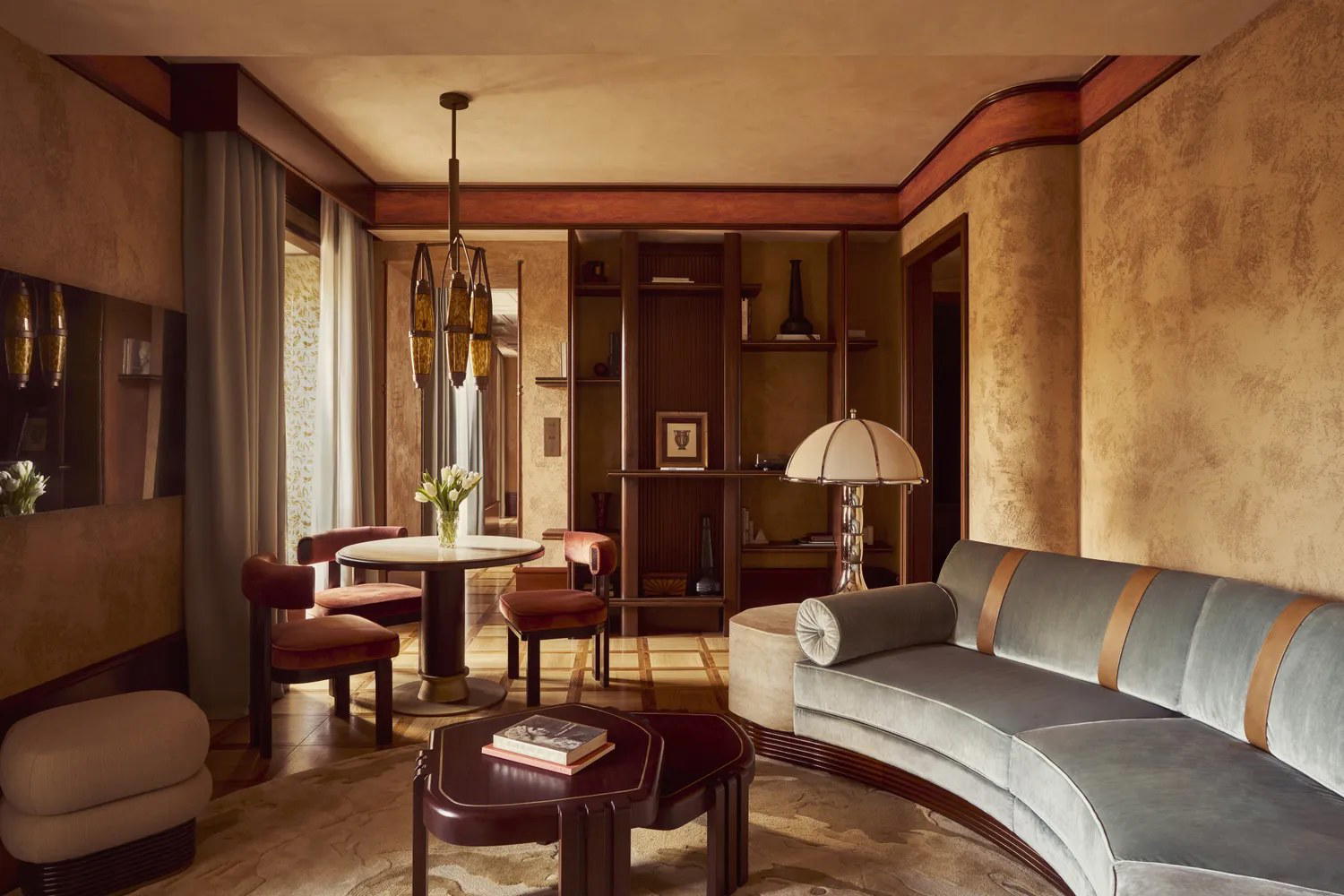
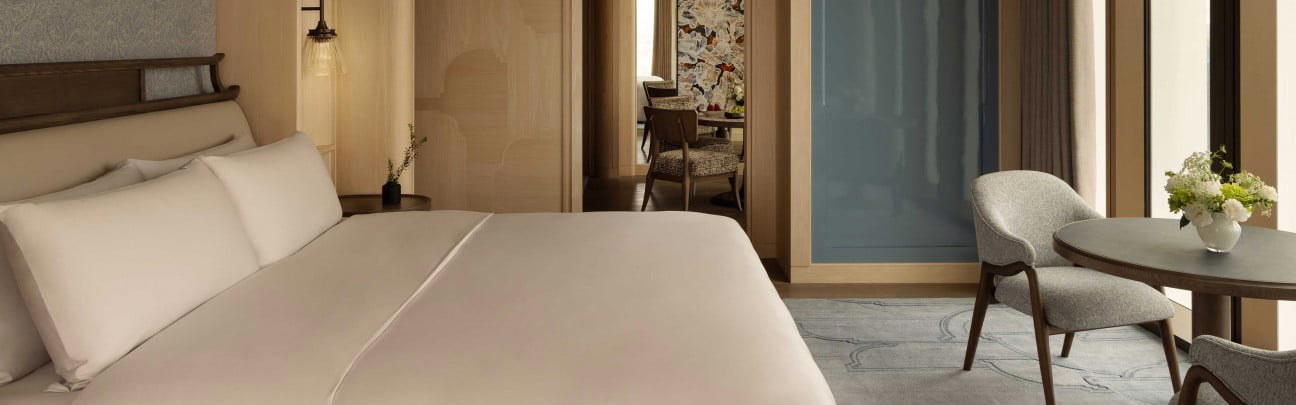
Don Carlos Marbella presents a large-scale, resort-forward interpretation of luxury on the Golden Mile. With 308 rooms and a deliberately expansive footprint, the property emphasizes operational depth — staffing ratios, multiple pools, numerous dining venues and spa infrastructure — rather than boutique intimacy. It leans into its size as a selling point: comprehensive facilities, varied formats and a substantial estate create a lively, opulent resort feel. Guests encounter a full-service hospitality machine designed to deliver consistency across many touchpoints, where breadth of offering is the defining personality rather than small-scale seclusion.
Best For
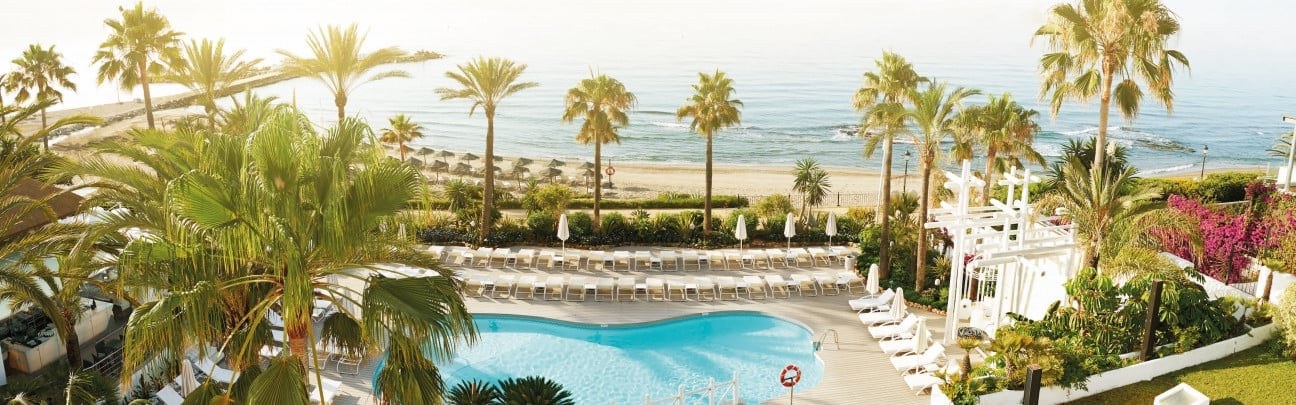
This hotel suits travelers who prioritize breadth of facilities and beachfront access over boutique seclusion. Families, groups and guests seeking a full roster of on-site amenities — several pools, spa offerings and varied dining formats — benefit from the resort’s scale. It also appeals to visitors who want one address to cover wellness, beach time, and multiple dining experiences without shuttling between properties. Travelers seeking a curated intimate hideaway will likely prefer smaller hotels on the Golden Mile; Don Carlos is built for comprehensiveness and convenience.
Stay Tips
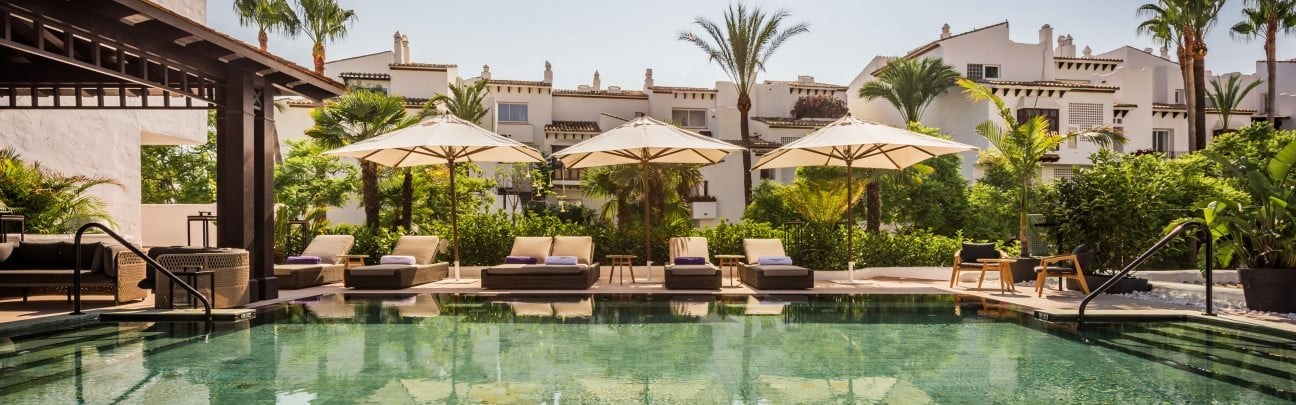
Think in terms of priorities before booking: Don Carlos’s strength is choice, so decide whether you’re coming for beach time, pool lounging, spa treatments or an itinerary that samples its dining venues. The property’s multiple pools and extensive beach access reward guests who allocate time to explore different areas of the estate rather than treating it as a single destination. If intimacy is a priority, compare this hotel with smaller Golden Mile properties; if you want a one-stop resort with varied formats and services, Don Carlos is designed to deliver that range.
Venue details
Ambiance
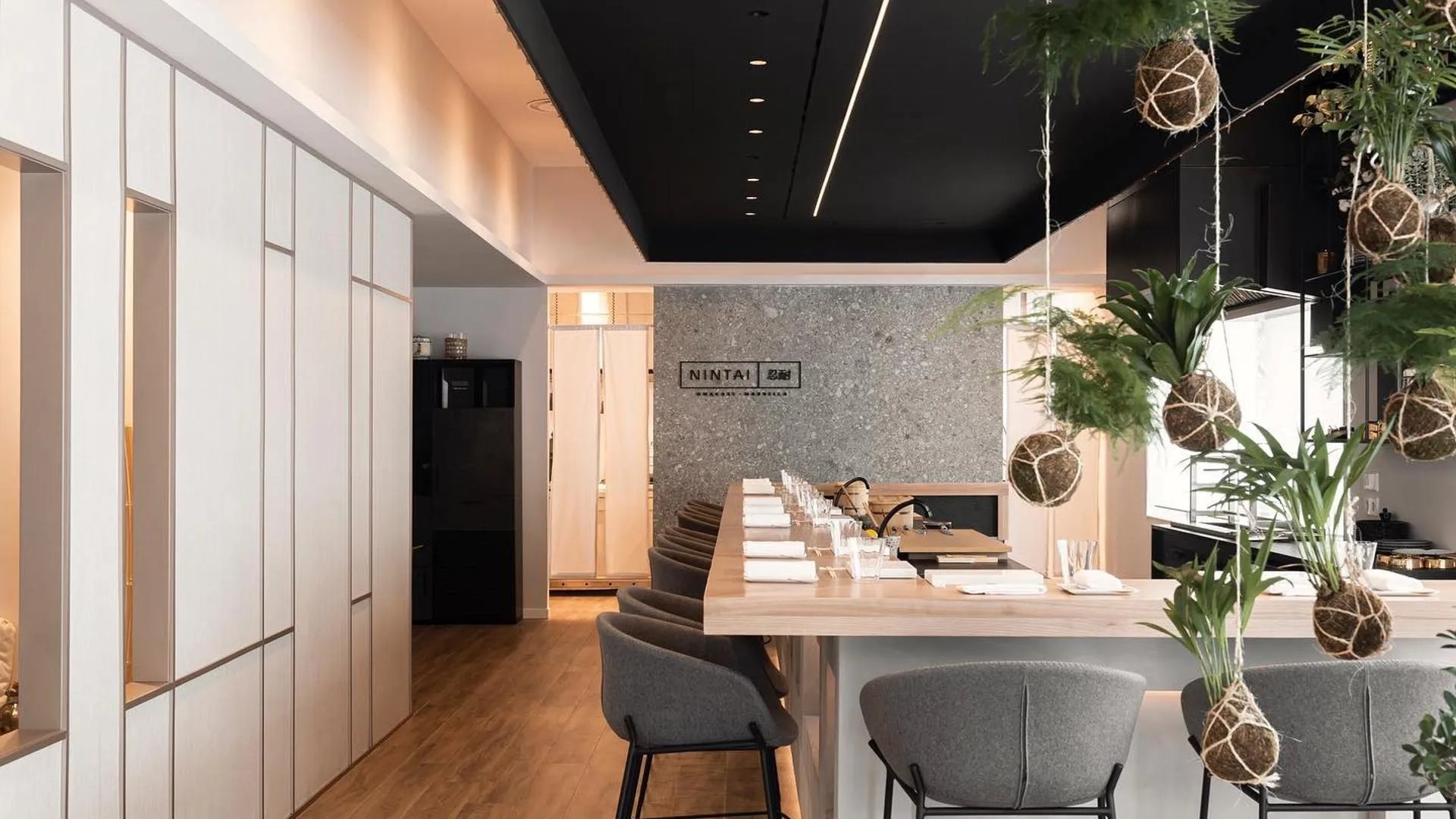
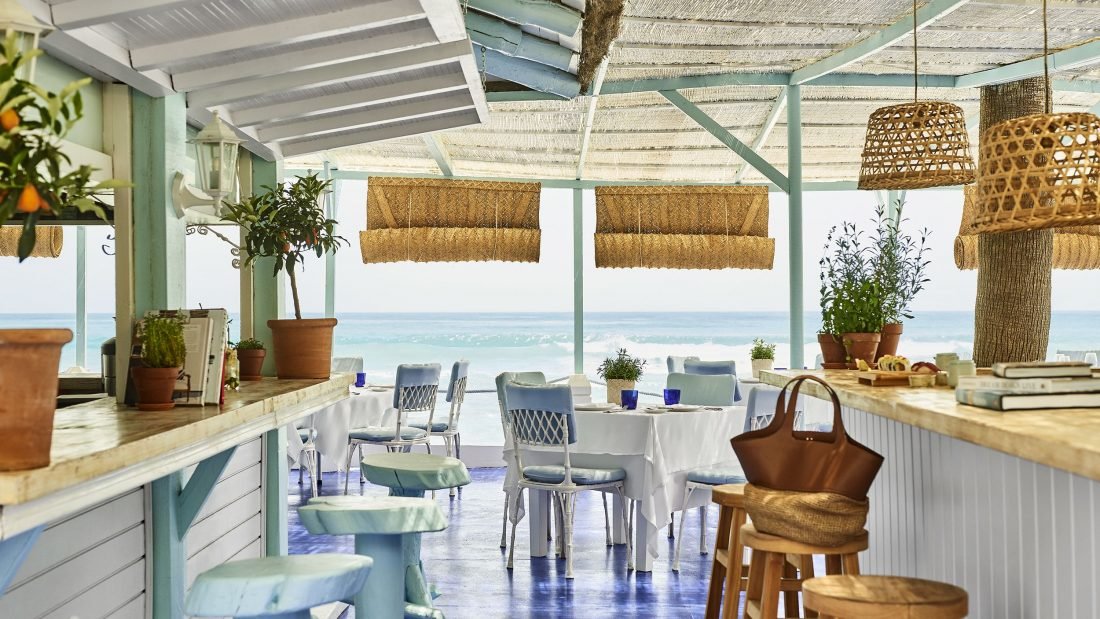
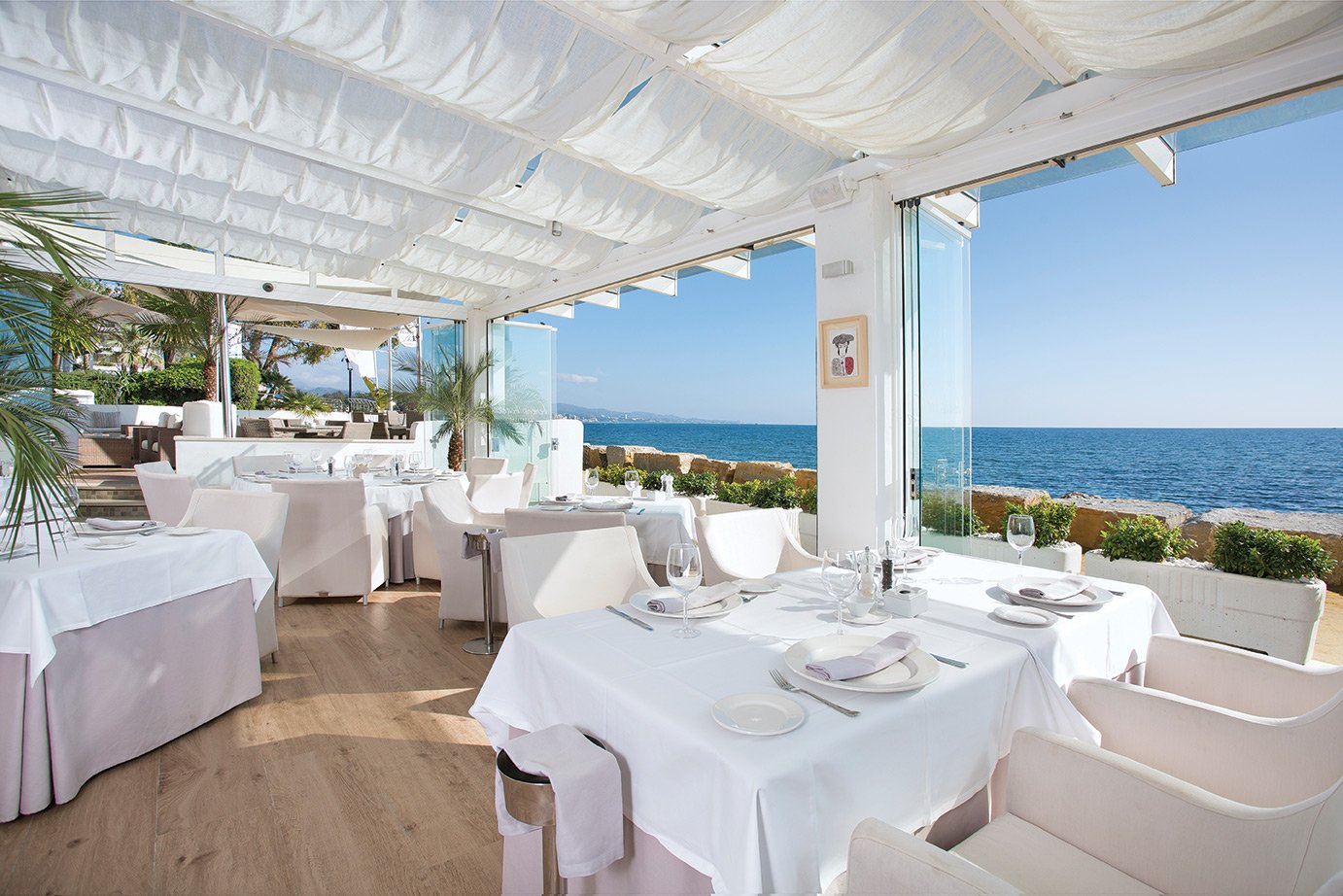
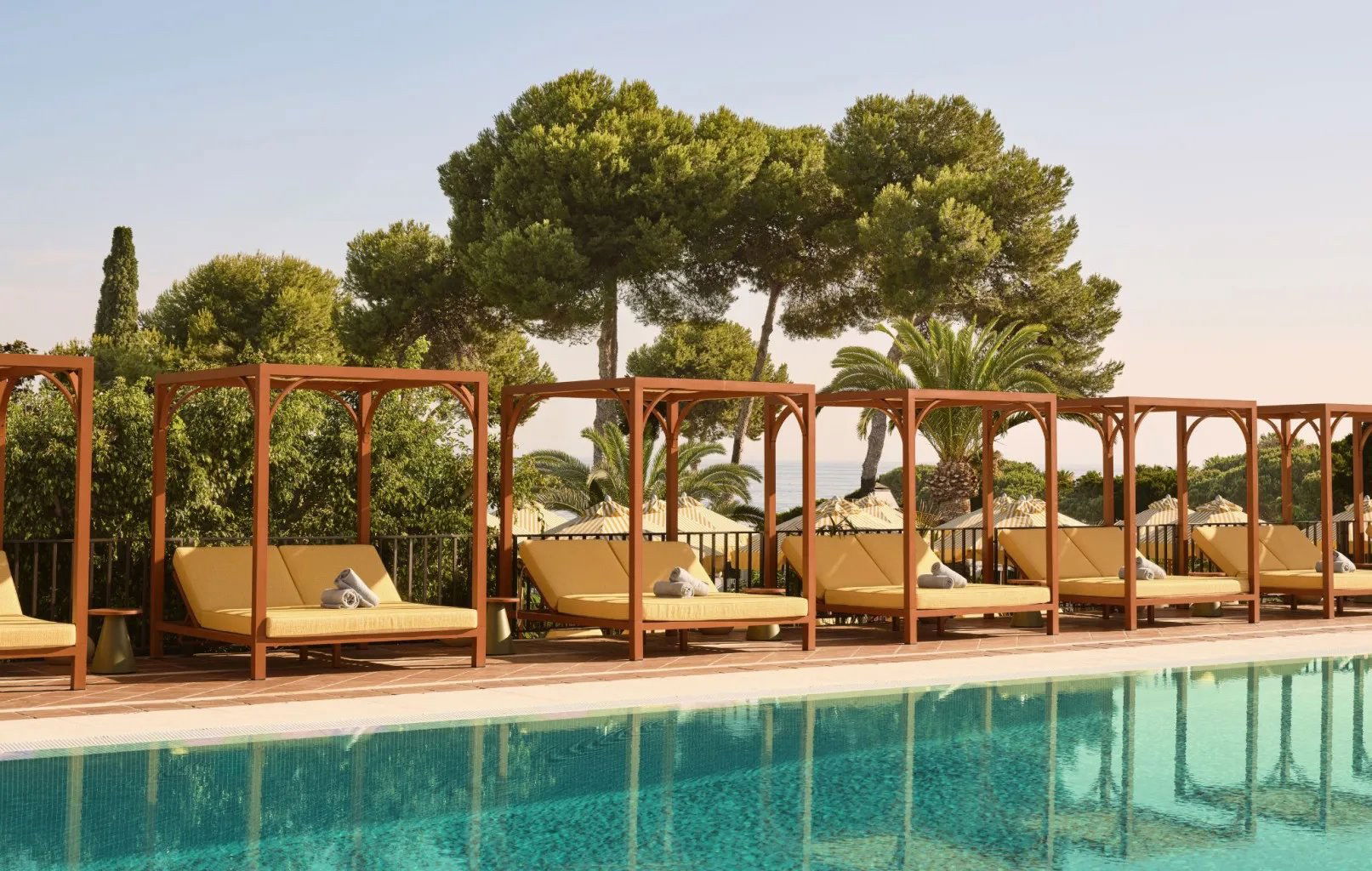
Sophisticated and refined with elegant garden settings, multiple poolside bars, and a relaxed yet upscale Mediterranean atmosphere enhanced by natural lighting and waterfront views.
Tags
Vibe
Best For
Experience
Amenities
View
Accessibility
About the Stay
- Rooms
- 308
- Check-in
- 15:00
- Check-out
- 12:00
- Property Style
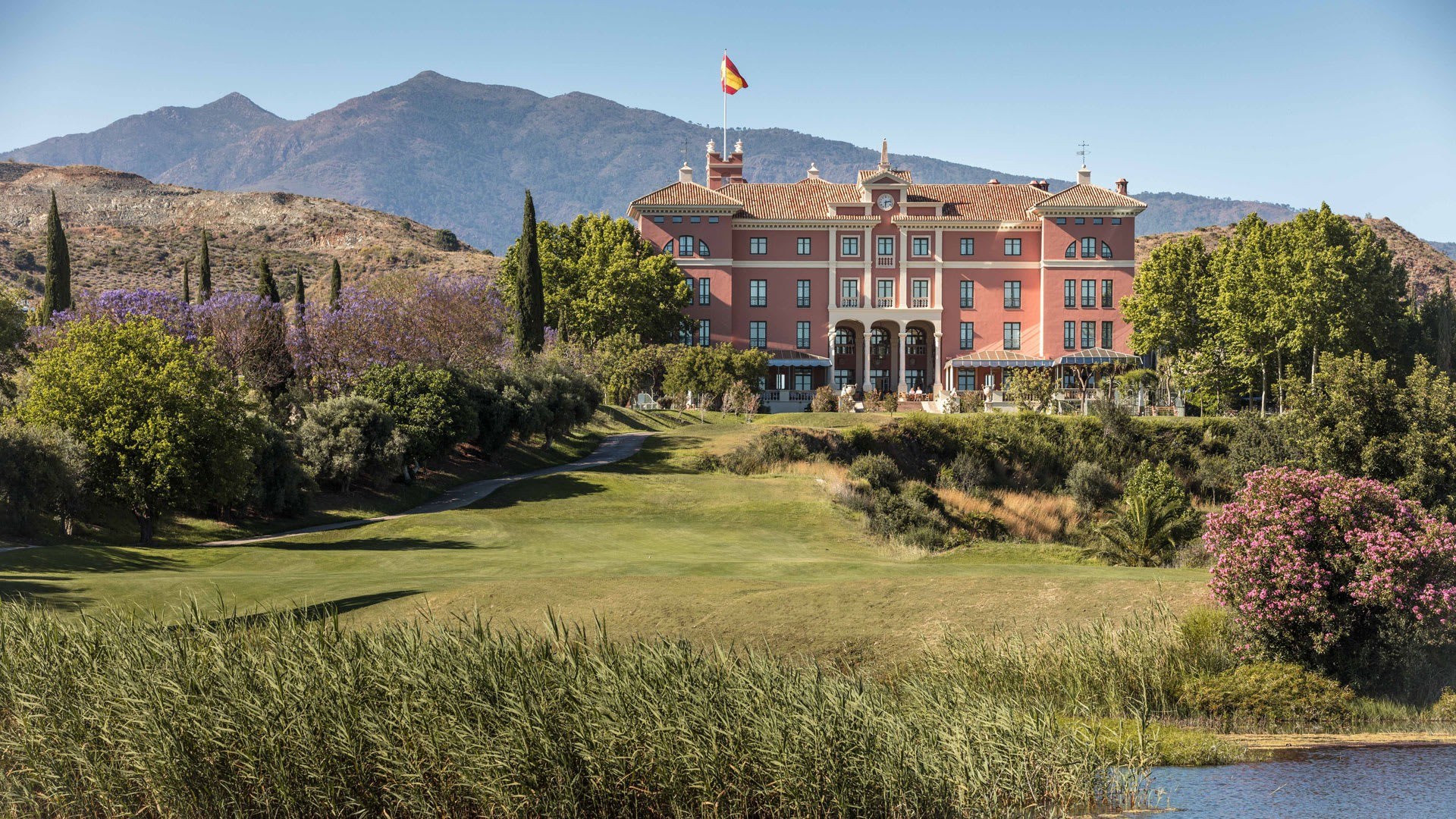
- Beaux Arts Luxury Resort Combining Classical Elegance with Contemporary Amenities, Positioned as a Premier Destination for Discerning Travelers Seeking Mediterranean Sophistication.
- Design Style
- Elegant Mediterranean with Refined Classical Architecture, Lush Garden Landscaping, and Sophisticated Interior Design Featuring Egyptian Cotton Linens and Premium Furnishings.
Know before you go
Know Before You Go
- Getting there
- Av. Zurita, s/n, 29604 Marbella, Málaga
Planning details
Recognition and awards

Also consider
Where to Look If This Is Not the Right Fit
Choose Hotel San Cristóbal if the priority is central Marbella convenience and a trip built around going out. Choose Hotel Marbella if a smaller, more intimate hotel matters more than resort facilities.
Hotel context
How It Compares
Don Carlos Marbella is the safer resort-style choice if the trip needs space, an easy booking path, and a stay that can work without heavy planning. Kimpton Los Monteros Marbella is the closer comparison for a lifestyle resort feel, while La Zambra Resort is the better cross-shop for guests who are open to being outside Marbella for a more destination-resort setup.
For value and location, Hotel San Cristóbal is the sharper pick if the plan is to spend most of the day out in Marbella rather than around a resort. It will make more sense for travelers who care about central convenience over pool-and-beach pacing. Don Carlos Marbella is easier to justify when the hotel is part of the holiday, not just a place to sleep.
For ambiance, La Fonda Heritage Hotel and Hotel Marbella are stronger for a smaller, more character-led stay. Don Carlos Marbella is the more practical recommendation for families or resort-first guests; the boutique peers are better for couples who want a compact base and a more intimate mood.
Explore Marbella
Around this place
Discover more on Pearl
Unlock the full Don Carlos Marbella guide in Pearl, including awards, comparisons, FAQs, planning details, and nearby places.
Compare Don Carlos Marbella
| Venue | Location | Awards |
|---|---|---|
| Don Carlos Marbella | Marbella | 2026 Conde Nast Traveler Hot List Hotels2025 Michelin Selected HotelsPreferred Hotels L.V.X. Collection 2025 |
| Kimpton Los Monteros Marbella | Marbella | No published awards |
| Hotel San Cristóbal | Marbella | 2025 Michelin 1 Key |
| La Fonda Heritage Hotel | Elviria Hills Marbella | 2026 Relais Chateaux Hotels2025 Michelin 1 Key2025 Relais Chateaux Award |
| Hotel Claude Marbella | Marbella | No published awards |
| La Zambra Resort | Mijas | 2026 Virtuoso Luxury Hotel Collection2026 Mr & Mrs Smith Luxury Hotels2026 La Liste Top Hotels2025 Michelin 1 Key2024 Michelin 1 Key |




How Don Carlos Marbella compares with similar nearby venues.
FAQ
Frequently Asked Questions
How is the location of Don Carlos Marbella?
Don Carlos Marbella is in Marbella. The data does not support a more specific address, district, or landmark-based description here, so location-sensitive travelers should confirm the exact setting directly before booking. Hotel San Cristóbal and Kimpton Los Monteros Marbella are other names to compare when refining the shortlist.