


La Zambra Resort
Mijas
Hotel in Mijas, Spain
 Book with Pearl
The Read
Andalusian Courtyard Calm
Why go
La Zambra Resort is the Mijas choice to book when the trip needs a polished Costa del Sol base rather than a small city hotel. Its Michelin Key, La Liste, Virtuoso, and Mr & Mrs Smith recognition make it a safer family or multi-night pick, especially in spring or early autumn when the coast is easier to manage.
About La Zambra Resort
La Zambra Resort is a hotel option in Mijas. Its strongest case is its recognition profile, making it a sensible shortlist choice for travelers who value third-party hotel awards and endorsements.
The clearest reason to shortlist it is third-party recognition. La Zambra Resort holds Michelin 1 Key recognition for 2024, appears in La Liste Top Hotels 2026 with 90pts, is listed as a Virtuoso Luxury Hotel Partner for 2026, and has the Mr & Mrs Smith Seal of Approval for 2026. Those signals place it in a more curated lane than a generic hotel search, while still leaving practical details to confirm directly before booking.
A Mijas resort pick with confirmed hotel recognition
For travelers comparing stays in Mijas, La Zambra Resort is best judged on its Mijas location, smart casual dress code, and strong hotel-recognition profile. Before booking, check the current room categories, dining options, facilities, pricing, and service details directly with the property.
Do not choose it on the basis of assumptions about a particular hotel rhythm or guest type. Instead, treat it as a recognized Mijas resort and confirm the details that matter for your trip directly with the property. For a broader scan of the area before committing, use our full Mijas hotels guide, then cross-check plans in our full Mijas restaurants guide, our full Mijas bars guide, our full Mijas wineries guide, and our full Mijas experiences guide.
Book after confirming the details that matter to your stay
The practical move is to use the recognition as a quality signal, then check current availability, policies, room details, and any service needs before committing. Opening dates, seasonal considerations, room counts, prices, and facility details should come from the hotel's official channels.
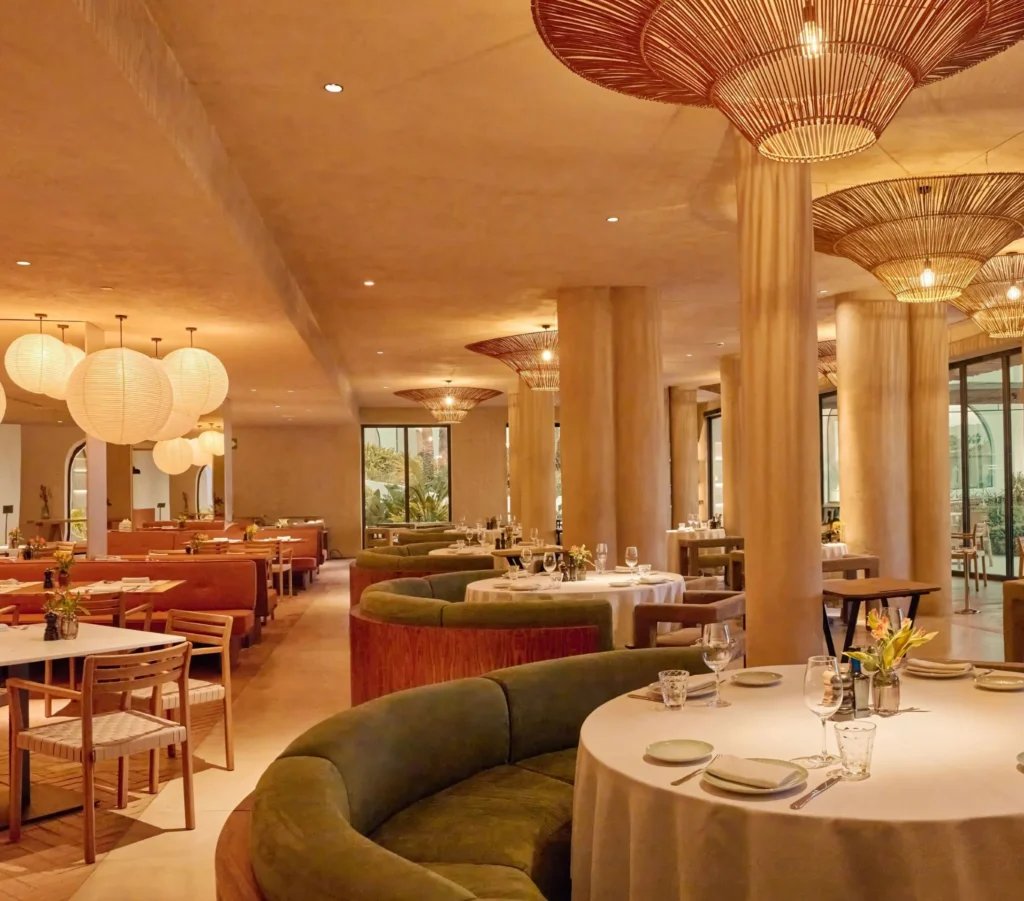
Dining should be evaluated as part of the overall hotel decision rather than the main reason to book. If restaurants are the center of the trip, build a separate Mijas or Marbella dining plan around the stay. If the priority is a recognized hotel in Mijas, La Zambra Resort is worth shortlisting alongside other Costa del Sol options.
Part of
The Unbound Collection by Hyatt30 locations on PearlPlanning details
- Location
- Av. de Louison Bobet, 9, 29650 Málaga
- Website
- hyatt.com/en-US/hotel/spain/la-zambra-resort/agpub?src=corp_lclb_google_seo_agpub
- Phone
- +34 951 31 12 34
The take
The Take
The Vibe
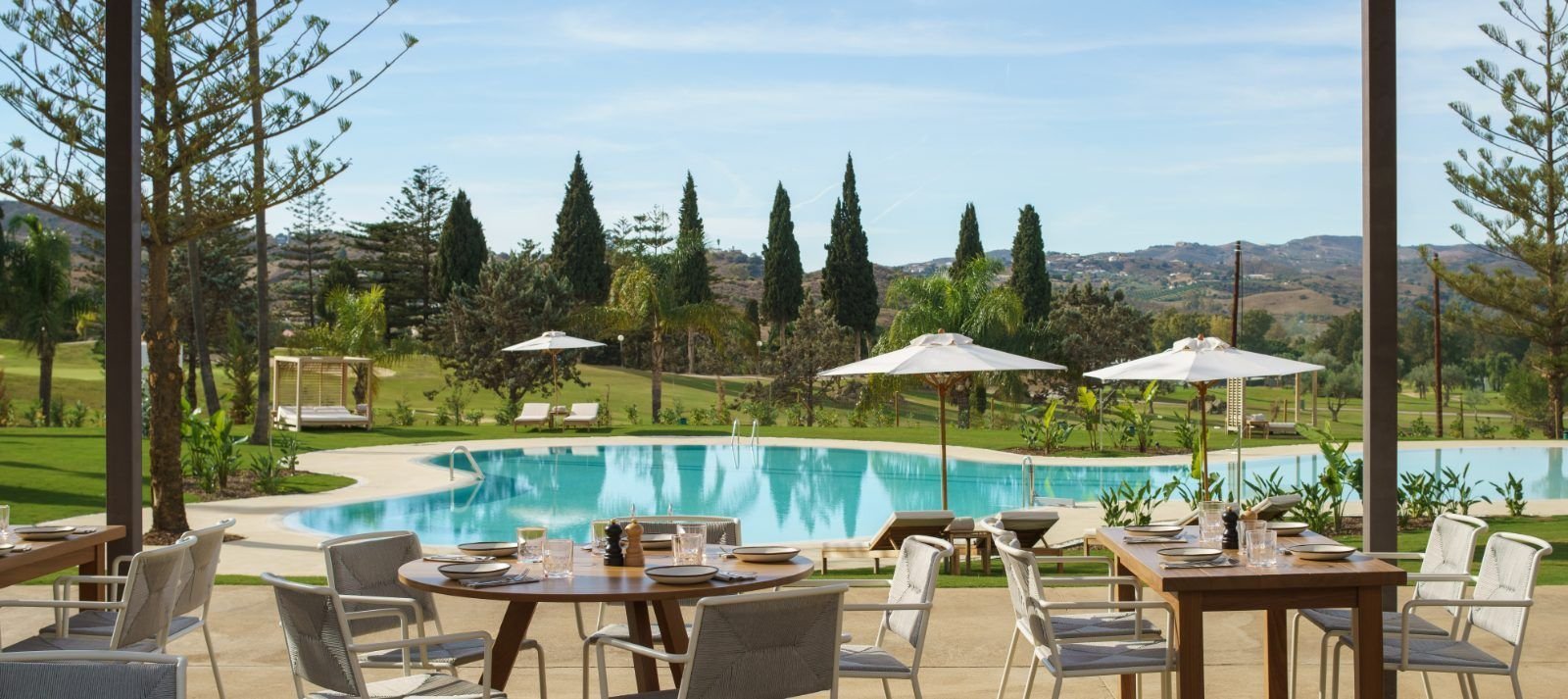
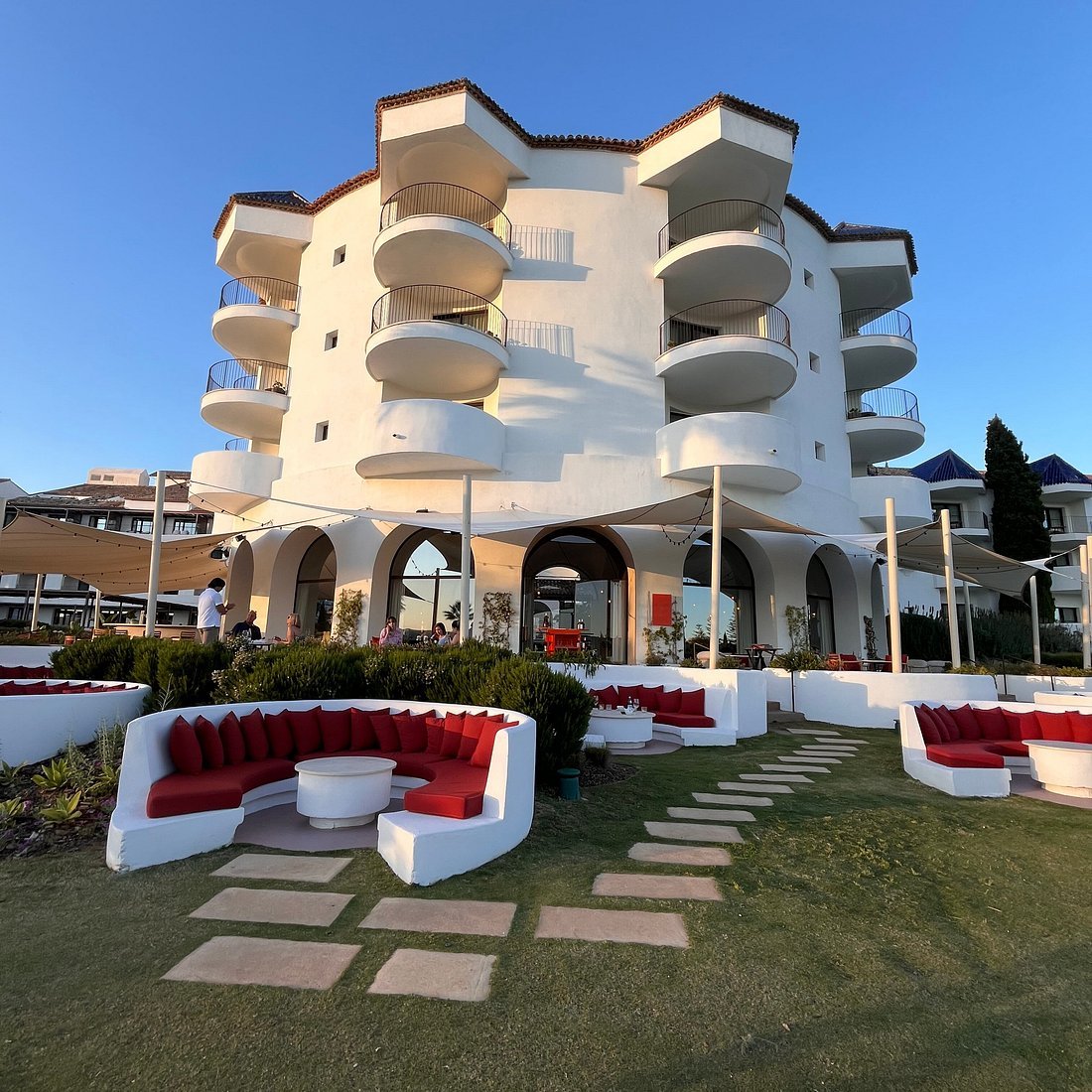
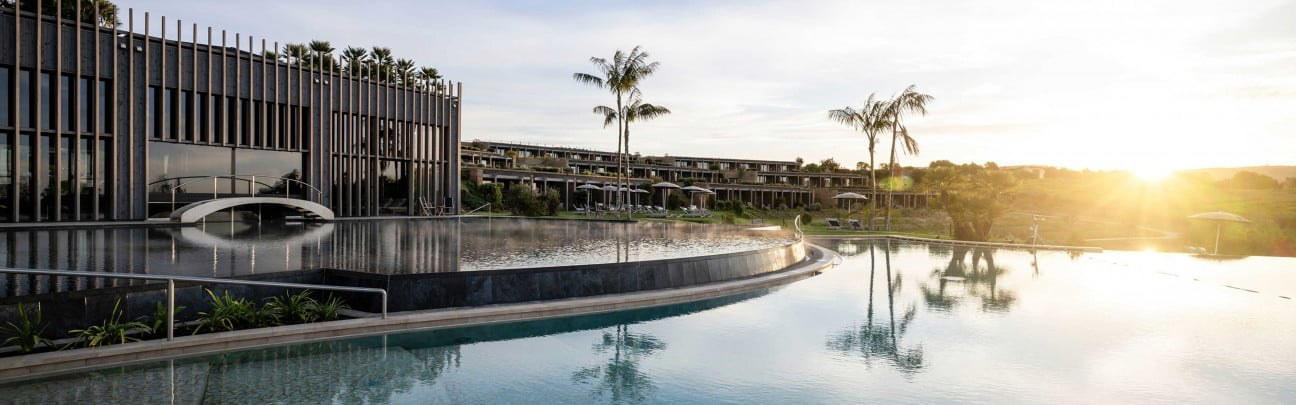
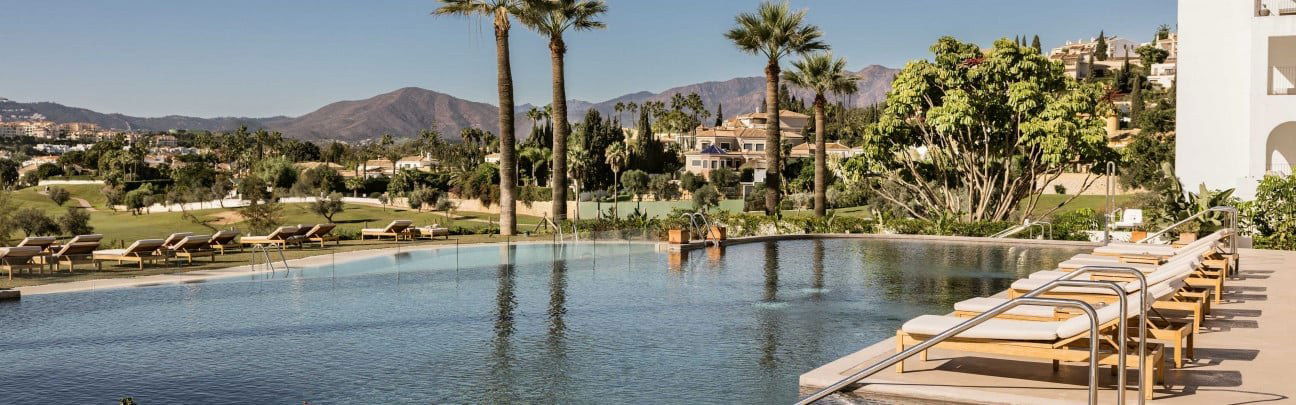
La Zambra Resort leans into a composed, historic Andalusian temperament. The property's powder-blue towers and white compound sit amid cypress and palm, and cloister-like courtyards, archways and fountains recall a Moorish-Andalusian vernacular translated through an upscale 1980s resort lens. The renovation preserves that layered identity rather than erasing it, so guests experience a calm, refined setting where design history is part of the appeal. Discretion and a sense of retreat underpin the mood: it feels like a storied coastal hideaway that privileges atmosphere and measured luxury over flash.
Best For
This is a resort for travelers who prize scenic seclusion, architectural character and polished discretion. It suits couples and honeymooners, wedding parties and families seeking a refined Costa del Sol base, and discerning guests who appreciate a property with provenance — from its jet-set history to its Leading Hotels recognition. Golfers benefit from the resort's relationship to the course below, while anyone after calm, landscaped grounds and courtyard moments finds the setting especially attractive. The renovated presentation places it firmly in the contemporary luxury tier rather than as a flashy, high-energy playground.
Stay Tips
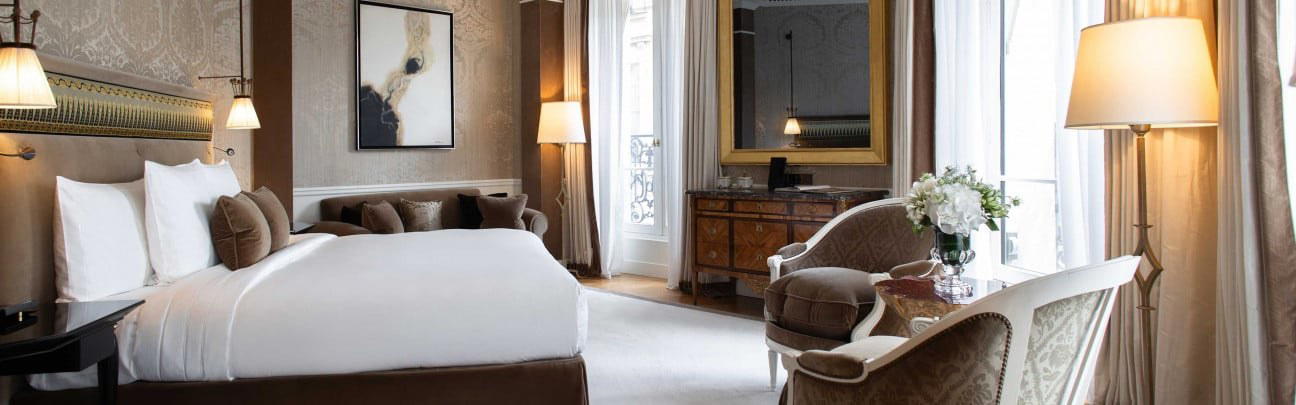
When booking, prioritize rooms with views toward the Mediterranean or the golf course if a sea aspect matters — the copy specifically notes the faint shimmer of the Mediterranean beyond the course. Ask about accommodation located in the landmark towers or overlooking the cloistered courtyards if you want the full architectural experience. Given the property's history and appeal for weddings and special occasions, reserve well in advance for peak dates and events. Note the drive up through a terraced hillside when planning transportation, as access and arrival are part of the resort's sense of place.
Venue details
Ambiance
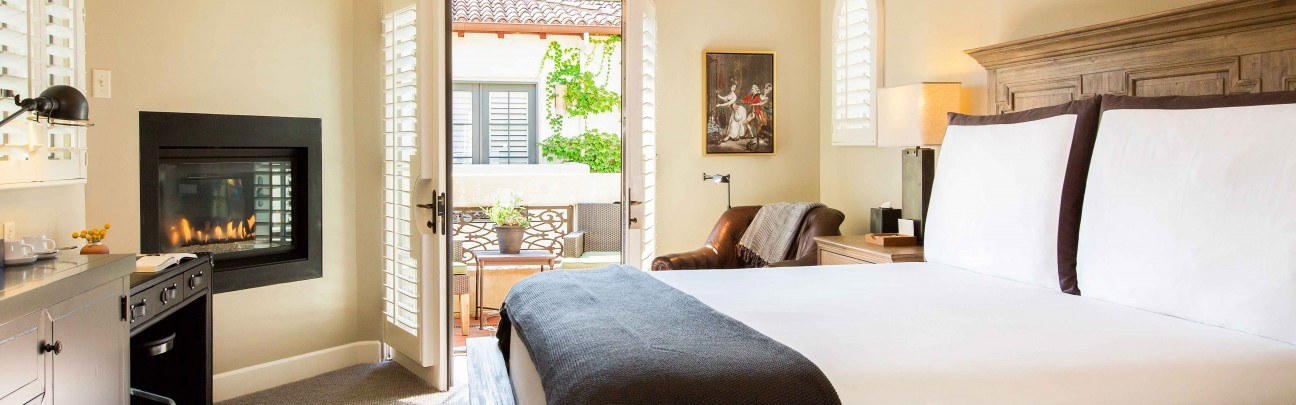
Tranquil and serene with warm earthy tones, shaded pathways, private terraces, and picturesque mountain views creating a peaceful Mediterranean oasis.
Tags
Vibe
Best For
Experience
Amenities
View
Accessibility
About the Stay
- Rooms
- 196
- Check-in
- 15:00
- Check-out
- 12:00
- Property Style
- Andalusian Inspired Luxury Resort with Contemporary Design
- Design Style
- Warm Earthy Tones, Natural Textures, Elegant Bohemian Luxury
Know before you go
Know Before You Go
- Getting there
- Av. de Louison Bobet, 9, 29650 Málaga
Planning details
Location
Av. de Louison Bobet, 9, 29650 Málaga · Directions
hyatt.com/en-US/hotel/spain/la-zambra-resort/agpub?src=corp_lclb_google_seo_agpub
Recognition and awards


Also consider
Where to look if it is not available
If La Zambra Resort is unavailable, check Leiro Residences first for a Mijas-area alternative with a more residential angle. If the trip can shift toward Marbella, Kimpton Los Monteros Marbella is the cleaner cross-shop for a resort-style stay near that side of the coast.
Hotel context
How La Zambra Resort compares in Mijas and nearby Marbella
Choose La Zambra Resort when the priority is a vetted resort stay in Mijas with a calmer Costa del Sol base. Against Leiro Residences, it is the more recognition-backed call; Leiro Residences is the better cross-shop if the trip needs a residence-style setup rather than a conventional resort stay.
Don Carlos Marbella and Kimpton Los Monteros Marbella make more sense if Marbella access is the deciding factor. La Zambra Resort is stronger for travelers who want to be based in Mijas and avoid making the whole trip revolve around Marbella logistics. For a more casual coastal-hotel feel, Hotel Ocean House Costa del Sol, Affiliated by Melia is the practical alternative to check when value and easier availability matter more than award recognition.
Hotel Marbella is the sharper fit for travelers who want a smaller Marbella stay. La Zambra Resort is the better pick for families or repeat Costa del Sol visitors who want a resort base, while Hotel Marbella is better for a tighter, town-focused itinerary.
Explore Mijas
Around this place
Discover more on Pearl
Unlock the full La Zambra Resort guide in Pearl, including awards, comparisons, FAQs, planning details, and nearby places.
Compare La Zambra Resort
| Venue | Location | Awards |
|---|---|---|
| La Zambra Resort | Mijas | 2026 Virtuoso Luxury Hotel Collection2026 Mr & Mrs Smith Luxury Hotels2026 La Liste Top HotelsMichelin 1 Key 20252025 Michelin 1 Key2024 Michelin 1 Key |
| Leiro Residences | Málaga | Preferred Hotels Preferred Residences 2025 |
| Don Carlos Marbella | Marbella | 2026 Conde Nast Traveler Hot List Hotels2025 Michelin Selected HotelsPreferred Hotels L.V.X. Collection 2025 |
| Hotel Ocean House Costa del Sol, Affiliated by Melia | Málaga | No published awards |
| Kimpton Los Monteros Marbella | Marbella | No published awards |
| Hotel Claude Marbella | Marbella | No published awards |



How La Zambra Resort Mijas compares with similar nearby venues.
FAQ
Frequently Asked Questions
Is La Zambra Resort family-friendly?
La Zambra Resort is a recognized hotel in Mijas. Travelers should check current room options, services, and family suitability directly with the property before booking.
What is check-in like at La Zambra Resort?
How is the dining at La Zambra Resort?
Check current cuisine, chef, menu, price, and service details directly with the hotel. The dress code is smart casual, and the hotel has Michelin 1 Key recognition for 2024.
How does La Zambra Resort compare to other hotels?
Choose La Zambra Resort if you want a recognized hotel in Mijas with third-party recognition. Leiro Residences is another option to compare, while Don Carlos Marbella and Kimpton Los Monteros Marbella are relevant for a Marbella-focused stay. Hotel Ocean House Costa del Sol, Affiliated by Melia is another Costa del Sol option to consider separately.