
Villa Casanova Lucca
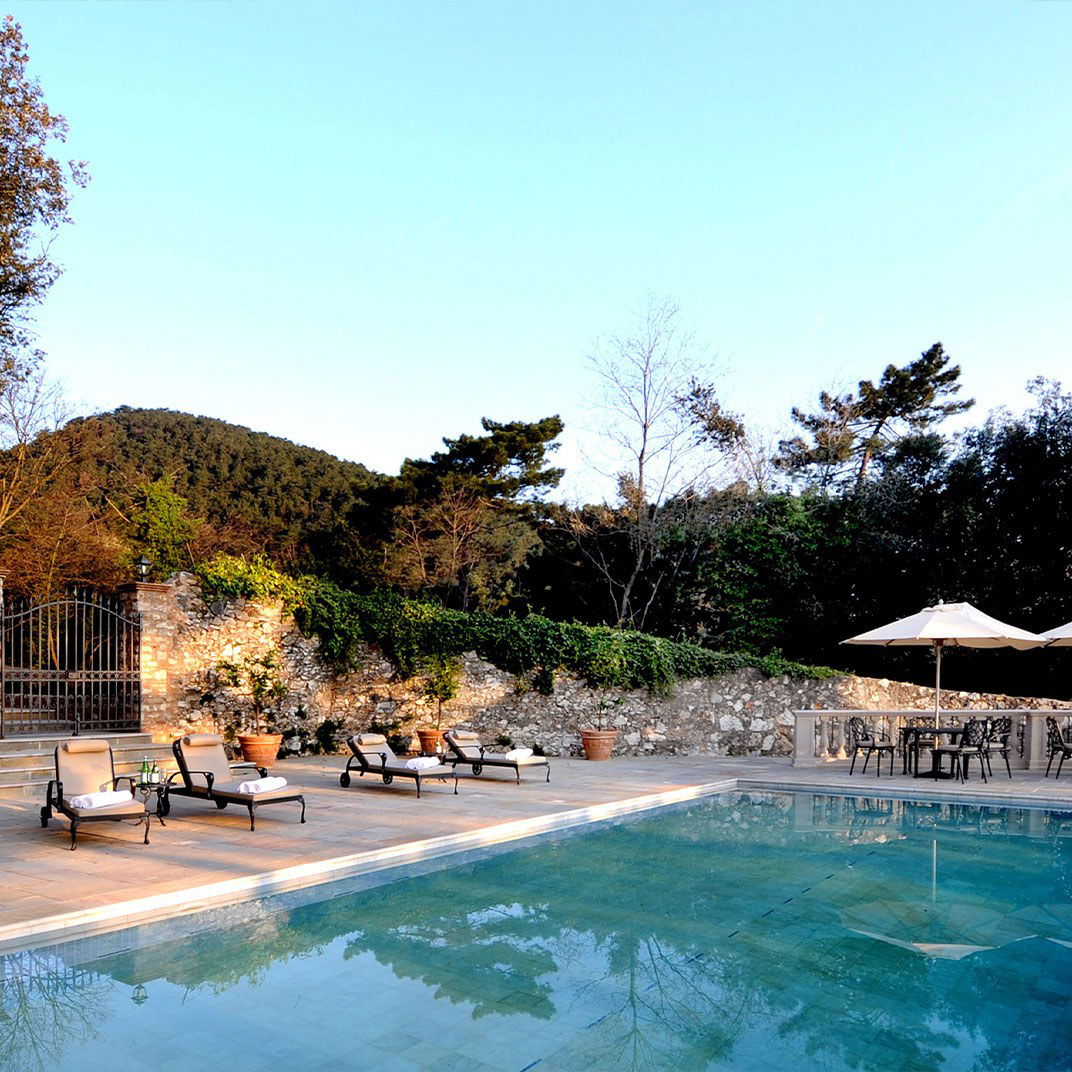
Hills between Lucca and Viareggio, Lucca
Hotel in Lucca, Italy
 Book with Pearl
The Read
Price
$100–200per night
Why go
Book Villa Casanova Lucca if the priority is a calmer countryside base near Lucca, not a walk-everywhere city hotel. Its 2025 MICHELIN Guide hotel selection gives it a useful quality signal, but the location makes more sense for travelers with a car or planned transport than for convenience-led business stays.
About Villa Casanova Lucca
Villa Casanova Lucca is a Lucca stay listed in the MICHELIN Guide hotel selection for 2025. Beyond that recognition, the safest way to evaluate it is carefully and directly, using current booking details rather than assuming specifics about services, setting, room count, dining, or transport.
For travelers comparing hotels in and around Lucca, Villa Casanova Lucca can be considered alongside Hotel Albergo Villa Marta, Hotel Plaza e de Russie, Locanda al Colle, Bagni di Pisa Palace & Thermal Spa, and Grand Hotel Principe di Piemonte. The decision should come down to your own itinerary, preferred location, and confirmed hotel information for your dates.
A Lucca hotel with MICHELIN Guide hotel selection recognition
Villa Casanova Lucca appears in the MICHELIN Guide hotel selection for 2025. That makes it a credible candidate for travelers who use MICHELIN hotel recognition as part of their screening process, though it should not be treated as a substitute for checking current availability, policies, and room details.
Do not assume a particular cuisine, restaurant format, room type, transport setup, or on-property experience unless it is confirmed directly by the hotel or your booking channel. If dining is part of the trip, plan separately with our full Lucca restaurants guide and current local information.
Worth shortlisting, with details to confirm before booking
Villa Casanova Lucca is best treated as a shortlist candidate. The dress code is smart casual, and the recognition is MICHELIN Guide Hotels Selected for 2025. Other details should be checked at the point of booking.
If you are comparing options, use the recognition as one input, then confirm practical needs such as location preferences, arrival plans, room choice, dining expectations, and cancellation terms. Villa Casanova Lucca may be the right Lucca choice for some travelers, but the reliable verdict depends on matching those details to your trip.
Planning details
- Location
- Via di Casanova I di balbano, 1600, 55100 Lucca LU, Italy
- Website
- villacasanova-lucca.it
- Phone
- +39 340 383 4482
The take
The Take
The Vibe
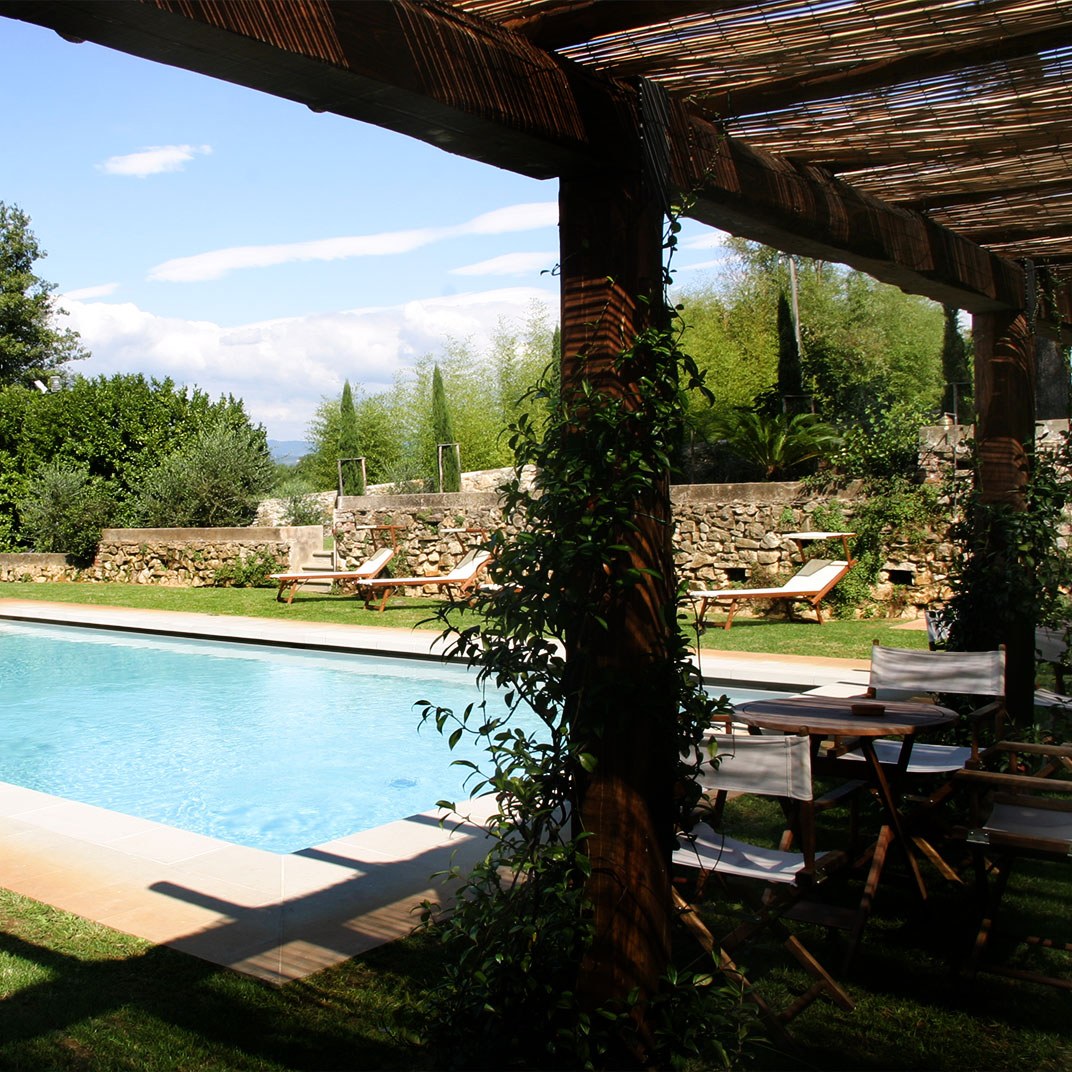
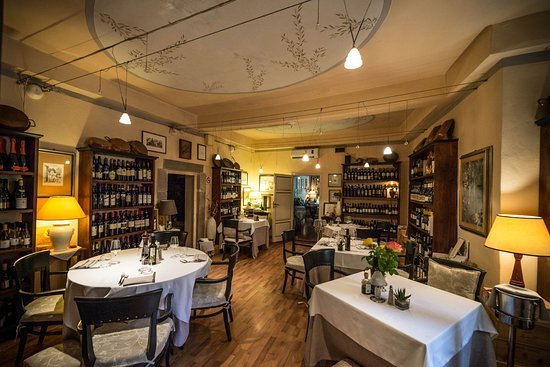
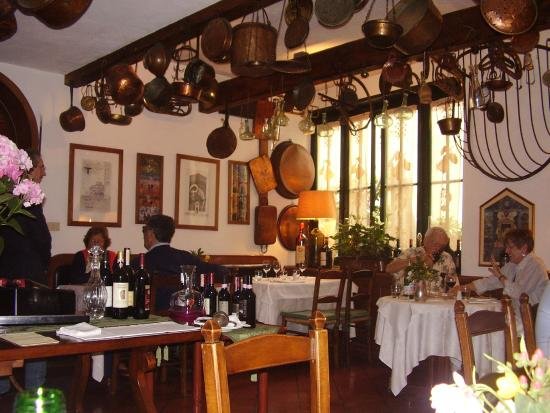
Villa Casanova Lucca presents the archetypal Tuscan villa experience: a stone facade weathered by centuries, a cypress-lined approach, and proportions that speak to an agricultural past. The property leans into the integrity of its built environment rather than ostentatious modern additions, so rooms and public spaces feel rooted and quietly refined. The tone is rustic-classic rather than flashy; longevity and landscape do the heavy lifting, creating a serene, charming atmosphere for guests who value context and character over hyper-modern amenities. The result is a contemplative country stay that reads as timeless rather than trendy.
Best For
This villa suits travelers seeking a peaceful country escape steeped in Tuscan architecture and landscape. It appeals most to couples on a quiet romantic retreat, cultural travelers who prefer historic charm to urban gloss, and anyone who prizes the feel of an authentic villa outside Lucca’s medieval walls. The property’s placement in Michelin’s 2025 hotel selection signals a standard of comfort and character, making it a strong choice for milestone trips, slow weekend getaways, and guests who want to experience the surrounding land as part of their stay.
Stay Tips
Plan arrival by the lane named in the approach: the drive along Via di Casanova and the cypress-lined sequence are part of the experience and often set expectations before you enter. Allow a little time for the gated pause on arrival and for the views of the surrounding land; the property’s appeal is as much about its setting as its interiors. Given the villa’s positioning outside Lucca’s walls, factor in transport to and from the city when arranging arrival and departure to ensure a relaxed, unrushed start to your stay.
Venue details
Ambiance
Secluded and serene with historical elegance blended with contemporary comfort, surrounded by olive groves and woodlands offering peaceful woodland views.
Tags
Vibe
Best For
Experience
Amenities
View
Accessibility
About the Stay
- Rooms
- 14
- Check-in
- 14:00
- Check-out
- 11:00
- Property Type
- Boutique hotel
- Property Style
- Traditional Tuscan Elegance with Contemporary Comfort in a Restored 18th Century Manor House.
- Design Style
- Classic Tuscan Architecture with Wooden Floors, Living Areas, and Modern Furnishings Preserving Original Architectural Features.
- Breakfast
- Included
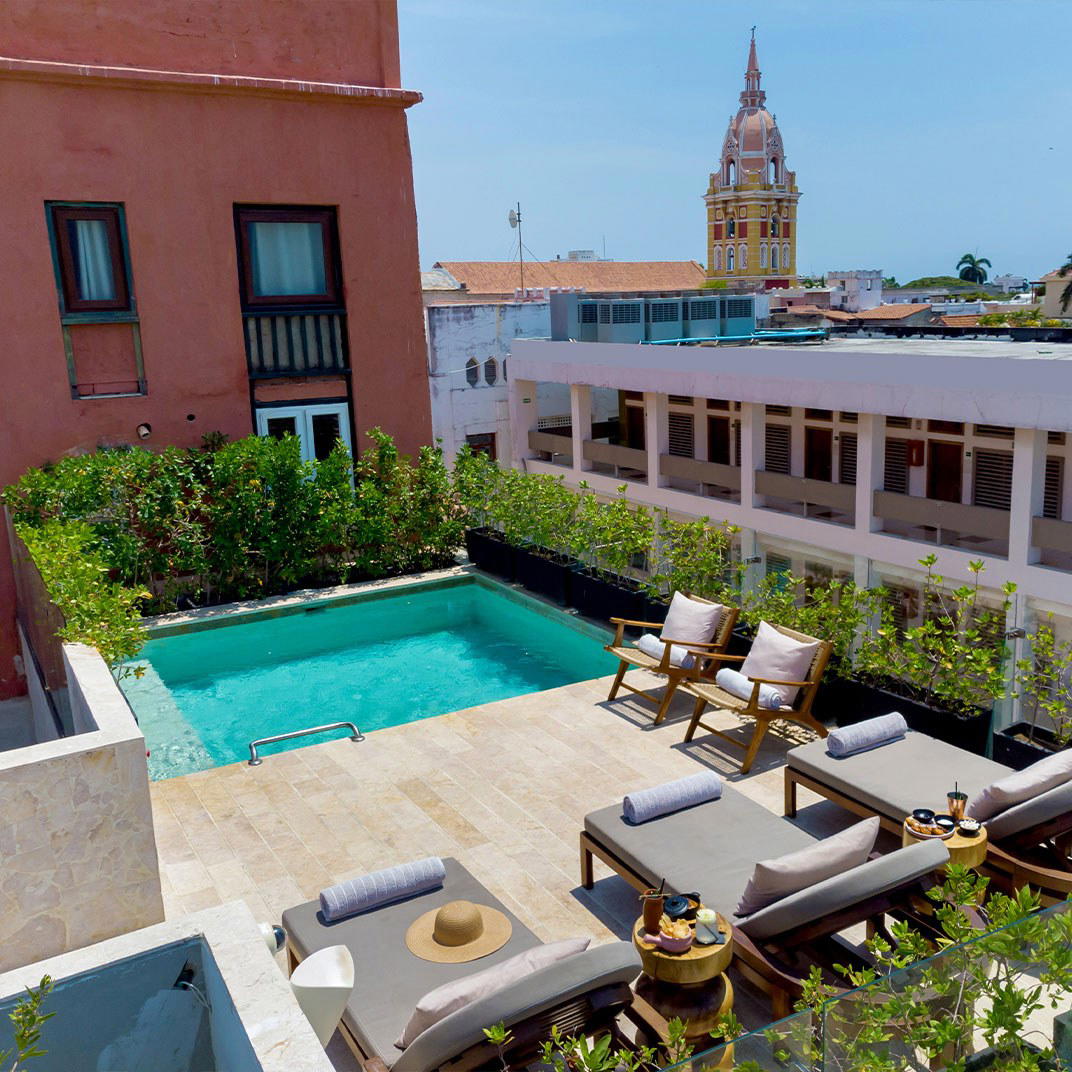
- Pool
- Yes
- Spa
- Yes
- Pets
- Allowed
- Families
- Welcome
Know before you go
Know Before You Go
- Getting there
- Via di Casanova I di balbano, 1600, 55100 Lucca LU, Italy
Planning details
Location
Via di Casanova I di balbano, 1600, 55100 Lucca LU, Italy · Directions
Recognition and awards
Also consider
Also Consider
- Bagni di Pisa Palace & Thermal Spa, Notable alternative
- Hotel Albergo Villa Marta, Notable alternative
- Hotel Plaza e de Russie, Notable alternative
- Grand Hotel Principe di Piemonte, Notable alternative
- Locanda al Colle, Notable alternative
Hotel context
Villa Casanova Lucca is the Lucca-area choice for travelers who want the countryside to be part of the stay. Compared with Hotel Albergo Villa Marta, it reads as the more setting-driven option, while Villa Marta is the safer pick for travelers who want a Lucca hotel decision with fewer transport tradeoffs.
Bagni di Pisa Palace & Thermal Spa is the better cross-shop if spa time is the reason for the trip, while Hotel Plaza e de Russie and Grand Hotel Principe di Piemonte make more sense for travelers prioritizing a coastal hotel rhythm over a Lucca countryside base. Those are not direct substitutes for a Lucca stay; they are better if the itinerary shifts toward the sea.
Locanda al Colle is the closest comparison for travelers who like small, character-led countryside hotels. Choose Villa Casanova Lucca when Lucca access matters more; choose Locanda al Colle when the trip is less city-focused and more about a rural Tuscan mood.
Around this place
Discover more on Pearl
Unlock the full Villa Casanova Lucca guide in Pearl, including awards, comparisons, FAQs, planning details, and nearby places.
Compare Villa Casanova Lucca
| Venue | Location | Awards |
|---|---|---|
| Villa Casanova Lucca | Lucca | 2025 Michelin Selected Hotels |
| Bagni di Pisa Palace & Thermal Spa | San Giuliano Terme | Leading Hotels of the World 2026 |
| Hotel Albergo Villa Marta | Lucca | No published awards |
| Hotel Plaza e de Russie | Viareggio | 2026 Virtuoso Luxury Hotel Collection2026 Relais Chateaux Hotels2025 Michelin Selected Hotels2025 Relais Chateaux Award |
| Grand Hotel Principe di Piemonte | Viareggio | 2026 Virtuoso Luxury Hotel CollectionLeading Hotels of the World 20262026 Michelin 2 Keys2025 Michelin 2 Keys |
| Locanda al Colle | Camaiore | 2026 Mr & Mrs Smith Luxury Hotels2026 Michelin 1 Key2025 Michelin 1 Key2024 Michelin 1 Key |






How Villa Casanova Lucca compares with similar nearby venues.
FAQ
Frequently Asked Questions
How does Villa Casanova Lucca compare to nearby hotels?
Villa Casanova Lucca is a Lucca hotel with MICHELIN Guide Hotels Selected recognition for 2025. It can be compared with Hotel Albergo Villa Marta, Hotel Plaza e de Russie, Locanda al Colle, Bagni di Pisa Palace & Thermal Spa, and Grand Hotel Principe di Piemonte, but the best choice depends on details for your dates and itinerary.
Is Villa Casanova Lucca good for business travel?
That depends on your schedule and the current practical details of the stay. Specific business facilities, transport convenience, or meeting support are not listed, so business travelers should confirm those points directly before booking.
When is the best time to book Villa Casanova Lucca?
Book when your Lucca travel dates and cancellation needs are clear. Villa Casanova Lucca has MICHELIN Guide Hotels Selected recognition for 2025, but specific demand patterns, rates, and availability should be checked through the hotel or booking channel.
How is the location of Villa Casanova Lucca?
Villa Casanova Lucca is in Lucca. Travelers should confirm the exact location and transport plan before booking.
Which room category is best at Villa Casanova Lucca?
A best room category is not identified. Choose based on the current room descriptions, your budget, and any needs you can confirm directly with the hotel or booking channel.
How is the dining at Villa Casanova Lucca?
A specific dining program, cuisine, or restaurant format is not listed at Villa Casanova Lucca. If dining is important, confirm current options directly and also consider other dining in Lucca for your plans.