
Bagni di Pisa Palace & Thermal Spa
San Giuliano Terme
Hotel in San Giuliano Terme, Italy
 Book with Pearl
The Read
Medici Palace Thermal Bathing
Why go
Bagni di Pisa Palace & Thermal Spa is a strong pick for a quiet Tuscan spa stay near Pisa, especially for couples or celebration trips where the hotel setting matters. Choose it over a city-center stay if thermal-spa downtime and a calmer San Giuliano Terme base are the point; cross-shop coastal or Lucca-area hotels if dining access or beach energy matters more.
About Bagni di Pisa Palace & Thermal Spa
Bagni di Pisa Palace & Thermal Spa is a San Giuliano Terme venue to shortlist when its appeal is direct: the venue itself, its San Giuliano Terme setting, and a smart-casual standard. Information is limited, so this guide keeps the recommendation narrow rather than inventing pricing, dining, room, or service specifics.
A San Giuliano Terme venue with a thermal-spa identity
The clearest reason to consider Bagni di Pisa Palace & Thermal Spa is its identity, reflected in the venue name, as a Palace & Thermal Spa in San Giuliano Terme. That makes it a natural fit for travelers who want to evaluate the venue itself as a central part of the stay, while still confirming current details directly before booking.
Specific claims about cuisine, room categories, spa inclusions, prices, service formats, or operating hours should be checked directly before booking. The dress code is smart casual, which is useful to know when planning the tone of a visit.
Who should choose it, and who should cross-shop
Book this if the name and setting match the trip you want: Bagni di Pisa Palace & Thermal Spa in San Giuliano Terme, with a smart-casual feel and Leading Hotels of World Member recognition for 2025. That recognition provides useful context without needing to add unsupported claims about specific amenities or service details.
If you are comparing options, keep the comparisons broad and practical. Villa Casanova Lucca, Locanda al Colle, Grand Hotel Principe di Piemonte, Hotel Albergo Villa Marta, and Hotel Plaza e de Russie may be useful reference points depending on the kind of stay you are considering. Bagni di Pisa Palace & Thermal Spa is the San Giuliano Terme option in this set, and its positioning is clearest as a smart-casual venue with Leading Hotels of World Member recognition for 2025.
Detailed booking conditions, room inventory, dining details, and rates should be confirmed directly with the venue or booking channel before committing. Use this page as a grounded shortlist note rather than a substitute for current booking information.
Planning details
- Location
- Largo P. B.Shelley, 18, 56017 San Giuliano Terme PI
- Website
- bagnidipisa.com
- Phone
- +39 050 88501
The take
The Take
The Vibe
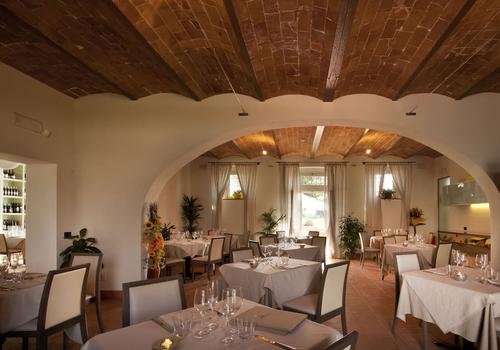
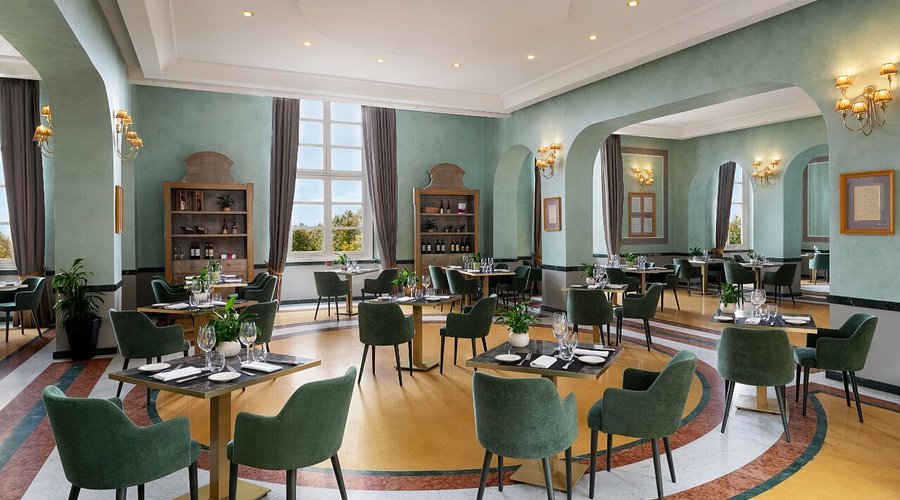
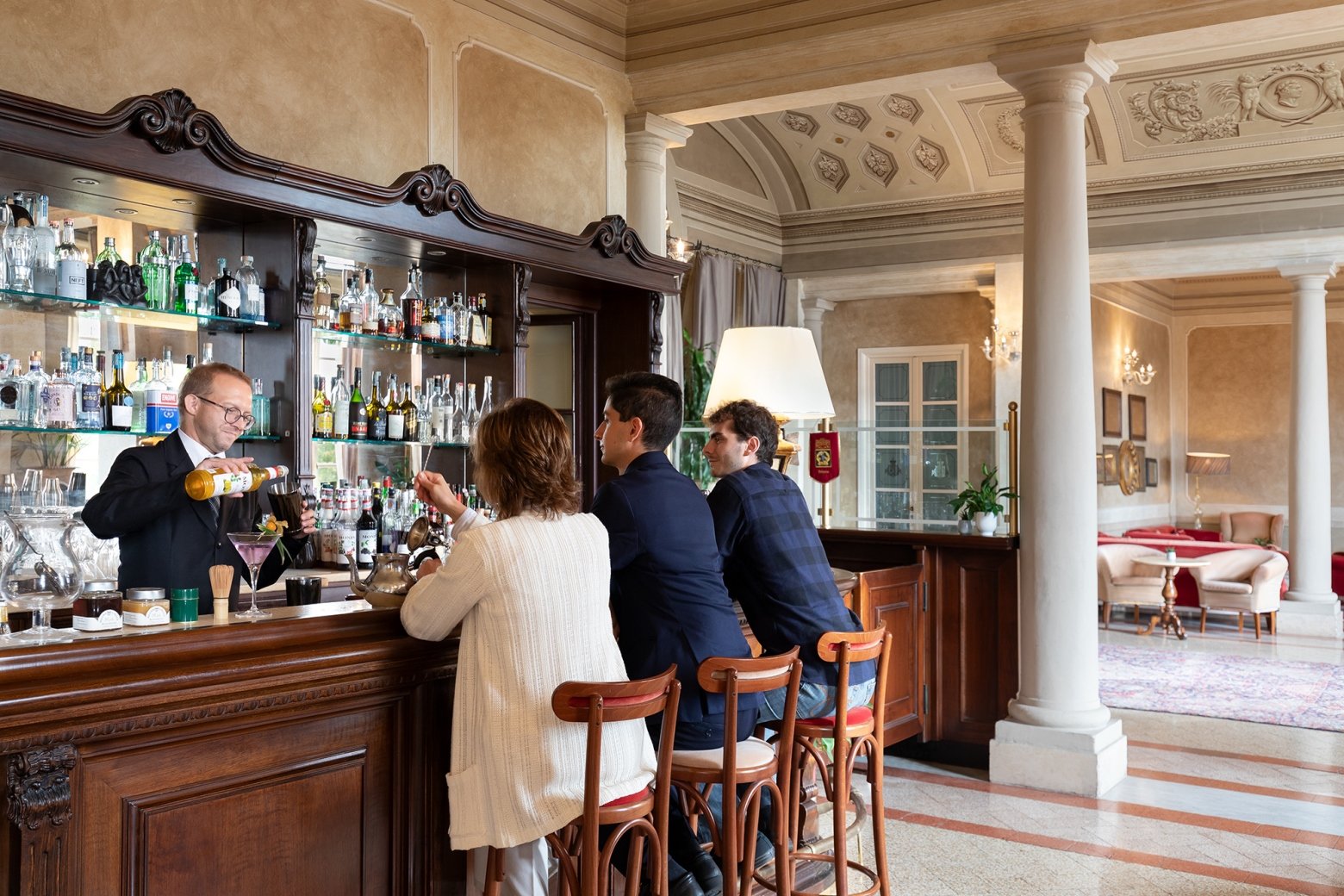
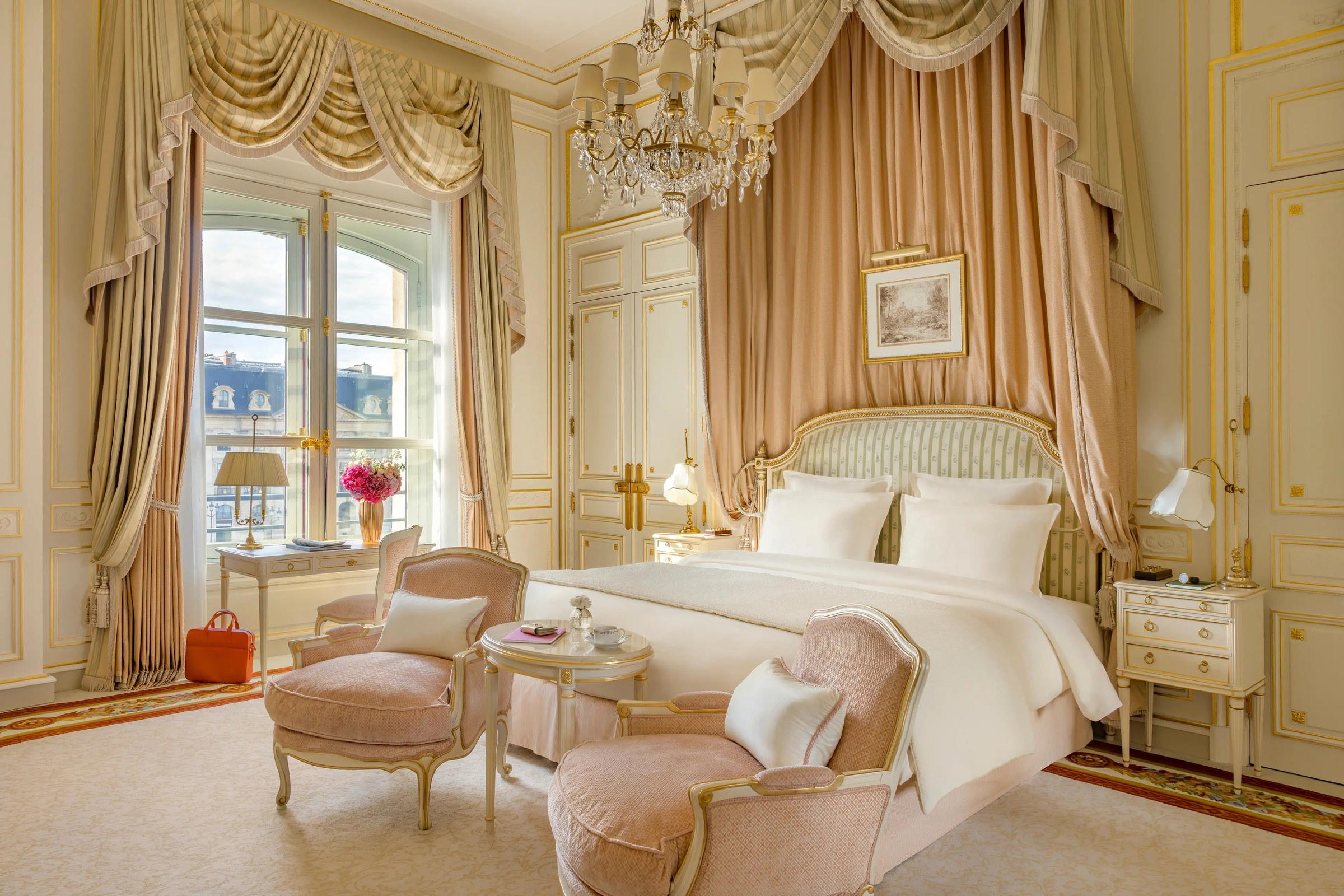
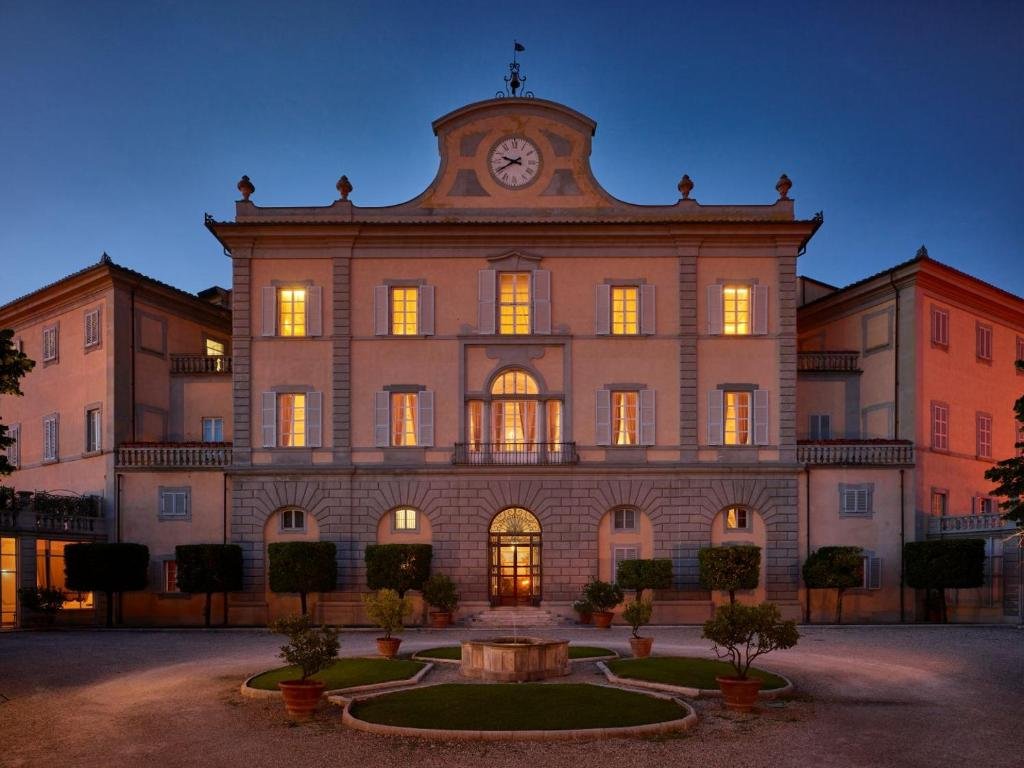
Bagni di Pisa reads like a compact royal retreat: an ochre-toned Baroque façade, high‑ceilinged rooms and frescoed vaulted corridors establish a distinctly historic, palatial atmosphere. The hotel emphasizes architectural continuity—thermal baths are original to the building rather than later additions—so the spa experience feels embedded in the fabric of the place. Service and standards are positioned at a premium level, underscored by the property's Leading Hotels of the World membership. Overall, the mood is stately and contemplative, where period detail and purposeful wellness programming combine to create an elevated, historically grounded stay.
Best For
This is a destination for travelers seeking a restorative, romantic and architecture‑minded escape. Couples and honeymooners find the palace scale and original thermal baths especially appealing, while travelers focused on wellness come for the site's authentic spa sequence. The setting at the foot of the Monti Pisani supports relaxed, secluded stays rather than bustling city itineraries. Given the property's placement among independent luxury peers, it also suits anniversaries and special‑occasion getaways where historic ambiance and a deliberately paced spa program are the stars of the visit.
Stay Tips
Book spa treatments and thermal-bath access in advance, since the property's thermal sequence is a central feature and likely in demand. When reserving a room, request accommodations that highlight the palace's architectural elements—high ceilings and frescoed corridors—if those details matter to you. Note the hotel's Leading Hotels of the World membership for potential service standards or packaged offerings; confirm what wellness packages or inclusions are available at the time of booking. Finally, allow extra time on arrival to appreciate the approach through San Giuliano Terme and the Monti Pisani backdrop.
Venue details
Ambiance
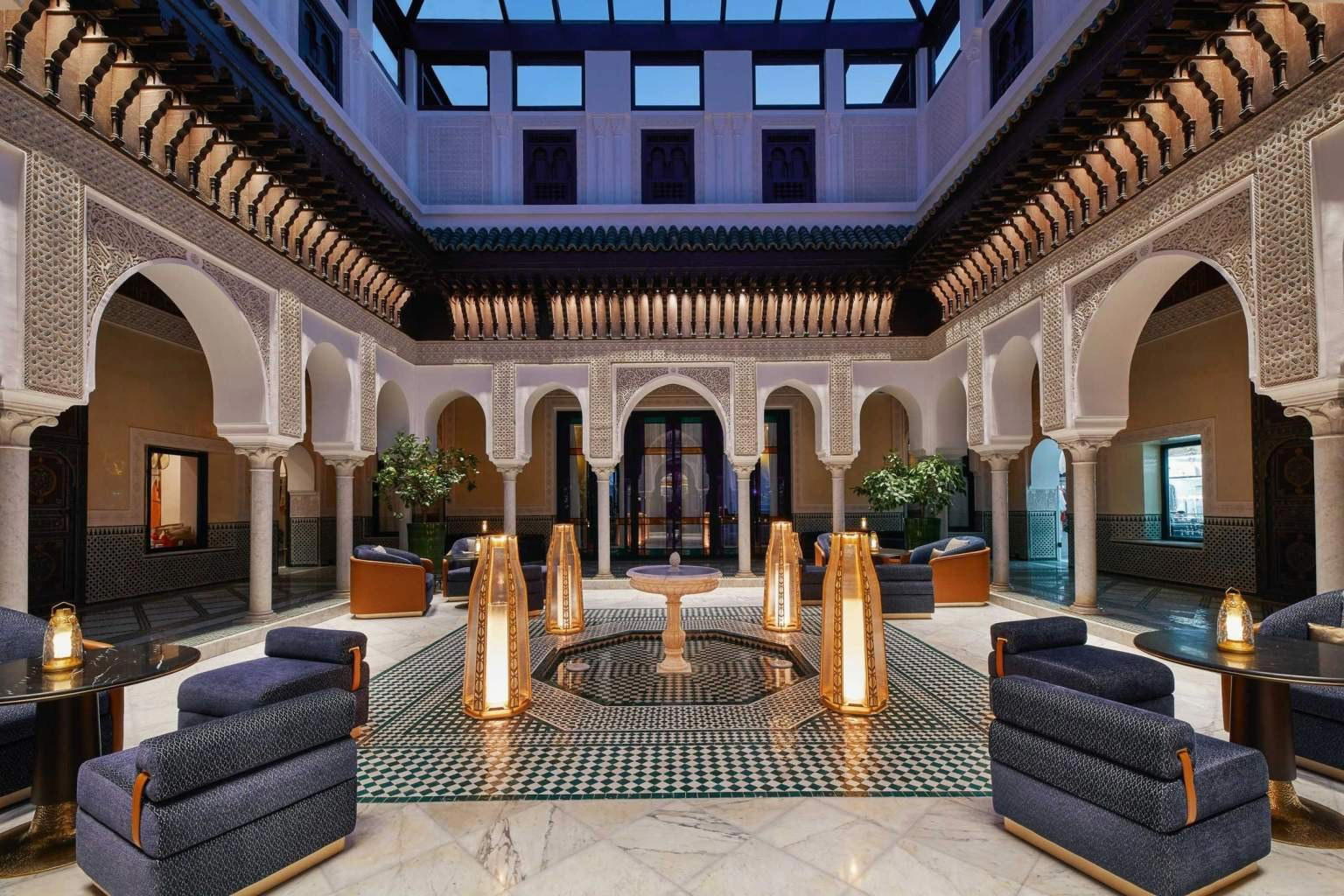
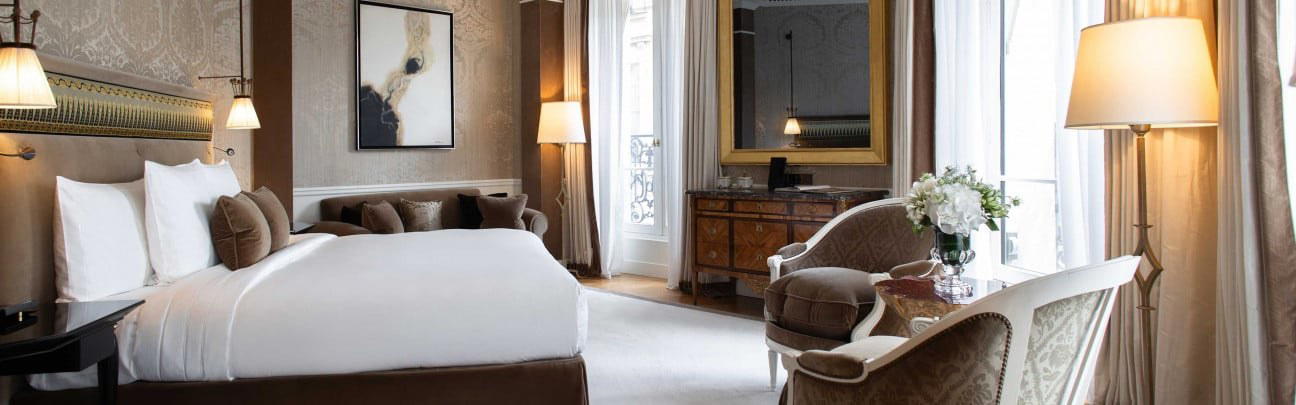
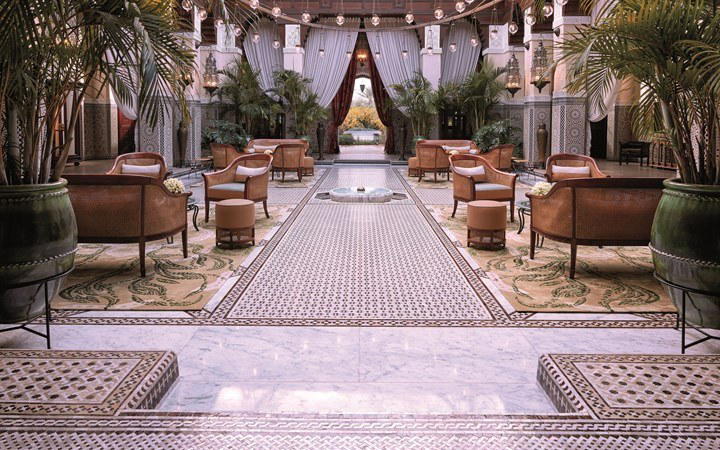
Timeless elegance with warmly lit frescoed interiors, pastel hues, marble floors, and serene thermal pools framed by graceful arches.
Tags
Vibe
Best For
Experience
Amenities
View
Accessibility
About the Stay
- Rooms
- 61
- Check-in
- 15:00
- Check-out
- 12:00
- Property Type
- Palace hotel
- Property Style
- Historic Thermal Spa Palace Blending 18th Century Grandeur with Modern Luxury
- Design Style
- Eighteenth Century Architecture with Frescoed Vaults, Marble, Terracotta Floors, and Pastel Hues
- Airport Transfer
- Available
- Pool
- Yes
- Spa
- Yes
- Pets
- Allowed
- Families
- Welcome
- Cancellation
- Moderate
Know before you go
Know Before You Go
- Getting there
- Largo P. B.Shelley, 18, 56017 San Giuliano Terme PI
Planning details
Location
Recognition and awards

Also consider
Where to look if this is not the right fit
If the spa setting is not central to the trip, cross-shop Villa Casanova Lucca for a quieter countryside stay or Locanda al Colle for a more intimate hideaway. If the trip should feel coastal rather than thermal, look at Grand Hotel Principe di Piemonte.
Hotel context
How it compares
Bagni di Pisa Palace & Thermal Spa is the wellness-led choice in this set: calmer than Grand Hotel Principe di Piemonte, more formal than Locanda al Colle, and better suited to guests who want the hotel itself to shape the stay. Its Leading Hotels of the World membership gives it a useful quality signal, while the easy booking profile makes it less stressful than a scarce destination resort.
For value-minded travelers who want a simpler Tuscan base, Hotel Albergo Villa Marta is the more practical cross-shop. For countryside privacy and a slower Lucca-area rhythm, Villa Casanova Lucca is the sharper alternative. Choose Bagni di Pisa when the spa and palace atmosphere are central to the trip, not when the hotel is just a place to sleep.
If the brief is seaside polish, Hotel Plaza e de Russie and Grand Hotel Principe di Piemonte are more natural coastal comparisons. Locanda al Colle is better for a smaller, lower-key romantic stay. Bagni di Pisa is the pick for a composed thermal-spa weekend close to Pisa, with enough sense of occasion for a celebration without needing a hard-to-secure booking.
Explore San Giuliano Terme
Around this place
Discover more on Pearl
Unlock the full Bagni di Pisa Palace & Thermal Spa guide in Pearl, including awards, comparisons, FAQs, planning details, and nearby places.
Compare Bagni di Pisa Palace & Thermal Spa
| Venue | Location | Awards |
|---|---|---|
| Bagni di Pisa Palace & Thermal Spa | San Giuliano Terme | Leading Hotels of the World 2026 |
| Hotel Albergo Villa Marta | Lucca | No published awards |
| Villa Casanova Lucca | Lucca | No published awards |
| Hotel Plaza e de Russie | Viareggio | 2026 Virtuoso Luxury Hotel Collection2026 Relais Chateaux Hotels2025 Michelin Selected Hotels2025 Relais Chateaux Award |
| Grand Hotel Principe di Piemonte | Viareggio | 2026 Virtuoso Luxury Hotel CollectionLeading Hotels of the World 20262026 Michelin 2 Keys2025 Michelin 2 Keys |
| Locanda al Colle | Camaiore | 2026 Mr & Mrs Smith Luxury Hotels2026 Michelin 1 Key2025 Michelin 1 Key2024 Michelin 1 Key |






How Bagni di Pisa Palace & Thermal Spa compares with similar nearby venues.
FAQ
Frequently Asked Questions
Is Bagni di Pisa Palace & Thermal Spa family-friendly?
Information regarding a family policy or child-specific facilities is not available. Bagni di Pisa Palace & Thermal Spa is a San Giuliano Terme venue with a smart-casual dress code and Leading Hotels of World Member recognition for 2025, but family details should be checked directly before booking.
How is the location of Bagni di Pisa Palace & Thermal Spa?
Bagni di Pisa Palace & Thermal Spa is in San Giuliano Terme. The exact address is not detailed, and travelers should confirm the exact arrival information through the venue or their booking channel.
Do loyalty programs work at Bagni di Pisa Palace & Thermal Spa?
The venue is a Leading Hotels of World Member (2025). Specific loyalty benefits, earning rules, redemption options, or booking-channel privileges should be checked directly before booking.
What is check-in like at Bagni di Pisa Palace & Thermal Spa?
Details about check-in procedures and times are not provided. Before arrival, confirm the current check-in details directly with Bagni di Pisa Palace & Thermal Spa or the booking channel.
How does Bagni di Pisa Palace & Thermal Spa compare to other venues?
Choose Bagni di Pisa Palace & Thermal Spa when you specifically want a San Giuliano Terme venue with smart-casual expectations and Leading Hotels of World Member recognition for 2025. Hotel Plaza e de Russie, Grand Hotel Principe di Piemonte, Villa Casanova Lucca, Hotel Albergo Villa Marta, and Locanda al Colle can serve as comparison points for different stays, but their details should be evaluated separately.
Which room category is best at Bagni di Pisa Palace & Thermal Spa?
Specific room categories are not detailed. The best choice depends on the current room list, rates, and inclusions available at the time of booking, so confirm those details directly before reserving.