



Banyan Tree Krabi
Tub Kaek Beach, Krabi
Hotel in Krabi, Thailand
 Book with Pearl
The Read
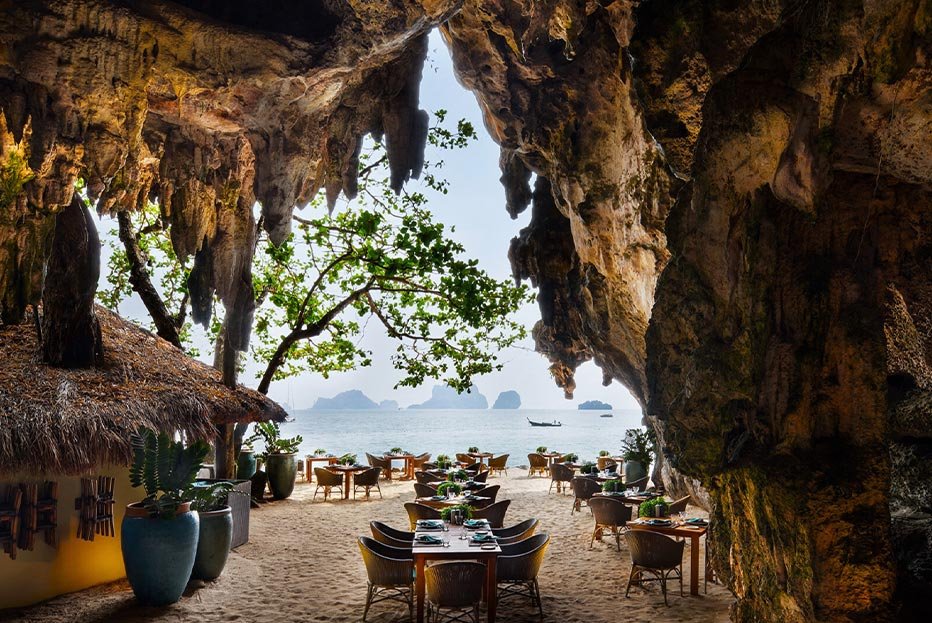
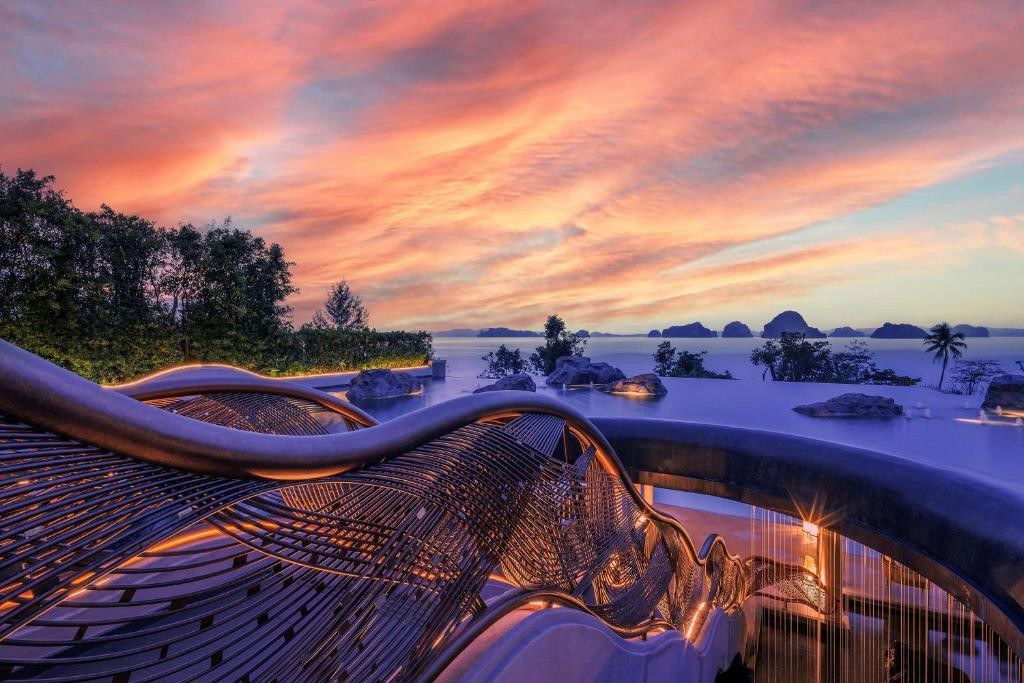
Karst-Framed Pool Seclusion
Why go
Banyan Tree Krabi is worth shortlisting for a resort-first Krabi stay where hotel quality matters more than bargain value. Its Michelin 2 Keys, La Liste 90-point score, Fodor's 2026 recognition, and Virtuoso status make it a safer splurge than many beach resorts, but compare room upgrades carefully against Phulay Bay and Rayavadee before committing.
About Banyan Tree Krabi
Banyan Tree Krabi in Krabi has Michelin 2 Keys in 2024, a 90-point La Liste Top Hotels score for 2026, Fodor's inclusion among its Most Incredible Hotels in the World for 2026, and Virtuoso Luxury Hotel Partner status for 2026.
That makes it a credible luxury-hotel option to consider in Krabi, especially for travelers who want a stay supported by recognized hotel accolades. The dress code is smart casual; beyond that, specific claims about cuisine, room types, pricing, services, or facilities should be checked directly before booking.
Book this for a recognition-backed Krabi hotel stay
Banyan Tree Krabi is easiest to evaluate as a hotel whose strongest points are its awards and partner recognition. If your decision depends on exact dining options, room features, package inclusions, or on-property facilities, confirm those details with the hotel or booking channel rather than relying on assumptions.
For comparison within the broader luxury-hotel set, The Tubkaak Krabi Boutique Resort, Rayavadee, Phulay Bay, A Ritz-Carlton Reserve, Six Senses Yao Noi, and Cape Kudu Hotel are natural names to cross-shop depending on the kind of trip you want. Banyan Tree Krabi's advantage is its recognition profile, not a specific claim about a particular room, restaurant, or service format.
Return guests should compare the upgrade against Phulay Bay and Rayavadee
For someone who has already visited Krabi, the useful question is whether Banyan Tree Krabi's recognition profile fits the next trip. Phulay Bay, A Ritz-Carlton Reserve and Rayavadee are both relevant comparisons for a higher-end stay in the area, while Banyan Tree Krabi should be judged on its accolades and whatever current booking details are available at the time of travel.
Before committing, compare the room category, rate conditions, inclusions, and cancellation terms directly. Banyan Tree Krabi is a serious luxury-hotel option in Krabi, but specific claims about dining format, family amenities, business facilities, pool or spa details, or a particular best room category should be confirmed independently.
Part of
Banyan Tree27 locations on PearlPlanning details
- Location
- 279 Tambon Nongtalay Amphoe Muang Chang Wat Krabi 81180
- Website
- banyantree.com/thailand/krabi
- Phone
- +66 75 811 888
The take
The Take
The Vibe
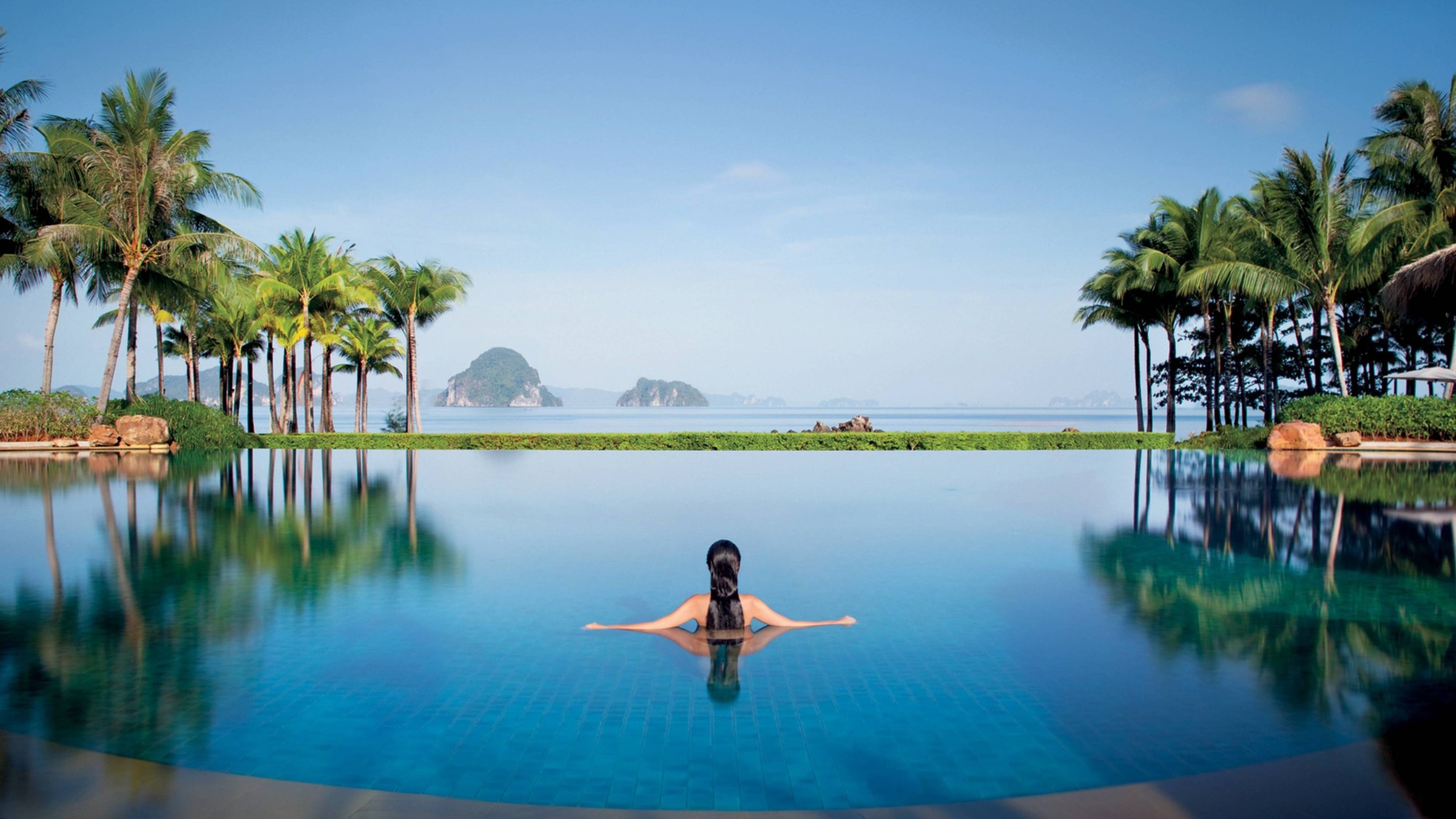
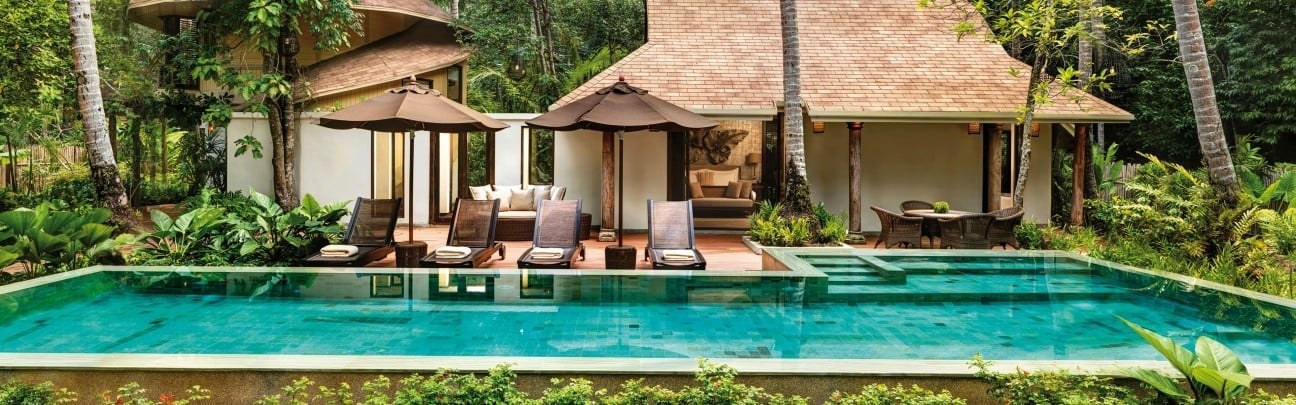
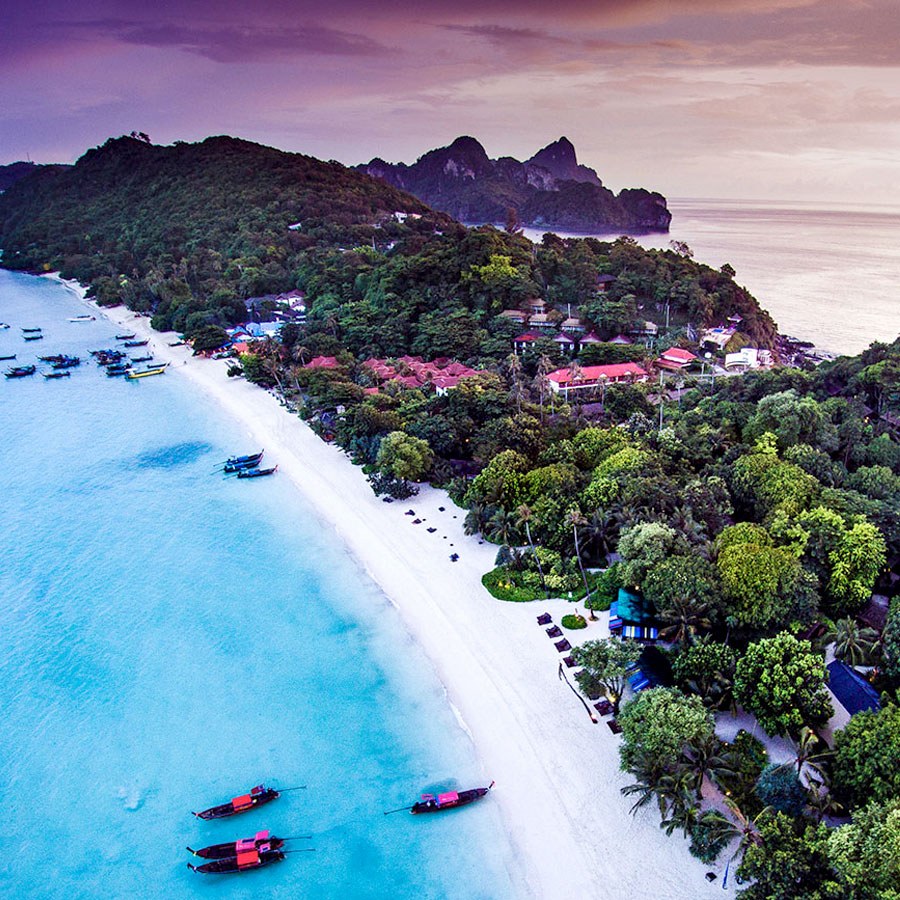
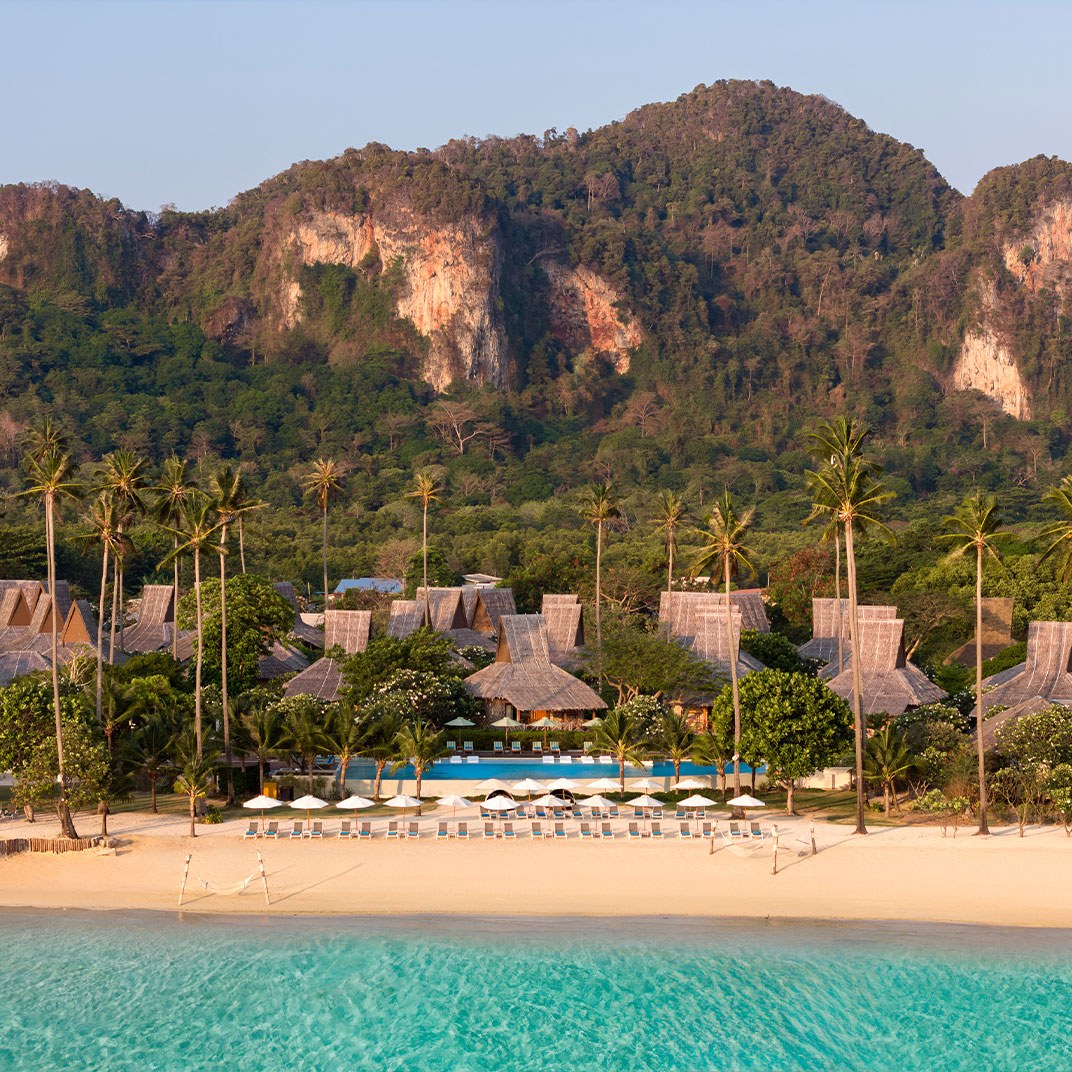
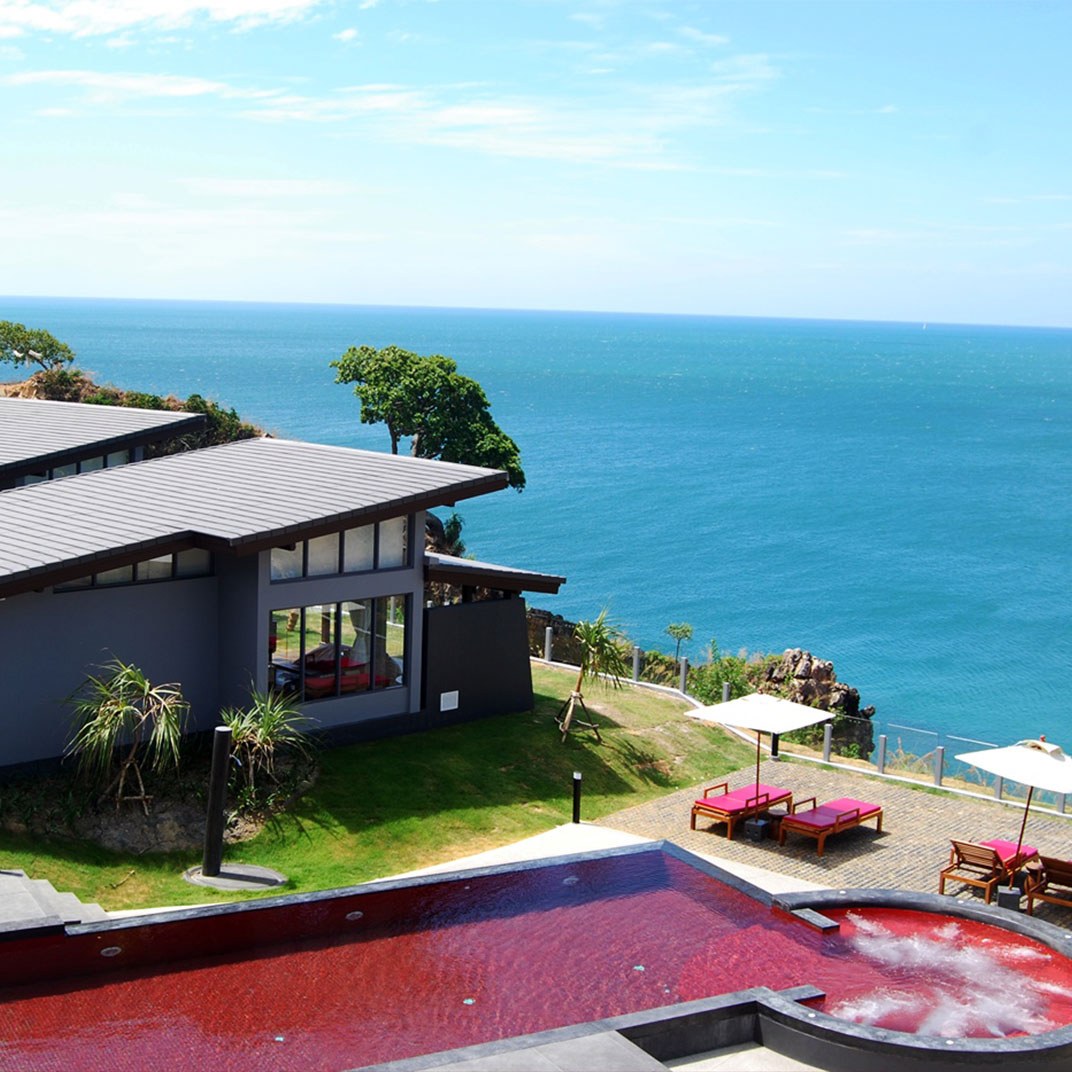
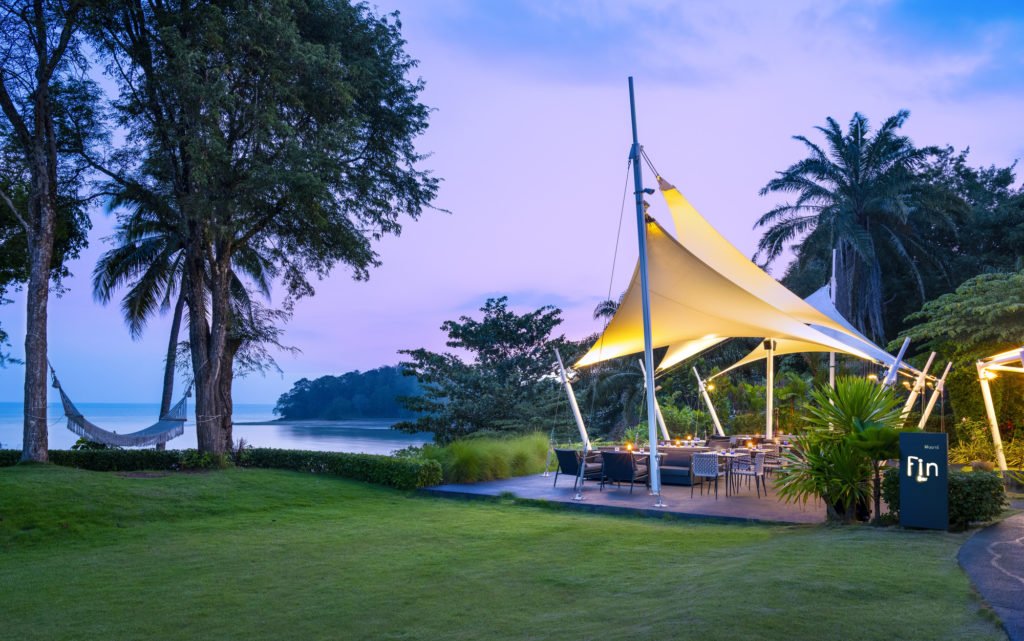
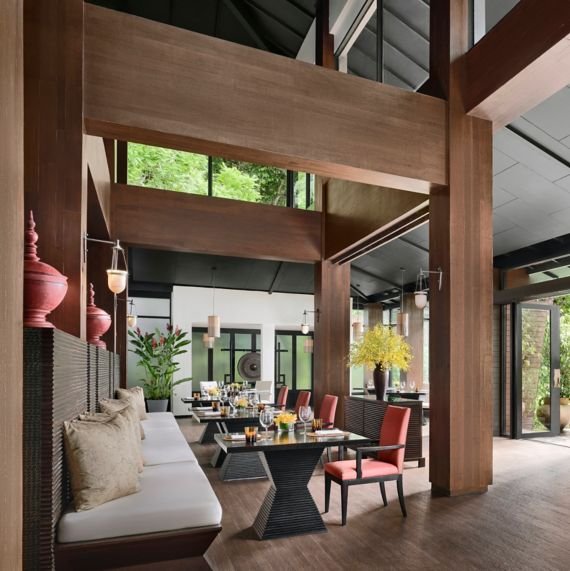
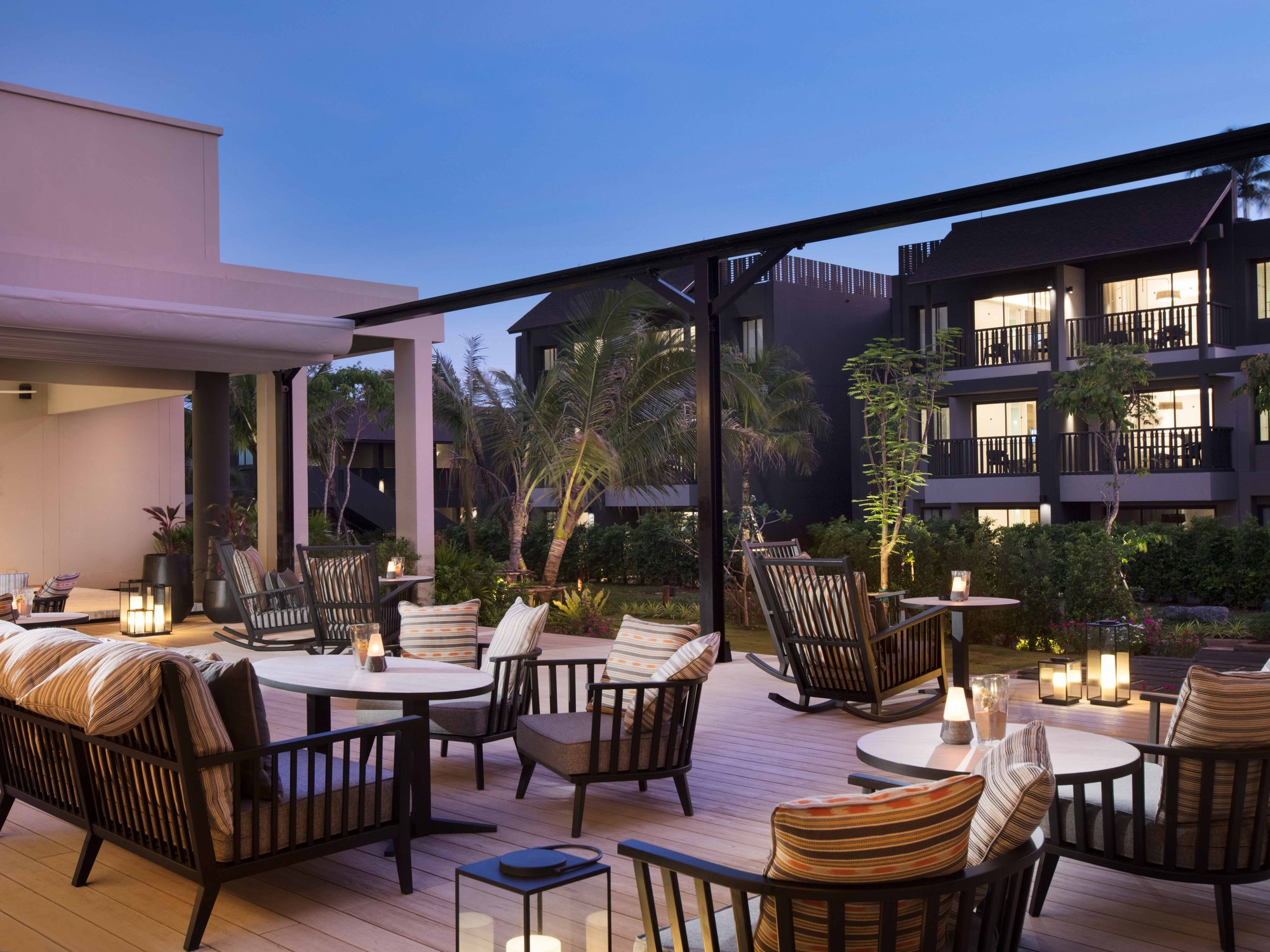
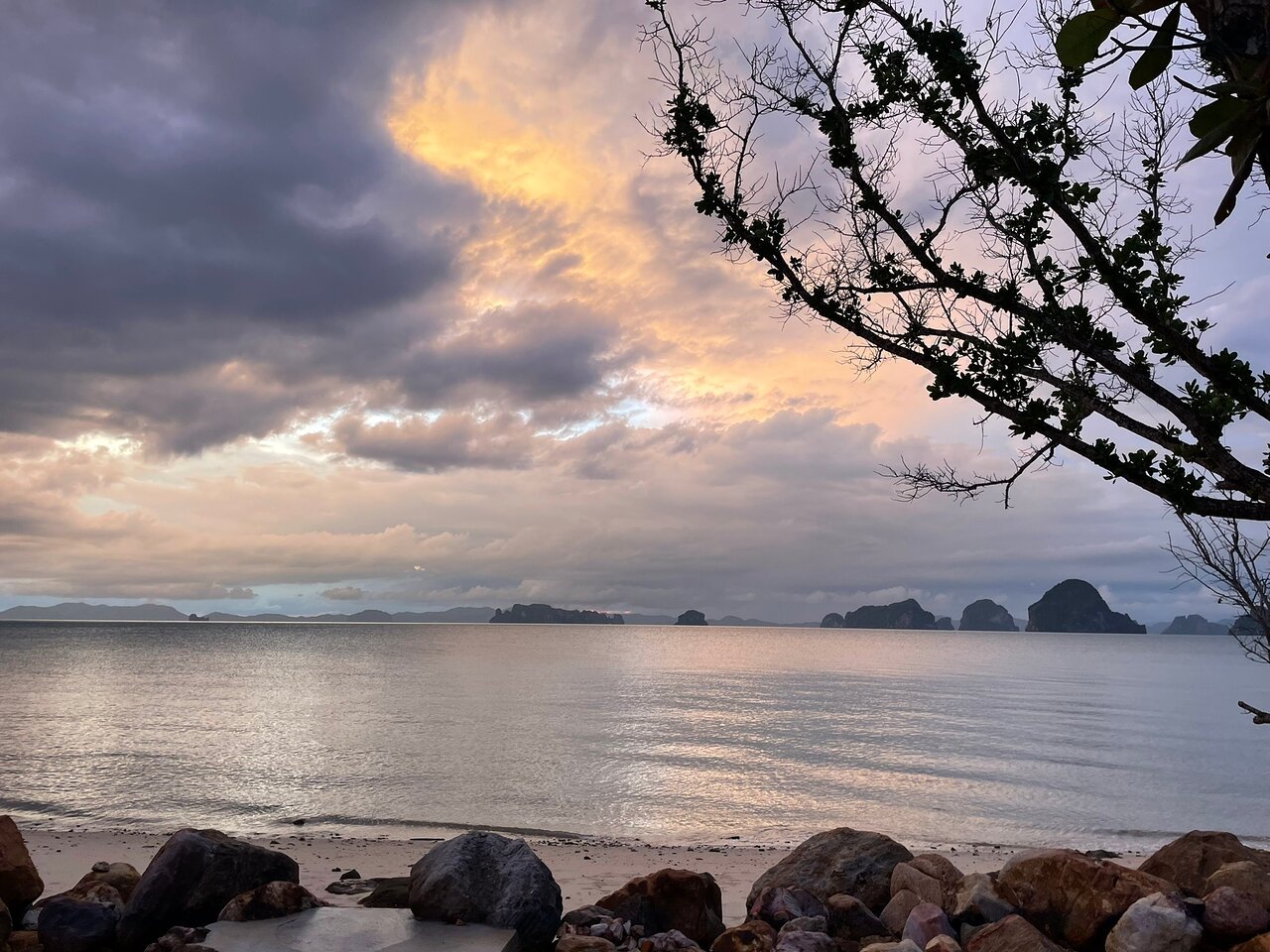
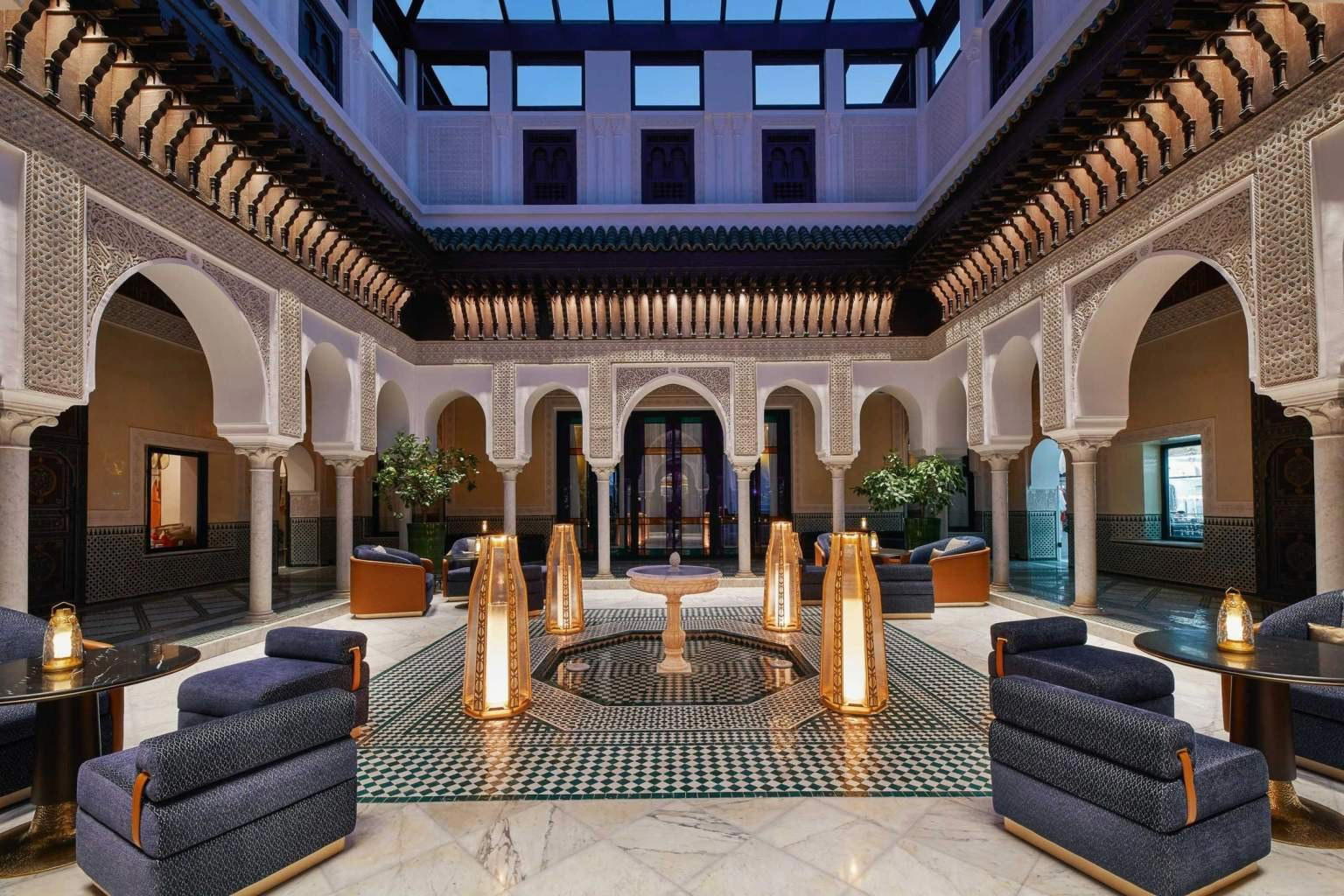
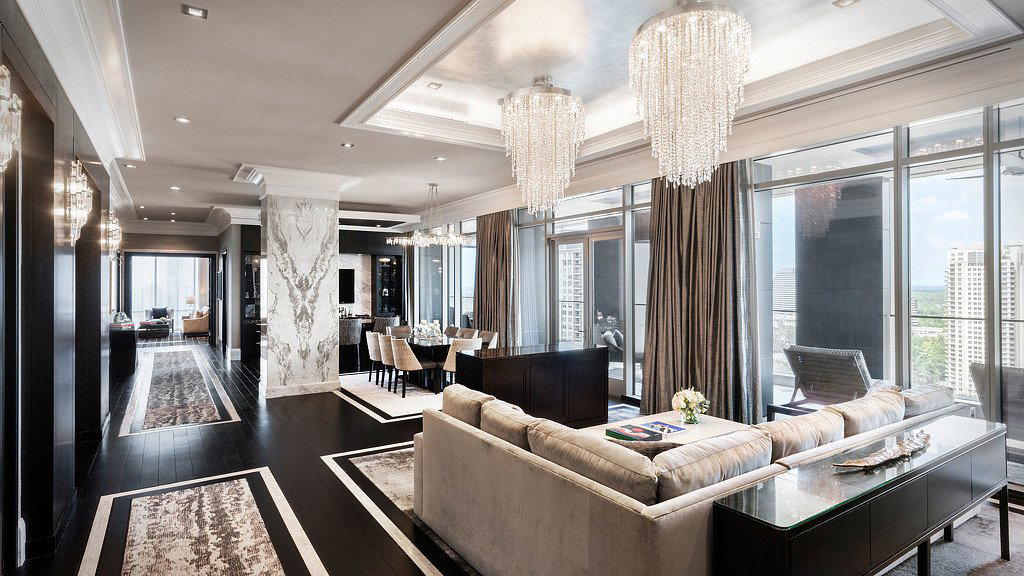
Banyan Tree Krabi pairs contemporary construction and generous proportions with traditional Thai craft to produce a quietly assured coastal resort. Clean lines and open-plan living allow natural light and the limestone-framed horizon to shape interiors, while carved timber screens and pitched roofs root the architecture in local detail. The site’s deliberate progression from garden through beachfront makes the landscape a structuring element rather than a backdrop. With a spa-anchored program and a private pool for every unit, the property reads as an intimate, considered expression of modern Thai coastal luxury rather than a generic seaside complex.
Best For
The resort is best for couples and wellness-focused travelers who want privacy and restorative seaside calm: every room has its own private pool and the property foregrounds spa programming. It also suits families who prefer villa-style accommodations with dedicated pool space. Design-minded guests appreciate the balance of contemporary bones and traditional Thai detailing, which makes the stay as much about architecture and place as it is about the beach. Because the experience emphasizes spa and pool-villa formats, it leans toward restorative, scenic stays rather than late-night social scenes.
Venue details
Ambiance
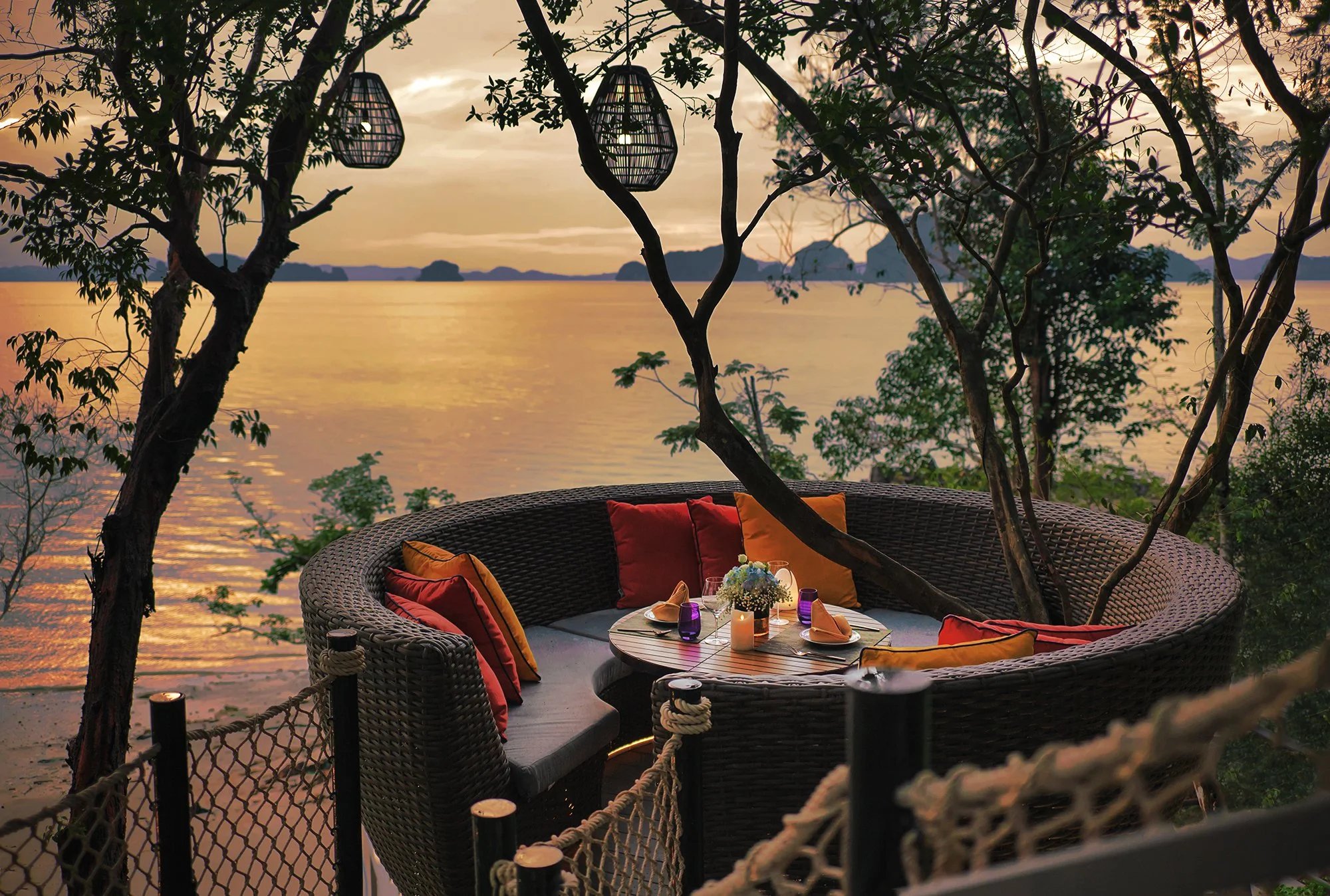
Serene and tranquil with natural lighting from breathtaking sea and mountain views, modern Thai decor, and a peaceful tropical rainforest atmosphere praised in guest reviews.
Tags
Vibe
Best For
Experience
Amenities
View
Accessibility
About the Stay
- Rooms
- 72
- Property Style
- Luxury Beachfront All Pool Villa Resort
- Design Style
- Modern Thai with Opulent, Eco Friendly Elements
Know before you go
Know Before You Go
- Getting there
- 279 Tambon Nongtalay Amphoe Muang Chang Wat Krabi 81180
Planning details
Location
279 Tambon Nongtalay Amphoe Muang Chang Wat Krabi 81180 · Directions
Recognition and awards



Also consider
Where to look if this is not the right fit
Choose Phulay Bay, A Ritz-Carlton Reserve if the deciding factor is brand-led luxury service and a more formal resort experience. It is the closest practical cross-shop for travelers considering Banyan Tree Krabi as a major splurge.
Choose Rayavadee if the setting matters more than the hotel brand. For travelers who want Krabi to feel more destination-driven, Rayavadee is the stronger alternative to compare before committing to a suite-level stay.
Hotel context
How it compares in Krabi
The Tubkaak Krabi Boutique Resort is the value-minded cross-shop: choose it if the priority is a quieter Krabi base and the room will not carry the whole trip. Banyan Tree Krabi is the stronger splurge when external recognition and a fuller resort feel matter more than minimizing the nightly rate.
Phulay Bay, A Ritz-Carlton Reserve is the main luxury-service comparison. Pick Phulay Bay if brand-led service depth is the deciding factor; pick Banyan Tree Krabi if the stay is more about a polished resort rhythm and a suite-level upgrade that will be used during the day. Rayavadee is the better alternative for travelers who want the setting to define the trip.
Six Senses Yao Noi and Cape Kudu Hotel are stronger fits for travelers willing to look beyond Krabi proper. Six Senses is the more wellness-led island comparison, while Cape Kudu reads as the lighter, less formal choice. For a mainland Krabi splurge with serious recognition, Banyan Tree Krabi remains the cleaner call.
Explore Krabi
Around this place
Discover more on Pearl
Unlock the full Banyan Tree Krabi guide in Pearl, including awards, comparisons, FAQs, planning details, and nearby places.
Compare Banyan Tree Krabi
| Venue | Location | Awards |
|---|---|---|
| Banyan Tree Krabi | Krabi | 100 Most Incredible Hotels in the World · 20262026 Virtuoso Luxury Hotel Collection2026 La Liste Top HotelsMichelin 2 Keys 20252025 Michelin 2 Keys2024 Michelin 2 Keys |
| The Tubkaak Krabi Boutique Resort | Krabi | No published awards |
| Phulay Bay, A Ritz-Carlton Reserve | Krabi | 2026 Virtuoso Luxury Hotel Collection2026 Forbes 4-Star2026 La Liste Top Hotels2025 Conde Nast Best Resorts · #102025 Michelin 3 Keys2024 Michelin 3 Keys |
| Six Senses Yao Noi | Phang Nga | 2026 Travel + Leisure 100 Favorite Hotels in the World · #212026 Virtuoso Luxury Hotel Collection2026 Mr & Mrs Smith Luxury Hotels2026 La Liste Top Hotels2025 Michelin 2 Keys2024 Michelin 2 Keys |
| Cape Kudu Hotel | Phang Nga | 2026 Mr & Mrs Smith Luxury HotelsSmall Luxury Hotels Member 2025 |
| Rayavadee | Krabi | 2026 Mr & Mrs Smith Luxury HotelsLeading Hotels of the World 20262025 Michelin 1 Key |







How Banyan Tree Krabi Review: Michelin 2 Keys in Krabi compares with similar nearby venues.
FAQ
Frequently Asked Questions
How is the dining at Banyan Tree Krabi?
Details about specific cuisine, restaurant format, menu, chef, price point, or dining schedule are not available. However, the hotel's recognition includes: Michelin 2 Keys (2024), La Liste Top Hotels (2026): 90pts, Fodor's Most Incredible Hotels in the World (2026), and Virtuoso Luxury Hotel Partner (2026). Check current hotel materials for dining details before booking.
How is the pool and spa at Banyan Tree Krabi?
Specific pool or spa details are not available. Banyan Tree Krabi holds Michelin 2 Keys (2024) and Virtuoso Luxury Hotel Partner status (2026), which are hotel-level recognition signals. Confirm current facility details directly if pool or spa time is central to the trip.
Is Banyan Tree Krabi good for business travel?
Banyan Tree Krabi is in Krabi, but business facilities, meeting spaces, work amenities, or commuting convenience are not detailed. If the trip depends on work logistics, confirm those details directly. Its recognition, including Virtuoso Luxury Hotel Partner status (2026), supports its profile as a luxury hotel rather than indicating specific business-travel suitability.
Is Banyan Tree Krabi family-friendly?
Specific family amenities, children's facilities, room layouts, or services are not detailed. Families should check current room setup, policies, and inclusions before booking. The Michelin 2 Keys (2024) recognition supports the hotel's luxury profile, but it does not by itself guarantee family-specific features.
Do loyalty programs work at Banyan Tree Krabi?
Banyan Tree Krabi is a Virtuoso Luxury Hotel Partner (2026). Specific loyalty-program earning, redemption, upgrades, or benefit-stacking details are not available, so compare the direct rate and any partner booking terms before reserving.
Which room category is best at Banyan Tree Krabi?
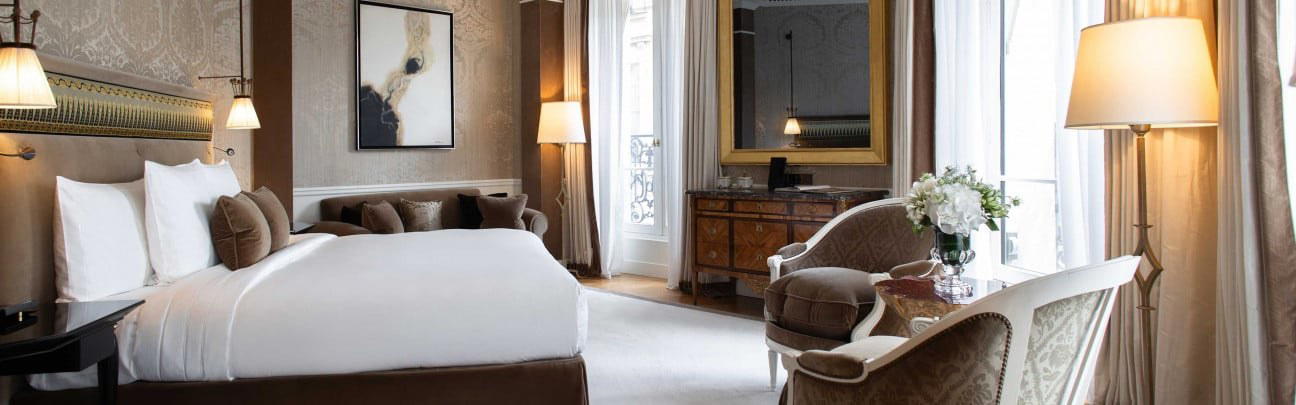
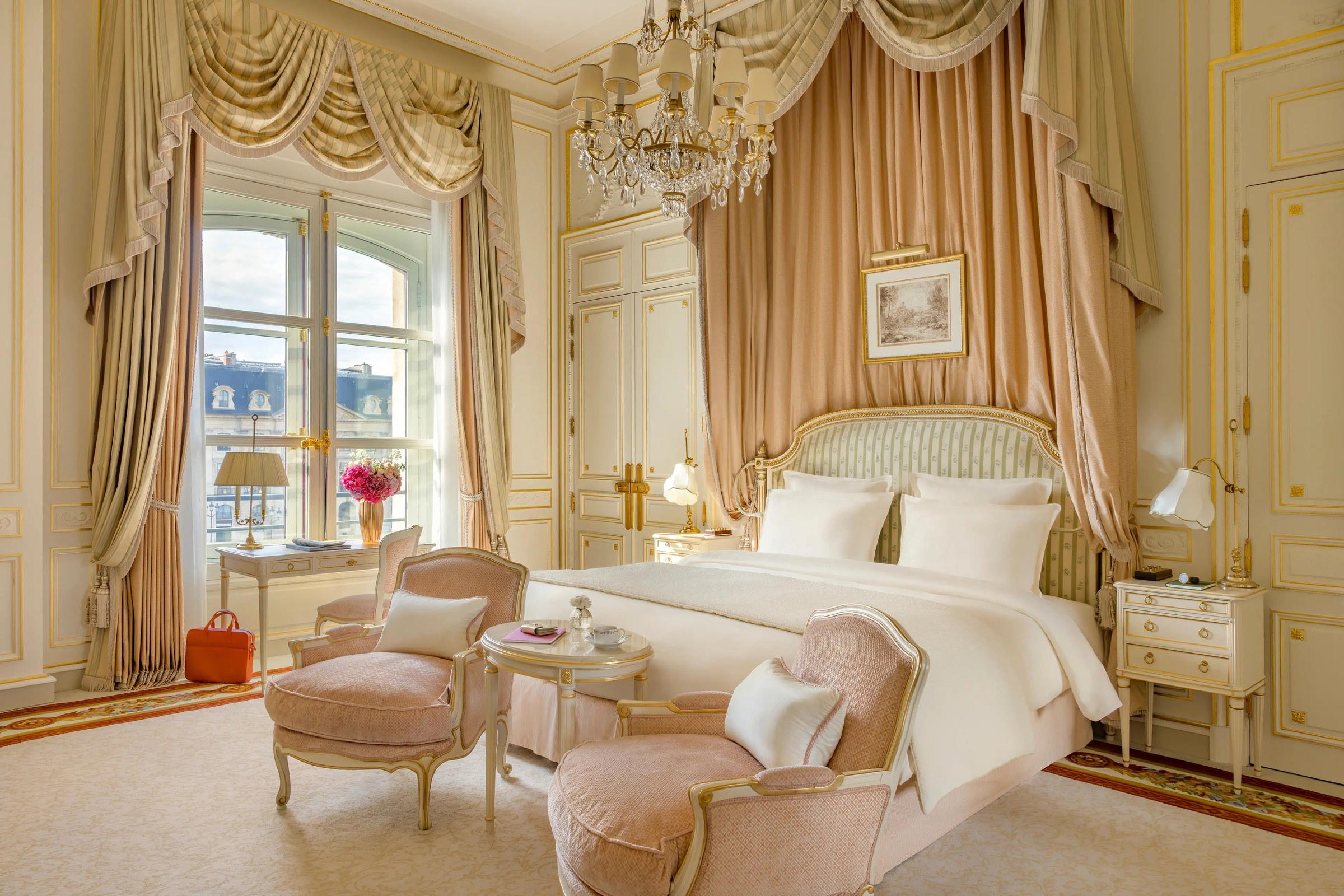
There is no identified best room category or specific room features detailed. Use the hotel's current room descriptions, rate conditions, and cancellation terms to decide. The accolades, Michelin 2 Keys (2024) and La Liste Top Hotels (2026): 90pts, support the overall luxury-hotel case, not a specific room-category recommendation.