
Cape Kudu Hotel
Koh Yao Noi, Phang Nga
Hotel in Phang Nga, Thailand
 Book with Pearl
The Read
Speedboat-Access Island Seclusion
Why go
Book Cape Kudu Hotel if the rate sits clearly below the larger luxury resorts nearby and the goal is a quieter Ko Yao Noi base. Its Small Luxury Hotels of the World membership and Mr & Mrs Smith Seal of Approval give useful reassurance, but value depends on live seasonal pricing versus Six Senses Yao Noi, Anantara Koh Yao Yai, and the Krabi coast options.
About Cape Kudu Hotel
Cape Kudu Hotel is a Phang Nga hotel with two clear public trust signals: it is a Small Luxury Hotels of the World member and carries the Mr & Mrs Smith Seal of Approval. Beyond those recognitions and a casual dress code, public detail is limited, so the most honest booking read is simple: consider it when you want Cape Kudu Hotel specifically and compare live terms carefully before committing.
Because the detail set is lean, this page does not treat the hotel as a checklist of confirmed facilities, dining formats, rates, or services. Instead, use the recognitions as context and compare Cape Kudu Hotel with other premium stays such as Six Senses Yao Noi, Phulay Bay, A Ritz-Carlton Reserve, Anantara Koh Yao Yai Resort & Villas, Banyan Tree Krabi, and The Tubkaak Krabi Boutique Resort when deciding what style of stay best fits your trip.
Book for the recognised hotel profile, not an checklist
The clearest reason to keep Cape Kudu Hotel on a shortlist is recognition: Small Luxury Hotels of the World member status and the Mr & Mrs Smith Seal of Approval are both meaningful signals for travellers who prefer curated hotel options. What is not here is just as important: this guide does not confirm specific room counts, dining concepts, spa facilities, transfer details, rates, or service inclusions.
That makes direct comparison important. If Cape Kudu Hotel prices attractively against other regional options, its recognised hotel profile may be compelling. If it prices close to another luxury resort, compare the current inclusions, policies, and official hotel information before deciding.
Value depends on how much confirmed detail matters
Against Anantara Koh Yao Yai Resort & Villas, Six Senses Yao Noi, Phulay Bay, A Ritz-Carlton Reserve, Banyan Tree Krabi, and The Tubkaak Krabi Boutique Resort, Cape Kudu Hotel should be judged on confirmed recognition, current rates, and the official details available at the time of booking. Do not assume a particular dining program, spa setup, service format, or package inclusion unless it is confirmed directly by the hotel or booking channel.
The practical value case is strongest for travellers comfortable booking from a smaller set of signals rather than a long list of published specifics. Cape Kudu Hotel has recognised affiliations, and the dress code is casual; beyond that, travellers should verify any must-have feature before reserving.
The bottom line: book Cape Kudu Hotel when its recognised hotel profile, Phang Nga location, and current booking terms suit your trip. For a broader scan of the area, use Our full Phang Nga hotels guide. If the trip is built around dining rather than the stay, also check Our full Phang Nga restaurants guide.
Planning details
- Location
- Tambon Ko Yao Noi, Chang Wat, Phang Nga, 82160
- Website
- capekuduhotel.com
The take
The Take
The Vibe
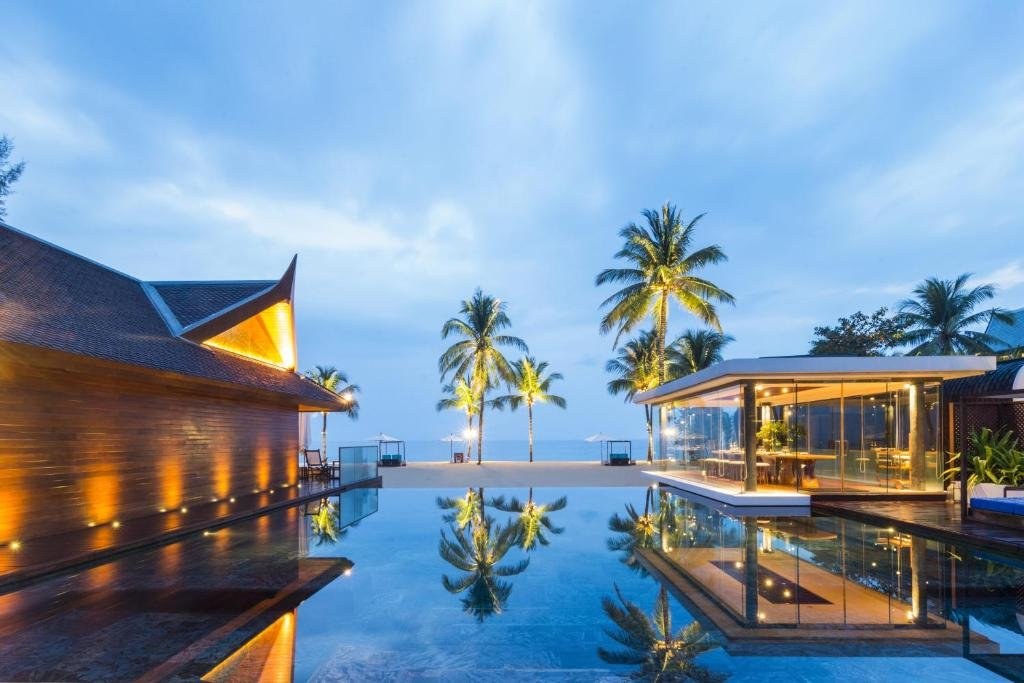
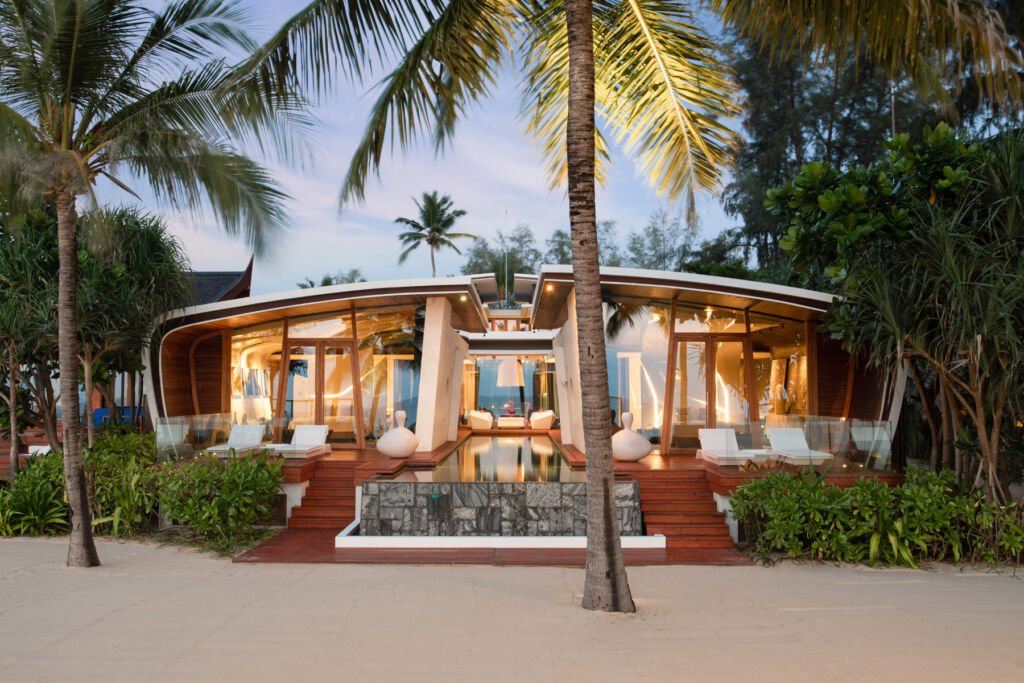
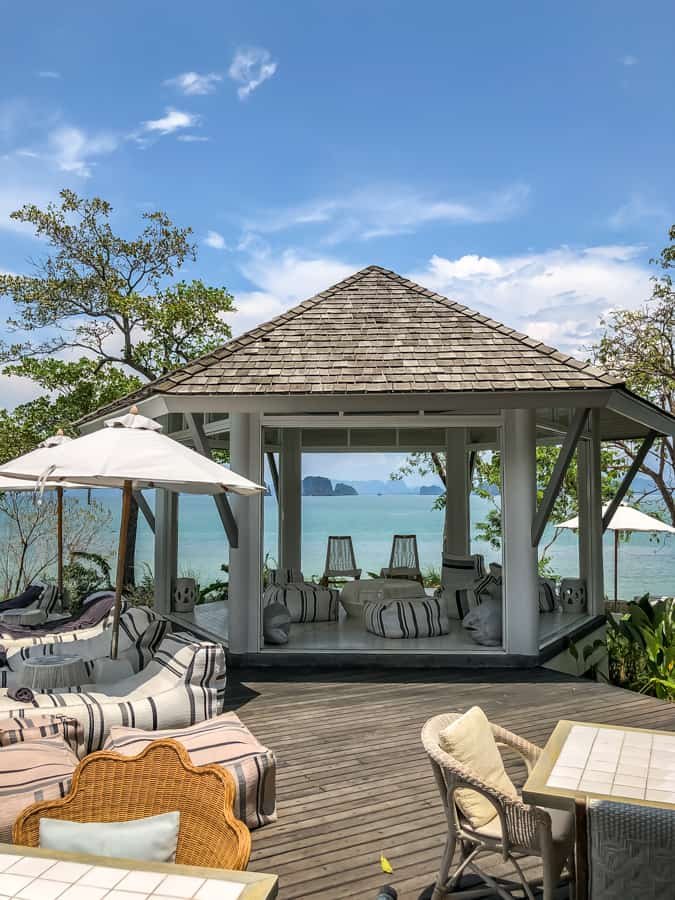
Cape Kudu Hotel trades on deliberate removal: the property sits on Koh Yao Noi where inaccessibility is a feature, not a bug. Guests arrive only by sea — speedboat or long-tailed boat — and step off a pier into a considered arrival sequence that includes a dedicated jetty lounge for decompressing before the resort. That intentional, slow approach cultivates a refined seclusion: the atmosphere feels quiet and poised, leaning sophisticated rather than flashy. The hotel belongs to a small set of high-end Andaman properties that emphasize the bay's drama and calm, making it feel like a quietly luxurious hideaway.
Best For
Cape Kudu is best for travelers who want an intentional escape rather than a bustling beach break. Its character suits couples and travelers seeking privacy and slow rhythms — think romantic getaways, honeymoons and wellness-focused weekends. The lack of airport or direct road links means guests are typically arriving with purpose, so the property attracts people who value seclusion, patience and a refined, low-key environment. Visitors who appreciate scenic bay landscapes and a considered arrival experience will find the hotel particularly rewarding.
Stay Tips
Plan arrival logistics before you go: every guest reaches the property by water, so arrange speedboat or long-tailed-boat transfers with the hotel and allow buffer time for crossings. Take advantage of the dedicated jetty lounge on arrival to decompress rather than rushing straight into the room. Given the island’s limited connections and the hotel’s deliberate pace, pack essentials and any travel needs in your carry items; assume transfers are a central part of the stay and schedule excursions or departures with that timing in mind.
Venue details
Ambiance
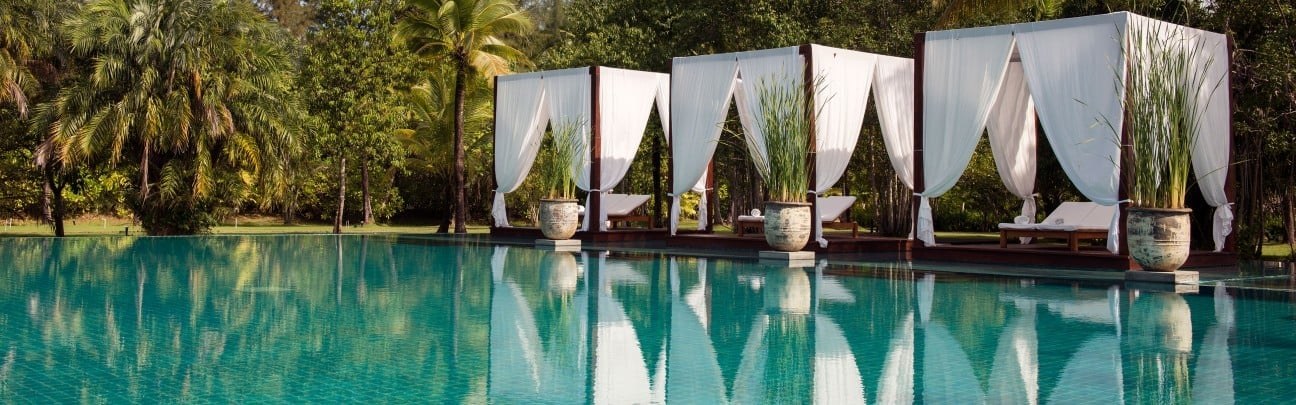
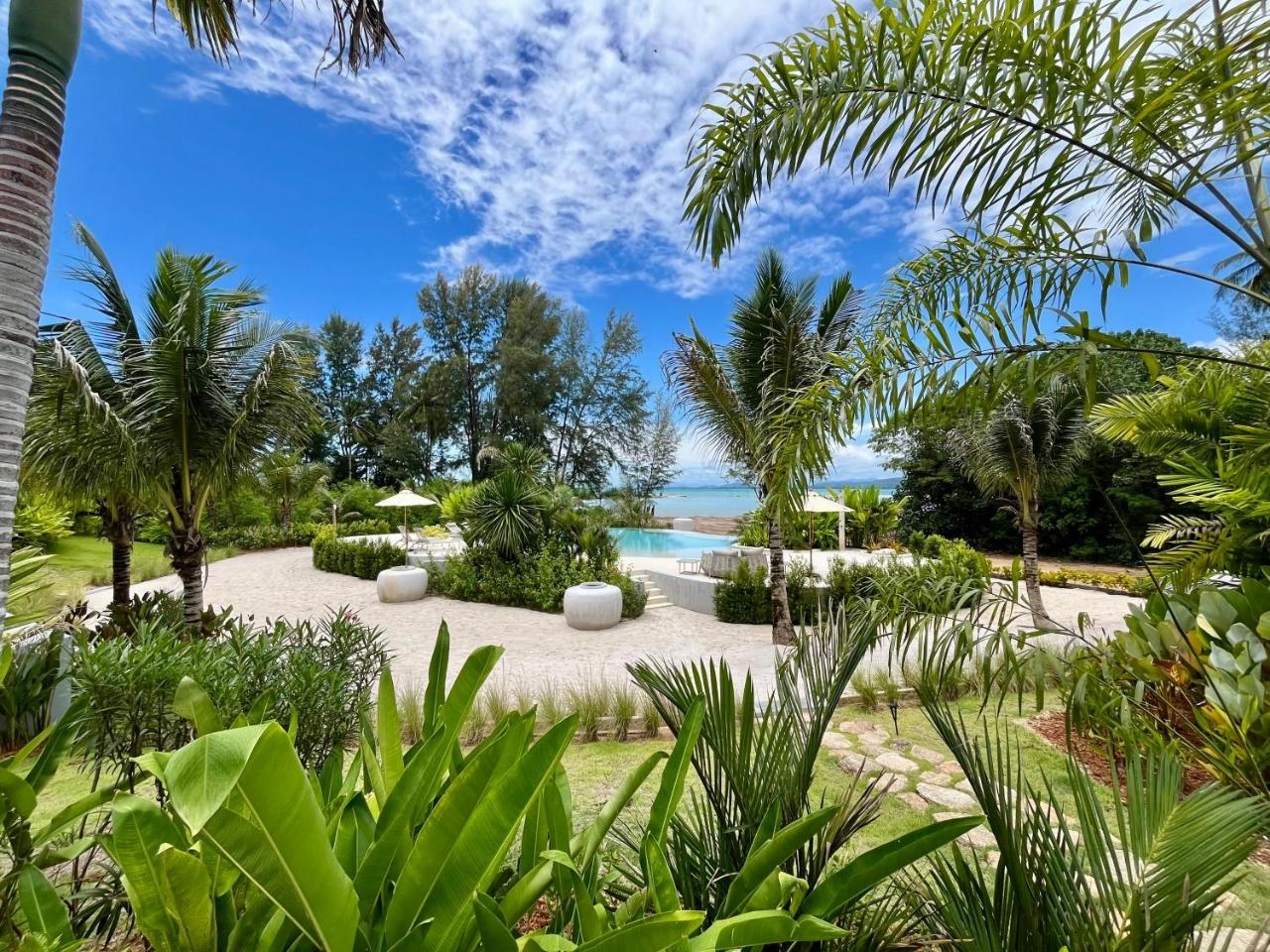
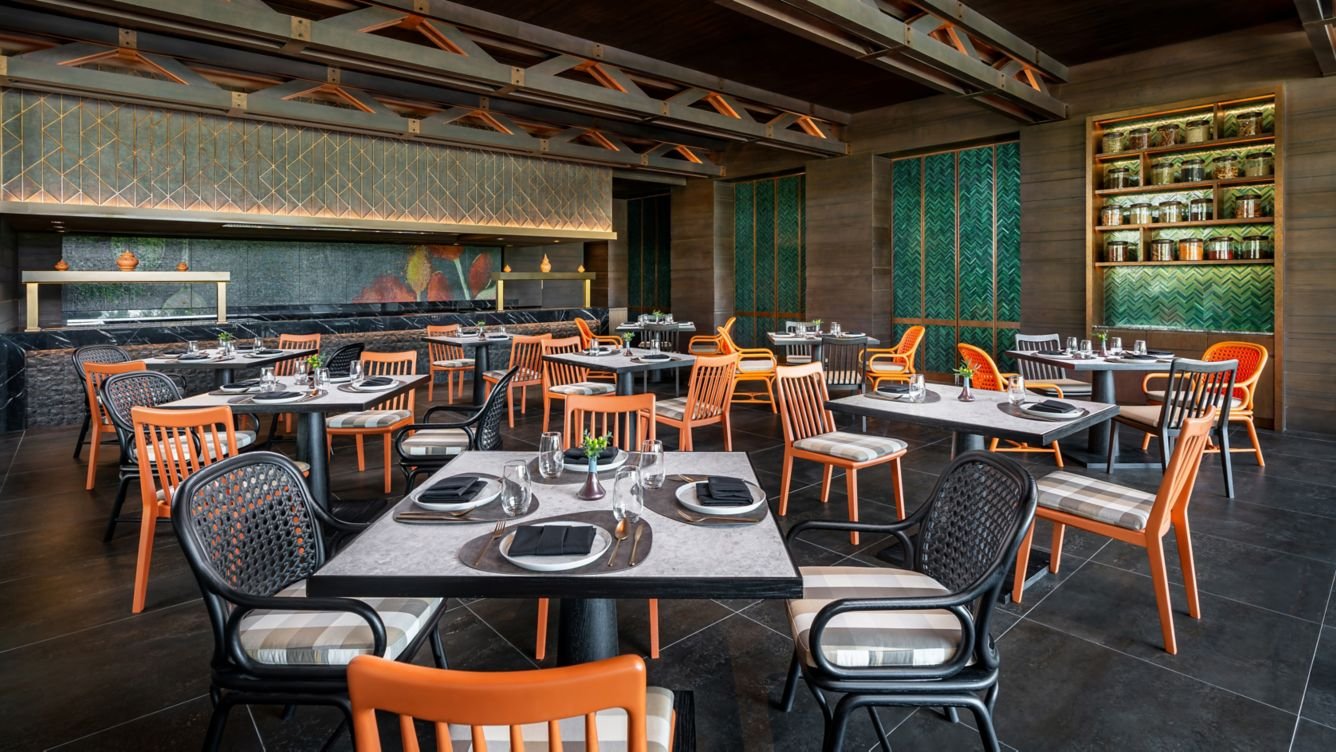
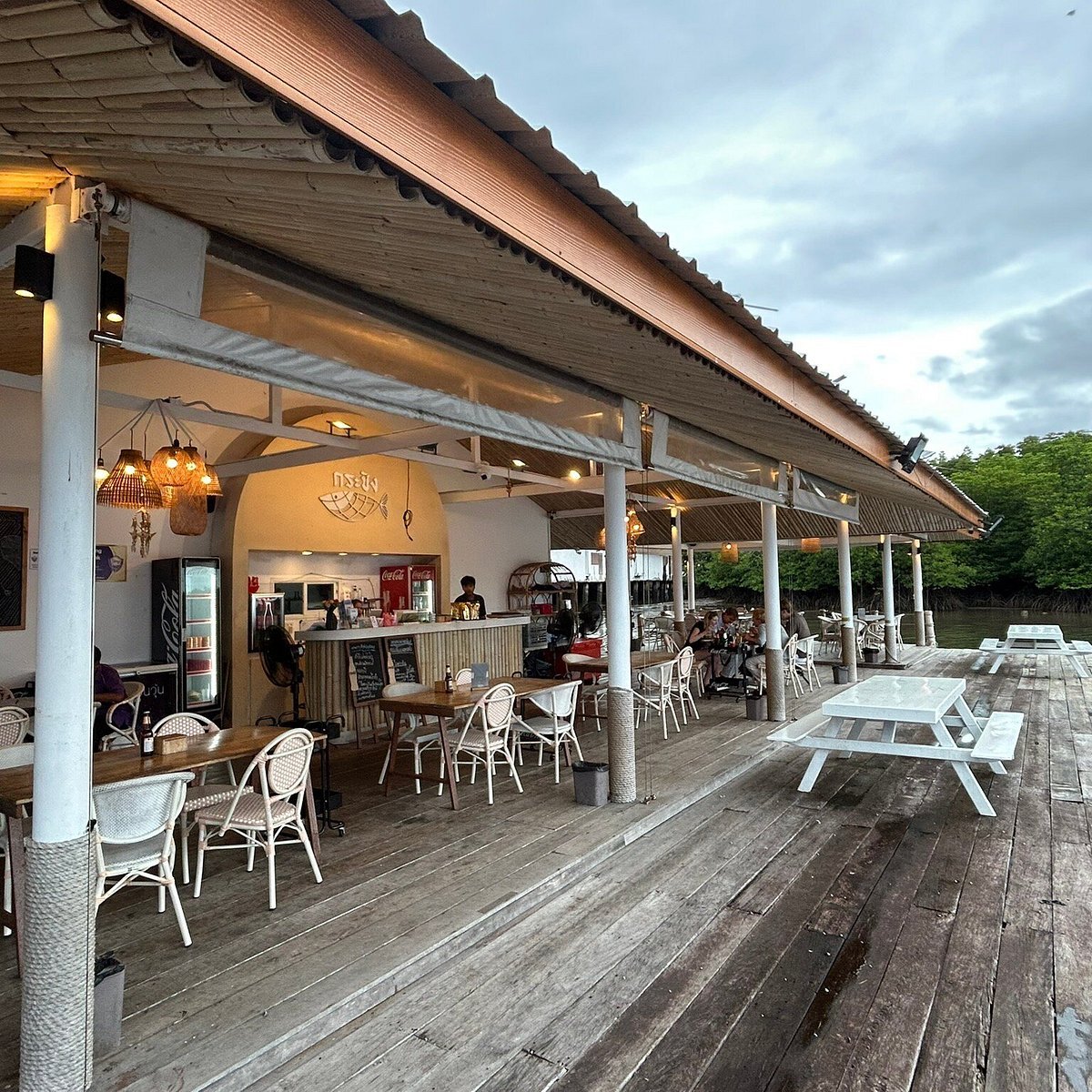
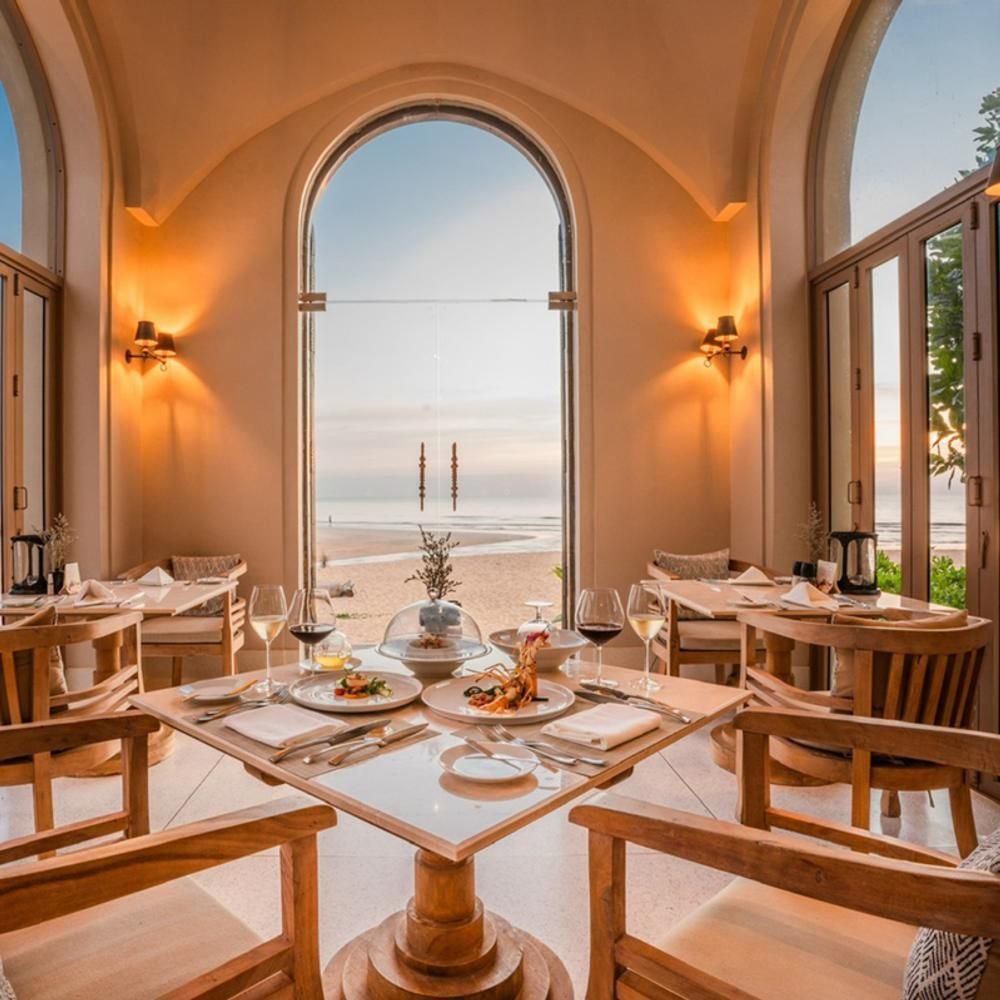
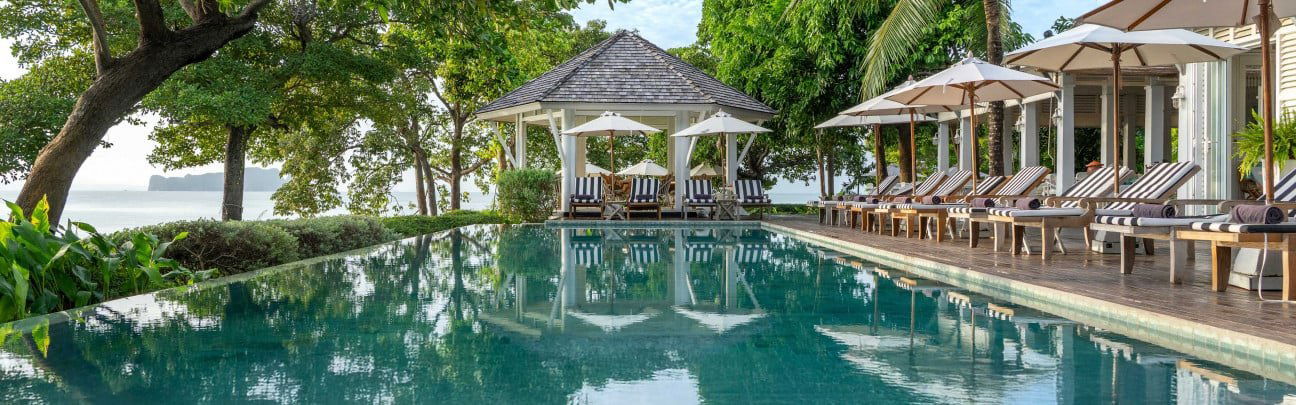
Tranquil and relaxing atmosphere with refined decor, lush tropical greenery, stunning bay views, and a peaceful island vibe enhanced by guest reviews praising its serenity and natural beauty.
Tags
Vibe
Best For
Experience
Amenities
View
About the Stay
- Rooms
- 56
- Check-in
- 14:00
- Check-out
- 12:00
- Property Style
- Serene Boutique Resort Blending Rustic Charm with Modern Luxury on a Tranquil Thai Island.
- Design Style
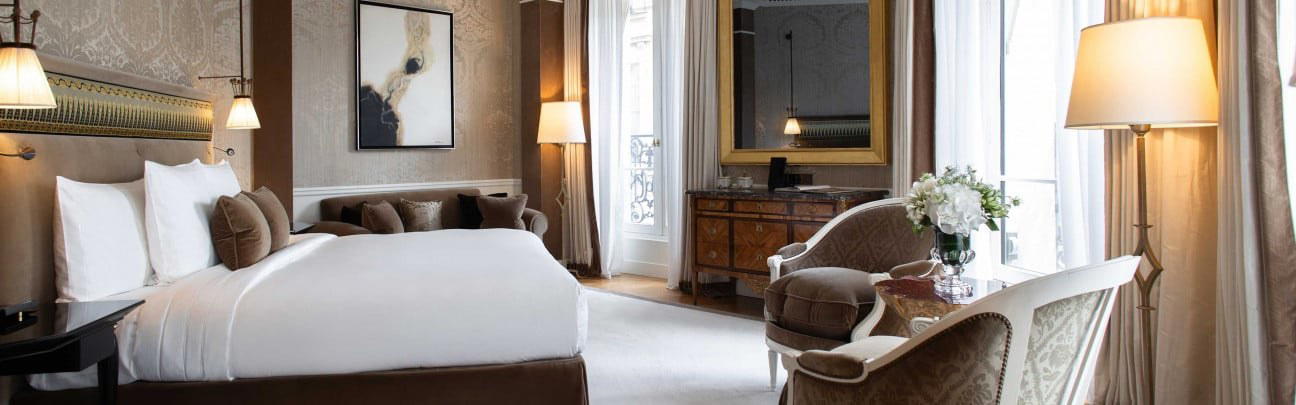
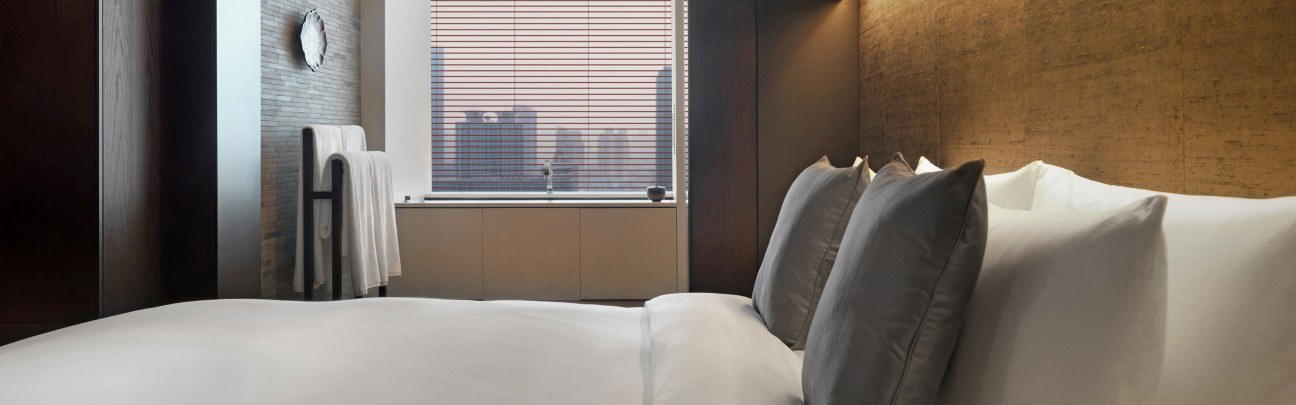
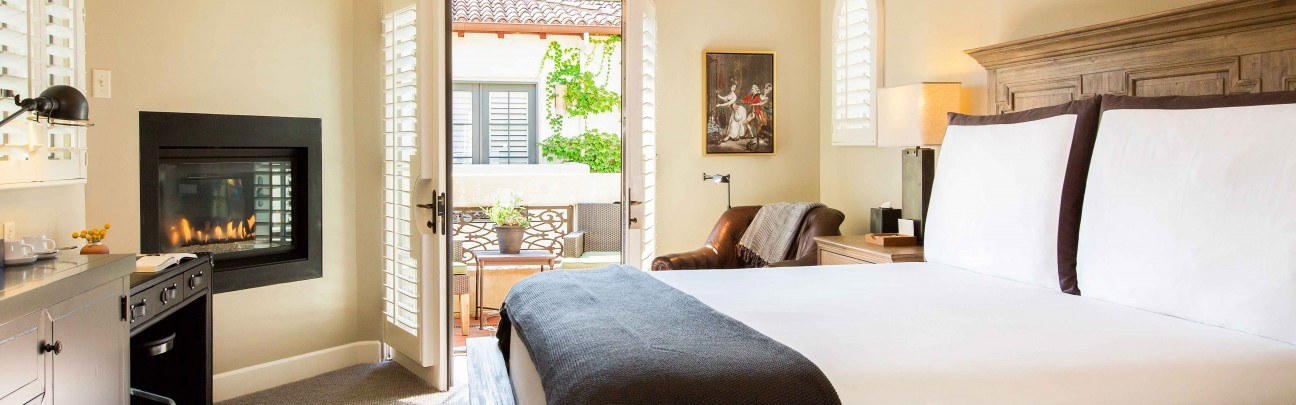
- Calming Whites with Wooden Furnishings, Modern Technology, and Traditional Rustic Elements.
Know before you go
Know Before You Go
- Getting there
- Tambon Ko Yao Noi, Chang Wat, Phang Nga, 82160
Planning details
Location
Tambon Ko Yao Noi, Chang Wat, Phang Nga, 82160 · Directions
Recognition and awards

Also consider
Also Consider
- Six Senses Yao Noi, Notable alternative
- Anantara Koh Yao Yai Resort & Villas, Notable alternative
- Phulay Bay, A Ritz-Carlton Reserve, Notable alternative
- Banyan Tree Krabi, Notable alternative
- The Tubkaak Krabi Boutique Resort, Notable alternative
Hotel context
How Cape Kudu Hotel compares in Phang Nga
Six Senses Yao Noi is the stronger splurge if the trip needs a more expansive luxury-resort feel. Cape Kudu Hotel is the better value play when the rate gap is meaningful and the priority is a quieter boutique stay rather than a high-touch resort agenda.
Anantara Koh Yao Yai Resort & Villas makes sense for travellers comparing the Ko Yao islands but wanting a larger resort frame. Phulay Bay, A Ritz-Carlton Reserve and Banyan Tree Krabi push the decision toward a more formal luxury stay on the wider Krabi side, likely with a different price expectation and a less understated mood.
The Tubkaak Krabi Boutique Resort is the practical cross-shop for readers who want boutique scale but prefer mainland-coast convenience. Choose Cape Kudu Hotel for Ko Yao Noi's slower island setting; choose Tubkaak if easier Krabi movement matters more than the island feel.
Explore Phang Nga
Around this place
Discover more on Pearl
Unlock the full Cape Kudu Hotel guide in Pearl, including awards, comparisons, FAQs, planning details, and nearby places.
Compare Cape Kudu Hotel
| Venue | Location | Awards |
|---|---|---|
| Cape Kudu Hotel | Phang Nga | 2026 Mr & Mrs Smith Luxury HotelsSmall Luxury Hotels Member 2025 |
| Six Senses Yao Noi | Phang Nga | 2026 Travel + Leisure 100 Favorite Hotels in the World · #212026 Virtuoso Luxury Hotel Collection2026 Mr & Mrs Smith Luxury Hotels2026 La Liste Top Hotels2025 Michelin 2 Keys2024 Michelin 2 Keys |
| Anantara Koh Yao Yai Resort & Villas | Phuket | No published awards |
| Phulay Bay, A Ritz-Carlton Reserve | Krabi | 2026 Virtuoso Luxury Hotel Collection2026 Forbes 4-Star2026 La Liste Top Hotels2025 Conde Nast Best Resorts · #102025 Michelin 3 Keys2024 Michelin 3 Keys |
| Banyan Tree Krabi | Krabi | 100 Most Incredible Hotels in the World · 20262026 Virtuoso Luxury Hotel Collection2026 La Liste Top Hotels2025 Michelin 2 Keys2024 Michelin 2 Keys |
| The Tubkaak Krabi Boutique Resort | Krabi | No published awards |








How Cape Kudu Hotel Phang Nga compares with similar nearby venues.
FAQ
Frequently Asked Questions
Do loyalty programs work at Cape Kudu Hotel?
The trust signals are Cape Kudu Hotel's Small Luxury Hotels of the World Member status and Mr & Mrs Smith Seal of Approval. This guide does not verify any chain-style points, elite-benefit, or loyalty-redemption details, so check the booking channel directly if that matters.
When is the best time to book Cape Kudu Hotel?
There is no best booking window here. Compare live rates and cancellation terms for your dates, and consider Anantara Koh Yao Yai Resort & Villas or other premium regional hotels if you want to benchmark the stay.
What is check-in like at Cape Kudu Hotel?
Specific check-in procedures are not in this guide. Treat Cape Kudu Hotel as a Phang Nga hotel and confirm arrival times, transfer needs, and booking requirements directly with the hotel or your reservation channel.
How is the pool and spa at Cape Kudu Hotel?
Pool and spa details are not here. If those features are central to your decision, compare current official information for Cape Kudu Hotel with options such as Six Senses Yao Noi or Banyan Tree Krabi before booking.
How is the dining at Cape Kudu Hotel?
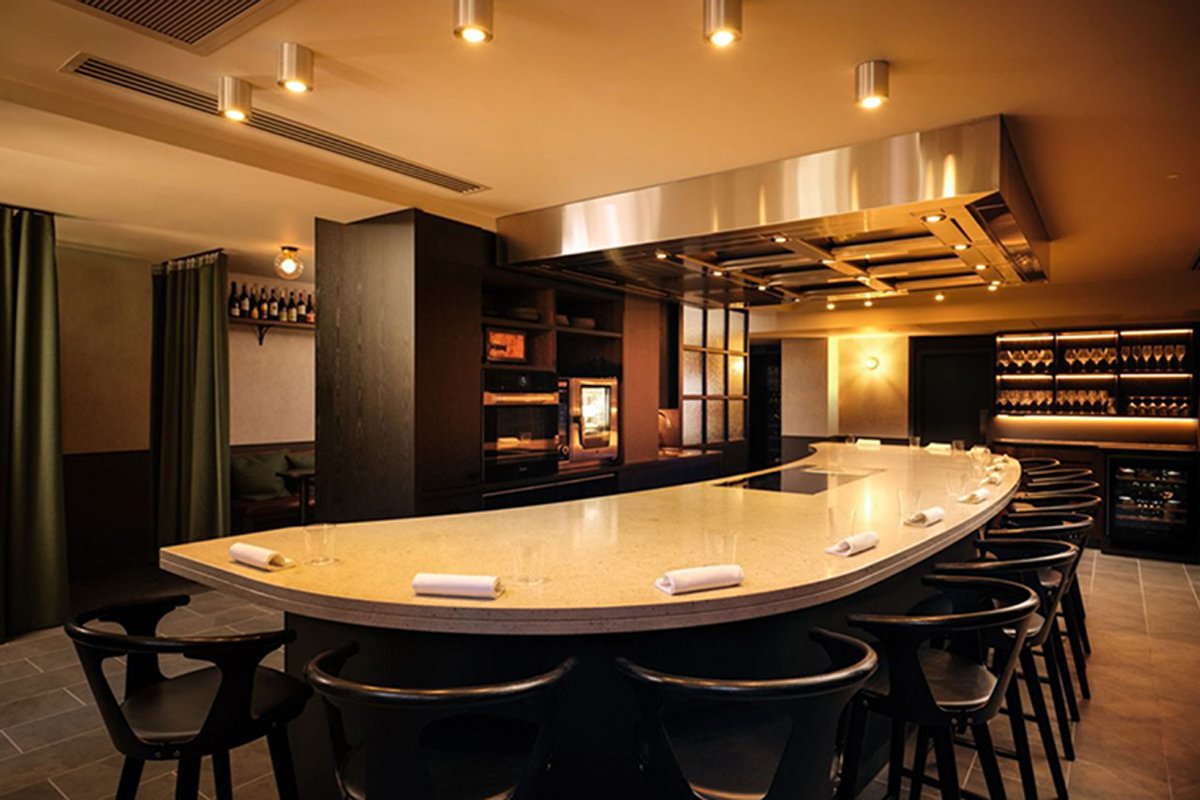
Specific dining details are not in this guide. Check Cape Kudu Hotel's official channels for current restaurant, bar, breakfast, and service information before you book.