







Four Seasons Resort Hualalai
Kailua-Kona, Kailua Kona
Hotel in Kailua Kona, United States
 Book with Pearl
The Read
Volcanic Coast Seclusion
Why go
Four Seasons Resort Hualalai is a resort on Hawaii's Kona-Kohala Coast.
About Four Seasons Resort Hualalai
Four Seasons Resort Hualalai in Kailua Kona has a strong recognition profile: Michelin 2 Keys in 2024, La Liste Top Hotels 2026 with 98 points, Forbes 5-Star in 2026, AAA 5 Diamond in 2025, Condé Nast Gold List in 2025, Pearl Recommended Hotel in 2025, and Virtuoso Luxury Hotel Partner in 2026. That is the clearest grounded reason to consider it for a premium Kailua Kona resort stay.
The dress code is smart casual. Beyond the awards and recognition, this guide is best used to evaluate Four Seasons Resort Hualalai as a highly recognized Kailua Kona resort and confirm any stay-specific needs directly before booking.
Book for recognition, not unconfirmed extras
The strongest case is the recognition stack: Michelin 2 Keys, Forbes 5-Star, AAA 5 Diamond, Condé Nast Gold List, Virtuoso Luxury Hotel Partner, Pearl Recommended Hotel, and La Liste Top Hotels recognition. Those signals support its position as a premium hotel choice, but they should not be treated as proof of specific room features, dining formats, amenities, or booking benefits unless those details are confirmed for your stay.
For comparison, travelers may also look at Kona Village, A Rosewood Resort, Mauna Lani, Auberge Resorts Collection, and Fairmont Orchid. Keep the comparison focused on the trip you are actually planning: confirmed availability, current rates, room category, and the specific services you need.
The upgrade strategy matters more than the checklist
Room selection should be handled carefully. Confirm the category, view, bedding, accessibility needs, and any other stay-critical details before committing. If you are using a booking channel or advisor, verify any benefits in writing rather than assuming they apply.
If your dates are fixed, compare confirmed availability at Four Seasons Resort Hualalai with Kona Village, A Rosewood Resort, Mauna Lani, Auberge Resorts Collection, and Fairmont Orchid early in the planning process. The right choice depends on the confirmed terms for your dates, not on assumptions about amenities or service style.
Who should choose it
Book it if you want a Kailua Kona resort with a clearly recognized luxury profile and a smart casual dress code. Look elsewhere if your decision depends on a particular restaurant format, pool setup, spa program, room layout, or package inclusion. For broader planning around the area, use our full Kailua Kona hotels guide, then pair the stay with our full Kailua Kona restaurants guide, our full Kailua Kona bars guide, our full Kailua Kona wineries guide, and our full Kailua Kona experiences guide.
Part of
Four Seasons246 locations on PearlPlanning details
- Location
- 72-100 Ka'upulehu Drive, Kailua-Kona, HI 96740
- Website
- fourseasons.com/hualalai
- Phone
- +1 808-325-8000
The take
The Take
The Vibe
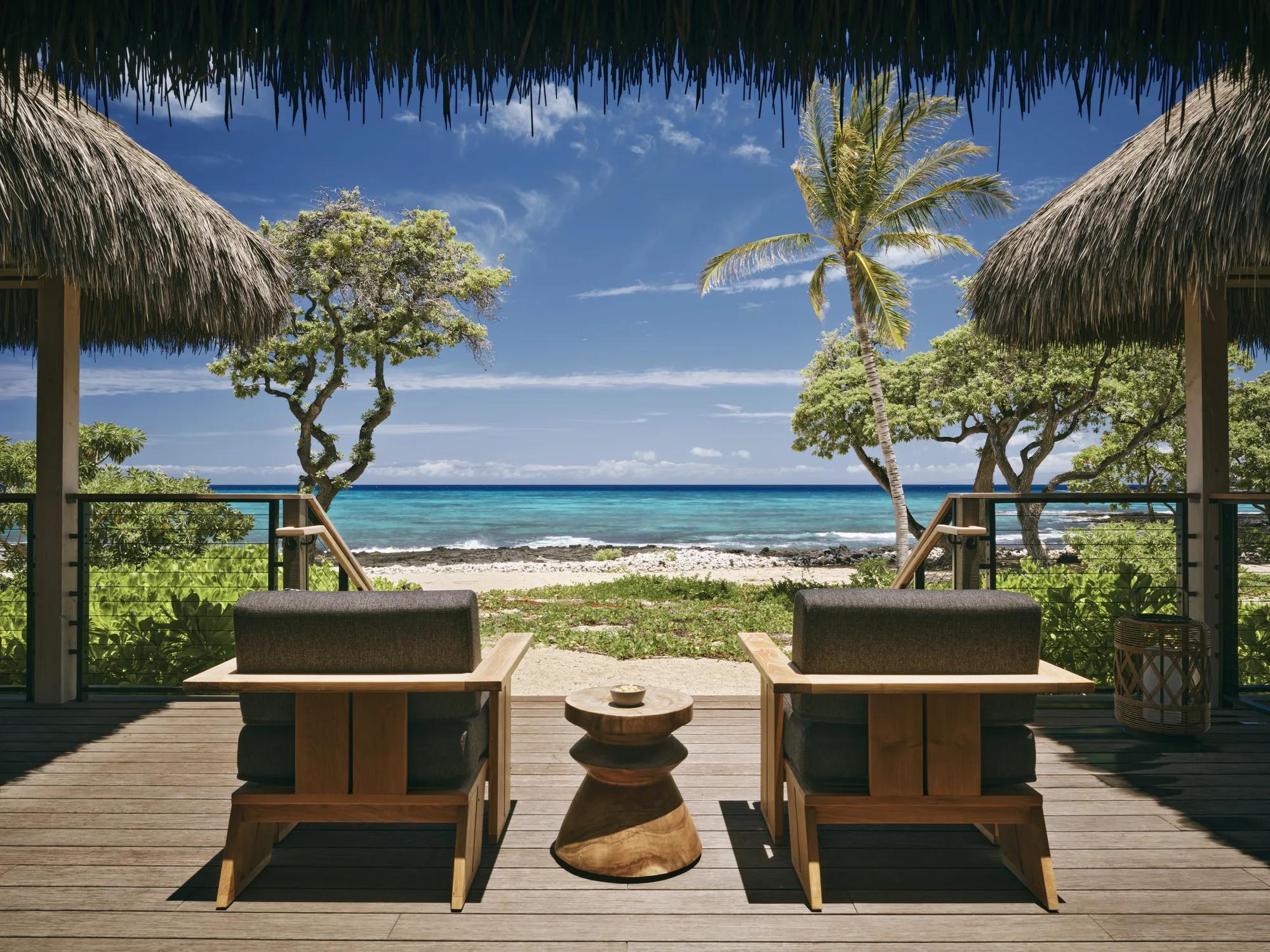
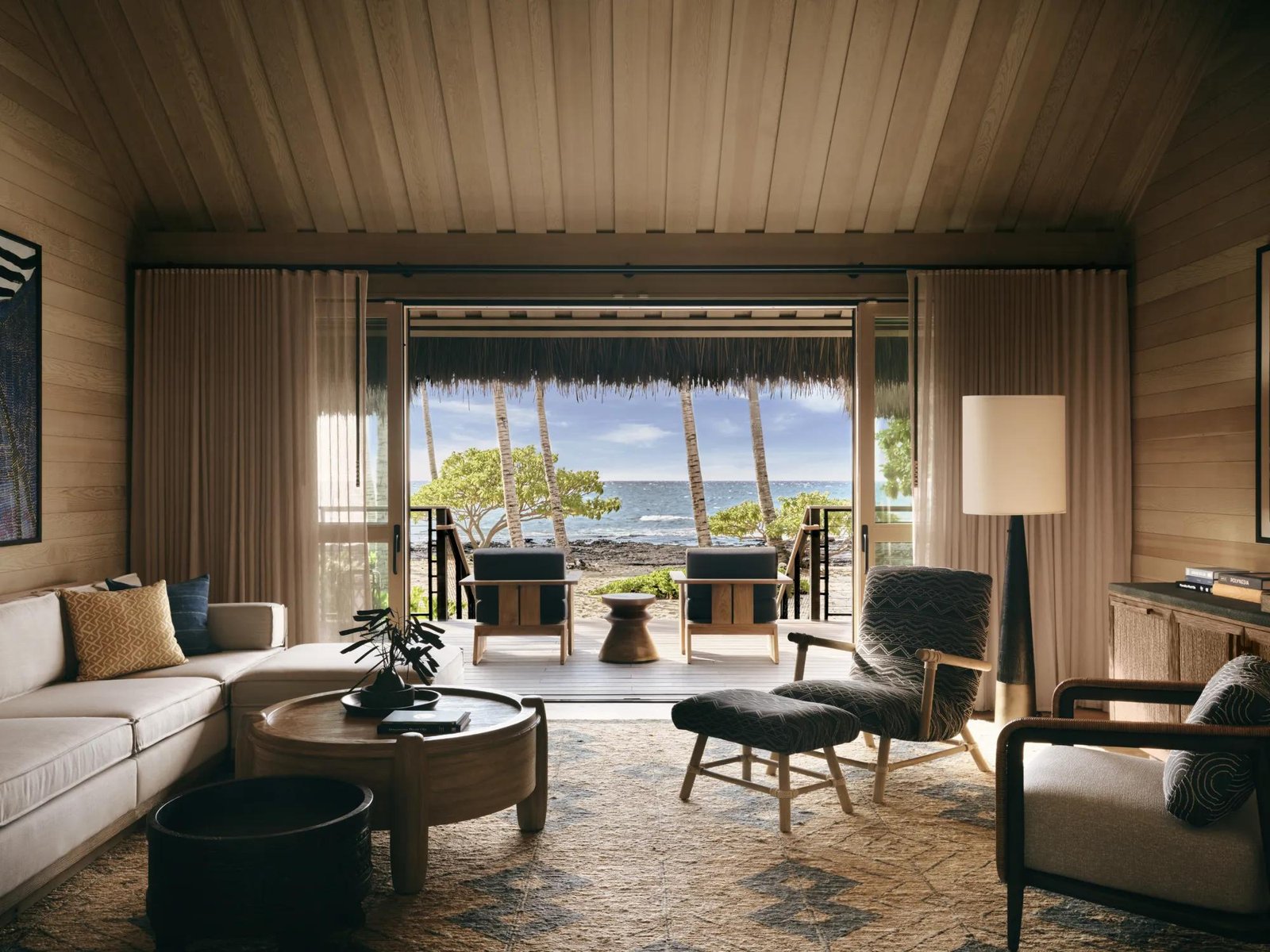
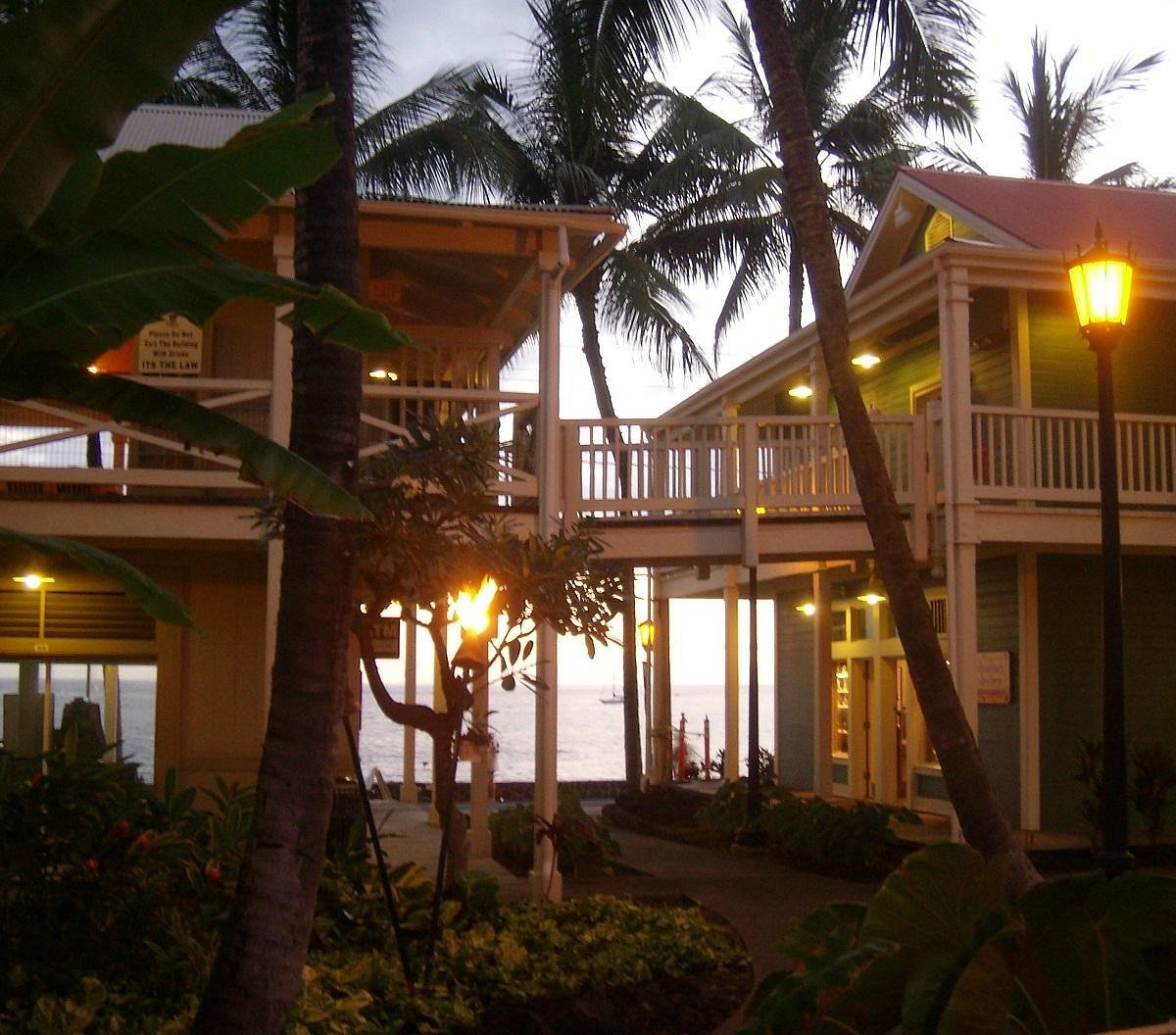
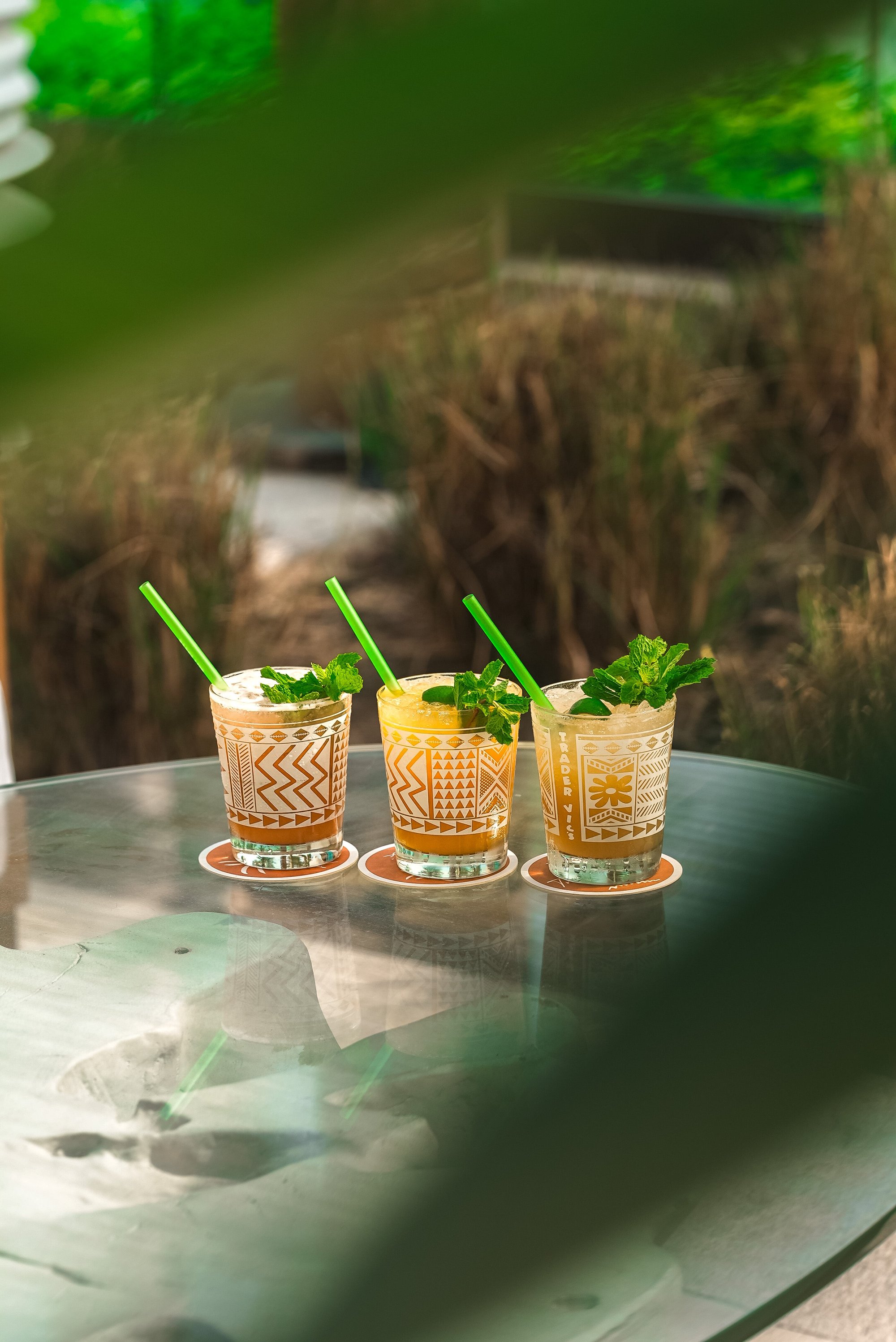
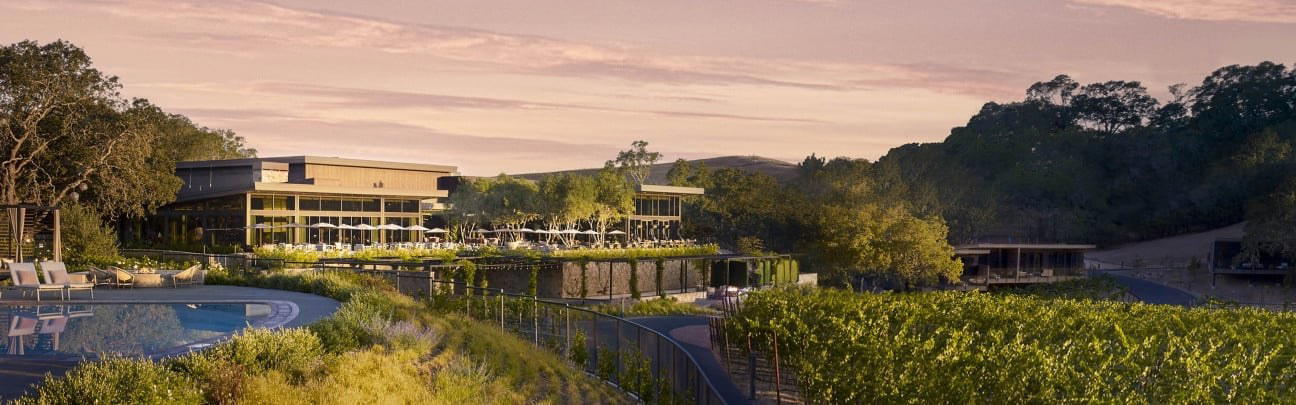
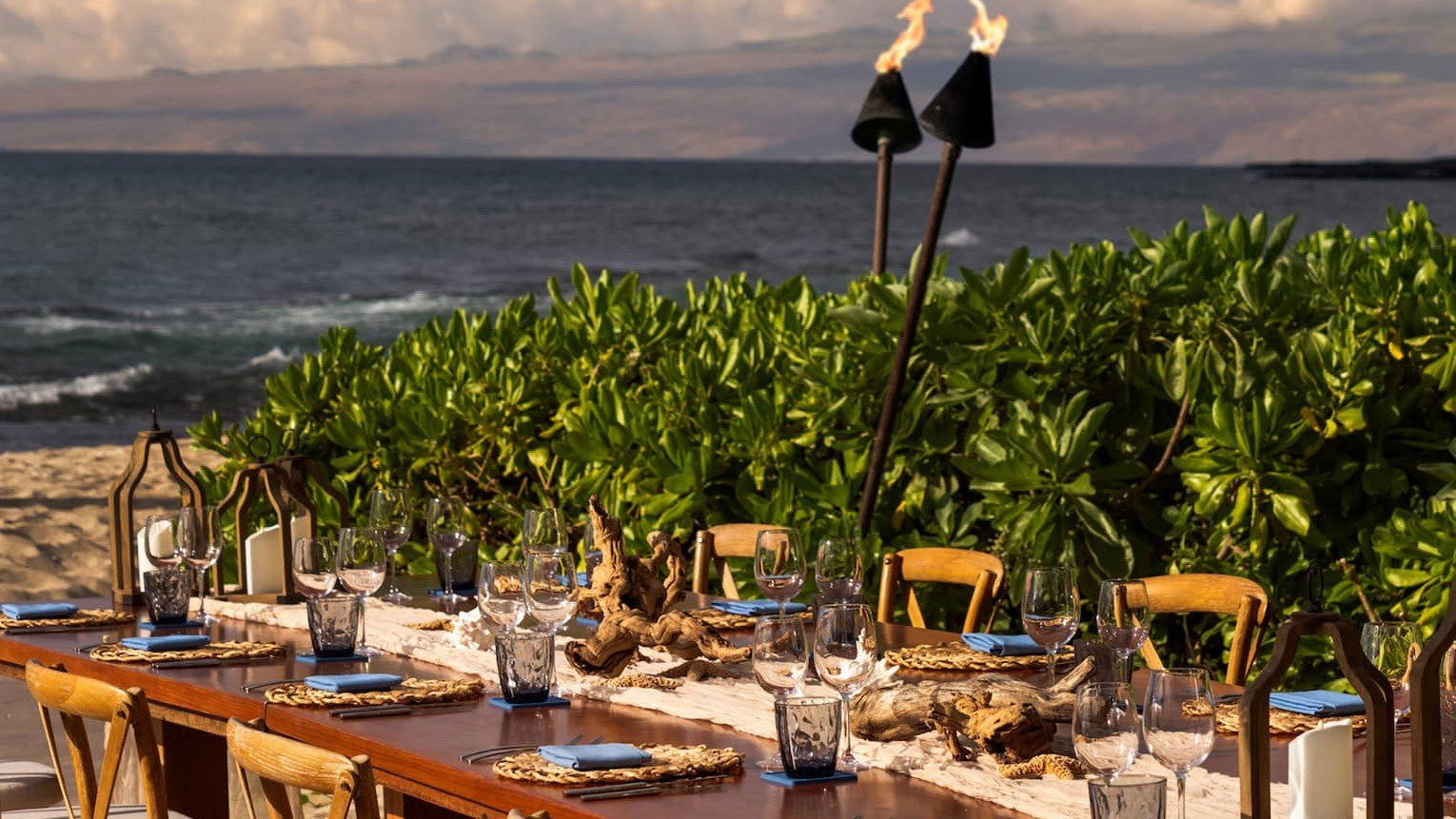
Four Seasons Resort Hualalai leans into a landscape-first ethos that favors subtlety over spectacle. Low-slung bungalows, black lava edges, manicured gardens and a white-sand beach keep the architecture low and the experience quietly anchored to place. Arrival through an open-air lobby — where rum punch is offered at check-in — sets a relaxed, unhurried tone. The property’s horizontal layout and clustered neighborhoods create pockets of calm and measured activity, producing a serene, discreet luxury that feels intimately connected to the Kona-Kohala coast rather than imposed upon it.
Best For
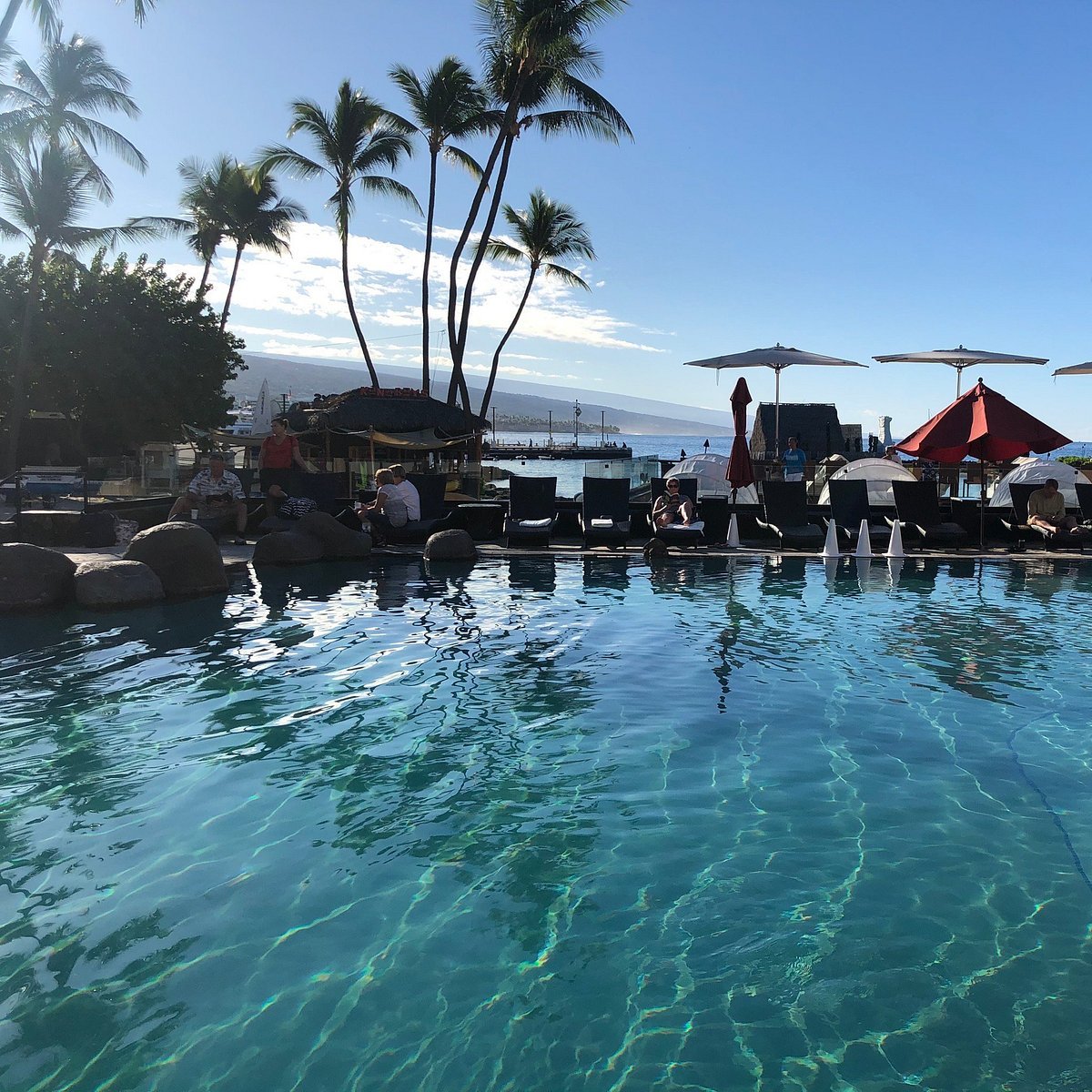
Hualalai is configured to serve a mix of travel styles within one low-density footprint. Five neighborhood clusters and eight pools separate family-active zones with direct beach access from quieter crescents ideal for couples or solo travelers; the adults-only Palm Grove Pool reinforces that division. That makes the resort a strong choice for families wanting beach proximity and for couples or solo guests seeking privacy and low-energy retreat. Its high rankings and restrained design also suit travelers focused on refined, place-centered relaxation.
Stay Tips
Take a moment at arrival to enjoy the open-air lobby ritual — rum punch is offered at check-in — which sets a convivial tone. When booking, specify the neighborhood that matches your priorities: choose the family cluster for direct beach access or request a quieter crescent if you want an adults-oriented, low-density stay. Because rooms are distributed across distinct clusters, plan pool and beach days around where you’re located to minimize transit. For a peaceful day by the water, head to the adults-only Palm Grove Pool.
Venue details
Ambiance
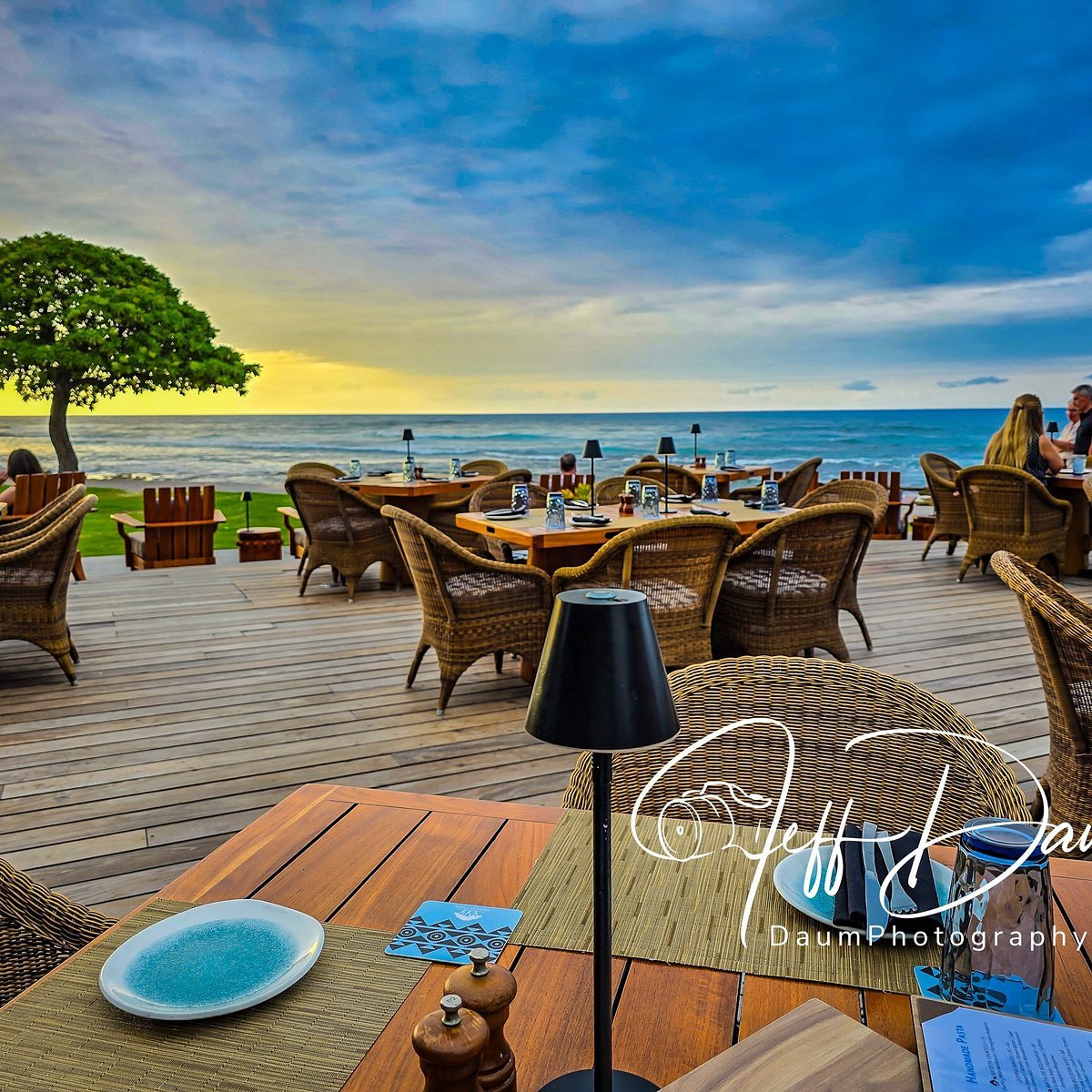
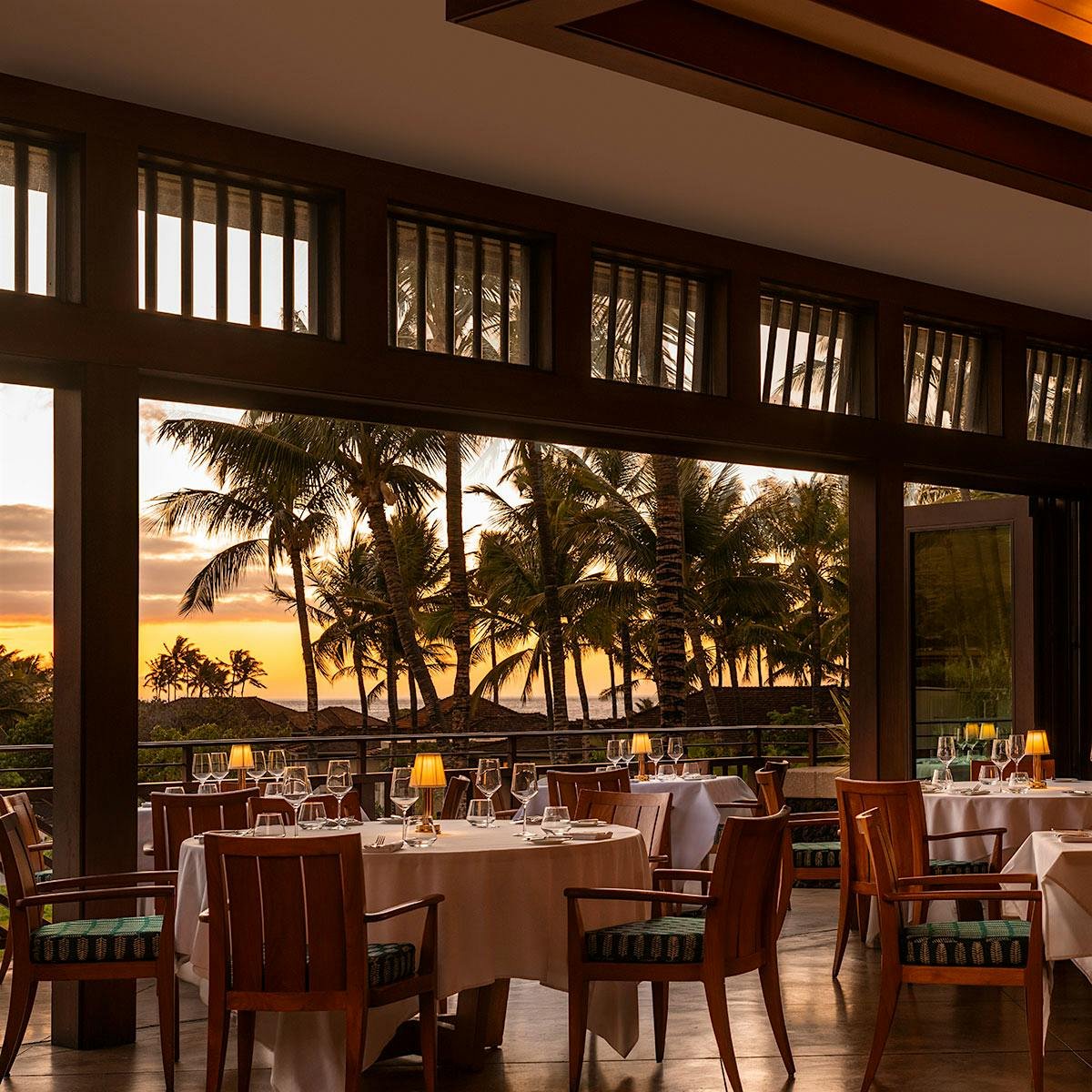
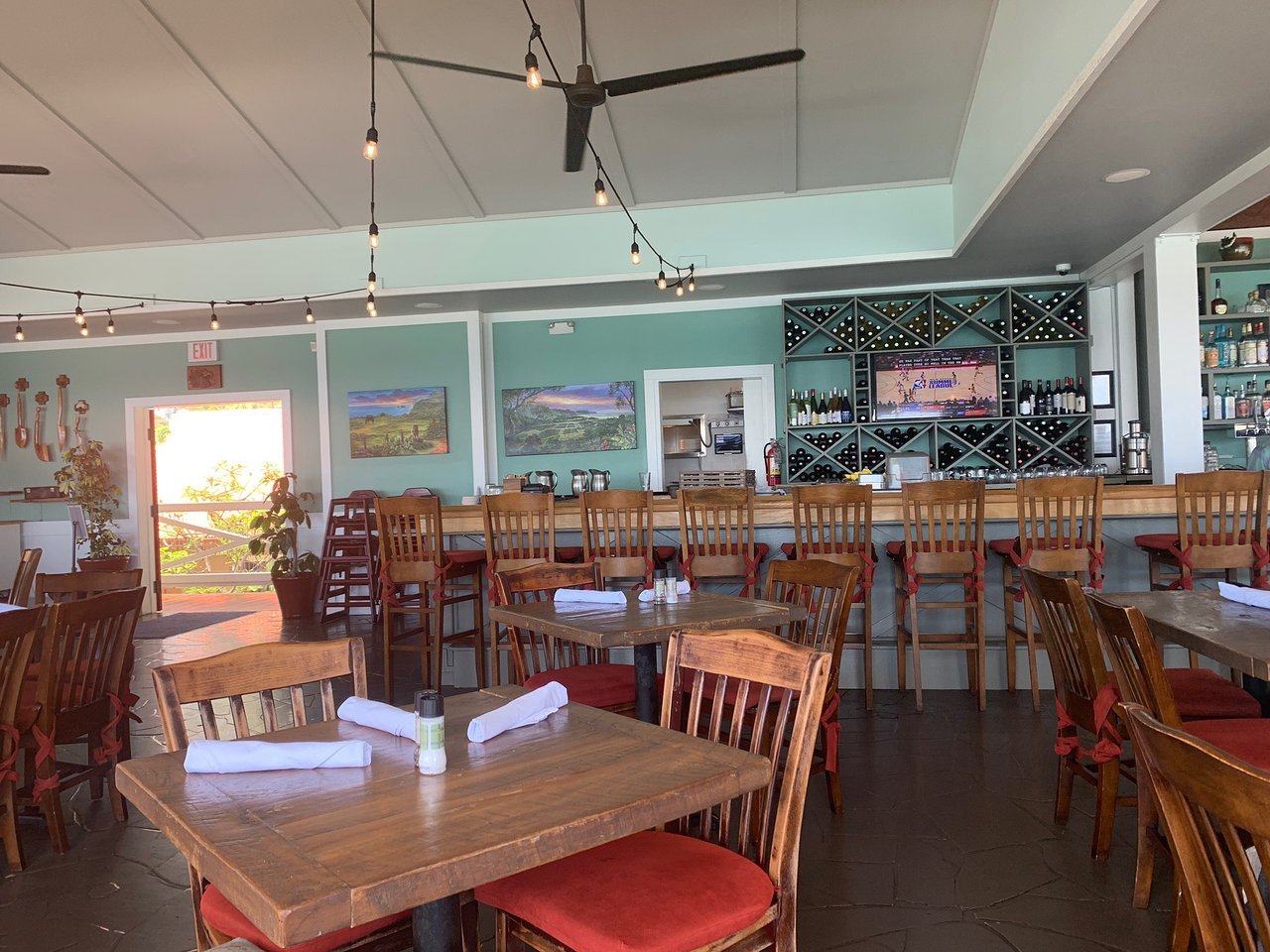
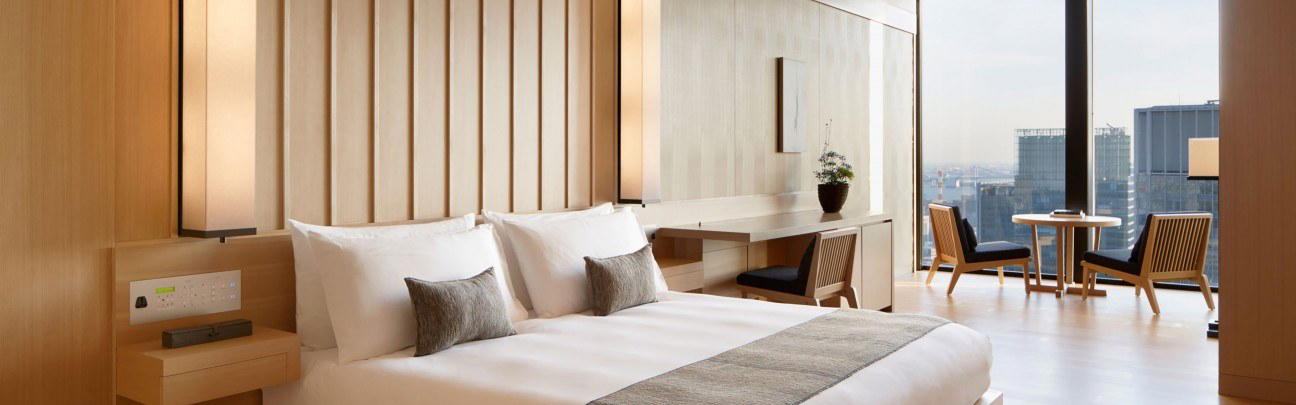
Serene tropical setting with indoor-outdoor design, lush gardens, natural light, and ocean views creating a relaxed yet refined Hawaiian atmosphere.
Tags
Vibe
Best For
Experience
Amenities
View
Accessibility
About the Stay
- Rooms
- 249
- Check-in
- 15:00
- Check-out
- 11:00
- Property Style
- Luxury Oceanfront Resort with Intimate Two Story Bungalows Arranged in Village Like Crescents, Blending Contemporary Comfort with Authentic Hawaiian Design and Cultural Traditions.
- Design Style
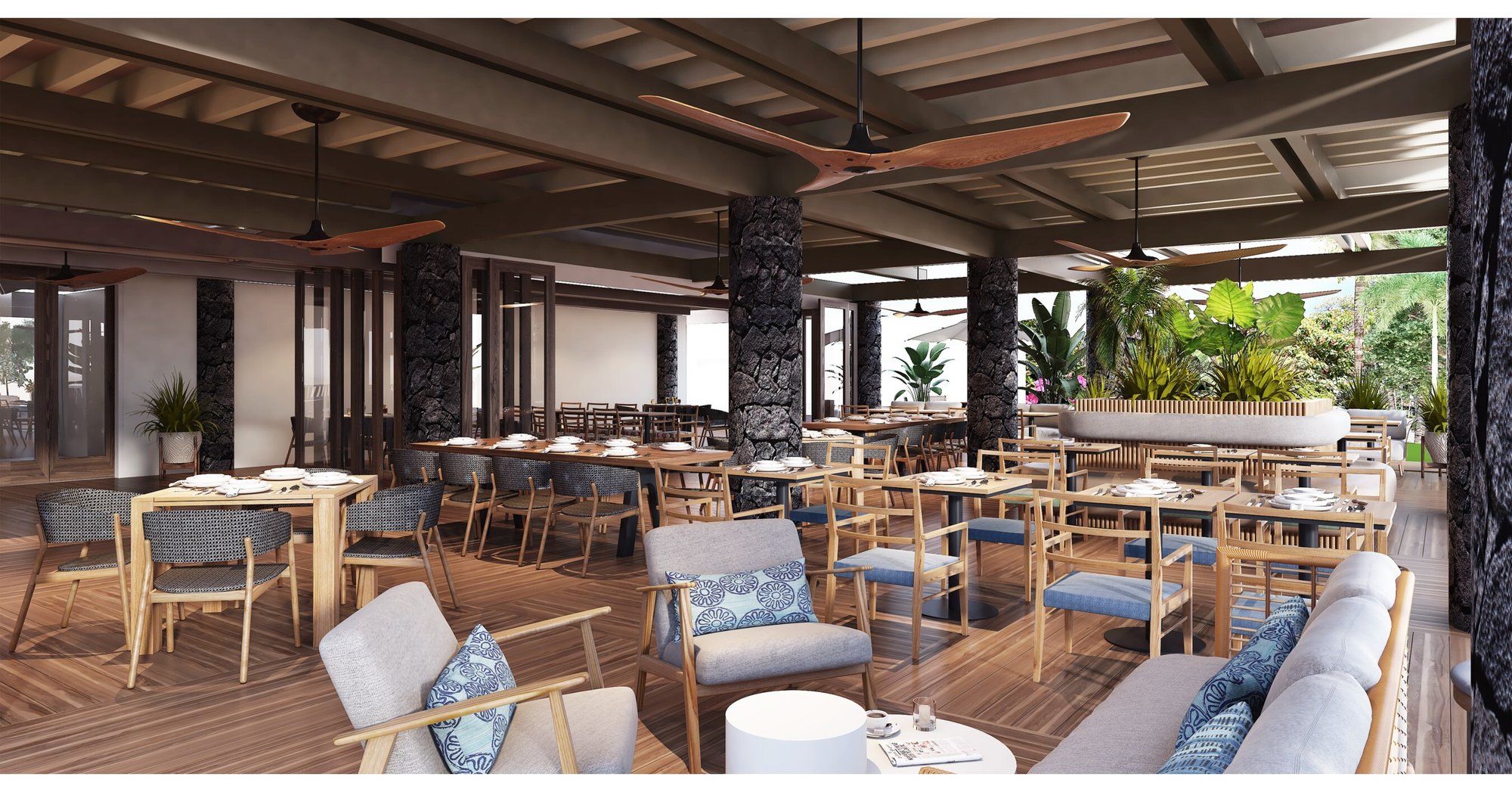
- Indoor Outdoor Hawaiian Aesthetic Featuring Dark Woods, Tropical Gardens, Lava Rock Elements, Native Art, and Natural Materials Creating a Serene Island Sanctuary.
Know before you go
Know Before You Go
- Getting there
- 72-100 Ka'upulehu Drive, Kailua-Kona, HI 96740
Planning details
Location
Recognition and awards




Also consider
Where to look if this is unavailable
Start with Kona Village, A Rosewood Resort if the trip can trade Four Seasons consistency for a more design-forward resort mood. It is the closest serious alternative for travelers who still want a high-end Kona-area stay.
Choose Fairmont Orchid when availability or budget pressure is the deciding factor. It is the practical backup for travelers who need a resort base more than a flagship celebration property.
Hotel context
How it compares in Kailua Kona luxury hotels
Four Seasons Resort Hualalai is the safest splurge choice in this set: the recognition stack is deeper, the service model is familiar, and the resort is better suited to high-stakes trips where a missed detail would be costly. Kona Village, A Rosewood Resort is the sharper alternative for travelers who want a newer-feeling resort with a stronger sense of design identity, but it is not the same conservative pick for guests who mainly want the Four Seasons operating style.
Mauna Lani, Auberge Resorts Collection and Mauna Lani, Auberge Collection are better cross-shops if value and atmosphere matter as much as formal luxury credentials. They make more sense for travelers who want a polished resort stay without making the entire trip revolve around a single flagship property.
Fairmont Orchid is the practical fallback when availability or price pressure pushes against Hualalai. It is the easier recommendation for travelers who want a resort base over a statement stay. For anniversaries, milestone birthdays, and client-level trips, stay with Hualalai if the room category and dates work.
Explore Kailua Kona
Around this place
Discover more on Pearl
Unlock the full Four Seasons Resort Hualalai guide in Pearl, including awards, comparisons, FAQs, planning details, and nearby places.
Compare Four Seasons Resort Hualalai
| Venue | Location | Awards |
|---|---|---|
| Four Seasons Resort Hualalai | Kailua Kona | 2026 Forbes 5-Star2026 Virtuoso Luxury Hotel Collection2026 La Liste Top Hotels2025 Forbes 5-StarMichelin 2 Keys 20252025 Conde Nast Hotels Gold List2025 AAA 5 Diamond Hotel2025 Michelin 2 Keys2024 Michelin 2 Keys |
| Kona Village, A Rosewood Resort | Kailua Kona | 2026 Virtuoso Luxury Hotel Collection2026 Forbes 4-Star2026 Mr & Mrs Smith Luxury Hotels2026 La Liste Top HotelsConde Nast Gold List 2026World Travel Awards 20252025 Forbes 4-Star2025 AAA 5 Diamond Hotel2024 Michelin 3 Keys |
| Mauna Lani, Auberge Resorts Collection | Kohala Coast | 2026 Virtuoso Luxury Hotel Collection2026 Forbes RecommendedStar Wine Lists 20262025 Forbes Recommended2024 Michelin 1 Key |
| Mauna Lani, Auberge Collection | Waimea | No published awards |
| Fairmont Orchid | Puako | No published awards |
| Fairmont Orchid | Kohala Coast | No published awards |





How Four Seasons Resort Hualalai compares with similar nearby venues.
FAQ
Frequently Asked Questions
How is the dining at Four Seasons Resort Hualalai?
Dining options should be confirmed directly with Four Seasons Resort Hualalai, especially if dining is central to the trip. Compare the current options with other Kailua Kona dining plans.
What is check-in like at Four Seasons Resort Hualalai?
How is the pool and spa at Four Seasons Resort Hualalai?
The hotel has strong recognition, including Michelin 2 Keys, Forbes 5-Star, and AAA 5 Diamond, but specific amenity details should be confirmed directly before booking.
How does Four Seasons Resort Hualalai compare to other hotels?
Four Seasons Resort Hualalai has a strong recognition profile, including Michelin 2 Keys, La Liste Top Hotels recognition with 98 points, Forbes 5-Star, AAA 5 Diamond, Condé Nast Gold List, Pearl Recommended Hotel, and Virtuoso Luxury Hotel Partner. Travelers may also compare confirmed availability and rates with Fairmont Orchid, Kona Village, A Rosewood Resort, and Mauna Lani, Auberge Resorts Collection.
When is the best time to book Four Seasons Resort Hualalai?
Which room category is best at Four Seasons Resort Hualalai?
Choose based on confirmed room descriptions, bedding, view, accessibility needs, and any stay-specific requirements provided at booking.