






Kona Village, A Rosewood Resort
Kailua-Kona, Kailua Kona
Hotel in Kailua Kona, United States
 Book with Pearl
The Read
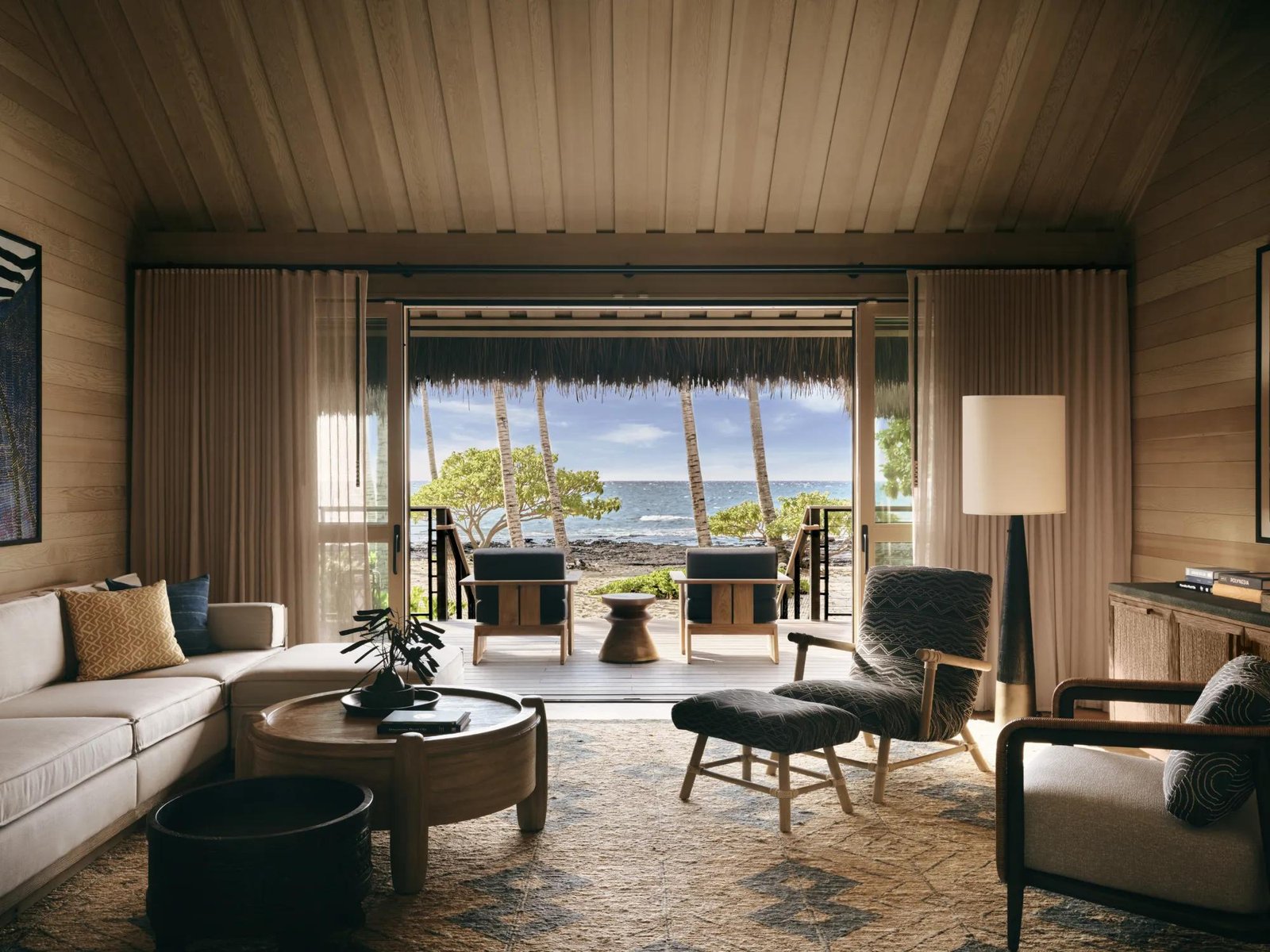
Lava-Coast Hale Seclusion
Why go
Kona Village, A Rosewood Resort is a resort on Maheawalu Drive in Kailua-Kona, Hawaii.
About Kona Village, A Rosewood Resort
For a premium stay in Kailua Kona, Kona Village, A Rosewood Resort has a strong recognition profile: Michelin 3 Keys, AAA 5 Diamond, Forbes 4-Star, La Liste Top Hotels recognition, World Travel Awards recognition, Conde Nast Gold List recognition, Virtuoso Luxury Hotel Partner status, and a Mr & Mrs Smith Seal. The practical question is whether those accolades are enough to justify booking this resort over other high-end Hawaii options.
Book it for the recognition and resort positioning, not for a quick Kona stopover
The clearest case for Kona Village, A Rosewood Resort is its award-backed luxury positioning. Travelers comparing high-end stays in and around Kailua Kona can treat the Michelin 3 Keys and AAA 5 Diamond recognition as meaningful signals that this is positioned above a standard hotel stay.
Rosewood's involvement is also part of the appeal, because the brand is built into the property's official name. If you have access to luxury advisor or preferred-partner booking benefits, it may be worth comparing those offers before committing, but any specific inclusions should be reviewed directly at booking.
The tradeoff is certainty versus personal fit
The core appeal is the property's identity as a Kailua Kona Rosewood resort with a significant recognition profile. Details such as specific room layouts, dining formats, service inclusions, prices, and on-property amenities should be checked directly with the resort before you book.
Quick read: choose Kona Village, A Rosewood Resort if you want a Kailua Kona luxury resort with a strong awards profile, and compare carefully if your decision depends on specific services, room features, or daily logistics.
Part of
Rosewood79 locations on PearlPlanning details
- Location
- 72-300 Maheawalu Drive, Kailua-Kona, HI 96740
- Website
- rosewoodhotels.com/en/kona-village
- Phone
- +1 808-865-0100
The take
The Take
The Vibe
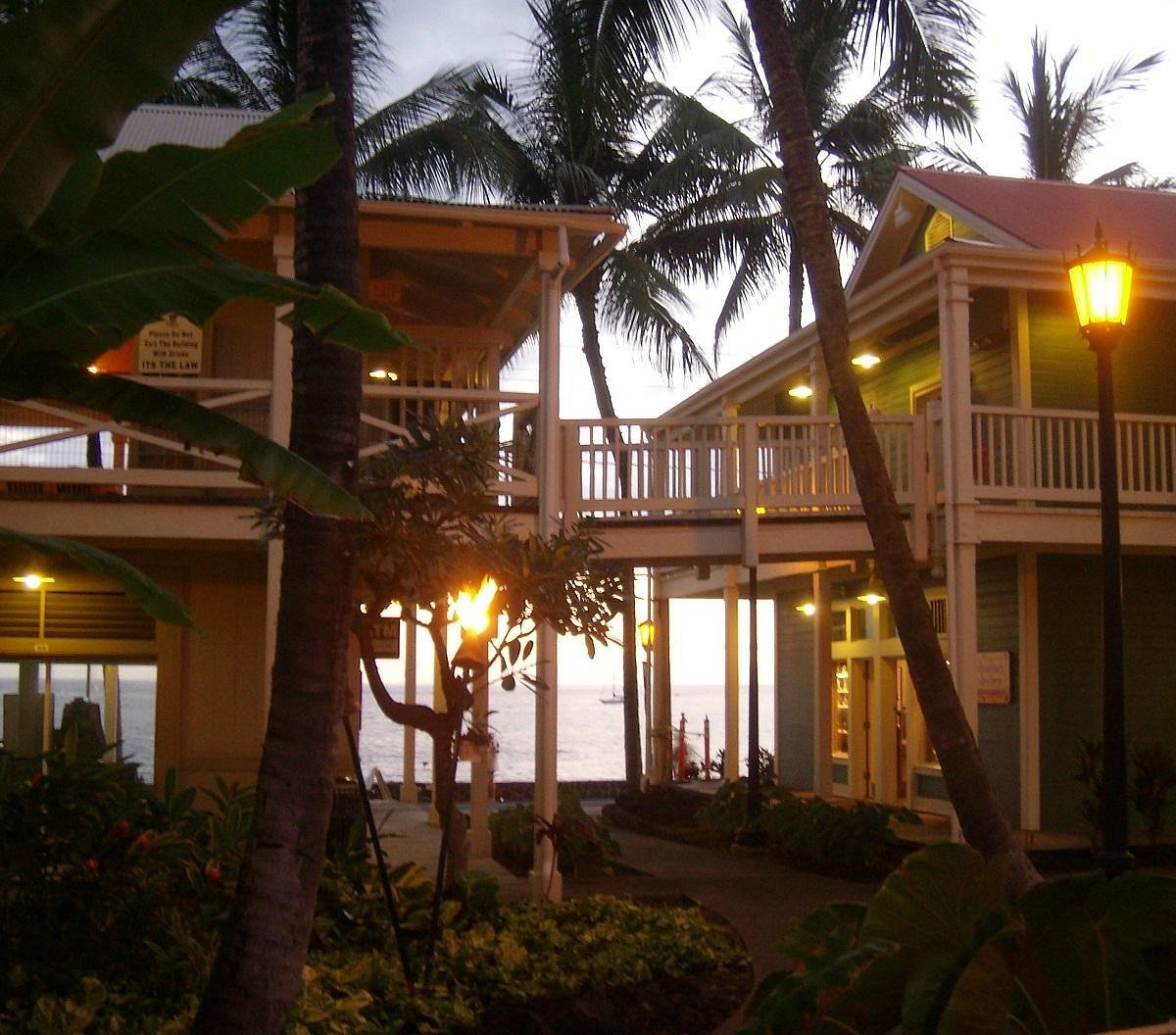
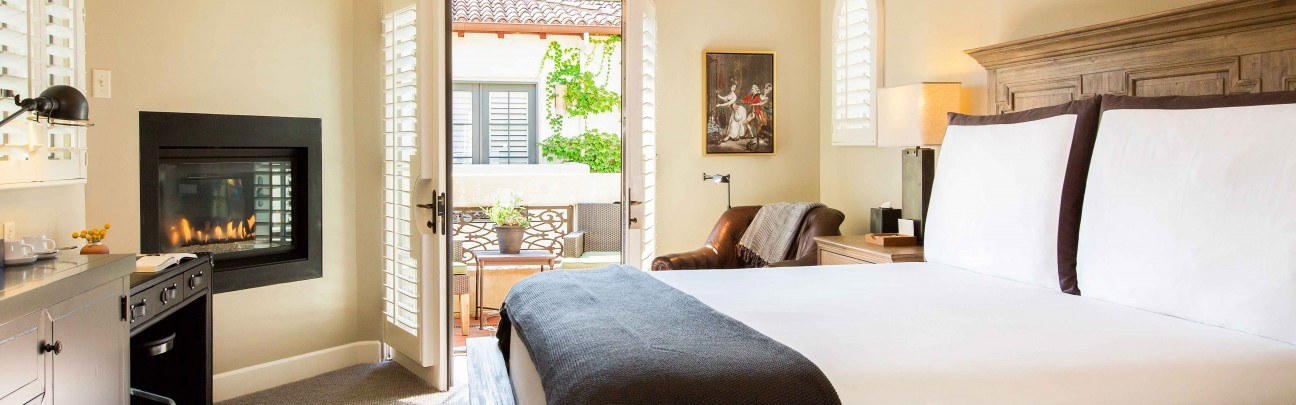
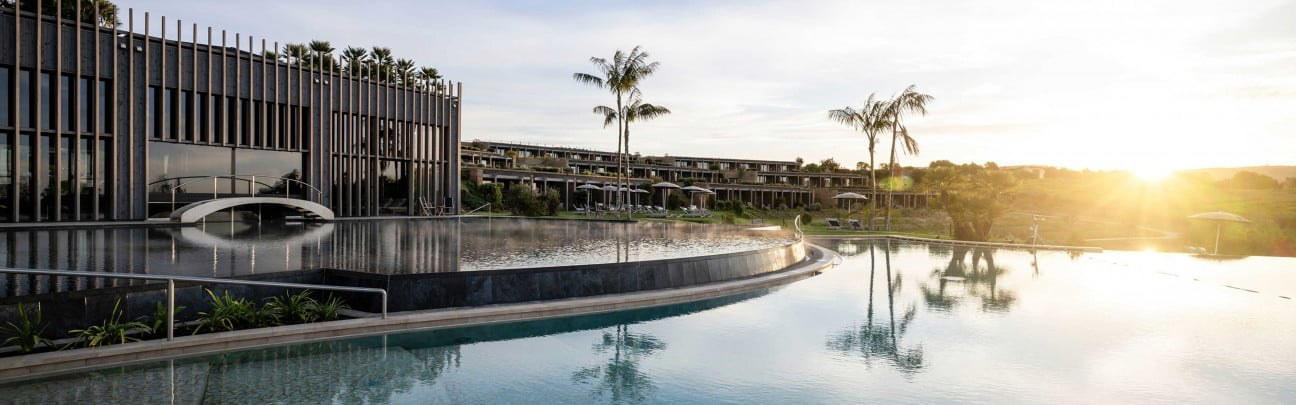
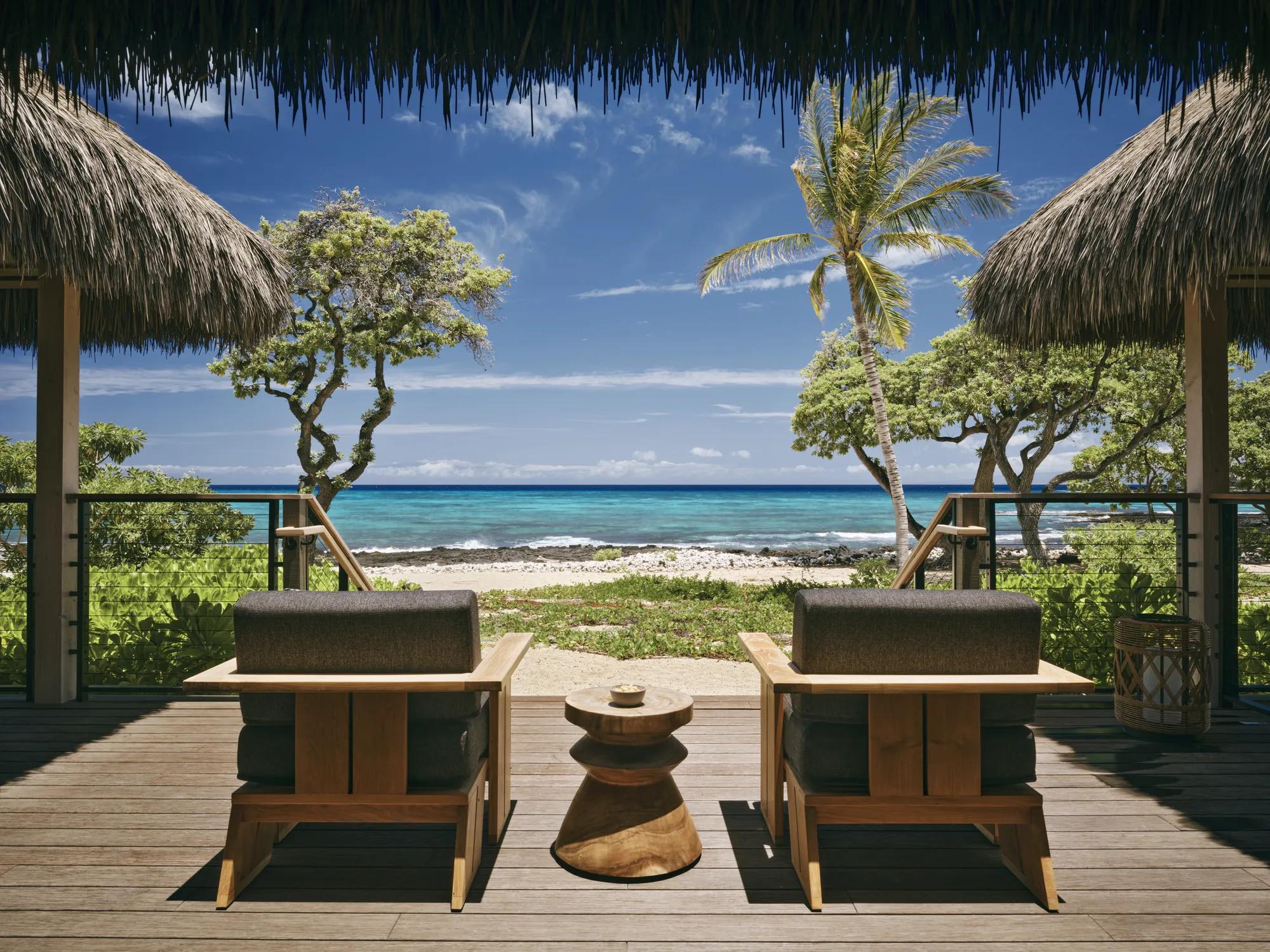
Kona Village reads as a purpose-built escape that honors its volcanic shore. The resort deliberately sits within the hardened lava fields and pockets of green, and the thatched-roof hale and dispersed bungalow plan reinforce a low-density, intimate character. A decade offline followed by a Rosewood-led rebuild returns the property to its original 1965 spatial logic while updating finishes and service for contemporary luxury. That care is validated by recent industry recognition — Michelin keys, World Travel Awards and a high La Liste score — which underline a quietly confident, historic-meets-refined hospitality offering rather than flashy spectacle.
Best For
Kona Village suits travelers seeking privacy, restorative coastal time and elevated resort service. The 81-acre bungalow layout is well matched to couples on honeymoons or romantic getaways who want secluded accommodations and easy access to the bay; it also fits families who value spread-out grounds and separate units. The property’s low-density footprint and relationship to the shoreline make it a natural choice for wellness-focused stays and tranquil escapes. Recent Michelin and industry accolades further position the resort for special-occasion visits where service and setting matter as much as comfort.
Venue details
Ambiance
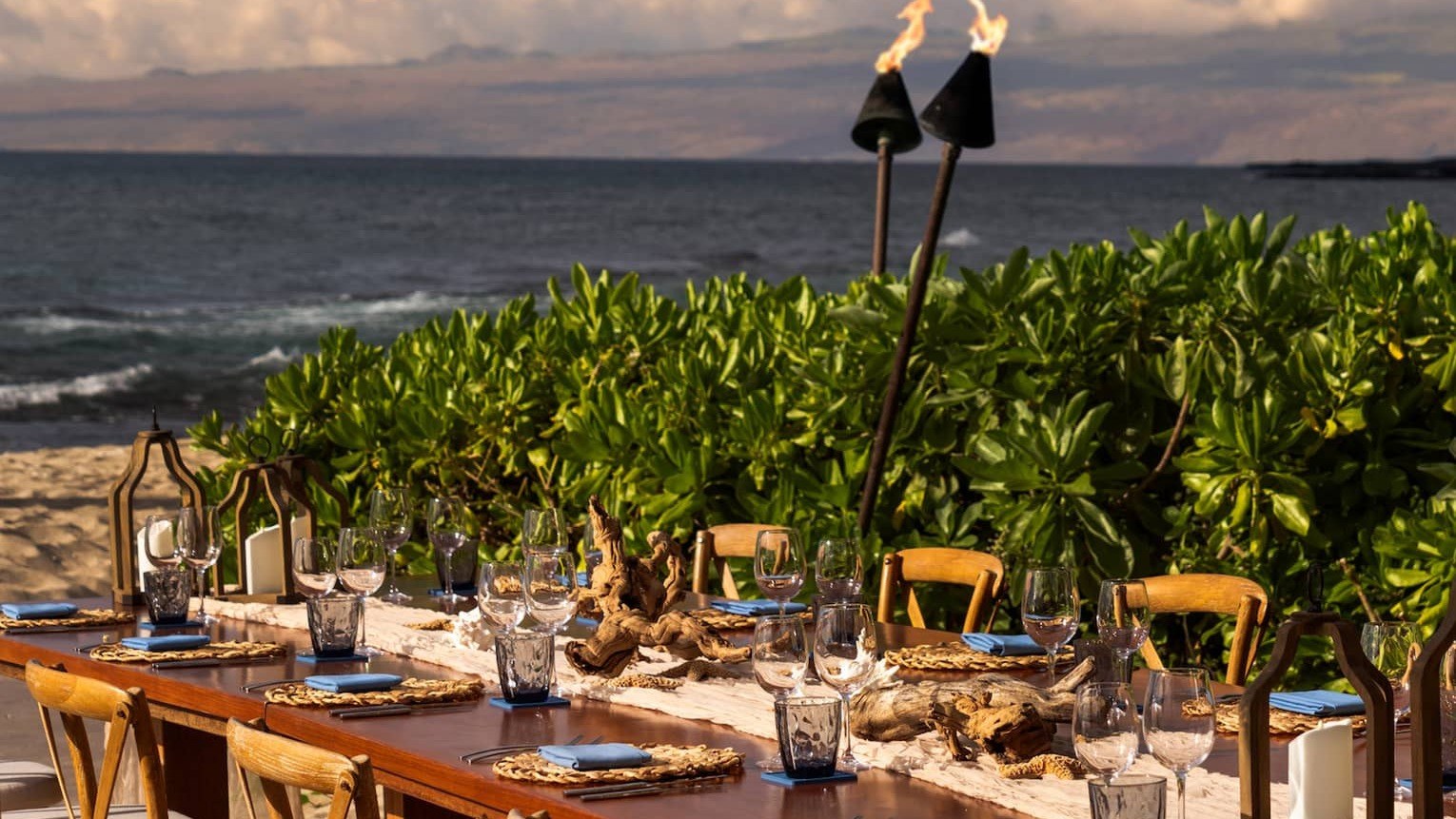
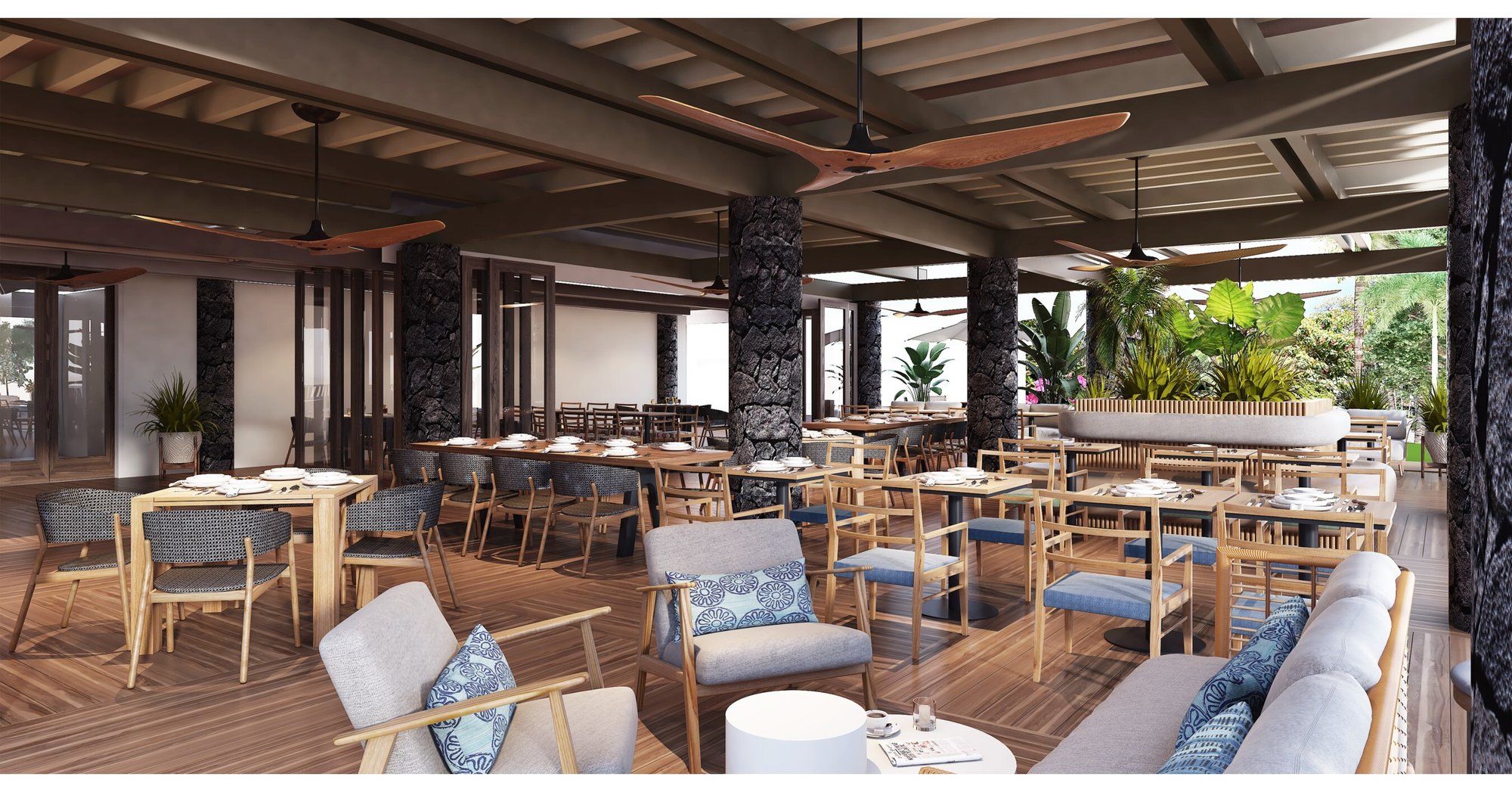
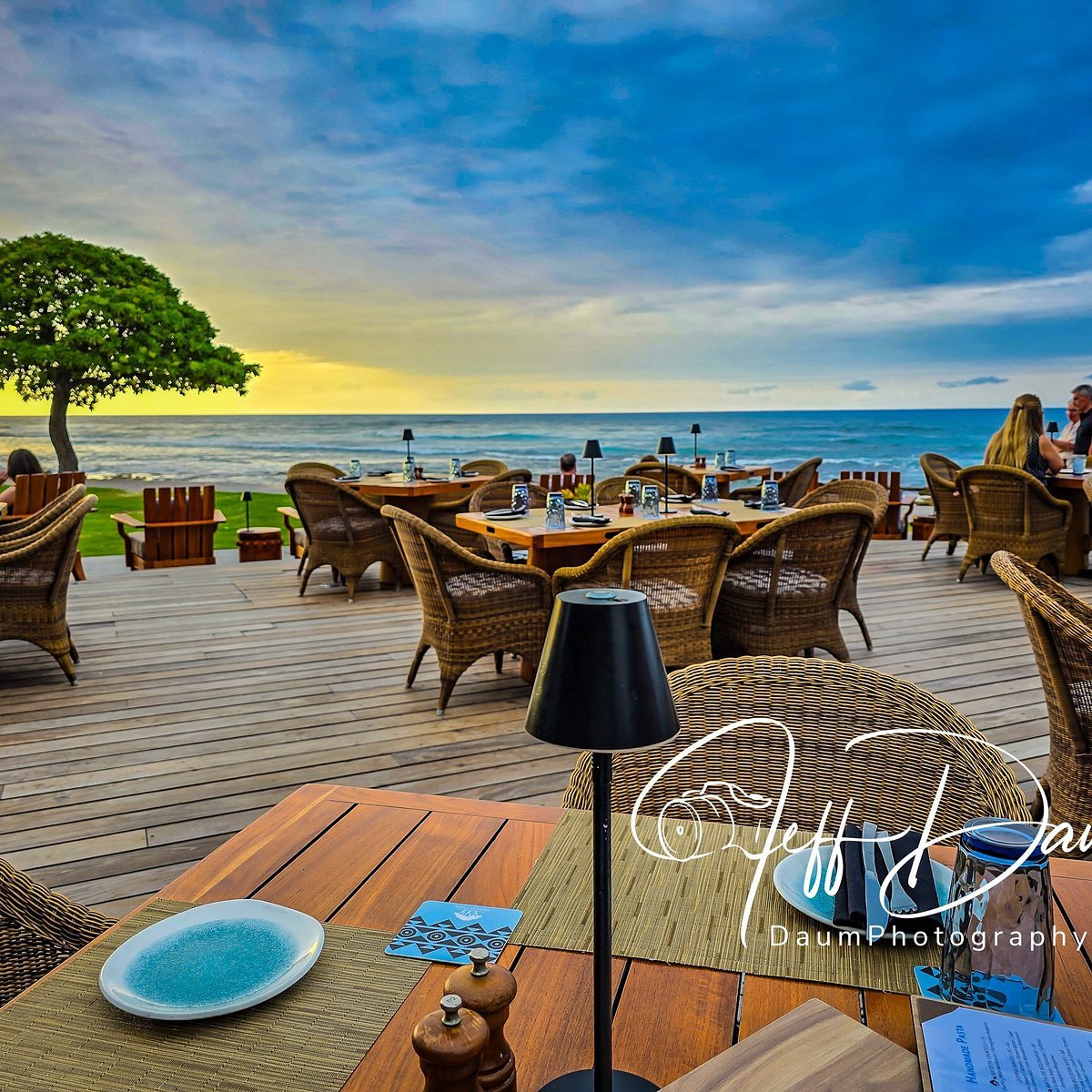
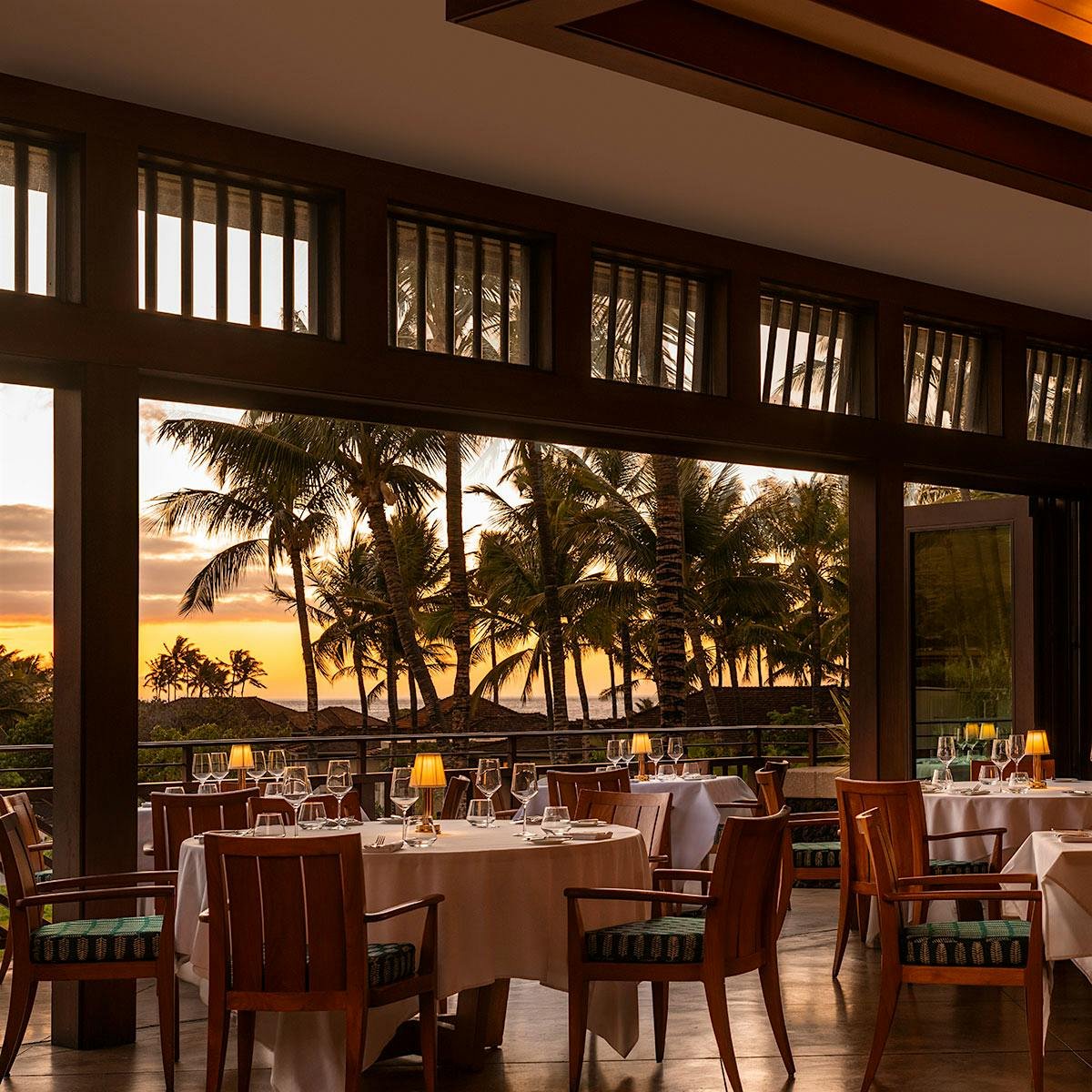
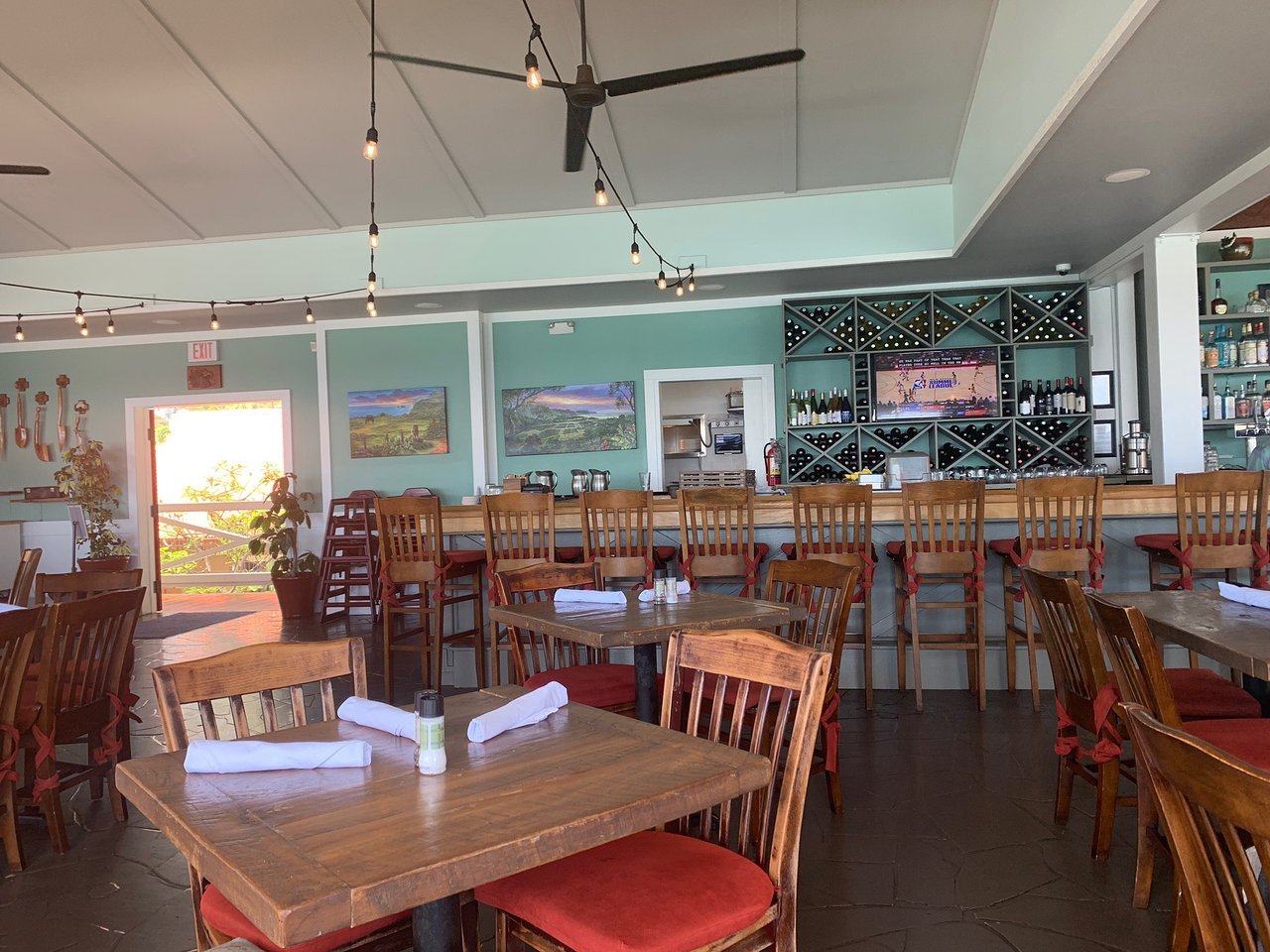
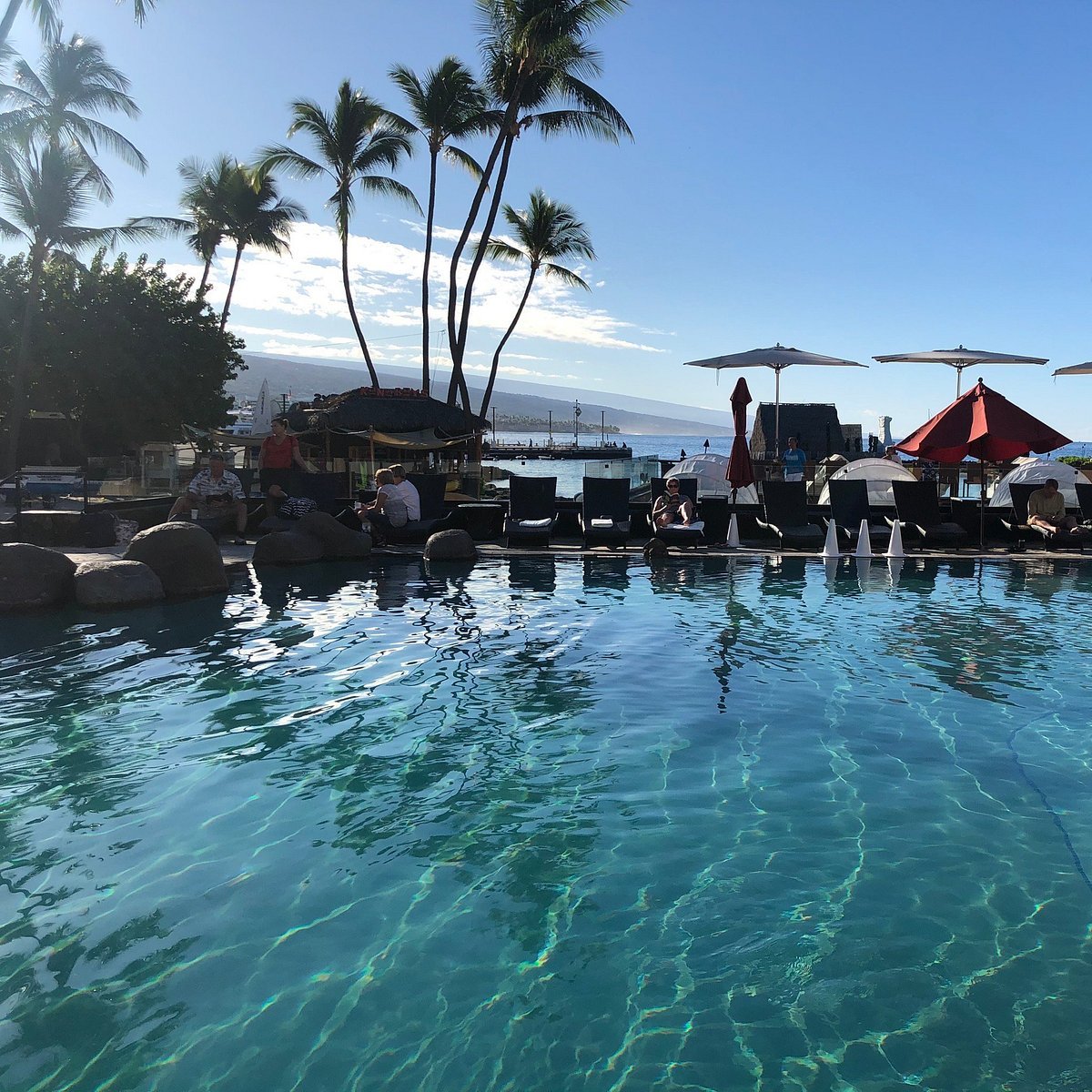
Relaxed tropical atmosphere with open-air dining, poolside serenity, and peaceful evenings enhanced by natural beauty and gracious service.
Tags
Vibe
Best For
Experience
Amenities
View
Accessibility
About the Stay
- Rooms
- 150
- Check-in
- 15:00
- Check-out
- 12:00
- Property Style
- Traditional Hawaiian Hales with Modern Luxury
- Design Style
- Hawaiian Artisan with Natural Elements
Know before you go
Know Before You Go
- Getting there
- 72-300 Maheawalu Drive, Kailua-Kona, HI 96740
Planning details
Location
72-300 Maheawalu Drive, Kailua-Kona, HI 96740 · Directions
Recognition and awards





Also consider
Also Consider
- Four Seasons Resort Hualalai, Notable alternative
- Mauna Lani, Auberge Resorts Collection, Notable alternative
- Mauna Lani, Auberge Collection, Notable alternative
- Fairmont Orchid, Notable alternative
- Fairmont Orchid, Notable alternative
Hotel context
How It Compares
Choose Kona Village, A Rosewood Resort when the stay itself is the reason for the trip. Compared with Four Seasons Resort Hualalai, it leans more toward a quieter, retreat-style occasion, while Four Seasons Resort Hualalai is the safer pick for travelers who want a broader resort machine and a more established big-resort rhythm.
Mauna Lani, Auberge Resorts Collection and Mauna Lani, Auberge Collection are better cross-shops for guests who want a luxury resort feel with a slightly less secluded posture. If the priority is value discipline over a full splurge, Fairmont Orchid is the more practical comparison point.
Booking difficulty is the main caution: if Kona Village is unavailable, start with Four Seasons Resort Hualalai for a similarly polished Kailua-Kona option, then compare Mauna Lani and Fairmont Orchid for a different balance of ambiance, access, and spend.
Explore Kailua Kona
Around this place
Discover more on Pearl
Unlock the full Kona Village, A Rosewood Resort guide in Pearl, including awards, comparisons, FAQs, planning details, and nearby places.
Compare Kona Village, A Rosewood Resort
| Venue | Location | Awards |
|---|---|---|
| Kona Village, A Rosewood Resort | Kailua Kona | 2026 Virtuoso Luxury Hotel Collection2026 Forbes 4-Star2026 Mr & Mrs Smith Luxury Hotels2026 La Liste Top HotelsConde Nast Gold List 2026World Travel Awards 20252025 Michelin 3 Keys2025 Forbes 4-Star2025 AAA 5 Diamond Hotel |
| Four Seasons Resort Hualalai | Kailua Kona | 2026 Forbes 5-Star2026 Virtuoso Luxury Hotel Collection2026 La Liste Top Hotels2025 Forbes 5-Star2025 Conde Nast Hotels Gold List2025 AAA 5 Diamond Hotel2025 Michelin 2 Keys2024 Michelin 2 KeysFour Seasons Hotels |
| Mauna Lani, Auberge Resorts Collection | Kohala Coast | 2026 Virtuoso Luxury Hotel Collection2026 Forbes RecommendedStar Wine Lists 20262025 Forbes Recommended2024 Michelin 1 Key |
| Mauna Lani, Auberge Collection | Waimea | No published awards |
| Fairmont Orchid | Puako | No published awards |
| Fairmont Orchid | Kohala Coast | No published awards |





How Kona Village, A Rosewood Resort compares with similar nearby venues.
FAQ
Frequently Asked Questions
How does Kona Village, A Rosewood Resort compare to nearby hotels?
Choose Kona Village, A Rosewood Resort if its Kailua Kona location and recognition profile are the main draw. Four Seasons Resort Hualalai is a natural comparison for another polished luxury stay, while Fairmont Orchid and Mauna Lani, Auberge Resorts Collection may also be worth comparing for travelers considering other high-end resort options on Hawaii Island.
What is check-in like at Kona Village, A Rosewood Resort?
Check specific check-in procedures directly with the resort. The property's appeal rests on its Kailua Kona location and recognition, including Michelin 3 Keys and AAA 5 Diamond recognition.
Which room category is best at Kona Village, A Rosewood Resort?
The best room category depends on your budget, party size, and the specific features you want, so review room details directly before booking. For a premium stay, it is reasonable to compare categories carefully at a resort with Forbes 4-Star and Conde Nast Gold List recognition.
How is the dining at Kona Village, A Rosewood Resort?
If dining is central to your stay, check the resort's current venues, cuisine, menus, hours, and service formats directly and compare them with other dining in Kailua Kona.
Is Kona Village, A Rosewood Resort family-friendly?
Family suitability depends on the current room options, services, and policies available for your travel dates. Confirm those details directly with the resort before booking, especially for multi-generational trips or stays with children.
Is Kona Village, A Rosewood Resort good for business travel?
It may work for some business travelers, but the right choice depends on your meeting locations, schedule, and required services. If you are comparing other high-end options, Four Seasons Resort Hualalai or Fairmont Orchid may also be worth considering depending on your itinerary.
How is the location of Kona Village, A Rosewood Resort?
Kona Village, A Rosewood Resort is in Kailua Kona. For any decision that depends on drive times, access, or nearby plans, confirm the exact logistics directly before booking.