


Beniya Mukayu
Yamashiro Onsen, Kaga
Hotel in Kaga, Japan
 Book with Pearl
The Read
Modernist Ryokan Discipline
Why go
Beniya Mukayu is worth targeting for a quiet Kaga ryokan stay, especially if wellness and onsen pacing matter more than resort facilities. The booking reality is hard, so compare it early against Araya Totoan and Hanamurasaki before locking dates.
About Beniya Mukayu
Beniya Mukayu is a premium stay in Kaga with confirmed recognition that includes Michelin 1 Key in 2024, a Tatler 2025 listing in Best Hotels Asia-Pacific, and a Relais Chateaux Award in 2026. Beyond those points, specific claims about services, room types, dining format, prices, facilities, or operating details should be checked directly with the property before booking.
The safest value case is simple: consider Beniya Mukayu if the stay itself is the reason to be in Kaga, and compare it with other relevant options rather than assuming a particular hotel format or amenity list. If you need a broader city-hotel setup, use a different style of property as the benchmark.
Book this for a recognized Kaga stay, and confirm important details directly
The recent recognition matters because it places Beniya Mukayu in a more visible hotel conversation, but the booking decision should still come down to fit: location in Kaga, availability, and the current details from the property. Value-seekers can compare it with Araya Totoan and Hanamurasaki, while also considering other suitable hotels in the region.
For planning, use the full Kaga hotels guide first, then decide whether the trip needs dining or other plans around the stay via the Kaga restaurants guide and other Kaga travel resources.
Quick reference: Beniya Mukayu is in Kaga and has confirmed Michelin 1 Key, Tatler, and Relais Chateaux recognition; confirm current rooms, services, meals, and policies directly before committing.
Inside Beniya Mukayu
Planning details
- Location
- 55-1-3 Yamashiroonsen, Kaga, Ishikawa 922-0242
- Website
- mukayu.com
- Phone
- +81 761-77-1340
The take
The Take
The Vibe
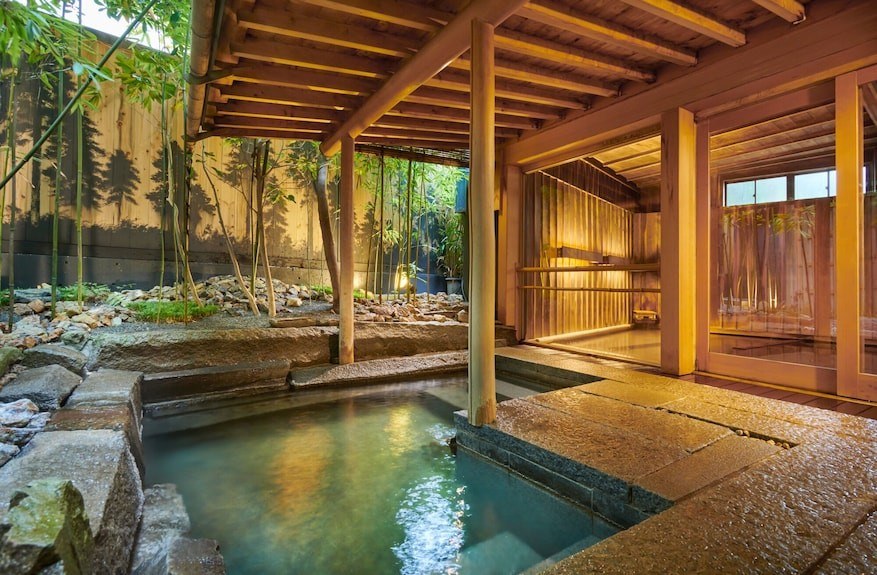
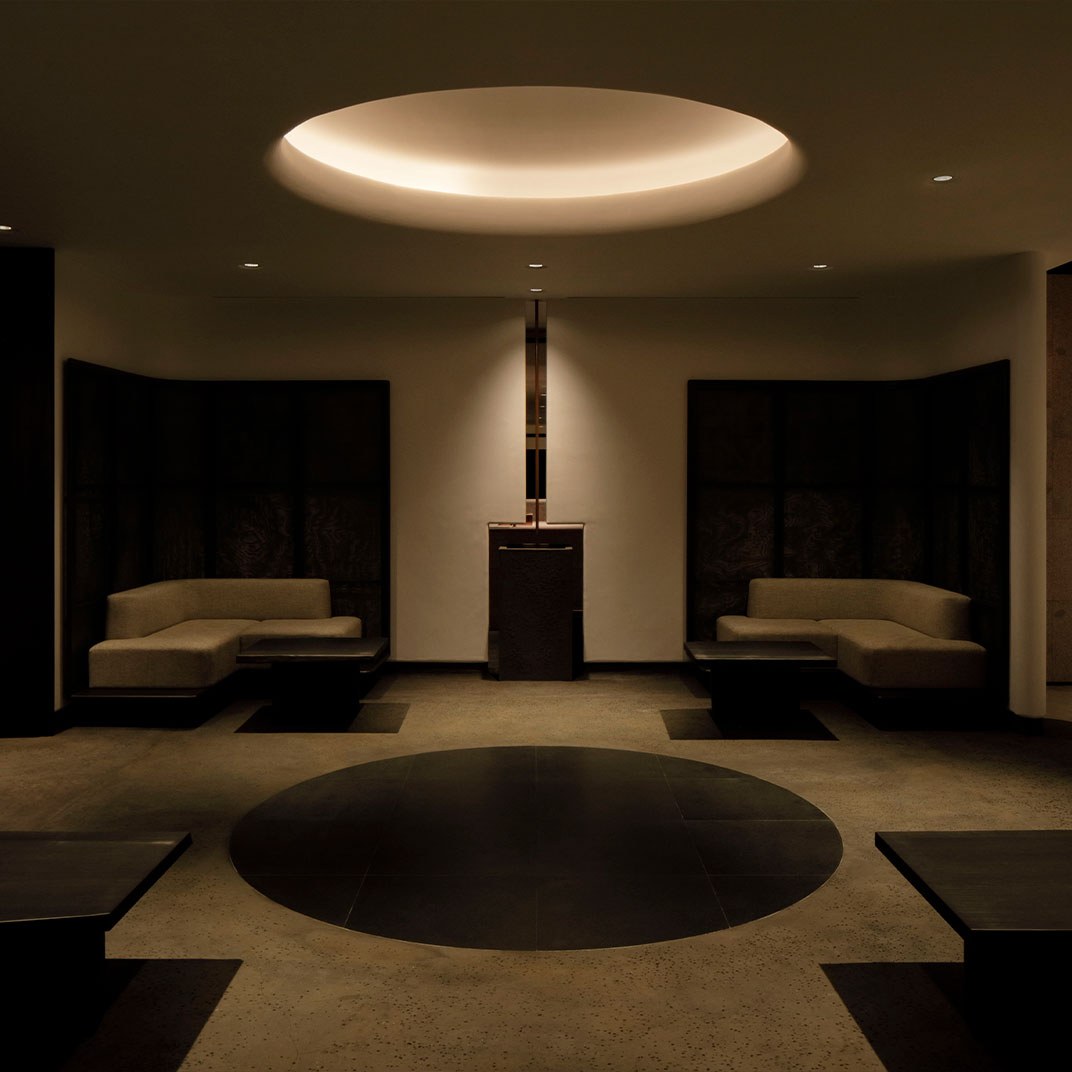
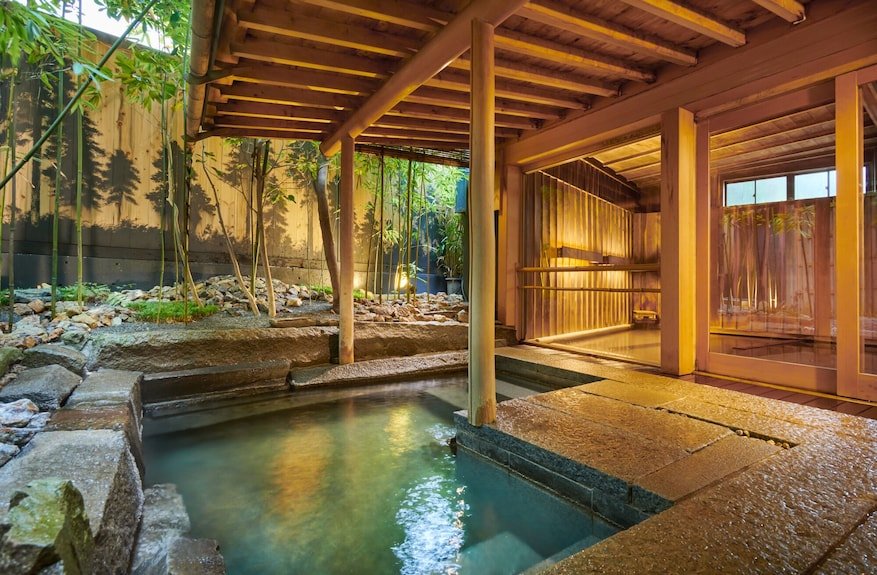
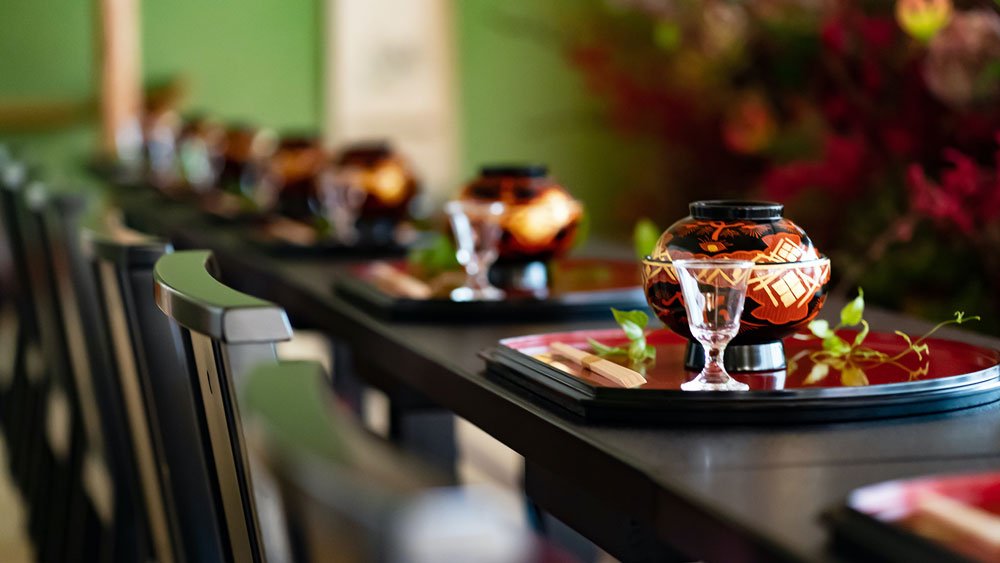
Beniya Mukayu reads as a purposeful meeting of modernist architecture and classical ryokan ritual. The property treats its built environment and culinary programme as inseparable parts of a single experience, positioning itself among "design-forward" ryokans and earning recognition such as a Michelin Key (2024) and inclusion on the Tatler Asia‑Pacific Leading Hotels 2025 list. With just 16 rooms the hotel intentionally keeps the atmosphere quiet and restrained, encouraging guests to detach from the outside world while moving comfortably through a pared-back, architecturally driven interpretation of traditional Japanese hospitality.
Best For
This ryokan suits travelers who prize architecture and a focused culinary programme as much as thermal bathing. The small size and quiet-by-design operation make it well matched to couples and design-minded guests seeking an intimate, restorative stay. Food-focused visitors benefit from the integrated kaiseki programme—dining is treated as a core element of the ryokan format rather than an optional add‑on. Its price positioning and awards-driven reputation also appeal to travelers looking for an upper-tier onsen experience within Ishikawa Prefecture, roughly an hour by road from Kanazawa.
Stay Tips
Rooms are limited (16 total) and the property occupies the upper price bracket for Kaga ryokans, with rates beginning around US$725 per night, so book early to secure preferred dates. The hotel’s Michelin Key and emphasis on a cohesive kaiseki programme suggest high demand around dining as well as accommodation; plan travel from Kanazawa (about an hour by road) and expect the culinary offering to be a central part of the stay. The description’s focus on design and quiet scale means availability fills faster during peak travel seasons and special‑occasion windows.
Venue details
Ambiance
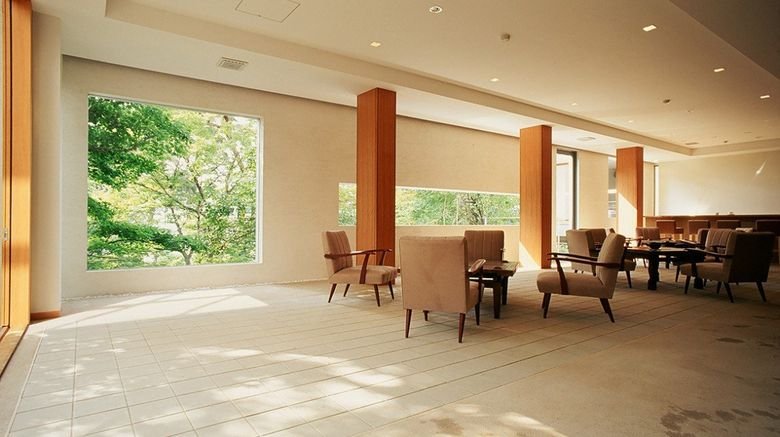
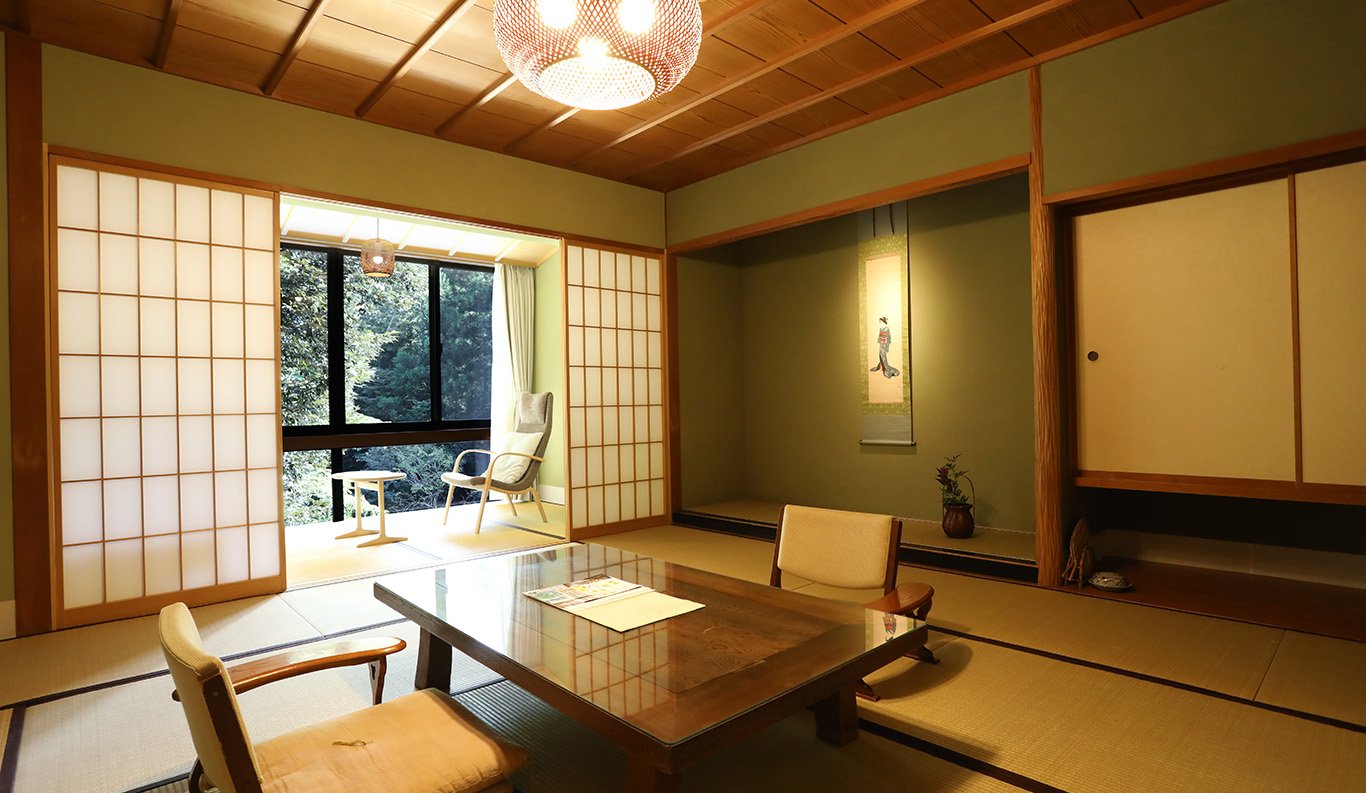
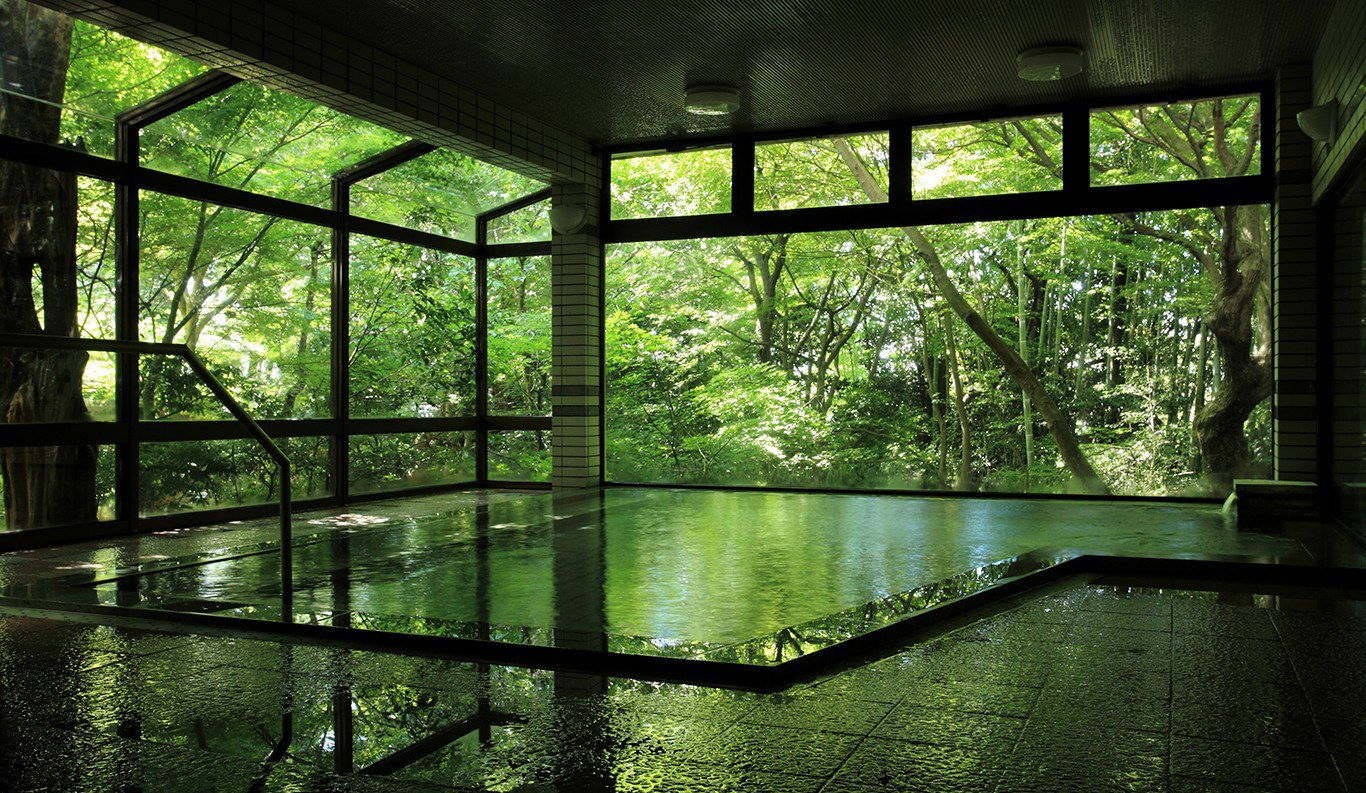
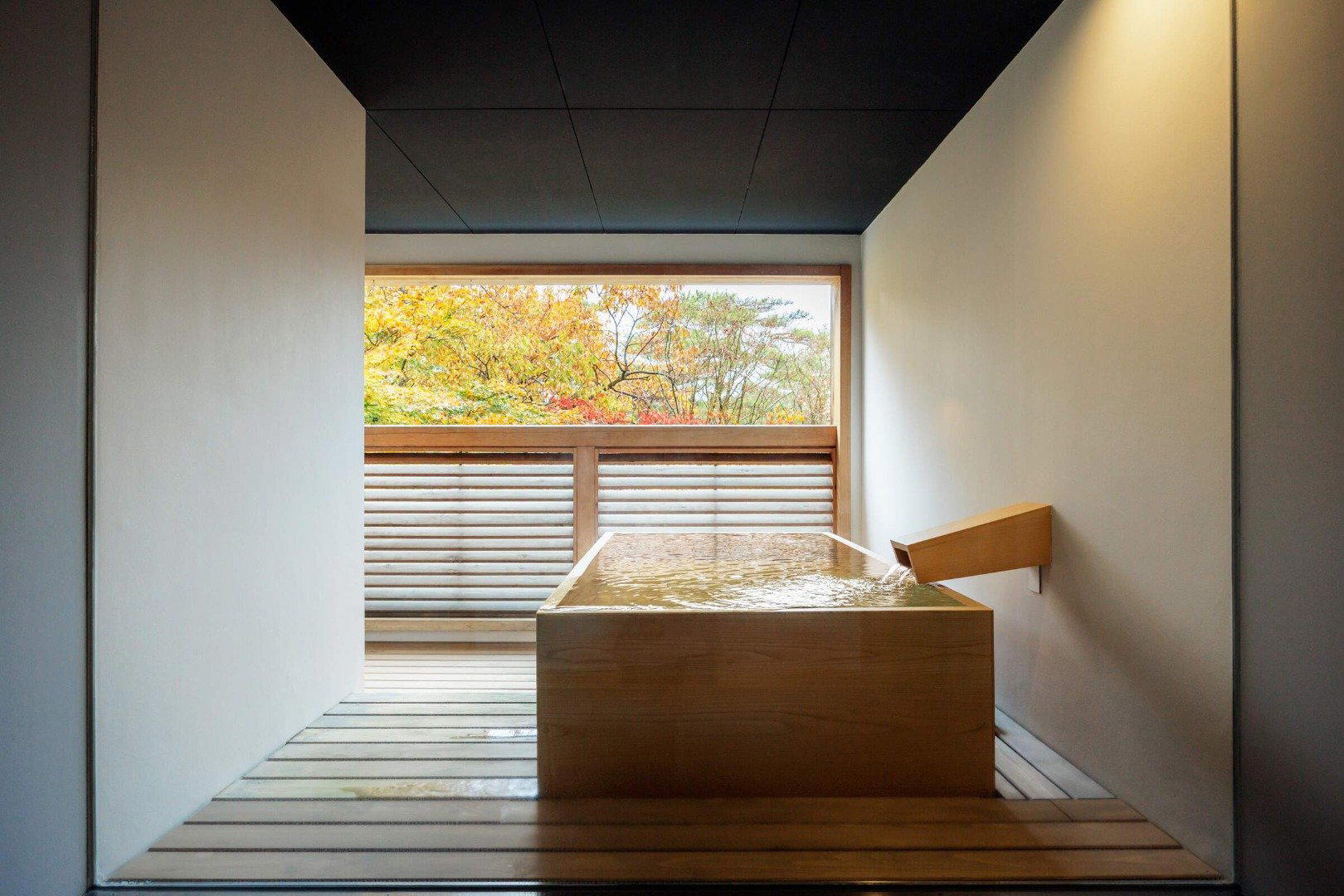
Serenely tranquil with natural light pouring through large windows, minimalist interiors, soft shadows from ancient pines, and a Zen-like atmosphere of 'richness in emptiness'.
Tags
Vibe
Best For
Experience
Amenities
View
Accessibility
About the Stay
- Rooms
- 17
- Check-in
- 15:00
- Check-out
- 11:00
- Property Type
- Boutique hotel
- Property Style
- Contemporary Ryokan Perched on a Sacred Hill, Harmonizing Minimal Architecture with Wild Forest Garden.
- Design Style
- Minimalist Japanese with Natural Materials, Tatami Floors, Shoji Screens, and Open Views to Nature.
- Breakfast
- Included
- Airport Transfer
- Available
- Spa
- Yes
- Cancellation
- Strict
Know before you go
Know Before You Go
- Getting there
- 55-1-3 Yamashiroonsen, Kaga, Ishikawa 922-0242
Planning details
Location
Recognition and awards

Also consider
Also Consider
- Araya Totoan, Notable alternative
- Hanamurasaki, Notable alternative
- Beniya Kofuyuden, Notable alternative
- Auberge Homachi Mikuni Minato, Notable alternative
- Kanazawa Tokyu Hotel, Notable alternative
Hotel context
How it compares in Kaga
Araya Totoan is the closest comparison for travelers who want a traditional Kaga ryokan decision rather than a city-hotel stay. Choose Beniya Mukayu if the priority is a quieter wellness-led retreat; look at Araya Totoan if the deciding factor is a more classic hot-spring inn feel.
Hanamurasaki is the better cross-shop for travelers who want another Kaga option before committing to a difficult booking. If dates are tight, it should be checked in parallel rather than treated as a fallback after Beniya Mukayu is full.
Beniya Kofuyuden, Auberge Homachi Mikuni Minato, and Kanazawa Tokyu Hotel serve different trips. Use them if convenience, a wider regional itinerary, or city-hotel practicality beats the slower onsen retreat format.
Explore Kaga
Around this place
Discover more on Pearl
Unlock the full Beniya Mukayu guide in Pearl, including awards, comparisons, FAQs, planning details, and nearby places.
Compare Beniya Mukayu
| Venue | Location | Awards |
|---|---|---|
| Beniya Mukayu | Kaga | 2026 Relais Chateaux Hotels2026 Michelin 1 KeyTatler Best Hotels Asia-Pacific 20252025 Michelin 1 KeyMichelin 1 Key 20252025 Relais Chateaux Award2024 Michelin 1 Key |
| Araya Totoan | Kaga | 2026 Michelin 1 Key2025 Michelin 1 Key2024 Michelin 1 Key |
| Hanamurasaki | Kaga | No published awards |
| Beniya Kofuyuden | Awara | 2026 Michelin 1 Key2025 Michelin 1 Key2024 Michelin 1 Key |
| Auberge Homachi Mikuni Minato | Sakai | No published awards |
| Kanazawa Tokyu Hotel | Kanazawa | Preferred Hotels Member 2025 |


How Beniya Mukayu Kaga compares with similar nearby venues.
FAQ
Frequently Asked Questions
How does Beniya Mukayu compare to nearby hotels?
Choose Beniya Mukayu if you want a recognized stay in Kaga with confirmed Michelin 1 Key, Tatler, and Relais Chateaux recognition. Hanamurasaki and Araya Totoan are useful comparison points in Kaga; Kanazawa Tokyu Hotel is a different city-hotel comparison if urban convenience matters more.
How is the pool and spa at Beniya Mukayu?
Do loyalty programs work at Beniya Mukayu?
Confirm loyalty-program participation directly with the property before booking. Beniya Mukayu's Kaga location and recognition, including Michelin 1 Key, Tatler, and Relais Chateaux, are key aspects of its appeal.
Which room category is best at Beniya Mukayu?
Choose based on the current room information from Beniya Mukayu, and confirm any must-have details before booking.
How is the location of Beniya Mukayu?
Beniya Mukayu is in Kaga. For any more precise arrival details, use the property's current booking confirmation or official directions rather than relying on third-party summaries.
Is Beniya Mukayu family-friendly?
Is Beniya Mukayu good for business travel?
If you need meeting space, work amenities, or transit logistics, confirm those details directly or compare with a city hotel such as Kanazawa Tokyu Hotel.