
Kanazawa Tokyu Hotel
Kanazawa
Hotel in Kanazawa, Japan
 Book with Pearl
The Read
Kōrinbō Urban Anchor
Price
$1–100per night
Why go
Kanazawa Tokyu Hotel is a practical central pick for travelers who value Kōrinbō convenience and loyalty-program upside over boutique character. It is easier to justify when priced below Hyatt Centric Kanazawa or design-led peers, and it works well for short city stays where the hotel is a base rather than the focus.
About Kanazawa Tokyu Hotel
Kanazawa Tokyu Hotel is a Kanazawa stay. The main reasons to consider it are straightforward: it is in Kanazawa, the dress code is smart casual, and it is listed as a Preferred Hotels Member for 2025. Travelers should confirm room details, facilities, rates, and location specifics directly before booking.
The main decision point is whether those basics fit the trip. If you want a Kanazawa hotel and value the reassurance of a clearly noted hotel affiliation, Kanazawa Tokyu Hotel belongs on the shortlist. If your choice depends on dining, spa facilities, room style, or exact access details, check those specifics through the hotel's official channels.
Kanazawa stay with a Preferred Hotels connection
The clearest value signal here is its Preferred Hotels Member recognition for 2025. That does not automatically make it the right booking at any price, but it does give travelers a concrete point to verify when comparing rates, packages, and booking terms. Keep the comparison practical: look at the final price, cancellation rules, and any benefits shown at the time of booking.
Because the record is thin, it is better not to build the stay around assumptions. Treat Kanazawa Tokyu Hotel as a Kanazawa hotel to compare carefully against other options, rather than as a property defined here by restaurant, wellness, room, or neighborhood claims.
Who should book, and who should cross-shop
Book this if you are considering a Kanazawa stay and the confirmed points, smart casual dress code and Preferred Hotels Member status for 2025, support the kind of booking you want. Travelers who want to compare across other named options can also look at Hyatt Centric Kanazawa, Korinkyo, KUMU Kanazawa by THE SHARE HOTELS, Moritosha, or Yamanoo before committing.
The caution is simple: do not rely on assumptions. If price, facilities, dining, or exact location details are decisive, confirm them directly and compare the complete offer before booking Kanazawa Tokyu Hotel.
Planning details
- Location
- 2-chōme-1-1 Kōrinbō, Kanazawa, Ishikawa 920-0961
- Website
- tokyuhotels.co.jp/kanazawa-h/index.html
- Phone
- +81 76-231-2411
The take
The Take
The Vibe
Kanazawa Tokyu Hotel presents a measured, city-centre presence that reads as calm and considered rather than flashy. With 232 rooms the property sits at a larger scale than the area's small ryokan, yet it avoids the bustle of station-adjacent towers. The hotel’s Korinbo address places guests in the middle of Kanazawa’s commercial and cultural spine—department stores, galleries and covered arcades—while the text emphasizes a quieter, more restrained urbanity that mirrors the surrounding historic districts like Higashi Chaya and the seasonal landscapes of Kenroku-en.
Best For
This hotel suits travelers who want a centrally located base for exploring Kanazawa’s cultural highlights without the trade-offs of a station-side property. It is especially practical for visitors arriving via the Hokuriku Shinkansen because Kanazawa Station is easily reachable by direct bus or a short taxi. The Tokyu’s scale and full-service operation make it convenient for business travelers and weekend visitors who value straightforward access to museums, galleries and the city’s shopping arcades, while still preferring a calmer urban setting.
Stay Tips
Positioning and access are the practical takeaways: the description underlines that the hotel is functionally central yet not immediately adjacent to the station, so arriving guests should expect a short bus ride or quick taxi from Kanazawa Station rather than a brisk walk from the platforms. Guests seeking the small-format ryokan experience referenced in the text should consider alternative properties; those wanting a larger, full-service hotel in Korinbo benefit from proximity to shops, galleries and covered arcades for easy daytime exploration.
Venue details
Ambiance
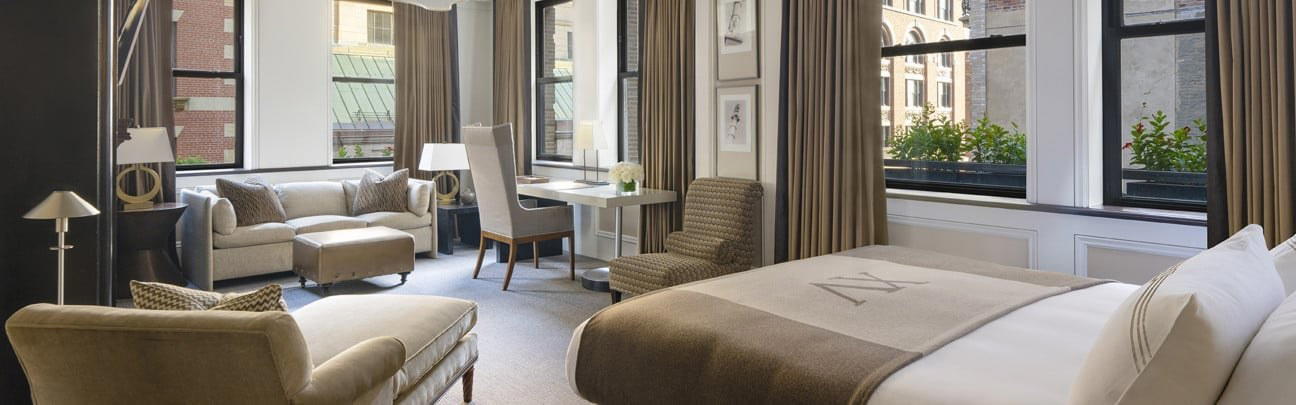
Clean, comfortable rooms with air conditioning, modern lighting, and a refined, welcoming atmosphere praised by guests.
Tags
Vibe
Best For
Experience
Amenities
Accessibility
About the Stay
- Rooms
- 233
- Check-in
- 15:00
- Check-out
- 11:00
- Property Type
- Heritage hotel
- Property Style
- Modern Urban Hotel Blending Japanese Hospitality with Contemporary Luxury
- Design Style
- Clean, Minimalist with Functional Elegance
- Families
- Welcome
- Cancellation
- Moderate
Know before you go
Know Before You Go
- Getting there
- 2-chōme-1-1 Kōrinbō, Kanazawa, Ishikawa 920-0961
Planning details
Location
2-chōme-1-1 Kōrinbō, Kanazawa, Ishikawa 920-0961 · Directions
Recognition and awards
Also consider
Where to look if this is not the fit
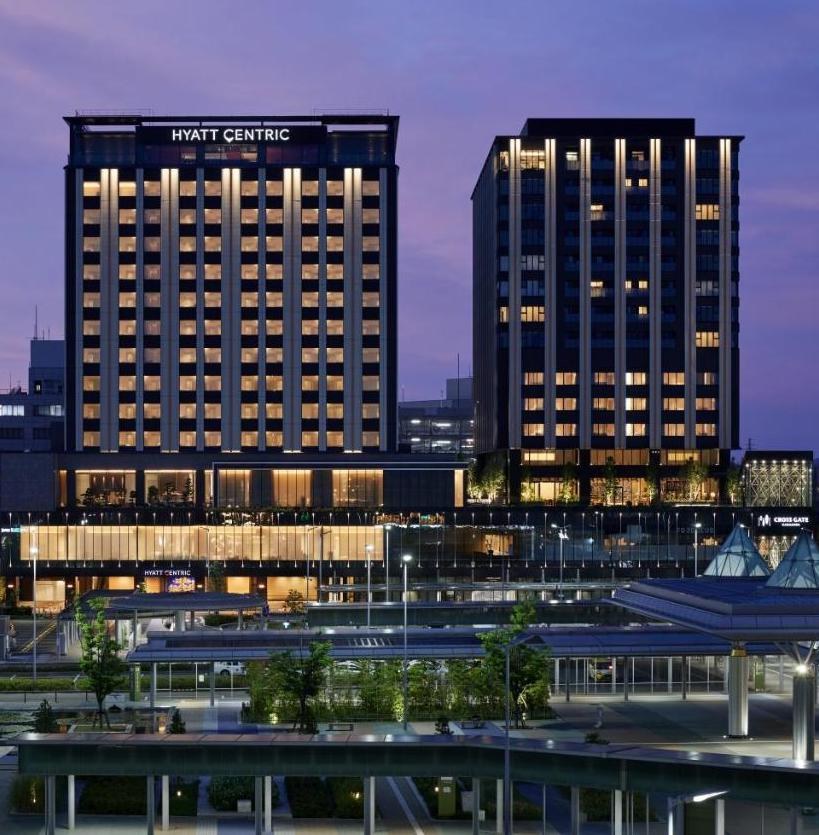
If Kanazawa Tokyu Hotel is priced too close to its peers, cross-shop Hyatt Centric Kanazawa first for a more polished international-hotel feel. For more design personality, compare KUMU Kanazawa by THE SHARE HOTELS before locking in a central business-style stay.
Hotel context
How it compares in Kanazawa
Kanazawa Tokyu Hotel is the practical central choice: easier to book, more program-friendly, and better suited to travelers who want Kōrinbō as the base. Hyatt Centric Kanazawa is the stronger cross-shop for a more international hotel feel, while Tokyu makes more sense when the rate gap is meaningful and loyalty benefits matter.
Korinkyo and KUMU Kanazawa by THE SHARE HOTELS are better fits for travelers who want more design personality and are willing to trade some conventional hotel predictability. Tokyu is the safer recommendation for a first Kanazawa trip where location, easy logistics, and value discipline are the deciding factors.
Yamanoo and Moritosha belong on the list for travelers prioritizing atmosphere over convenience. If the stay is meant to feel slower and more destination-led, cross-shop them. If the trip is museum, garden, dinner, sleep, repeat, Tokyu is the cleaner call.
Explore Kanazawa
Around this place
Discover more on Pearl
Unlock the full Kanazawa Tokyu Hotel guide in Pearl, including awards, comparisons, FAQs, planning details, and nearby places.
Compare Kanazawa Tokyu Hotel
| Venue | Location | Awards |
|---|---|---|
| Kanazawa Tokyu Hotel | Kanazawa | Preferred Hotels Member 2025 |
| Korinkyo | Ishikawa | No published awards |
| KUMU Kanazawa by THE SHARE HOTELS | Ishikawa | No published awards |
| Yamanoo | Kanazawa Shi | No published awards |
| Hyatt Centric Kanazawa | Kanazawa | No published awards |
| Moritosha | Nanto | No published awards |
How Kanazawa Tokyu Hotel compares with similar nearby venues.
FAQ
Frequently Asked Questions
How is the pool and spa at Kanazawa Tokyu Hotel?
Pool and spa details are not provided in this guide. If wellness facilities matter to your stay, check Kanazawa Tokyu Hotel's official information before booking.
When is the best time to book Kanazawa Tokyu Hotel?
Booking season, availability patterns, and price guidance are not covered here. Compare current rates and cancellation terms for your travel dates before deciding.
How is the dining at Kanazawa Tokyu Hotel?
Cuisine type, chef, signature restaurant, and dining format are not covered in this guide. If dining is important, confirm the latest details directly with the hotel and compare with other Kanazawa options.
Do loyalty programs work at Kanazawa Tokyu Hotel?
Kanazawa Tokyu Hotel is a Preferred Hotels Member for 2025. Check the booking channel and current terms to understand what benefits, if any, apply to your reservation.
How is the location of Kanazawa Tokyu Hotel?
Kanazawa Tokyu Hotel is in Kanazawa. No street address or district detail is provided in this guide, so confirm the exact location directly before booking. For comparison, you can also review Hyatt Centric Kanazawa, Korinkyo, KUMU Kanazawa by THE SHARE HOTELS, Moritosha, or Yamanoo.