
Beniya Kofuyuden
Awara Onsen, Awara
Hotel in Awara, Japan
 Book with Pearl
The Read
Post-Fire Ryokan Reconstruction
Why go
Beniya Kofuyuden is the Awara ryokan to prioritize if service and quiet onsen pacing matter more than big-hotel convenience. The 2024 Michelin 1 Key is the useful trust signal here, especially for first-timers deciding between nearby ryokan options and a more practical city hotel base.
About Beniya Kofuyuden
One signal matters here: Beniya Kofuyuden in Awara received a Michelin 1 Key in 2024. Beyond that, the confirmed public details are limited, so the safest read is narrow rather than expansive: treat the Key as the main marker, and avoid assuming specific facilities, dining formats, services, or room features that are not confirmed here.
The recommendation is therefore simple: consider Beniya Kofuyuden if a Michelin-recognized stay in Awara is the priority. For comparison planning, Kanazawa Tokyu Hotel is a useful broader hotel reference, while Auberge Homachi Mikuni Minato, Beniya Mukayu, Araya Totoan, and Hanamurasaki are other names worth weighing depending on the wider itinerary.
Why the recognition matters more than the spec sheet
The strongest point is the 2024 Michelin 1 Key. Because the available confirmed detail is thin, this guide should not overstate the property's facilities, meal style, room setup, or guest services. The Key is the grounded reason to keep Beniya Kofuyuden on a shortlist for Awara.
That does not make it the automatic pick for every trip. Travelers comparing styles of stay should look at the confirmed accolade, the Awara location, and their own itinerary needs. Kanazawa Tokyu Hotel, Auberge Homachi Mikuni Minato, Beniya Mukayu, Araya Totoan, and Hanamurasaki are natural comparison names, but the right choice depends on what kind of stay the trip requires.
Who should choose this over another stay
Choose it if the main appeal is a Michelin 1 Key property in Awara and the limited information is enough for your planning. If you need confirmed details on specific facilities, dining, family policies, transport convenience, or loyalty benefits, verify those directly before booking.
The practical read: Beniya Kofuyuden is best treated as a Michelin-recognized Awara option with a smart casual dress code. Beyond that, keep expectations grounded in what is confirmed rather than relying on assumptions.
Planning details
- Location
- 4-chōme-510 Onsen, Awara, Fukui 910-4104
- Website
- awara.co.jp
- Phone
- +81 776-77-2333
The take
The Take
The Vibe
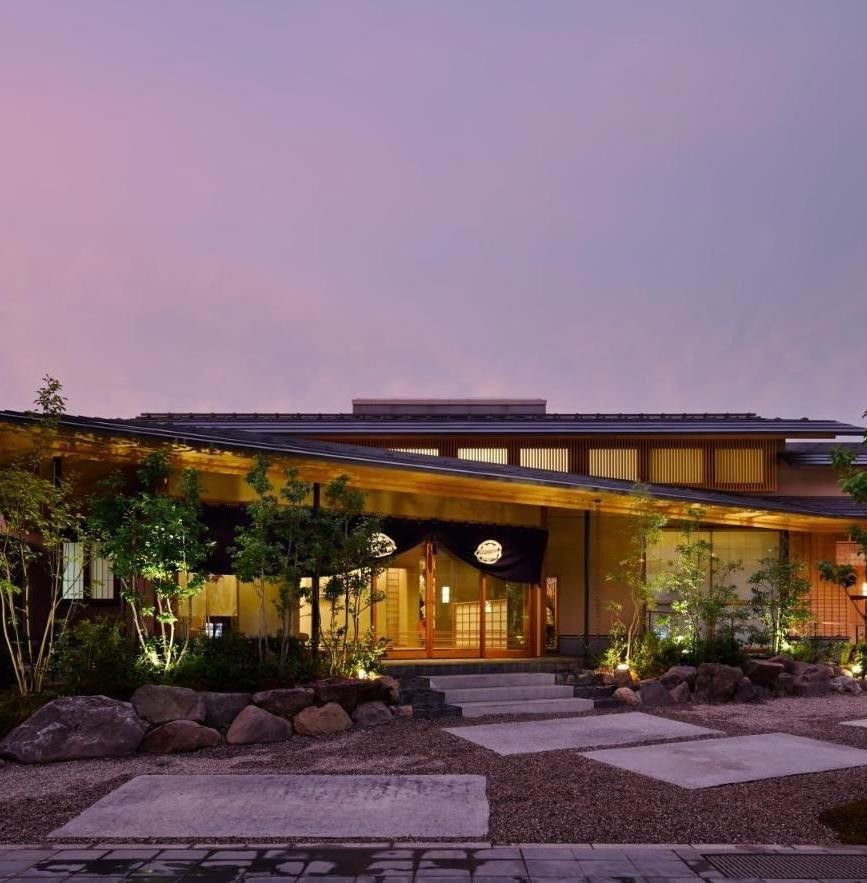
Beniya Kofuyuden presents a restrained, architect-forward ryokan that deliberately balances tradition and contemporary practice. Rebuilt after a 2018 fire on a site that hosted the original inn since 1884, the 17-room property is designed by Tetsuo Kobori to avoid both nostalgic reproduction and aggressive modernism. The result reads as modern and minimalist in execution while honoring pre-industrial Japanese building logic—siting and orientation that prioritize prevailing breezes and passive performance. The overall effect is serene and contemplative: an intimate, quietly refined stay where material choices and measured proportions are intended to support calm and close attention rather than theatrical display.
Best For
Set in the quieter Awara onsen district, Beniya Kofuyuden suits travelers seeking a quietly restorative, intimate retreat. The small, 17-room scale and architect-designed sensitivity make it a natural fit for honeymooners, romantic getaways and anniversaries that favor privacy and a considered atmosphere. Its orientation and passive design gestures also align with wellness-focused stays: guests who come for thermal baths and low-key relaxation find an environment shaped by continuity and careful modern interventions rather than crowded tourist energy. This is not a bustling resort; it’s a place for slow, attentive stays and contemplative time in a thermal town off the main ryokan circuits.
Stay Tips
Keep in mind the property’s small scale and distinct architectural focus when planning a visit. With just 17 rooms and a rebuild that emphasizes continuity and intentional siting, availability can be limited—book well in advance if your travel dates are fixed. Review the wider Awara onsen guide to understand the district’s layout and how this ryokan sits relative to other thermal offerings; the property’s appeal rests as much on its design philosophy and quiet setting as on traditional onsen facilities. Expect a composed, low-key stay rather than the busy atmosphere of better-trafficked ryokan belts.
Venue details
Ambiance
Tranquil and elegant atmosphere with natural light, gentle breezes, and serene garden views, enhanced by warm attentive service.
Tags
Vibe
Best For
Experience
Amenities
View
Accessibility
About the Stay
- Rooms
- 17
- Check-in
- 15:00
- Check-out
- 10:00
- Property Style
- Modern Reconstruction of a Historic Ryokan Preserving Traditional Japanese Elegance.
- Design Style
- Japanese Minimalist with Contemporary Touches by Architect Tetsuo Kobori.
Know before you go
Know Before You Go
- Getting there
- 4-chōme-510 Onsen, Awara, Fukui 910-4104
Planning details
Location
Recognition and awards
Also consider
Also Consider
- Auberge Homachi Mikuni Minato, Notable alternative
- Hanamurasaki, Notable alternative
- Araya Totoan, Notable alternative
- Beniya Mukayu, Notable alternative
- Kanazawa Tokyu Hotel, Notable alternative
Hotel context
How it compares in Awara and nearby
Beniya Kofuyuden is the service-led pick for travelers who want a quieter onsen stay with a Michelin 1 Key signal behind it. Beniya Mukayu is the closest cross-shop if the priority is a similarly contemplative ryokan mood, while Hanamurasaki and Araya Totoan make sense for travelers comparing traditional hot-spring stays across the wider region.
For value, the right answer depends on trip purpose. If the stay itself is the point, Beniya Kofuyuden is easier to justify than a standard city hotel because the service and onsen rhythm are the product. If the hotel is mainly a base for transport, dining, or sightseeing, Kanazawa Tokyu Hotel is the more practical choice, with a city-hotel format that suits shorter, busier itineraries.
Auberge Homachi Mikuni Minato is the better alternative for travelers leaning coastal and food-oriented rather than classic onsen. For booking difficulty, treat Beniya Kofuyuden and the ryokan peers as higher-effort choices than a larger city hotel; plan early, especially for weekends and peak domestic travel periods.
Explore Awara
Around this place
Discover more on Pearl
Unlock the full Beniya Kofuyuden guide in Pearl, including awards, comparisons, FAQs, planning details, and nearby places.
Compare Beniya Kofuyuden
| Venue | Location | Awards |
|---|---|---|
| Beniya Kofuyuden | Awara | 2025 Michelin 1 KeyMichelin 1 Key 20252024 Michelin 1 Key |
| Auberge Homachi Mikuni Minato | Sakai | No published awards |
| Hanamurasaki | Kaga | No published awards |
| Araya Totoan | Kaga | 2025 Michelin 1 Key2024 Michelin 1 Key |
| Beniya Mukayu | Kaga | 2026 Relais Chateaux HotelsTatler Best Hotels Asia-Pacific 20252025 Michelin 1 Key2025 Relais Chateaux Award2024 Michelin 1 Key |
| Kanazawa Tokyu Hotel | Kanazawa | Preferred Hotels Member 2025 |



How Beniya Kofuyuden Awara compares with similar nearby venues.
FAQ
Frequently Asked Questions
How is the pool and spa at Beniya Kofuyuden?
The confirmed points are that Beniya Kofuyuden is in Awara and received a Michelin 1 Key in 2024.
Do loyalty programs work at Beniya Kofuyuden?
What is check-in like at Beniya Kofuyuden?
Is Beniya Kofuyuden family-friendly?
How is the dining at Beniya Kofuyuden?
For planning, compare Beniya Kofuyuden with Araya Totoan, Beniya Mukayu, and Kanazawa Tokyu Hotel according to the confirmed details that matter for your trip.