


Umaid Bhawan Palace
Chittar Hill, Jodhpur
Hotel in Jodhpur, India
 Book with Pearl
The Read
Price
$500–750per night
Why go
A strong Jodhpur choice when the hotel needs to do more than house the trip. Umaid Bhawan Palace works well for business travel, family stays, and return visitors who want a quieter palace base rather than constant old-city access. Recent luxury recognition adds confidence, but the real reason to book is the controlled, formal atmosphere.
About Umaid Bhawan Palace
Umaid Bhawan Palace is a hotel in Jodhpur with a smart-casual dress code and a recognition profile that includes World Travel Awards 2025, Leading Palace Hotel, Virtuoso Luxury Hotel Partner (2026), and MICHELIN Guide, Hotels Selected (2025). Beyond those points, use current official hotel information for stay details, room choices, dining, and services before booking.
For planning, the safest way to frame the decision is simple: choose Umaid Bhawan Palace when the palace-hotel identity in Jodhpur is central to the trip. If you are comparing styles of stay, RAAS Jodhpur is another named option to consider, while Brij Lakshman Sagar, RAAS Devigarh, Suján Jawai, and Mharo Khet may suit different itineraries depending on the route.
Choose it for the palace-hotel identity
Umaid Bhawan Palace is a recognized hotel in Jodhpur. The palace-hotel identity and awards are grounded reasons to include it on a shortlist.
Travelers comparing hotels should check the latest room, service, and dining details directly before committing. For a Jodhpur-focused stay, compare Umaid Bhawan Palace with RAAS Jodhpur and other dining in Jodhpur generically rather than relying on assumptions about access, atmosphere, or programming.
The business-travel case depends on current trip needs
Umaid Bhawan Palace may be considered for a business, leisure, or mixed itinerary in Jodhpur, but specific claims about meeting facilities, work setup, transfers, or hosting arrangements should be confirmed with the hotel.
Book once you have confirmed that the property's current rooms, services, and policies match your dates and trip purpose. For broader planning, compare it with RAAS Jodhpur for another Jodhpur hotel option, and cross-check meals through our full Jodhpur restaurants guide.
Know Before You Go
- Book for: a recognized hotel in Jodhpur.
- Dress code: Smart casual.
- Recognition: World Travel Awards 2025, Leading Palace Hotel; Virtuoso Luxury Hotel Partner (2026); MICHELIN Guide, Hotels Selected (2025).
- Confirm directly: room categories, dining, services, policies, and any trip-specific requirements.
- Compare with: RAAS Jodhpur for another Jodhpur stay, or Brij Lakshman Sagar, RAAS Devigarh, Suján Jawai, and Mharo Khet for other travel plans.
Part of
Taj Hotels52 locations on PearlInside Umaid Bhawan Palace
Planning details
- Location
- Near Circuit House
- Website
- tajhotels.com/en-in/hotels/umaid-bhawan-palace-jodhpur
- Phone
- (91-291) 251 0101
The take
The Take
The Vibe
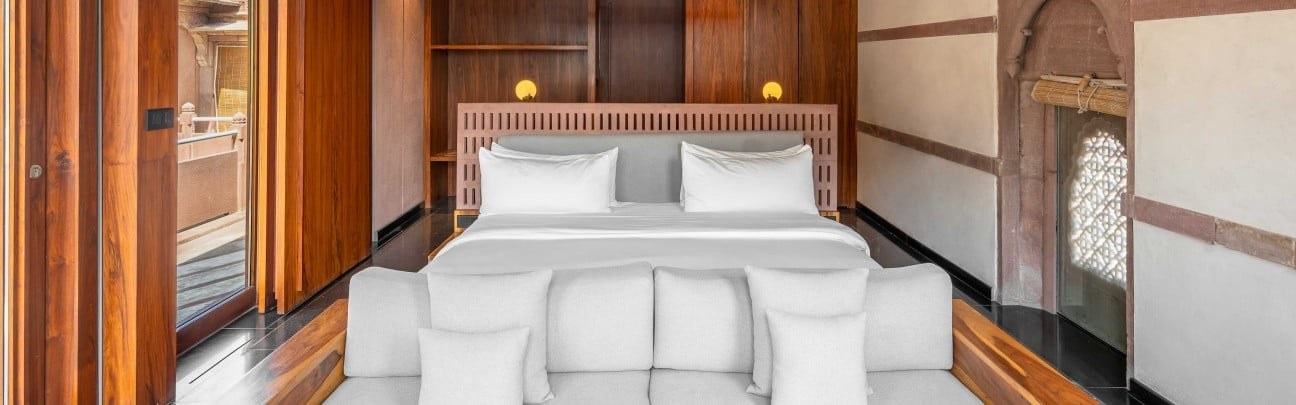
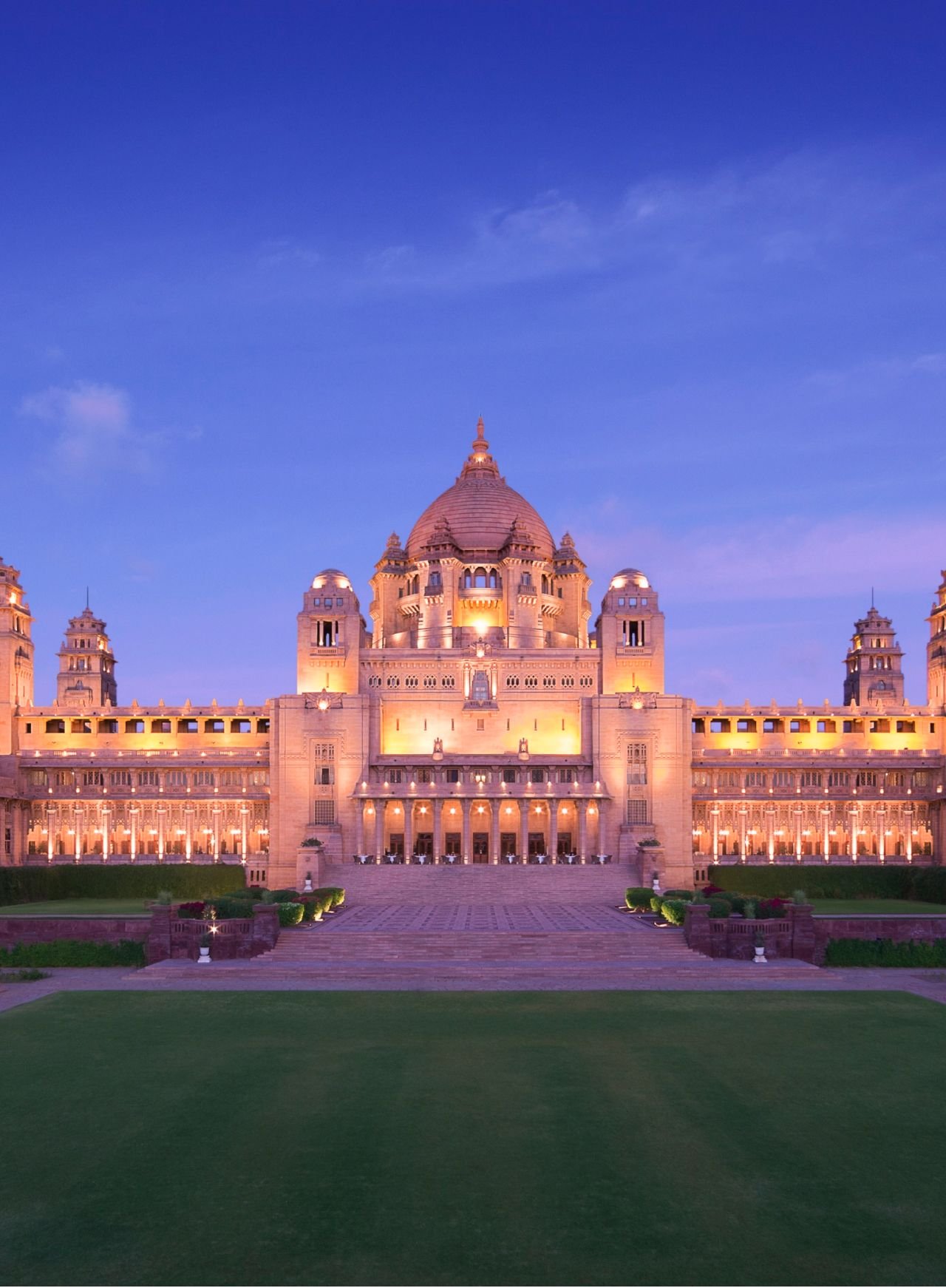
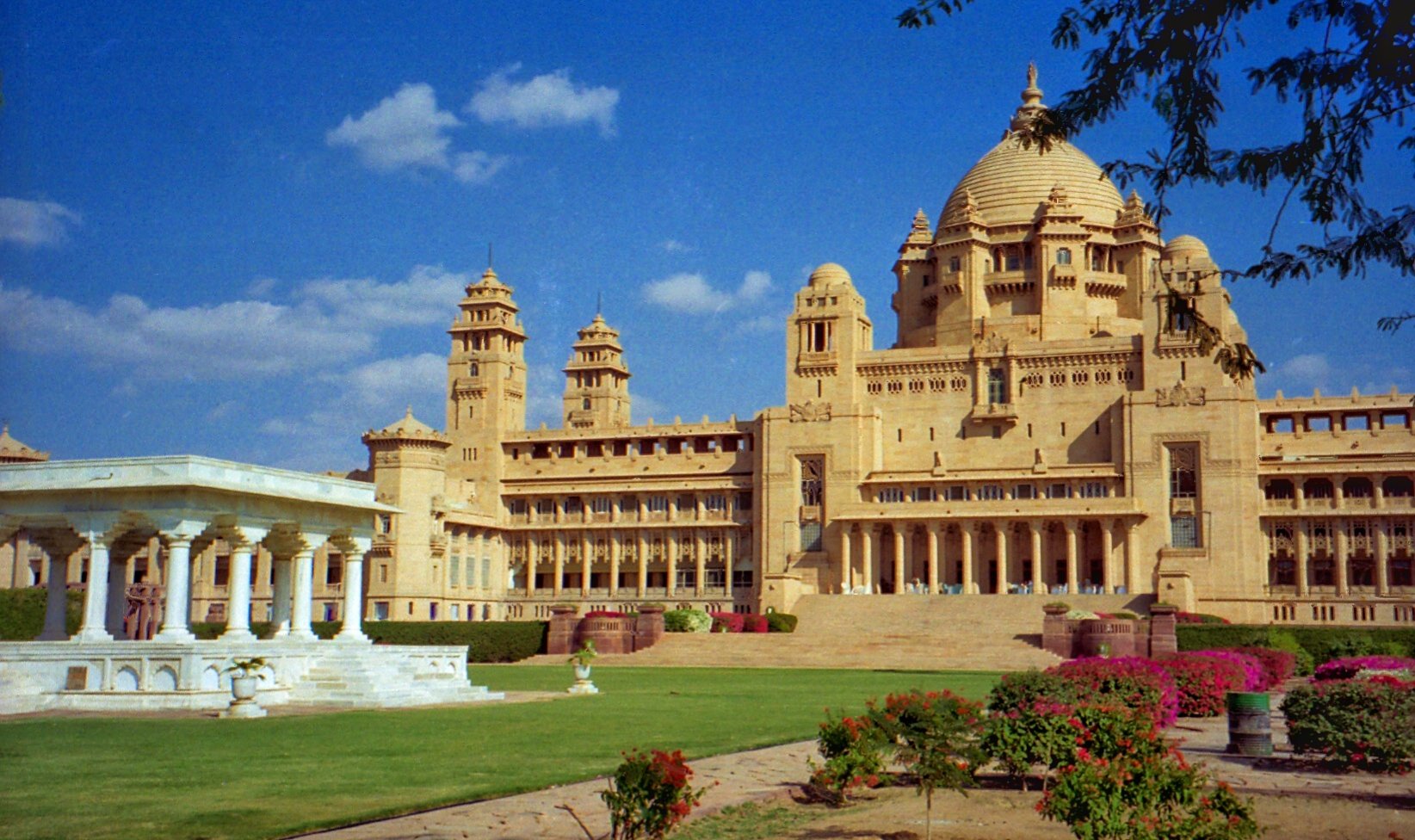
Umaid Bhawan Palace reads as a deliberate architectural statement: a twentieth‑century ceremonial palace that blends classical Indian forms with emphatic Art Deco detailing. The hotel occupies a functioning royal residence, so the interiors carry a sense of institutional gravity rather than museum‑quiet display. Corridors, reception rooms and public spaces register the palace’s scale and purpose, and the building’s position atop Chittar Hill gives the whole place a cinematic presence over Jodhpur. Expect a formal, historic atmosphere where design and ceremony shape the guest experience more than trend-driven comforts.
Best For
This is a place for travelers who prize architecture, provenance and formal occasion. With seventy rooms and suites in the hotel wing and a portion of the structure still serving as the royal residence, Umaid Bhawan suits honeymoons, romantic getaways, anniversaries and destination weddings—or any visit framed as a special occasion. It also appeals to visitors who want an immersive encounter with palatial scale and Art Deco‑inflected Indian princely style. Guests seeking quiet boutique intimacy may prefer a smaller haveli; those drawn to ceremonial pomp find this property unmistakably fitting.
Venue details
Ambiance
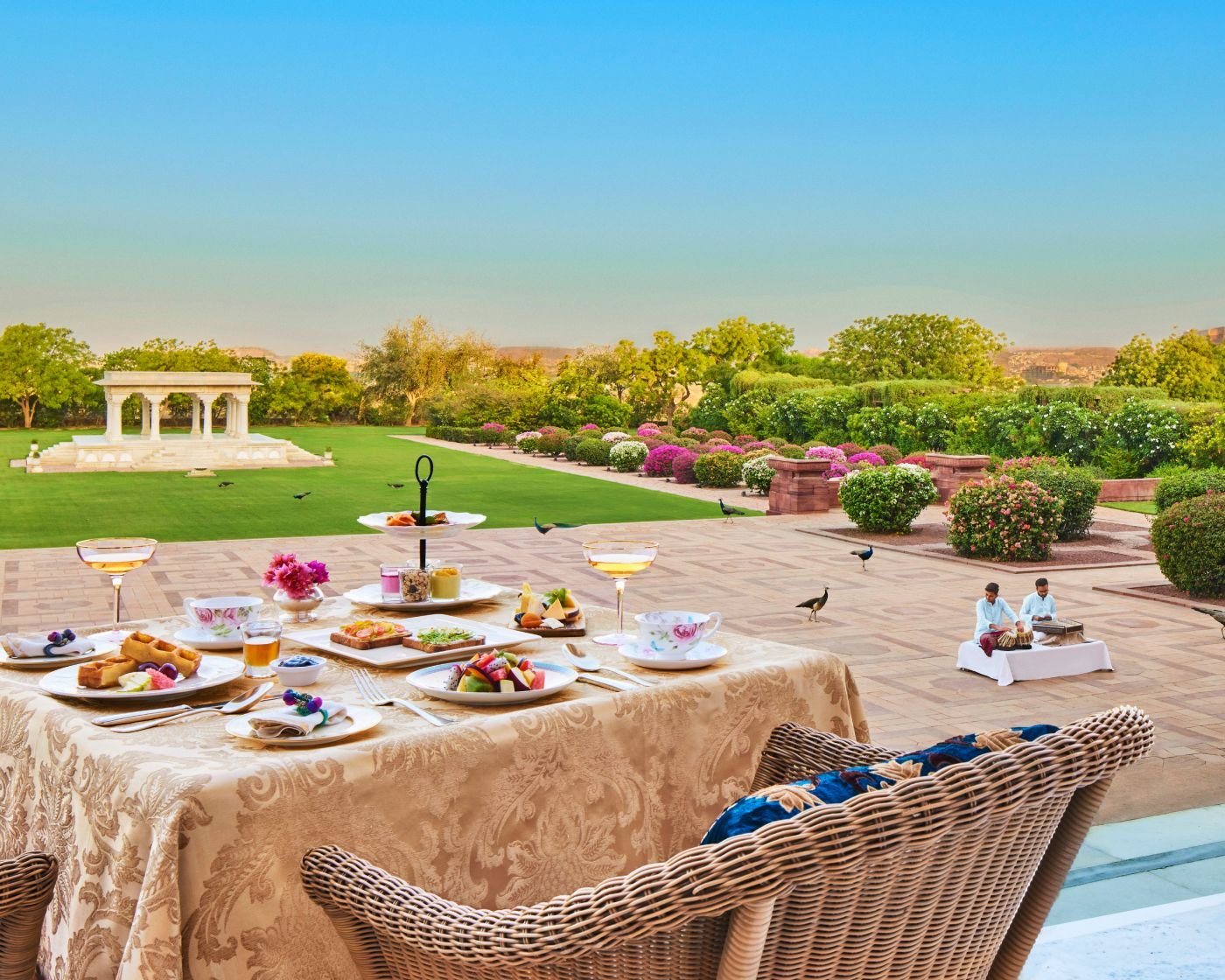
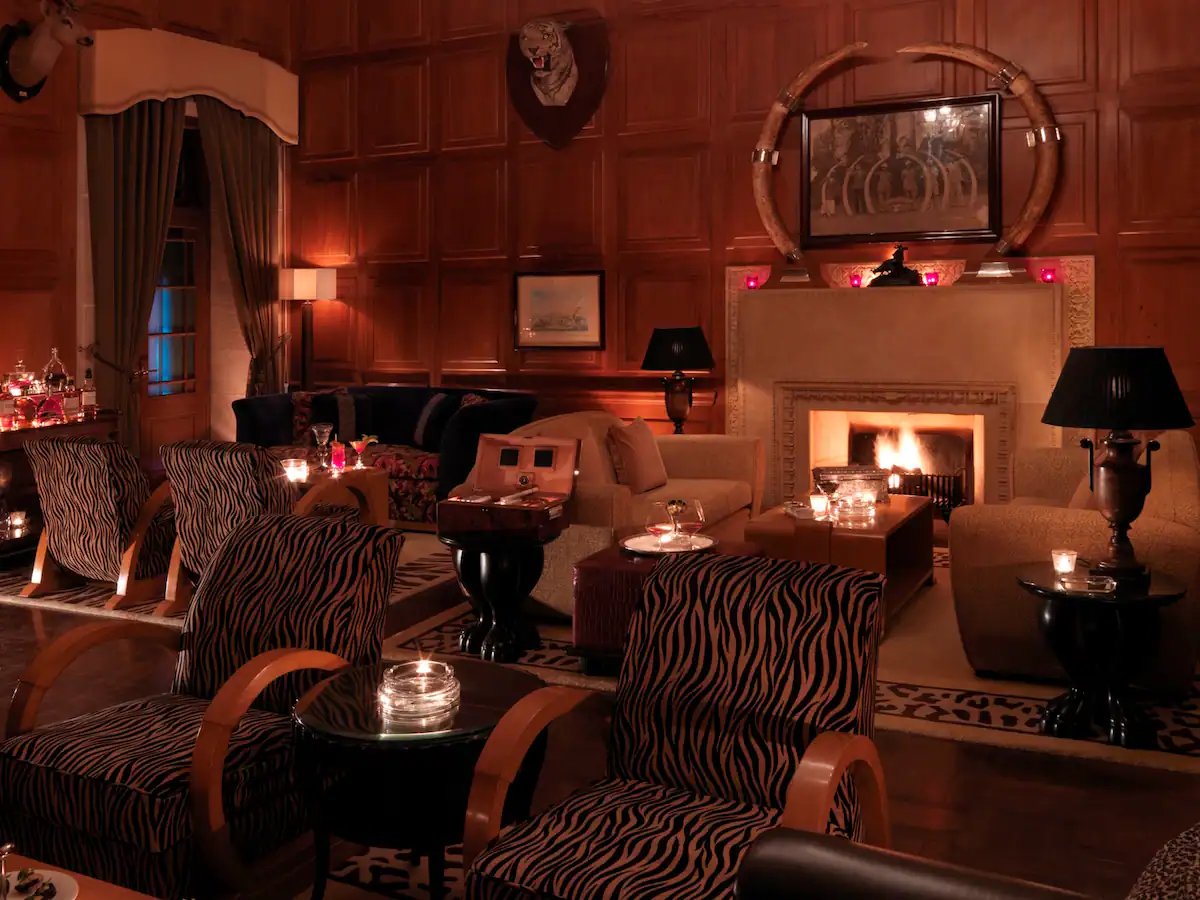
Opulent palace atmosphere with elegant lighting, lush gardens, and mesmerizing fort views creating a sophisticated and regal experience.
Tags
Vibe
Best For
Experience
Amenities
View
Accessibility
About the Stay
- Rooms
- 71
- Check-in
- 14:00
- Check-out
- 12:00
- Property Type
- Palace hotel
- Property Style
- Heritage Art Deco Palace Hotel
- Design Style
- Art Deco with Rajasthani Opulence
- Airport Transfer
- Available
- Pool
- Yes
- Spa
- Yes
- Pets
- Allowed
- Families
- Welcome
- Cancellation
- Moderate
Know before you go
Know Before You Go
- Getting there
- Near Circuit House
Planning details
Location
Near Circuit House · Directions
Recognition and awards


Also consider
Also Consider
- RAAS Jodhpur, Notable alternative
- Mharo Khet, Notable alternative
- Brij Lakshman Sagar, Notable alternative
- Suján Jawai, Notable alternative
- RAAS Devigarh, Notable alternative
Hotel context
How It Compares
Umaid Bhawan Palace is the splurge-oriented Jodhpur choice for travelers who want palace scale, quiet, and a more controlled hotel environment. RAAS Jodhpur is the sharper pick for old-city access and a more active urban stay; choose RAAS if the itinerary is built around moving in and out of the historic center several times a day.
Mharo Khet is the better cross-shop for guests who care more about a grounded food or farm-led experience than formal palace atmosphere. Brij Lakshman Sagar, Suján Jawai, and RAAS Devigarh are stronger if the goal is to leave Jodhpur behind and make the property the whole trip, rather than use the city as the main anchor.
For booking ease, Umaid Bhawan Palace is less stressful than venues that depend on tightly limited formats, but the value case depends on how much time will be spent on property. If the stay is mostly sightseeing, RAAS Jodhpur is easier to justify. If the trip includes hosting, downtime, or a business-leisure mix, the palace setting earns its place.
Explore Jodhpur
Around this place
Discover more on Pearl
Unlock the full Umaid Bhawan Palace guide in Pearl, including awards, comparisons, FAQs, planning details, and nearby places.
Compare Umaid Bhawan Palace
| Venue | Location | Awards |
|---|---|---|
| Umaid Bhawan Palace | Jodhpur | 2026 Virtuoso Luxury Hotel CollectionWorld Travel Awards 20252025 Michelin Selected Hotels |
| RAAS Jodhpur | Jodhpur | No published awards |
| Mharo Khet | Jodhpur | No published awards |
| Brij Lakshman Sagar | Pali | Tablet Hotels Design Awards 2026: Best New Hotel Designs (Asia)2025 Michelin Selected HotelsSmall Luxury Hotels Member 2025 |
| Suján Jawai | Pali | 2026 Relais Chateaux Hotels2026 La Liste Top Hotels2026 Michelin 2 Keys2025 World’s 50 Best Hotels · #912025 Michelin 2 Keys2025 Relais Chateaux Award2025 Conde Nast Hotels Gold List2024 World's 50 Best Hotels · #43 |
| RAAS Devigarh | Udaipur | 2026 Michelin 1 Key2025 Michelin 1 Key |









How Umaid Bhawan Palace Jodhpur compares with similar nearby venues.
FAQ
Frequently Asked Questions
Is Umaid Bhawan Palace family-friendly?
Do loyalty programs work at Umaid Bhawan Palace?
Umaid Bhawan Palace is a Virtuoso Luxury Hotel Partner (2026). Any specific loyalty benefits, booking-channel advantages, or on-property inclusions should be confirmed before booking.
Which room category is best at Umaid Bhawan Palace?
Choose based on the hotel's current room descriptions, your budget, and the needs of your Jodhpur stay.
Is Umaid Bhawan Palace good for business travel?
When is the best time to book Umaid Bhawan Palace?
Once your Jodhpur dates are firm, check current availability and terms through the hotel or your preferred booking channel.