


Brij Lakshman Sagar
Raipur, Pali
Hotel in Pali, India
 Book with Pearl
The Read
Hyper-Local Heritage Restoration
Why go
A quiet Pali countryside hotel for travelers who value design recognition, privacy, and decompression over city convenience. It works better for retreats, focused work time, or a Rajasthan itinerary with breathing room than for a tightly scheduled business trip needing fast urban access.
About Brij Lakshman Sagar
Brij Lakshman Sagar in Pali is a recognized hotel with MICHELIN Guide Hotels Selected status for 2025, Small Luxury Hotels of the World membership in 2025, and Tablet Hotels Best New Hotel Designs (Asia) recognition for 2026. The dress code is smart casual.
For planning, confirm trip-specific needs directly before booking, especially services, rooms, dining arrangements, transfers, and schedule. Treat this as a hotel choice anchored by its recognition profile rather than by assumptions about amenities or logistics.
Book for a recognized Pali hotel stay
The strongest case for Brij Lakshman Sagar is its hotel-recognition profile. MICHELIN Guide selection, SLH membership, and Tablet Hotels design recognition give travelers clearer reasons to shortlist it when comparing premium stays.
If you are comparing alternatives, keep the decision practical. Umaid Bhawan Palace, RAAS Jodhpur, RAAS Devigarh, Suján Jawai, and Mharo Khet may enter the same broader trip-planning conversation, but they should be compared according to your actual route, required city access, and preferred stay style rather than assumed equivalence.
How to time the stay
Dining should be planned in advance. If food is central to the trip, ask the property for current dining details before booking.
For wider planning, use our full Pali hotels guide, our full Pali restaurants guide, our full Pali bars guide, our full Pali wineries guide, and our full Pali experiences guide. Comparable hotel planning can also include Brij Lakshman Sagar, Mharo Khet, RAAS Devigarh, RAAS Jodhpur, Suján Jawai, and Umaid Bhawan Palace.
Planning details
- Location
- Raipur Road, Near Haripur Railway Station, District Pali, Raipur, Kheenwal, Rajasthan 306304
- Website
- brijhotels.com/lakshman-sagar-raipur-rajasthan
- Phone
- +91 80 6905 7704
The take
The Take
The Vibe
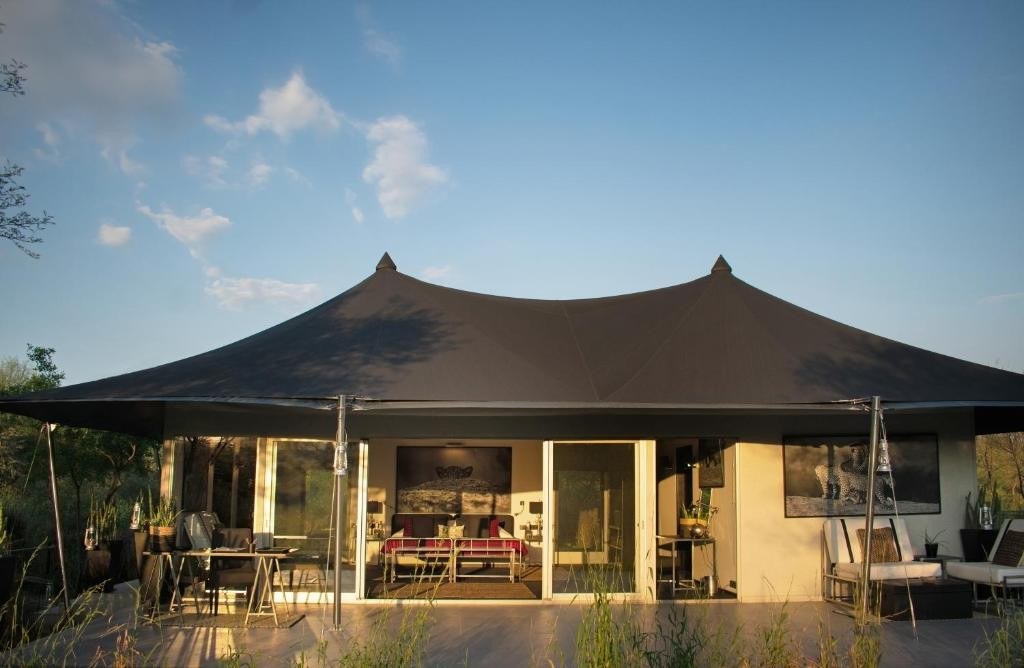
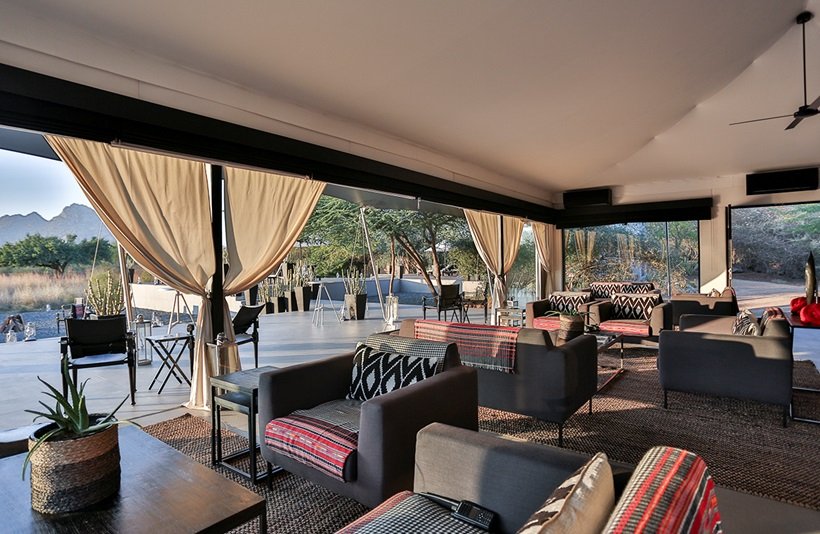
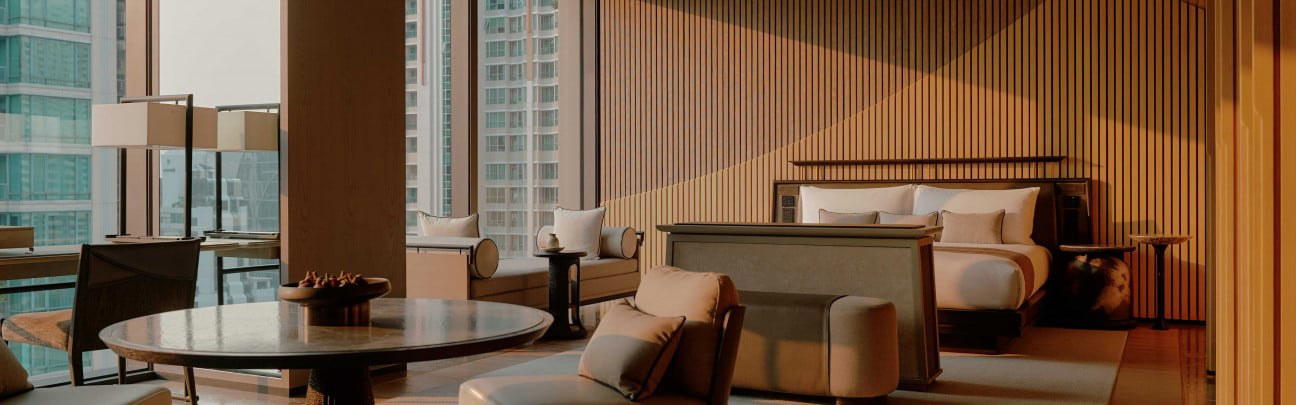
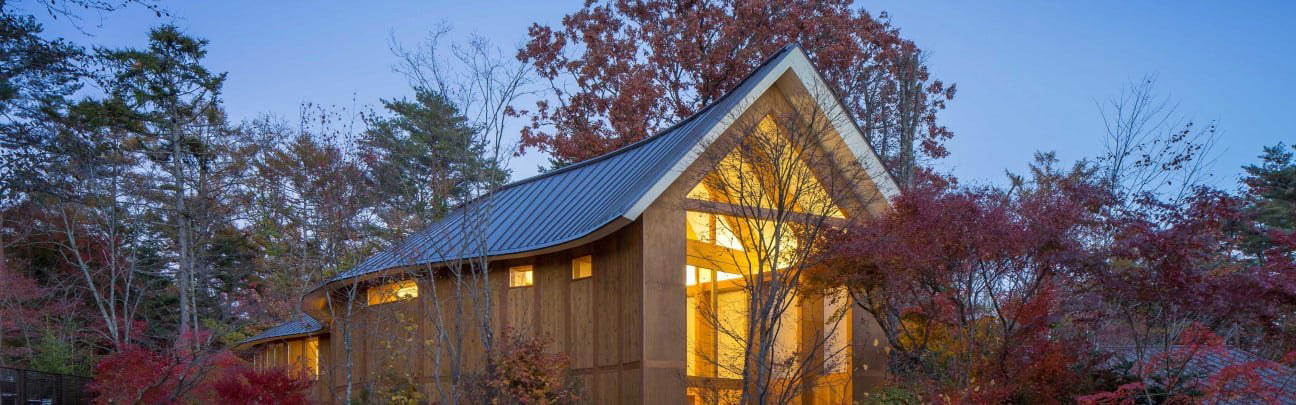
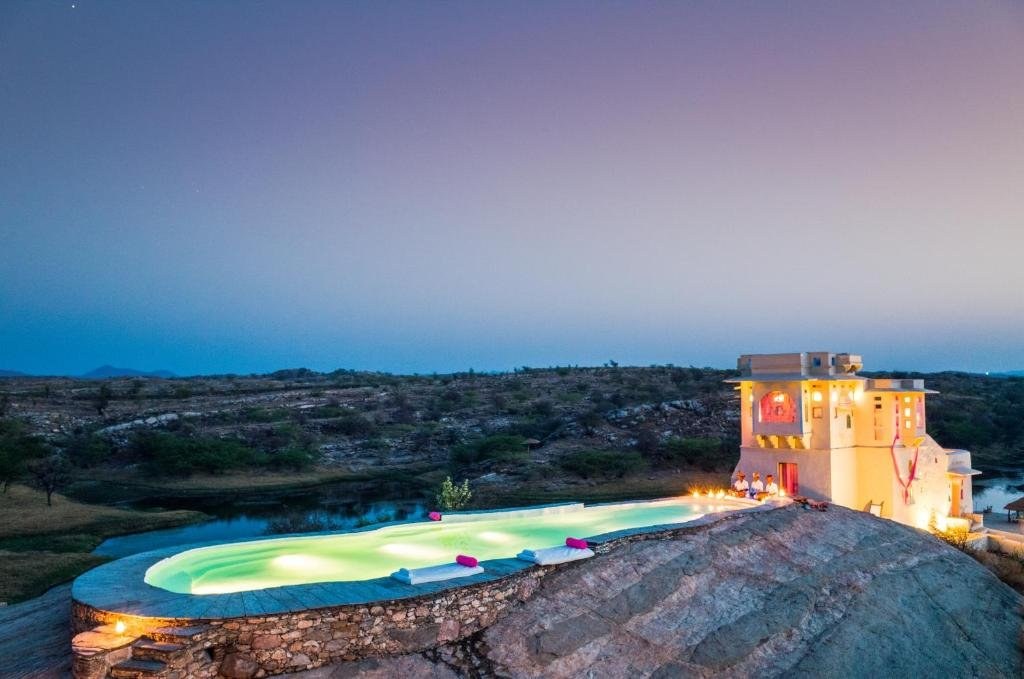
Brij Lakshman Sagar reads as an architectural experience first and a hotel second. The property is a revived 19th-century hunting lodge where restoration is visible in beams, stonework and courtyard proportions. Scale is intimate rather than palatial: rooms are composed to frame the uplands and integrate with the surrounding landscape rather than to impress on approach. The commitment to regional materials and craft gives the place a tactile, human quality — subtle, measured and quietly refined. Travelers who prize authenticity, material richness and careful conservation find a restrained, contemplative atmosphere here rather than overt luxury spectacle.
Best For
This is a stay for travelers who care about history, design and quiet time in nature. The hunting-lodge typology and small scale make it well suited to couples seeking a private, restorative getaway and to anyone drawn to heritage architecture and craft. It also fits anniversaries, honeymoons and weekend escapes where the goal is to slow down and appreciate place-specific details rather than a busy resort itinerary. Because the site prioritises directional views and integration with the uplands, guests who enjoy contemplative outdoor moments and courtyard life will get the most out of the property.
Stay Tips
When booking, prioritise rooms that explicitly mention views or courtyard orientation: the property arranges accommodations to frame the surrounding uplands and courtyards, so a courtyard- or upland-facing room maximizes the core experience. Allow time on arrival to walk the restored spaces and study the local materials and carved details — the architecture and craft are the principal attraction. If you value quiet and privacy, choose a room on the side described as integrated with landscape rather than one oriented toward approaches or service areas.
Venue details
Ambiance
Tranquil and enchanting with riotous colorful local decor complementing the austere Rajasthan badlands, soft evening lighting for starlit dinners, and a peaceful natural atmosphere filled with birdsong and peacocks.
Tags
Vibe
Best For
Experience
Amenities
View
About the Stay
- Rooms
- 12
- Check-in
- 14:00
- Check-out
- 12:00
- Property Style
- Restored 19th Century Hunting Lodge with Authentic Rajasthani Architecture Using Locally Sourced Materials
- Design Style
- Rustic Authentic with Vibrant Local Crafts, Brass Village Inspired Installations, and Colorful Interiors
Know before you go
Know Before You Go
- Getting there
- Raipur Road, Near Haripur Railway Station, District Pali, Raipur, Kheenwal, Rajasthan 306304
Planning details
Location
Raipur Road, Near Haripur Railway Station, District Pali, Raipur, Kheenwal, Rajasthan 306304 · Directions


Also consider
Where to look if this is not the right fit
Choose RAAS Jodhpur if city access and a tighter work schedule matter more than quiet. Choose Suján Jawai if the Pali-region trip is built around a higher-touch nature stay rather than a design-led rural retreat.
Hotel context
How it compares in Rajasthan
Umaid Bhawan Palace is the splurge choice for ceremony and palace scale; Brij Lakshman Sagar is the quieter value play if the goal is privacy rather than grandeur. For business travelers, Umaid Bhawan makes more sense for formal entertaining, while this property is better for retreat-style work and recovery time.
RAAS Jodhpur is easier for city access, short stays, and schedules built around Jodhpur. Mharo Khet reads more experience-led, while Brij Lakshman Sagar is the stronger pick when the hotel itself needs to carry the stay with a calmer rural setting.
Suján Jawai is the closer Pali comparison for travelers wanting a polished nature stay, likely the better choice if the trip is built around Jawai. RAAS Devigarh is the more architectural heritage cross-shop outside the metro; choose it when Udaipur-region access matters more than Pali positioning.
Explore Pali
Around this place
Discover more on Pearl
Unlock the full Brij Lakshman Sagar guide in Pearl, including awards, comparisons, FAQs, planning details, and nearby places.
Compare Brij Lakshman Sagar
| Venue | Location | Awards |
|---|---|---|
| Brij Lakshman Sagar | Pali | Tablet Hotels Design Awards 2026: Best New Hotel Designs (Asia)2025 Michelin Selected HotelsSmall Luxury Hotels Member 2025 |
| Umaid Bhawan Palace | Jodhpur | No published awards |
| RAAS Jodhpur | Jodhpur | No published awards |
| Mharo Khet | Jodhpur | No published awards |
| Suján Jawai | Pali | 2026 Relais Chateaux Hotels2026 La Liste Top Hotels2025 World’s 50 Best Hotels · #912025 Michelin 2 Keys2025 Relais Chateaux Award2025 Conde Nast Hotels Gold List2024 World's 50 Best Hotels · #43 |
| RAAS Devigarh | Udaipur | 2025 Michelin 1 Key |






How Brij Lakshman Sagar Pali: Recognized Hotel Guide compares with similar nearby venues.
FAQ
Frequently Asked Questions
How is the location of Brij Lakshman Sagar?
When is the best time to book Brij Lakshman Sagar?
Choose dates based on your itinerary and confirm any timing-sensitive needs with the property.
What is check-in like at Brij Lakshman Sagar?
Ask the property for current check-in details before arrival. Brij Lakshman Sagar was selected by the MICHELIN Guide Hotels in 2025 and is listed as a Small Luxury Hotels of the World member for 2025.
How does Brij Lakshman Sagar compare to other hotels?
Choose Brij Lakshman Sagar if its hotel-recognition profile matters to your trip: MICHELIN Guide Hotels Selected in 2025, Small Luxury Hotels of the World membership in 2025, and Tablet Hotels Best New Hotel Designs (Asia) recognition in 2026. RAAS Jodhpur, RAAS Devigarh, Suján Jawai, Mharo Khet, and Umaid Bhawan Palace are other names travelers may compare depending on route and stay priorities.