




Suján Jawai
Jawai Bandh, Pali
Hotel in Pali, India
 Book with Pearl
The Read
Granite Wilderness Tracking
Price
$1,000–1,500per night
Why go
Suján Jawai is worth booking for a high-occasion Rajasthan stay where seclusion and setting matter more than city convenience. Its awards profile supports the splurge, but the smart move is to plan early and compare it with Udaipur palace hotels if lake access, easier logistics, or loyalty benefits are higher priorities.
About Suján Jawai
Is Suján Jawai worth booking for a special trip to Rajasthan? The case for it is strongest if you are specifically considering Suján Jawai in Pali and want a hotel with significant independent recognition. Credentials include Michelin 2 Keys (2025), La Liste Top Hotels (2026) with 93 points, World's 50 Best Hotels #43 (2024), a Condé Nast Gold List mention (2025), and a Relais Chateaux Award (2026).
Beyond those credentials, confirm practical details such as room count, dining style, service format, facilities, prices, inclusions, and exact location details directly before booking. Travelers comparing broader Rajasthan luxury hotels can weigh Suján Jawai against Udaipur options such as The Oberoi Udaivilas, The Leela Palace Udaipur, RAAS Devigarh, and Aurika Udaipur - Luxury by Lemon Tree Hotels, while also using Pearl's Pali hotels guide for local context.
Book this for the hotel credentials, then confirm the practical details
Suján Jawai makes the most sense for travelers who already want to stay in Pali and value the property's recognition. Do not assume a particular room type, dining program, wellness offering, or travel style; the best next step is to check the property's current terms, availability, and inclusions before committing.
Direct booking or advisor booking should come down to what can be put in writing: room category, cancellation terms, inclusions, and any special arrangements. Do not choose Suján Jawai primarily for dining unless the current dining experience matches what you want; choose it for its Pali location and hotel accolades, then review the on-property experience directly.
Inside Suján Jawai
Planning details
- Location
- JAWAI DAM DISTRICT, Pali Marwar, RAJASTHAN, Rajasthan 306126
- Website
- thesujanlife.com/jawai
- Phone
- +91 11 4617 2700
The take
The Take
The Vibe
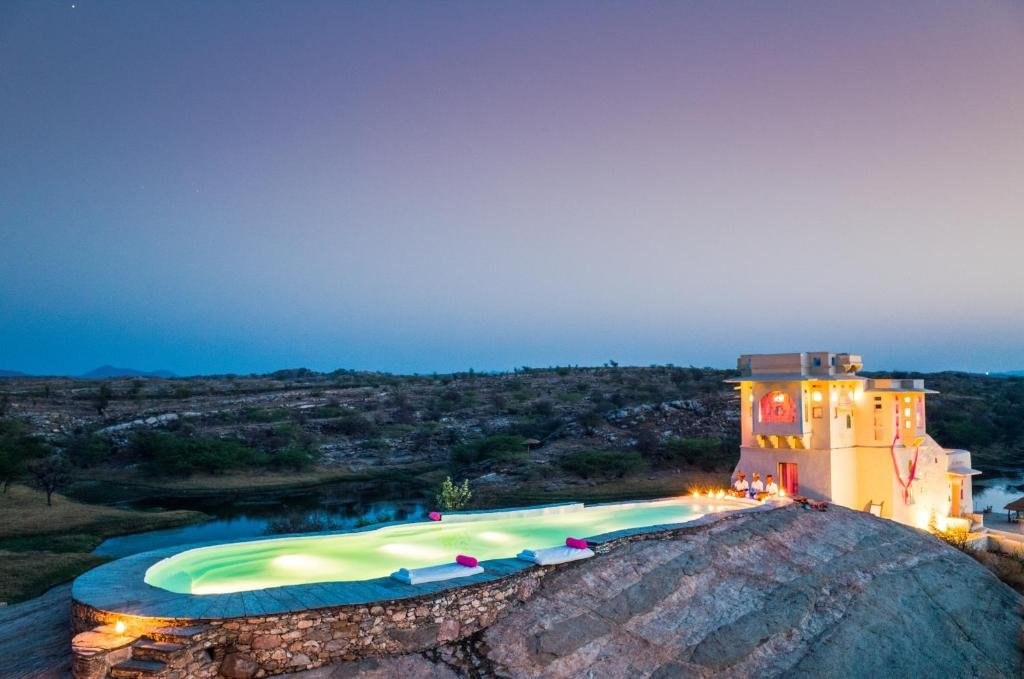
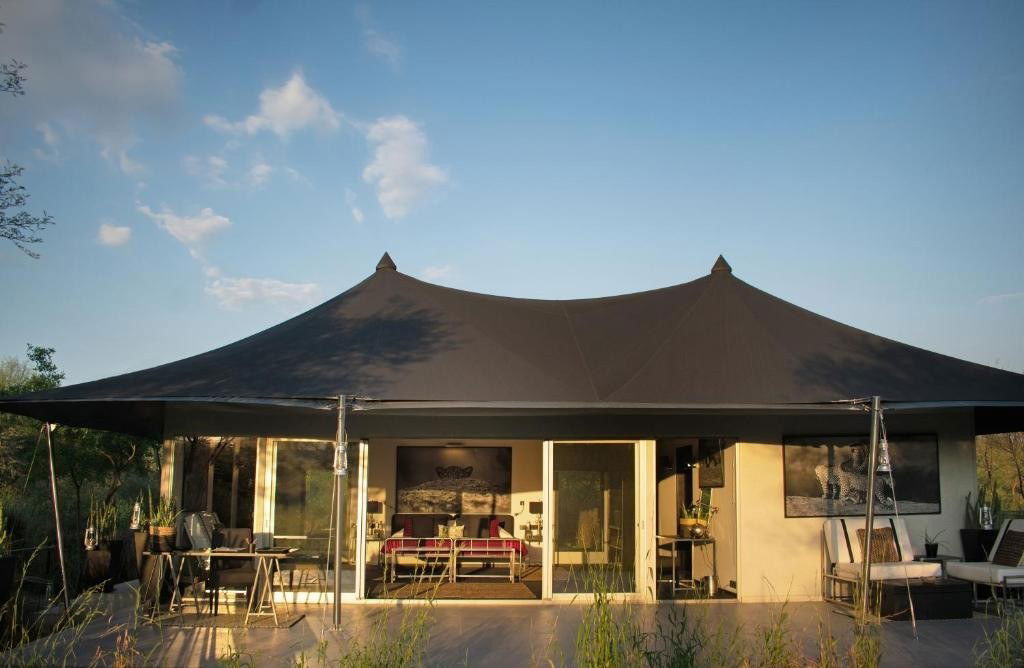
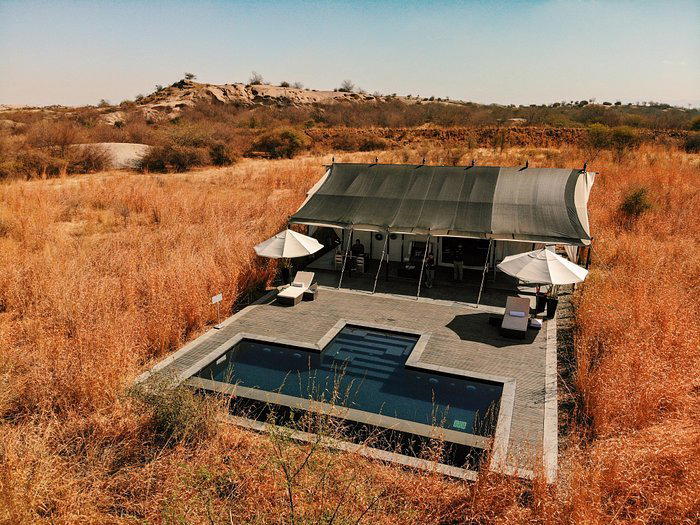
Suján Jawai foregrounds landscape and wildlife above architectural flourishes: it is a luxury tented camp set amid low, rounded granite outcrops and semi-arid scrub. The camp’s identity is inseparable from the open rocky terrain that yields some of India’s most reliable leopard sightings; encounters are described as extended and close because sightlines are wide. The tone is ruggedly refined — canvas accommodations and guided jeep safaris create a rustic, scenic escape that prioritizes natural spectacle and cultural continuity with local Rabari communities rather than palace-style ornamentation.
Best For
This property is best for travelers whose primary aim is wildlife viewing and immersive nature experiences. The camp’s strength is its terrain-driven game-viewing: open-leading jeep drives depart at dawn and dusk and offer some of the subcontinent’s most dependable leopard encounters. It also suits visitors interested in community-focused programming, since the camp formalizes cultural introductions to Rabari herdsmen. Photographers, naturalists and anyone seeking a wilderness-focused luxury stay — rather than an urban or heritage-palace hotel — will find Suján Jawai particularly well matched to their goals.
Stay Tips
Make arrangements around the camp’s signature activities: book the open-leading jeep drives that depart at dawn and dusk, since those game drives are the principal way guests access extended leopard encounters. Coordinate with the camp to include its cultural programming — guided introductions to Rabari herdsmen are part of the proposition and deepen understanding of local coexistence efforts. Prioritize scheduling drives and cultural sessions early in your reservation to maximize wildlife-viewing opportunities; the copy emphasizes the reliability of sightings on Jawai’s open rocky terrain.
Venue details
Ambiance
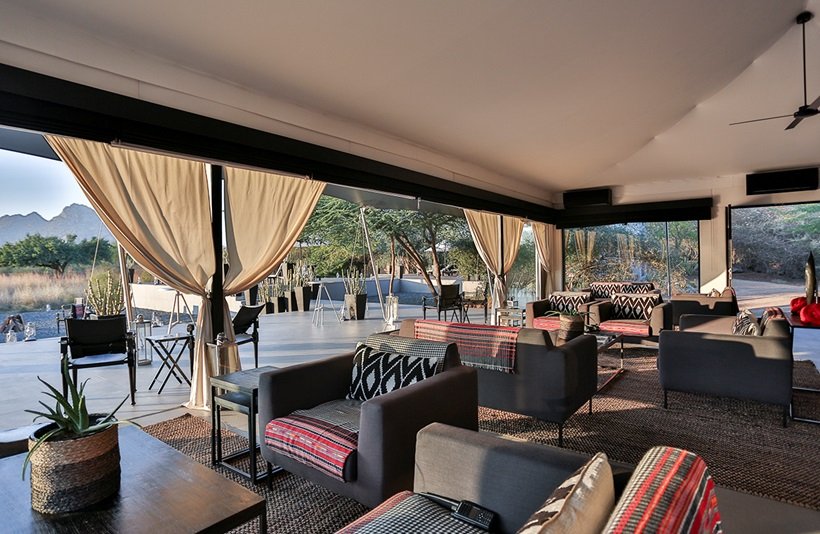
A sophisticated, quietly luxurious safari-camp atmosphere with a modern-industrial aesthetic, muted tones, and a strong sense of privacy amid dramatic wilderness.
Tags
Vibe
Best For
Experience
Amenities
View
Accessibility
About the Stay
- Rooms
- 10
- Check-in
- 14:00
- Check-out
- 12:00
- Property Type
- Eco-lodge
- Property Style
- Luxury Conservation Safari Camp
- Design Style
- Modern Industrial Safari Camp with Contemporary Rajasthani Influence, Canvas and Metal Structures, and Muted Natural Tones.
- Breakfast
- Included
- Pool
- Yes
- Spa
- Yes
- Families
- Welcome
- Cancellation
- Moderate
- Opened
- 2014
Know before you go
Know Before You Go
- Getting there
- JAWAI DAM DISTRICT, Pali Marwar, RAJASTHAN, Rajasthan 306126
Planning details
Location
JAWAI DAM DISTRICT, Pali Marwar, RAJASTHAN, Rajasthan 306126 · Directions
Recognition and awards




Also consider
Also Consider
- RAAS Devigarh, Notable alternative
- Aurika Udaipur - Luxury by Lemon Tree Hotels, Notable alternative
- The Oberoi Udaivilas, Notable alternative
- The Oberoi Udaivilas, Udaipur, Notable alternative
- The Leela Palace Udaipur, Notable alternative
Hotel context
How Suján Jawai compares with Rajasthan luxury peers
Suján Jawai is the stronger choice for travelers who want a remote, occasion-led stay in the Jawai Dam district rather than a city hotel. The Oberoi Udaivilas, The Oberoi Udaivilas, Udaipur, and The Leela Palace Udaipur make more sense for travelers who want lake views, easier Udaipur logistics, and a more conventional palace-hotel rhythm.
For value and access, Aurika Udaipur - Luxury by Lemon Tree Hotels should be easier to justify if the trip is built around sightseeing rather than a destination retreat. RAAS Devigarh is the sharper cross-shop for design-led Rajasthan travel outside the main city-hotel lane, while Suján Jawai is the higher-conviction pick when wildlife-country ambiance and privacy are the point of the trip.
Booking difficulty is the practical divider. If dates are fixed, Udaipur peers give more fallback options; if the stay is the centerpiece and dates can move, Suján Jawai is the more distinctive splurge.
Explore Pali
Around this place
Discover more on Pearl
Unlock the full Suján Jawai guide in Pearl, including awards, comparisons, FAQs, planning details, and nearby places.
Compare Suján Jawai
| Venue | Location | Awards |
|---|---|---|
| Suján Jawai | Pali | 2026 Relais Chateaux Hotels2026 La Liste Top Hotels2026 Michelin 2 Keys2025 World’s 50 Best Hotels · #91Michelin 2 Keys 20252025 Michelin 2 Keys2025 Relais Chateaux Award2025 Conde Nast Hotels Gold List2024 World's 50 Best Hotels · #43 |
| RAAS Devigarh | Udaipur | 2026 Michelin 1 Key2025 Michelin 1 Key |
| Aurika Udaipur - Luxury by Lemon Tree Hotels | Udaipur | Preferred Hotels Member 2025 |
| The Oberoi Udaivilas | Udaipur | 2026 World’s 50 Best Hotels 51-100 · #982026 Virtuoso Luxury Hotel Collection2026 Forbes RecommendedStar Wine Lists 20262026 La Liste Top Hotels2026 Michelin 2 Keys2025 Travel + Leisure 100 Favorite Hotels in the World · #83Tatler Best Hotels Asia-Pacific 20252025 Michelin 2 Keys |
| The Oberoi Udaivilas, Udaipur | Udaipur | No published awards |
| The Leela Palace Udaipur | Udaipur | 2026 Travel + Leisure 100 Favorite Hotels in the World · #882026 Virtuoso Luxury Hotel Collection2026 La Liste Top HotelsPreferred Hotels Member 2025 |








How Suján Jawai Pali compares with similar nearby venues.
FAQ
Frequently Asked Questions
How is the pool and spa at Suján Jawai?
If pool or spa facilities are the deciding factor, confirm current facilities directly before booking. Suján Jawai is in Pali and has recognition including Michelin 2 Keys (2025) and World's 50 Best Hotels #43 (2024). The Leela Palace Udaipur is another Rajasthan luxury hotel to compare for a city-oriented stay.
When is the best time to book Suján Jawai?
For timing, check your preferred dates, cancellation terms, and inclusions directly before planning a trip around Suján Jawai. If you want to compare with a Udaipur stay, Aurika Udaipur - Luxury by Lemon Tree Hotels is a separate option to review.
Which room category is best at Suján Jawai?
Choose only after reviewing the current room descriptions, rates, and cancellation terms with the hotel or booking channel. The strongest case for Suján Jawai is its Pali location and recognition such as Michelin 2 Keys and a Condé Nast Gold List mention.
How does Suján Jawai compare to other Rajasthan hotels?
Suján Jawai is the Pali option in this comparison set, with recognition including Michelin 2 Keys, La Liste Top Hotels, World's 50 Best Hotels, Condé Nast Gold List, and a Relais Chateaux Award. The Oberoi Udaivilas, Udaipur and The Leela Palace Udaipur are Udaipur luxury hotels to compare if that city is central to the trip. RAAS Devigarh and Aurika Udaipur - Luxury by Lemon Tree Hotels are also separate Rajasthan options to review based on location and practical fit.
Do loyalty programs work at Suján Jawai?
For loyalty-program participation or points benefits, check each property's current program rules directly. Evaluate the stay on terms, inclusions, and the hotel's credentials, including Relais Chateaux Award (2026). If earning or redeeming points is a priority, Aurika Udaipur - Luxury by Lemon Tree Hotels is another option to compare.
Is Suján Jawai good for business travel?
For business travel, check directly for practical needs such as connectivity, meeting space, or transport. Suján Jawai is best evaluated as a hotel in Pali with notable recognition. For a city-based Rajasthan alternative, The Leela Palace Udaipur is a separate hotel to consider.
How is the dining at Suján Jawai?
If meals are central to the trip, confirm cuisine, menu format, pricing, and dining service details directly with the hotel before booking around them. The hotel-level credentials include Michelin 2 Keys (2025), La Liste Top Hotels (2026) with 93 points, and World's 50 Best Hotels #43 (2024). For a Udaipur city-hotel comparison, The Oberoi Udaivilas, Udaipur is another option to review.