
The Raj Palace
Central Jaipur, Jaipur
Hotel in Jaipur, India
 Book with Pearl
The Read
Maharaja Palace Conversion
Why go
Book The Raj Palace if the priority is a heritage stay on Jaipur's older side, not a resort-style escape. Its 2025 Small Luxury Hotels of the World membership is the main quality signal; value depends on choosing a room tier for atmosphere rather than paying up by default.
About The Raj Palace
The Raj Palace is a Jaipur hotel recognized as a Small Luxury Hotels of the World Member (2025). Keep the booking decision practical: confirm current room, dining, wellness, location, pricing, and service details directly before reserving.
Choose The Raj Palace for Jaipur, not assumed extras
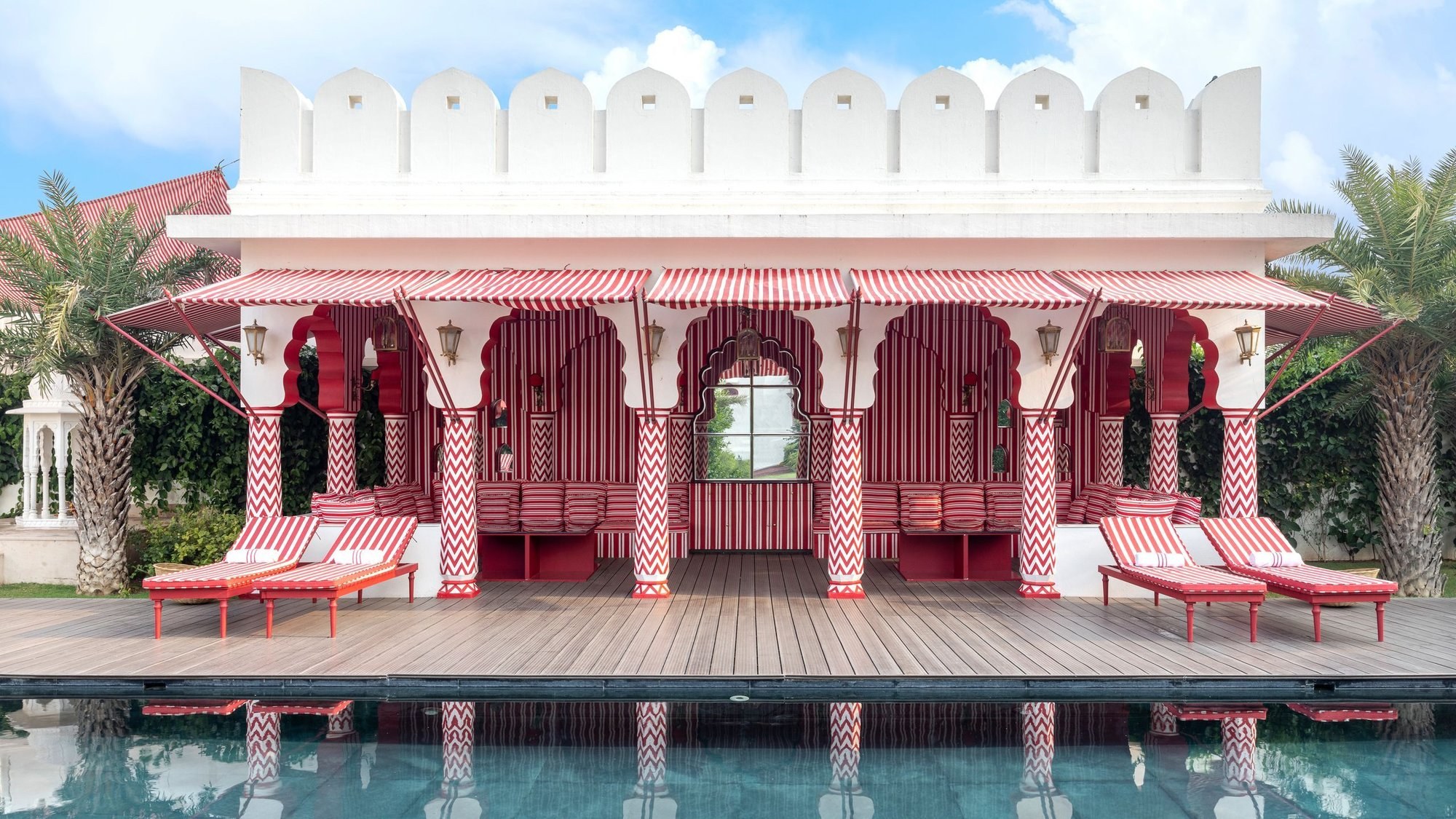
The case for booking here is strongest for travelers who want The Raj Palace specifically as part of a Jaipur stay. Avoid building the decision around claims about a particular neighborhood, restaurant, spa program, pool setup, or room category unless the hotel confirms them for your dates. If the trip is built around a different hotel mood, cross-shop Taj Devi Ratn Resort & Spa, Jaipur before committing.
For room choice, the practical play is to match the booking to how the hotel will be used. Value comes from confirming the current options and choosing the category that fits the trip. Couples spending most of the day out may not need to overbuy space; families, longer stays, or travelers planning more in-room downtime may have a stronger reason to compare larger categories. If budget flexibility is high, also compare Rambagh Palace, Jaipur and Rajmahal Palace RAAS Jaipur.
Book it for a Jaipur stay; cross-shop if you want a different mood
The decision is mostly about fit. The Raj Palace works for a traveler who wants a Jaipur hotel stay with a Small Luxury Hotels of the World Member (2025) credential. For another Jaipur stay to compare, consider The Johri, Jaipur. For a more conventional hotel base, compare Trident, Jaipur.
Dining, spa, pool, check-in specifics, and other operational details should be confirmed directly before booking. The dress code is smart casual, but do not book for a named restaurant or a promised wellness program unless those details are current and confirmed at the time of reservation. Treat this as a hotel choice first. If the trip needs a broader Jaipur shortlist, use Our full Jaipur hotels guide, then sanity-check the stay against Our full Jaipur restaurants guide, Our full Jaipur bars guide, and Our full Jaipur experiences guide so the hotel choice matches the rest of the plan.
Planning details
- Location
- The Raj Palace, Jorawar Singh Gate, Amer Rd, Chokdi Gangapol, Jaipur, Rajasthan 302002
- Website
- rajpalace.com
- Phone
- +91 141 263 4077
The take
The Take
The Vibe
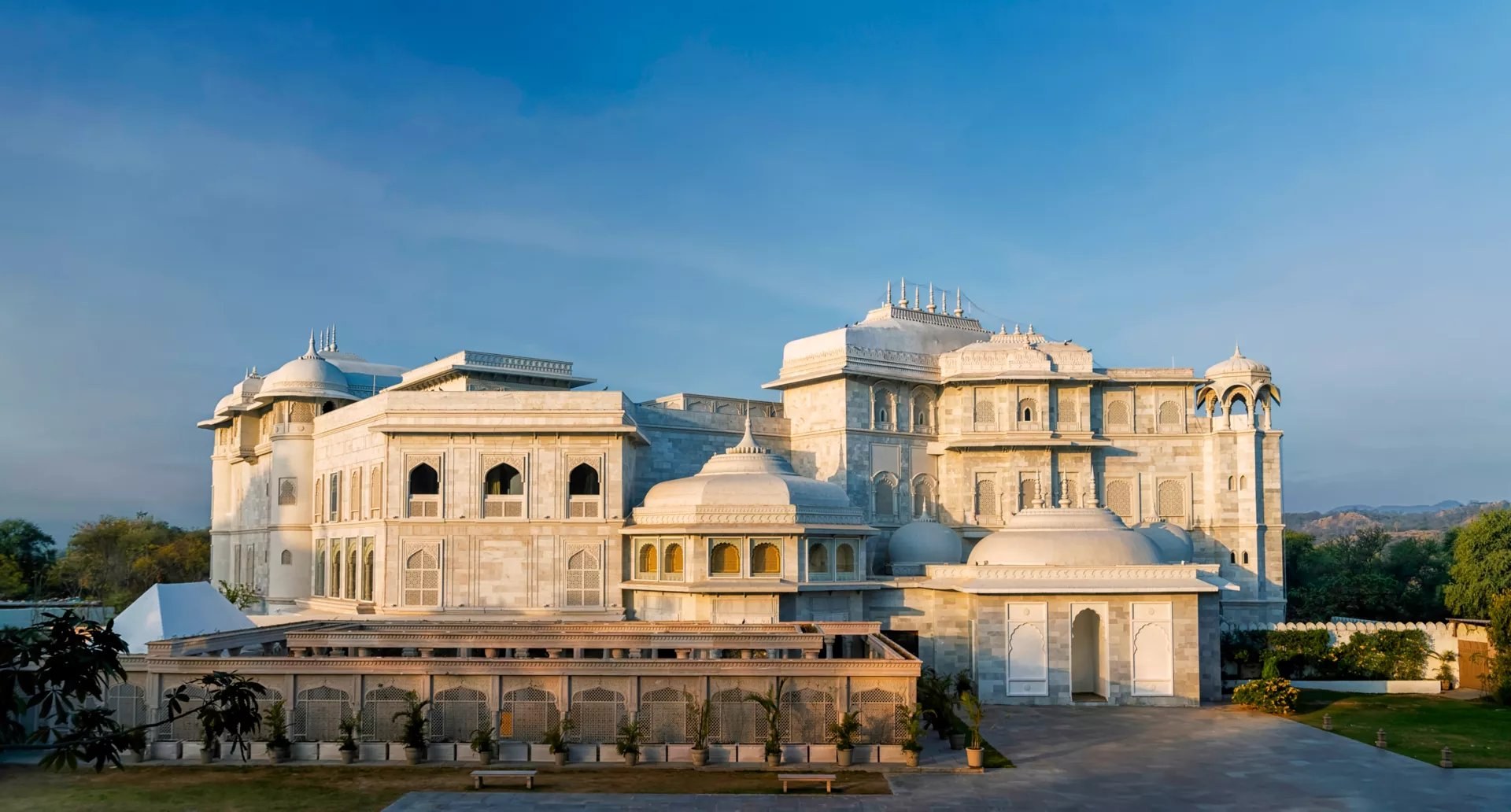
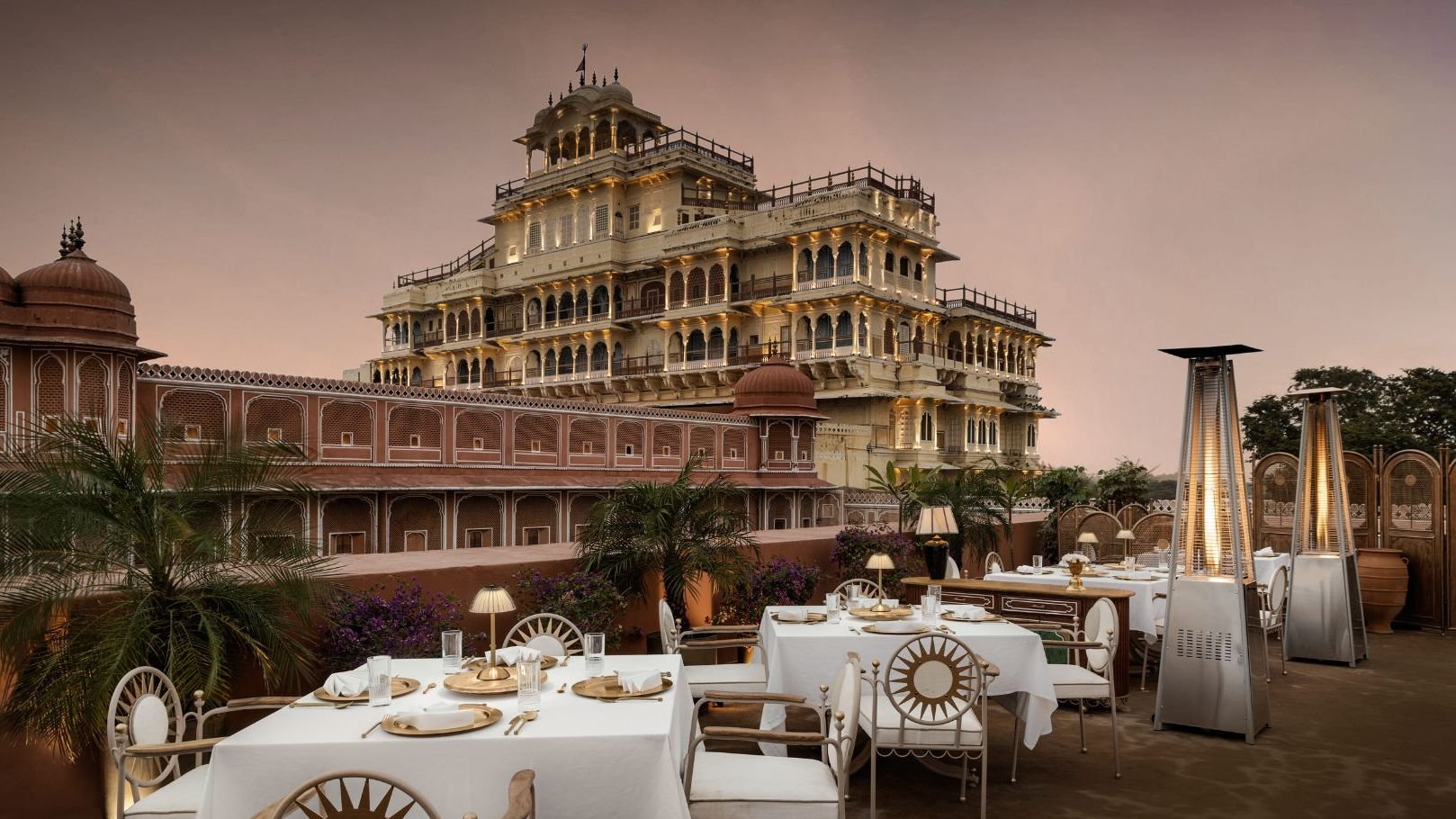
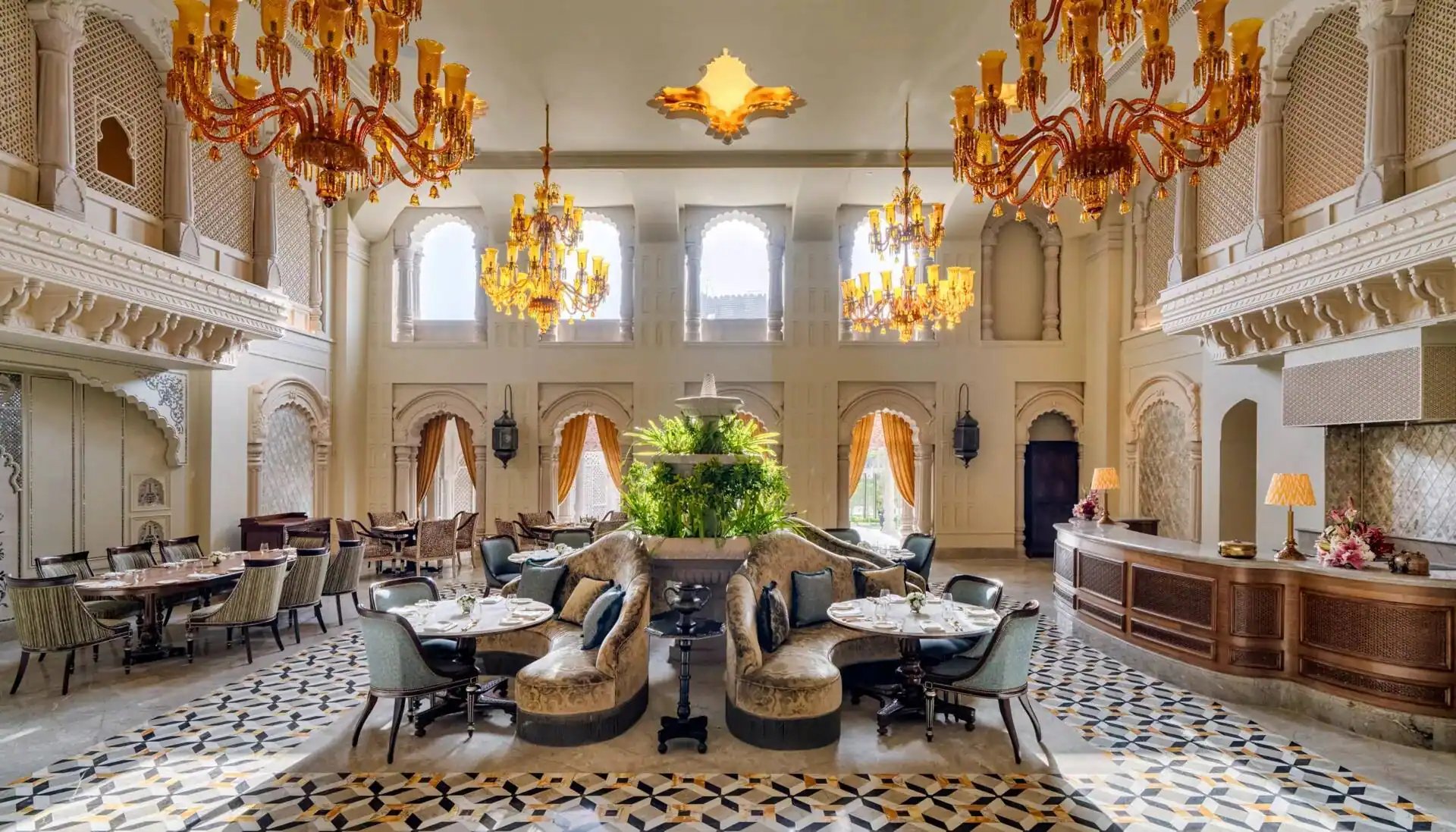
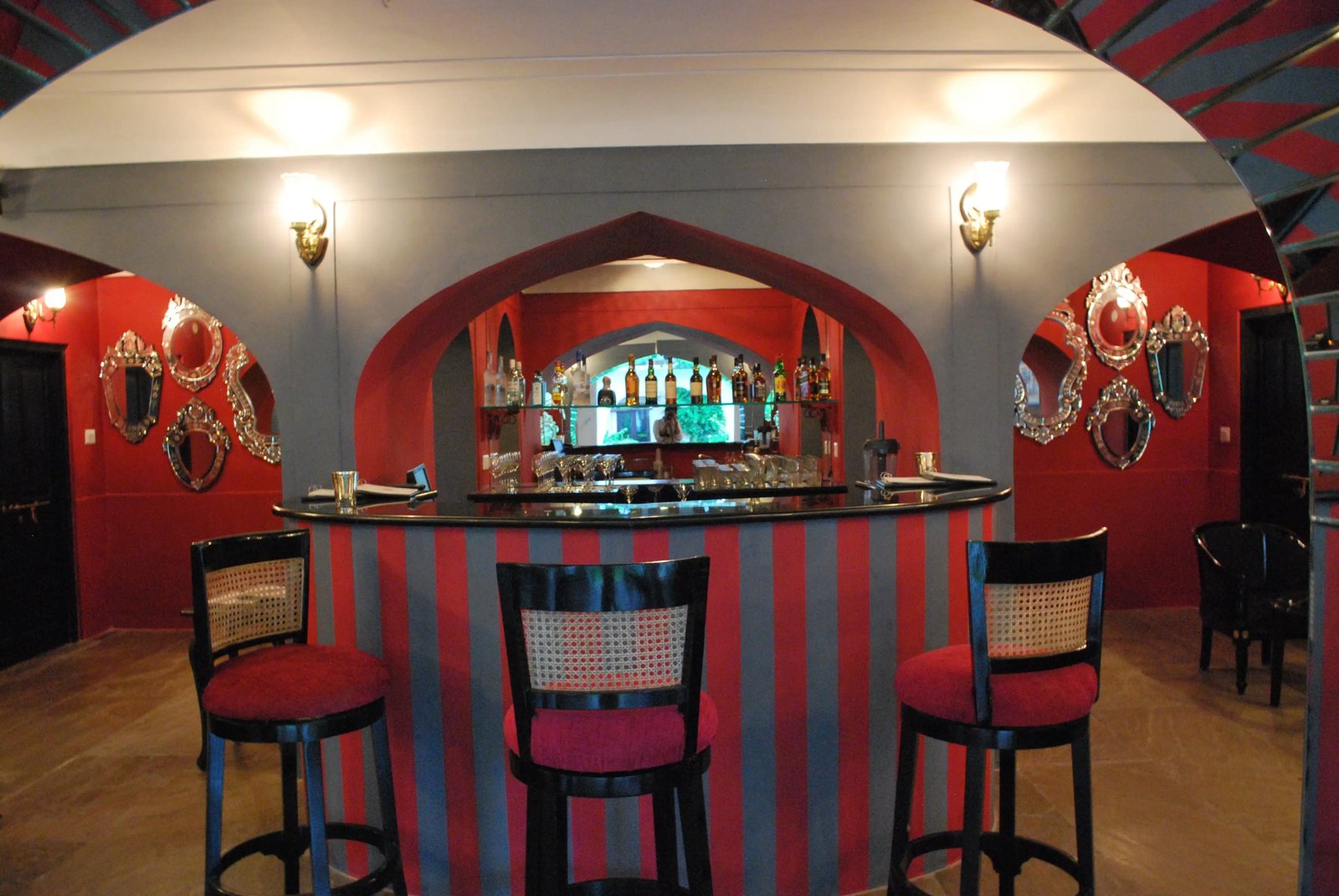
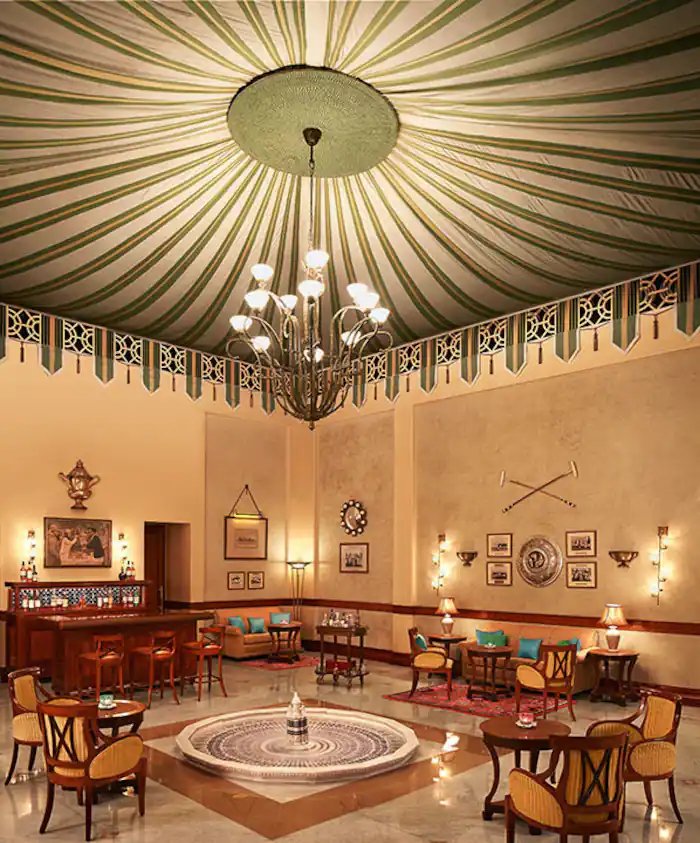
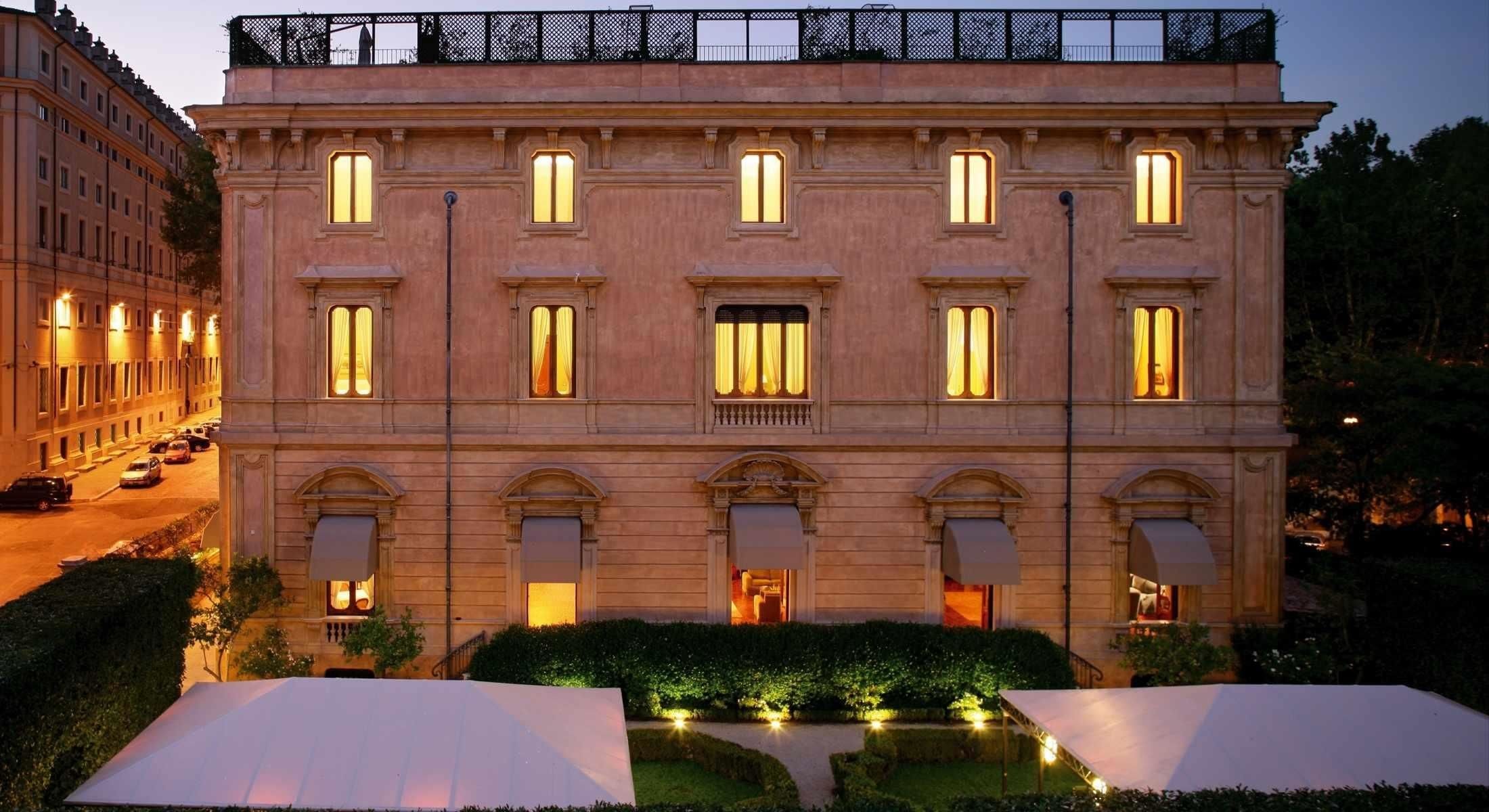
The Raj Palace reads like a living piece of Jaipur's early urban design. Built in 1727 and restored with an explicit aim of preserving its original Rajput character, the property sits within the city's older fabric rather than mimicking palace style. Guests encounter layers of history in sandstone havelis, gateways and period detailing; the restoration emphasizes architectural authenticity over contemporary reinterpretation. Its location on Amer Road, close to the walled city and en route to Amber Fort, reinforces a sense of place and continuity with Jaipur’s ceremonial and administrative spine.
Best For
This is a stay for travelers who prioritize genuine heritage over themed luxury. The Raj Palace suits visitors wanting direct contact with Jaipur’s historic core—architecture-minded guests, cultural travelers and anyone planning visits to Amber Fort and the walled city will appreciate the location. The property’s identity as a restored royal residence (rather than a purpose-built palace hotel) also makes it a strong pick for milestone stays that value authenticity and period character.
Venue details
Ambiance
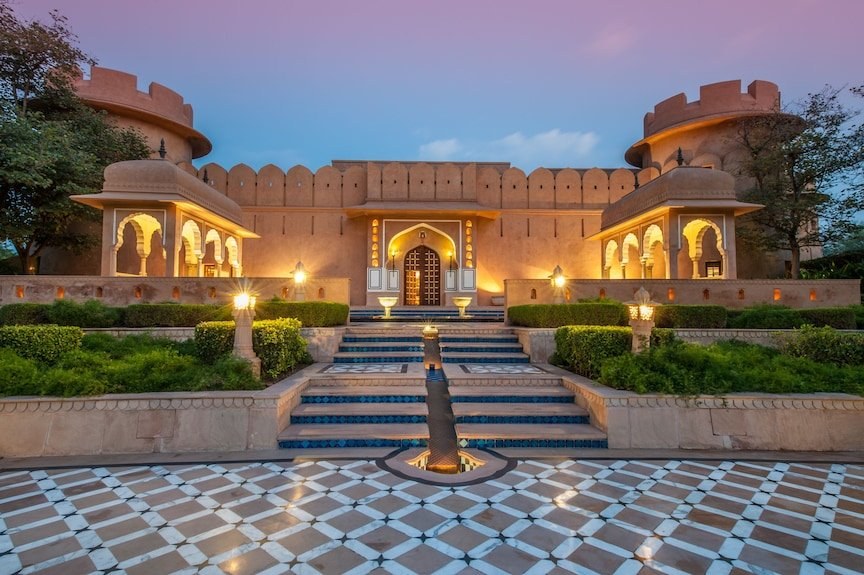
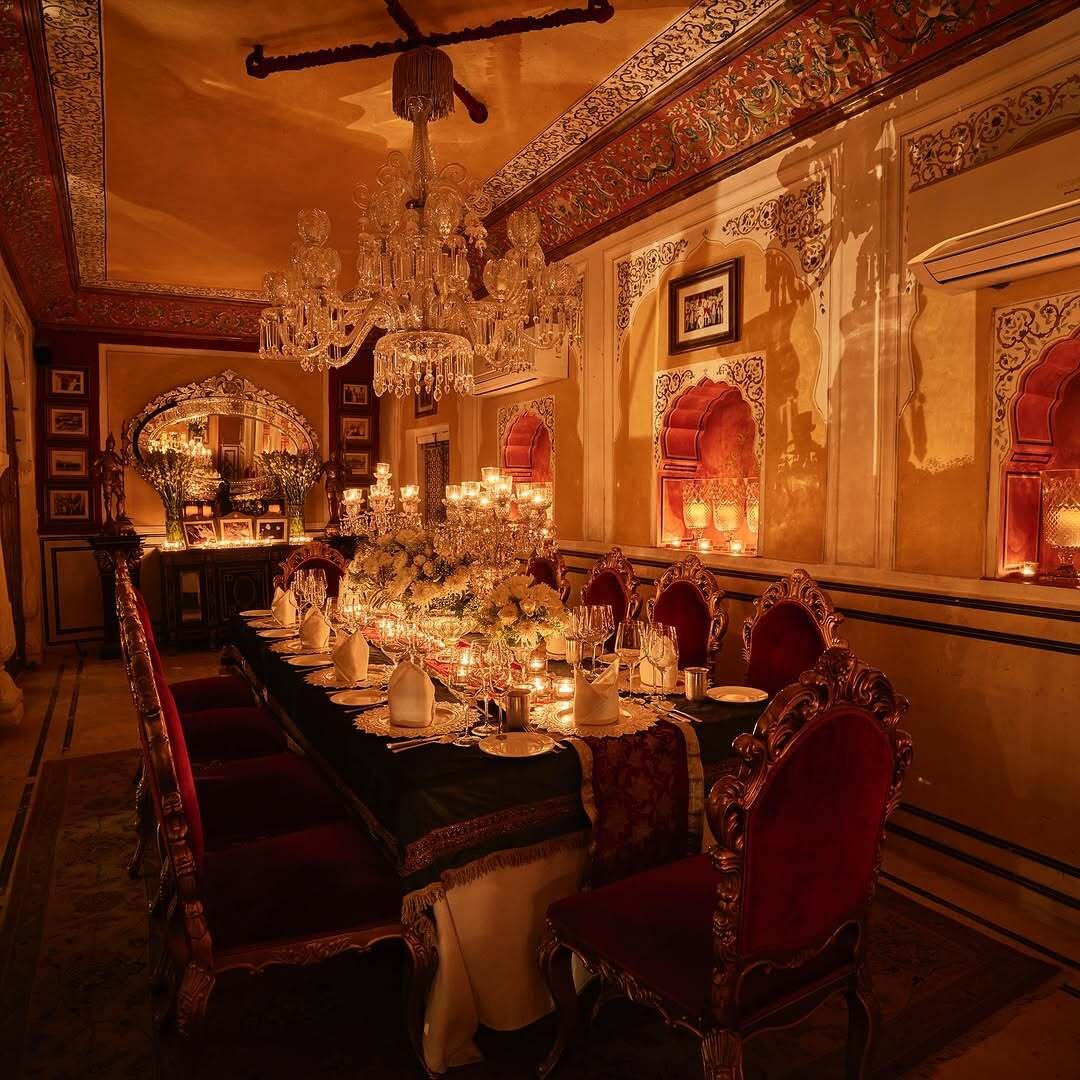
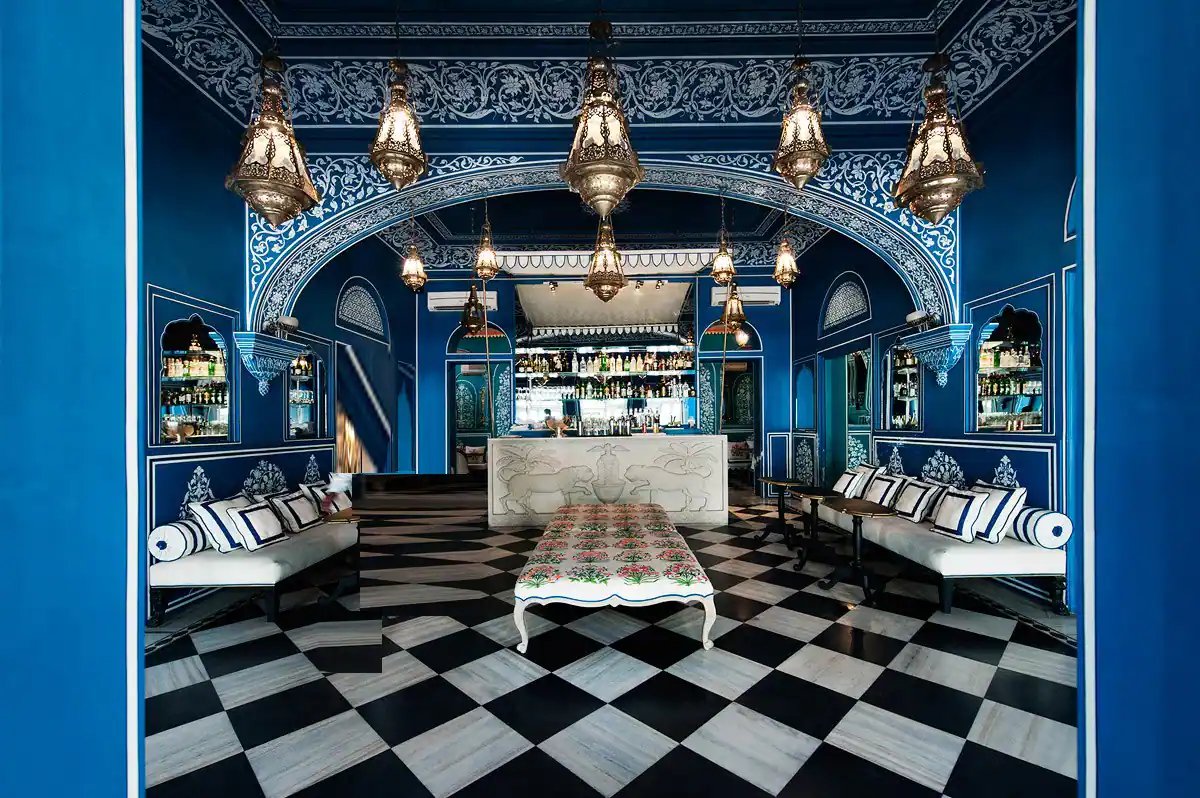
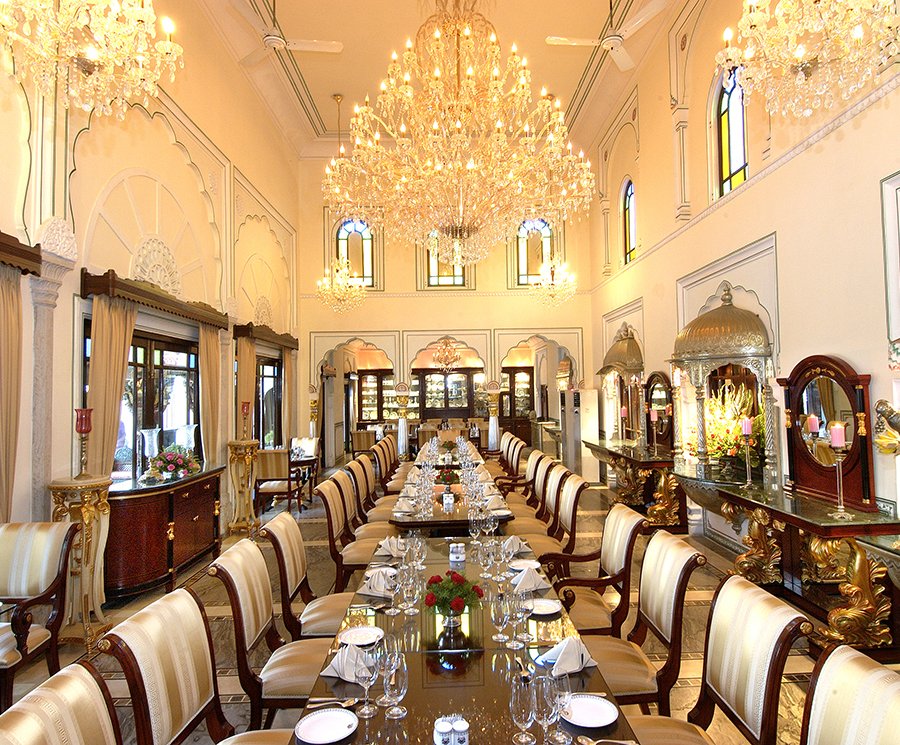
Luxurious and serene with frescoed walls, painted domed ceilings, heritage architecture, and peaceful gardens providing a quiet oasis from the bustling city.
Tags
Vibe
Best For
Experience
Amenities
View
Accessibility
About the Stay
- Rooms
- 50
- Check-in
- 15:00
- Check-out
- 11:00
- Property Style
- Heritage Palace Converted to Luxury Hotel with Authentic Indian Architectural Elements and Contemporary Luxury Amenities.
- Design Style
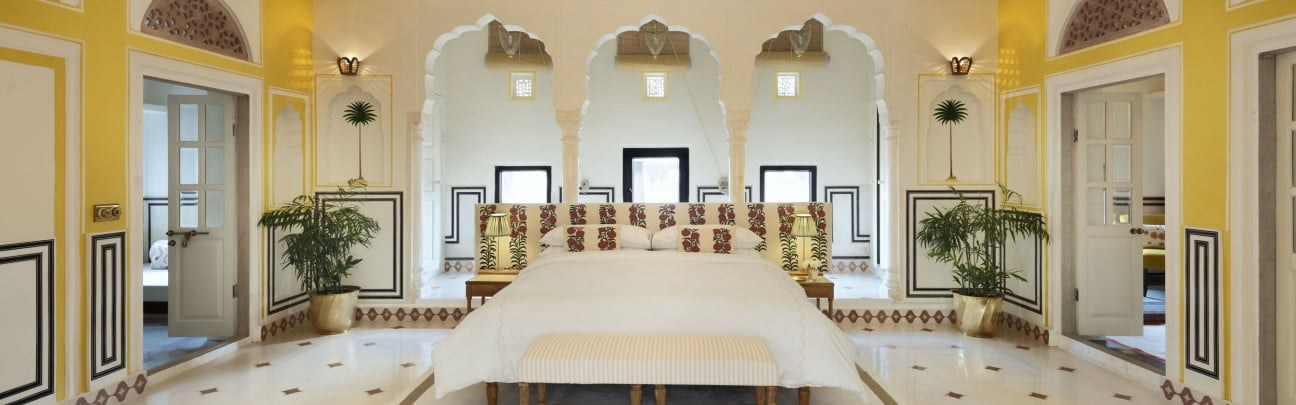
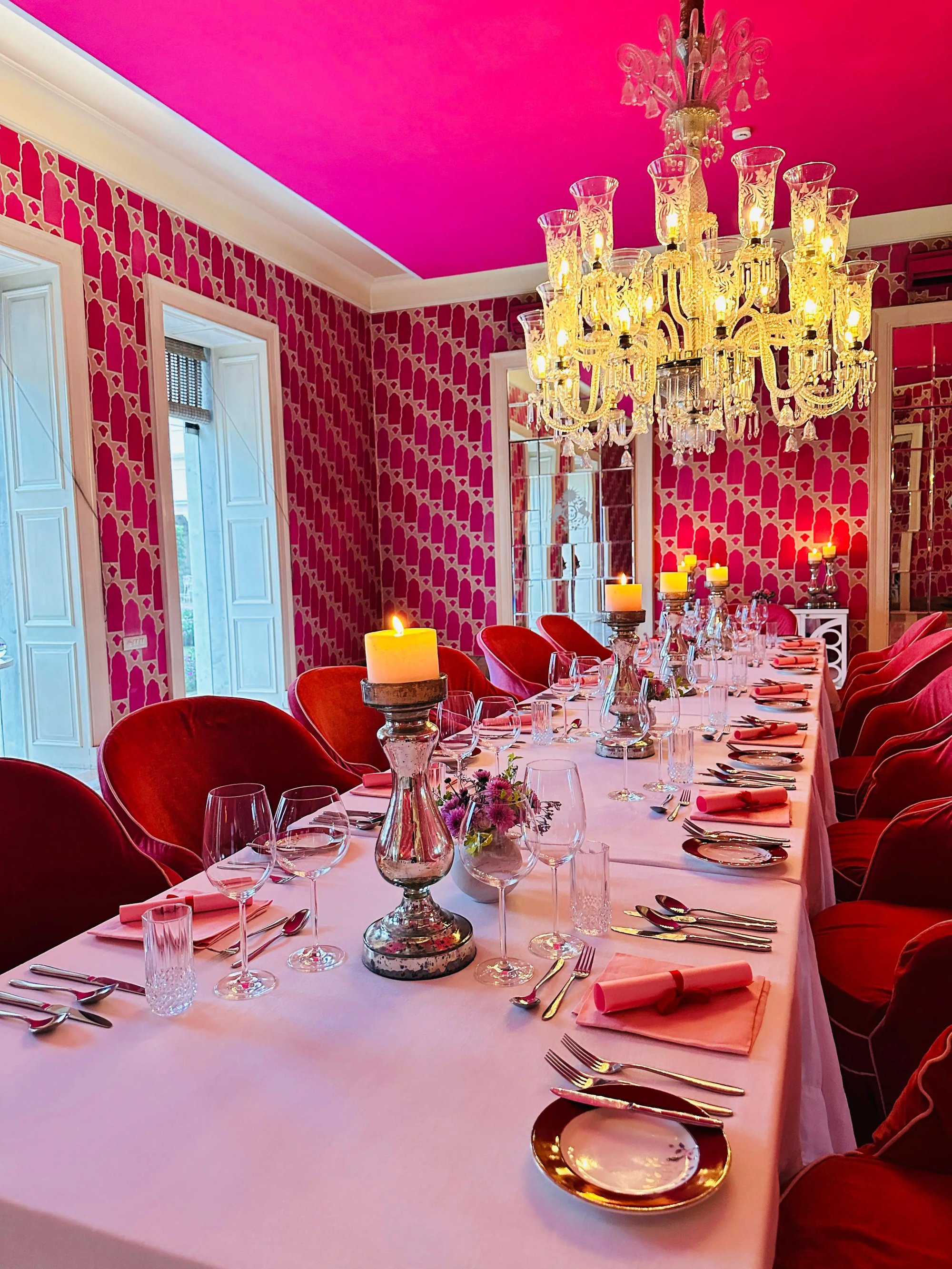
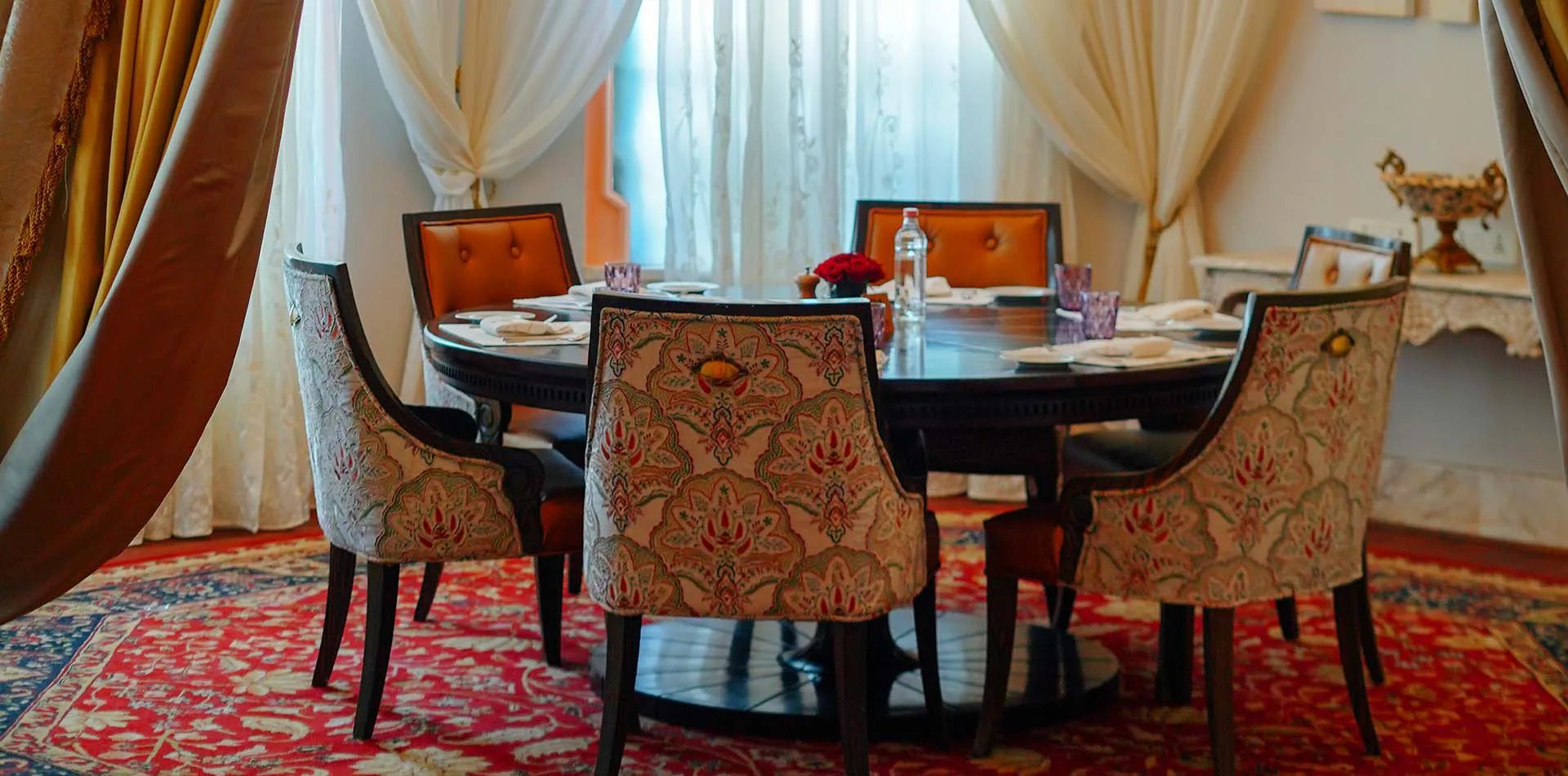
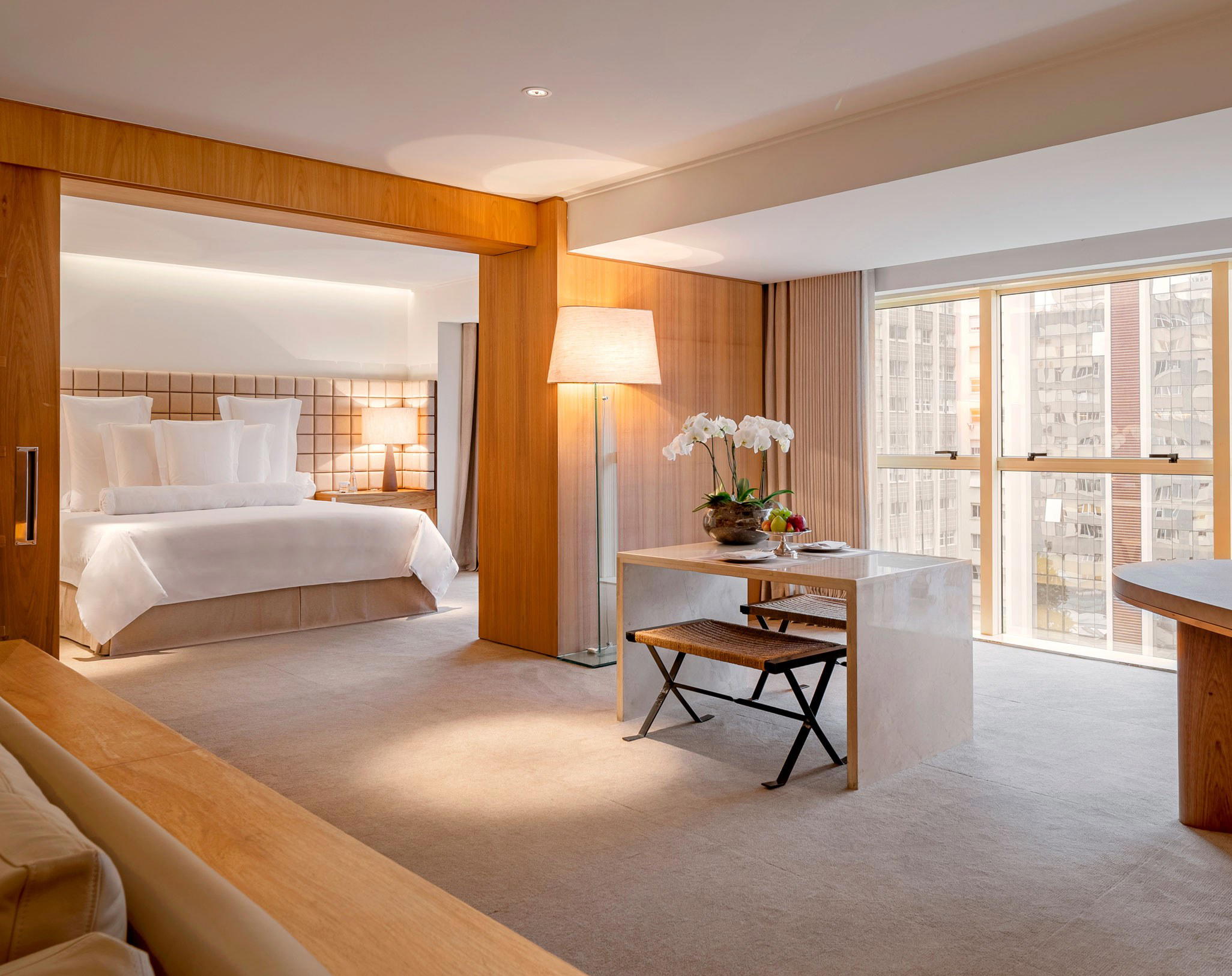
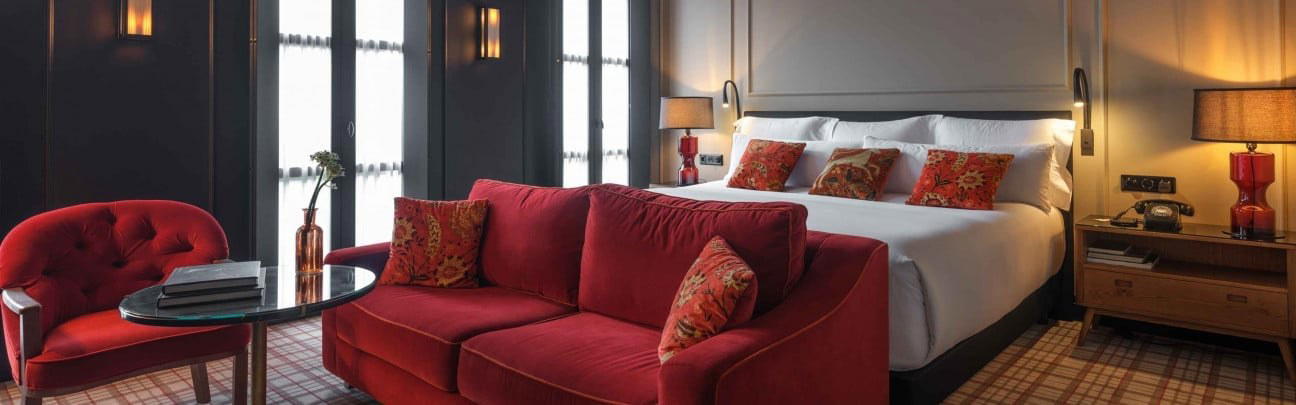
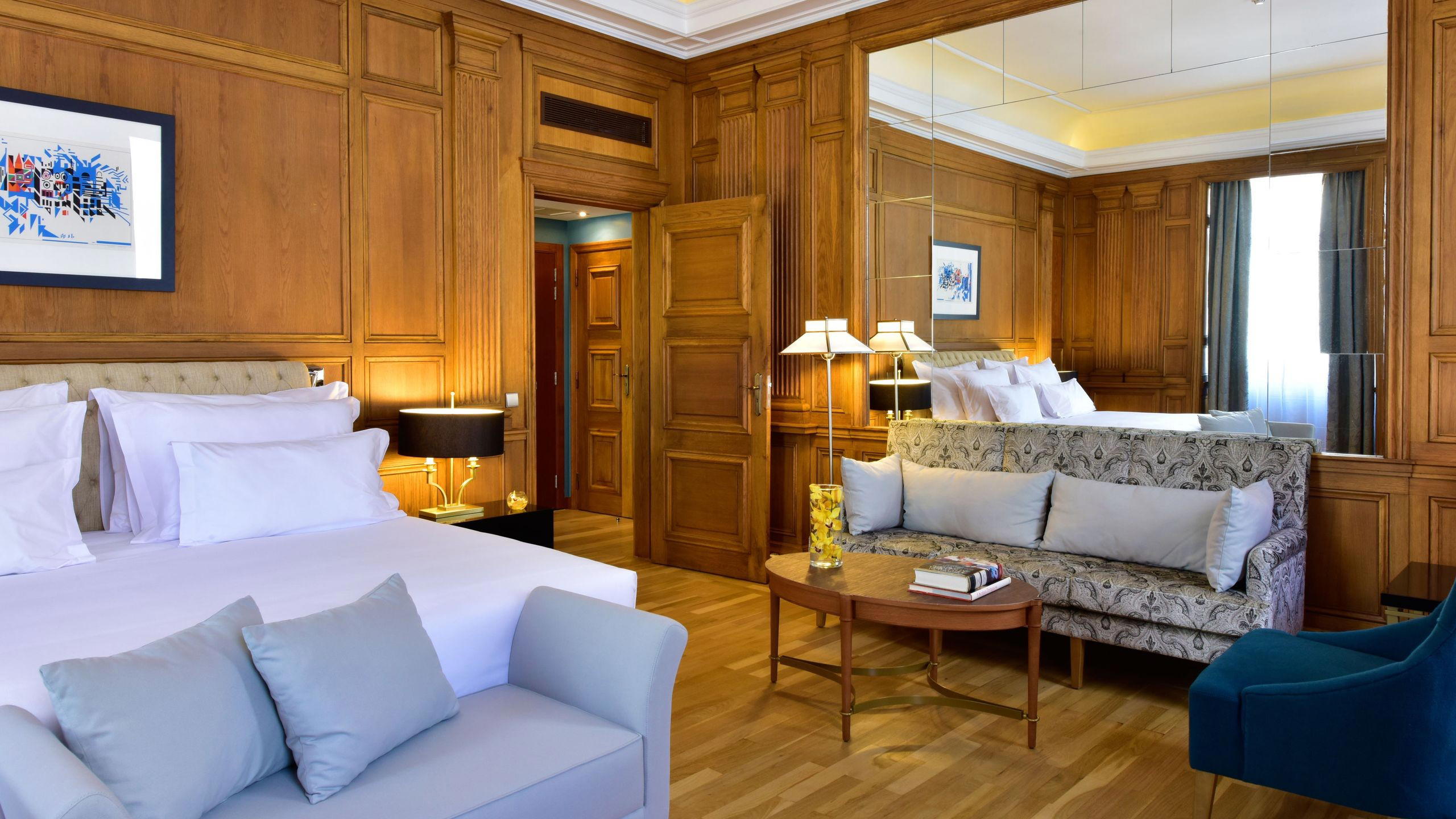
- Traditional Indian Palace Aesthetic with Frescoed Walls, Four Poster Beds, Stone Fireplaces, and Individually Decorated Rooms Blending Heritage Grandeur with Modern Comfort.
Know before you go
Know Before You Go
- Getting there
- The Raj Palace, Jorawar Singh Gate, Amer Rd, Chokdi Gangapol, Jaipur, Rajasthan 302002
Planning details
Location
The Raj Palace, Jorawar Singh Gate, Amer Rd, Chokdi Gangapol, Jaipur, Rajasthan 302002 · Directions
Recognition and awards

Also consider
Also Consider
- The Johri, Jaipur, Notable alternative
- Trident, Jaipur, Notable alternative
- Rambagh Palace, Jaipur, Notable alternative
- Taj Devi Ratn Resort & Spa, Jaipur, Notable alternative
- Rajmahal Palace RAAS Jaipur, Notable alternative
Hotel context
How It Compares
The Raj Palace is the practical pick for travelers who want an old-Jaipur heritage address with easy booking pressure. Compared with Rambagh Palace, Jaipur, it is the more targeted choice when location and palace character matter more than making the hotel the whole trip. If the stay is the splurge, Rambagh belongs on the same shortlist.
Against The Johri, Jaipur and Rajmahal Palace RAAS Jaipur, the decision is mood. The Johri is the better cross-shop for a smaller, design-led stay, while Rajmahal Palace RAAS Jaipur is the more obvious comparison for travelers who want a polished palace-hotel feel. The Raj Palace makes more sense when the old-city side of Jaipur is the draw.
If value and ease matter more than heritage atmosphere, compare Trident, Jaipur. If the trip needs more of a resort setting, Taj Devi Ratn Resort & Spa, Jaipur is the cleaner alternative. The Raj Palace is not the default for every Jaipur trip; it is the choice when a historic setting and Amer Road access are the point.
Explore Jaipur
Around this place
Discover more on Pearl
Unlock the full The Raj Palace guide in Pearl, including awards, comparisons, FAQs, planning details, and nearby places.
Compare The Raj Palace
| Venue | Location | Awards |
|---|---|---|
| The Raj Palace | Jaipur | Small Luxury Hotels Member 2025 |
| The Johri, Jaipur | Jaipur | 2026 World’s 50 Best Hotels 51-100 · #942026 Mr & Mrs Smith Luxury Hotels2025 World’s 50 Best Hotels · #93Tatler Best Hotels Asia-Pacific 20252025 Michelin 1 Key |
| Trident, Jaipur | Jaipur | No published awards |
| Rambagh Palace, Jaipur | Jaipur | 2026 Virtuoso Luxury Hotel Collection2026 La Liste Top HotelsWorld Travel Awards 20252025 Michelin Selected Hotels |
| Taj Devi Ratn Resort & Spa, Jaipur | Jaipur | 2025 Michelin 1 Key |
| Rajmahal Palace RAAS Jaipur | Jaipur | 2026 La Liste Top HotelsTatler Best Hotels Asia-Pacific 20252025 Michelin 1 Key |







How The Raj Palace Jaipur compares with similar nearby venues.
FAQ
Frequently Asked Questions
Which room category is best at The Raj Palace?
Choose based on the hotel’s current options and how much time you expect to spend on property. The safest approach is to book the category that gives you the comfort you want without assuming that a higher tier is automatically better value.
How does The Raj Palace compare to nearby hotels?
Pick The Raj Palace if you want a Jaipur hotel stay with a Small Luxury Hotels of the World Member (2025) credential. Trident, Jaipur and Taj Devi Ratn Resort & Spa, Jaipur are useful comparisons for travelers considering a different hotel mood, while Rambagh Palace, Jaipur and Rajmahal Palace RAAS Jaipur are natural alternatives to compare for another Jaipur stay.
How is the pool and spa at The Raj Palace?
Confirm the current pool and spa details directly before booking. If wellness facilities or pool time are deciding factors, compare current information across The Raj Palace, Trident, Jaipur, and Taj Devi Ratn Resort & Spa, Jaipur before choosing.
When is the best time to book The Raj Palace?
Book as early as your plans allow if The Raj Palace is central to the trip. Confirm rates, policies, and room options directly for your dates.
Do loyalty programs work at The Raj Palace?
Do not assume a major chain-style loyalty program applies here. If loyalty earn-and-burn matters most, compare the current booking terms at The Raj Palace with Trident, Jaipur or Taj Devi Ratn Resort & Spa, Jaipur.
How is the location of The Raj Palace?
The Raj Palace is in Jaipur. Confirm the exact address and transport plans directly before booking, especially if your itinerary depends on being close to specific sights or meeting points. If you want a different setting, Taj Devi Ratn Resort & Spa, Jaipur is a useful comparison.
How is the dining at The Raj Palace?
Confirm dining details directly with the hotel. If you are choosing between hotels with dining as a major factor, check current information for Rajmahal Palace RAAS Jaipur and Rambagh Palace, Jaipur alongside The Raj Palace. The Raj Palace still makes sense if its Jaipur hotel positioning matters more than a dining-led itinerary.