



Rambagh Palace, Jaipur
Rambagh, Jaipur
Hotel in Jaipur, India
 Book with Pearl
The Read
Operational Royal Grandeur
Price
$300–500per night
Why go
Book Rambagh Palace, Jaipur when the stay needs heritage scale, formal service cues, and a setting that works for both business hosting and celebration travel. It is a stronger choice than smaller Jaipur boutiques for client-facing trips, but travelers who want a lighter, more residential base should compare 28 Kothi or The Johri, Jaipur.
About Rambagh Palace, Jaipur
For a Jaipur stay, consider Rambagh Palace, Jaipur if the trip calls for a recognized heritage-hotel choice. Its credentials include La Liste Top Hotels (2026) at 99 points, World Travel Awards 2025 Leading Heritage Hotel, Virtuoso Luxury Hotel Partner (2026), and MICHELIN Guide Hotels Selected (2025). If the priority is simply to compare other Jaipur options, consider 28 Kothi or The Johri, Jaipur.
The clearest pitch is the venue's Jaipur setting, smart-casual dress code, and luxury-hotel recognition. That makes it a credible choice for travelers who want the hotel itself to carry a strong recognition profile, while guests weighing different styles of stay may want to compare other Jaipur options.
Choose it for recognized Jaipur heritage-hotel credentials
Rambagh Palace, Jaipur is the safer call when the hotel choice needs to be backed by major recognition. It suits guests who want a Jaipur heritage hotel with recognized luxury credentials and a stay selected for the property's profile. Travelers comparing different Jaipur stays may also look at Rajmahal Palace RAAS Jaipur or 28 Kothi.
For a work trip, the key advantage is confidence in the property's recognition profile. The accolades give it a clearer trust signal than many hotels whose appeal is harder to judge from public awards alone. Solo business travelers who need specific services should confirm those directly before booking.
Business-travel verdict: strong for formal stays, less ideal for low-key efficiency
Use this for a business trip when the hotel choice itself matters and a recognized Jaipur heritage-hotel setting is part of the brief. It is less compelling for a one-night stop where the room is mainly a place to sleep between meetings, unless the hotel's recognition profile helps the trip. Practical details such as exact room type, dining arrangements, and on-property services should be checked directly.
The recognition profile supports the splurge case. La Liste, World Travel Awards, Virtuoso, and MICHELIN Guide hotel selection all place it in a higher-trust bracket than many heritage stays that rely mostly on atmosphere. That does not answer every practical question, but it does reduce risk for travelers booking from abroad or planning a once-per-trip hotel night in Jaipur.
Part of
Taj Hotels52 locations on PearlInside Rambagh Palace, Jaipur
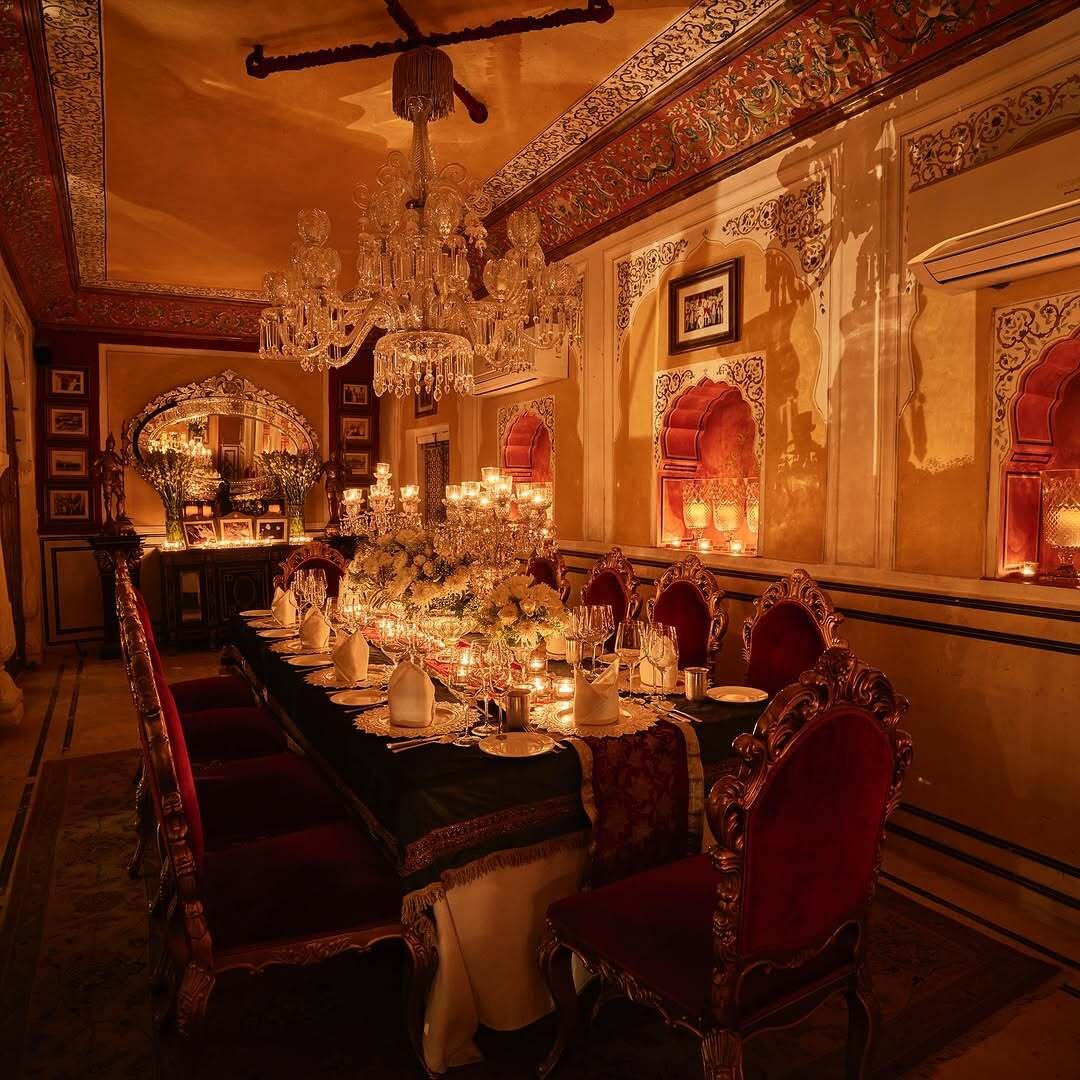
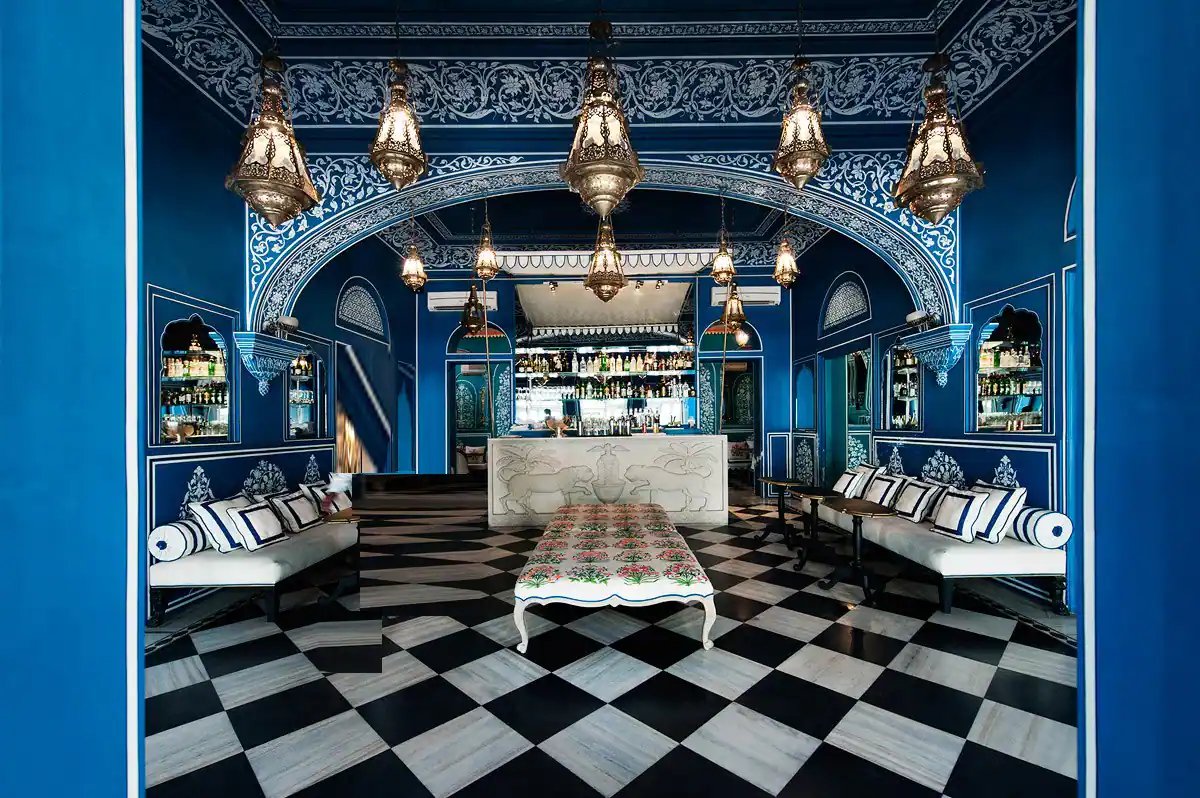
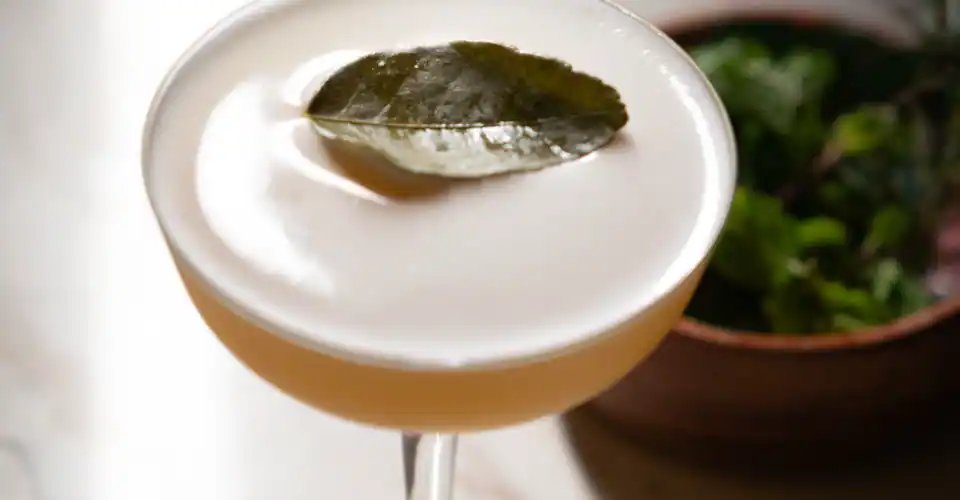
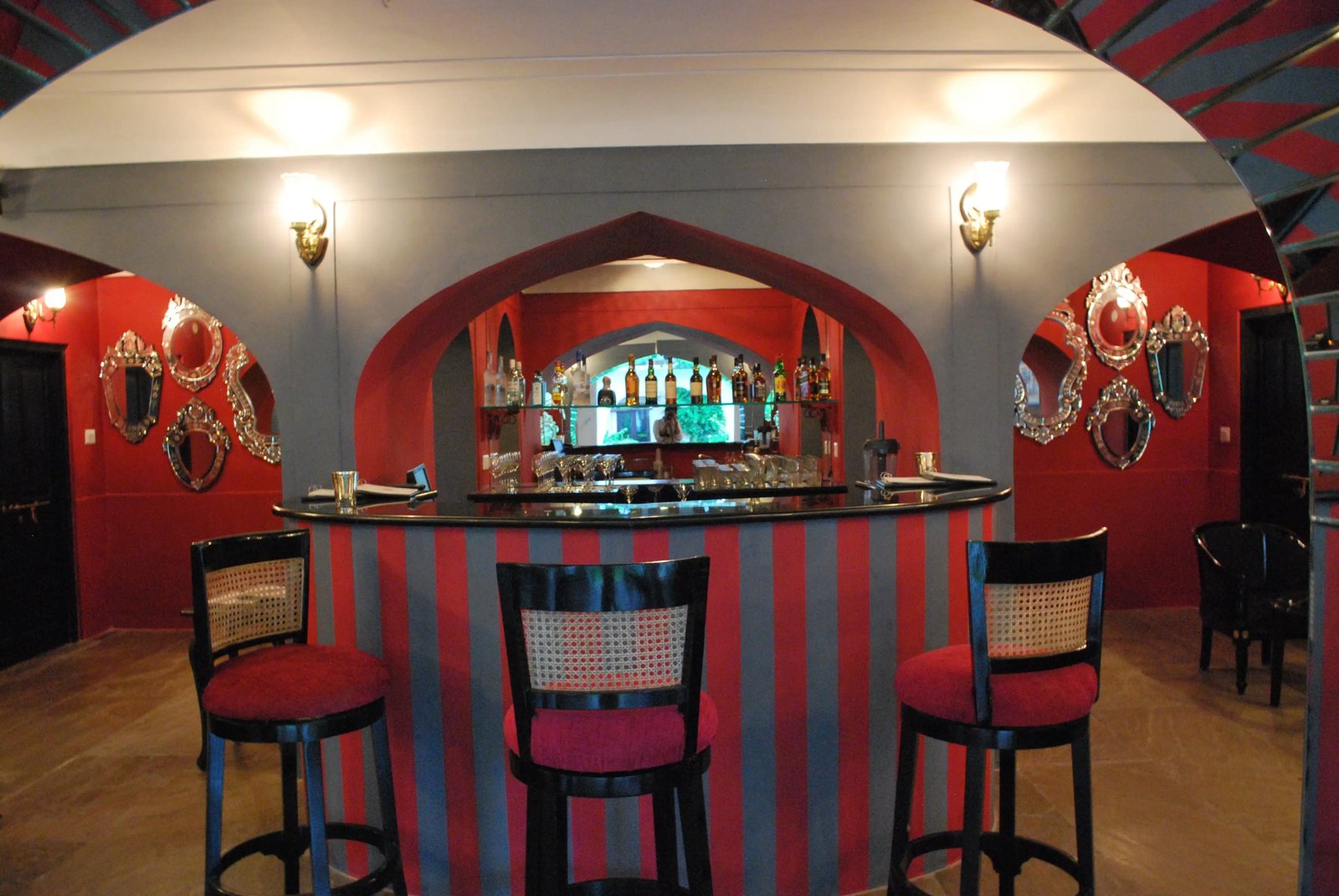
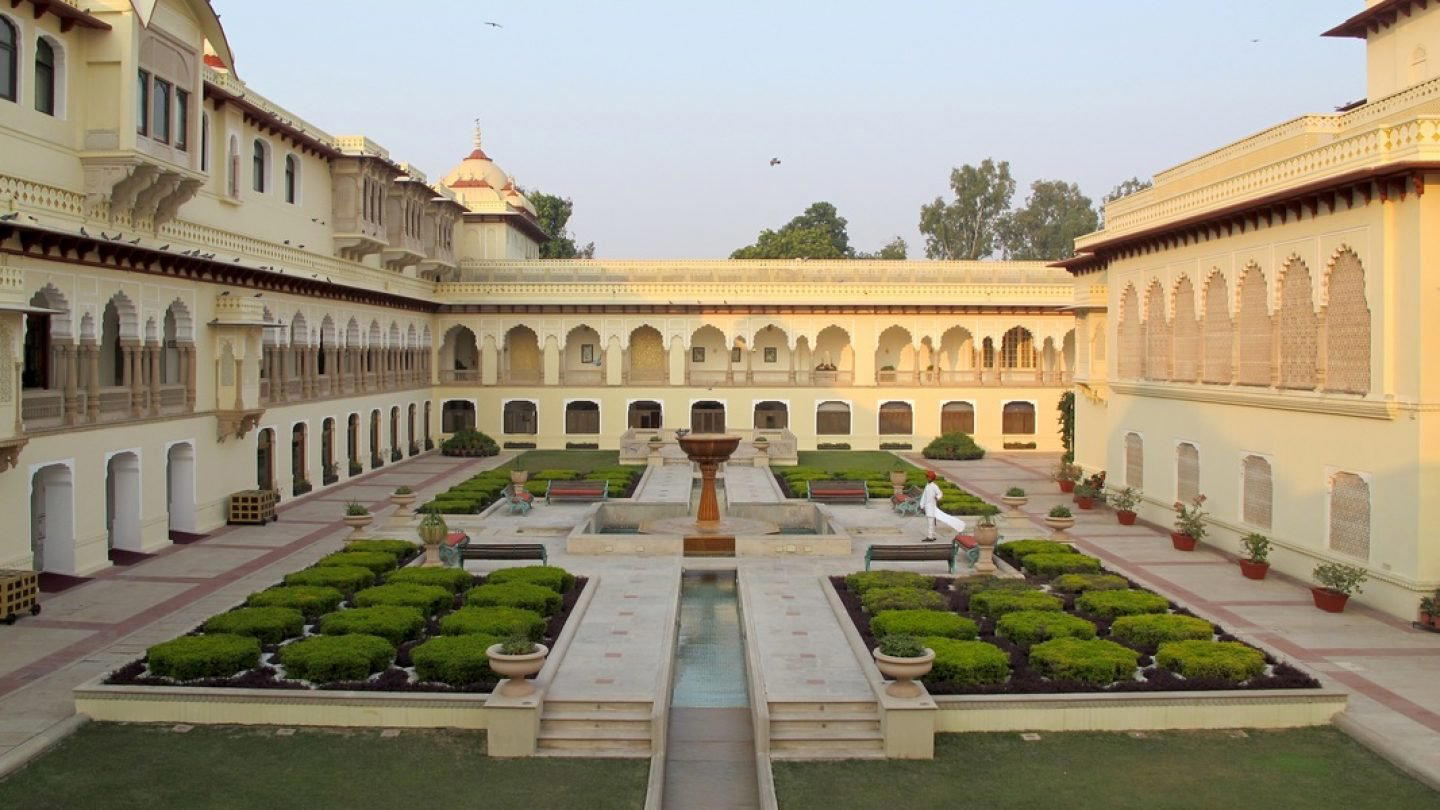 restaurantSuvarna Mahal"A Banquet of Flavors Formerly the residence of the Maharajah of Jaipur, and now one of Jaipur’s most elegant luxury hotels, the 19th-century Rambagh Palace has had a front-row seat to history, and has hosted a long list of royals, dignitaries, and celebrities along the way. As an homage to those regal roots, the hotel’s fine-dining restaurant spotlights the cuisine of four of India’s former princely states: Rajasthan, Awadh, Punjab, and Hyderabad. In what used to be the palace’s banquet hall, still dripping with gilded mirrors and Italian frescos, enjoy dishes like laal maas (a Rajasthani spicy lamb curry), chicken cooked with raw mango and saffron, skillet-grilled lobster, and apricot-stuffed cheese dumplings simmered in tomato gravy. Cap off the night with a drink in the nearby Polo Bar, which serves fine spirits and cocktails inspired by the royal equestrian sport."
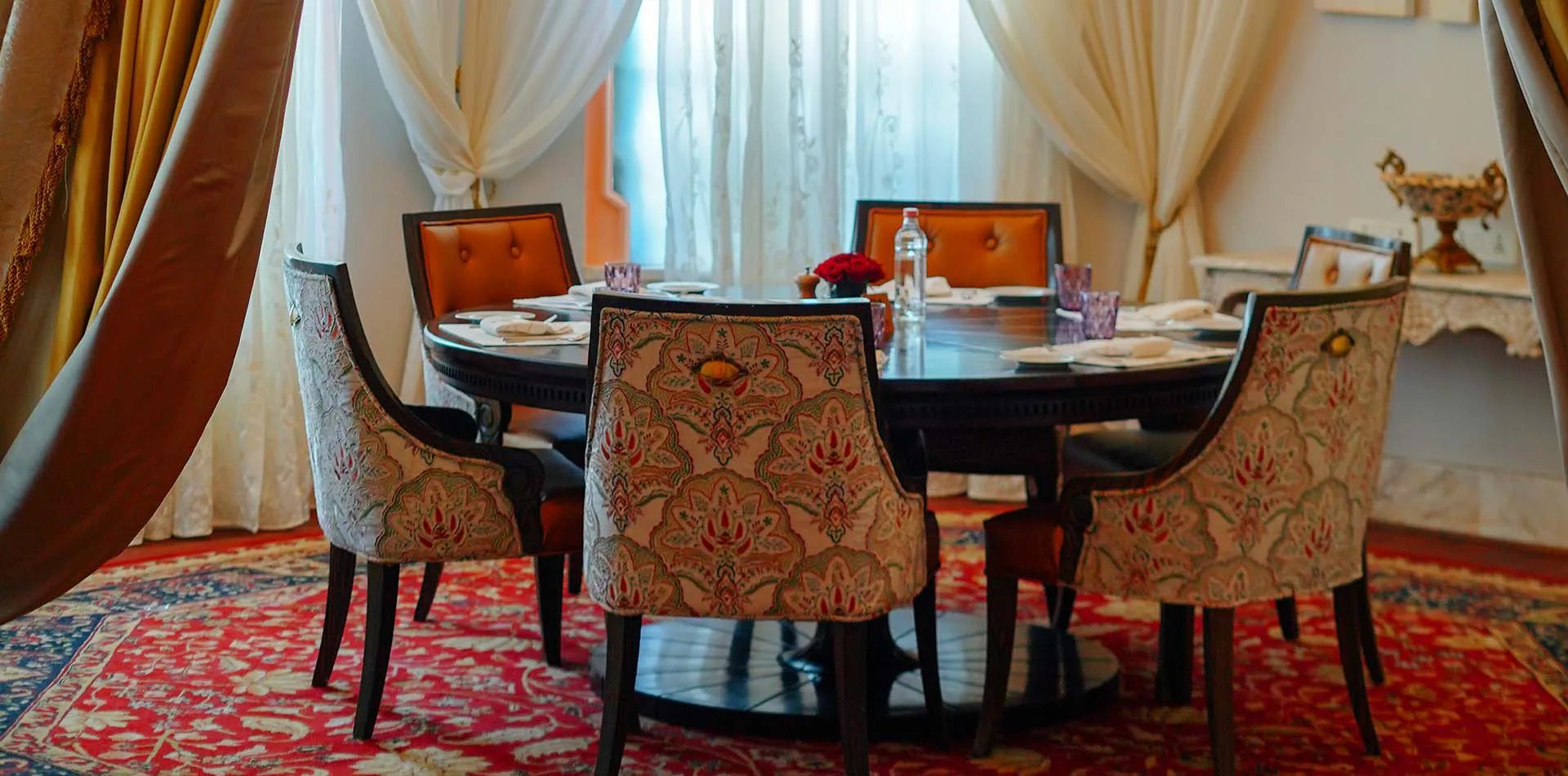
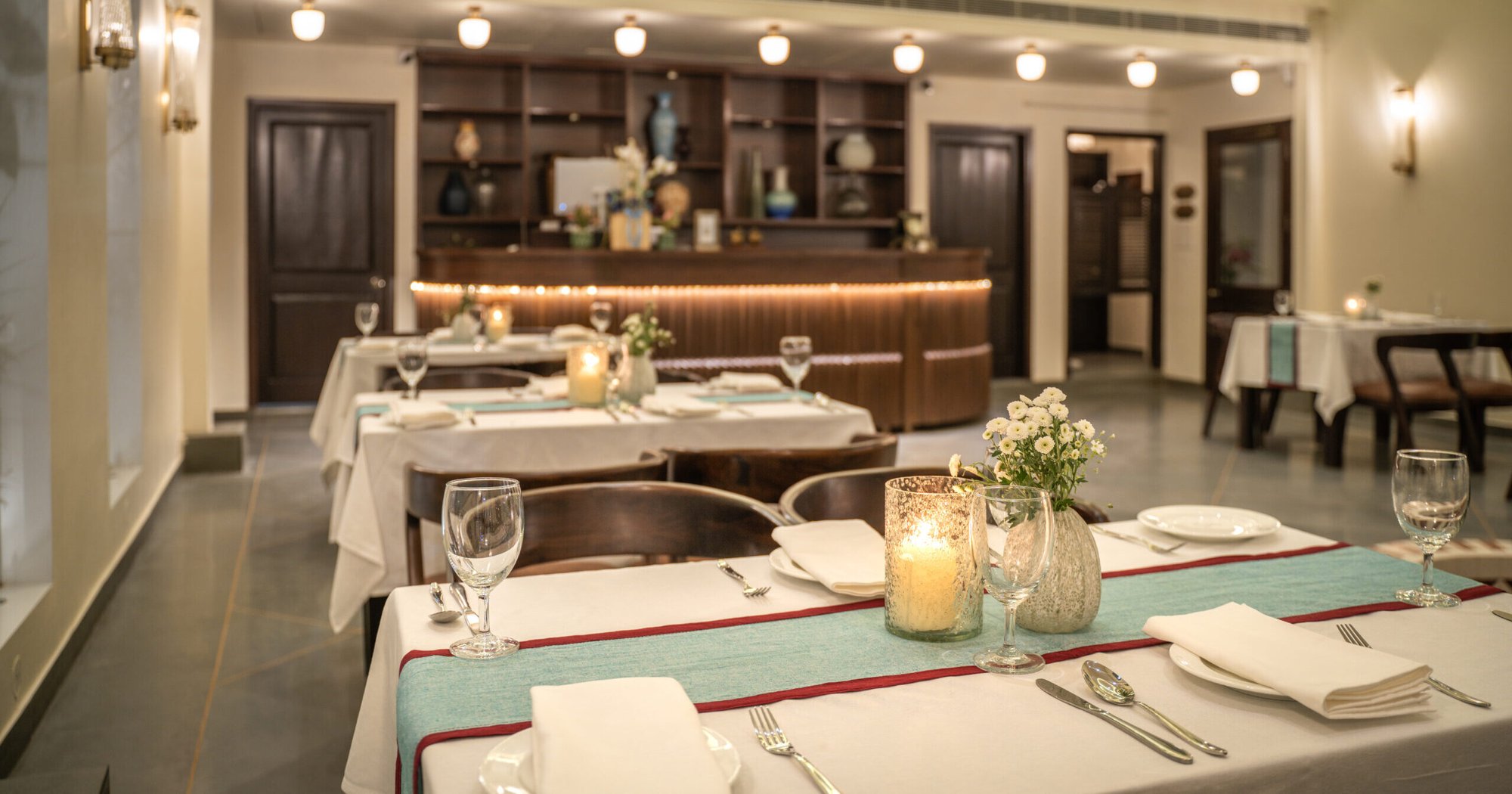
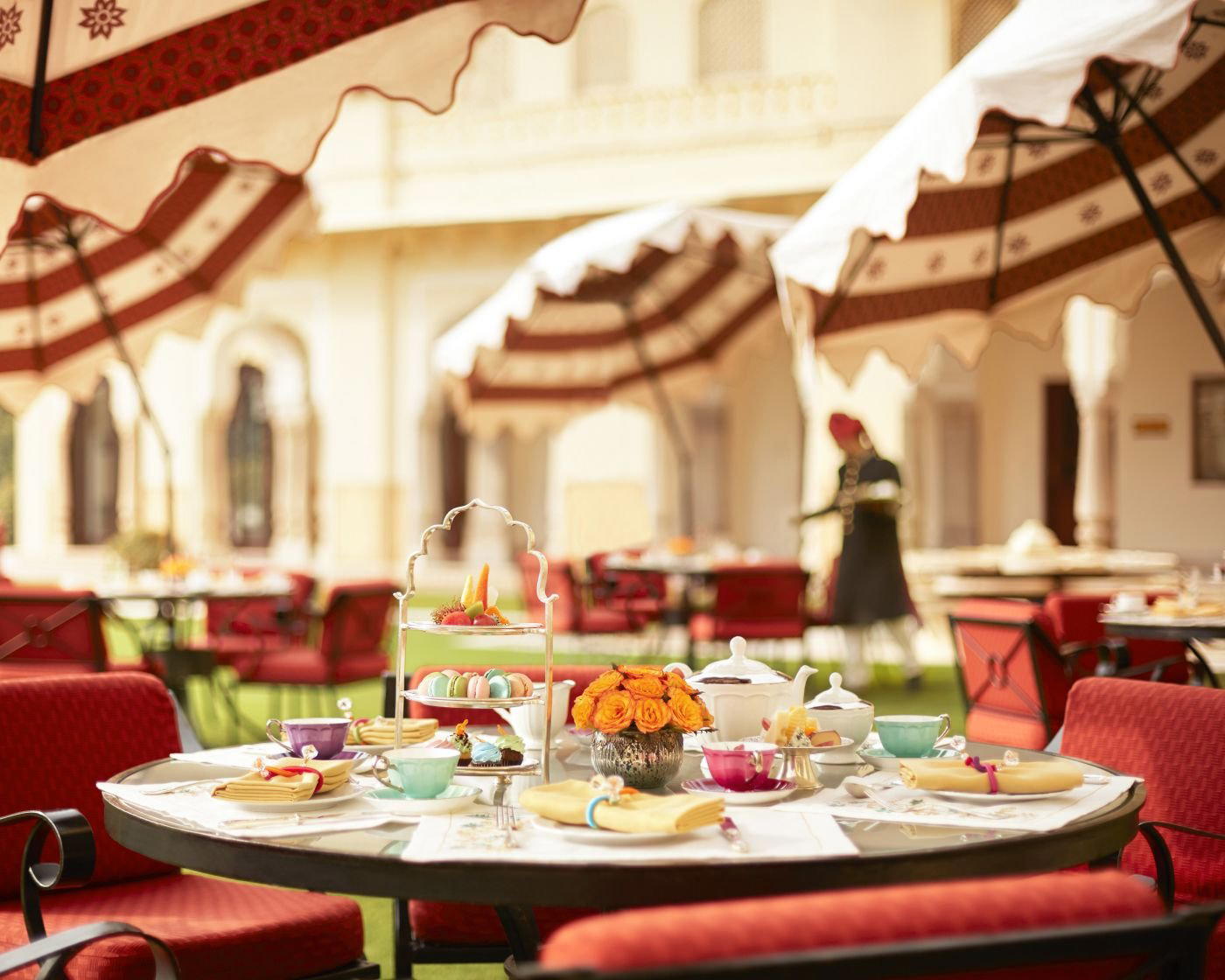 cafeVerandah CafeRambagh Palace is one of the most storied heritage properties in Rajasthan, and Verandah Cafe occupies a quietly commanding position within its grounds. Where the palace's grander dining rooms lean formal, the Verandah offers a more relaxed register without abandoning the setting's architectural weight. For visitors to Jaipur who want proximity to that history without the ceremony of a full silver-service occasion, it serves as a practical and atmospheric entry point.
Planning details
- Location
- Bhawani Singh Rd, Rambagh, Jaipur, Rajasthan 302005
- Website
- tajhotels.com/en-in/hotels/rambagh-palace-jaipur
- Phone
- +91 141 667 1234
The take
The Take
The Vibe
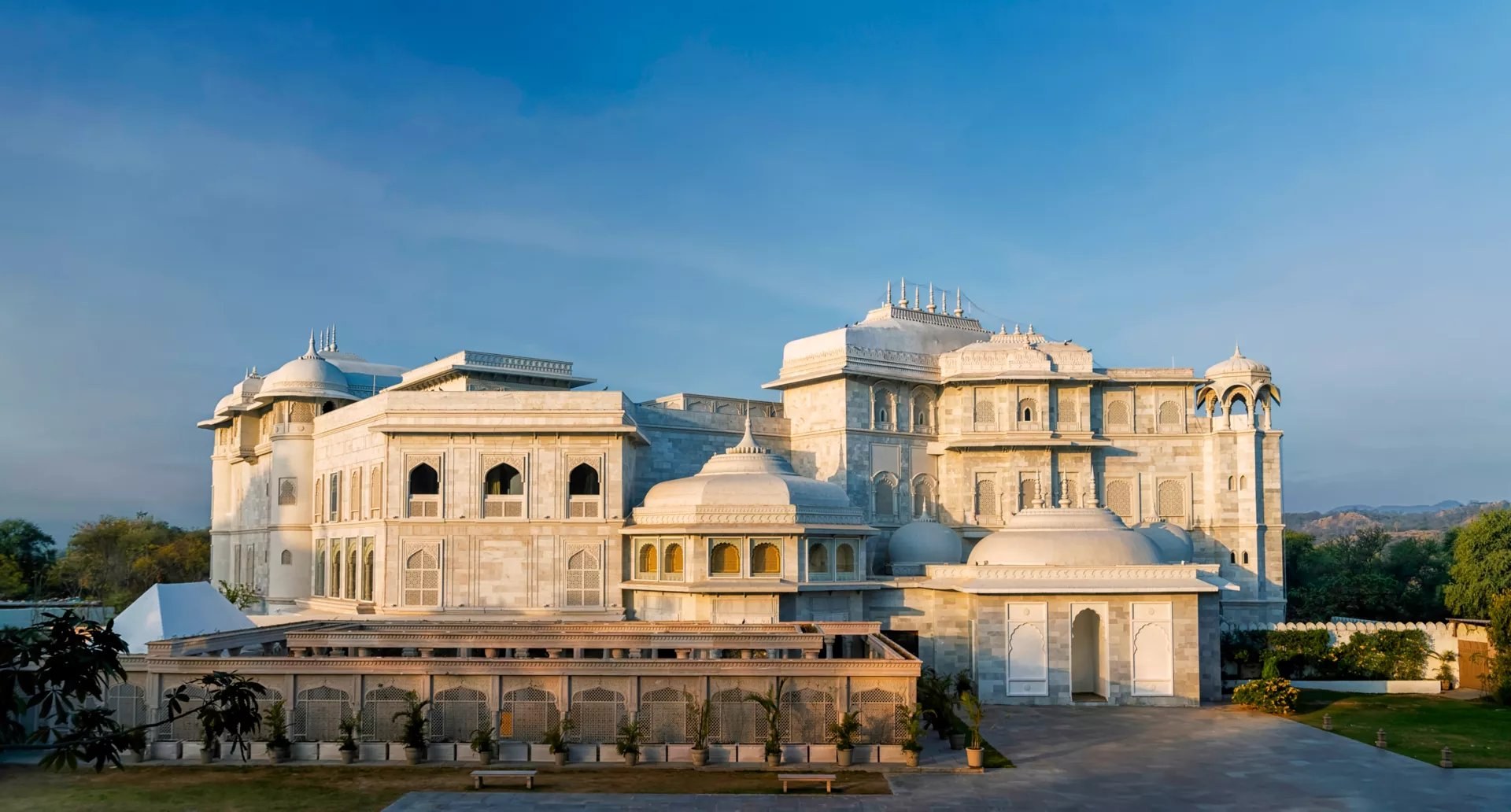
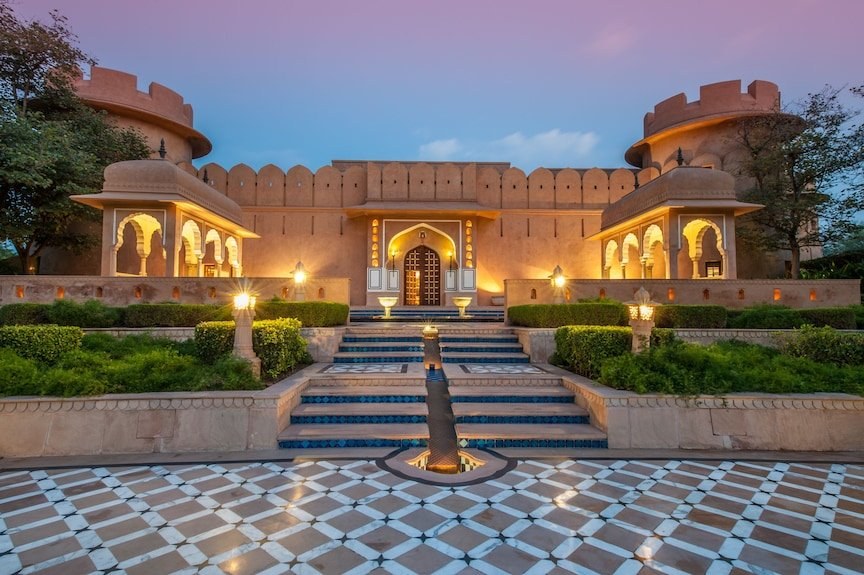
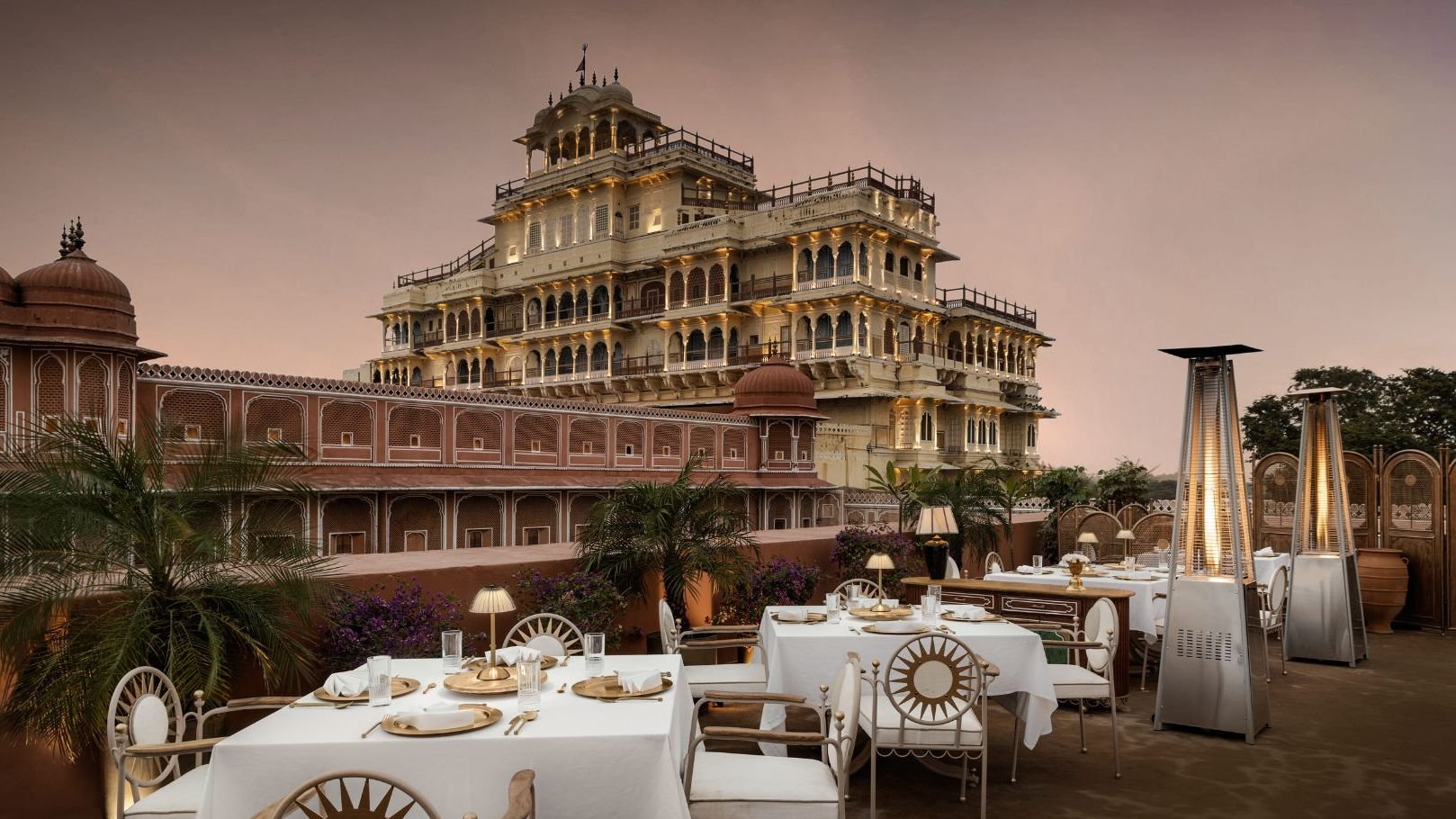
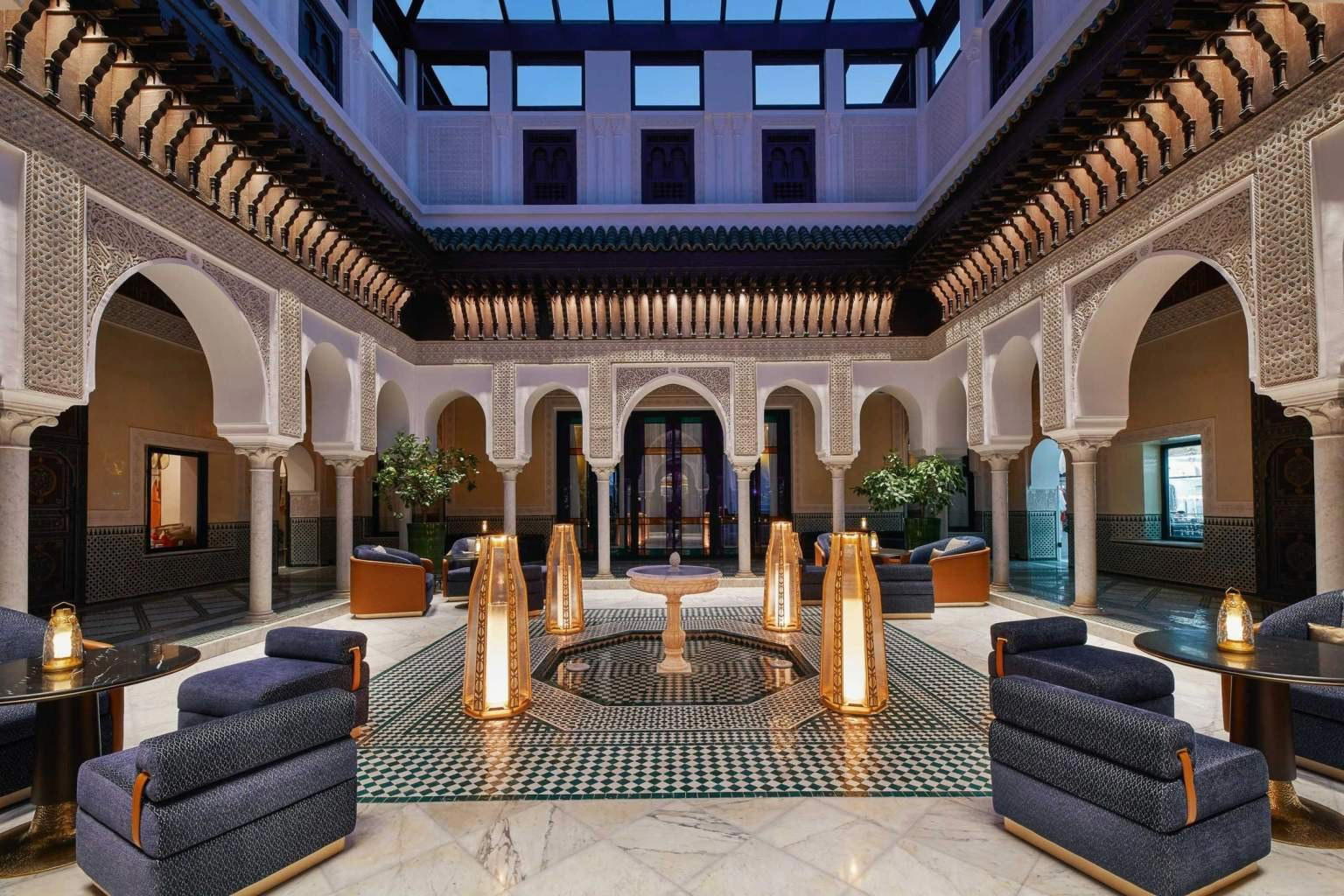
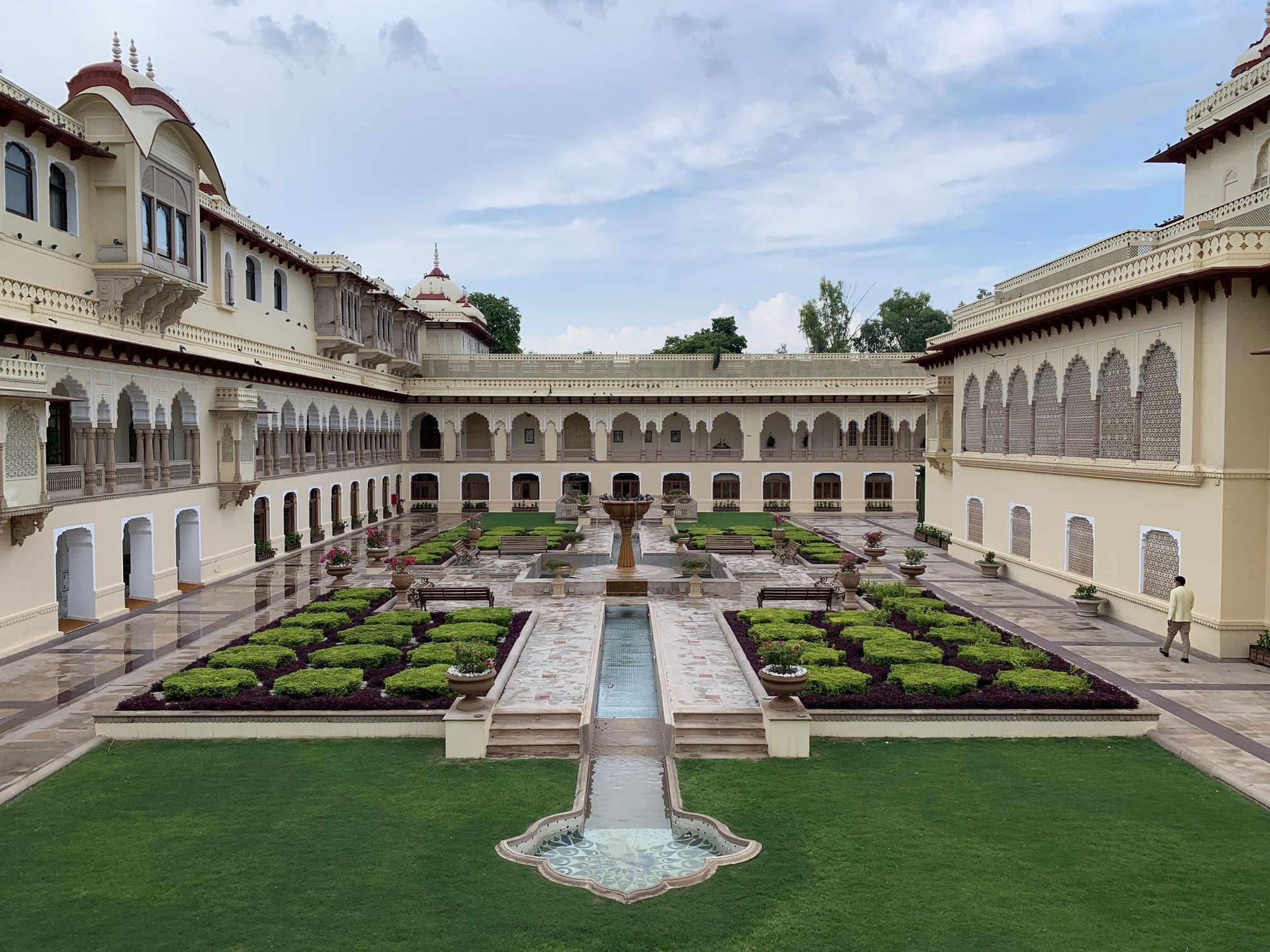
Rambagh Palace reads as a living piece of history: its architecture deliberately fuses Mughal and Rajasthani grammar, and the scale of the estate—colonnaded wings, arched verandas and ornamental turrets—makes the building itself the guest’s primary impression. The surrounding 47 acres of manicured gardens and symmetrical court layouts emphasize a scenic, classical sensibility that feels both formally composed and quietly intimate. Service follows that lead, treating the property’s social history as an operating manual, so the overall tone is ceremonious and reflective rather than flashy or transient.
Best For
This is a stay built around immersive heritage rather than just a room-for-the-night proposition. Guests who prize architecture, gardened grounds and deep historical provenance find Rambagh most rewarding—it's well suited to milestone celebrations and ceremonial gatherings where setting matters. The estate’s scale and formal service model also lend themselves to destination events that require a setting with both gardened expanses and a palatial sense of occasion. Travelers seeking a deliberate, historically anchored luxury experience get the clearest value here.
Stay Tips
Book well in advance and request rooms that face the gardens or garden courts to make the most of the 47-acre setting; the property’s layout and verandas are central to the experience. Take advantage of the staff’s anticipatory service by asking for orientation about the palace’s history—service here is organized around the building’s social legacy, and front-desk or concierge staff are likely to help frame visits to the estate. Plan time to wander the grounds rather than treating the hotel purely as a base for local sightseeing.
Venue details
Ambiance
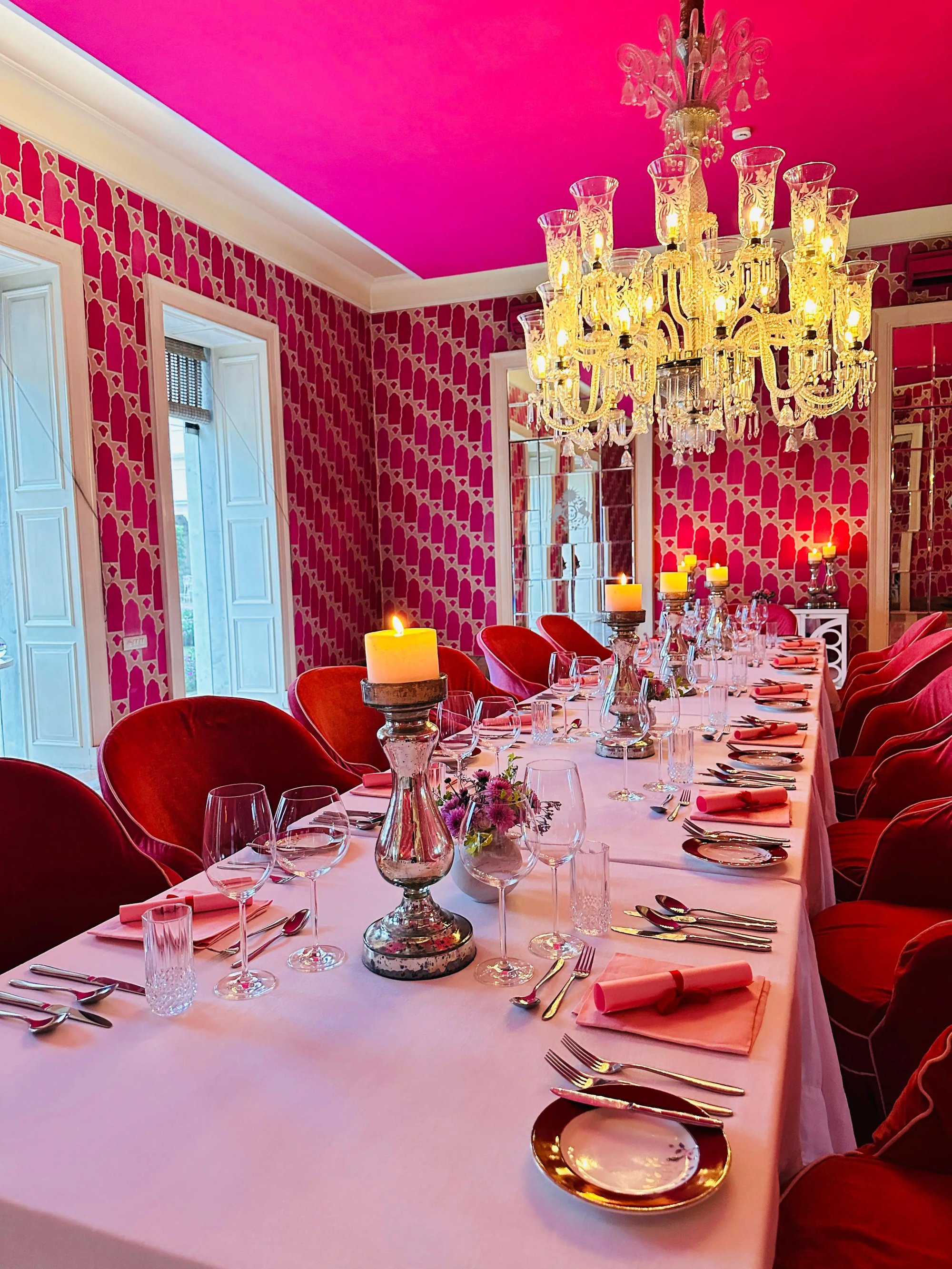
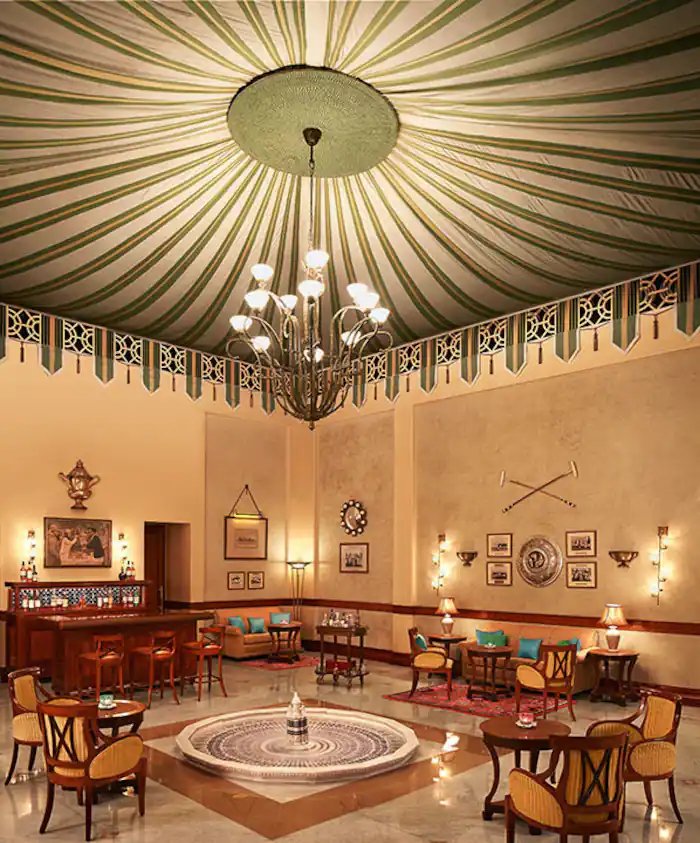
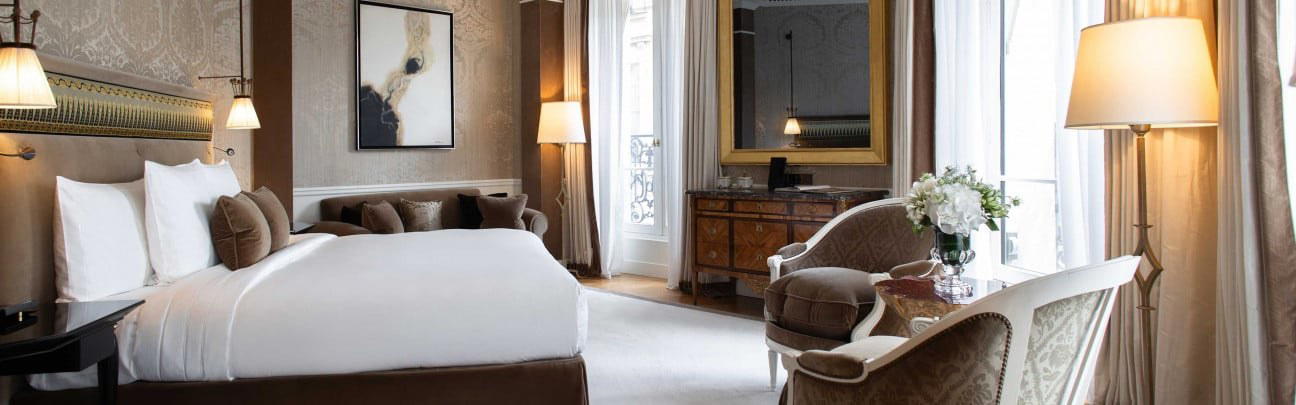
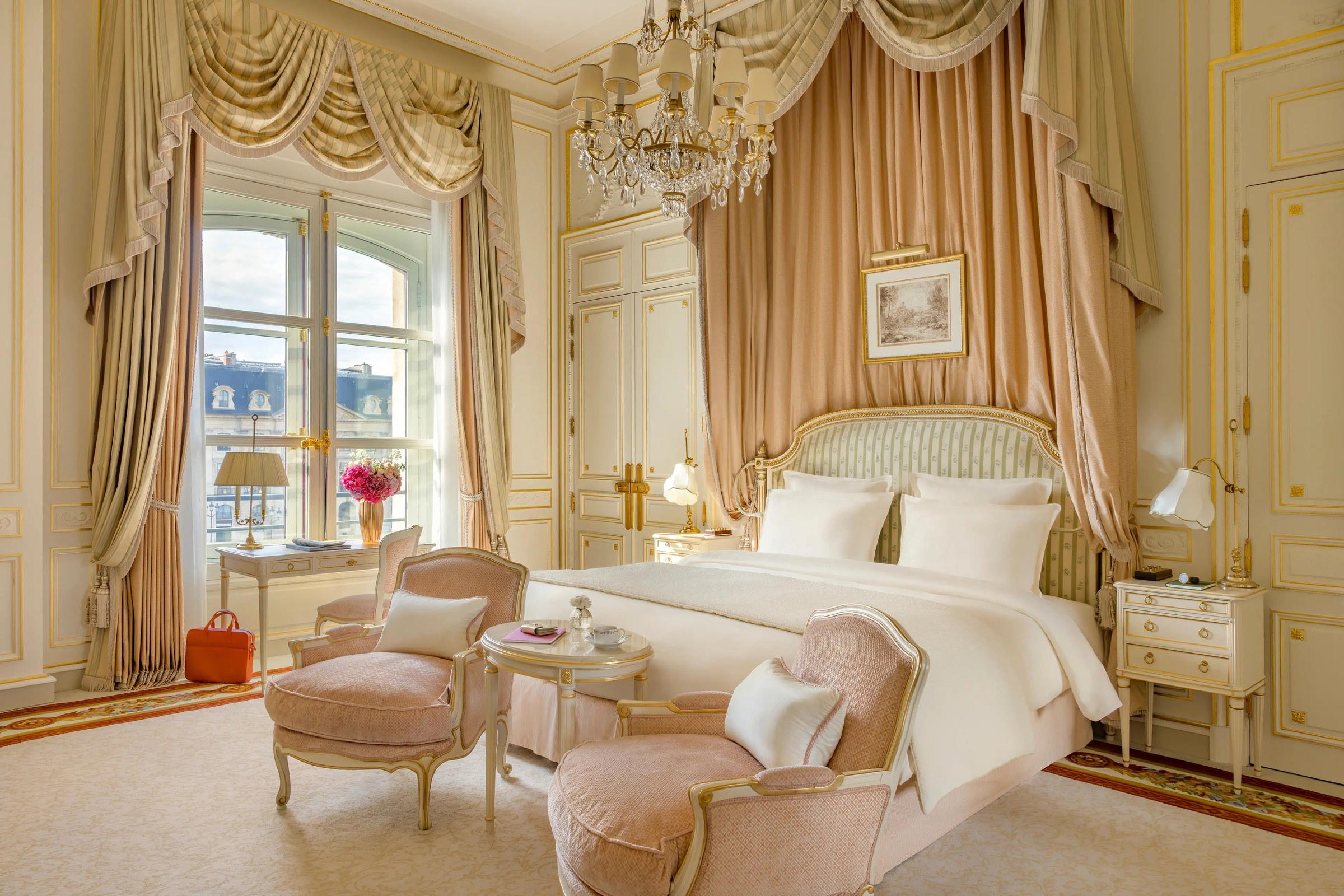
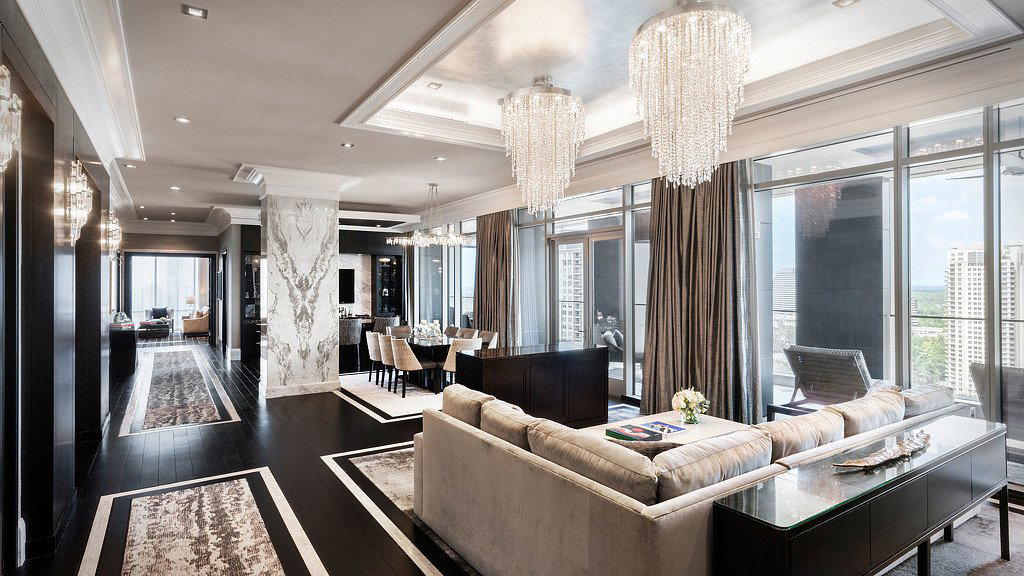
Opulent and regal with grand chandeliers, rich textures, lush gardens, and a tranquil, palatial atmosphere evoking royal elegance.
Tags
Vibe
Best For
Experience
Amenities
View
Accessibility
About the Stay
- Rooms
- 78
- Check-in
- 14:00
- Check-out
- 12:00
- Property Type
- Palace hotel
- Property Style
- Former Maharaja's Residence Transformed Into a Luxury Heritage Hotel
- Design Style
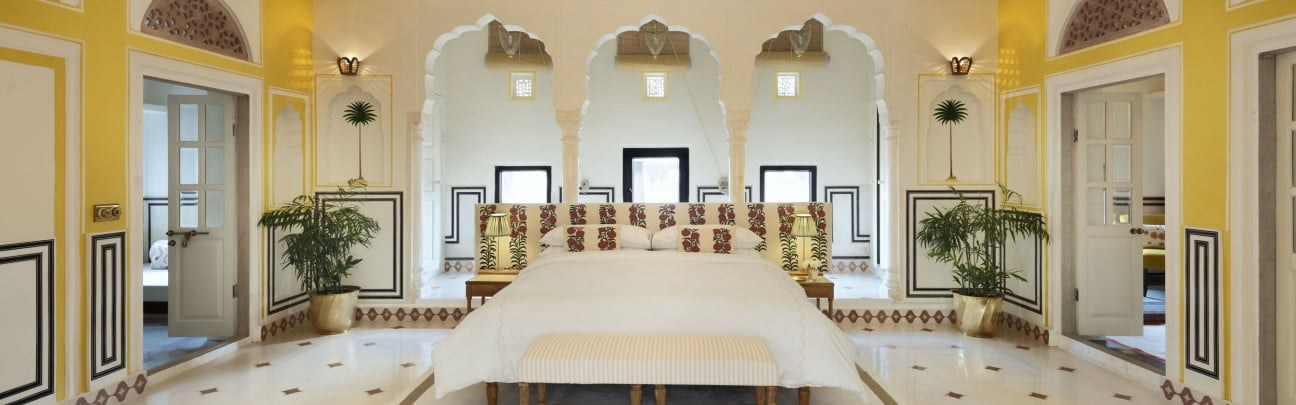
- Opulent Mix of Indian Palace Grandeur, Art Deco, and European Influences with Rich Fabrics and Antiques
- Airport Transfer
- Available
- Pool
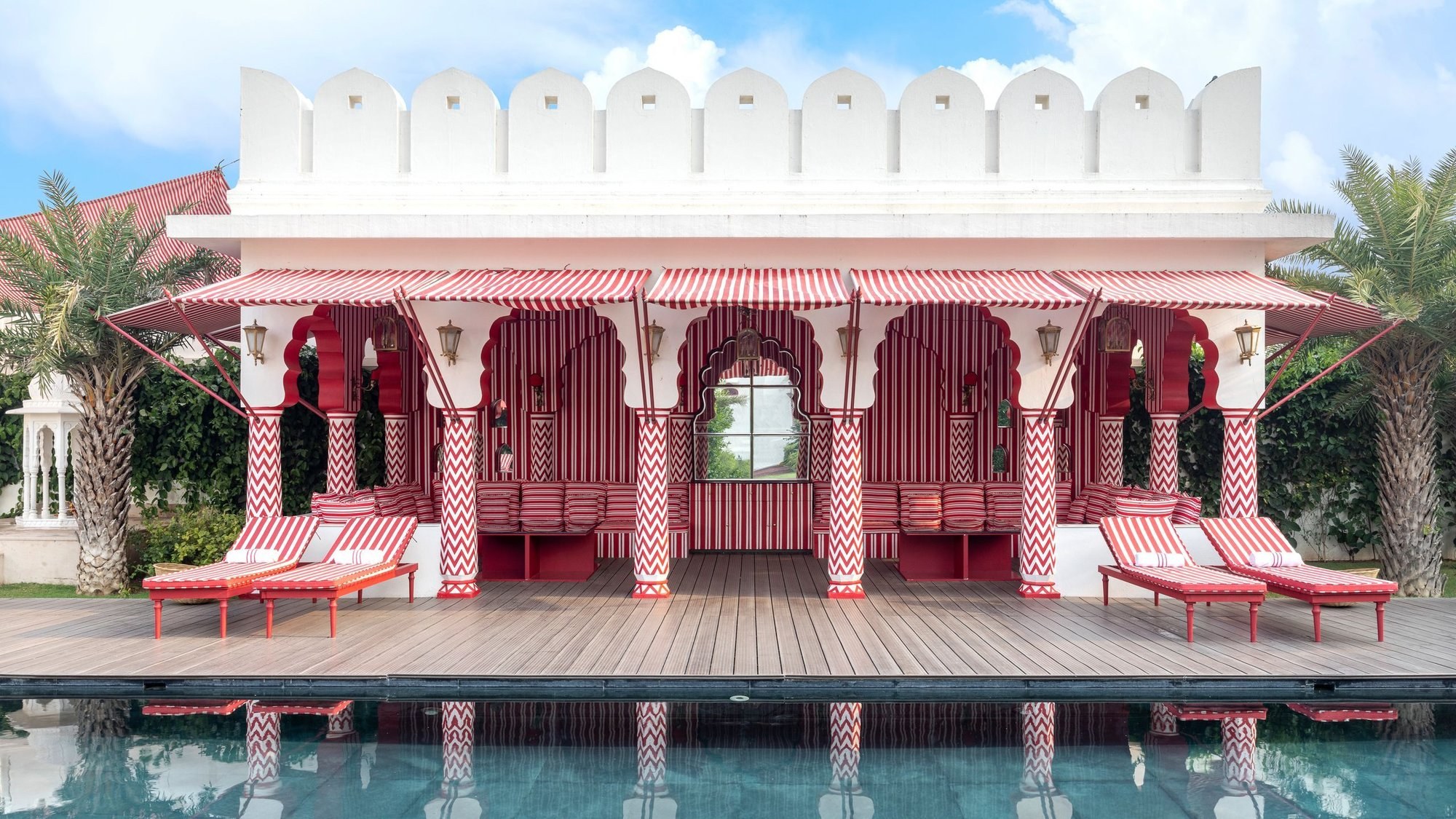
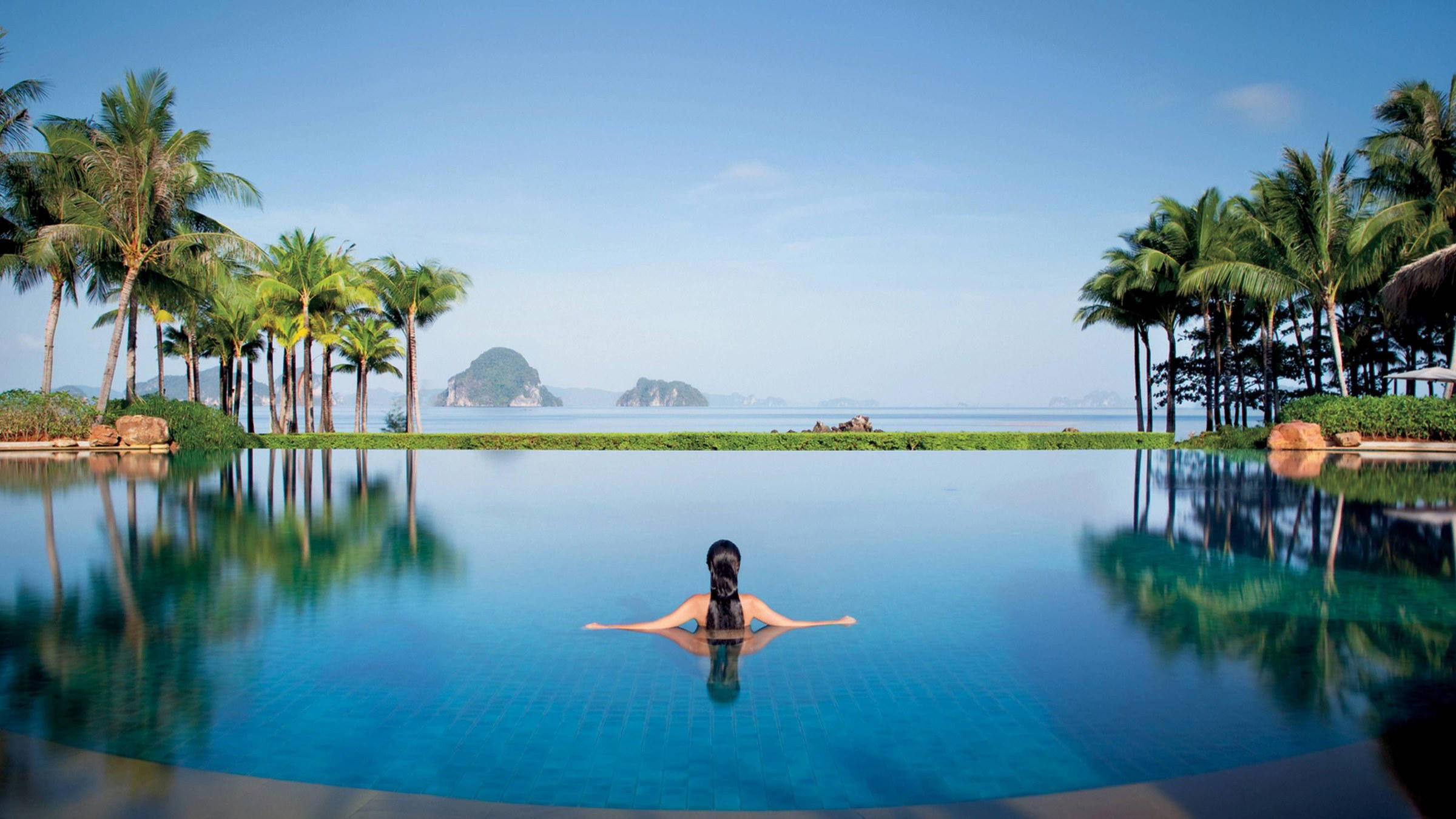
- Yes
- Spa
- Yes
- Families
- Welcome
- Cancellation
- Strict
Know before you go
Know Before You Go
- Getting there
- Bhawani Singh Rd, Rambagh, Jaipur, Rajasthan 302005
Planning details
Location
Bhawani Singh Rd, Rambagh, Jaipur, Rajasthan 302005 · Directions
Recognition and awards



Also consider
If you cannot book here
Try Rajmahal Palace RAAS Jaipur first if the brief is still palace character but with a more design-forward, private-house feel. It is the closest alternative for travelers who want heritage without quite the same formal weight.
Choose 28 Kothi if the trip is more relaxed and the hotel is a base rather than the centerpiece. For boutique Jaipur with a stronger neighborhood feel, compare The Johri, Jaipur.
Hotel context
How it compares in Jaipur
Rambagh Palace, Jaipur is the splurge-oriented heritage choice in this set: book it when the hotel needs to carry the occasion, especially for senior business travel, anniversaries, or hosting. Rajmahal Palace RAAS Jaipur is the sharper cross-shop for travelers who want palace character with a more design-led, private-house feel.
28 Kothi and The Johri, Jaipur make more sense for boutique-minded guests who plan to spend more time exploring than using hotel facilities. They are easier emotional fits for low-key leisure trips, but they do not send the same formal signal for client hosting.
Jai Mahal Palace and The Raj Palace sit closer to the heritage-hotel brief. Choose Rambagh Palace when recognition and occasion value matter most; compare the others when rate, availability, or a different palace mood is the deciding factor.
Explore Jaipur
Around this place
Discover more on Pearl
Unlock the full Rambagh Palace, Jaipur guide in Pearl, including awards, comparisons, FAQs, planning details, and nearby places.
Compare Rambagh Palace, Jaipur
| Venue | Location | Awards |
|---|---|---|
| Rambagh Palace, Jaipur | Jaipur | 2026 Virtuoso Luxury Hotel Collection2026 La Liste Top HotelsWorld Travel Awards 20252025 Michelin Selected Hotels |
| Rajmahal Palace RAAS Jaipur | Jaipur | 2026 La Liste Top Hotels2026 Michelin 1 KeyTatler Best Hotels Asia-Pacific 20252025 Michelin 1 Key |
| 28 Kothi | Jaipur | No published awards |
| Jai Mahal Palace | Jaipur | No published awards |
| The Johri, Jaipur | Jaipur | 2026 World’s 50 Best Hotels 51-100 · #942026 Mr & Mrs Smith Luxury Hotels2026 Michelin 1 Key2025 World’s 50 Best Hotels · #93Tatler Best Hotels Asia-Pacific 20252025 Michelin 1 Key |
| The Raj Palace | Jaipur | Small Luxury Hotels Member 2025 |





How Rambagh Palace, Jaipur compares with similar nearby venues.
FAQ
Frequently Asked Questions
Is Rambagh Palace, Jaipur good for business travel?
Yes, if the trip calls for a Jaipur hotel with strong recognition. Credentials include La Liste Top Hotels (2026), MICHELIN Guide Hotels Selected (2025), World Travel Awards 2025 Leading Heritage Hotel, and Virtuoso Luxury Hotel Partner (2026). For a work-only stay, 28 Kothi is another Jaipur option to compare.
How is the dining at Rambagh Palace, Jaipur?
For cuisine, signature restaurant, menu format, or dining service details, contact Rambagh Palace, Jaipur directly before booking. If dining is the sole priority, The Johri, Jaipur is another Jaipur hotel to compare.
How does Rambagh Palace, Jaipur compare to nearby hotels?
It stands out in this group for luxury-hotel recognition, including La Liste, World Travel Awards, Virtuoso, and MICHELIN Guide hotel selection. Rajmahal Palace RAAS Jaipur and Jai Mahal Palace are natural comparisons for a Jaipur stay, while The Johri, Jaipur and 28 Kothi are additional Jaipur options to consider.
Which room category is best at Rambagh Palace, Jaipur?
Is Rambagh Palace, Jaipur family-friendly?
It may suit travelers seeking a heritage-hotel stay in Jaipur, but families should confirm room configurations, child policies, and any family-specific services directly before booking.
How is the location of Rambagh Palace, Jaipur?
Do loyalty programs work at Rambagh Palace, Jaipur?
Virtuoso Luxury Hotel Partner (2026) is the key trust signal in this area. If points earning, elite credit, or specific benefits are important, confirm the exact booking channel and terms before committing.