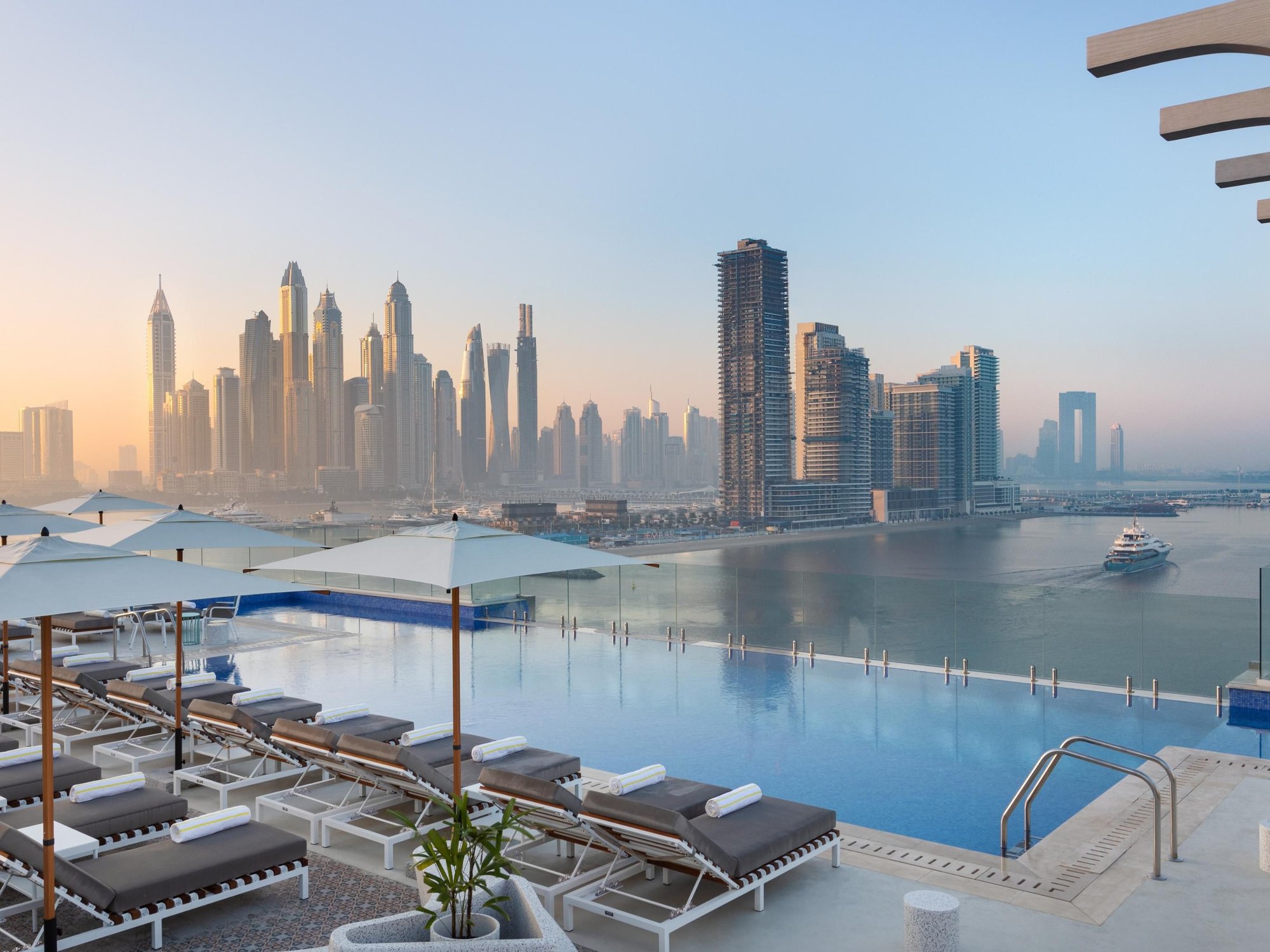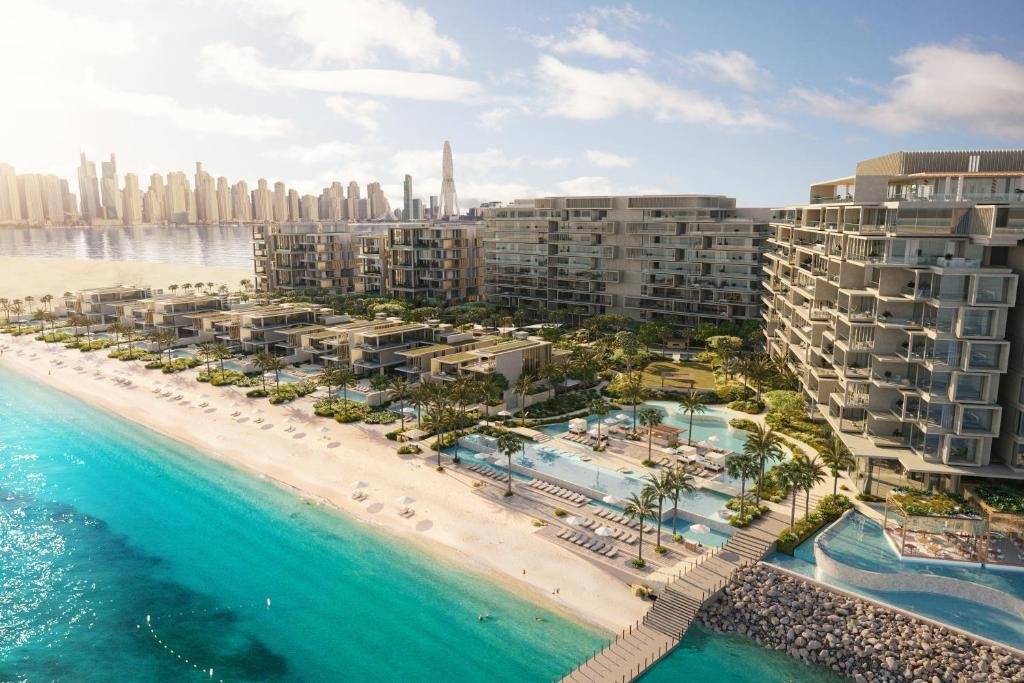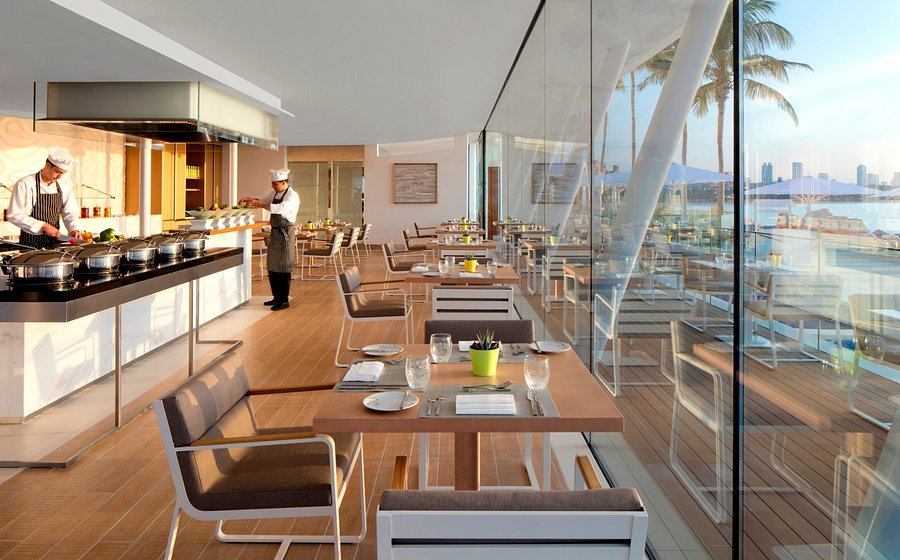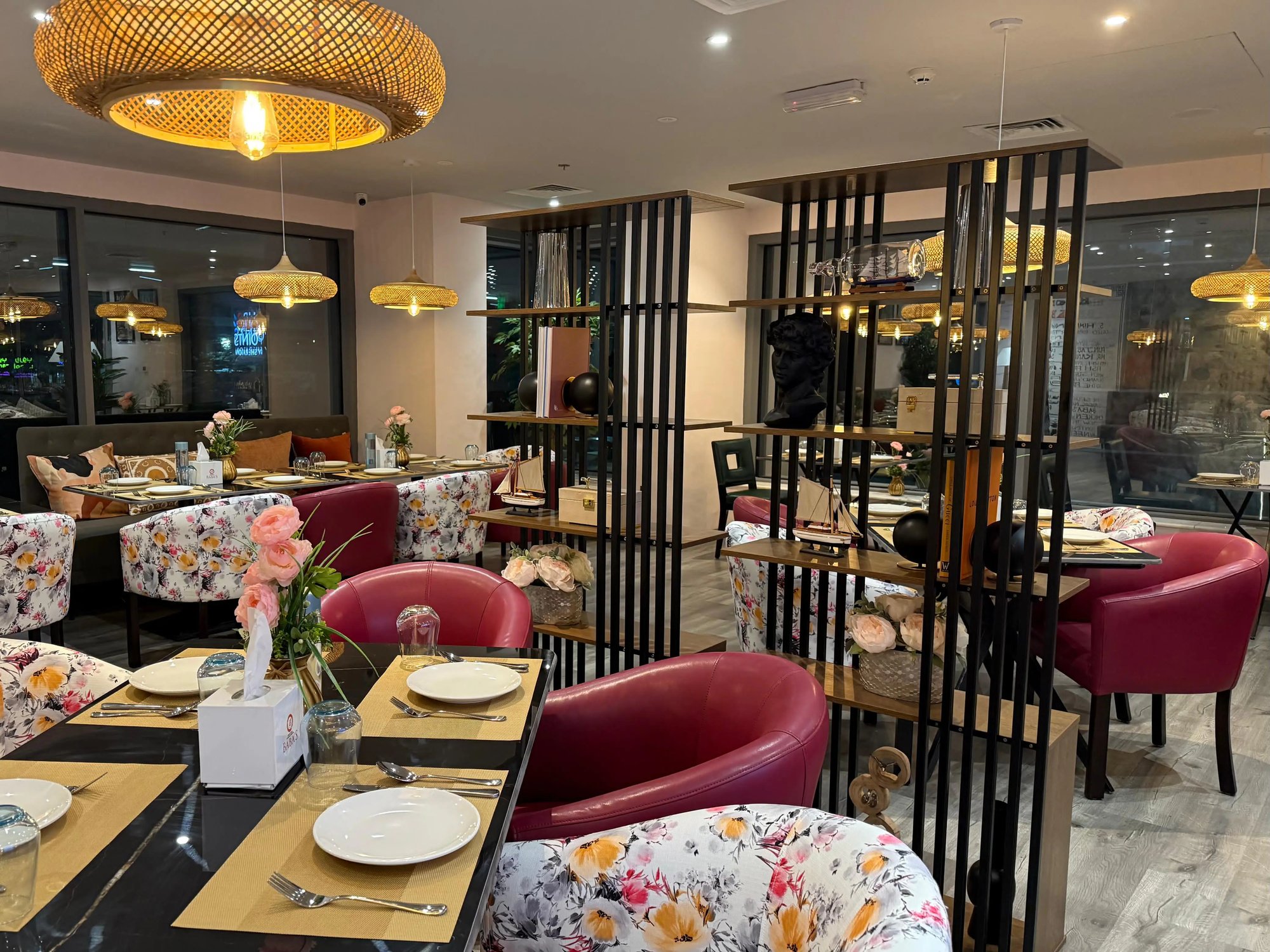
Hotel in Dubai, United Arab Emirates
Baccarat Hotel & Residences Dubai
150Pearl PointsCrystal-Brand Urban Stay

About Baccarat Hotel & Residences Dubai
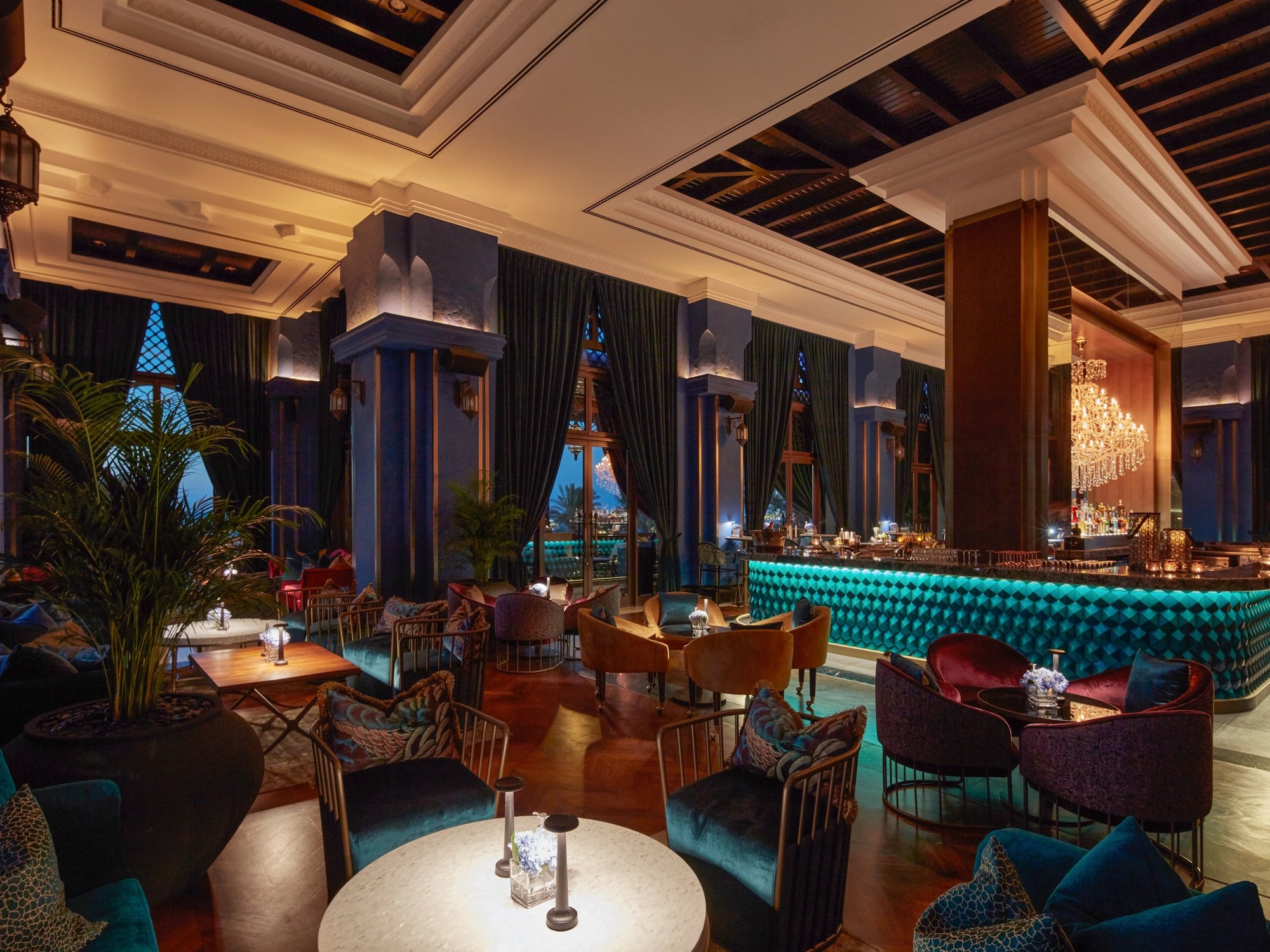
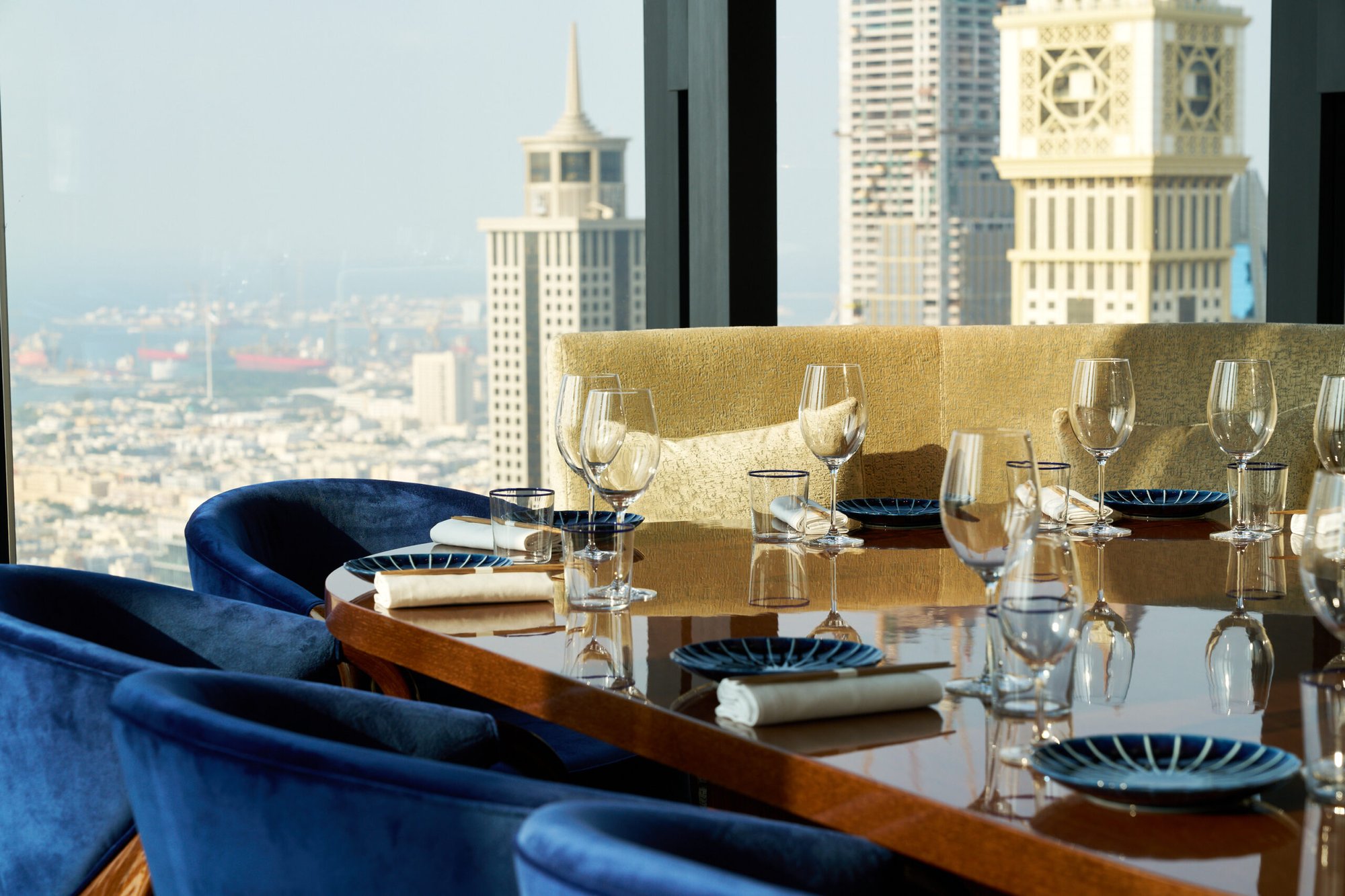
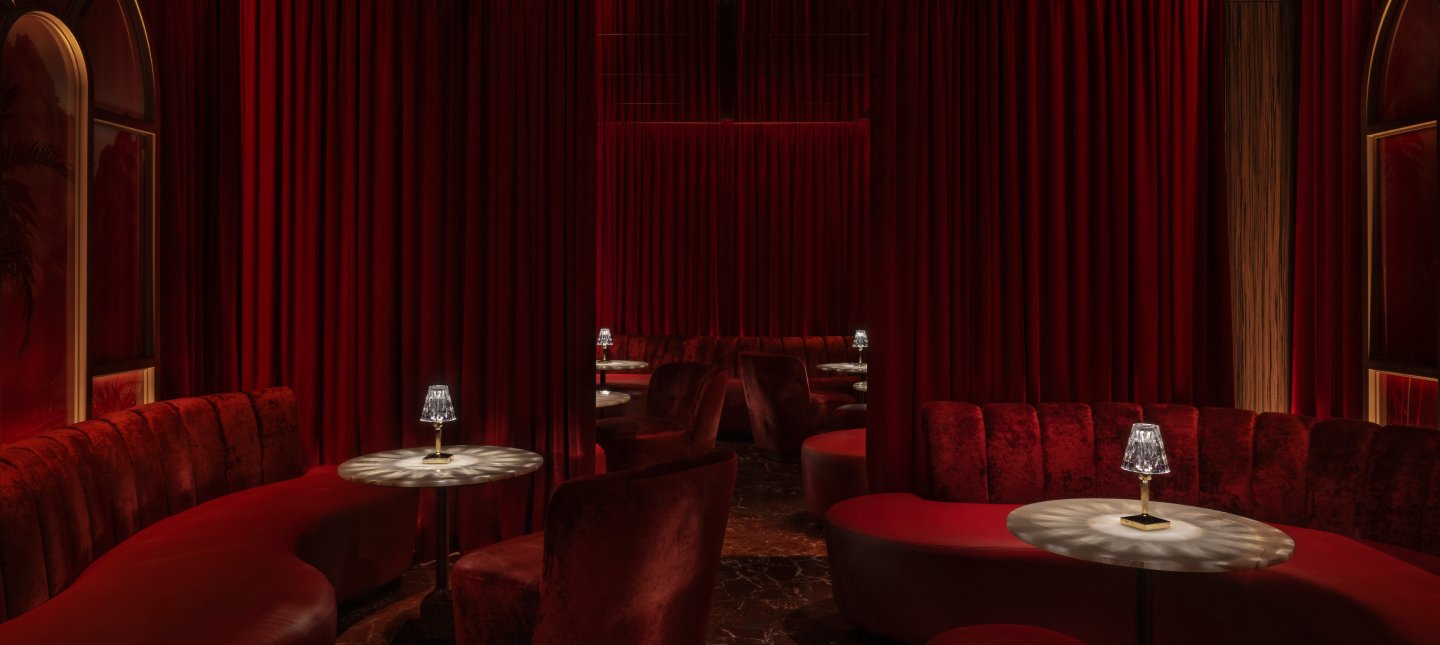
Baccarat Hotel & Residences Dubai belongs to the city’s design-led luxury conversation, where architecture and brand codes matter as much as service rituals. With venue-specific awards, pricing, rooms, dining, and booking data not yet published in the EP Club record, the useful reading is comparative: how a crystal-house hotel concept fits into Dubai’s high-gloss hospitality market.
Glass, glare, and the Dubai hotel arms race
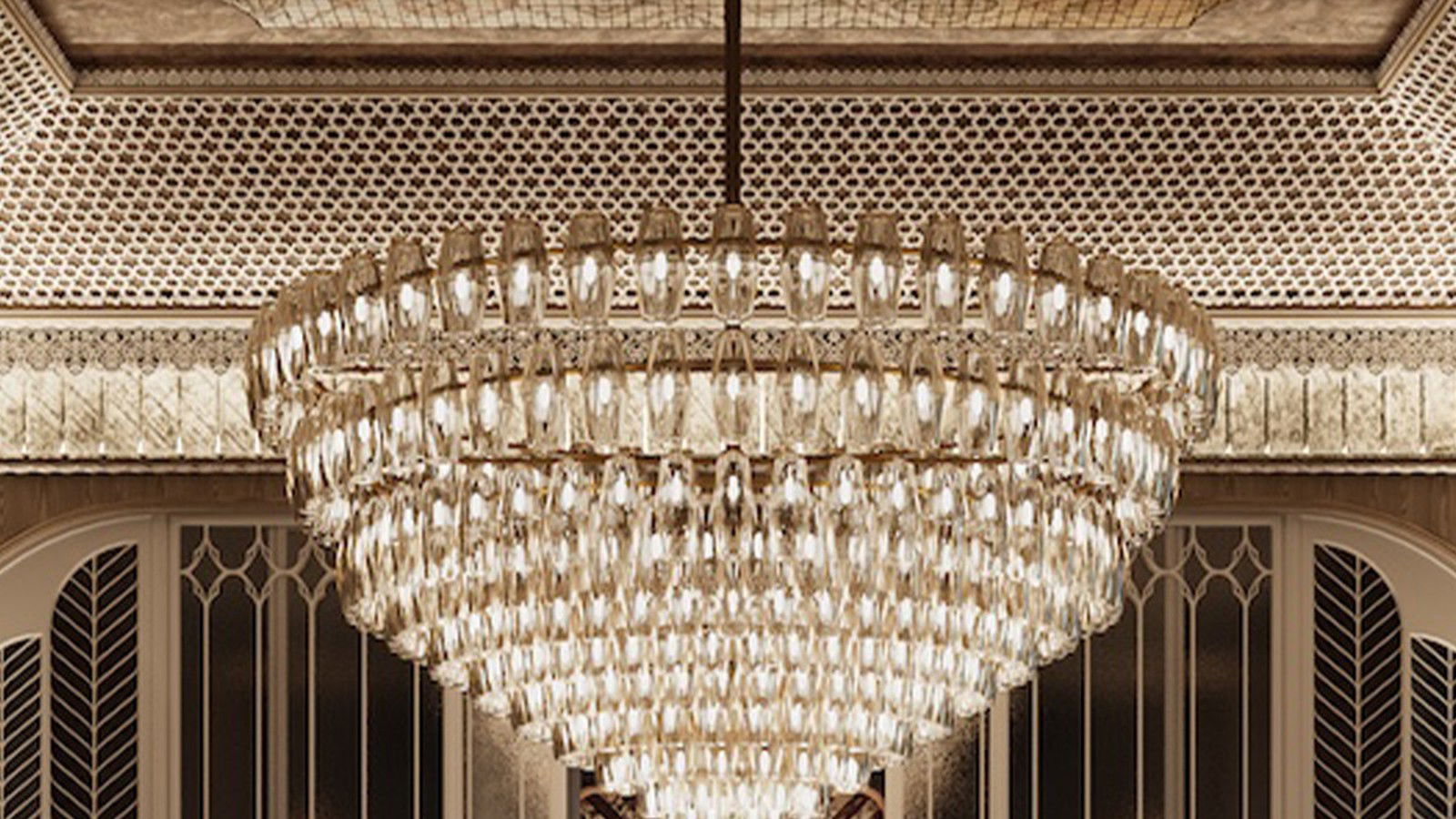
Dubai hotel arrivals are rarely quiet affairs. The city has trained visitors to expect scale before intimacy: porte-cochères wide enough for supercars, lobbies arranged for theatrical arrival, and skyline views treated as part of the room product rather than a pleasant extra. Baccarat Hotel & Residences Dubai enters that conversation through a different kind of signal. The Baccarat name carries the language of crystal, reflection, cut light, and formal European glamour; in Dubai, those codes land in a market already fluent in spectacle.
That is the editorial point. This is not a beach resort competing on sand, nor a desert retreat trading on silence, nor a lifestyle hotel selling informality. It belongs to the design-branded hotel category, where the physical environment is the central argument. In a city with Atlantis The Royal, Jumeirah Marsa Al Arab, and The Lana all pushing sharply defined visual identities, a hotel tied to Baccarat must justify itself through finish, proportion, lighting, and restraint as much as through size.
The property is a hotel in Dubai, United Arab Emirates, positioned in the city’s design-led luxury market. It means any assessment should focus on the category it occupies: high-design hospitality in Dubai, a city where hotel architecture often becomes the destination before the room key is cut.
Why the design category matters in Dubai
Dubai’s luxury hotels split into several clear camps. There are waterfront resorts built around family infrastructure and beach clubs, represented in different ways by Address Beach Resort and Andaz by Hyatt – Palm Jumeirah in Palm Jumeirah. There are city hotels tied to business districts, shopping, towers, and fast access, such as Address Downtown, Address Creek Harbour, and 25hours Hotel Dubai One Central. Then there is the design-signature tier: properties where the building, interiors, art direction, and brand symbolism carry the editorial weight.
Baccarat Hotel & Residences Dubai belongs to that last tier by name and positioning, even though EP Club has not yet received confirmed operational details. The brand association gives the project a narrow brief: light must be handled deliberately, public rooms cannot feel generic, and decorative polish needs discipline. Dubai already has plenty of expensive rooms. The more interesting question is whether a property can translate a heritage luxury vocabulary into the city’s appetite for height, gloss, and instant recognisability without collapsing into showroom theatre.
For travellers comparing hotels, this distinction is practical rather than academic. A resort-led stay asks whether the pool, beach, and children’s infrastructure fit the trip. A dining-led stay asks whether the restaurants can anchor evenings without taxis. A design-led stay asks whether the guest wants the hotel itself to function as a visual environment, somewhere to hold meetings, dress for dinner, and move through spaces that carry a consistent aesthetic argument.
The Baccarat code: brand architecture before amenities
Baccarat’s hotel vocabulary, as understood in international luxury hospitality, draws from the company’s long association with crystal and formal interiors. It does, however, place the property in a recognisable global lineage of hotels where brand heritage is translated into architectural mood. The competitive set is not defined only by nightly rate. It is defined by how convincingly the hotel turns a non-hotel luxury house into a spatial experience.
Dubai is a useful test case for that idea because the city has little patience for underpowered concepts. Hotels here are expected to do several jobs at once: receive international guests, host residents for dining and social occasions, photograph well, perform as real estate assets, and signal status from arrival to lobby. A Baccarat-branded address in Dubai therefore has to operate on two frequencies. It must satisfy the global guest who already understands the name, and it must compete locally with hotels that have made scale, skyline, and restaurant programming central to their appeal.
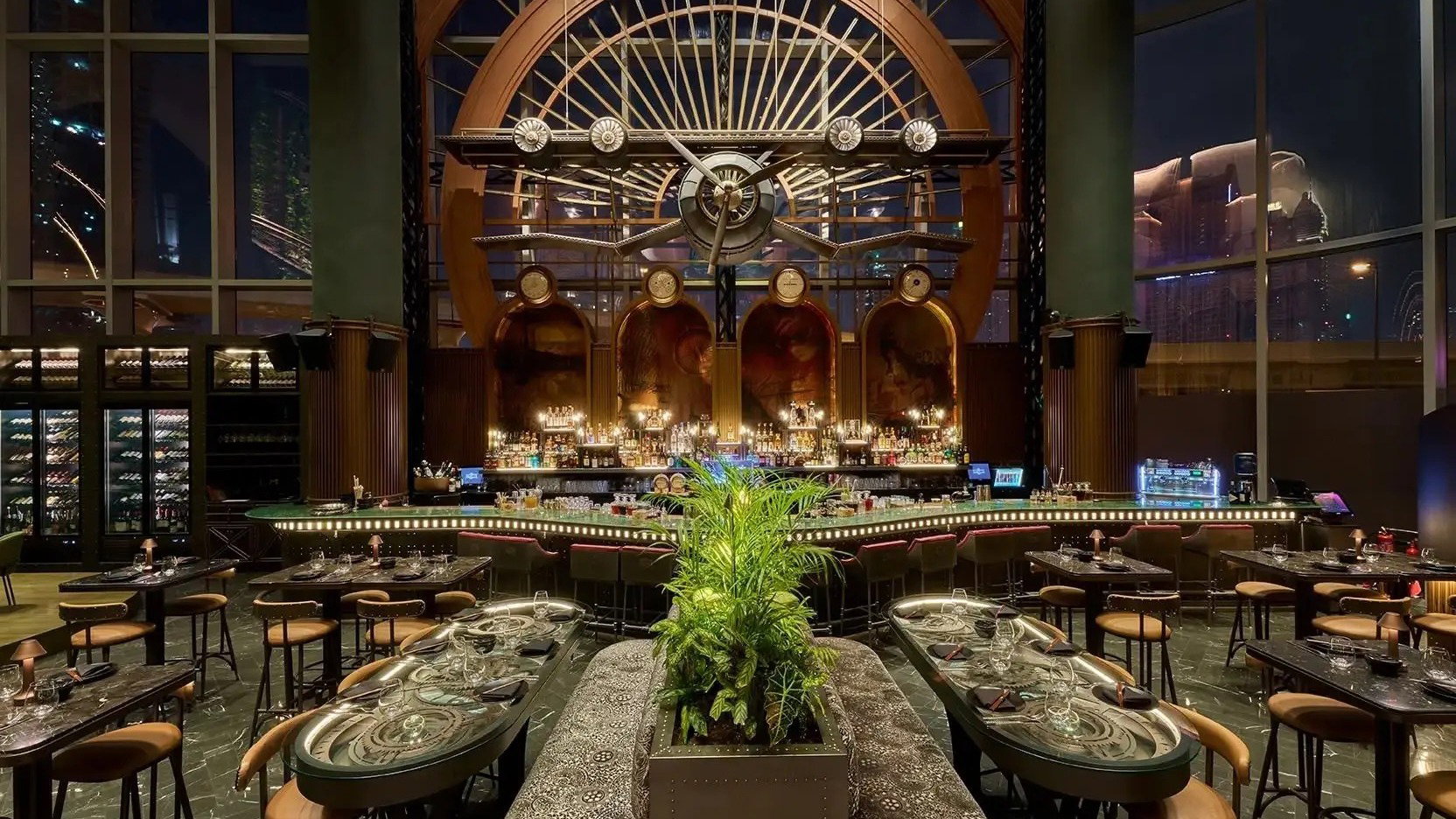
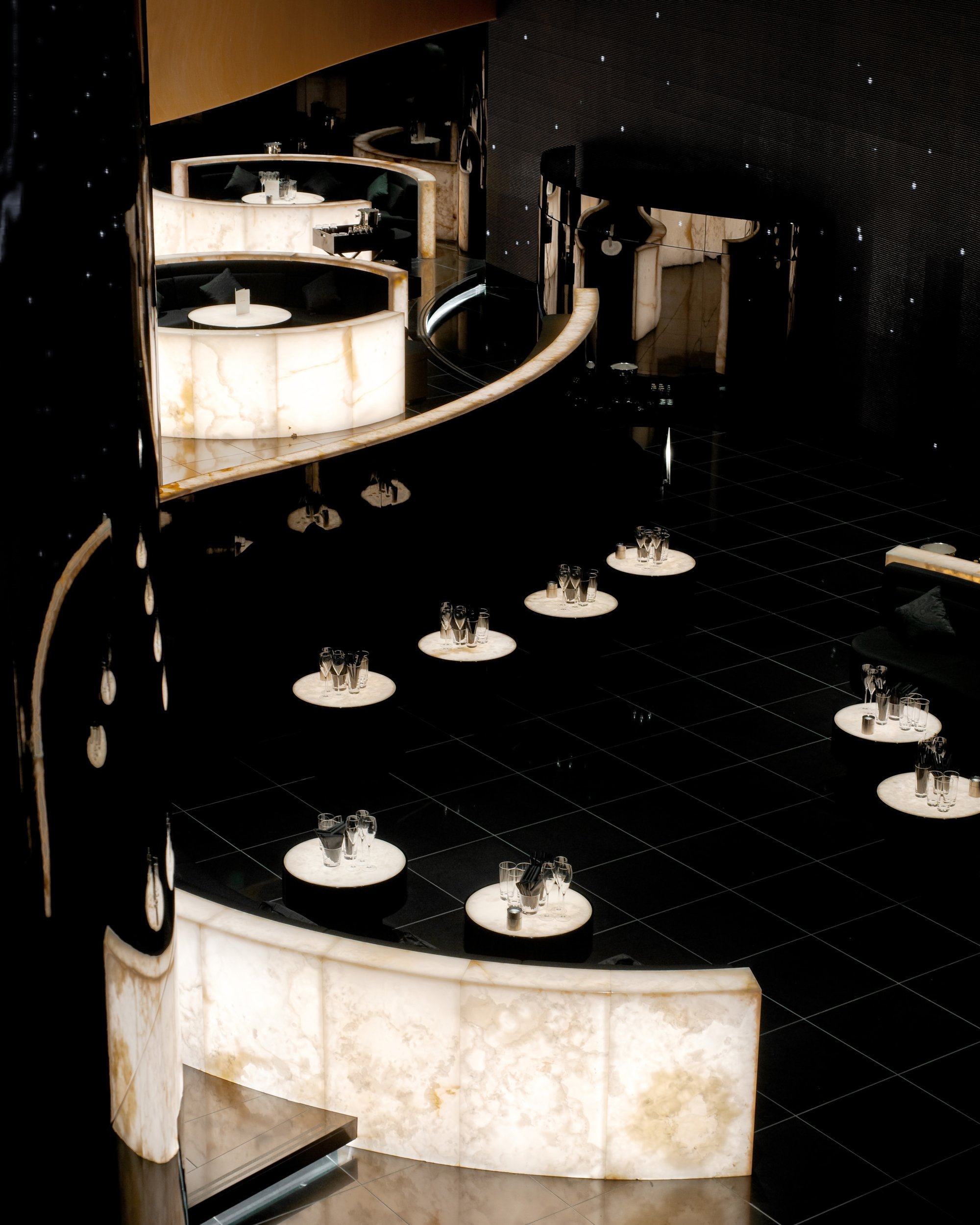
That is why architecture and design are the right lens for this page. Without confirmed dining, room, spa, or service data in the EP Club record, the safest and most useful reading is category analysis. In Dubai, a hotel name alone is not enough. The city’s premium hotel market is dense, visible, and constantly refreshed. Design-led properties are judged on coherence: whether the arrival sequence, room materials, lighting, circulation, and public spaces feel part of a single point of view.
How it compares with Dubai's hotel peers
The comparison with Atlantis The Royal is instructive because that property represents Dubai maximalism at full volume: resort infrastructure, dining gravity, and architecture designed to dominate the skyline conversation. The Lana occupies a different register, linked to contemporary urban polish and the Dorchester Collection’s service culture. Jumeirah Marsa Al Arab speaks to Dubai’s waterfront confidence and its continued appetite for sculptural hotels. A Baccarat-branded property sits among these names less as a direct copy of any one model and more as a counterpoint: quieter in theory, more dependent on interior atmosphere, and less able to rely on generic resort abundance.
Address properties form another useful comparison. Address Beach Resort, Address Downtown, and Address Creek Harbour are part of a Dubai hospitality language shaped around location convenience, polished service, and high-rise urban resort habits. They help explain why a design-house hotel needs more than brand recognition. Dubai travellers can already buy convenience, views, and polished lobbies across multiple districts. The more demanding guest will ask what the property adds to the city’s hotel grammar.
There is also a UAE-wide contrast. Anantara Qasr al Sarab Desert Resort in Liwa Desert uses landscape and isolation as its strongest card. Anantara Sir Bani Yas Island Al Yamm Villa Resort in Abu Dhabi and Anantara Sir Bani Yas Island Al Sahel Villa Resort in Sir Bani Yas Island work through nature-led remove. Al Badayer Retreat by Sharjah Collection in Sharjah and Telal Resort Al Ain in Al Ain lean toward heritage, sand, and slower pacing. Baccarat’s Dubai proposition, by contrast, is urban and image-conscious. It belongs to the city, not the edge of it.
Dining, drinking, and the limits of confirmed data
EP Club does not currently hold confirmed cuisine, chef, restaurant, bar, or signature-dish data for Baccarat Hotel & Residences Dubai. That should be stated plainly because hotel dining in Dubai is too competitive for vague praise. The city’s stronger properties often function as dining circuits, not simply places to sleep, and the quality of restaurants can change the entire value calculation for a stay.
For context, Dubai’s restaurant market has become more serious since the Michelin Guide launched in the city in 2022, giving outside travellers a clearer way to read ambition and consistency. That broader change affects hotels directly. A luxury property now competes not only on rooms and pools, but also on whether dinner can hold its own against independent restaurants, branded imports, and chef-led counters across the city. Readers planning around meals should cross-reference a Dubai restaurants guide rather than assume the hotel will answer every dining need.
The same logic applies to bars. Dubai’s drinking culture is shaped by hotel licensing, international bartending talent, and high-design lounges that often double as social stages. With no confirmed bar programme in the current record, the hotel’s drinking credentials remain unverified. Design may set the tone, but in this city a serious bar also needs technical consistency and a crowd with a reason to return after the first photograph.
Who should consider it
This property will make the most sense for travellers who prioritise architectural mood, brand heritage, and an urban luxury setting over resort sprawl. It is less obviously suited, based on the available record, to guests who need confirmed beach access, family facilities, published dining credentials, or a known price band before choosing. Travellers should treat it as a design-led candidate requiring direct verification before booking.
For a wider hotel search, Our full Dubai hotels guide gives the broader city context. Regional comparisons also help. Address Beach Resort Fujairah shifts the conversation toward a different coastline. Mövenpick Resort Al Marjan Island in Ras al Khaimah places leisure infrastructure in another emirate’s resort economy. Fairmont Ajman in Ajman reflects a quieter beach-hotel equation. Anantara Santorini Abu Dhabi Retreat in Ghantoot shows how imported aesthetic languages can be used in the UAE outside Dubai’s vertical theatre.
Internationally, the comparison reaches beyond the Gulf. The Fifth Avenue Hotel in New York City, Hôtel de Paris Monte-Carlo in Monte Carlo, and Badrutt's Palace Hotel in St. Moritz each show a different route to hotel identity: townhouse eccentricity, grand European ritual, and alpine social history. Dubai’s challenge is different. Its luxury hotels are newer, faster-moving, and judged in a market where novelty arrives often. A Baccarat-branded hotel must therefore convert heritage into atmosphere rather than rely on heritage as decoration.
Planning notes: what to verify before committing
The planning approach should be careful. Confirm the property’s exact location, opening status, room categories, rates, cancellation terms, dining access, bar access, spa availability, residence-versus-hotel distinction, and any guest-only facilities before building an itinerary around it. This is especially relevant in Dubai, where hotel districts change the feel of a trip: Downtown, Business Bay, DIFC, Palm Jumeirah, Jumeirah Beach, and Creekside stays produce different taxi patterns, dining habits, and evening rhythms.
Seasonality also matters. Dubai’s outdoor hotel life is at its strongest in the cooler months from late autumn through early spring, while summer shifts more of the experience indoors. A design-led hotel can benefit from that indoor emphasis if its public spaces carry enough visual and social weight. For broader planning beyond hotels, a Dubai experiences guide helps place the stay around galleries, culture, architecture, and private formats, while a Dubai wineries guide is useful for readers mapping wine-adjacent travel content in a city where the wine conversation is usually tied to restaurants, hotels, and private dining rather than vineyards.
Location
Dubai, United Arab Emirates
Explore Dubai
Save or rate Baccarat Hotel & Residences Dubai on Pearl
Keep this venue in your Pearl passport, rate it after you visit, and track it alongside every other place you collect.