


Banyan Tree Dubai
Al Sufouh 2, Dubai
Hotel in Dubai, United Arab Emirates
 Book with Pearl
Why go
Banyan Tree Dubai is worth shortlisting for a polished Bluewaters Island stay where service confidence matters more than a party scene. Its Forbes 4-Star, Star Wine List, and MICHELIN Guide hotel selection signals make it a safer pick for celebrations, couples, and business-adjacent trips than for travelers prioritizing Downtown convenience or constant nightlife.
About Banyan Tree Dubai
Three outside recognition signals make Banyan Tree Dubai a serious shortlist option in Dubai: Forbes 4-Star (2026), Star Wine List (2026), and MICHELIN Guide, Hotels Selected (2025). The recommendation is narrow but useful: consider it if those recognition signals matter to your trip planning, especially for a stay where external recognition is part of the decision.
The dress code is smart casual.
Choose it for recognition signals
The strongest hotel signal is the Forbes 4-Star recognition for 2026. It is a meaningful outside marker for travelers comparing premium hotels in Dubai.
Star Wine List recognition for 2026 is also useful for guests who factor outside wine recognition into trip planning. The practical takeaway is simple: Banyan Tree Dubai has a wine-recognition marker. For broader planning beyond the hotel, use Our full Dubai restaurants guide, Our full Dubai bars guide, and Our full Dubai experiences guide to build the rest of the trip around the stay.
Use Dubai as the planning frame
Use Dubai as the broad planning frame rather than assuming the property is the best fit for a particular district, landmark, or itinerary type. If location efficiency is the main decision, confirm the exact logistics directly before booking. For a wider scan, start with Our full Dubai hotels guide.
For travelers comparing premium stays in Dubai, the most relevant named alternatives to consider include Address Beach Resort, Delano Dubai, FIVE LUXE JBR, Rixos Premium Dubai JBR, and The Ritz-Carlton, Dubai. Other Dubai hotels may also be relevant depending on budget, preferred atmosphere, and trip purpose.
Who should book, and who should look elsewhere
Book Banyan Tree Dubai if recognition matters: Forbes 4-Star (2026), Star Wine List (2026), and MICHELIN Guide, Hotels Selected (2025). If your decision depends on a specific restaurant format, detailed facilities, exact pricing, room count, or a particular neighborhood fit, check those details directly before booking. Other Dubai options worth checking include Address Beach Resort, Delano Dubai, FIVE LUXE JBR, Rixos Premium Dubai JBR, and The Ritz-Carlton, Dubai.
Part of
Banyan Tree27 locations on PearlInside Banyan Tree Dubai
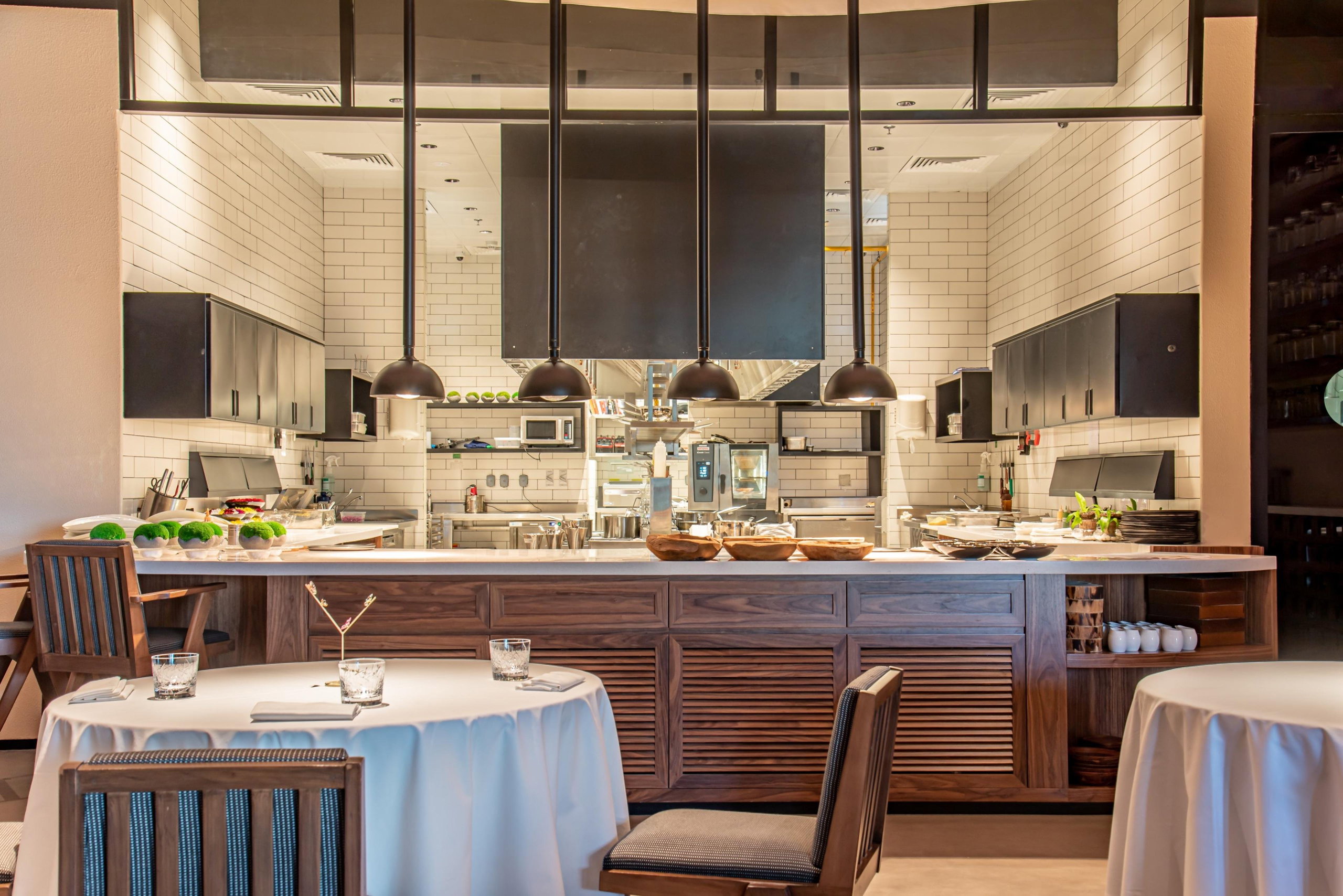
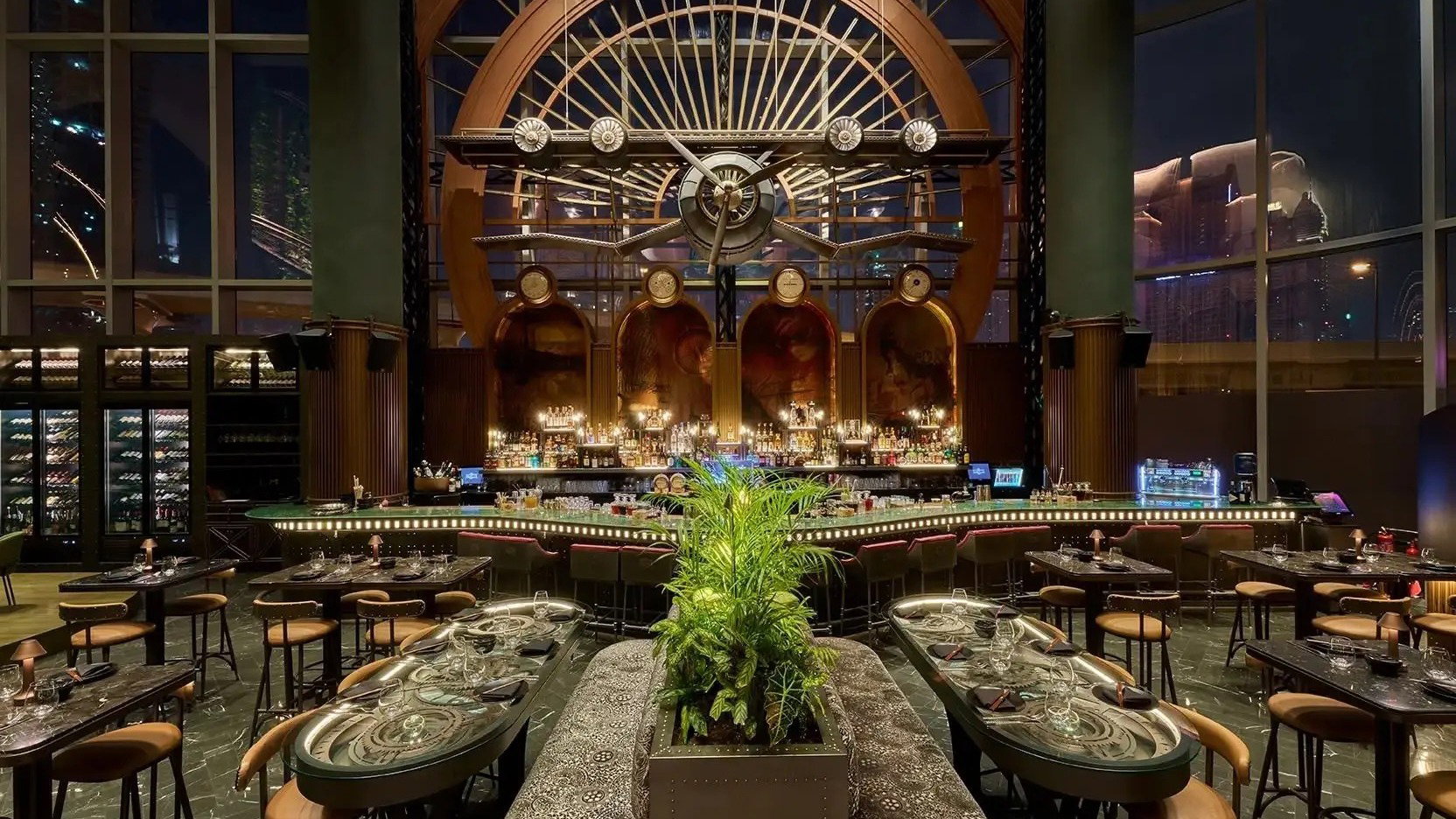
 restaurantTakaHisaTakaHisa at Banyan Tree Dubai on Bluewaters Island holds a Michelin Plate (2025), a Star Wine List White Star, and a ranking of 41st in the World's 50 Best Restaurants MENA 2024. The kitchen is led by wagyu specialist Chef Hisao Ueda alongside sushi master Takashi Namekata, a two-chef model that positions this as one of the more seriously composed Japanese addresses in the UAE.
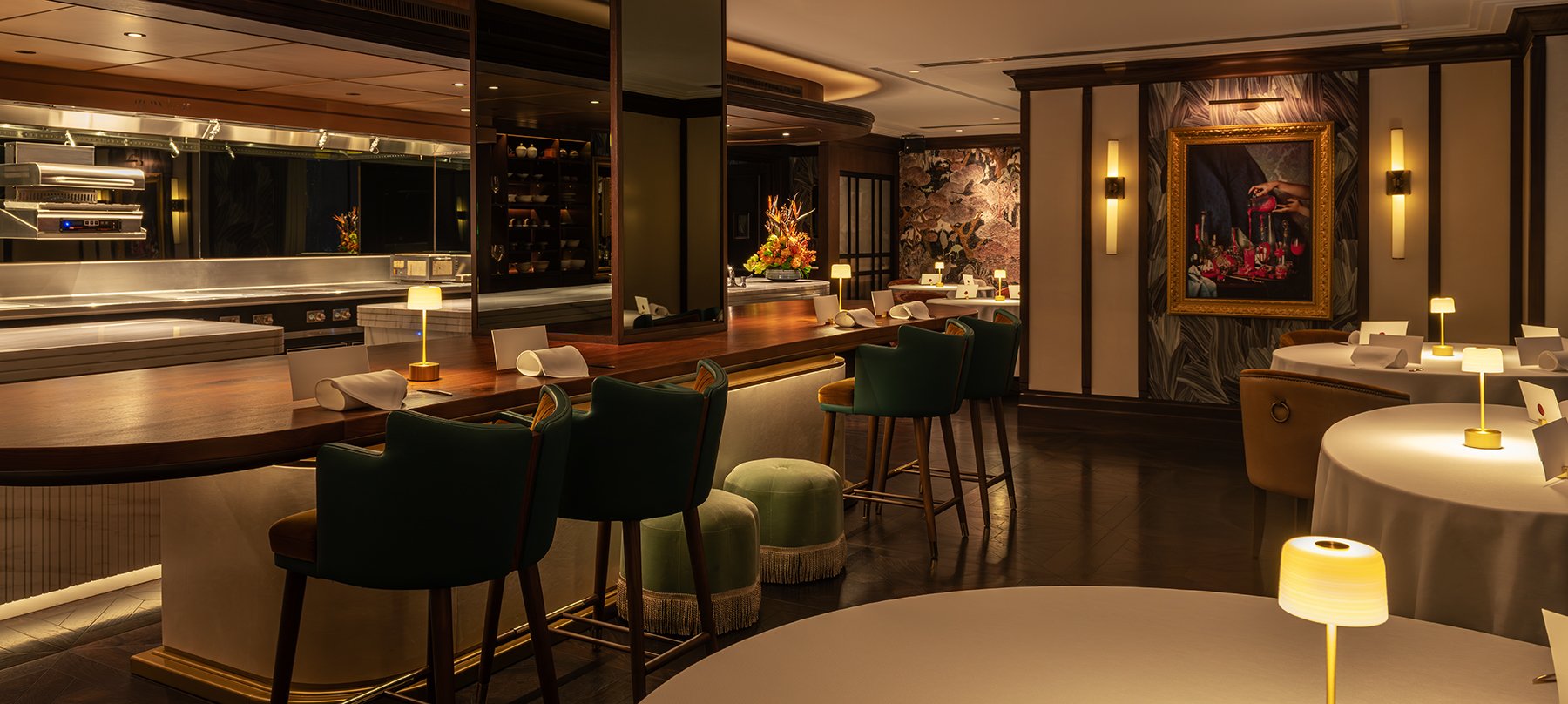
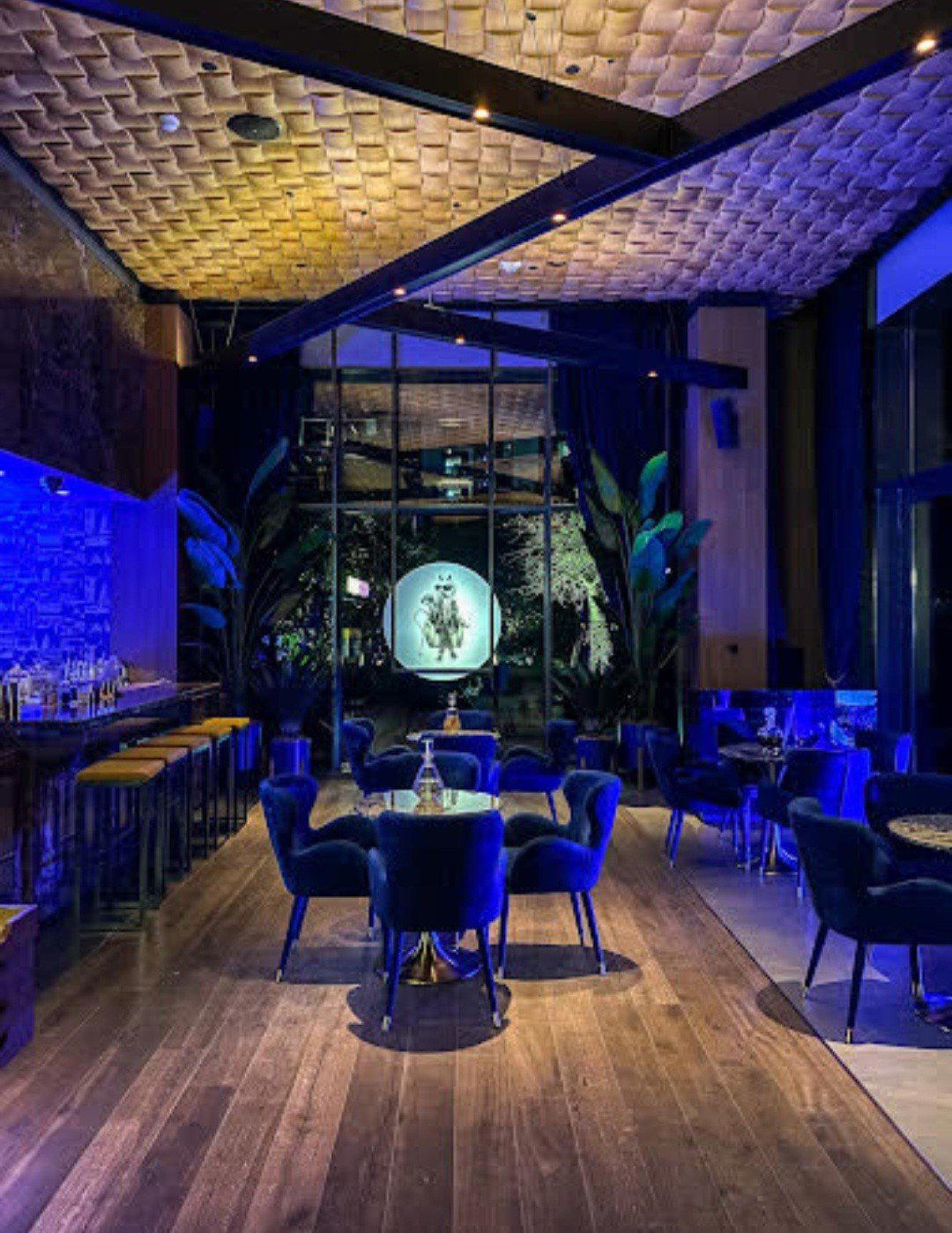 restaurantDemon Duck by Alvin LeungAlvin Leung's Demon Duck brings Chinese contemporary cooking to Bluewaters Island under back-to-back Michelin Plate recognition in 2024 and 2025. The kitchen works within a Cantonese-rooted framework while pushing against its conventions, offering Dubai a rare entry point into the kind of Chinese fine dining that typically centres on Hong Kong or Shanghai. Price range sits at the higher end of the Dubai market.
Planning details
- Location
- Bluewaters Island
- Website
- banyantree.com/united-arab-emirates/dubai
- Phone
- 971-4-556-6666
The take
The Take
The Vibe
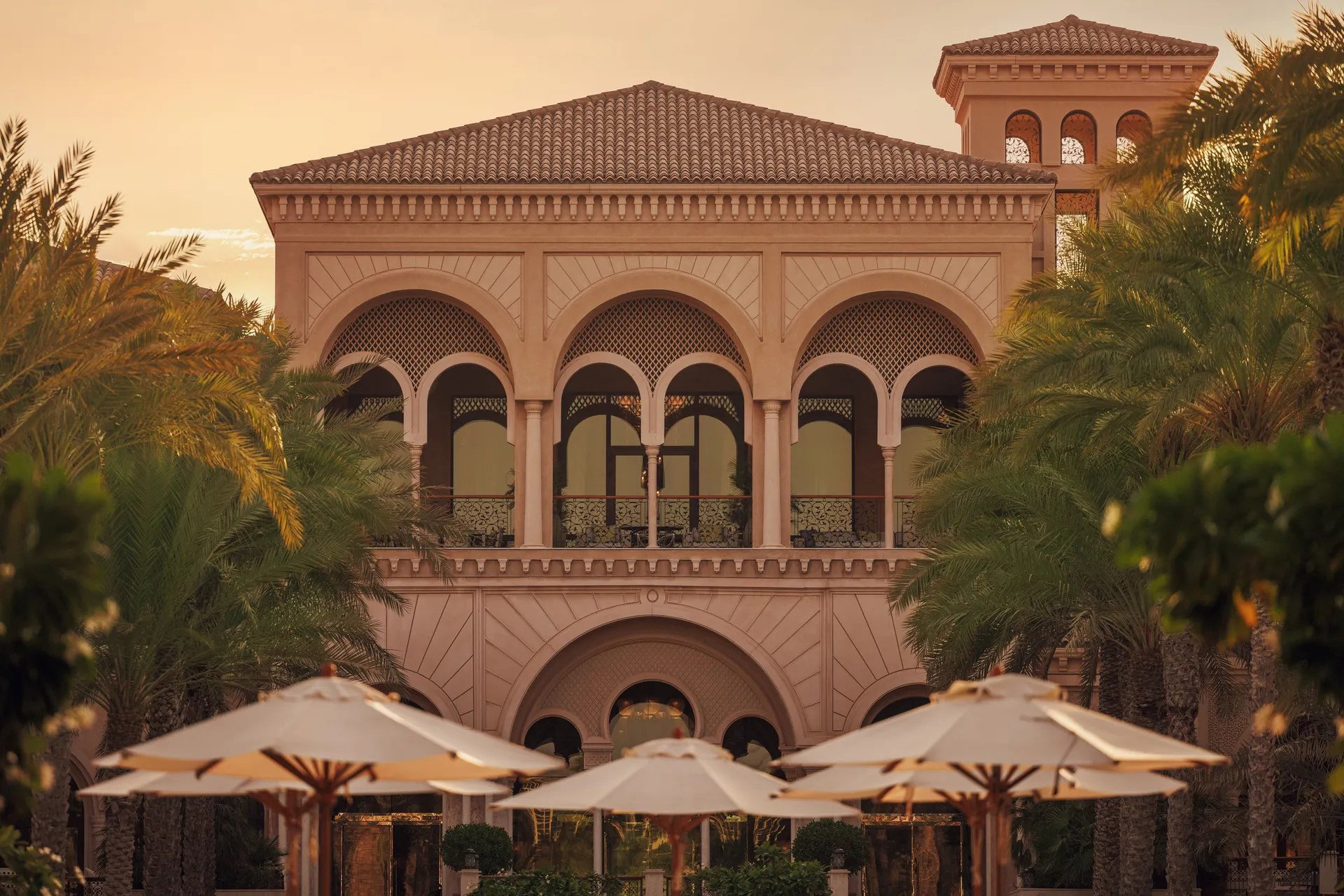
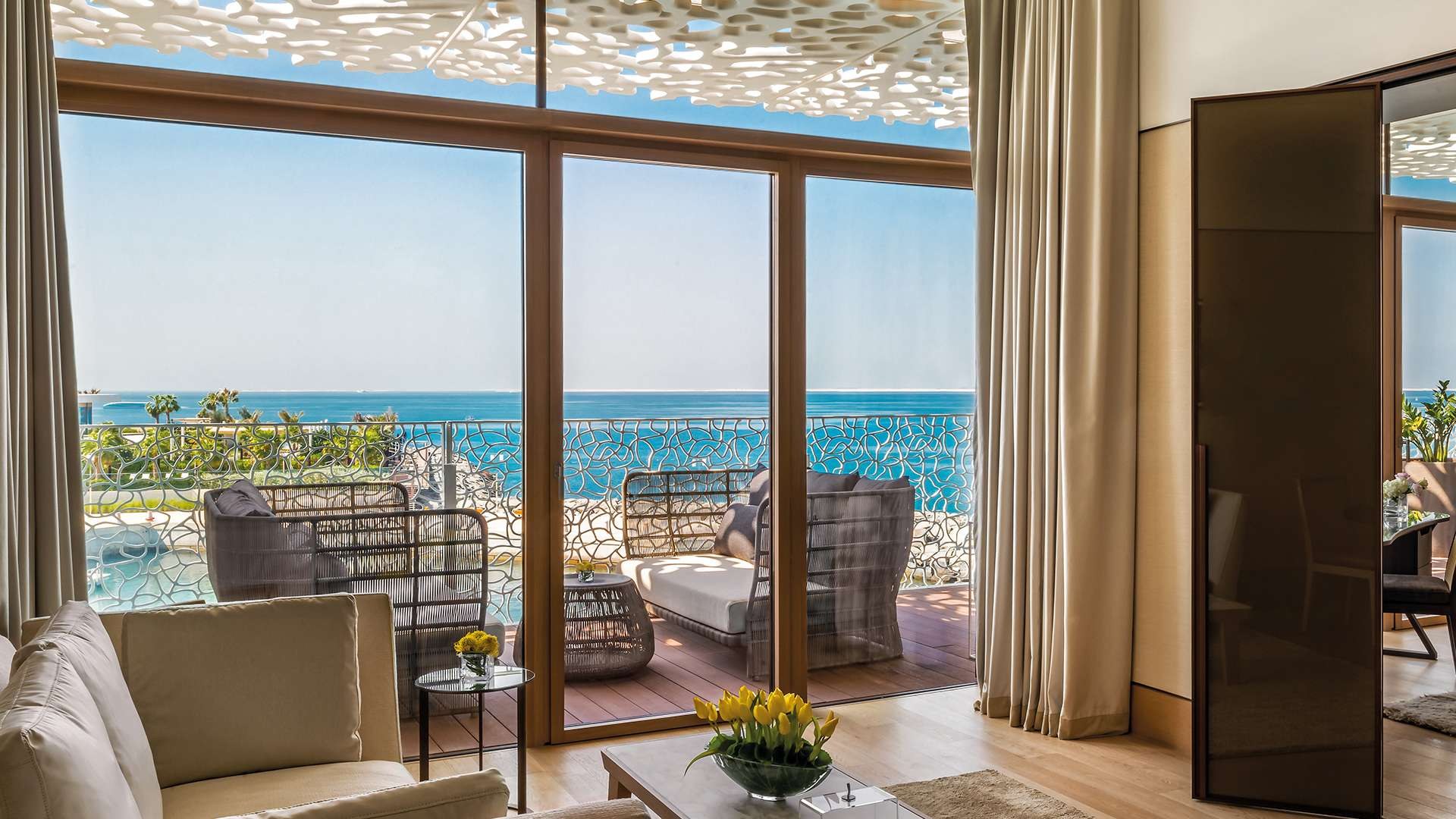
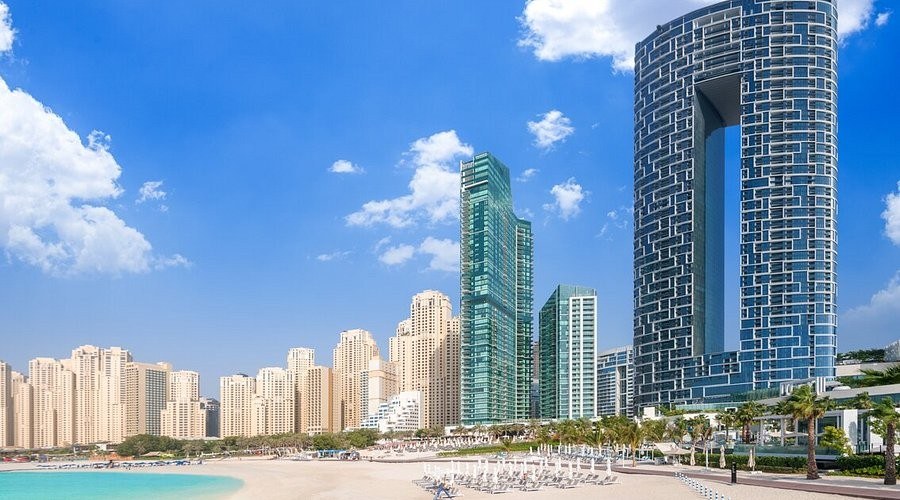
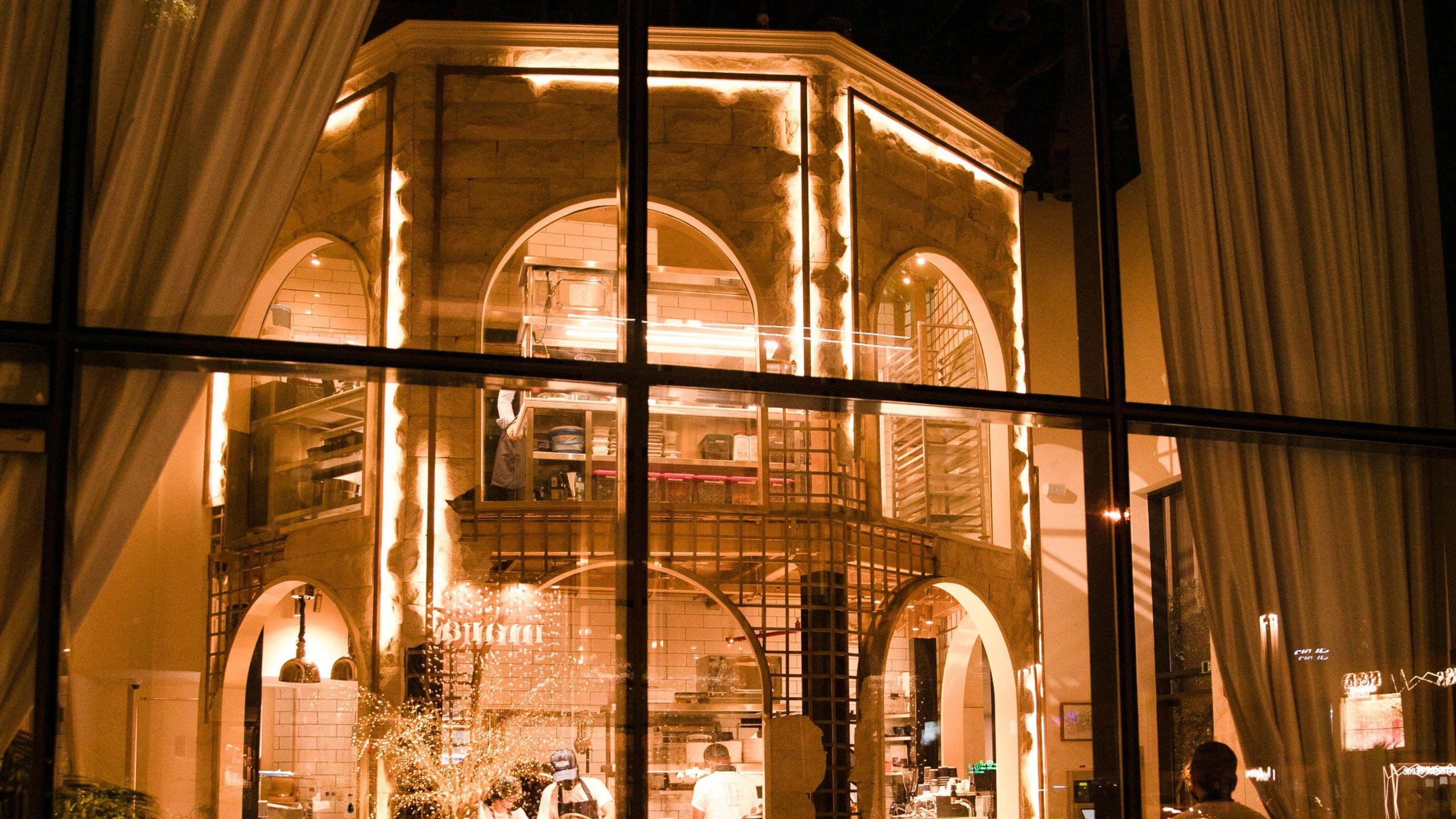
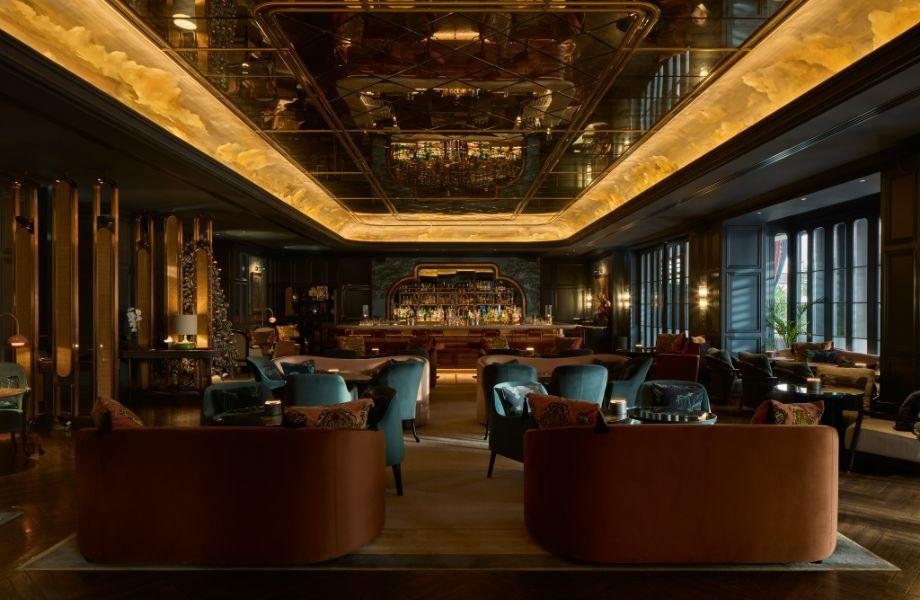
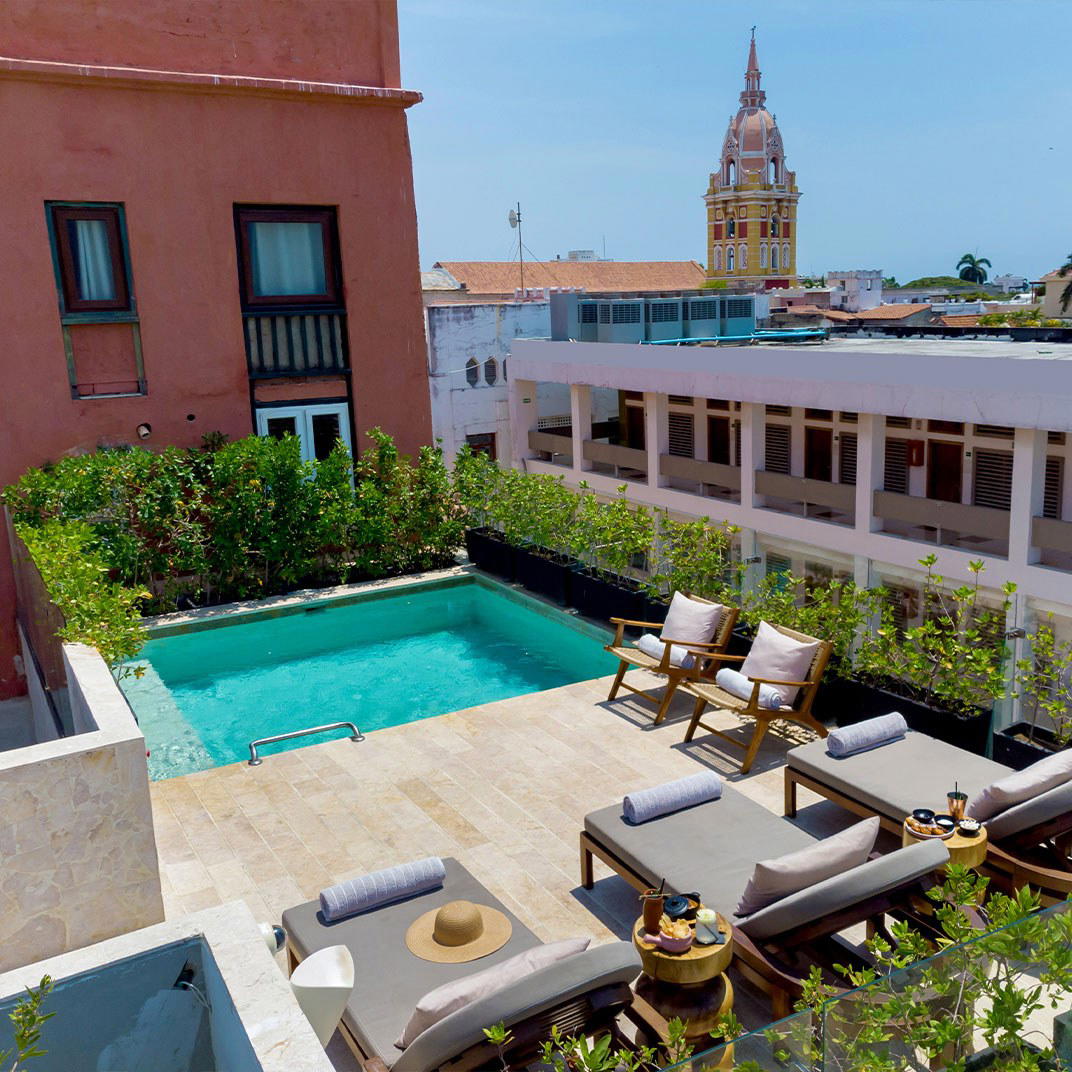
Banyan Tree Dubai deliberately rejects Dubai’s default maximalism in favour of a hushed, restrained expression. The property leans on Asian‑influenced wellness aesthetics, natural materials and calm proportions to create a low‑sensory environment where stillness is part of the design. Rather than competing on scale or spectacle, it presents a quietly confident alternative — a place that feels measured, intimate and composed. The result is a serene hotel experience on Bluewaters Island that prioritises atmosphere and material clarity over flash, appealing to travellers who value calm and considered design.
Best For
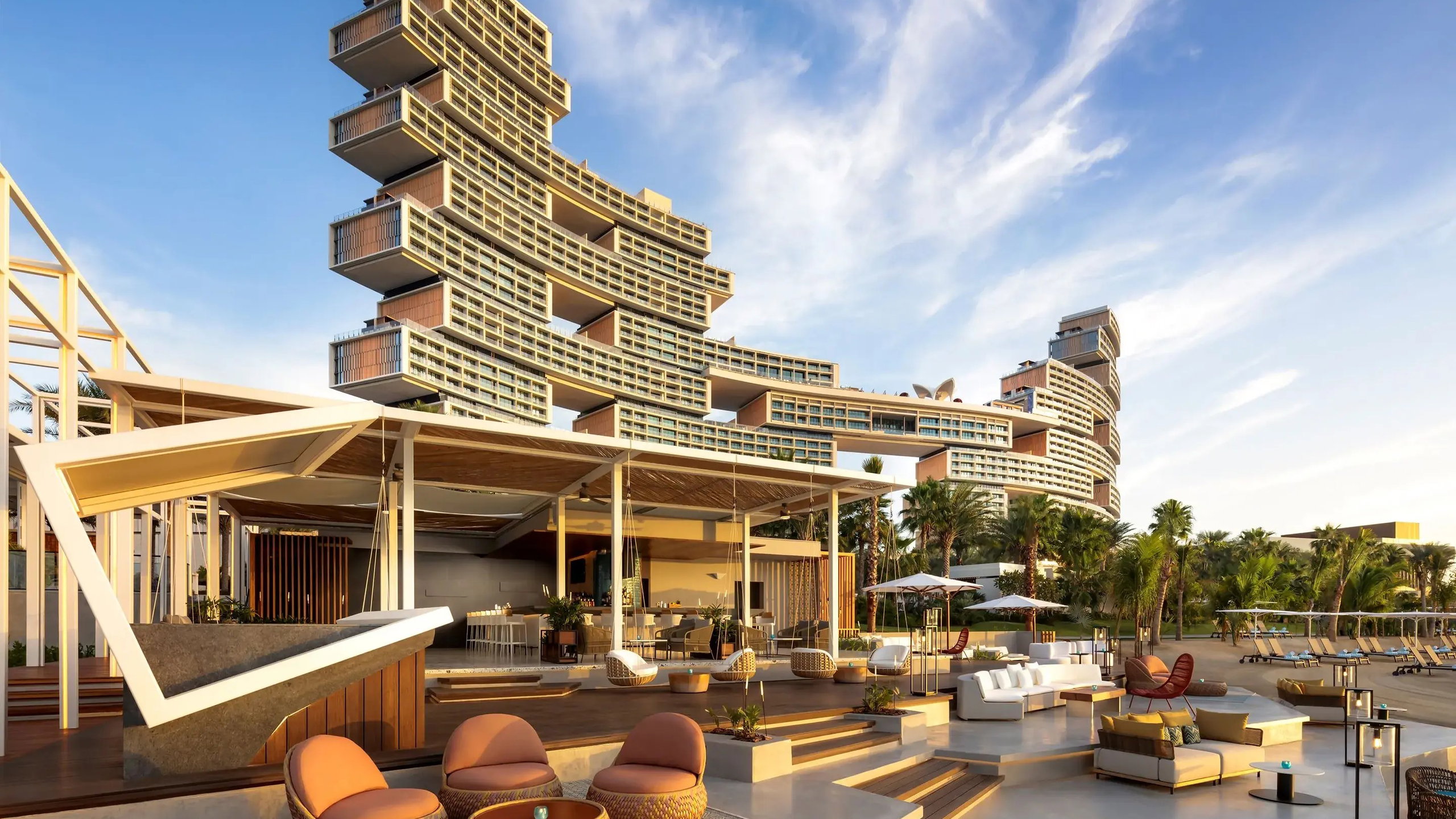
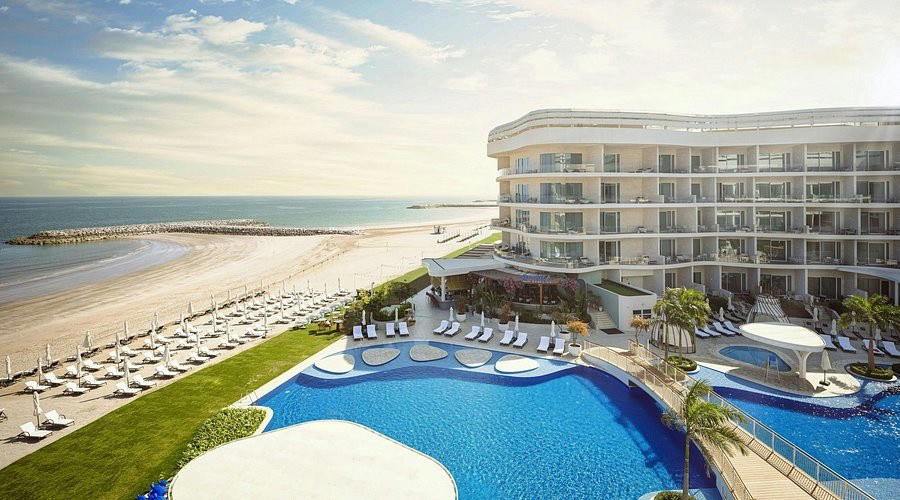
This hotel suits travellers who want a restorative, low‑key stay away from Dubai’s headline architecture. Its wellness‑oriented identity and emphasis on controlled atmosphere make it a natural choice for guests seeking calm and a focus on wellbeing. Located on Bluewaters Island — connected to the mainland by a short bridge and linked to the metro — the property functions as a quieter base for exploring the western waterfront and Ain Dubai while offering a more intimate alternative to the city’s larger resorts. It’s ideal for anyone prioritising composure over spectacle.
Venue details
Ambiance
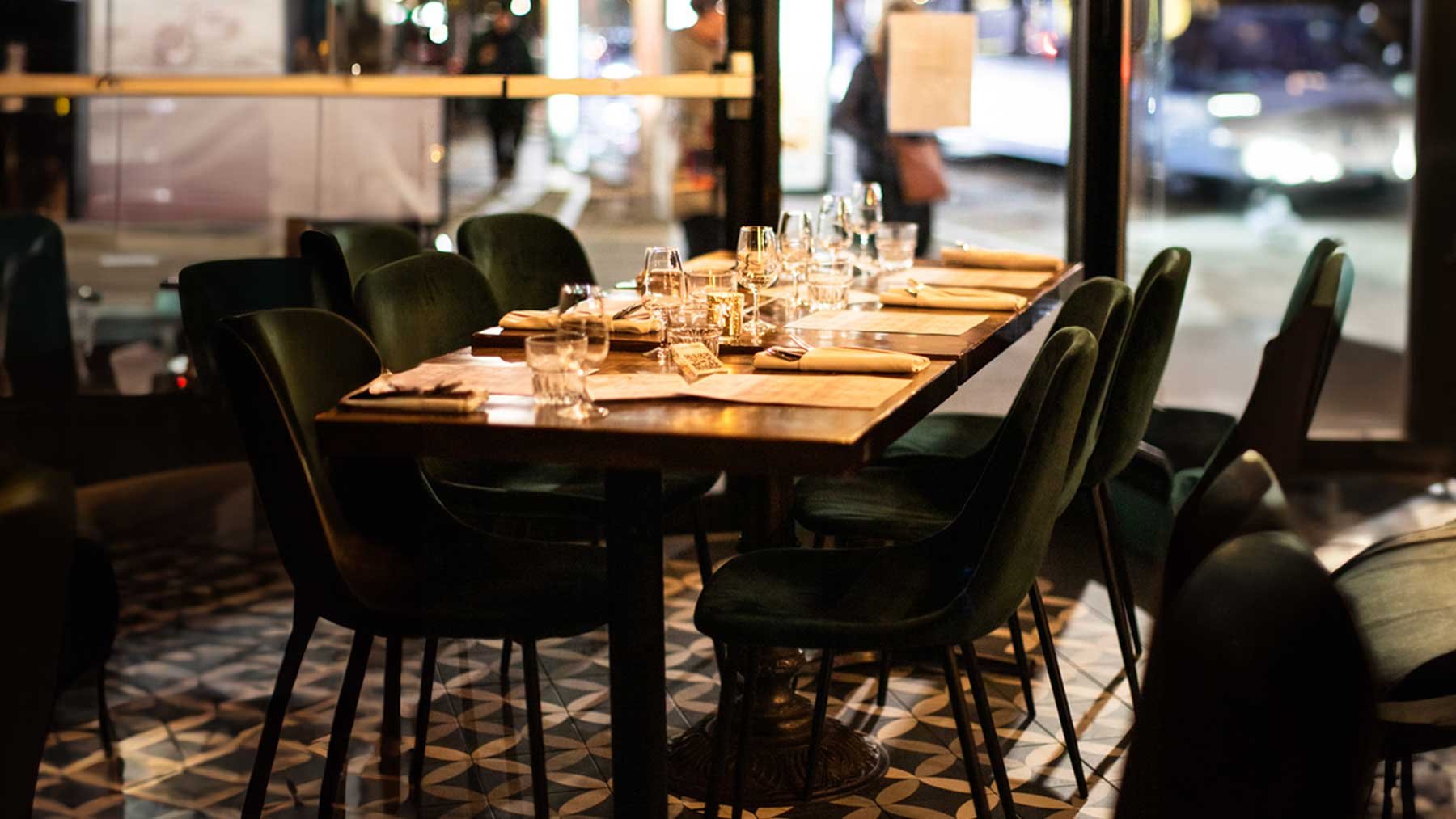
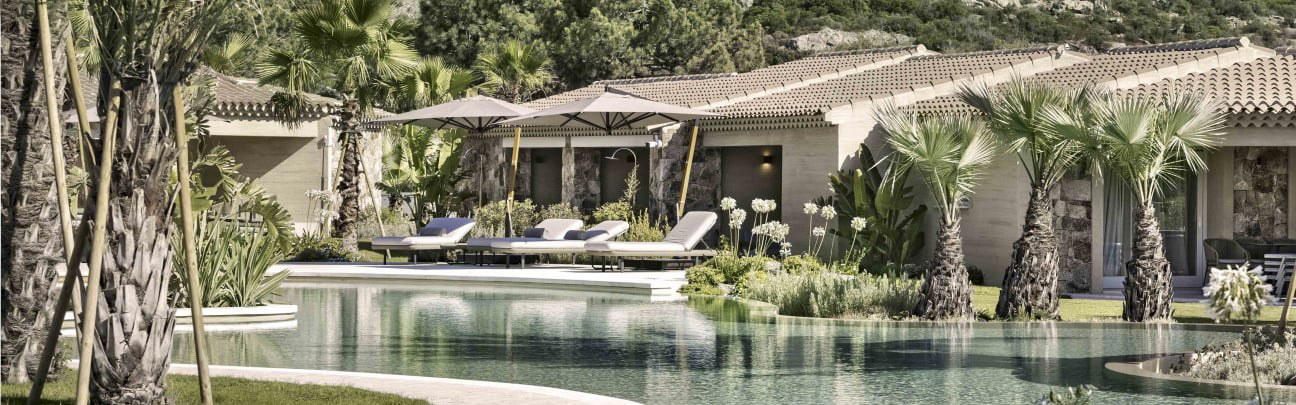
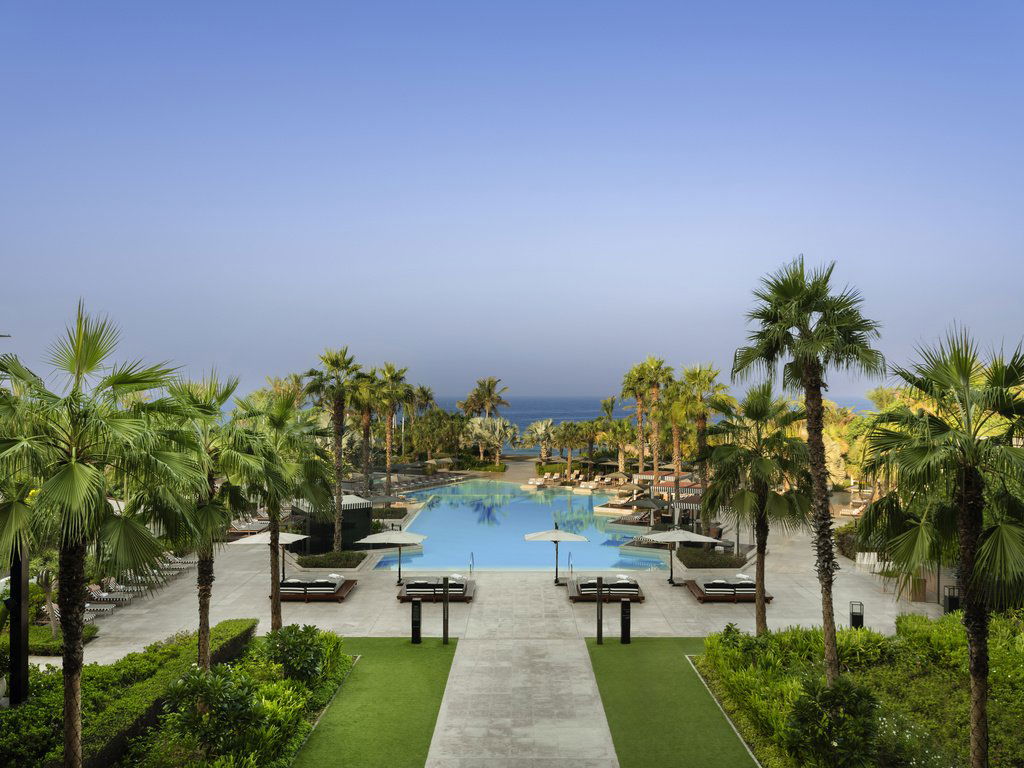
Tranquil and serene beachfront atmosphere with lush gardens, soundproofed rooms, and rejuvenating spa treatments fostering peace and luxury.
Tags
Vibe
Best For
Experience
Amenities
View
Accessibility
About the Stay
- Rooms
- 179
- Property Style
- Contemporary Luxury Beach Resort with Asian Flair and Natural Materials.
- Design Style
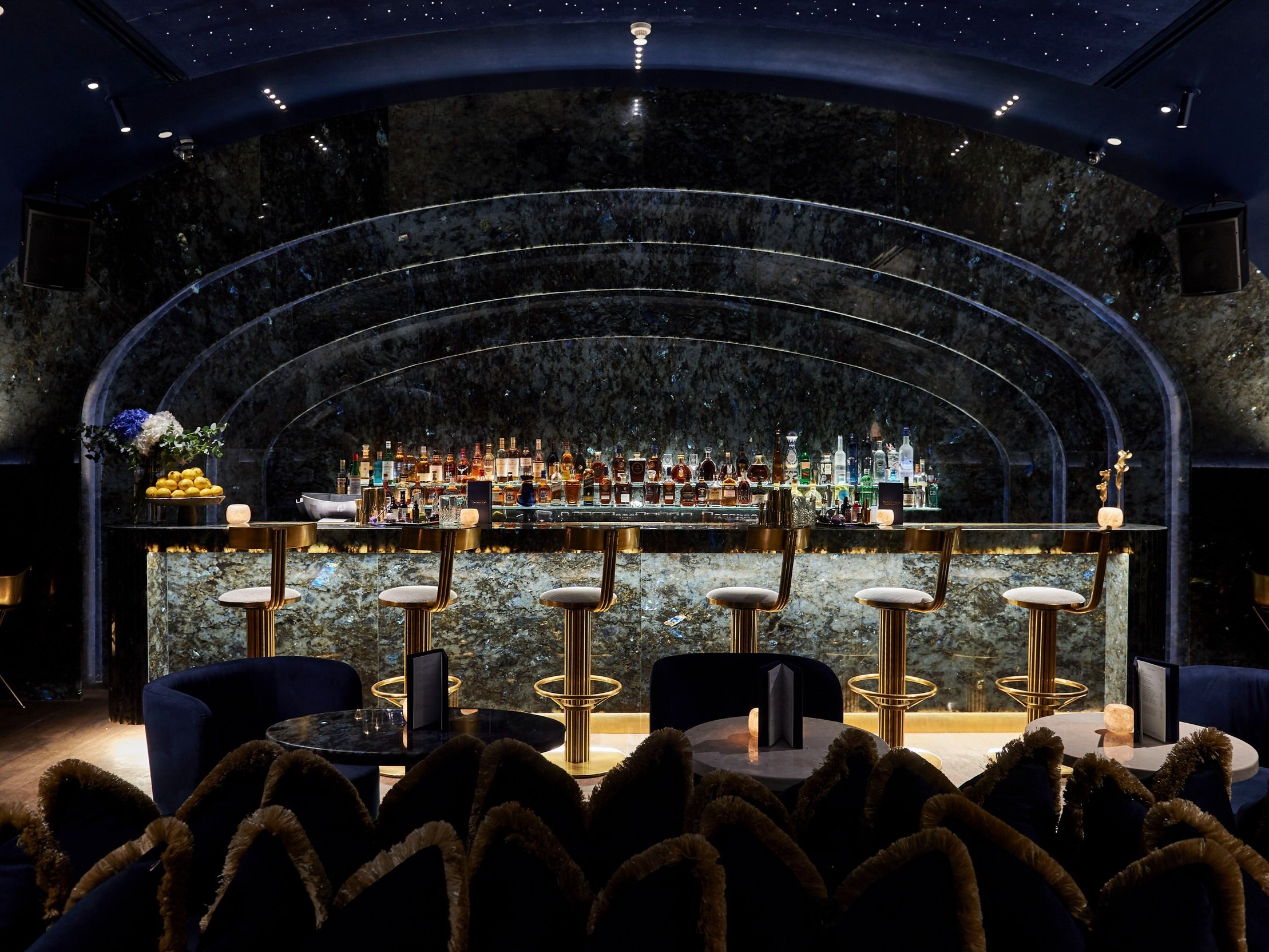
- Art Deco with Modern Asian Influences, Natural Light, and Organic Warmth.
- Airport Transfer
- Available
- Pool
- Yes
- Spa
- Yes
- Pets
- Allowed
- Families
- Welcome
Know before you go
Know Before You Go
- Getting there
- Bluewaters Island
Planning details
Location
Recognition and awards


Also consider
Where to look if this is full
If availability is tight, try The Ritz-Carlton, Dubai for a more traditional beachfront luxury stay, or Address Beach Resort for a JBR-area option with a stronger convenience angle.
Hotel context
How Banyan Tree Dubai compares in Dubai
Choose Banyan Tree Dubai over FIVE LUXE JBR if the stay needs polish over high-energy social atmosphere. FIVE LUXE JBR is the stronger fit for guests who want a louder JBR-style scene; Banyan Tree is the better call for a celebration where service rhythm and a calmer setting matter more.
Address Beach Resort and Rixos Premium Dubai JBR make more sense for travelers who want direct JBR convenience and a busier resort feel. Banyan Tree Dubai is the more composed Bluewaters choice, but booking difficulty is hard, so it is not the fallback to leave late.
Cross-shop Delano Dubai if design-led resort energy is the priority, and The Ritz-Carlton, Dubai if classic beachfront luxury feels safer for the group. Banyan Tree Dubai sits between those instincts: less party-forward than Delano, less traditional than The Ritz-Carlton, and strongest for guests who want service confidence with a quieter island base.
Explore Dubai
Around this place
Discover more on Pearl
Unlock the full Banyan Tree Dubai guide in Pearl, including awards, comparisons, FAQs, planning details, and nearby places.
Compare Banyan Tree Dubai
| Venue | Location | Awards |
|---|---|---|
| Banyan Tree Dubai | Dubai | 2026 Forbes 4-StarStar Wine Lists 20262025 Michelin Selected Hotels |
| Delano Dubai | Dubai | No published awards |
| Address Beach Resort | Dubai | 2026 Forbes 5-Star2026 La Liste Top Hotels2026 Michelin 1 Key2025 Michelin 1 Key2025 Forbes 5-Star |
| FIVE LUXE JBR | Dubai | No published awards |
| Rixos Premium Dubai JBR | Dubai | No published awards |
| The Ritz-Carlton, Dubai | Dubai | 2026 Forbes 5-Star2026 La Liste Top Hotels2025 Michelin Selected Hotels2025 Forbes 5-Star |




How Banyan Tree Dubai compares with similar nearby venues.
FAQ
Frequently Asked Questions
How does Banyan Tree Dubai compare to other Dubai hotels?
Pick Banyan Tree Dubai if you want a Dubai hotel with outside recognition signals: Forbes 4-Star (2026), Star Wine List (2026), and MICHELIN Guide, Hotels Selected (2025). Delano Dubai, FIVE LUXE JBR, Rixos Premium Dubai JBR, Address Beach Resort, and The Ritz-Carlton, Dubai are natural alternatives to compare when choosing a premium Dubai stay.
Is Banyan Tree Dubai family-friendly?
How is the pool and spa at Banyan Tree Dubai?
The property carries Forbes 4-Star (2026) and MICHELIN Guide, Hotels Selected (2025) recognition. Confirm specific pool and spa details directly before booking.
Is Banyan Tree Dubai good for business travel?
It may be worth considering for business travel if you want a Dubai hotel with premium recognition, including Forbes 4-Star (2026). If meeting spaces or corporate services matter, confirm those details directly before booking.
How is the dining at Banyan Tree Dubai?
The clearest dining-related signal is Star Wine List (2026). Use the wine recognition as one planning signal, and check restaurant, menu, chef, and service-format details directly if they matter.