Bahri
Umm Suqeim, Dubai
Bar in Dubai, United Arab Emirates
 Book with Pearl
The Read
Price
$50–100per person
Why go
Bahri is a practical Dubai pick when the goal is an easy hotel-bar setting around Madinat Jumeirah, especially for a date or pre-dinner drink. It is less compelling for guests choosing by a named spirits program, award history, or food reputation, so cocktail-focused drinkers should compare it with more defined Dubai bars before committing the night.
About Bahri
Bahri is a venue in Dubai with a formal dress code. This guide focuses on the practical detail that is clearly established: attire. If you are planning a visit, dress accordingly and confirm any time-sensitive details directly with the venue before you go.
Use the confirmed dress code as the main planning detail
Bahri lists a formal dress code. If you are planning a visit, dress accordingly and confirm any time-sensitive details directly with the venue before you go.
For broader Dubai planning, you can also compare other venues in the city through our full Dubai hotels guide and our full Dubai restaurants guide.
Compare it carefully with other Dubai options
If you need a venue with a clearly documented specialty, published menu focus, confirmed seating style, or specific reservation policy, compare Bahri with other named options such as Blind Tiger, Floor 24, Hendricks Bar, Skyview Bar, and The Fore Bar, as well as other Dubai venues more generally. For Bahri itself, the reliable takeaway is simple: it is in Dubai, and the dress code is formal.
Planning details
- Location
- Jumeirah Mina Al Salam - 3 Jumeira St - Madinat Jumeirah - Al Sufouh 1 - Dubai - United Arab Emirates
- Reservations
- Book on SevenRooms
- Website
- jumeirah.com/en/stay/dubai/jumeirah-mina-a-salam/dining/mina-a-salam-bahri-bar
- Phone
- +971 800 323232
The take
The Take
The Vibe
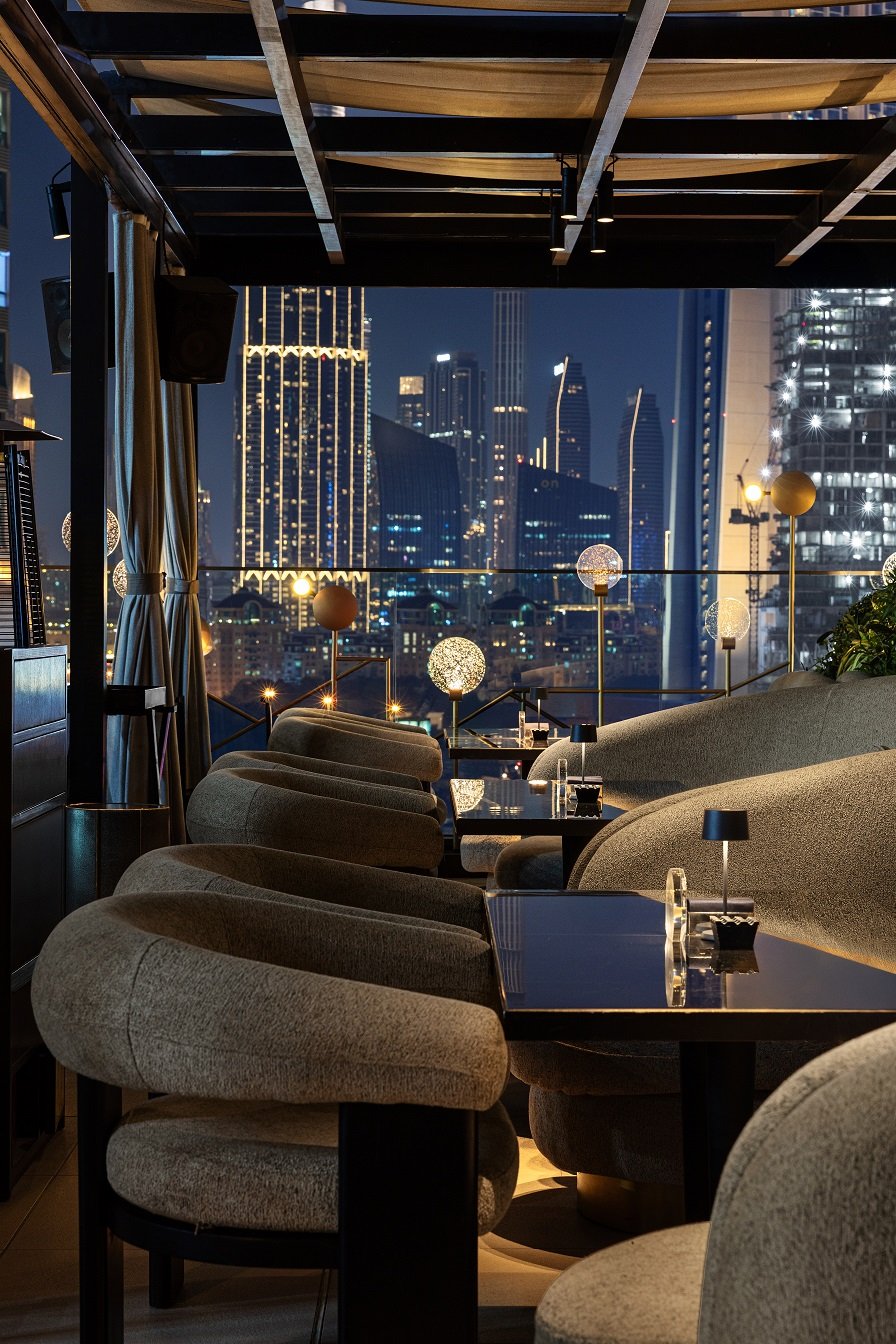
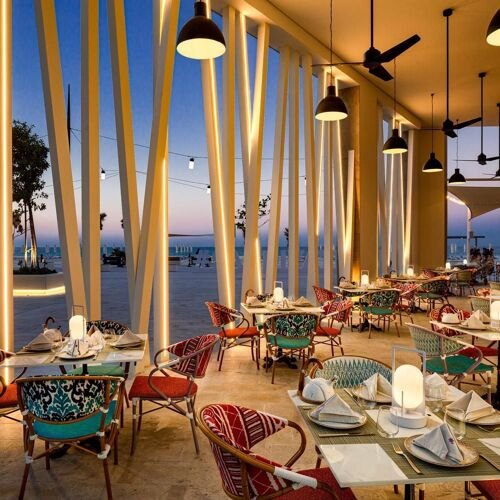
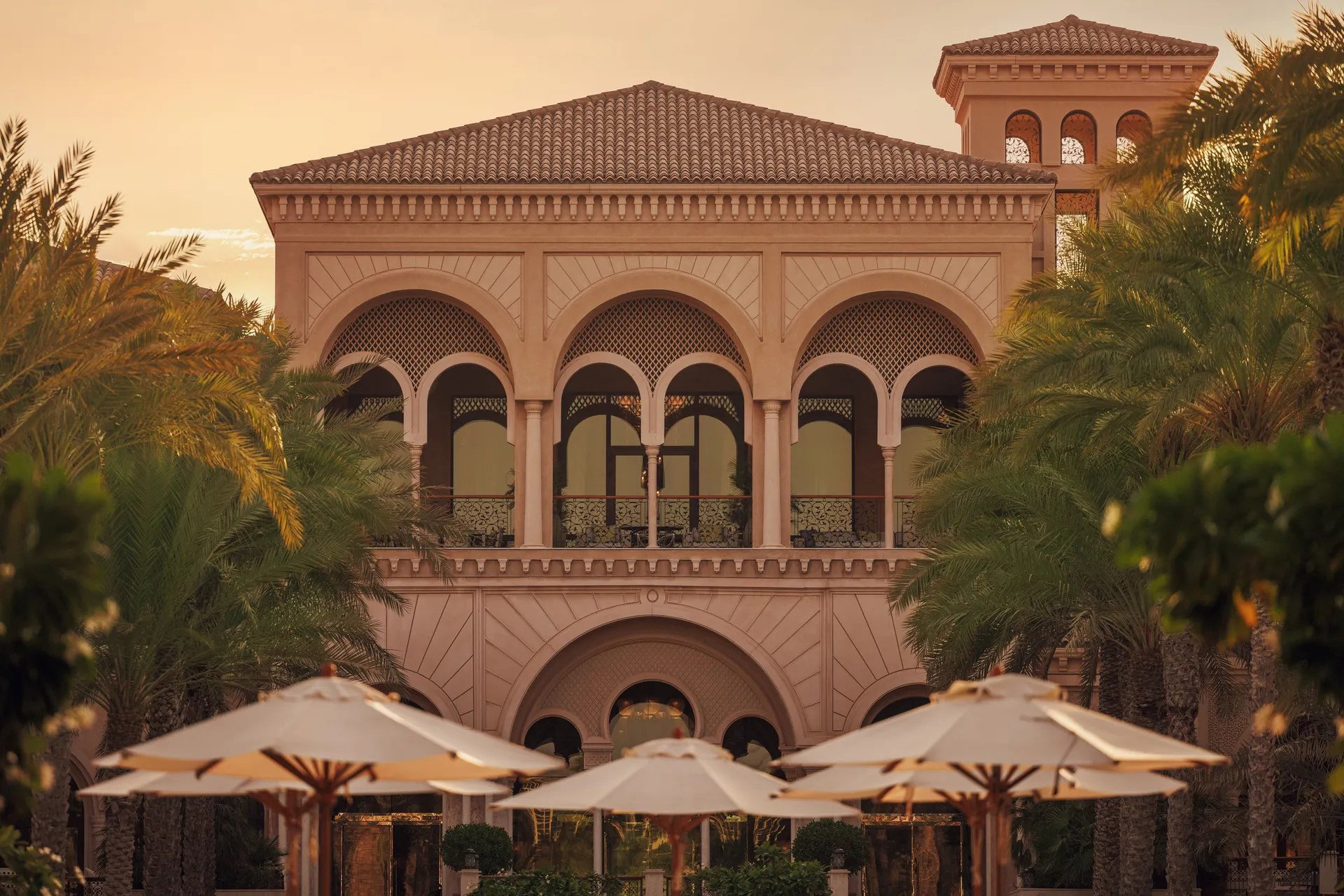
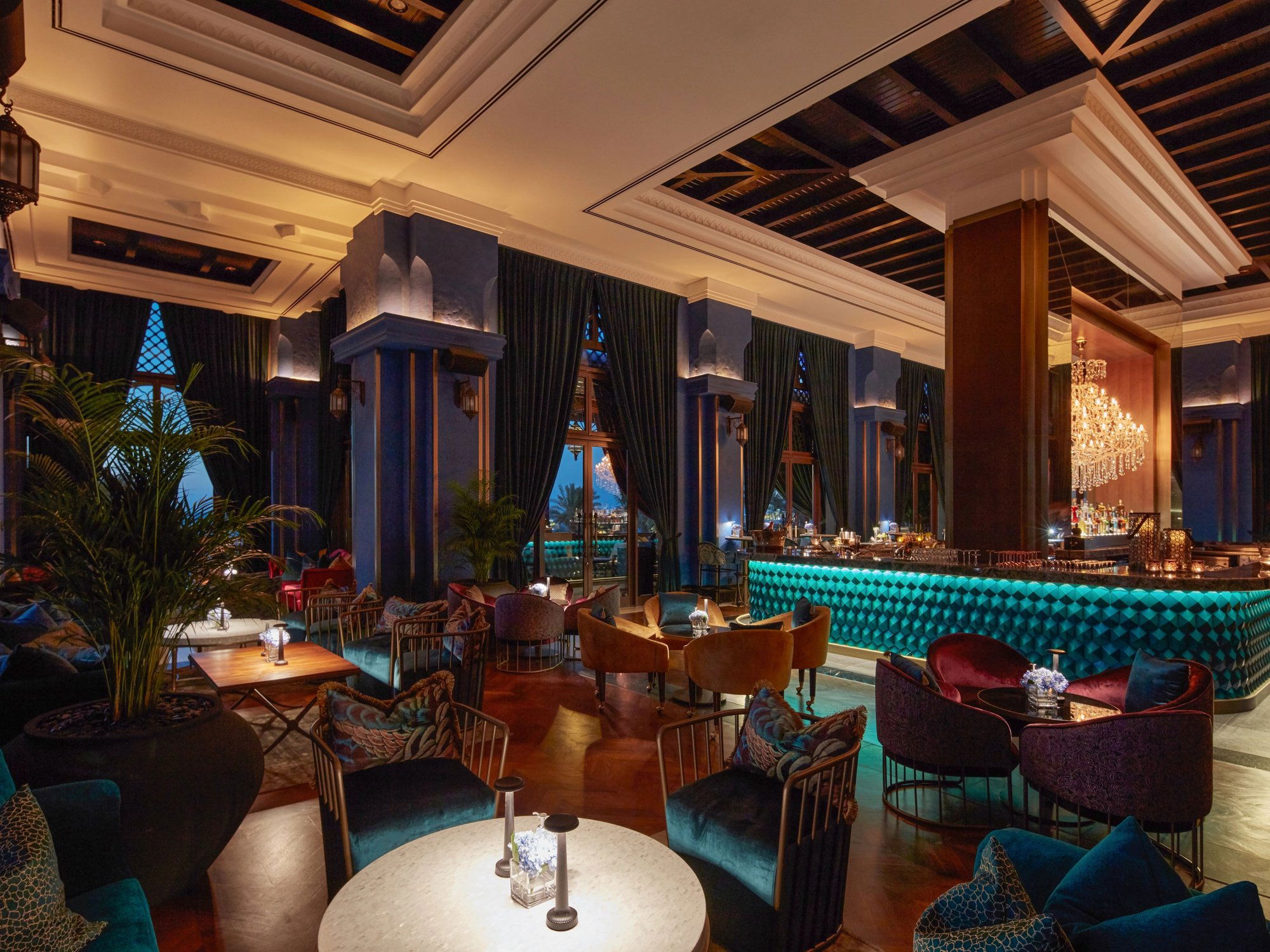
Bahri sets itself in a deliberately constructed slice of old-world Dubai: wind-tower latticework, narrow water channels and the low-slung architecture of the Madinat create an intentionally evocative backdrop. The bar leans on that sense of place rather than spectacle alone, so the setting reads as theatrical but authentic: the Burj Al Arab’s silhouette across the inlet punctuates the view while the surrounding faux-traditional fabric keeps the moment grounded. The result is a charming, historic-feeling bar that balances hotel polish with a rooted, place-driven character; it feels considered rather than merely staged.
Best For
Bahri works best for evenings when the view and the cocktail programme are both part of the draw. It suits couples and small groups seeking a scenic, hotel-adjacent stop for date nights, celebrations or after-work drinks, and it accommodates destination drinkers who wander over from the Mina Al Salam lobby. Because the venue occupies a prominent waterfront position within the Madinat souk, it also functions as a natural meeting point for visitors who want a place that reads as both atmospheric and easily accessible from nearby hotels.
Ordering Tips
The bar emphasizes technique and a drinks programme that aims to hold its own against the setting, so lean into cocktails that showcase the bar’s craftsmanship. The copy highlights a preference for programmes built around local ingredients and regional flavour logic, so ask the bartender about cocktails that incorporate Middle Eastern elements or house twists on classics. Expect attentive, technically minded bartending rather than novelty spectacle; ordering a signature cocktail or a bartender-recommended seasonal serve is a reliable way to taste what the menu is trying to do.
Venue details
Ambiance
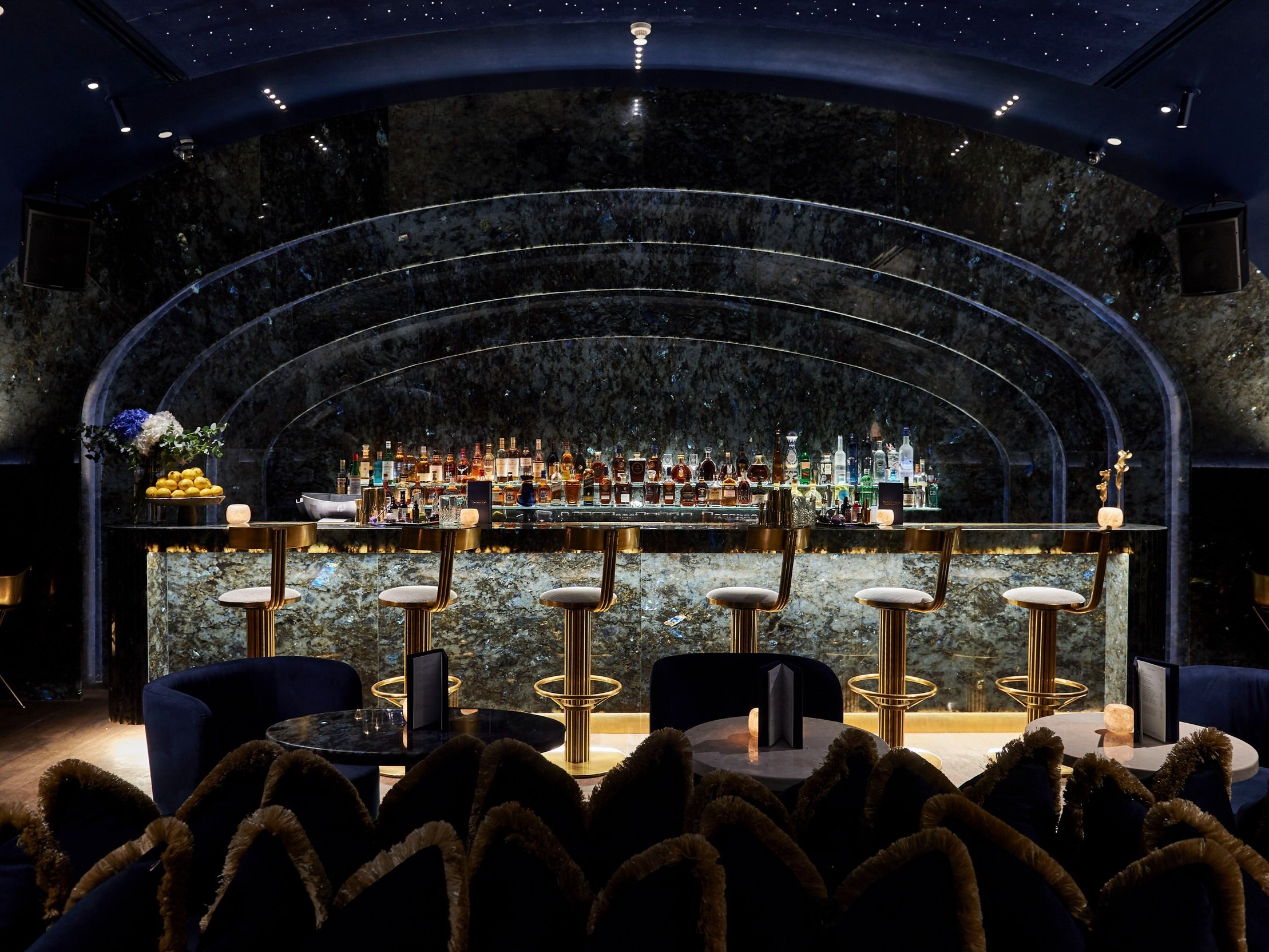
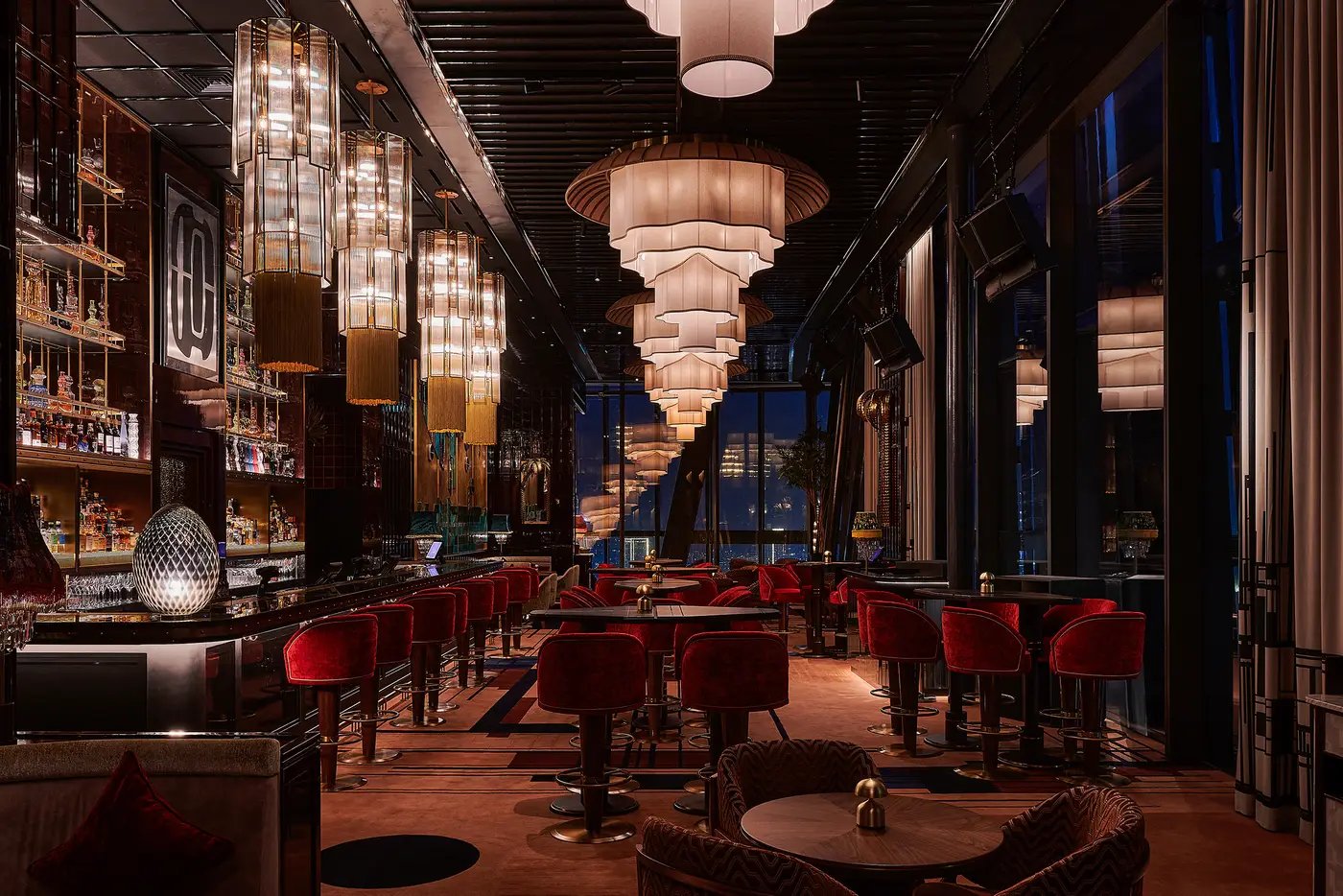
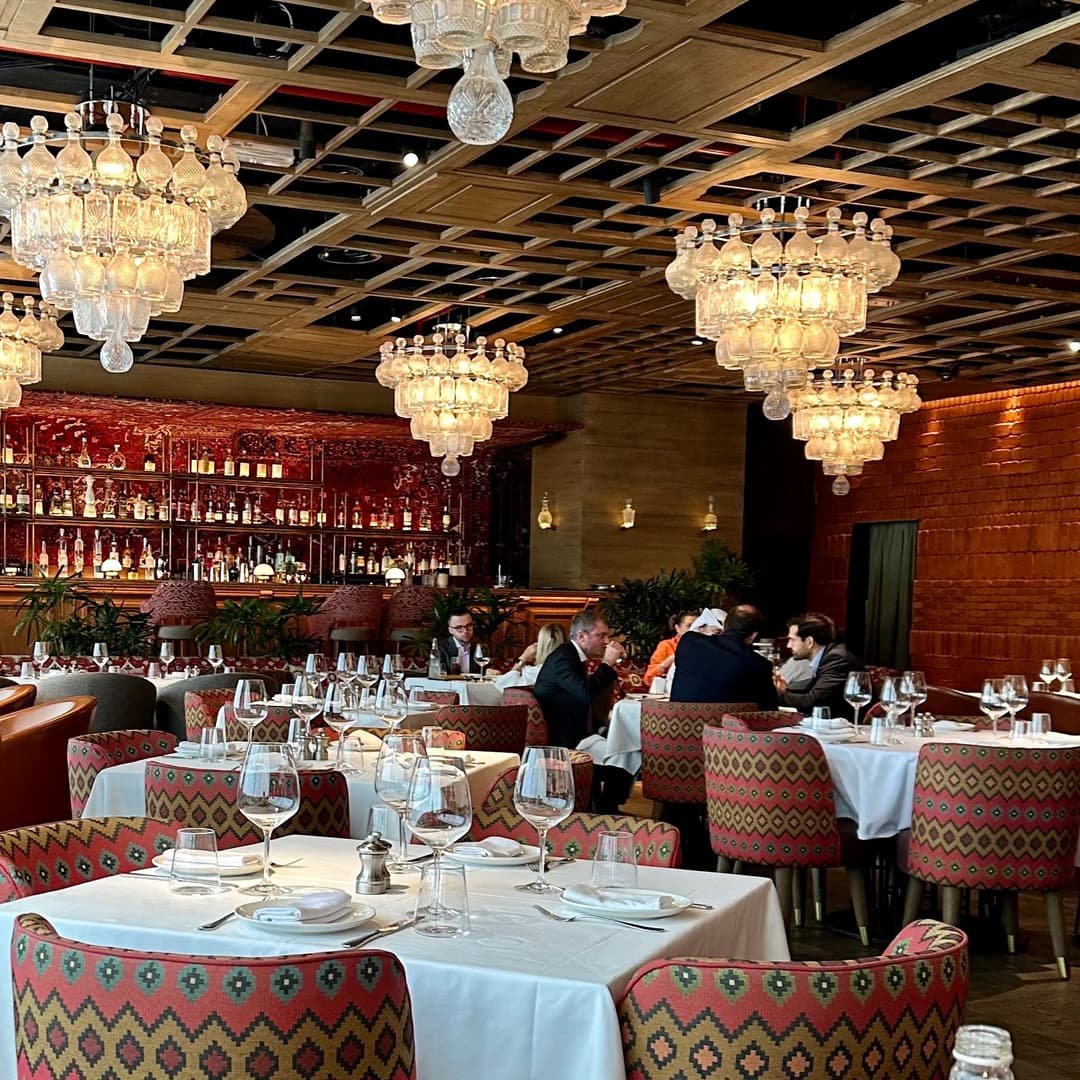
Sophisticated Arabian décor with Persian rugs and wooden details, featuring chic and upscale terrace setting with golden sunset views and live music creating an indulgent evening atmosphere.
Tags
Vibe
Best For
Experience
Format
View
At the Bar
- Bar Category
- Cocktail Bar
- Late Night
- Open Until 2am
- Music
- Live Smooth Jazz, Soul, Pop and R&b Performed by Resident Duo; Dj Sets on Select Nights
- Live Music
- Yes
- Spirits Focus
- Rum, Gin, Whiskey, Vodka, Tequila
- Zero-Proof Program
- Yes
Signature Pours
- The Peacock Tail
- The Storyteller
- The Silk Road
- Spiced Nitro Espressotini
- Yuzu & Elderflower Spritz
- Lychee & Ginger Mojito
Know before you go
Know Before You Go
- Getting there
- Jumeirah Mina Al Salam - 3 Jumeira St - Madinat Jumeirah - Al Sufouh 1 - Dubai - United Arab Emirates
Planning details
Location
Jumeirah Mina Al Salam - 3 Jumeira St - Madinat Jumeirah - Al Sufouh 1 - Dubai - United Arab Emirates · Directions
jumeirah.com/en/stay/dubai/jumeirah-mina-a-salam/dining/mina-a-salam-bahri-bar
Also consider
Where to go if Bahri is not the right fit
For a more occasion-led Dubai bar choice, try Skyview Bar. For a more flexible alternative in the same broad category, compare The Fore Bar before deciding.
Bar context
How Bahri compares with nearby Dubai bar picks
Choose Bahri when ease and a resort setting matter more than a highly defined drinks identity. Against Blind Tiger and Hendricks Bar, it reads as the lower-risk option for a casual date or pre-dinner stop, but less useful if the group is choosing based on a clear cocktail or spirits specialty.
Skyview Bar is the one to compare if the night is mainly about a showpiece Dubai setting; Bahri is the more relaxed call if the evening needs less ceremony. Floor 24 is worth checking for a higher-floor hotel-bar mood, while Bahri makes more sense for guests already anchored around Madinat Jumeirah.
If value for money is the deciding factor, compare menus before committing because Bahri does not have a published price signal here. For a fallback with a different feel, The Fore Bar belongs on the same shortlist, especially for groups that want to keep the plan flexible rather than build the night around one resort bar.
Explore Dubai
Around this place
Discover more on Pearl
Unlock the full Bahri guide in Pearl, including awards, comparisons, FAQs, planning details, and nearby places.
Compare Bahri
How it compares
Bahri is the convenience-led pick in this set: useful for a relaxed drink around Madinat Jumeirah, less convincing as a specialist cocktail destination. Blind Tiger and Hendricks Bar are better cross-shops if the priority is a more clearly defined bar identity.
For a more view-led Dubai night, compare Skyview Bar and Floor 24. If the group wants flexibility rather than a single resort-bar plan, add The Fore Bar to the shortlist.
FAQ
Frequently Asked Questions
Is Bahri good for a date?
Bahri may suit plans where a formal dress code in Dubai is appropriate, but ambiance, seating, menu, and service style should be confirmed directly with the venue before planning around a specific occasion.