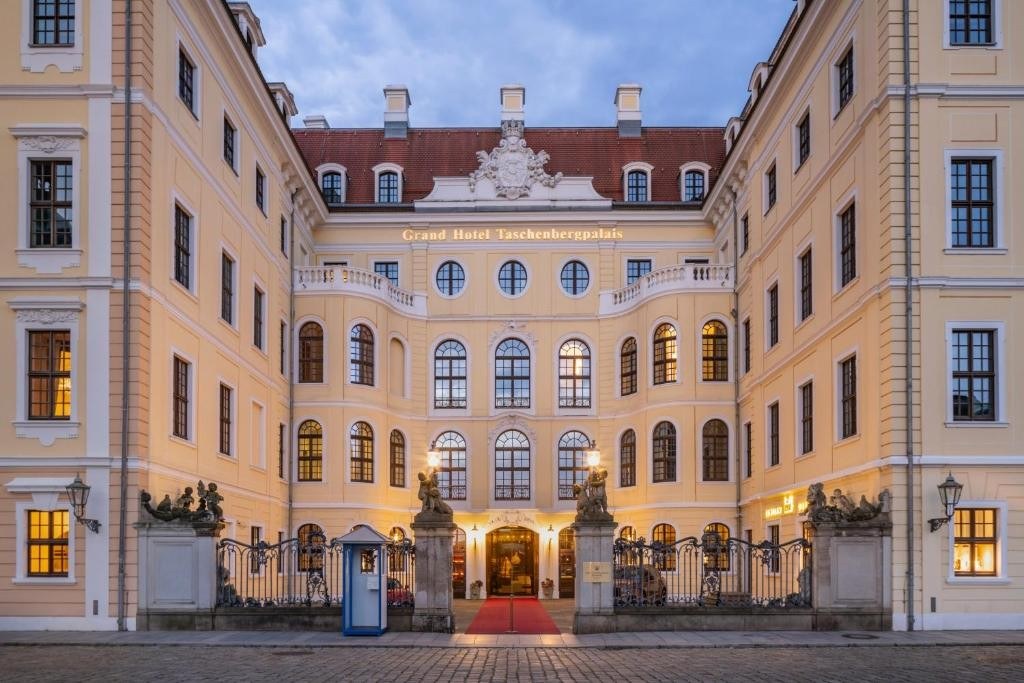


Kempinski Hotel Taschenbergpalais
Dresden Old Town, Dresden
Hotel in Dresden, Germany
 Book with Pearl
The Read
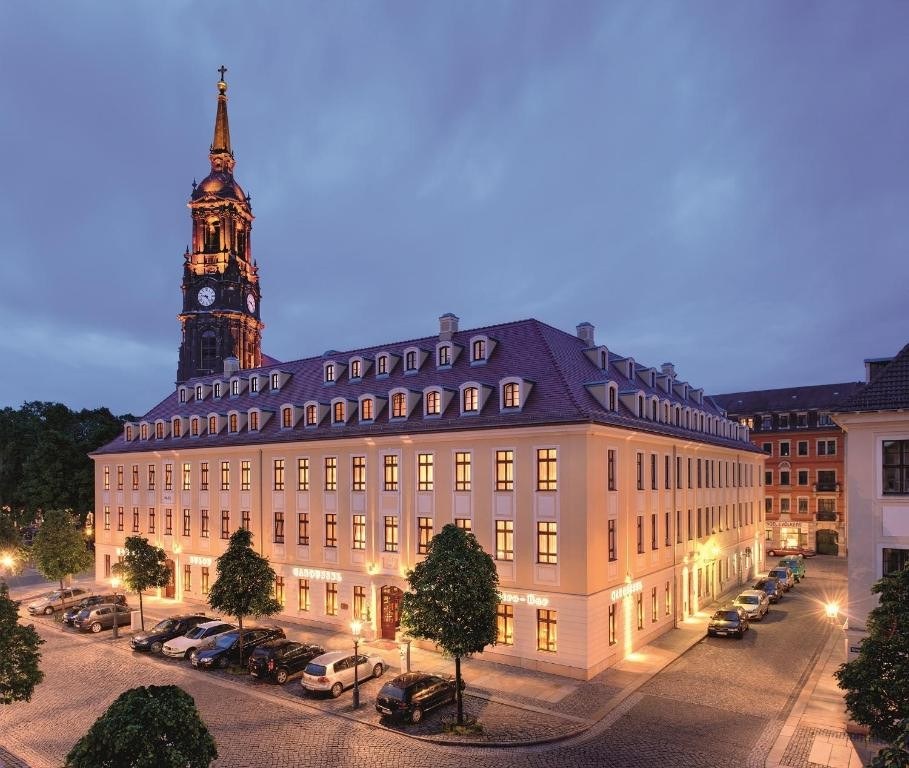
Reconstructed Baroque Prestige
Why go
Book Kempinski Hotel Taschenbergpalais for a polished Dresden luxury stay anchored in the Old Town, especially for culture weekends and high-occasion trips. It is the safer splurge than smaller local peers if service infrastructure and a landmark setting matter, but food-focused travelers should plan destination meals outside the hotel.
About Kempinski Hotel Taschenbergpalais
Kempinski Hotel Taschenbergpalais is a Dresden hotel to consider when you want a clearly recognized premium stay rather than a restaurant-led itinerary. The hotel holds Michelin 2 Keys recognition for 2024 and is listed as a Virtuoso Luxury Hotel Partner for 2026. Use it as a high-end Dresden base and confirm any trip-specific needs directly before booking.
The safest planning approach is to book with your dates and practical requirements in mind, then compare it with other premium options if rate, room type, or stay style matters more than the Kempinski name. Hyperion Hotel Dresden Am Schloss, Hotel Suitess, Bülow Palais, Gewandhaus Dresden, and Hotel Villa Sorgenfrei & Restaurant Atelier Sanssouci are natural cross-shops depending on the kind of stay you want.
Book it for the hotel recognition, not for a dining pilgrimage
The on-site dining angle should be handled carefully: there is no destination-restaurant credential in the facts. That does not mean dining is a drawback; it only means the hotel should not be booked on the assumption that a specific restaurant format, cuisine, chef, menu, or award is the main event. For travelers building a food-focused trip, pair the stay with our full Dresden restaurants guide rather than relying on hotel-dining details.
That makes the value question simpler. Kempinski Hotel Taschenbergpalais is most compelling when you want a premium Dresden hotel with confirmed Michelin 2 Keys recognition. It is less clearly the right choice if your decision depends on specifics such as a particular room view, spa facility, dining format, or family setup. For those cases, compare Bülow Palais and Hotel Villa Sorgenfrei & Restaurant Atelier Sanssouci as part of the same planning process.
Who should book, and who should cross-shop
Book here if the priority is a polished Dresden hotel stay with confirmed recognition and a smart-casual dress code. It is a good candidate for travelers who prefer a premium hotel framework and want to keep meals, activities, and daily logistics flexible. Before committing, confirm the room category, cancellation terms, and any services that matter to your trip directly with the hotel.
Cross-shop if your trip is mainly about value, a smaller hotel atmosphere, or a specific amenity set. Gewandhaus Dresden is a sensible comparison if you want a different hotel feel, while Hyperion Hotel Dresden Am Schloss, Hotel Suitess, Bülow Palais, and Hotel Villa Sorgenfrei & Restaurant Atelier Sanssouci may suit different preferences. For broader planning, use our full Dresden hotels guide, plus our full Dresden bars guide, our full Dresden wineries guide, and our full Dresden experiences guide to build the rest of the stay around it.
Part of
Kempinski44 locations on PearlPlanning details
- Location
- Taschenberg 3, 01067 Dresden
- Website
- kempinski.com/en/hotel-taschenbergpalais
- Phone
- +49 351 49120
The take
The Take
The Vibe
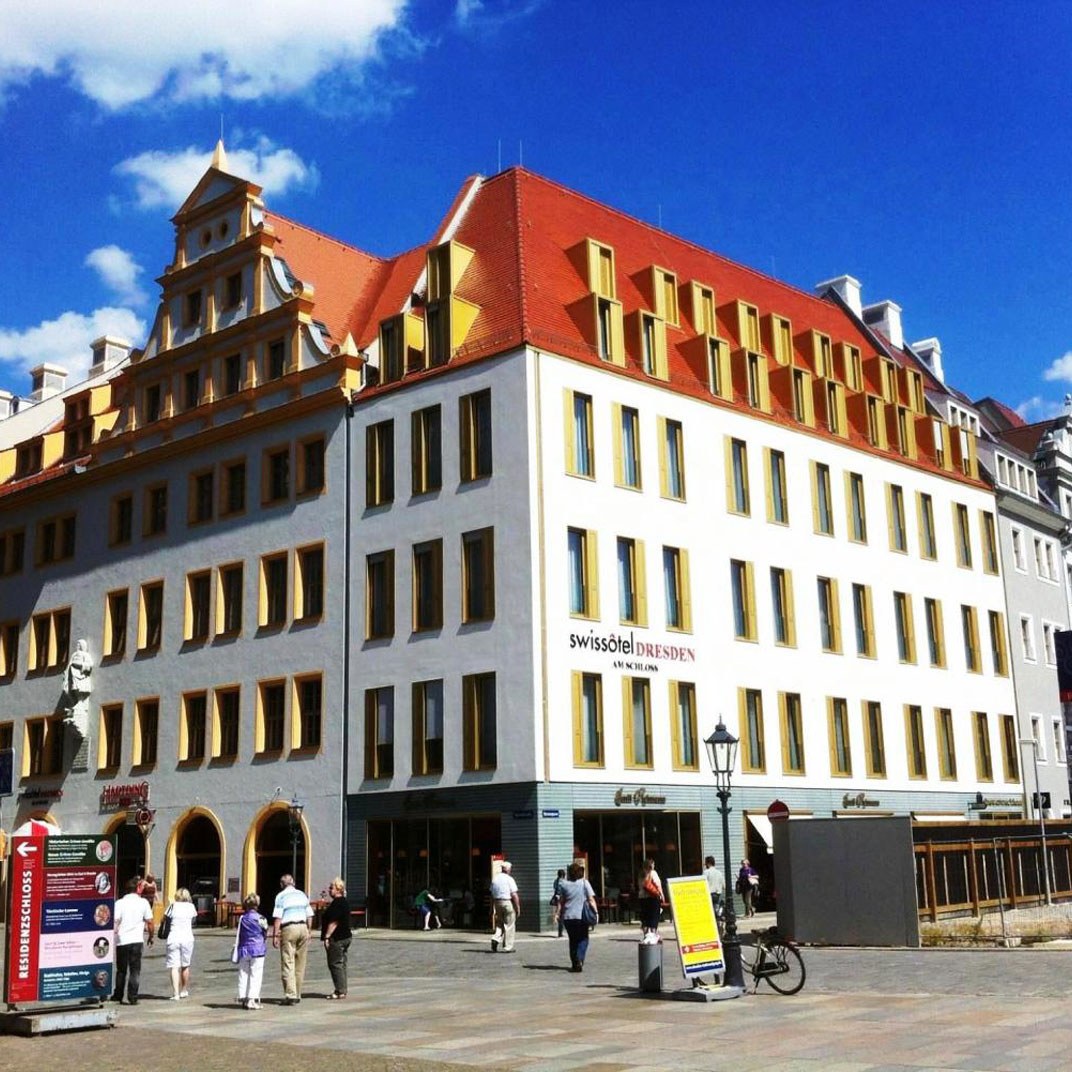
The Taschenbergpalais reads like a piece of Dresden's urban history — a reconstructed Baroque palace whose sandstone facade and formal symmetry sit comfortably among the Residenzschloss, the Zwinger and the Semperoper. The hotel pairs that historical exterior with a fully modern interior, so the stay feels both rooted and refreshed after the extensive 2024 renovation. Locals regard the building as part of the city's architectural identity rather than a typical hospitality insertion, and Michelin's two-key rating underscores a high level of personality and comfort. The overall tone is refined and stately, well suited to travelers drawn to cultural gravitas.
Best For
This hotel is best for travelers who want to be at the very heart of Dresden's cultural attractions: couples on romantic getaways and anniversaries, guests attending performances at the nearby Semperoper, and parties planning destination weddings that prioritize historic context. The central location also appeals to business travelers who value immediate access to the Altstadt rather than commuting to sights. The recent renovation and Michelin two-key recognition signal refreshed comfort and character, making the Taschenbergpalais a strong pick for celebratory stays and culturally focused itineraries.
Venue details
Ambiance
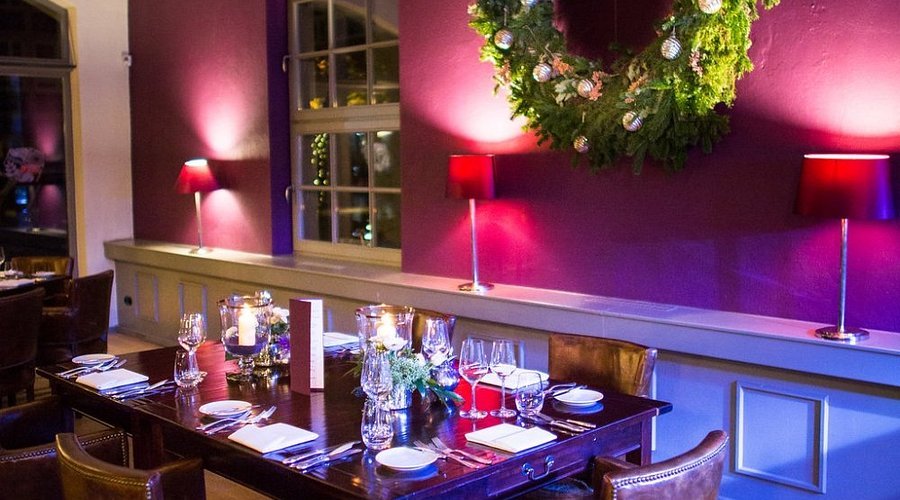
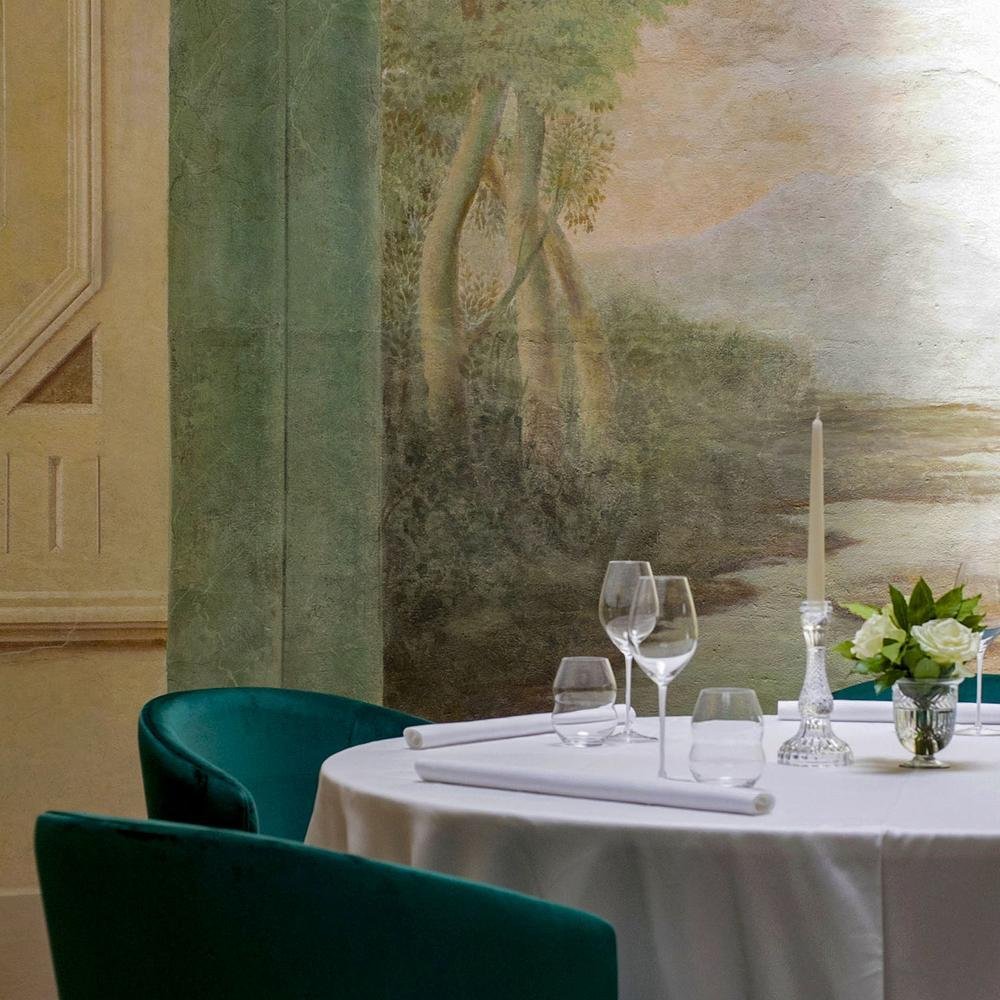
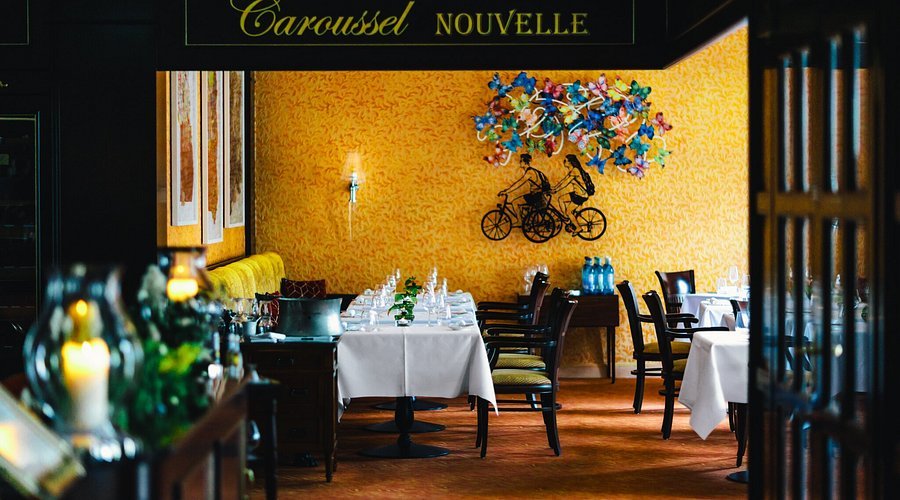
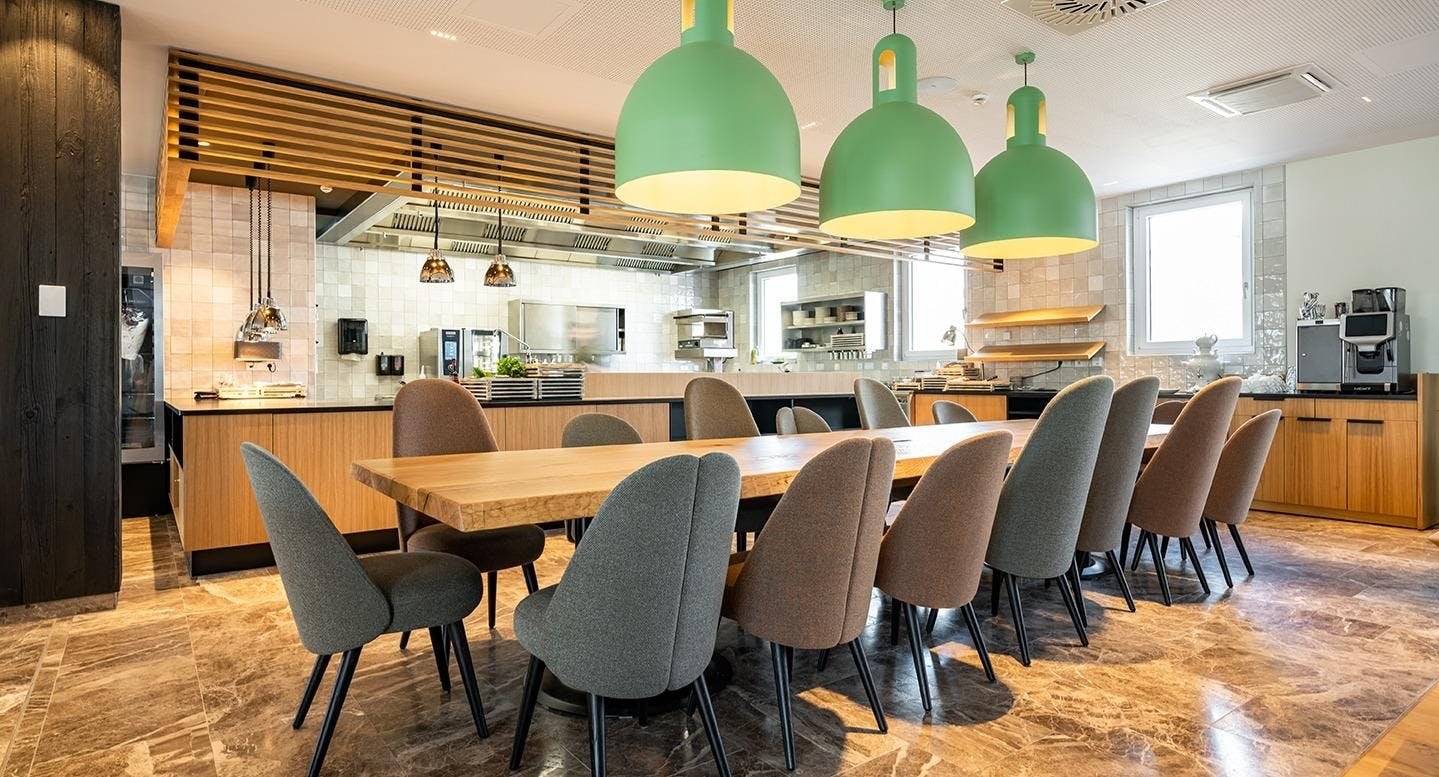
Soaring ceilings and baroque architecture blend with contemporary design; warm sandstone flooring, earthy tones, and fireplace areas create an inviting yet refined atmosphere with natural light flooding through newly installed doors to inner courtyards.
Tags
Vibe
Best For
Experience
Amenities
View
Accessibility
About the Stay
- Rooms
- 211
- Check-in
- 15:00
- Check-out
- 11:00
- Property Style
- Historic Royal Palace Reimagined as a Contemporary Luxury Hotel with Custom Made Furnishings and Curated Artworks Reflecting Dresden's Cultural Heritage.
- Design Style
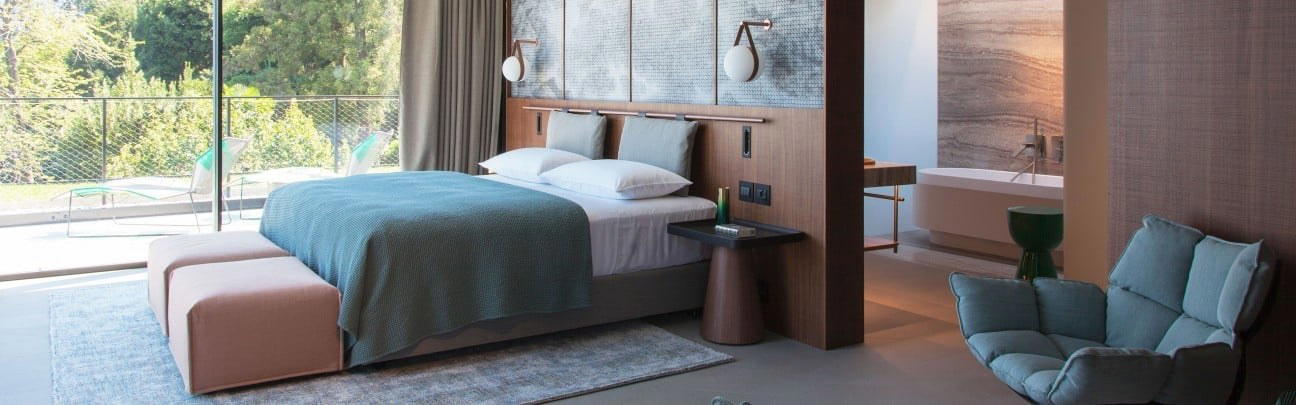
- Contemporary Royal Splendour Blending 19th Century Baroque Architecture with Modern Minimalist Interiors; Three Signature Room Design Styles in Historic Blue, Sage Green, and Sandstone Beige with High Ceilings and Artistic Wall Designs.
Know before you go
Know Before You Go
- Getting there
- Taschenberg 3, 01067 Dresden
Planning details
Location
Recognition and awards

Also consider
Also Consider
- Hyperion Hotel Dresden Am Schloss, Notable alternative
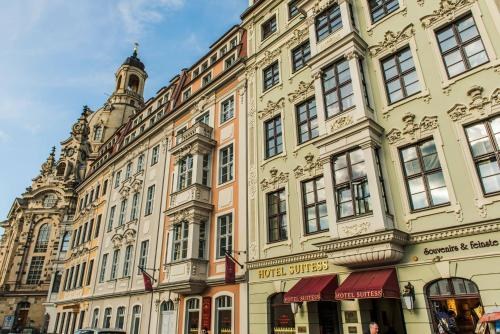
- Hotel Suitess, Notable alternative
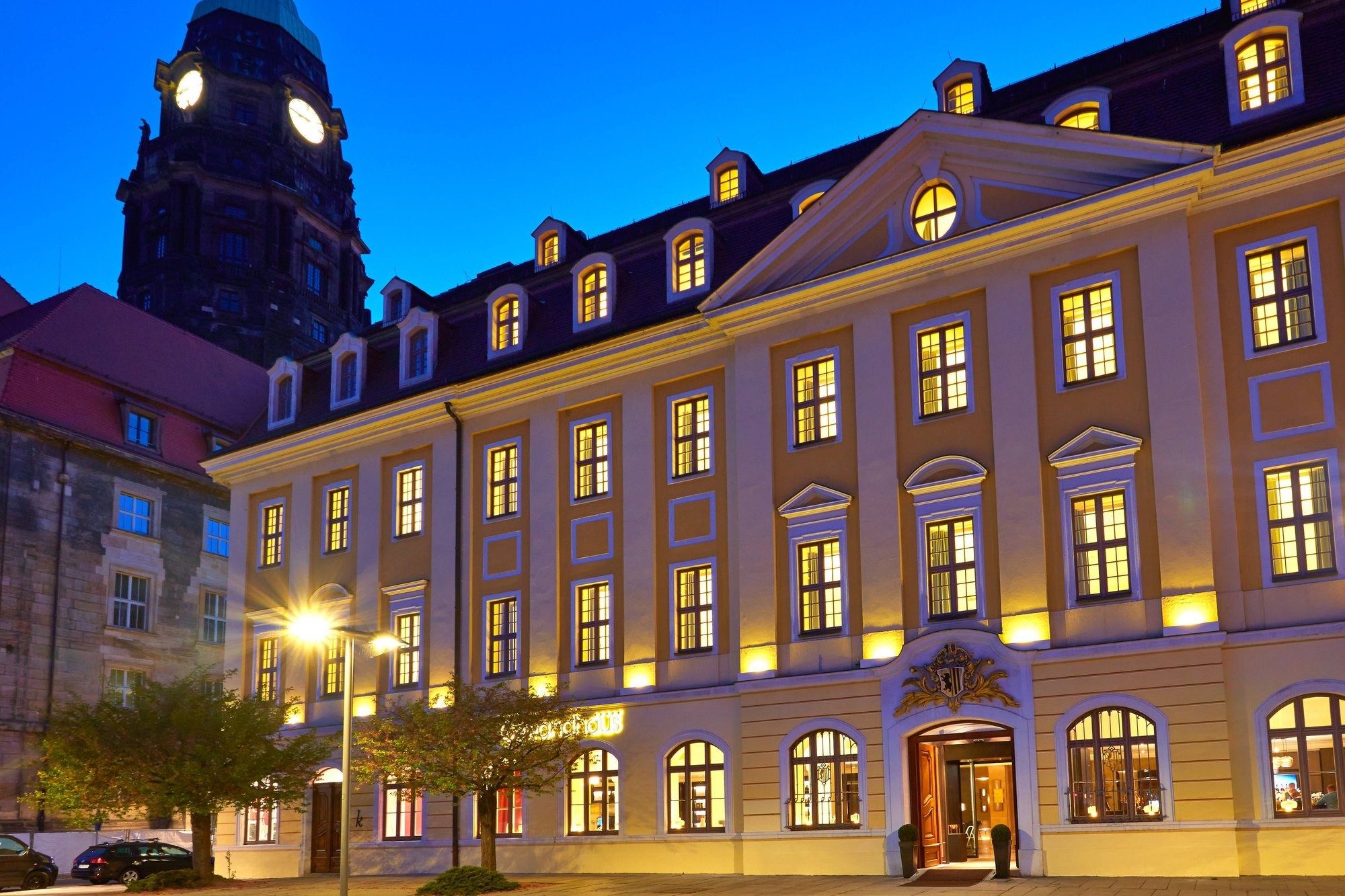
- Gewandhaus Dresden, Notable alternative
- Bülow Palais, Notable alternative
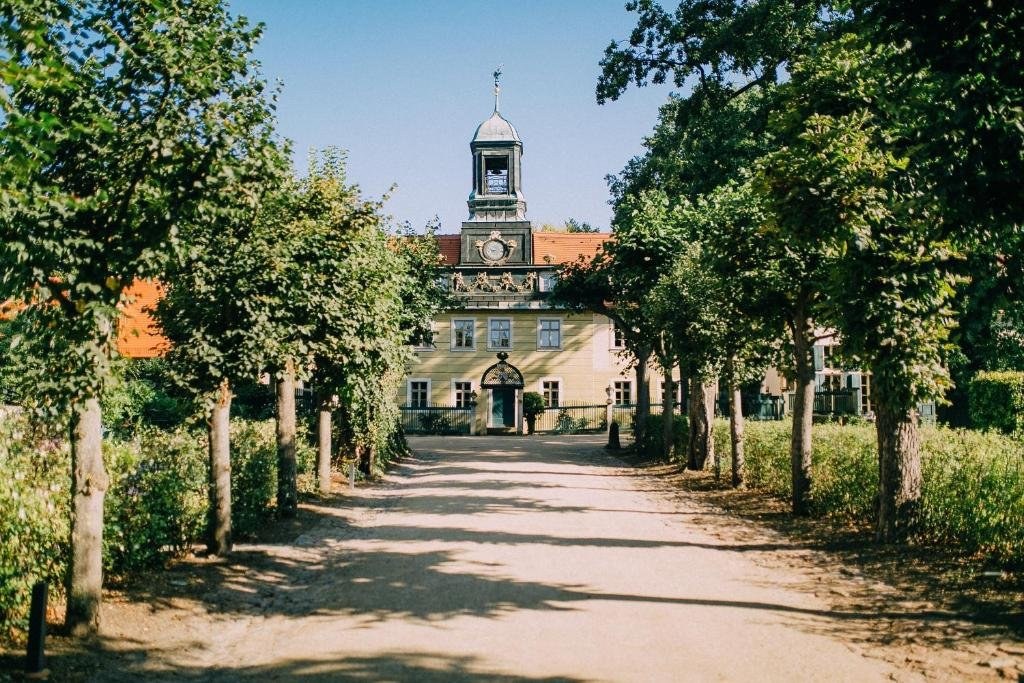
- Hotel Villa Sorgenfrei & Restaurant Atelier Sanssouci, Notable alternative
Hotel context
How It Compares
Kempinski Hotel Taschenbergpalais is the splurge pick in this Dresden group: choose it when the hotel itself needs to feel high-stakes, polished, and central. Hyperion Hotel Dresden Am Schloss is the more practical central cross-shop if the priority is location without the same luxury-hotel signal, while Hotel Suitess is better for travelers who want a smaller Old Town feel.
For atmosphere, Bülow Palais is the strongest alternative for a quieter, more intimate luxury stay. Gewandhaus Dresden makes more sense for guests who want a stylish city hotel rather than a grand palace address. If dining is driving the trip, Hotel Villa Sorgenfrei & Restaurant Atelier Sanssouci is the peer to check before committing here.
Booking difficulty is the key practical difference. Kempinski Hotel Taschenbergpalais should be treated as the first reservation to lock for peak Dresden dates; the others are better backup options when rates climb or availability tightens. For a first-time, museum-heavy Dresden stay, this is the safest premium choice; for value, intimacy, or a dining-led itinerary, cross-shop before paying the premium.
Explore Dresden
Around this place
Discover more on Pearl
Unlock the full Kempinski Hotel Taschenbergpalais guide in Pearl, including awards, comparisons, FAQs, planning details, and nearby places.
Compare Kempinski Hotel Taschenbergpalais
| Venue | Location | Awards |
|---|---|---|
| Kempinski Hotel Taschenbergpalais | Dresden | 2026 Virtuoso Luxury Hotel CollectionMichelin 2 Keys 20252025 Michelin 2 Keys2024 Michelin 2 Keys |
| Hyperion Hotel Dresden Am Schloss | Dresden | No published awards |
| Hotel Suitess | Dresden | No published awards |
| Gewandhaus Dresden | Dresden | 2025 Michelin 1 Key |
| Bülow Palais | Dresden | 2026 Relais Chateaux HotelsMichelin 2 Keys 20252025 Michelin 2 Keys2025 Relais Chateaux Award2024 Michelin 2 Keys |
| Hotel Villa Sorgenfrei & Restaurant Atelier Sanssouci | Dresden | 2025 Michelin 1 Key |


How Kempinski Hotel Taschenbergpalais Dresden compares with similar nearby venues.
FAQ
Frequently Asked Questions
When is the best time to book Kempinski Hotel Taschenbergpalais?
Book once your Dresden dates are firm, especially if a particular room type or rate matters. The hotel has Michelin 2 Keys recognition for 2024, so it is reasonable to plan ahead rather than assume last-minute availability will be ideal.
How is the pool and spa at Kempinski Hotel Taschenbergpalais?
How does Kempinski Hotel Taschenbergpalais compare to other premium hotels?
Choose Kempinski Hotel Taschenbergpalais if you want a Dresden hotel with confirmed Michelin 2 Keys recognition. Hyperion Hotel Dresden Am Schloss, Bülow Palais, Gewandhaus Dresden, Hotel Suitess, and Hotel Villa Sorgenfrei & Restaurant Atelier Sanssouci are useful comparisons if you want a different hotel style or planning fit.
Which room category is best at Kempinski Hotel Taschenbergpalais?
Choose based on your budget, space needs, and cancellation terms, and ask the hotel directly about views, quiet rooms, connecting rooms, or any other priority.