
INTO Hotel Chibi
Jigongshan Village, Chebu Town, Chibi City
Hotel in Chibi City, China
 Book with Pearl
The Read
Bamboo-Framed Rural Stillness
Price
$100–200per night
Why go
INTO Hotel Chibi is worth considering when the trip is built around Chibi City and the nearby Three Kingdoms heritage area, not when points strategy or big-city hotel infrastructure is the priority. It works better for a quiet special-occasion base than for travelers who need confirmed dining detail, room-category guidance, or chain loyalty benefits.
About INTO Hotel Chibi
Do not book INTO Hotel Chibi expecting the same profile as a hotel in Wuhan or Changsha. It is a Chibi City hotel with a casual dress code and Small Luxury Hotels of the World membership in 2025.
The case for INTO Hotel Chibi is strongest when the trip needs a Chibi City base and the hotel itself fits the occasion. It may suit travelers who prefer a Chibi City stay over a hotel in a larger city. If the priority is a broader set of hotel details, compare options in Wuhan and Changsha instead.
Book for a Chibi City stay, not a big-city hotel playbook
The hotel's practical value is tied to being in Chibi City. Beyond that, exact address, room categories, room count, facilities, dining format, pricing, and service inclusions are not specified here. For broader planning, use current Chibi City hotel and trip-planning resources alongside the hotel's official channels.
Dining should be treated as unconfirmed rather than assumed. No cuisine type, chef, menu format, hours, or pricing is available, so travelers should avoid building the whole decision around a restaurant offering. If meals are central to the trip, cross-check current Chibi City dining information before booking.
The recognition angle is limited to a confirmed SLH signal
The clearest recognition is Small Luxury Hotels of the World membership in 2025. Beyond that, loyalty earnings, elite benefits, upgrade rules, booking-channel benefits, and room-category logic are not specified here. Travelers who care about points, guaranteed benefits, or repeatable upgrade strategy should confirm directly before booking and compare total trip convenience against options in Wuhan or Changsha.
Quick reference: choose INTO Hotel Chibi for a Chibi City stay with a confirmed SLH membership signal and casual dress code; choose another hotel if loyalty mechanics, brand-standard facilities, or detailed dining information matter more.
Planning details
- Location
- 附近 Chi Bi Shi, San Guo Chi Bi Gu Zhan Chang Jing Qu CN 湖北省 咸宁市 邮政编码: 437331
The take
The Take
The Vibe
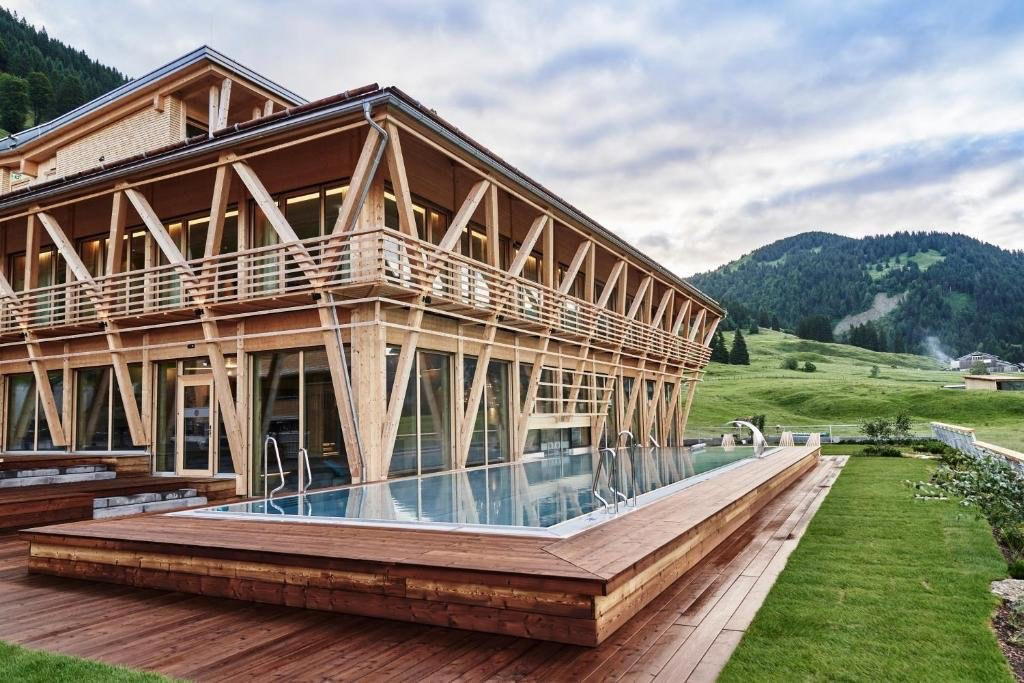
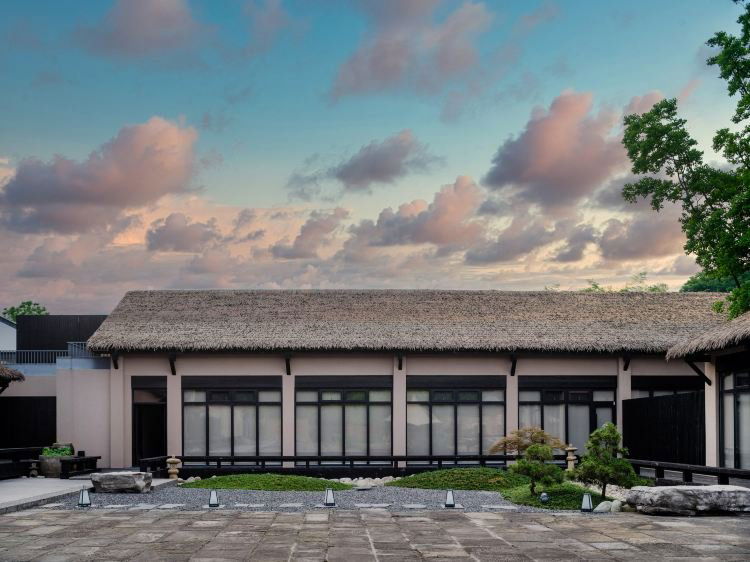
Into Hotel Chibi reads as a studied dialogue between Jiangnan heritage and contemporary architecture. The property frames its setting — bamboo groves and classical southern gardens — as active elements of the design, producing a measured experience of compression and revelation: intimate courtyards unfold into layered landscapes. Tranquillity is explicit, treated as an architectural goal rather than marketing copy, so interiors and outdoor rooms favor restraint and contemplative pacing. The result is a modern, serene retreat that foregrounds history and place while maintaining a crisp contemporary sensibility.
Best For
This is a place for quiet, restorative visits: wellness-minded travelers, couples seeking an intimate countryside escape, and anyone after a short weekend respite will find it well suited to their needs. Proximity to the Chibi Ancient Battlefield Scenic Area also appeals to visitors interested in cultural history and landscape-driven design. The hotel’s emphasis on framed views and enclosed gardens makes it less about sweeping panoramas and more about paced discovery — ideal for guests who want to move slowly and absorb architecture and nature together.
Venue details
Ambiance
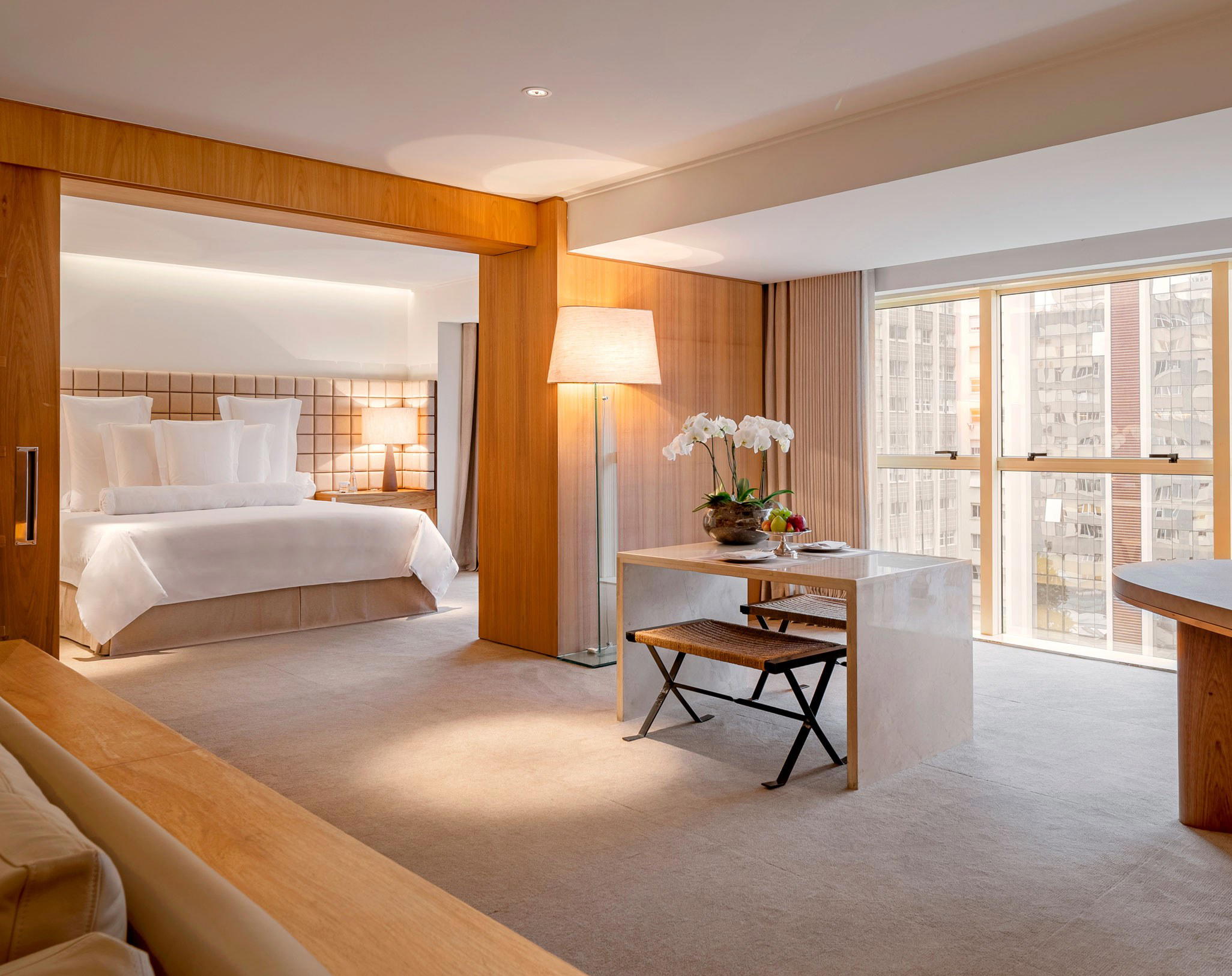
Calming neutrals and natural materials create a serene, tranquil atmosphere amid bamboo forests and gardens, praised for its peaceful escape.
Tags
Vibe
Best For
Experience
Amenities
View
Accessibility
About the Stay
- Rooms
- 20
- Check-in
- 15:00
- Check-out
- 12:00
- Property Type
- Boutique hotel
- Property Style
- Boutique Mountainside Retreat Channeling Peace and Tranquillity of Hubei's Countryside.
- Design Style
- Sleek Minimalism with Calming Neutrals, Natural Materials, and Traditional Heritage Elements.
- Airport Transfer
- Available
- Pool
- Yes
- Pets
- Allowed
- Families
- Welcome
- Cancellation
- Moderate
Know before you go
Know Before You Go
- Getting there
- 附近 Chi Bi Shi, San Guo Chi Bi Gu Zhan Chang Jing Qu CN 湖北省 咸宁市 邮政编码: 437331
Planning details
Location
附近 Chi Bi Shi, San Guo Chi Bi Gu Zhan Chang Jing Qu CN 湖北省 咸宁市 邮政编码: 437331 · Directions
Recognition and awards

Also consider
Also Consider
- Hyatt Regency Wuhan Optics Valley, Notable alternative
- InterContinental Changsha, Notable alternative
- Niccolo Changsha, Notable alternative
- Park Hyatt Changsha, Notable alternative
- JW Marriott Hotel Changsha, Notable alternative
Hotel context
How it compares with nearby luxury-hotel alternatives
INTO Hotel Chibi is the more location-specific choice if the trip is centered on Chibi City. Hyatt Regency Wuhan Optics Valley is a better fit for travelers who want a larger urban hotel environment and a clearer chain-hotel playbook, especially if the stay connects to Wuhan meetings or transit rather than Chibi sightseeing.
For Changsha, InterContinental Changsha, Niccolo Changsha, Park Hyatt Changsha, and JW Marriott Hotel Changsha make more sense when dining choice, city energy, and loyalty mechanics carry more weight than proximity to Chibi. They are out-of-metro alternatives, so they should not be treated as substitutes for a Chibi-based itinerary.
The practical split is simple: book INTO Hotel Chibi for destination convenience and a quieter celebration stay in Chibi City. Cross-shop the Wuhan or Changsha hotels if the trip needs a bigger service platform, stronger rewards logic, or a more predictable business-hotel setup.
Explore Chibi City
Around this place
Discover more on Pearl
Unlock the full INTO Hotel Chibi guide in Pearl, including awards, comparisons, FAQs, planning details, and nearby places.
Compare INTO Hotel Chibi
| Venue | Location | Awards |
|---|---|---|
| INTO Hotel Chibi | Chibi City | Small Luxury Hotels Member 2025 |
| Hyatt Regency Wuhan Optics Valley | Wuhan | No published awards |
| InterContinental Changsha | Changsha | No published awards |
| Niccolo Changsha | Changsha | No published awards |
| Park Hyatt Changsha | Changsha | No published awards |
| JW Marriott Hotel Changsha | Changsha | 2026 Forbes 4-Star2026 Forbes Recommended2026 Michelin Guide New Hotels2025 Michelin Selected Hotels2025 Forbes 4-Star |


How INTO Hotel Chibi compares with similar nearby venues.
FAQ
Frequently Asked Questions
How is the location of INTO Hotel Chibi?
INTO Hotel Chibi is in Chibi City. Use official channels for address and arrival planning.
Do loyalty programs work at INTO Hotel Chibi?
The clear trust signal is Small Luxury Hotels of the World membership in 2025. Specific points earning, elite benefits, upgrades, and booking-channel perks are not specified here. If you want to compare with hotels in other cities, consider Hyatt Regency Wuhan Optics Valley in Wuhan or JW Marriott Hotel Changsha in Changsha.
Which room category is best at INTO Hotel Chibi?
No specific room categories are specified here. Choose based on the layout, occupancy, and rate information shown by the hotel's official booking channels rather than assuming a particular upgrade or view category.
What is check-in like at INTO Hotel Chibi?
Specific check-in details are not specified here. Plan a standard hotel arrival, keep your booking information ready, and confirm timing directly with the venue before travel.
When is the best time to book INTO Hotel Chibi?
Book based on your Chibi City travel dates and confirm availability through official channels. For a hotel in another city instead of a Chibi City base, compare with InterContinental Changsha or Park Hyatt Changsha in Changsha.