
JW Marriott Hotel Changsha
Yuhua District, Changsha
Hotel in Changsha, China
 Book with Pearl
The Read
Heritage-Threaded Altitude
Why go
JW Marriott Hotel Changsha is the safer luxury choice in Changsha for families, Marriott loyalists, and business travelers who want predictable service over a scene-led stay. Its Forbes 4-Star recognition for 2026 gives it a useful quality signal, but design-focused guests should compare Park Hyatt Changsha and Niccolo Changsha before booking.
About JW Marriott Hotel Changsha
JW Marriott Hotel Changsha is a hotel listing in Changsha with smart casual dress guidance and Forbes recognition for 2026. The confirmed record supports a direct recommendation: consider it when you want a recognized hotel name in Changsha and prefer to rely on recognition rather than unconfirmed claims about location, room types, restaurants, amenities, or service details.
The clearest grounded quality signal is Forbes recognition. JW Marriott Hotel Changsha is listed with Forbes 4-Star recognition for 2026 and Forbes Recommended recognition for 2026. Beyond that, specific claims about the hotel experience should be treated carefully unless confirmed directly with the property or an official booking channel.
What the record does and does not establish
The smart casual dress code is the only style guidance available here. If your plans depend on specific restaurants, event spaces, room layouts, club access, transport arrangements, or accessibility details, confirm those points with the hotel rather than relying on assumptions.
Who should book, and who should cross-shop
Choose JW Marriott Hotel Changsha if Forbes-recognized hotel status in Changsha is a priority. The facts do not support more detailed promises about business facilities, family amenities, design character, or leisure programming.
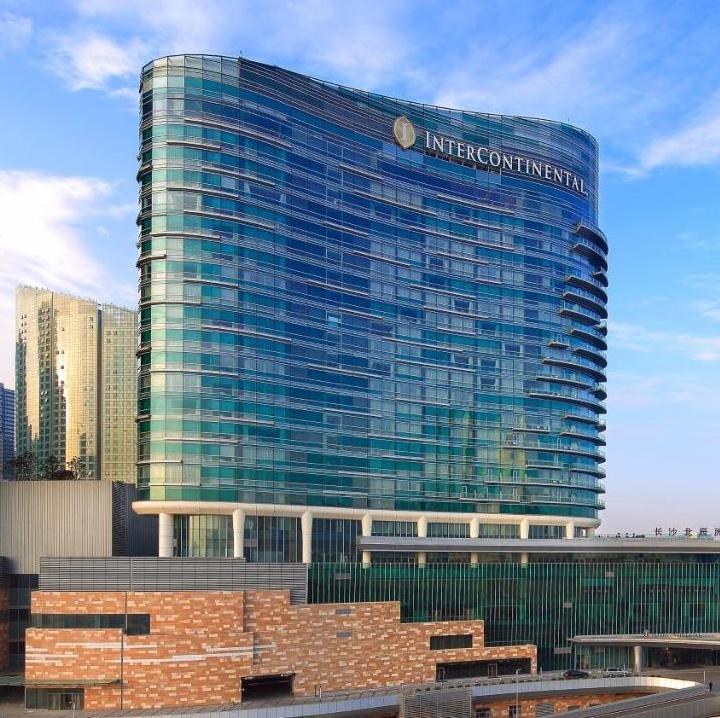
Travelers comparing hotels in Changsha can also look at Park Hyatt Changsha, Niccolo Changsha, and InterContinental Changsha. For a broader regional comparison, Hyatt Regency Wuhan Optics Valley and INTO Hotel Chibi may also be useful reference points, though they should not be treated as Changsha hotels.
Quick reference: facts include Changsha location, smart casual dress code, Forbes 4-Star recognition for 2026, and Forbes Recommended recognition for 2026; confirm all other stay details directly before booking.
Part of
JW Marriott67 locations on PearlPlanning details
- Location
- 567 Fu Rong Zhong Lu, Yu Hua Qu, Chang Sha Shi, Hu Nan Sheng, 410000
- Website
- marriott.com/en-us/hotels/csxjc-jw-marriott-hotel-changsha/overview
- Phone
- +86 731 8329 9999
The take
The Take
The Vibe
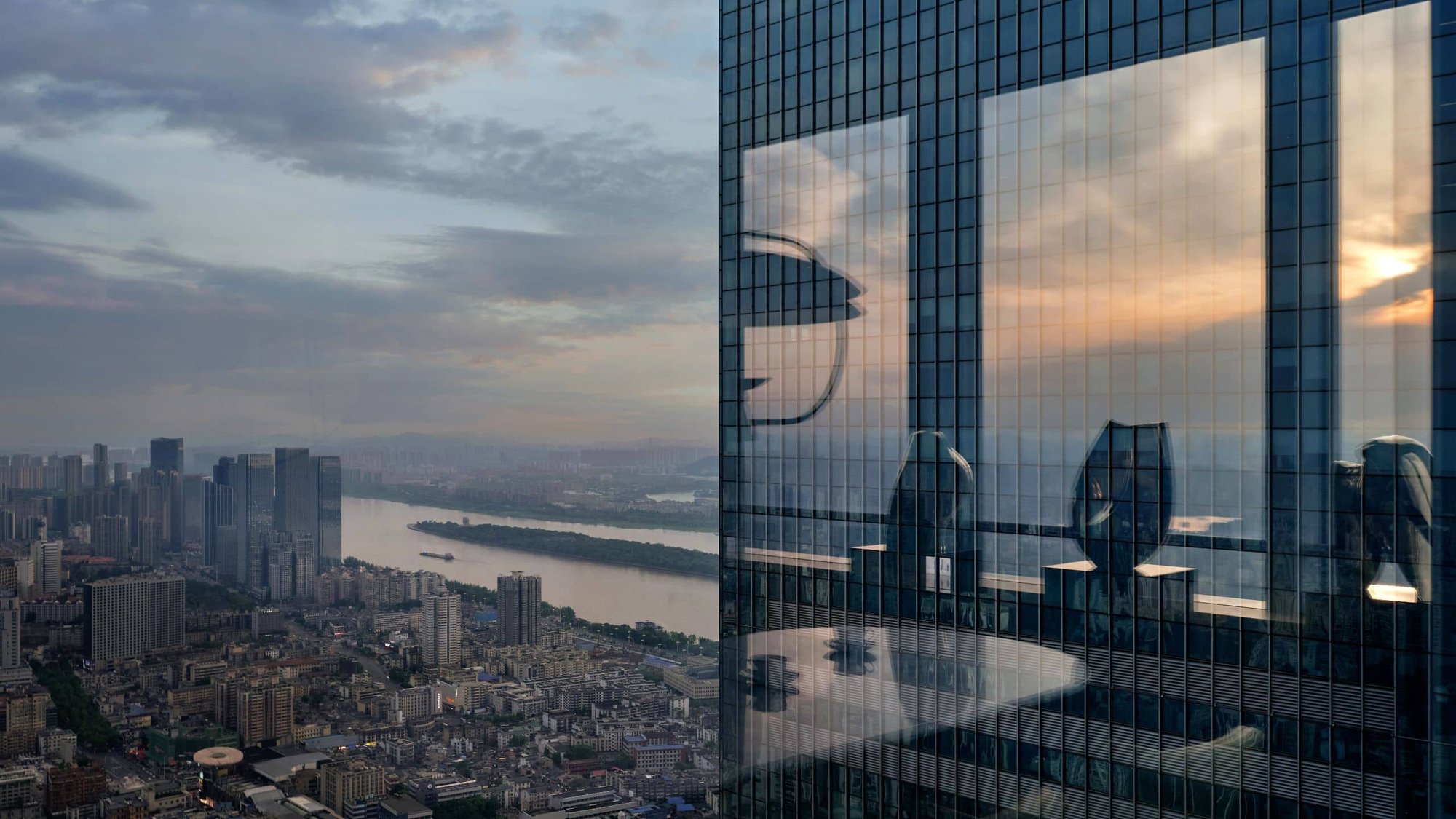
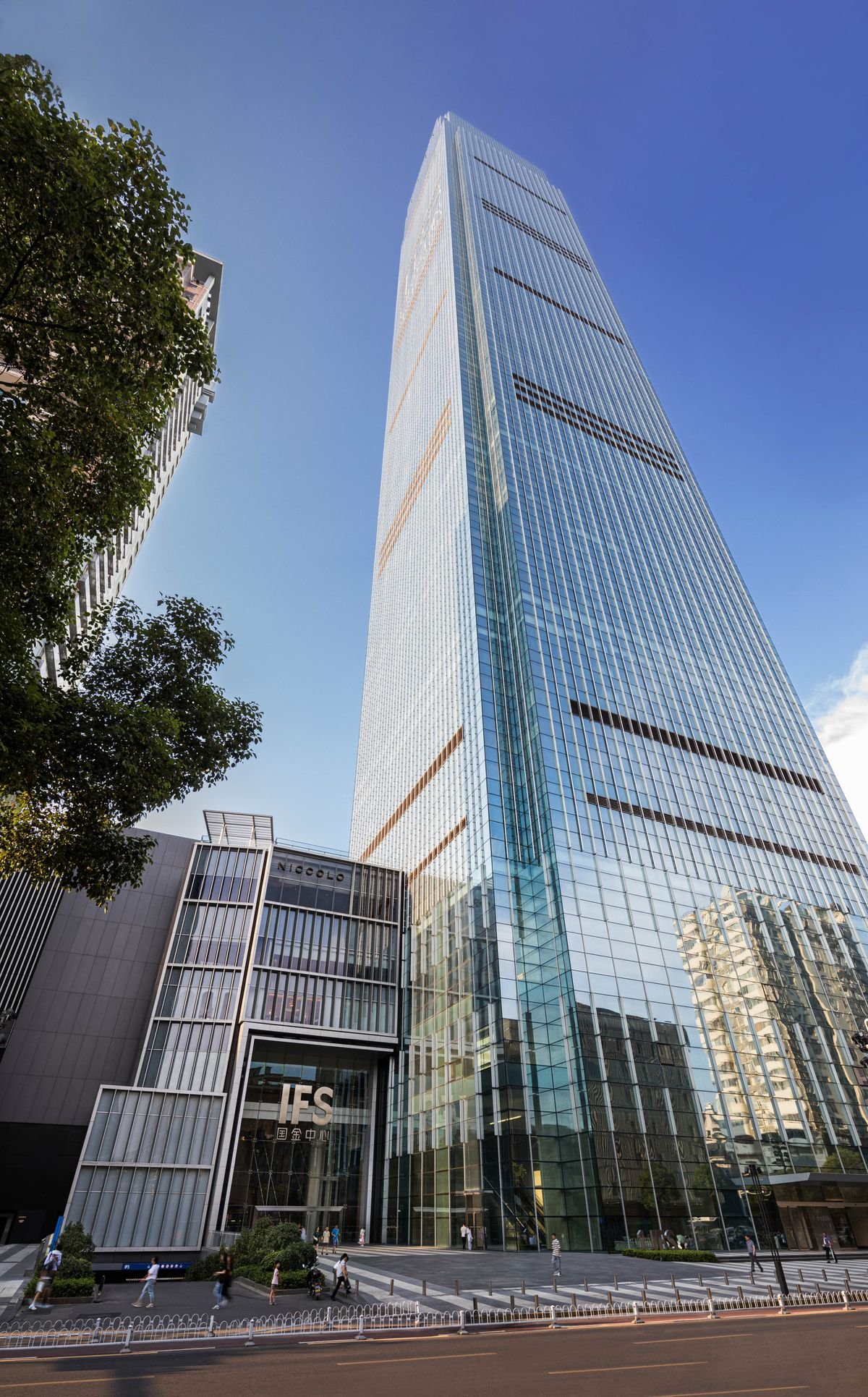
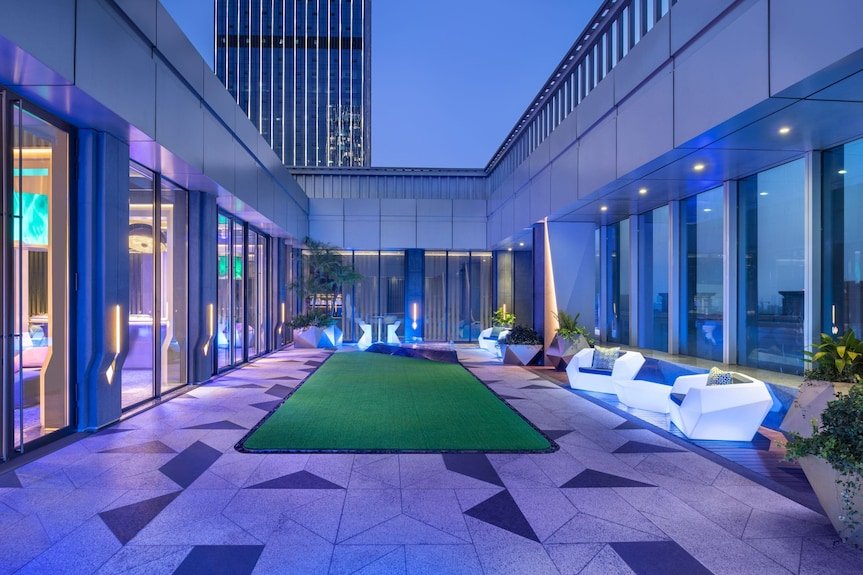
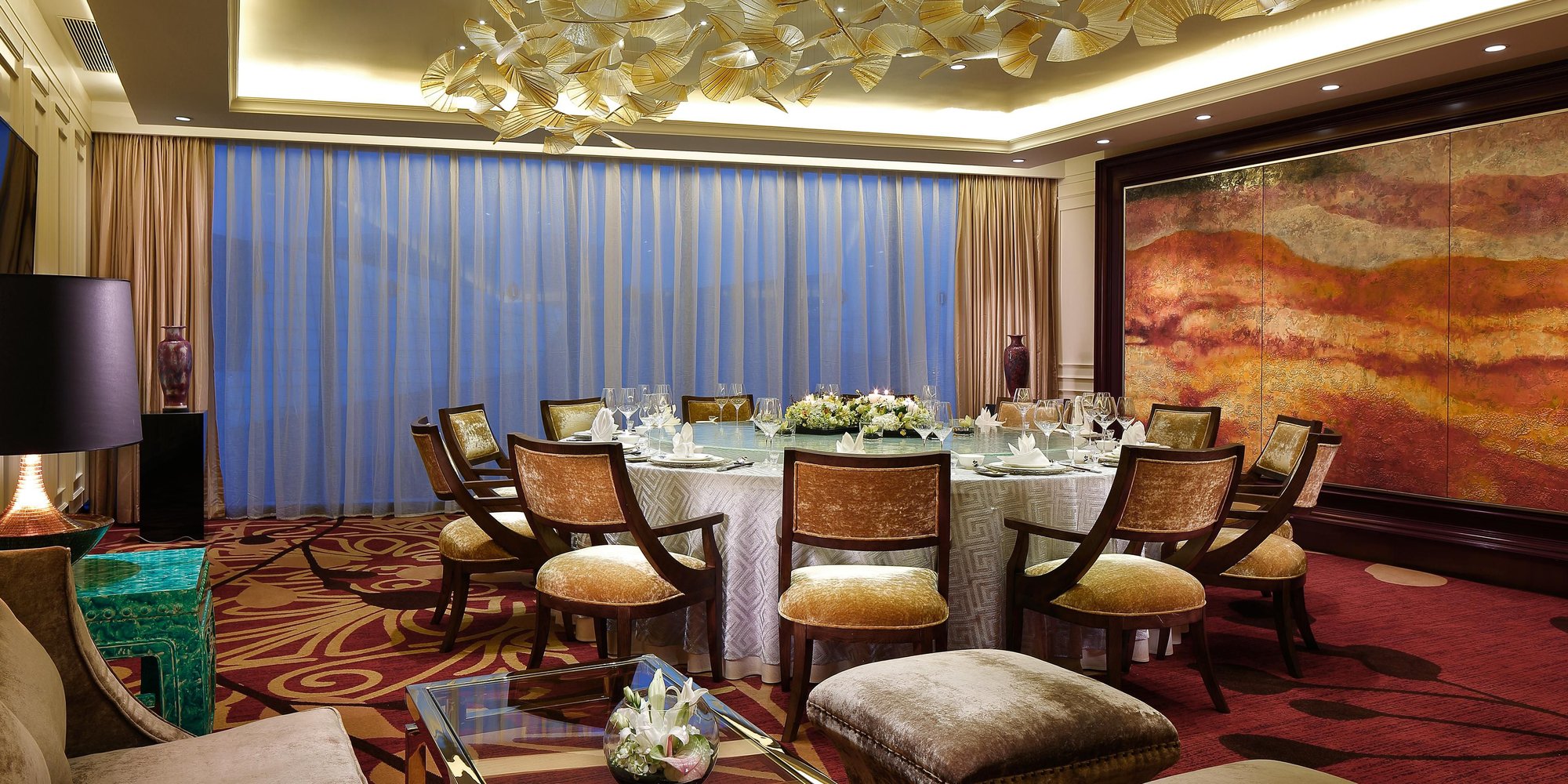
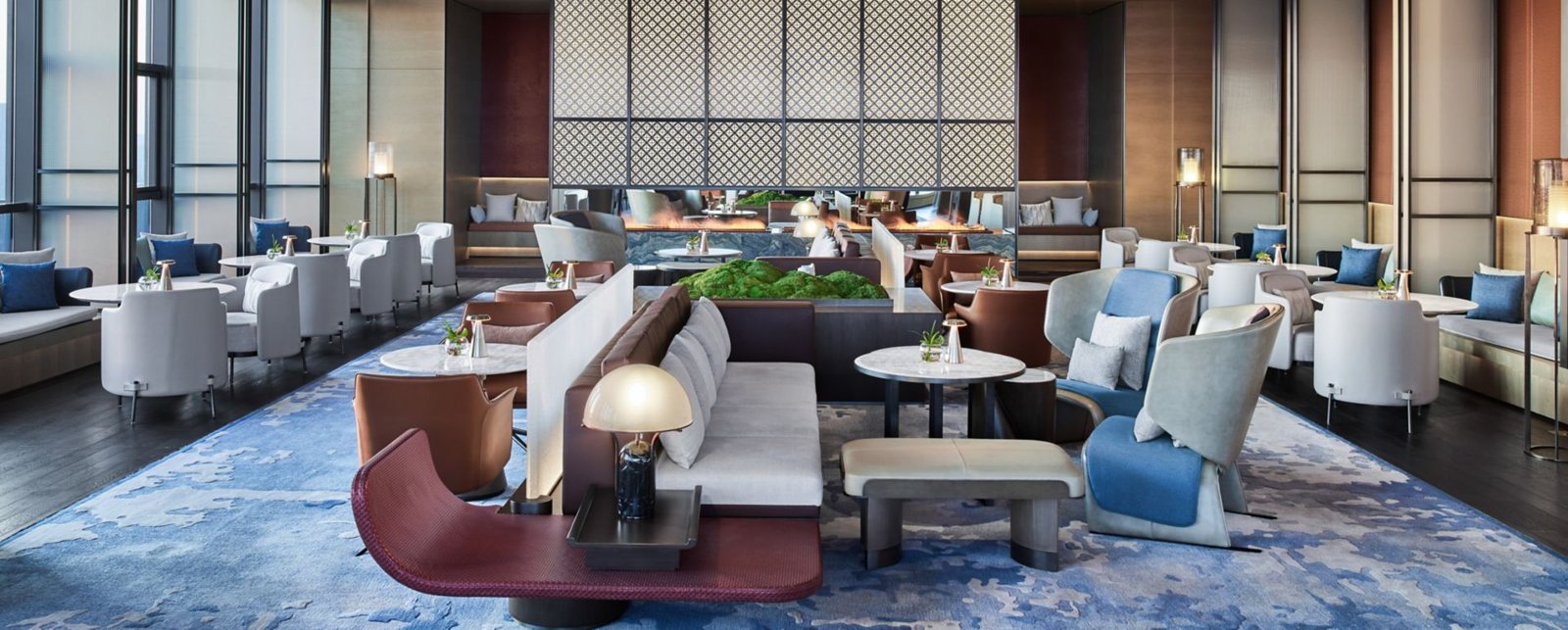
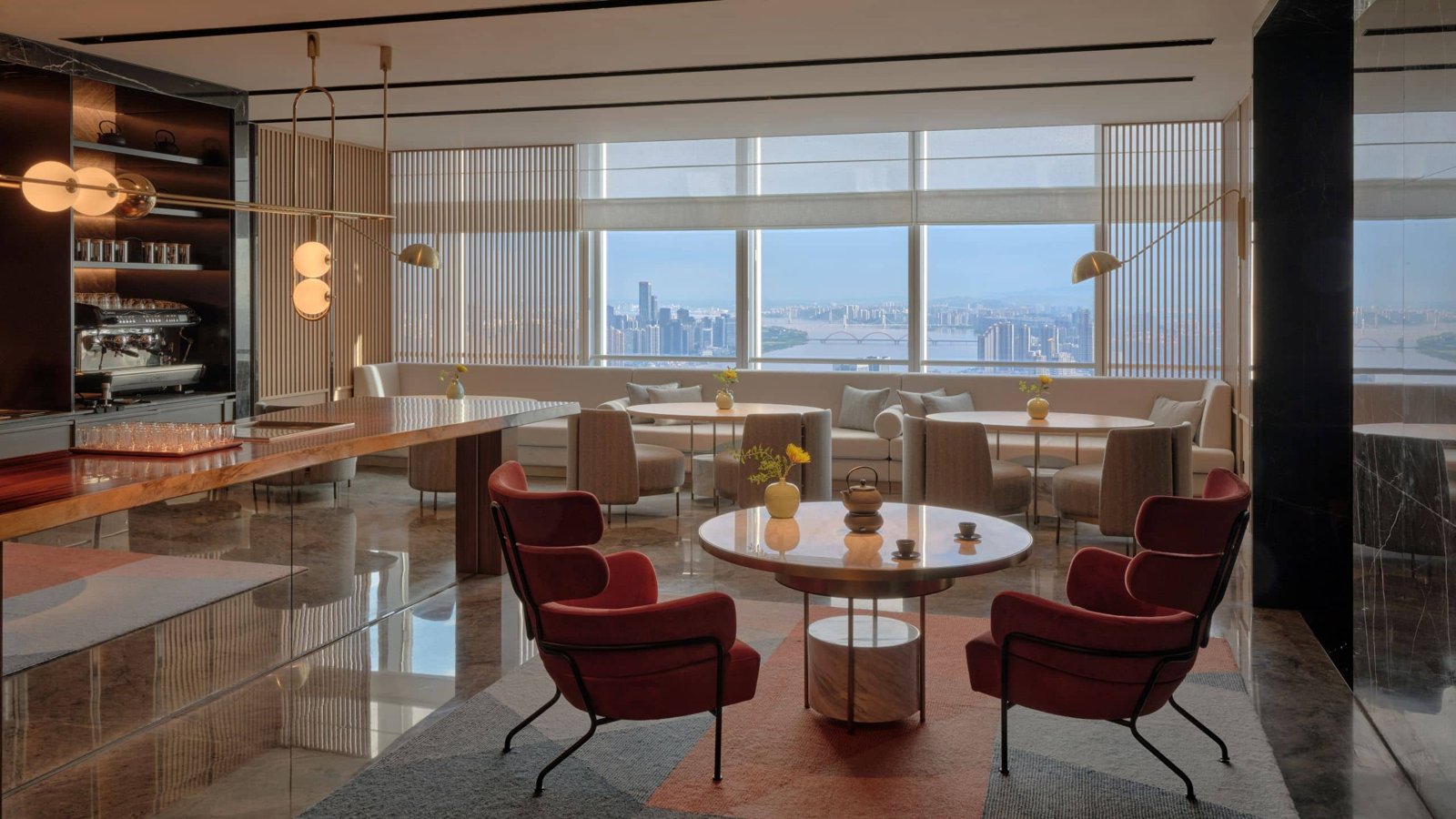
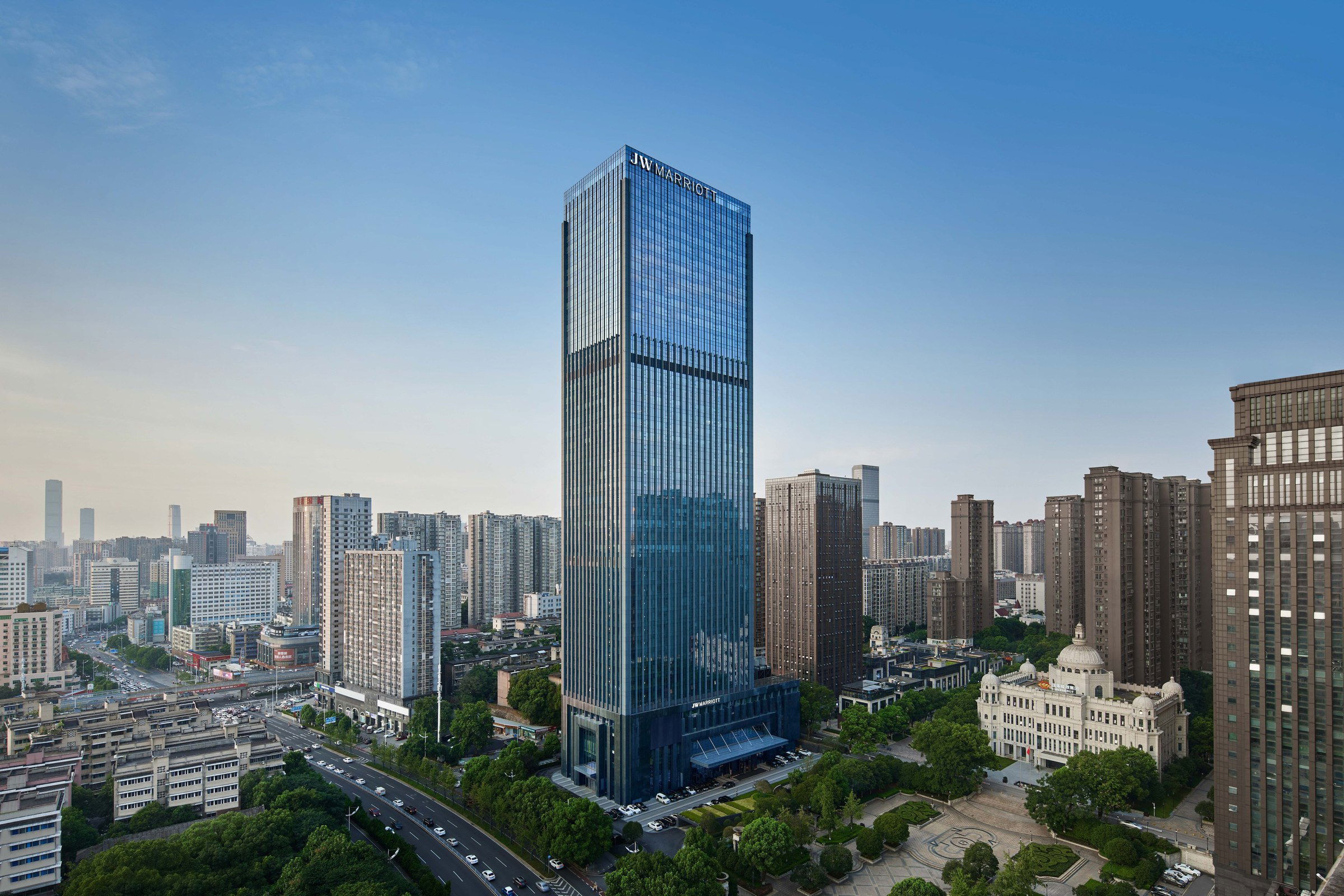
The JW Marriott Hotel Changsha reads as a deliberately composed presence in the city's evolving skyline. It favors restraint over ostentation, working an earth-toned palette warmed by latticework detailing, sinuous sculptural forms and calligraphy-referencing paintings that tie the interiors to Hunanese cultural threads. The architecture’s vertical confidence and the hotel’s placement in the upper reaches of a striking tower give public spaces a lofty, considered feel, while the material choices and curated artwork keep the atmosphere intimate rather than imposing. Design-minded travelers encounter a luxury expression that privileges cultural specificity and quiet polish.
Best For
This property suits travelers who value thoughtful luxury and a strong sense of place. Business travelers find a commanding base in Yuhua District with a hotel that reads as professional and composed, while couples seeking a romantic getaway appreciate the warm, artful interiors and the elevated vantage implied by the hotel’s upper-floor location. Guests who care about design and cultural context will enjoy lingering in the public spaces, where references to Chinese art and calligraphic gesture make the hotel as much a visual experience as a place to rest.
Stay Tips
When booking, request a room on the higher floors to capitalize on the hotel’s tower position and the implied skyline vantage. If you care about interiors, ask for a room or suite located near the parts of the property called out for curated artwork and latticework detailing so you can experience the design language beyond the lobby. Because the description emphasizes design restraint and cultural referencing, plan time to explore public spaces rather than treating the hotel purely as a place to sleep—those areas are a key part of the stay.
Venue details
Ambiance
Light-filled spaces with elegant interior design blending urban style, relaxing spa atmosphere, and breathtaking city views from fitness center and pool.
Tags
Vibe
Best For
Experience
Amenities
View
Accessibility
About the Stay
- Rooms
- 284
- Check-in
- 15:00
- Check-out
- 12:00
- Property Type
- Design hotel
- Property Style
- Luxury Urban Hotel Blending Historical Cultural Significance with Modern Well Being.
- Design Style
- Elegant Sophistication with Individually Furnished Rooms, Solid Insulation, and Residential Comforts.
- Airport Transfer
- Available
- Pool
- Yes
- Spa
- Yes
- Families
- Welcome
Know before you go
Know Before You Go
- Getting there
- 567 Fu Rong Zhong Lu, Yu Hua Qu, Chang Sha Shi, Hu Nan Sheng, 410000
Planning details
Location
567 Fu Rong Zhong Lu, Yu Hua Qu, Chang Sha Shi, Hu Nan Sheng, 410000 · Directions
marriott.com/en-us/hotels/csxjc-jw-marriott-hotel-changsha/overview
Recognition and awards

Also consider
Also Consider
- Park Hyatt Changsha, Notable alternative
- Niccolo Changsha, Notable alternative
- InterContinental Changsha, Notable alternative
- INTO Hotel Chibi, Notable alternative
- Hyatt Regency Wuhan Optics Valley, Notable alternative
Hotel context
How It Compares
Against Park Hyatt Changsha and Niccolo Changsha, JW Marriott Hotel Changsha is the more predictable choice for families and Marriott loyalists. Park Hyatt is the one to price-check if the stay needs a stronger luxury-hotel identity, while Niccolo is the sharper cross-shop for travelers who want a more fashion-forward city stay. JW Marriott wins when consistency and a formal but calm atmosphere matter more than personality.
InterContinental Changsha is the closest comparison for international-brand comfort. If rates are similar, choose JW Marriott for the clearer 2026 Forbes signal and loyalty-program fit; choose InterContinental if its location or room availability better matches the itinerary. With booking difficulty marked hard here, checking both before locking dates is the practical move.
INTO Hotel Chibi and Hyatt Regency Wuhan Optics Valley are not like-for-like Changsha substitutes because they sit out of metro. Use them only if the trip route has shifted beyond Changsha. For a Changsha-based family or business stay, the real decision is between JW Marriott, Park Hyatt, Niccolo, and InterContinental.
Explore Changsha
Around this place
Discover more on Pearl
Unlock the full JW Marriott Hotel Changsha guide in Pearl, including awards, comparisons, FAQs, planning details, and nearby places.
Compare JW Marriott Hotel Changsha
| Venue | Location | Awards |
|---|---|---|
| JW Marriott Hotel Changsha | Changsha | 2026 Forbes 4-Star2026 Forbes Recommended2026 Michelin Guide New Hotels2025 Michelin Selected Hotels2025 Forbes 4-Star |
| Park Hyatt Changsha | Changsha | No published awards |
| Niccolo Changsha | Changsha | No published awards |
| InterContinental Changsha | Changsha | No published awards |
| INTO Hotel Chibi | Chibi City | Small Luxury Hotels Member 2025 |
| Hyatt Regency Wuhan Optics Valley | Wuhan | No published awards |


How JW Marriott Hotel Changsha compares with similar nearby venues.
FAQ
Frequently Asked Questions
Which room category is best at JW Marriott Hotel Changsha?
The information provided here does not identify room categories or room-size differences. Choose based on the options shown by the hotel or booking channel for your dates, and confirm any space, view, or bedding needs directly before booking.
What is check-in like at JW Marriott Hotel Changsha?
The hotel is in Changsha; contact the property or check your booking confirmation for arrival details.
Do loyalty programs work at JW Marriott Hotel Changsha?
Is JW Marriott Hotel Changsha family-friendly?
Is JW Marriott Hotel Changsha good for business travel?
It is a Forbes-recognized hotel in Changsha, but business travelers should confirm any required services directly.
How does JW Marriott Hotel Changsha compare to other hotels?
JW Marriott Hotel Changsha can be compared with other Changsha options such as Niccolo Changsha, Park Hyatt Changsha, and InterContinental Changsha. The facts here support only a limited comparison: JW Marriott Hotel Changsha has smart casual dress guidance and Forbes recognition for 2026.
When is the best time to book JW Marriott Hotel Changsha?
Book when your Changsha dates are firm, and compare current availability with options such as Park Hyatt Changsha and Niccolo Changsha if you are still deciding.