


Park Hyatt Changsha
Fu Rong, Changsha
Hotel in Changsha, China
 Book with Pearl
The Read
Price
$300–500per night
Why go
For 2026 Changsha trips, Park Hyatt Changsha is the luxury-leaning choice to consider when location and polish matter more than value hunting. Its Changsha IFS address is practical for families and first-time visitors, while MICHELIN Guide Hotels 1 Key, Forbes 4-Star, and Star Wine List recognition give it a stronger trust signal than many city peers.
About Park Hyatt Changsha
For a stay in Changsha, travelers may be choosing how much confidence they can place in a hotel before booking. Park Hyatt Changsha is a hotel option with recognition from the MICHELIN Guide Hotels 1 Key (2025), Forbes 4-Star (2026), and Star Wine List (2026). The dress code is smart casual.
Practical details such as a precise address, room configuration, dining format, or family facilities should be checked before booking. Treat Park Hyatt Changsha as a recognized Changsha hotel to shortlist when the name, recognition, and smart-casual dress code are enough to merit a closer booking inquiry.
A recognized Changsha hotel for a carefully checked shortlist
Book this if a recognized hotel in Changsha is more important than having every practical detail settled in advance. The grounded appeal is the hotel's recognition, rather than a long list of amenities or service promises.
Before committing, confirm the details that matter for your trip, including room setup, any child-specific needs, and any dining requirements, as well as connecting rooms, children's facilities, meal formats, prices, and transport details.
Choose it over peers when confirmed recognition matters most
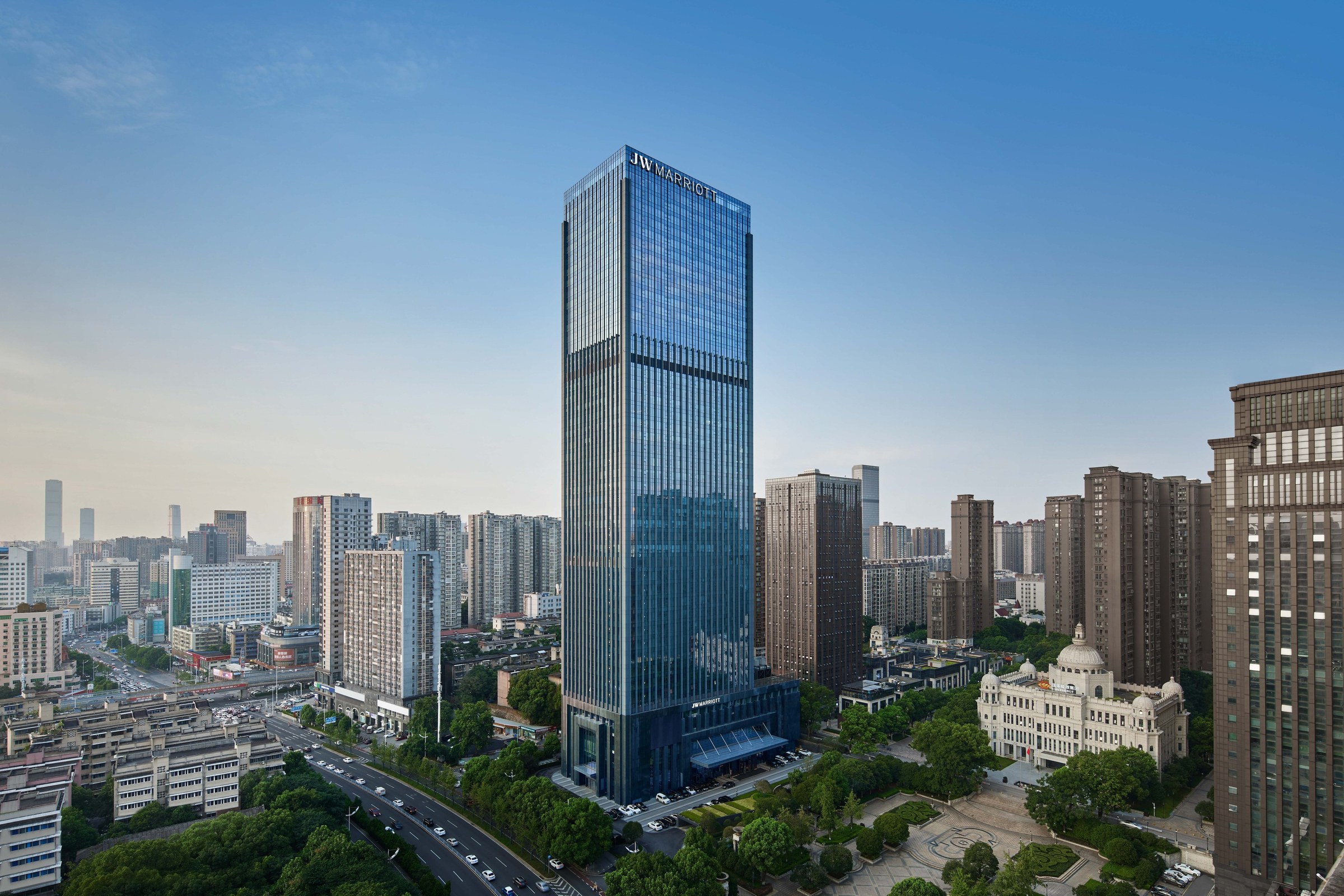
Compared with Niccolo Changsha, JW Marriott Hotel Changsha, and InterContinental Changsha, Park Hyatt Changsha is most clearly supported by its recognition: MICHELIN Guide Hotels 1 Key (2025), Forbes 4-Star (2026), and Star Wine List (2026). Those signals make it a serious hotel option in Changsha, while the exact practical advantages over each peer should be checked against current booking details.
The main caution is expectation-setting. This is not the choice for travelers who need published detail on every practical point before deciding. For a Changsha stay where recognition is a key filter, it deserves a close look; for a price-sensitive trip, compare Park Hyatt Changsha with other Changsha hotels before locking in.
Part of
Park Hyatt71 locations on PearlPlanning details
- Location
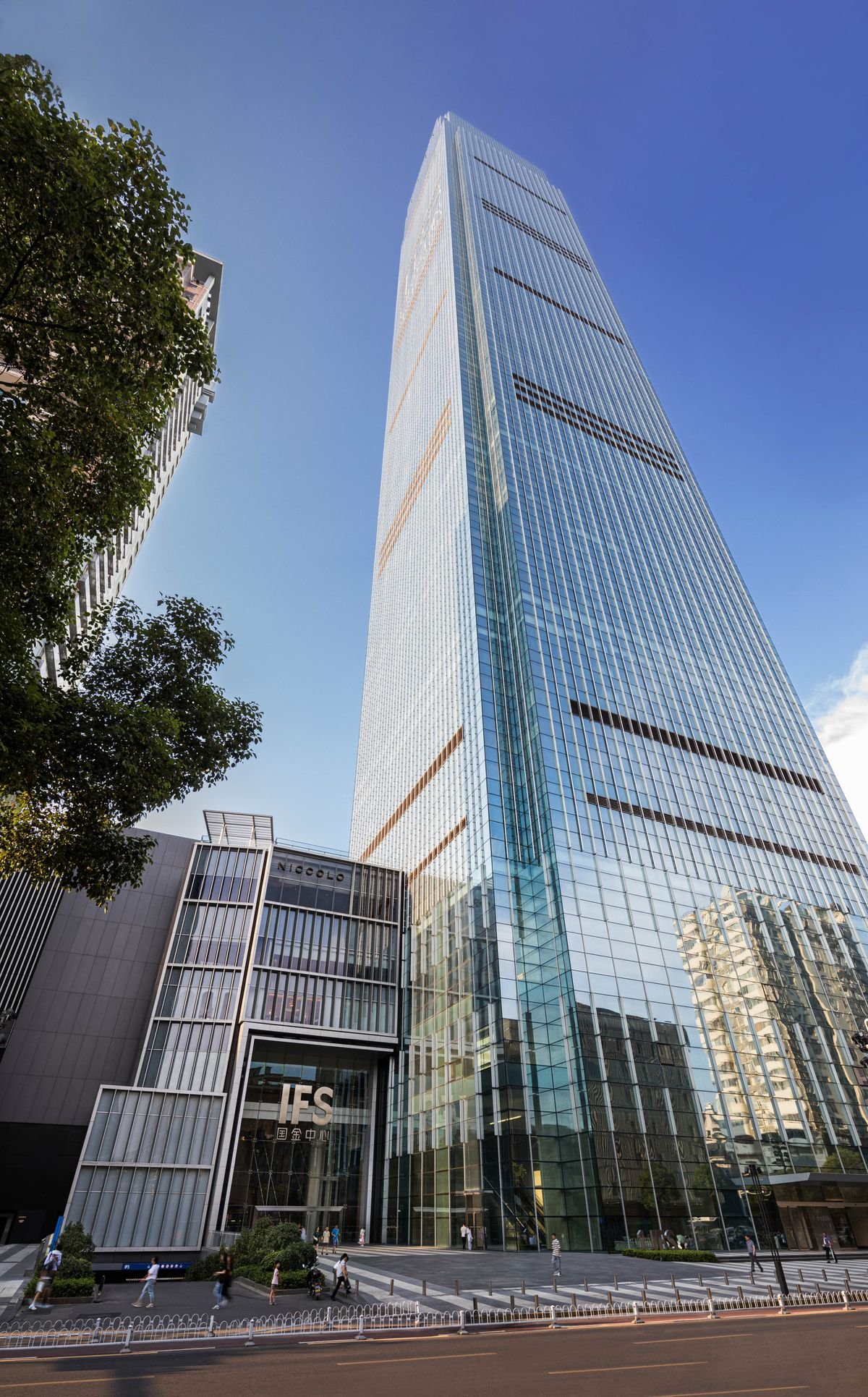
- Tower 2, Changsha IFS, 188 Jiefang West Road, Furong District, Changsha
- Website
- hyatt.com/en-US/hotel/china/park-hyatt-changsha/csxph?src=vanity_parkhyattchangsha.com
- Phone
- 86-731-8180-1234
The take
The Take
The Vibe
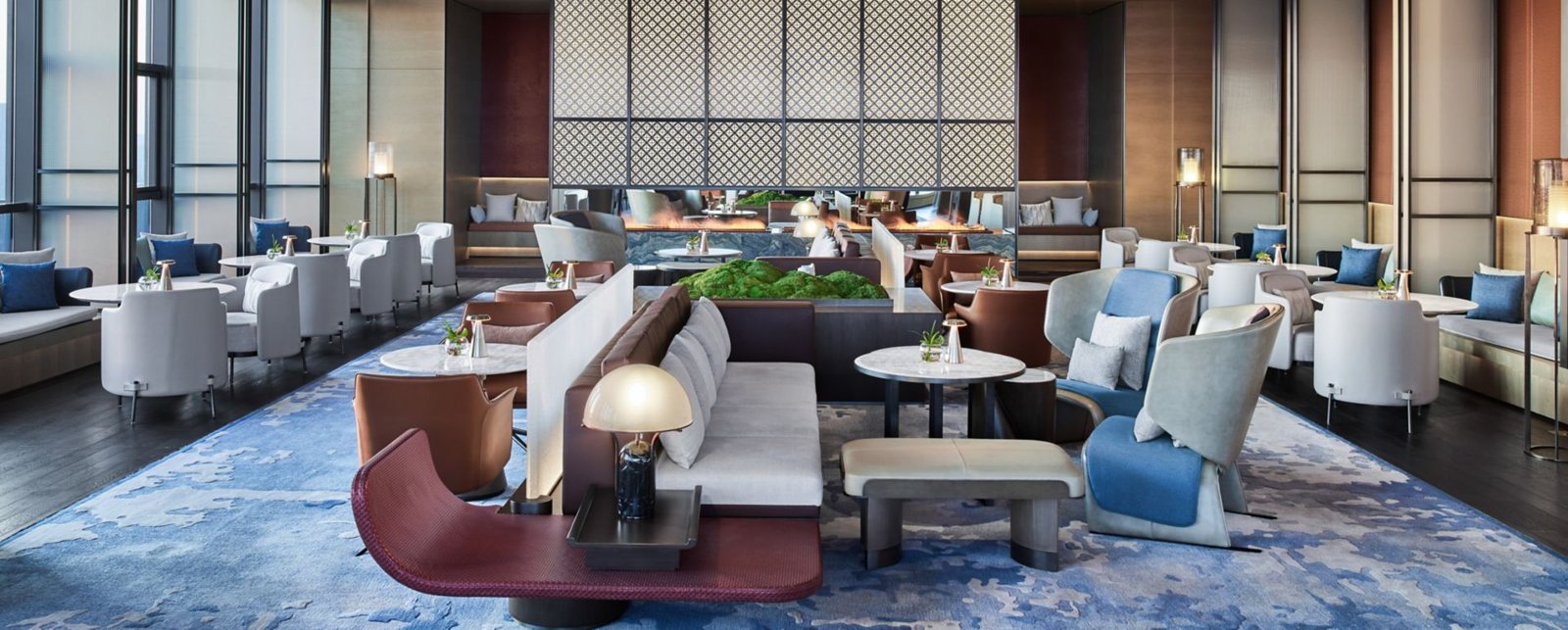
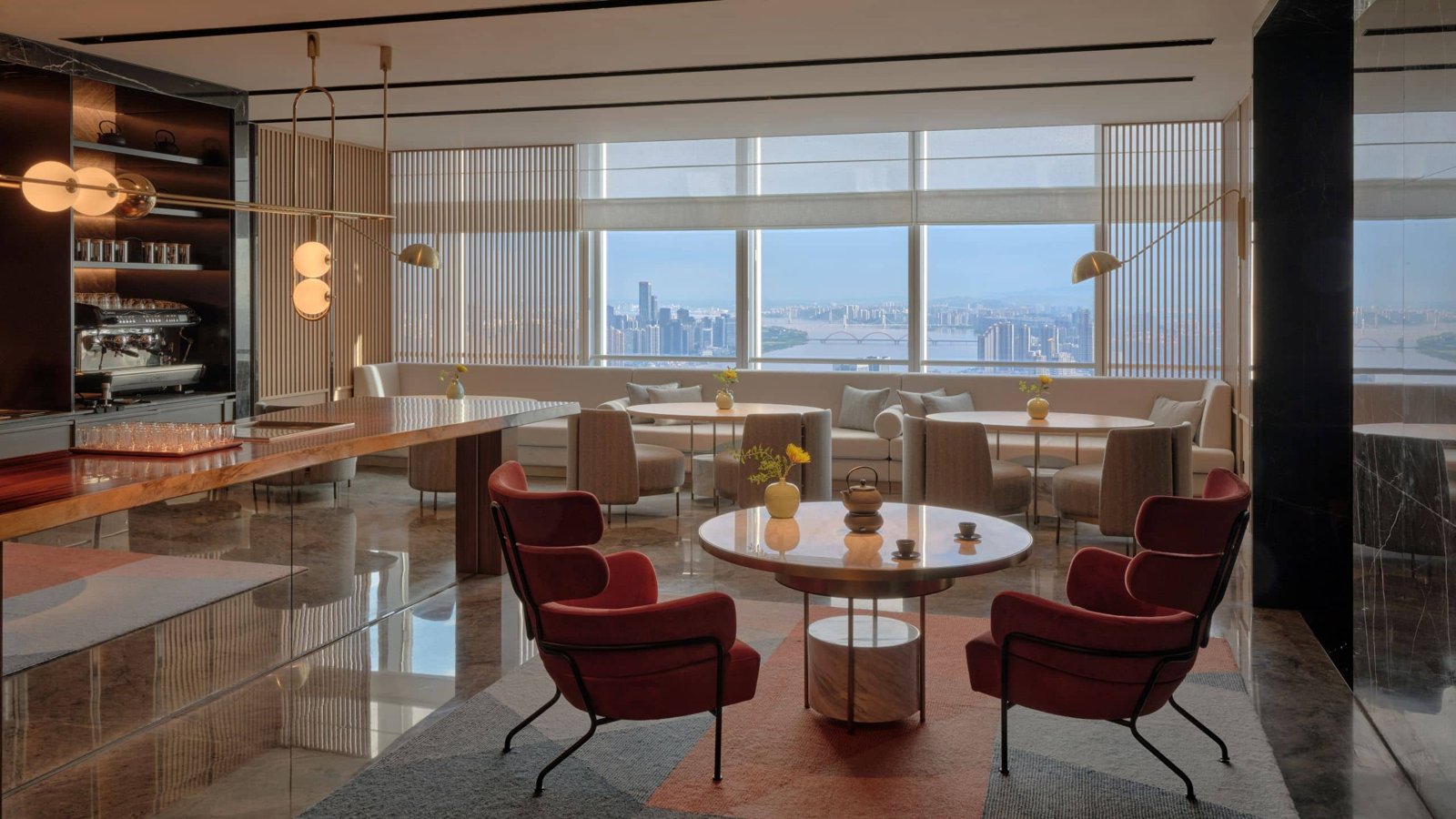
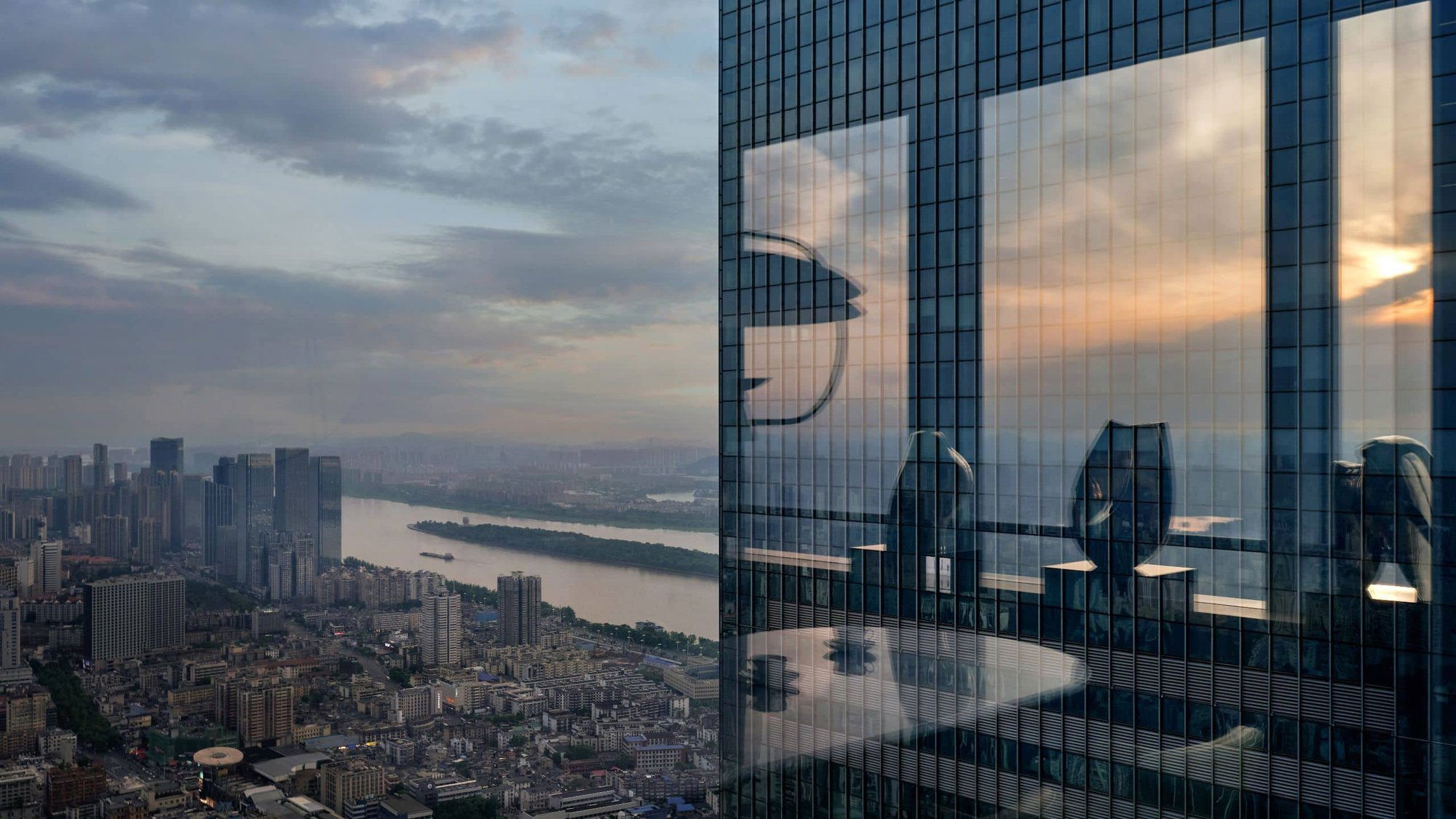
Park Hyatt Changsha reads as a restrained, high-rise retreat that privileges quiet luxury over overt spectacle. Perched in the upper floors of the IFS tower, the hotel emphasizes lower room counts, considered materials and an anticipatory service model. The ascent to check-in reveals sweeping city and river perspectives, lending public spaces and rooms a reflective, panoramic quality. Rather than theatrical gestures, the property relies on subtle detail and personalized attention, creating an intimate atmosphere for travelers who prefer privacy, calm and service that reads preferences instead of reciting routines.
Best For
This Park Hyatt is best for travelers who value discreet, service-forward luxury and elevated city views. Its location in the IFS tower places guests in Changsha's commercial core, so it's particularly well suited to business travelers seeking proximity to the Furong District and to couples after an intimate, romantic stay. The hotel's smaller scale and anticipatory staff also appeal to guests who expect high-touch service—making it a natural choice for celebratory stays or anyone who prefers a quieter alternative to larger, more theatrical five-star properties.
Stay Tips
Request a room on the upper floors to maximize views of the Xiang River and the Furong District skyline—the property’s height is repeatedly highlighted as a defining feature. Because the hotel emphasizes anticipatory, high-touch service, tell staff your preferences on arrival (quiet rooms, bedding or in-room setup) so the team can tailor the stay. Lower room counts mean staff are often able to accommodate reasonable requests; use the concierge for orientation of the elevated city vantage points.
Venue details
Ambiance
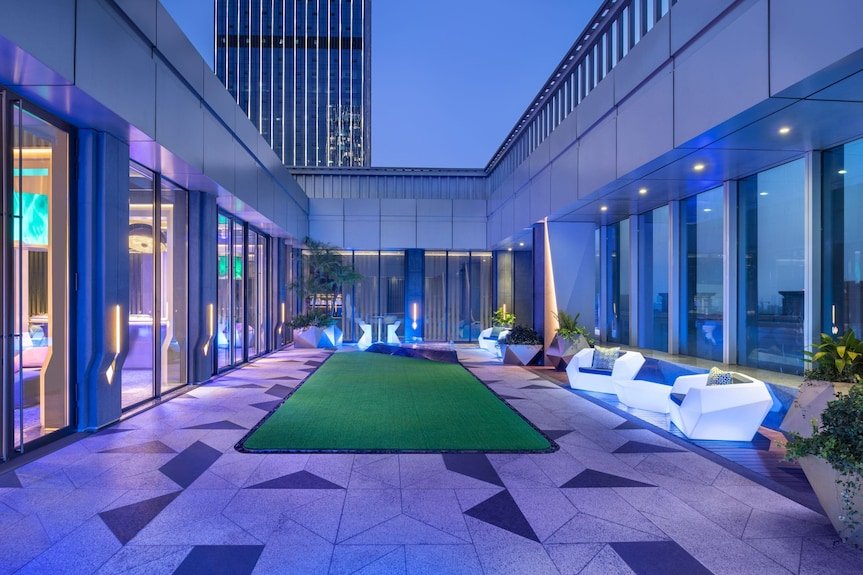
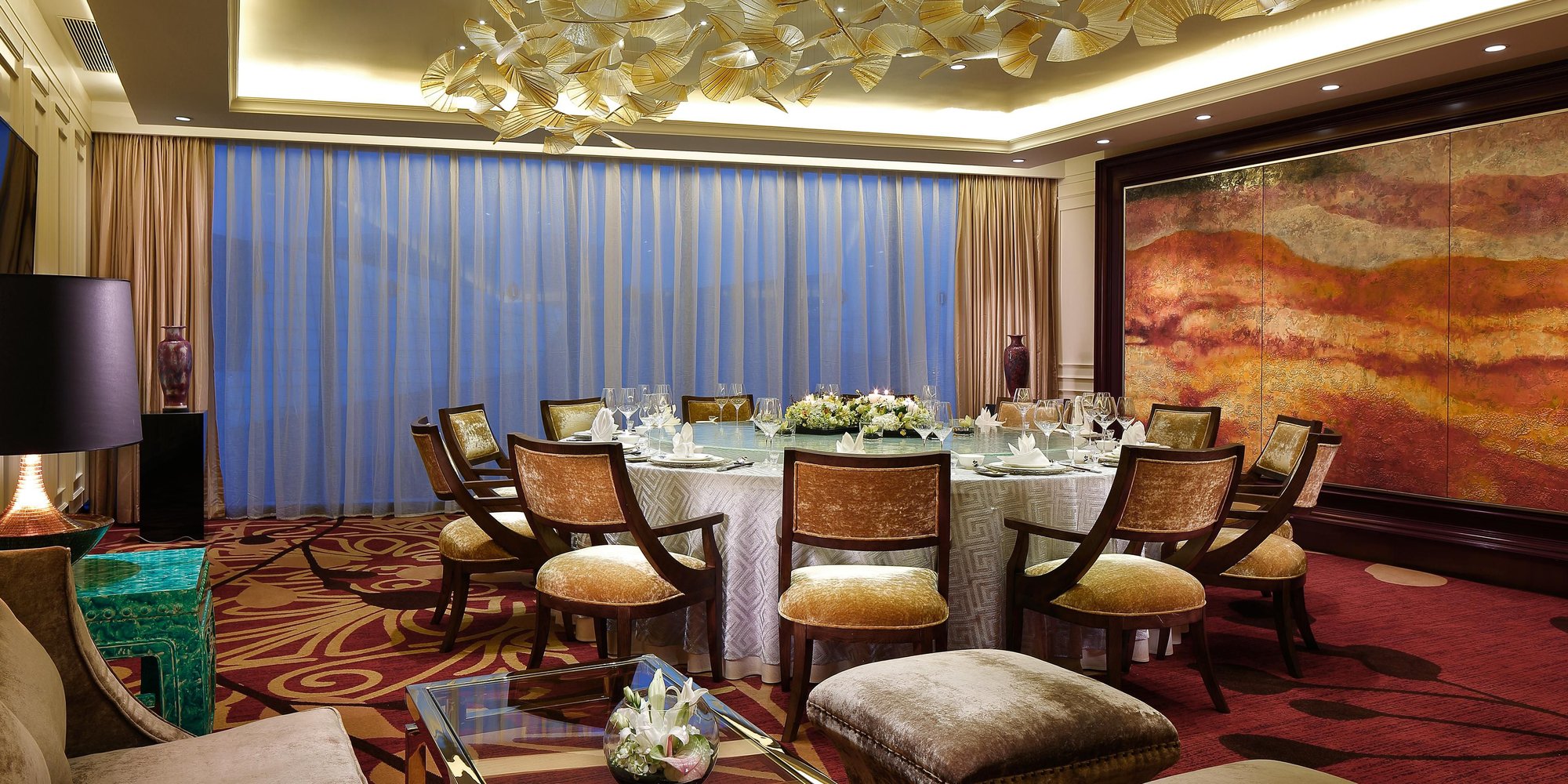
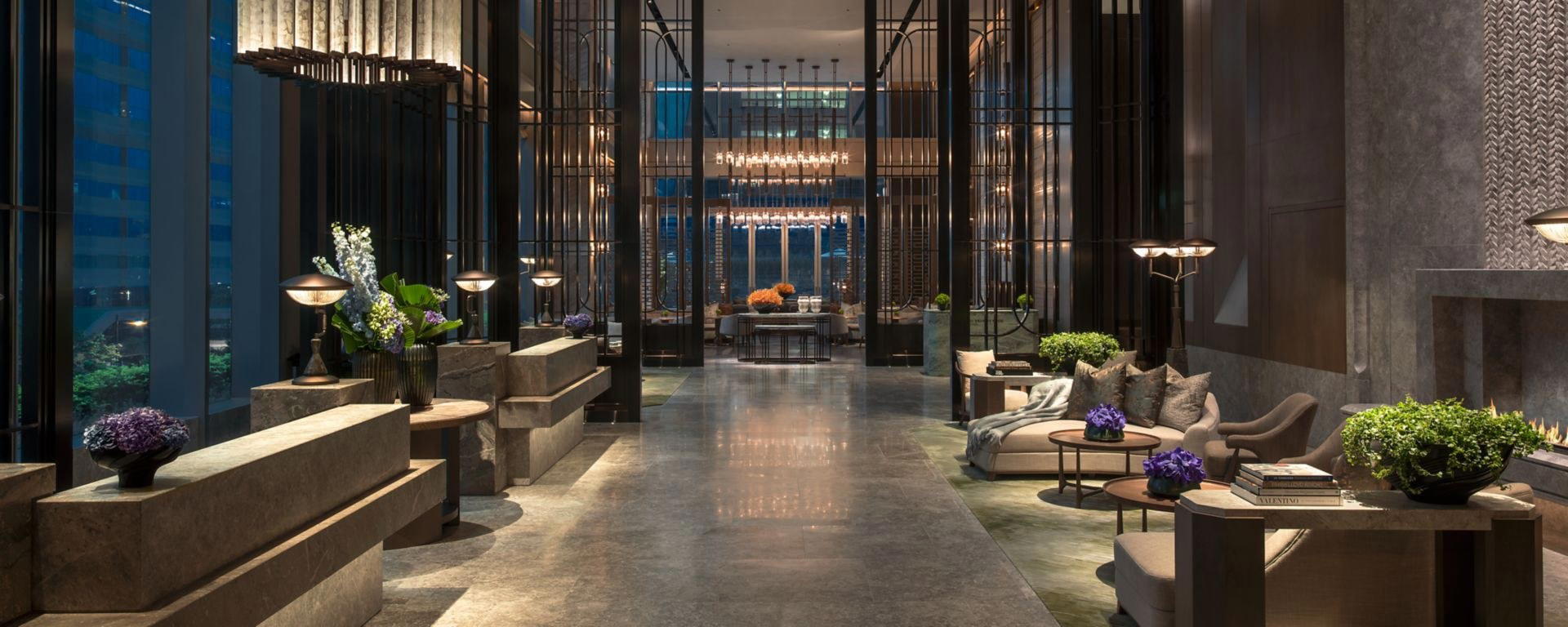
Serene and refined with warm timber paneling, sage-green hues, dramatic chandeliers inspired by local fireworks, and carefully curated artworks creating a quiet sense of luxury despite the bustling city location.
Tags
Vibe
Best For
Experience
Amenities
View
Accessibility
About the Stay
- Rooms
- 230
- Check-in
- 15:00
- Check-out
- 12:00
- Property Type
- Design hotel
- Property Style
- Contemporary Luxury Mansion Blending Traditional Xiang Cultural Elements with Modern Sophistication, Occupying Premium Tower Floors with Curated Residential Inspired Design.
- Design Style
- Textured Hunan Aesthetic Featuring Sage Green Silk Screens, Timber Paneling, Original Artworks, Jade Hued Flora References, and Han Inspired Architectural Details Creating a Serene Urban Sanctuary.
- Airport Transfer
- Available
- Pool
- Yes
- Spa
- Yes
- Families
- Welcome
- Cancellation
- Moderate
Know before you go
Know Before You Go
- Getting there
- Tower 2, Changsha IFS, 188 Jiefang West Road, Furong District, Changsha
Planning details
Location
Tower 2, Changsha IFS, 188 Jiefang West Road, Furong District, Changsha · Directions
hyatt.com/en-US/hotel/china/park-hyatt-changsha/csxph?src=vanity_parkhyattchangsha.com
Recognition and awards


Also consider
Where to look if this is not the right fit
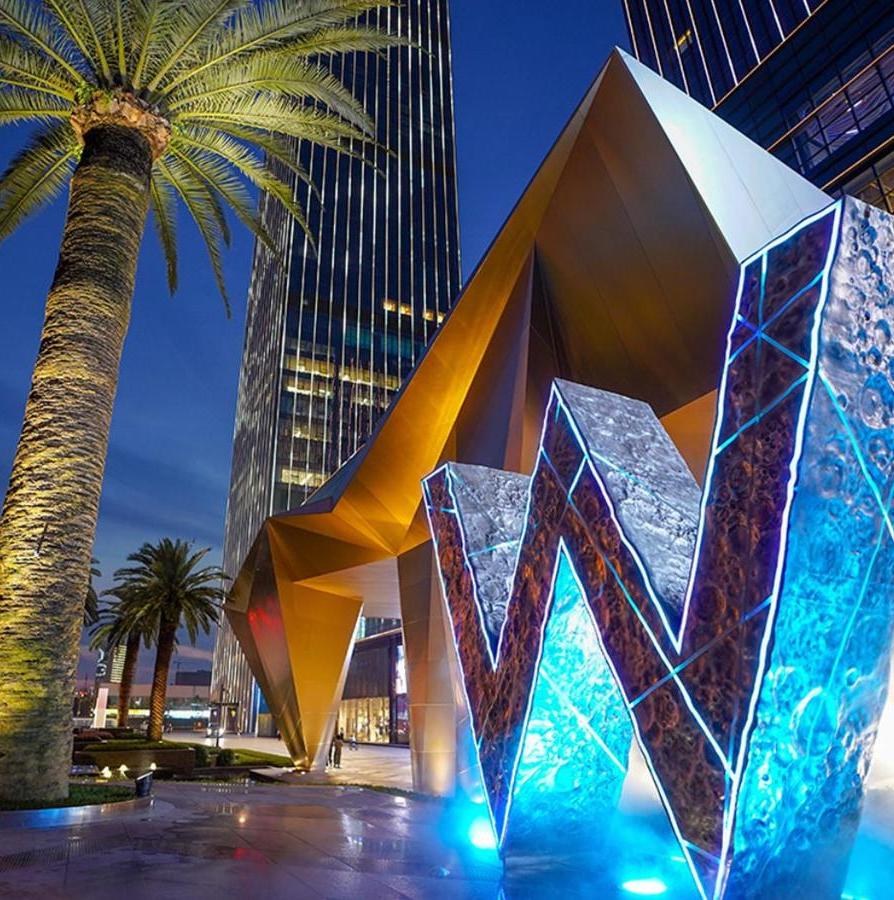
If the rate or availability does not work, start with Niccolo Changsha for another central luxury option with a stronger style angle. For a more value-conscious or business-first stay, compare JW Marriott Hotel Changsha before moving outside the city.
Hotel context
How it compares in Changsha
JW Marriott Hotel Changsha is the safer value comparison if the trip is business-led and the hotel mainly needs to be comfortable, familiar, and efficient. Park Hyatt Changsha is the stronger splurge when the stay itself matters, especially for couples or families who want a more polished city base and are less focused on keeping the rate down.
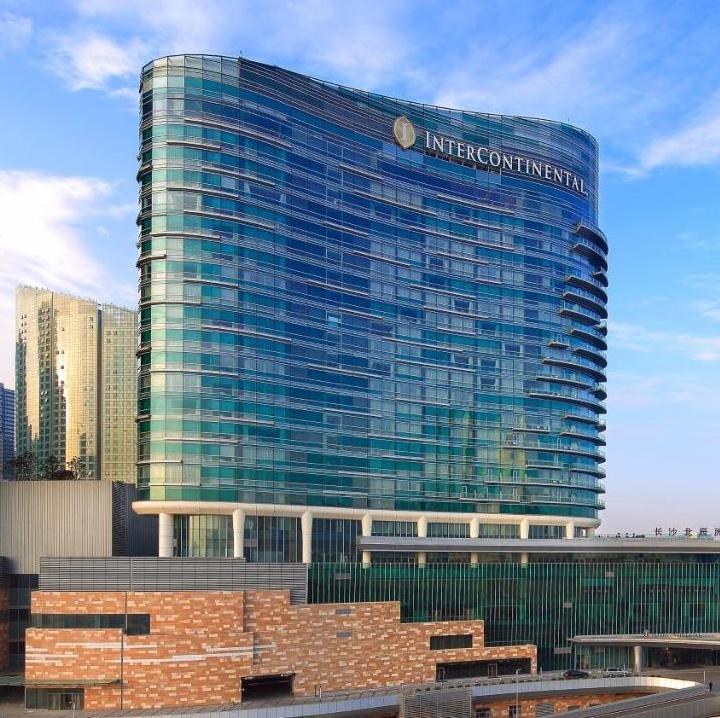
InterContinental Changsha makes more sense for guests who prefer a larger conventional hotel environment and may be traveling with a broader group. Niccolo Changsha is the closer cross-shop for style and central-city energy; choose Park Hyatt Changsha when third-party hotel recognition and a calmer luxury read are more important than a flashier mood.
INTO Hotel Chibi and Hyatt Regency Wuhan Optics Valley are not direct Changsha substitutes. Use them only if the itinerary shifts out of metro Changsha. For a first stay in the city, the real decision is between Park Hyatt, JW Marriott, InterContinental, and Niccolo.
Explore Changsha
Around this place
Discover more on Pearl
Unlock the full Park Hyatt Changsha guide in Pearl, including awards, comparisons, FAQs, planning details, and nearby places.
Compare Park Hyatt Changsha
| Venue | Location | Awards |
|---|---|---|
| Park Hyatt Changsha | Changsha | 2026 Forbes 4-StarStar Wine Lists 20262026 Michelin 1 KeyMichelin 1 Key 20252025 Michelin 1 Key |
| JW Marriott Hotel Changsha | Changsha | 2026 Forbes 4-Star2026 Forbes Recommended2026 Michelin Guide New Hotels2025 Michelin Selected Hotels2025 Forbes 4-Star |
| InterContinental Changsha | Changsha | No published awards |
| Niccolo Changsha | Changsha | No published awards |
| INTO Hotel Chibi | Chibi City | Small Luxury Hotels Member 2025 |
| Hyatt Regency Wuhan Optics Valley | Wuhan | No published awards |



How Park Hyatt Changsha compares with similar nearby venues.
FAQ
Frequently Asked Questions
How is the dining at Park Hyatt Changsha?
The dining-related signal is Star Wine List (2026), alongside the hotel's MICHELIN Guide Hotels 1 Key (2025) and Forbes 4-Star (2026) recognition. For specific restaurants, dishes, prices, menus, or service formats at Park Hyatt Changsha, check current hotel information before booking for a dining-led stay.
Is Park Hyatt Changsha family-friendly?
It may be considered by travelers comparing recognized hotels in Changsha. If child-specific facilities, connecting-room arrangements, room sizes, or family services matter, confirm them directly before booking. Niccolo Changsha is another Changsha option to compare if style and hotel character are part of the decision.
When is the best time to book Park Hyatt Changsha?
Book when the available rate and room type match your needs. Park Hyatt Changsha has MICHELIN Guide Hotels 1 Key (2025) and Forbes 4-Star (2026) recognition. If your dates are fixed, compare current options, including InterContinental Changsha, before deciding.
What is check-in like at Park Hyatt Changsha?
Confirm timing, identification requirements, deposit policy, the exact check-in process, arrival flow, front-desk style, and any early-arrival requests directly with the hotel. JW Marriott Hotel Changsha is another Changsha hotel to compare if arrival logistics are central to your decision.
Do loyalty programs work at Park Hyatt Changsha?
Check the booking channel and program terms for specific loyalty benefits, upgrade treatment, points rules, or status recognition before reserving. INTO Hotel Chibi is in Chibi, so compare it only if your travel plans extend beyond Changsha.
How does Park Hyatt Changsha compare to other hotels?
Choose Park Hyatt Changsha when recognition is important: MICHELIN Guide Hotels 1 Key (2025), Forbes 4-Star (2026), and Star Wine List (2026) are the key signals. Niccolo Changsha, InterContinental Changsha, and JW Marriott Hotel Changsha are natural Changsha comparisons, while detailed differences in rooms, facilities, prices, or service style should be checked against current booking details.
Is Park Hyatt Changsha good for business travel?
It can be a sensible business-travel candidate if you want a recognized hotel in Changsha, supported by Forbes 4-Star (2026) recognition. For meeting facilities, office proximity, transport times, or business services, confirm details directly before booking. Hyatt Regency Wuhan Optics Valley is in Wuhan, so it is only relevant if your itinerary includes Wuhan rather than being centered solely on Changsha.