

KPM Hotel & Residences
Charlottenburg, Berlin
Hotel in Berlin, Germany
 Book with Pearl
Why go
KPM Hotel & Residences is a sensible Berlin pick for design-minded business travelers who want a calmer base near City West rather than a large luxury hotel scene. Choose it for room quality and ease; compare larger peers if spa depth, concierge range, or a louder social setting matters more.
About KPM Hotel & Residences
KPM Hotel & Residences is a Berlin hotel listed as a 2026 Design Hotels member and included in the MICHELIN Guide hotel selection for 2025. Beyond those recognitions, check amenities, dining formats, room layouts, and neighborhood advantages directly through the booking channel.
Better for design-led hotel shortlists than assumption-heavy comparisons
KPM Hotel & Residences best suits guests comparing Berlin hotels by recognized design and positioning rather than broad claims about services or facilities. Its Design Hotels membership and MICHELIN Guide hotel selection give it a credible place on a Berlin hotel shortlist, but the listing does not establish a restaurant concept, spa, pool, concierge style, or specific room categories.
Travelers should treat it as a Berlin hotel with confirmed design and guide recognition, then verify trip-critical practical details before booking. If the priority is a different stay style, compare carefully with other Berlin options. If the priority is confirmed recognition, KPM Hotel & Residences belongs on the shortlist.
Use confirmed recognition as the starting point, then verify trip details
The safest planning approach starts with what is confirmed: KPM Hotel & Residences is in Berlin, is a 2026 Design Hotels member, and is selected in the 2025 MICHELIN Guide hotel listings. Check seasonal value, exact availability, room setup, dining, and amenities with the hotel or booking platform at the time of stay.
Dining should not drive the decision unless separate restaurant details are confirmed for the stay. Treat meals as secondary and use the hotel as a Berlin base; start with Our full Berlin restaurants guide if food is central to the trip. For broader planning, compare Our full Berlin hotels guide, plus Berlin hotel options such as 25hours Hotel Bikini Berlin.
Planning details
- Location
- Englische Straße 6, Berlin 10587, Germany
- Website
- marriott.com/en-us/hotels/berkp-kpm-hotel-and-residences-berlin-a-member-of-design-hotels/overview
- Phone
- +49 30 37 40 990
The take
The Take
The Vibe
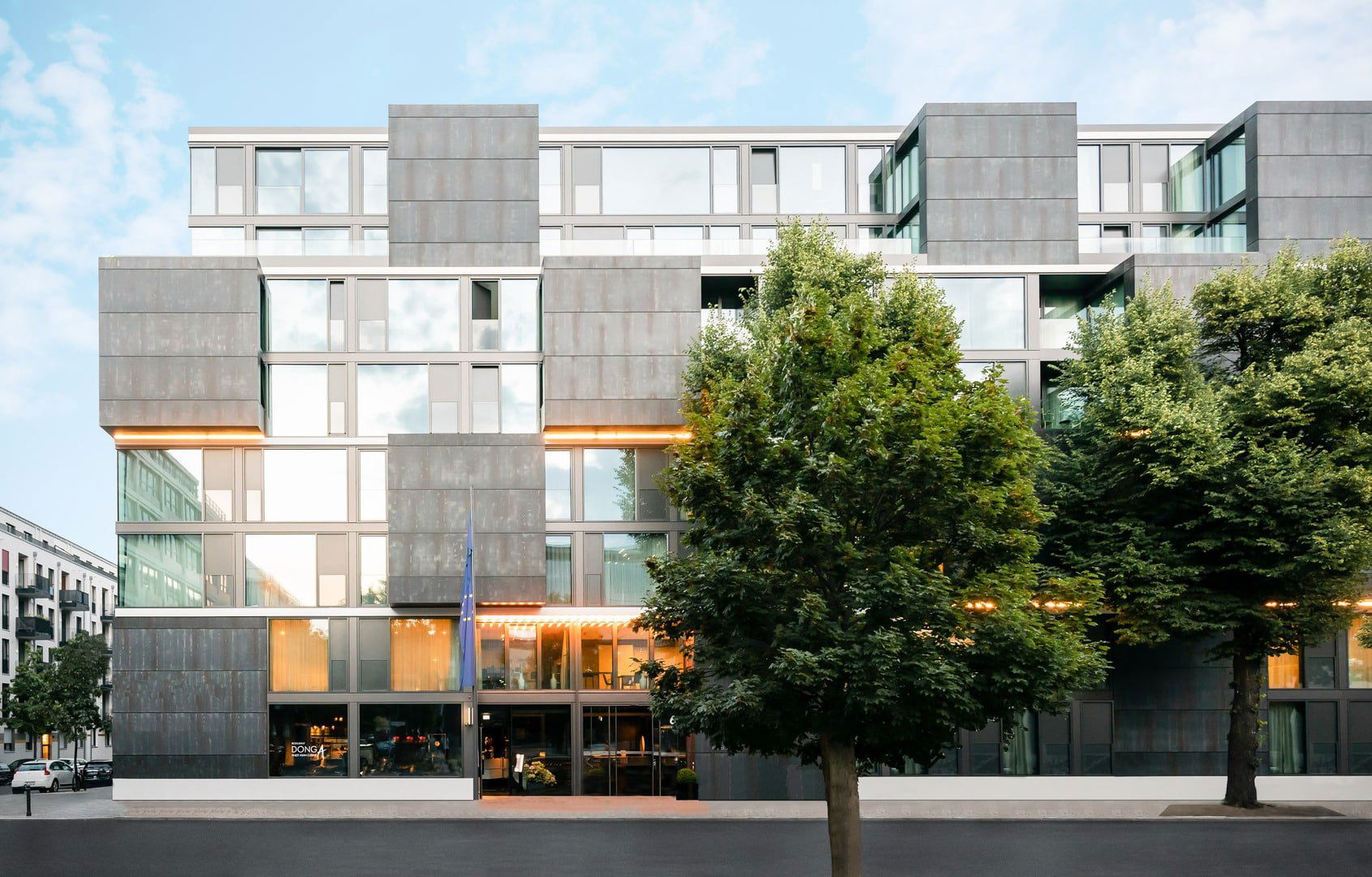
KPM Hotel & Residences reads as a design-led, craft-forward hotel that foregrounds Berlin’s porcelain legacy. The property treats Königliche Porzellan-Manufaktur objects as structural elements of its interiors, making craft integral to the visual argument rather than an applied flourish. That focus on Prussian applied craft and cultural specificity gives the hotel a quietly assured, classic-historical personality—a place that privileges material history and considered design over the neutral cosmopolitanity of international flagships. The result is a refined, quietly theatrical stay in Charlottenburg for guests who value provenance and slow, detail-rich interiors.
Best For
KPM suits travelers who come to Berlin for design, heritage and a restrained kind of luxury. It works especially well for business travelers who want a calm, design-conscious base in Charlottenburg and for weekend escape visitors seeking a culturally rooted alternative to the city’s global flagships. Because the hotel’s identity is anchored in museum-grade porcelain and Prussian craft, it also appeals to guests who appreciate story-led interiors and a stay that reads as a form of cultural immersion rather than a generic five-star experience.
Venue details
Ambiance
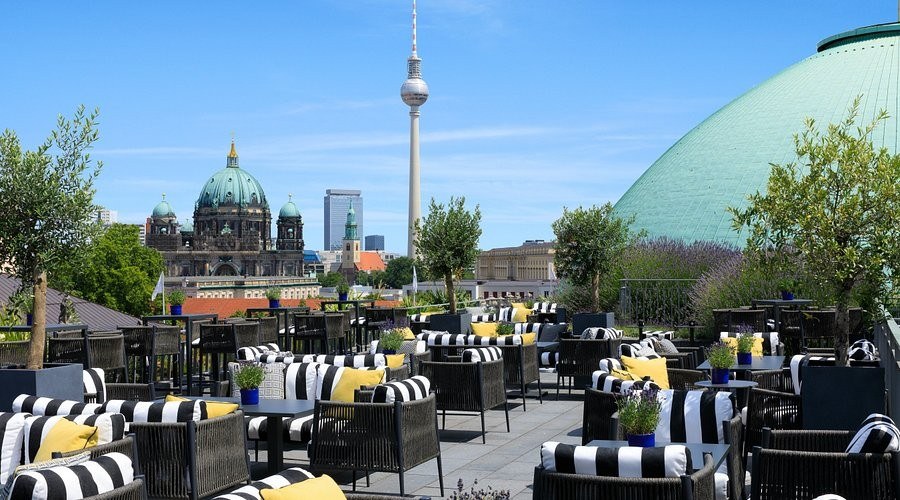
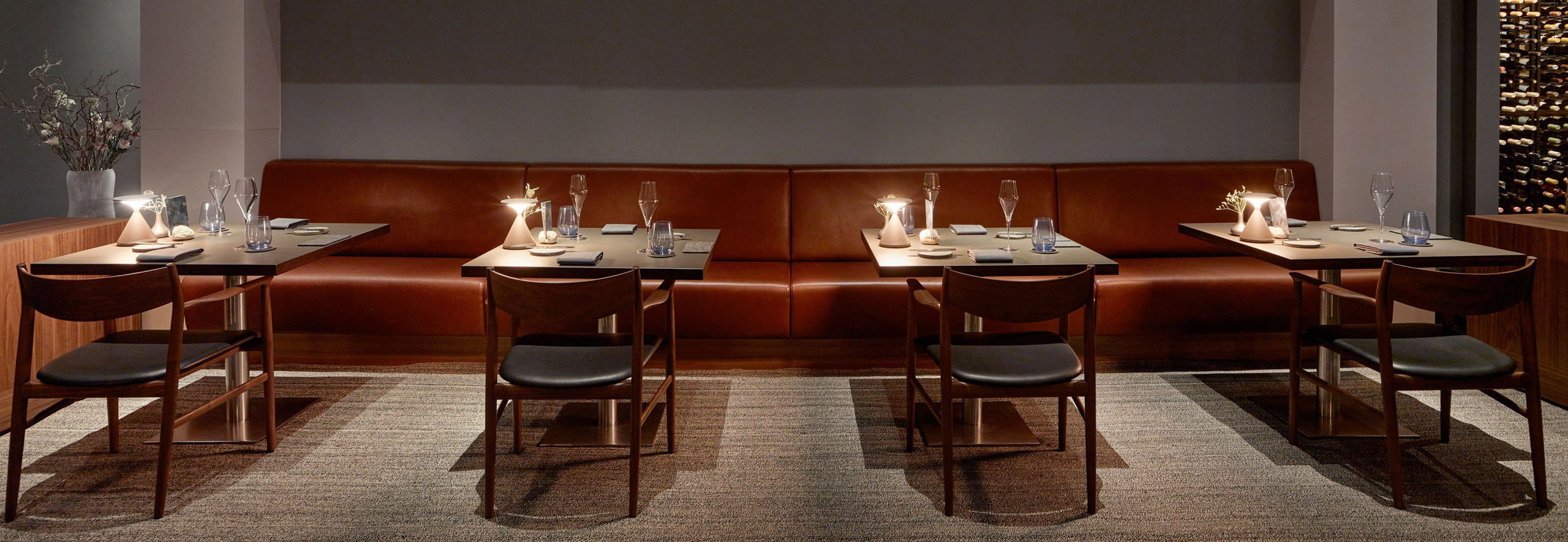
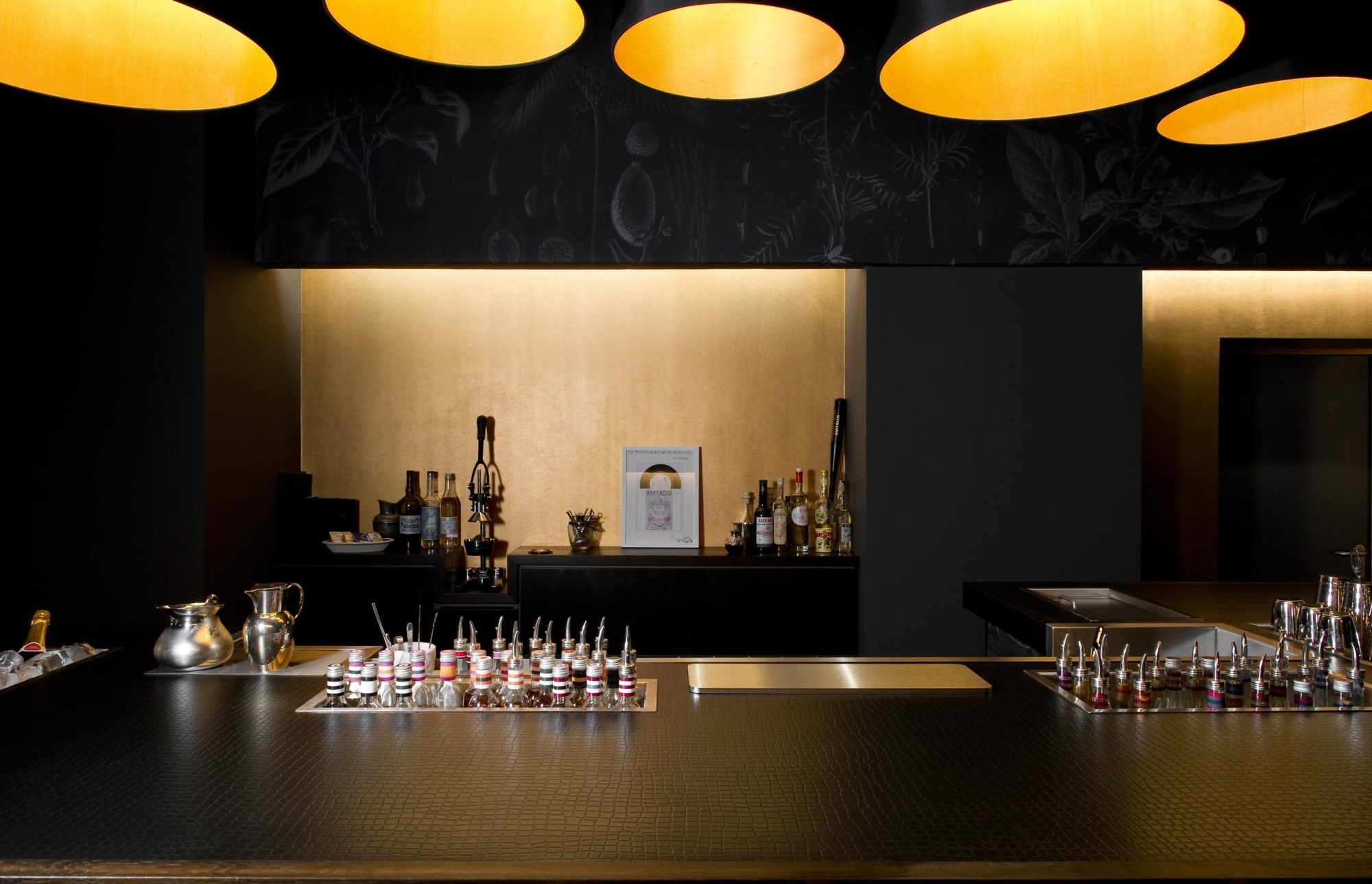
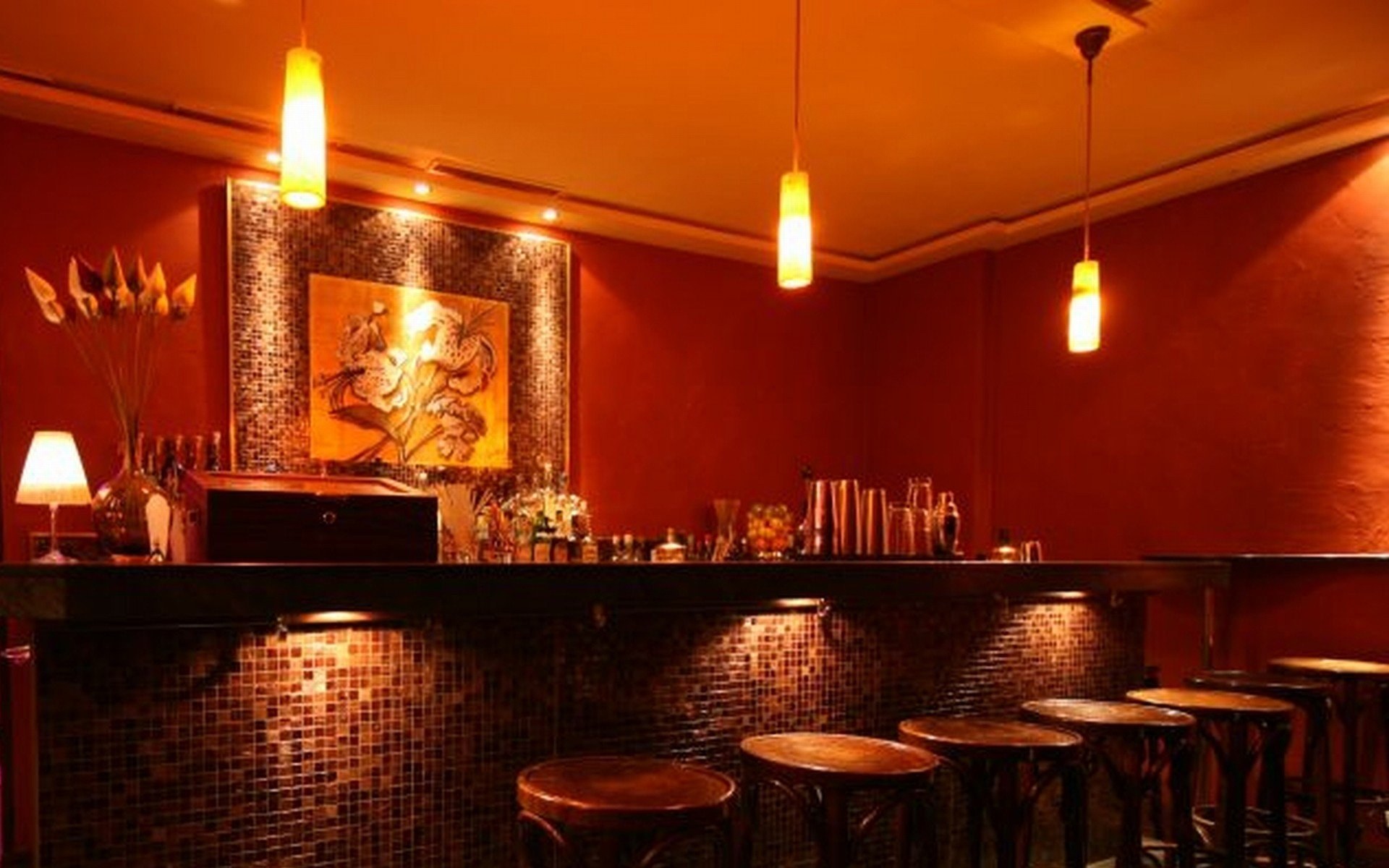
Chic, minimalistic interiors with high-quality materials, soundproofed rooms, and a stylish rooftop terrace offering 360-degree city views.
Tags
Vibe
Best For
Experience
Amenities
View
Accessibility
About the Stay
- Rooms
- 172
- Check-in
- 15:00
- Check-out
- 11:00
- Property Type
- Design hotel
- Property Style
- Contemporary Design Forward Retreat
- Design Style
- Minimalist with Handcrafted Porcelain Details
- Airport Transfer
- Available
- Spa
- Yes
- Pets
- Allowed
- Cancellation
- Moderate
Know before you go
Know Before You Go
- Getting there
- Englische Straße 6, Berlin 10587, Germany
Planning details
Location
Englische Straße 6, Berlin 10587, Germany · Directions
marriott.com/en-us/hotels/berkp-kpm-hotel-and-residences-berlin-a-member-of-design-hotels/overview
Recognition and awards
Also consider
Also Consider
- Roomers Berlin Steinplatz, Autograph Collection, Notable alternative
- Waldorf Astoria Berlin, Notable alternative
- SO/ Berlin Das Stue, Notable alternative
- 25hours Hotel Bikini Berlin, Notable alternative
- Hotel Palace Berlin, Notable alternative
Hotel context
Roomers Berlin Steinplatz, Autograph Collection is the better choice if the trip needs more social energy and a stronger lifestyle-hotel feel. KPM Hotel & Residences is the cleaner call for a quieter work base, especially when ease and design matter more than nightlife atmosphere.
Waldorf Astoria Berlin and SO/ Berlin Das Stue are stronger fits for travelers who want fuller luxury-hotel infrastructure and a more polished service frame. Choose KPM if the goal is better design value and a less formal stay; choose those peers if the trip needs a broader luxury setup.
25hours Hotel Bikini Berlin is the livelier cross-shop for younger leisure trips and groups that want a more playful Berlin hotel mood. Hotel Palace Berlin is the safer conventional option for guests who prefer a larger hotel format. KPM sits between them: calmer than 25hours, more design-focused than Hotel Palace, and easier to justify for focused business travel.
Around this place
Discover more on Pearl
Unlock the full KPM Hotel & Residences guide in Pearl, including awards, comparisons, FAQs, planning details, and nearby places.
Compare KPM Hotel & Residences
| Venue | Location | Awards |
|---|---|---|
| KPM Hotel & Residences | Berlin | 2026 Design Hotels Collection2025 Michelin Selected Hotels |
| Roomers Berlin Steinplatz, Autograph Collection | Berlin | 2026 Michelin 1 Key2025 Michelin 1 Key2024 Michelin 2 Keys |
| Waldorf Astoria Berlin | Berlin | 2026 Virtuoso Luxury Hotel Collection2026 Forbes 4-Star2026 Michelin Guide New Hotels2026 La Liste Top Hotels2026 Michelin 2 Keys2025 Michelin Selected Hotels2025 Forbes 4-Star |
| SO/ Berlin Das Stue | Berlin | 2026 Forbes 4-Star2026 Virtuoso Luxury Hotel Collection2026 La Liste Top Hotels2026 Michelin 1 KeyWorld Travel Awards 20252025 Michelin 1 Key2025 Forbes 4-Star |
| 25hours Hotel Bikini Berlin | Berlin | No published awards |
| Hotel Palace Berlin | Berlin | Leading Hotels of the World 2026 |








How KPM Hotel & Residences Berlin compares with similar nearby venues.
FAQ
Frequently Asked Questions
Is KPM Hotel & Residences good for business travel?
It can be considered for a business stay in Berlin if confirmed hotel recognition matters to the traveler. Its 2026 Design Hotels membership and 2025 MICHELIN Guide hotel selection are the clearest trust signals; meeting access, work amenities, and business services should be confirmed before booking.
How is the location of KPM Hotel & Residences?
KPM Hotel & Residences is in Berlin. More specific location claims, access details, and nearby-area advantages should be checked directly when comparing it with another Berlin option such as 25hours Hotel Bikini Berlin.
Is KPM Hotel & Residences family-friendly?
Families should check room configurations, extra-bed policies, and relevant services directly before booking, and compare those details with other Berlin hotels such as SO/ Berlin Das Stue if needed.
How is the dining at KPM Hotel & Residences?
Check dining details directly with the hotel or booking channel for your stay. Use KPM Hotel & Residences for its confirmed recognition and consider other Berlin options for meals if food is the priority.
Which room category is best at KPM Hotel & Residences?
Choose based on the room descriptions, cancellation terms, and inclusions shown by the hotel or booking channel, and compare those details with other Berlin hotels such as Hotel Palace Berlin if room type is the deciding factor.
Do loyalty programs work at KPM Hotel & Residences?
You should check loyalty-program value with your booking channel. The clearest trust signals are the 2026 Design Hotels membership and the 2025 MICHELIN Guide hotel selection.
How is the pool and spa at KPM Hotel & Residences?
Check pool or spa facilities directly before booking. If they are a priority, compare current facility information with another Berlin option such as Waldorf Astoria Berlin.