




Hotel de Rome
Mitte, Berlin
Hotel in Berlin, Germany
 Book with Pearl
The Read
Converted Neoclassical Bank Gravity
Why go
Hotel de Rome is the Berlin pick for travelers who want a composed Mitte base with serious luxury credentials, including Michelin 2 Keys and La Liste recognition. It suits first-timers, business travelers, and families who value calm public spaces and central convenience over a more playful or apartment-style stay.
About Hotel de Rome
Hotel de Rome in Berlin is best framed through its credentials rather than invented location, room, dining, or amenity claims. The details are strong: Michelin 2 Keys in 2024, membership in The Leading Hotels of the World in 2025, La Liste Top Hotels 2026 with 91.5 points, Robb Report's 2025 list of The 50 Greatest Luxury Hotels on Earth at number 14, and Virtuoso Luxury Hotel Partner status for 2026. The dress code is smart casual.
That makes the decision relatively clear for travelers comparing premium hotels in Berlin: this is a luxury-hotel choice with substantial external recognition. Specific claims about restaurants, bars, rooms, spa facilities, family services, meeting setup, or exact location details should be checked directly with the hotel before booking.
A polished Berlin base with confirmed luxury-hotel recognition
Choose Hotel de Rome if the priority is a Berlin hotel with clearly documented high-end credentials. Its Michelin 2 Keys recognition and other hotel accolades make it a serious option for travelers who want a stay anchored by reputation rather than novelty.
If you are comparing similar Berlin stays, natural cross-shops include Château Royal Berlin, Cosmo Hotel Berlin Mitte, Hotel Luc, Autograph Collection, Regent Berlin, and The Westin Grand Berlin. Each may suit a different preference, so the practical choice should come down to availability, room needs, budget, and the details confirmed directly by each hotel.
Who should choose it, and who should cross-shop
Book Hotel de Rome when the value of recognition matters: Michelin 2 Keys, Leading Hotels of the World membership, Virtuoso partnership, La Liste scoring, and Robb Report placement all point to a hotel positioned in Berlin's luxury tier. It is also a direct fit for guests who prefer a smart-casual setting.
Cross-shop it if your decision depends on specific amenities, room layouts, dining options, wellness facilities, or family services. For broader planning, use the Berlin hotels guide and the Berlin restaurants guide to compare other options in the city.
For Germany-wide comparisons, the hotel index may include other hotels across the country and beyond, but Hotel de Rome should be assessed on its Berlin luxury-hotel credentials rather than on comparisons.
Part of
Rocco Forte Hotels25 locations on PearlPlanning details
- Location
- Behrenstraße 37, 10117 Berlin
- Website
- hotelderomeberlin.com
- Phone
- +49 30 4606090
The take
The Take
The Vibe
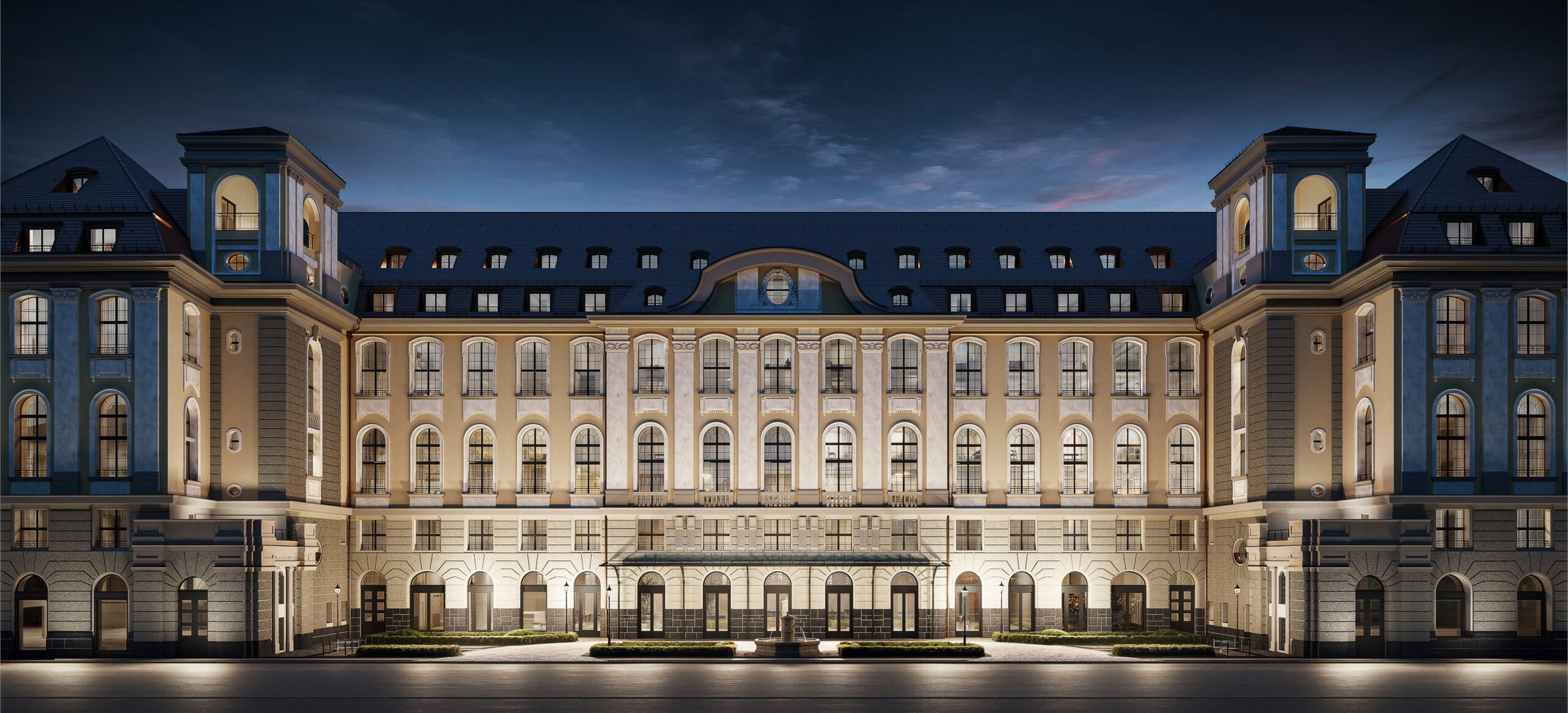
Hotel de Rome reads as a carefully staged collision of 19th‑century gravitas and contemporary luxury. The neoclassical stone façade and load‑bearing architecture announce the building’s history, while curated contemporary touches — Olivia Steele’s neon birdcage and magisterial reds and blues inside — temper that gravity with modernity. The original bank vault becomes a theatrical, green‑and‑gold pool and spa, a move that underlines the hotel’s opulent register without leaning into fussy ornament. Overall, the property feels warm and grand in tone: historically anchored, quietly theatrical and unequivocally luxurious.
Best For
This is a property for travelers who prize architecture as much as service. Its conversion from a bank and location in Mitte position it for anniversary and romantic stays that hinge on atmosphere, as well as weekend escapes that appreciate distinctive design. The hotel’s placement in Berlin’s upper luxury tier and its noteworthy pool and spa make it equally appropriate for business travelers seeking a refined base with character. The emphasis throughout is on heritage, considered interiors and a memorable arrival experience.
Venue details
Ambiance
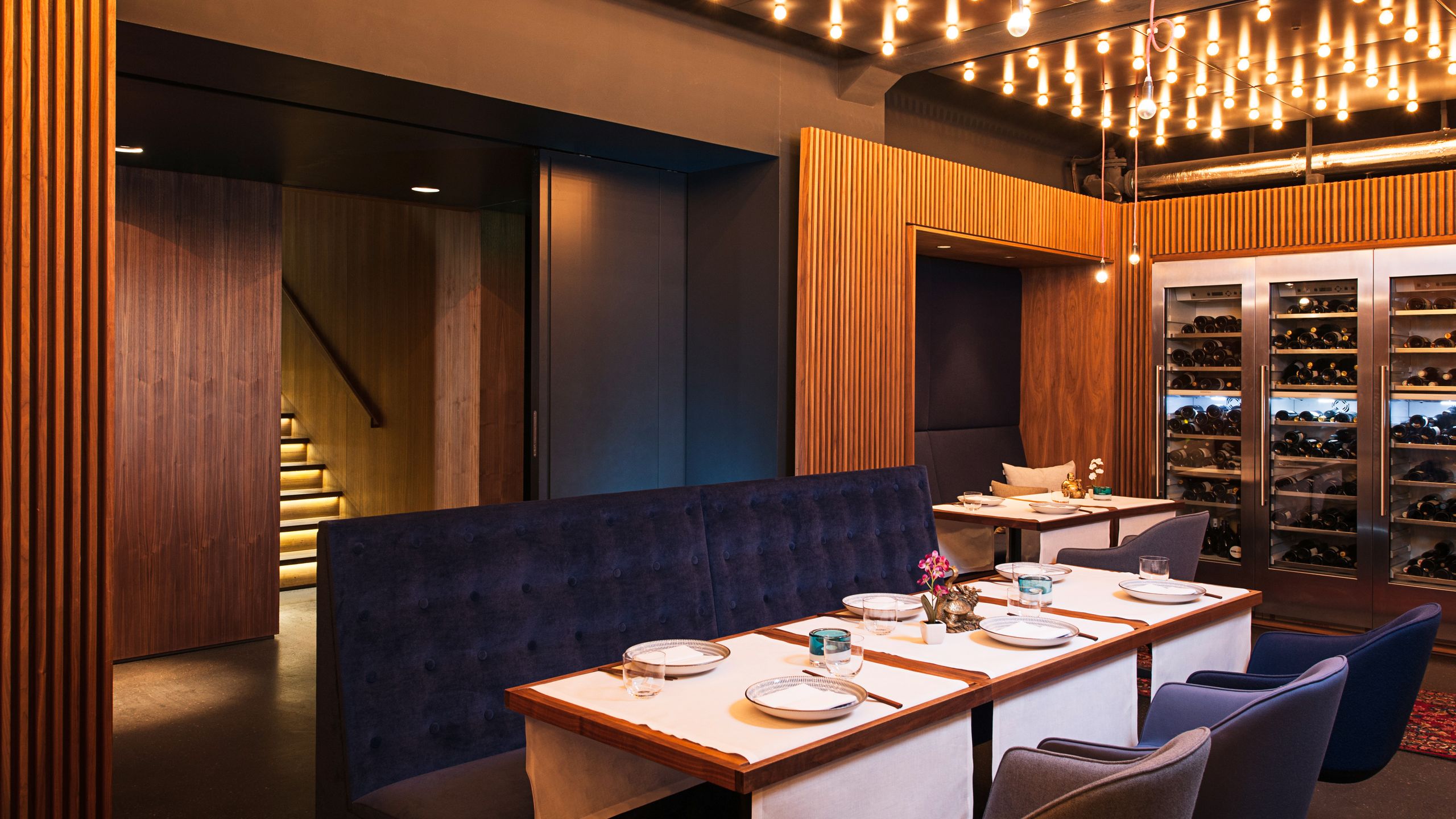
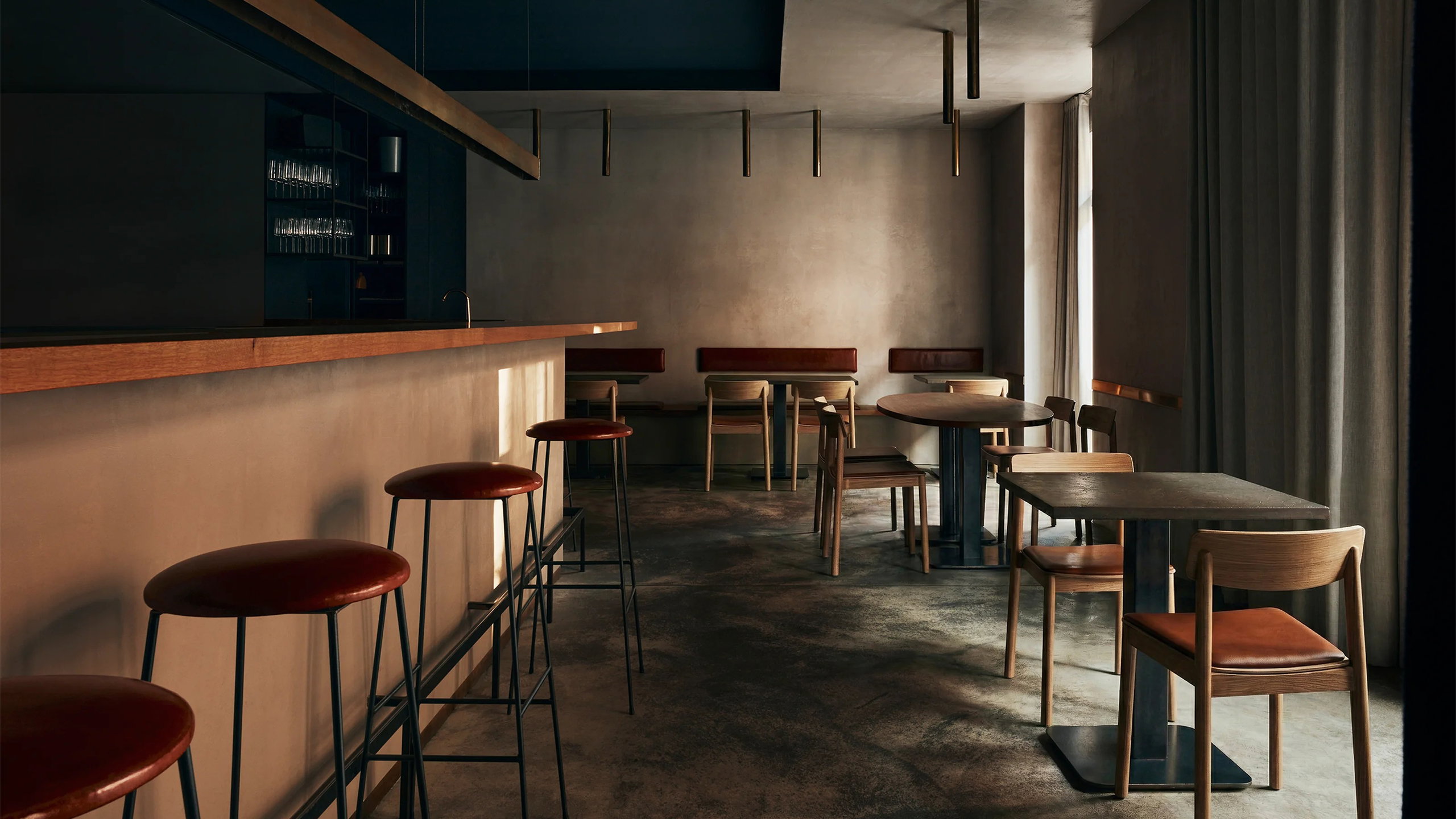
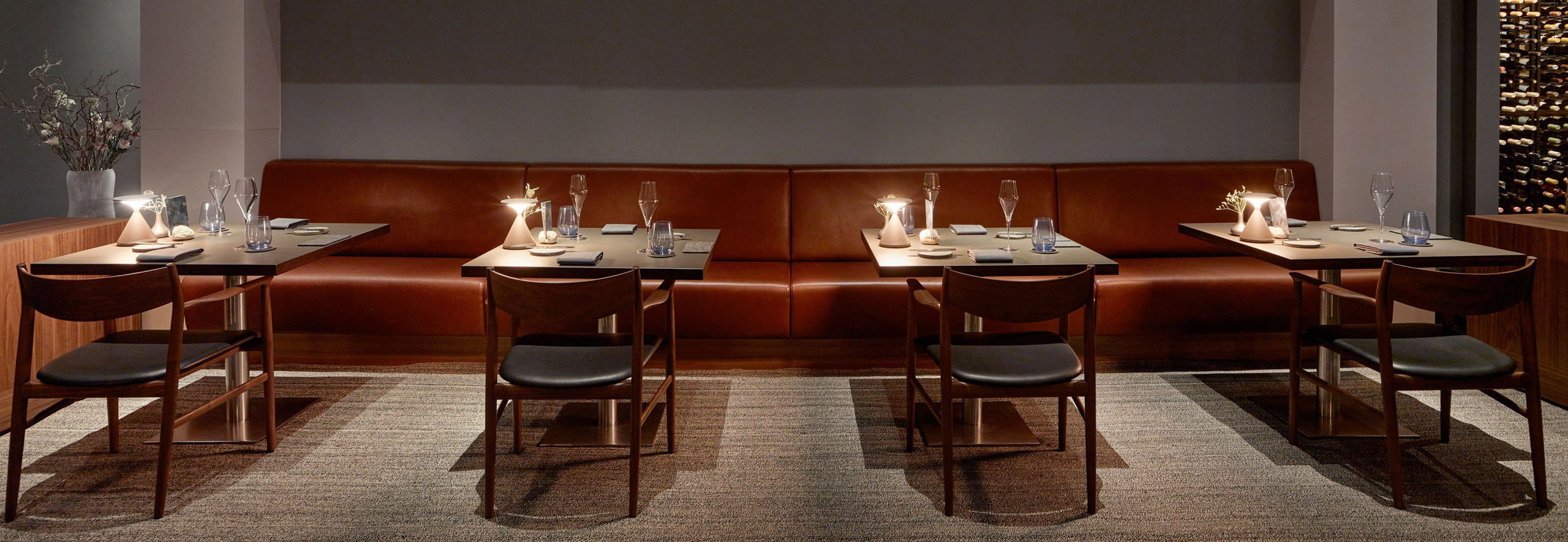
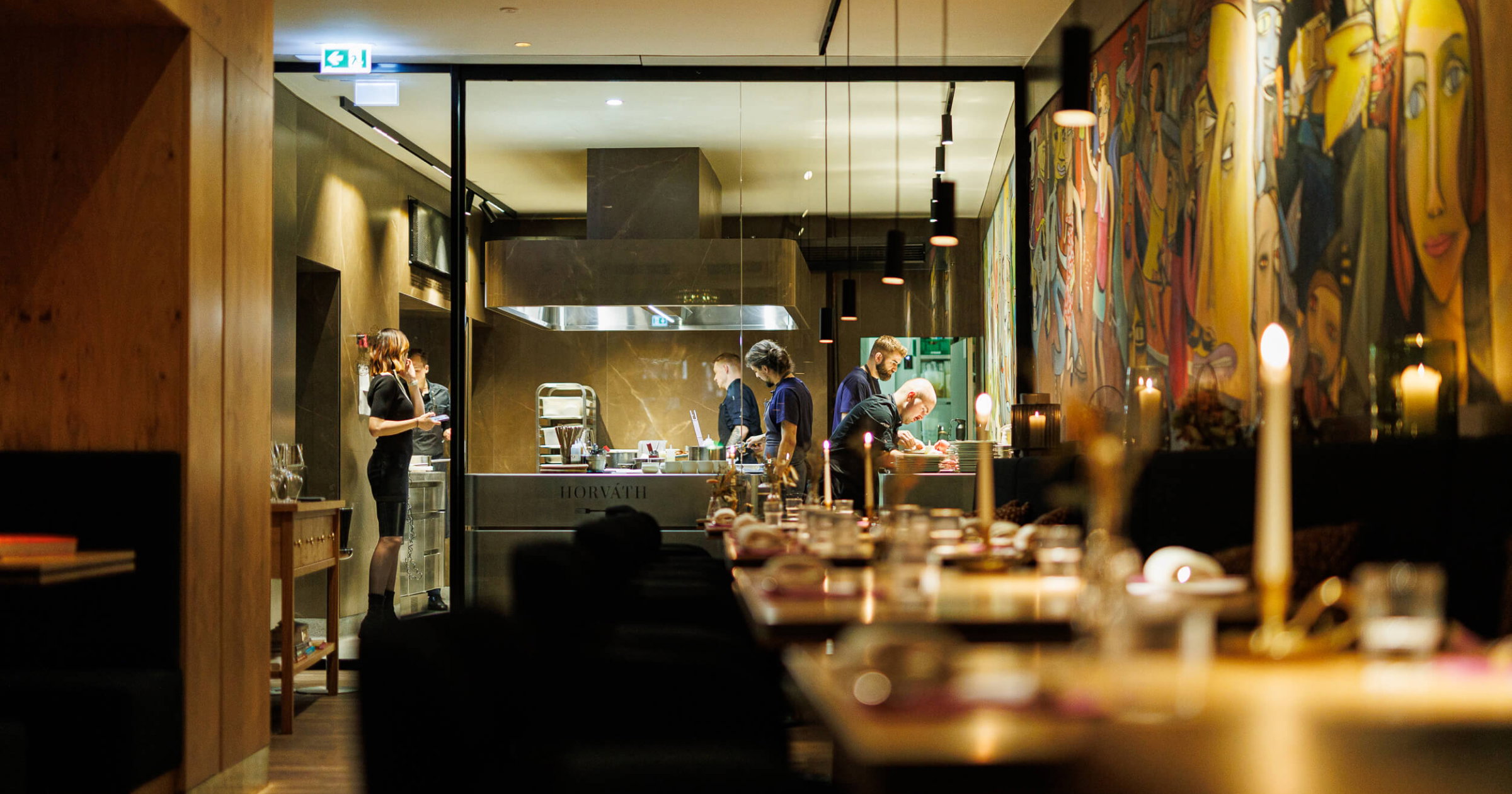
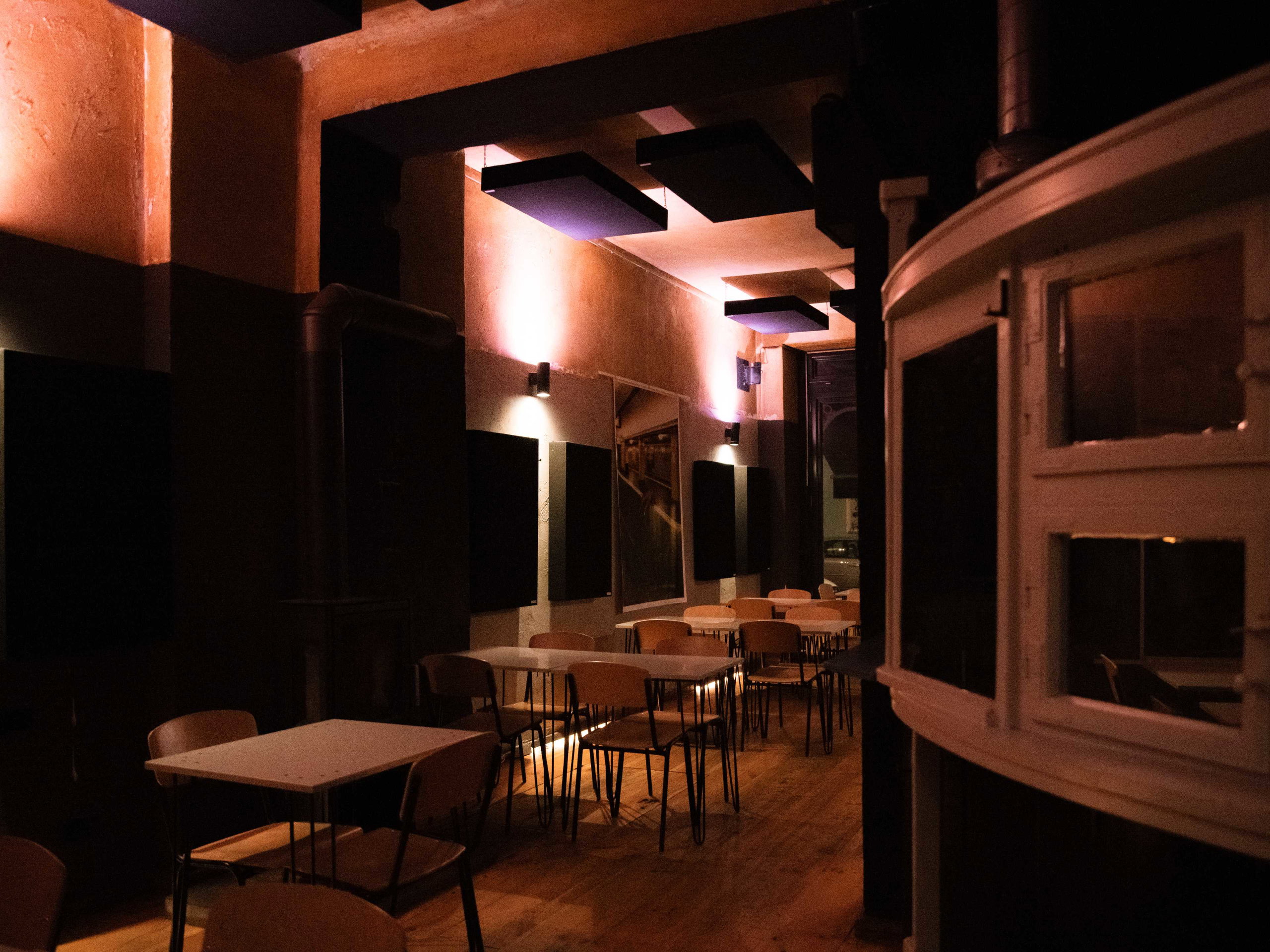
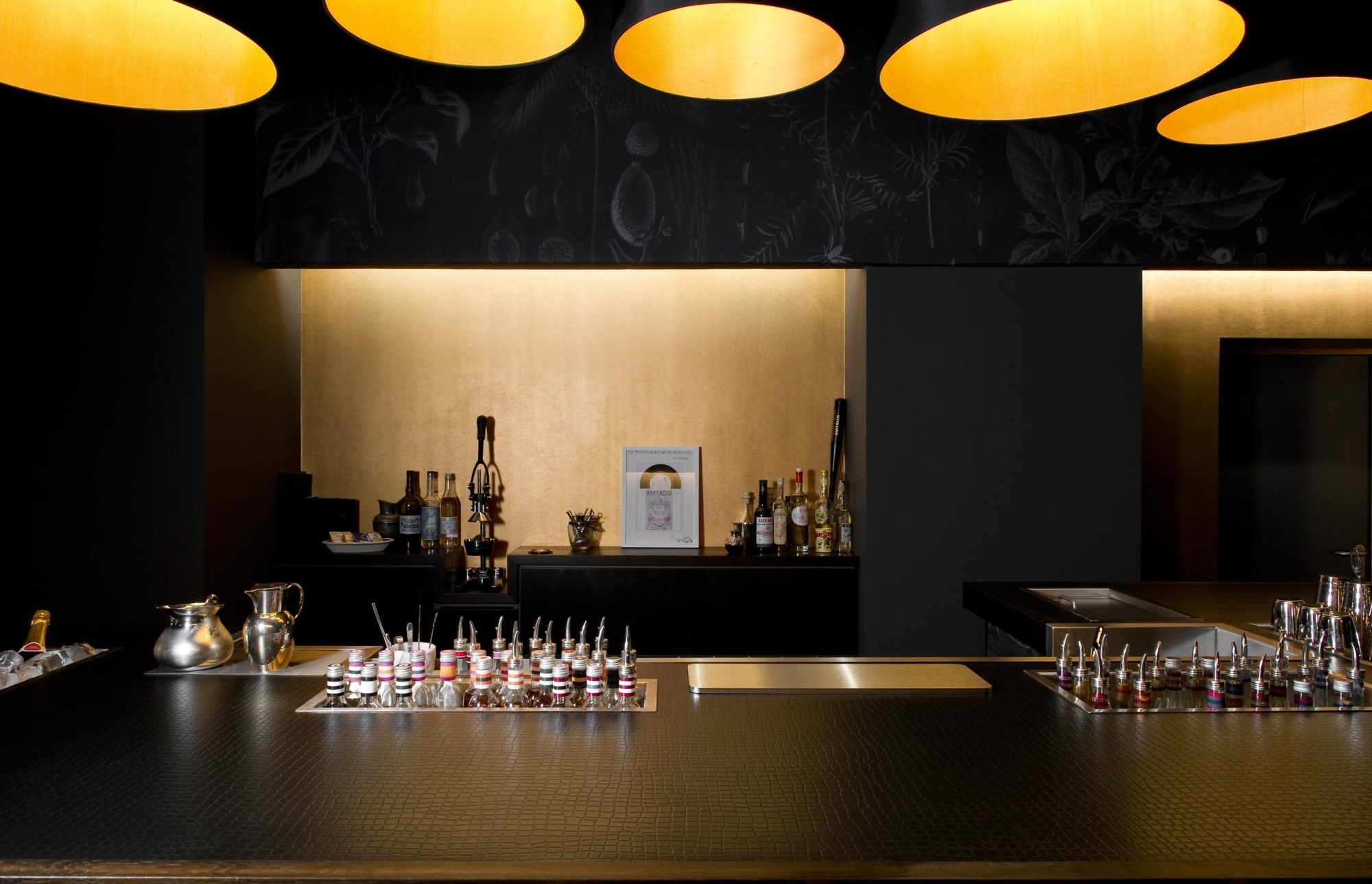
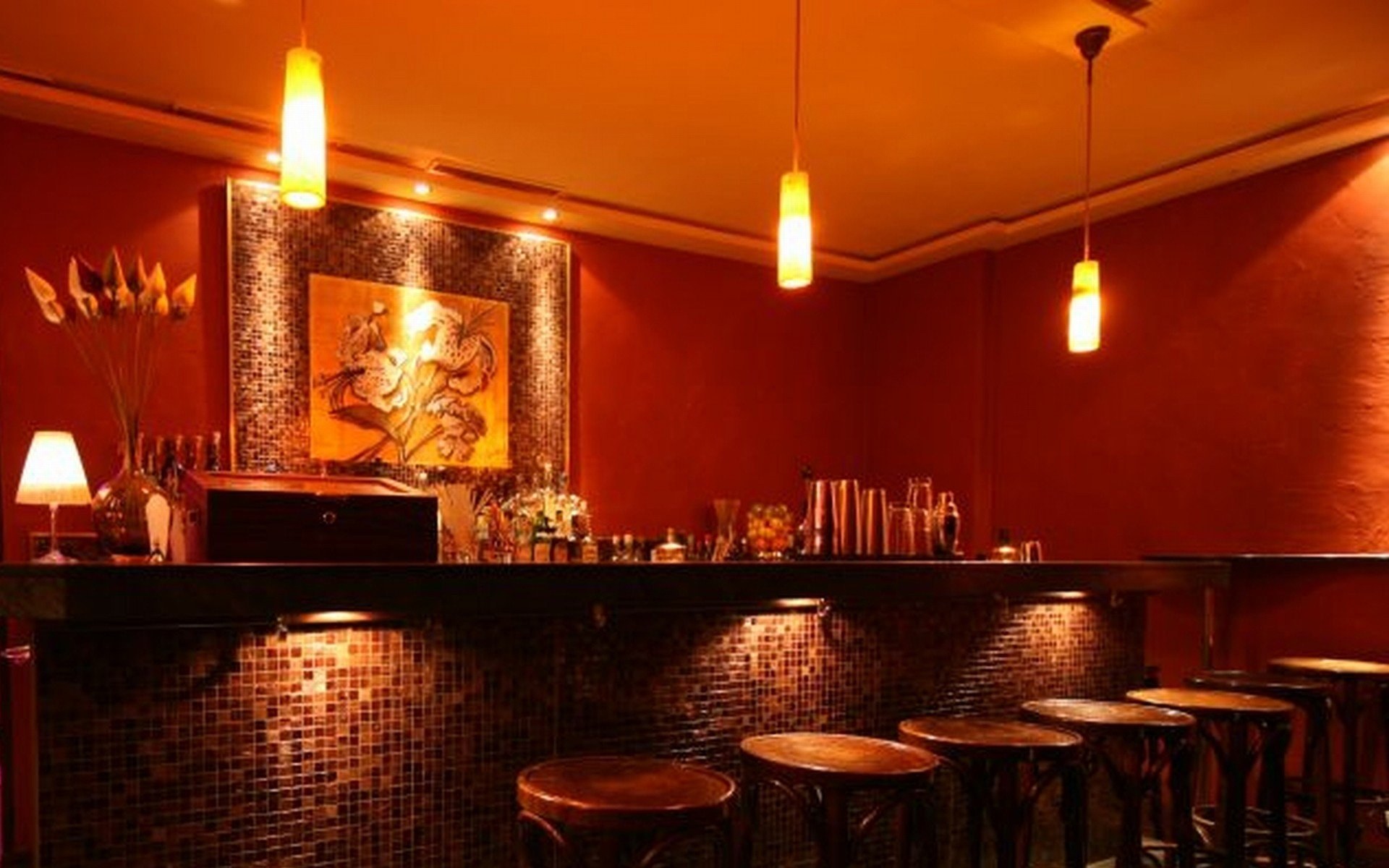
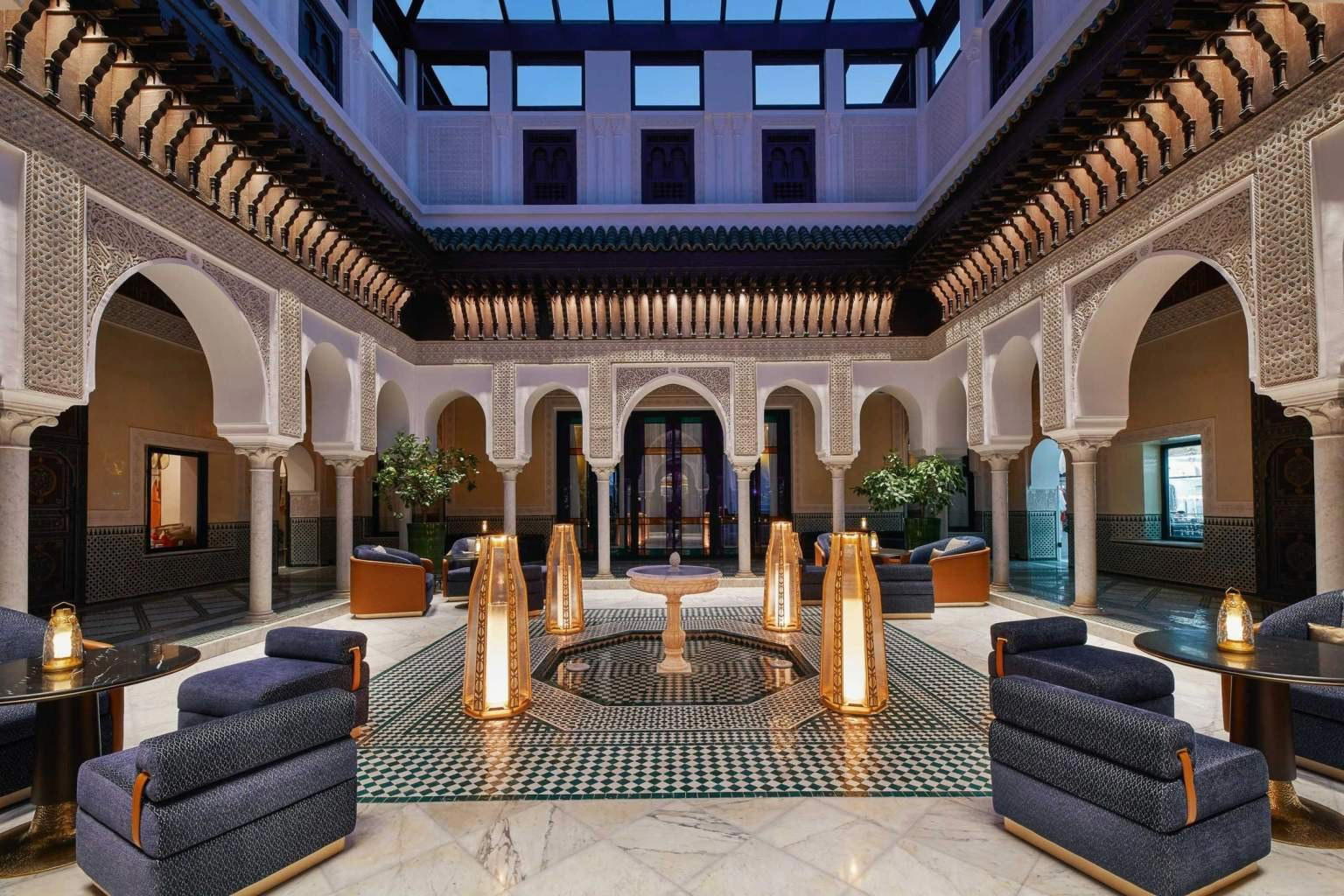
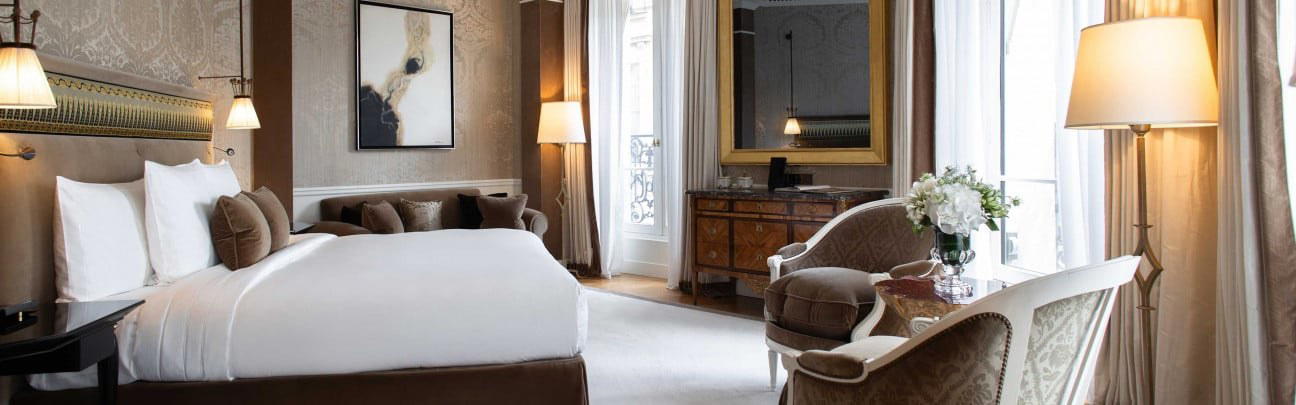
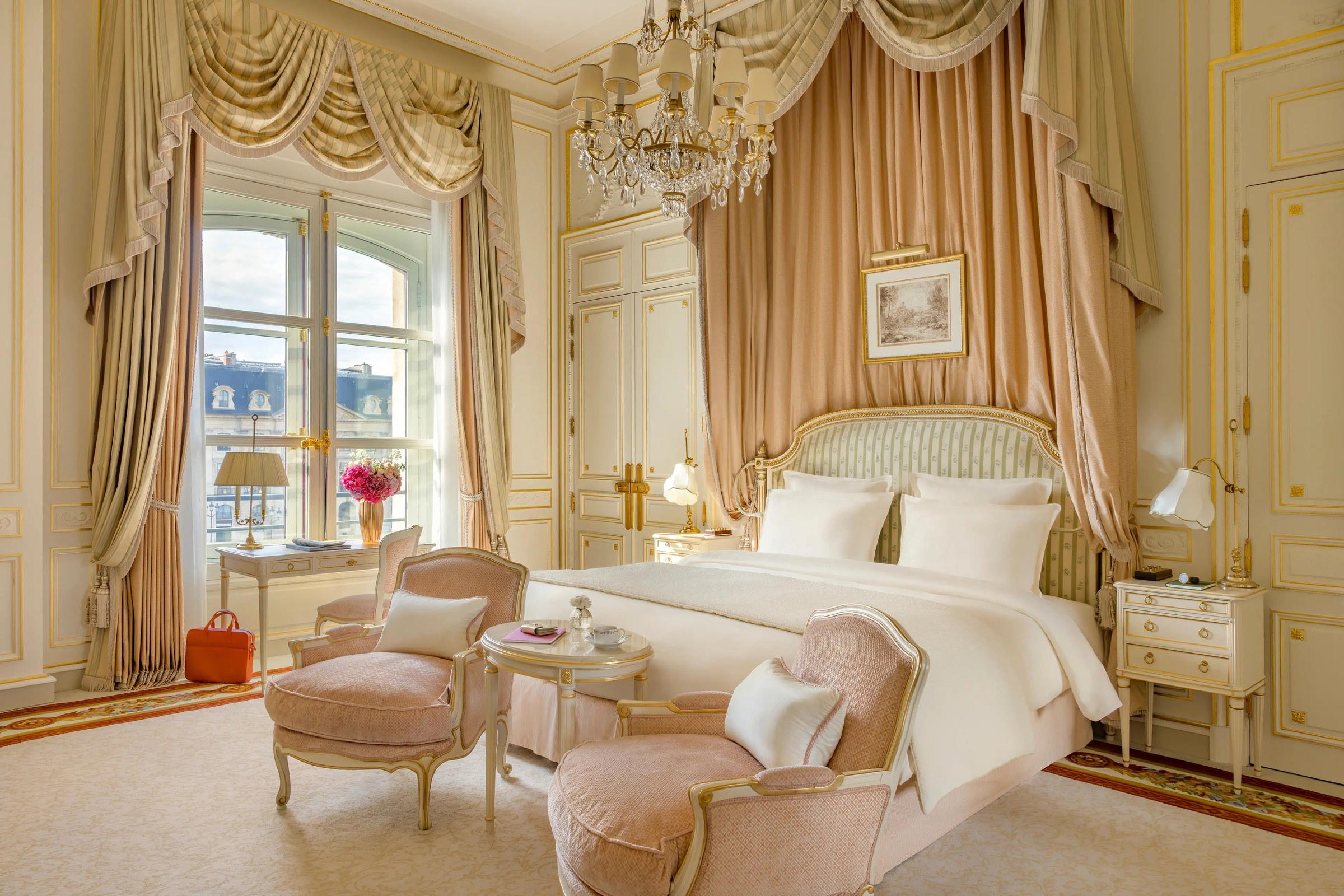
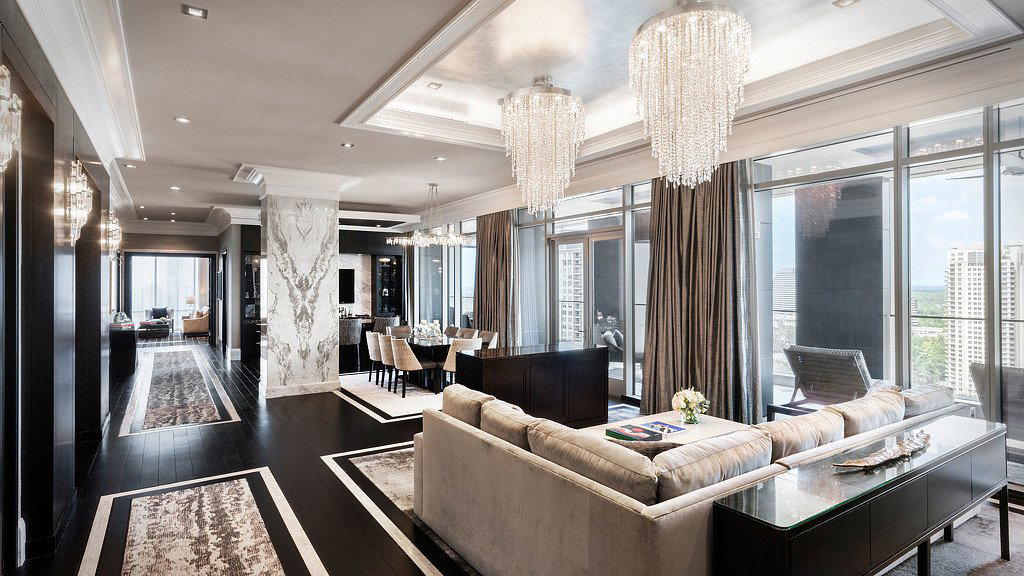
Tastefully blended historic grandeur with modern elegance; marble flooring, glass-accented ceilings, dark furnishings, and intimate lighting create sophisticated yet welcoming atmosphere.
Tags
Vibe
Best For
Experience
Amenities
View
Accessibility
About the Stay
- Rooms
- 145
- Check-in
- 15:00
- Check-out
- 11:00
- Property Style
- Luxury Heritage Hotel Blending Historic Prussian Banking Architecture with Contemporary Italian Design Sensibility and Minimalist Interiors.
- Design Style
- Minimalist Elegance with Muted Color Palettes, Individually Decorated Rooms Honoring the Building's Financial History, Vault Doors as Design Elements, and Modern Amenities.
Know before you go
Know Before You Go
- Getting there
- Behrenstraße 37, 10117 Berlin
Planning details
Location




Also consider
Where to look if this is full
Try Regent Berlin first if the goal is a comparable formal luxury stay in Berlin. It is the closest fit for travelers who want a serious hotel rather than a lifestyle property.
Choose Château Royal Berlin if the trip is more adult, design-led, and less family-focused. For tighter budgets, Cosmo Hotel Berlin Mitte is the smarter fallback.
Hotel context
How it compares in Berlin
Choose Hotel de Rome over Regent Berlin if the priority is a central luxury stay with stronger current recognition signals: Michelin 2 Keys, La Liste Top Hotels 2026 at 91.5 points, and Robb Report's 2025 luxury-hotel list all put it in a serious bracket. Regent Berlin is the natural cross-shop for a formal Berlin stay, but this is the more compelling choice when awards momentum matters.
Hotel Luc, Autograph Collection and Château Royal Berlin make more sense for travelers who want a less traditional feel. Château Royal is the stronger alternative for design-led adults, while Hotel Luc is a cleaner fit for Marriott-loyal travelers. Families and business travelers who want a quieter, more established luxury tone should keep Hotel de Rome higher on the list.
The Westin Grand Berlin and Cosmo Hotel Berlin Mitte are better value checks if rate discipline matters. The Westin Grand is the safer large-hotel alternative, while Cosmo is the leaner Mitte option. If availability is difficult or pricing climbs too far, cross-shop those before dropping the neighborhood entirely.
Around this place
Discover more on Pearl
Unlock the full Hotel de Rome guide in Pearl, including awards, comparisons, FAQs, planning details, and nearby places.
Compare Hotel de Rome
| Venue | Location | Awards |
|---|---|---|
| Hotel de Rome | Berlin | 2026 Virtuoso Luxury Hotel Collection2026 La Liste Top HotelsLeading Hotels of the World 20262025 Robb Report The 50 Greatest Luxury Hotels on Earth · #14Michelin 2 Keys 20252025 Michelin 2 Keys2024 Michelin 2 Keys |
| Regent Berlin | Berlin | No published awards |
| Hotel Luc, Autograph Collection | Berlin | No published awards |
| The Westin Grand Berlin | Berlin | 2026 La Liste Top Hotels |
| Château Royal Berlin | Berlin | 2026 Mr & Mrs Smith Luxury Hotels2025 Michelin 1 Key |
| Cosmo Hotel Berlin Mitte | Berlin | No published awards |

How Hotel de Rome Berlin compares with similar nearby venues.
FAQ
Frequently Asked Questions
How is the pool and spa at Hotel de Rome?
Pool and spa details should be confirmed directly with Hotel de Rome before reserving. If wellness facilities are important to your stay, ask about the current facilities, access rules, and any booking requirements.
How does Hotel de Rome compare to other Berlin hotels?
Hotel de Rome has luxury-hotel recognition, including Michelin 2 Keys in 2024, Leading Hotels of the World membership, La Liste Top Hotels recognition, Robb Report placement, and Virtuoso Luxury Hotel Partner status. Regent Berlin and The Westin Grand Berlin are natural Berlin alternatives to compare, depending on availability, budget, and the specific stay details you need.
Which room category is best at Hotel de Rome?
The best category depends on your party size, budget, and space requirements, so compare the current room descriptions directly with Hotel de Rome before booking.
Is Hotel de Rome good for business travel?
Hotel de Rome is a recognized luxury hotel in Berlin, with Michelin 2 Keys and other credentials. Specific business-travel facilities should be confirmed directly with the hotel, including meeting, workspace, and transport needs.