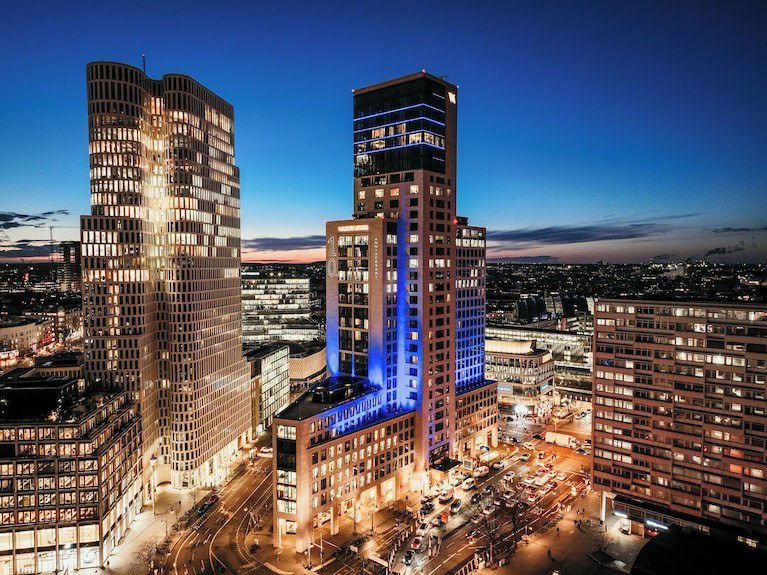



Waldorf Astoria Berlin
Charlottenburg, Berlin
Hotel in Berlin, Germany
 Book with Pearl
The Read
Art Deco Tower Authority
Why go
Waldorf Astoria Berlin is a City West luxury pick that makes sense when the rate premium buys you polished service, a formal setting, and Hilton-backed predictability. Its 2026 La Liste, Forbes 4-Star, and Virtuoso recognition support the splurge, but value depends heavily on timing. Compare nearby peers before paying a large premium.
About Waldorf Astoria Berlin
Waldorf Astoria Berlin is a premium hotel in Berlin with a formal dress code and clearly confirmed third-party recognition. The signals are La Liste Top Hotels 2026 at 94.5 points, Forbes 4-Star recognition for 2026, and Virtuoso Luxury Hotel Partner status. Beyond those facts, travelers should avoid assuming specific services, facilities, room formats, or pricing advantages unless they confirm them directly for their dates.
Use this as a formal Berlin splurge, not an automatic default
The strongest grounded reason to consider Waldorf Astoria Berlin is simple: it is a formal luxury-hotel option in Berlin with confirmed recognition from multiple hotel-focused sources. That makes it a credible candidate for travelers who want a more polished stay rather than a casual or design-led hotel choice.
The hotel carries La Liste Top Hotels 2026 at 94.5 points, Forbes 4-Star recognition for 2026, and Virtuoso Luxury Hotel Partner status. Those signals can support the case for a splurge, but they do not prove that every rate or every room category will be the right buy. Treat Waldorf Astoria Berlin as a strong candidate when the confirmed recognition and formal setting match the purpose of the trip. If the price feels high, compare it with Hotel Palace Berlin or Dorint Kurfürstendamm Berlin before committing.
The booking window matters more than assumptions
For a value-focused stay, timing should drive the decision. Hotel rates in Berlin can vary by date, so it is worth checking the same stay across multiple booking windows and comparing the total cost before treating any single quote as representative. Do not rely on assumptions about room upgrades, facilities, or bundled benefits; confirm the details that matter before booking.
Room-category choice should be practical. Pay for a higher category only when the published room details for your dates justify the difference. If the hotel is mainly a base for time spent elsewhere in Berlin, a simpler booking may be enough. If the stay itself is the focus, the confirmed formal positioning and hotel recognition may make the premium easier to justify.
Who should choose it, and who should cross-shop
Choose Waldorf Astoria Berlin if the trip calls for a formal hotel environment, a recognized luxury name, and a Berlin stay backed by confirmed hotel accolades. It suits travelers who want polish and third-party recognition to be part of the decision. It is less compelling for travelers whose priority is simply the lowest available rate or a less formal mood.
For a broader shortlist, use Pearl's Berlin hotels guide and compare it against other Berlin options before locking dates. If the trip is restaurant-led, pair the hotel decision with Berlin restaurants; for later nights, check Berlin bars. The verdict: worth considering when the rate feels reasonable for a formal, recognized Berlin luxury hotel. If the price jumps, cross-shop first.
Part of
Waldorf Astoria67 locations on PearlPlanning details
- Location
- Hardenbergstraße 28, 10623 Berlin
- Website
- hilton.com/en/hotels/berwawa-waldorf-astoria-berlin/?SEO_id=GMB-EMEA-WA-BERWAWA
- Phone
- +49 30 8140000
The take
The Take
The Vibe
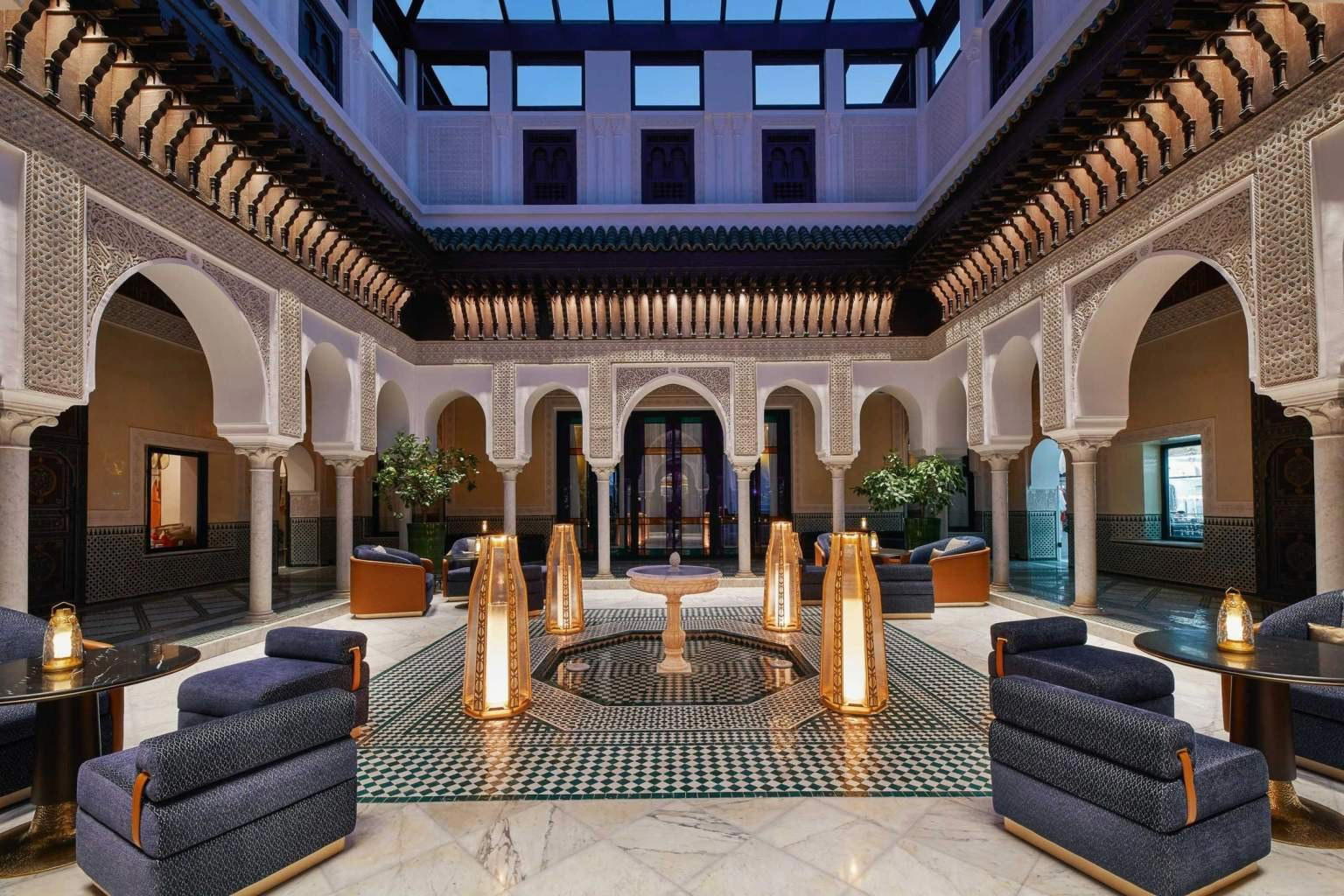
The Waldorf Astoria Berlin presents itself as a polished, deliberately styled landmark. Rising 31 floors above Hardenbergstraße, the tower stakes a confident claim in City West with interiors that lean heavily into Art Deco references: a gilded bronze gate at the lobby, proportional detailing and a clear design lineage to the original New York property. The result is a classic, opulent atmosphere that reads both finished and institutional—luxury that signals pedigree rather than flash. This is a hotel that foregrounds design authorship and architectural presence, appealing to guests who value craftsmanship, history-inflected style and a pronounced sense of place.
Best For
This property suits travellers seeking a high‑end base in Berlin’s City West. Its location opposite Zoologischer Garten station makes it especially convenient for business travellers and visitors on tight schedules, while the hotel’s formal, Art Deco‑leaning interiors make it a natural choice for anniversaries, romantic stays and larger celebrations that want a classical luxury backdrop. The building’s role as an institutional anchor in the neighbourhood also makes it appropriate for city‑level events and photographed arrivals—guests who prioritise connectivity, presence and a distinctly branded luxury experience will find it well matched to those needs.
Venue details
Ambiance
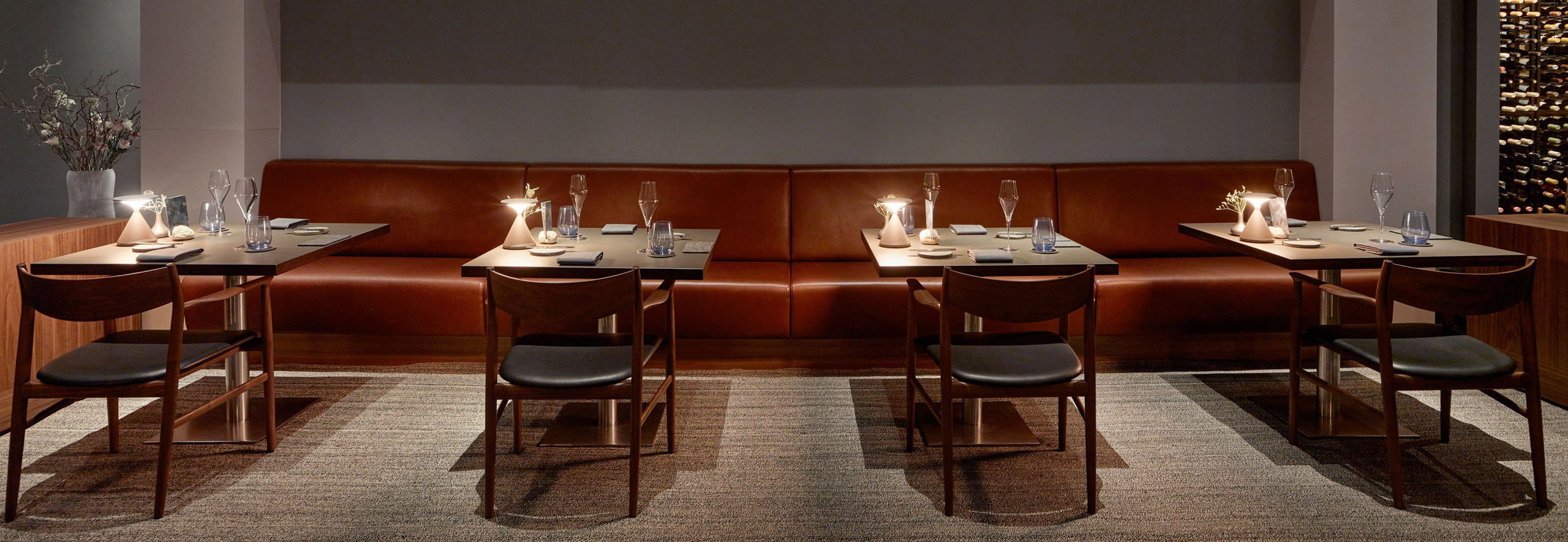
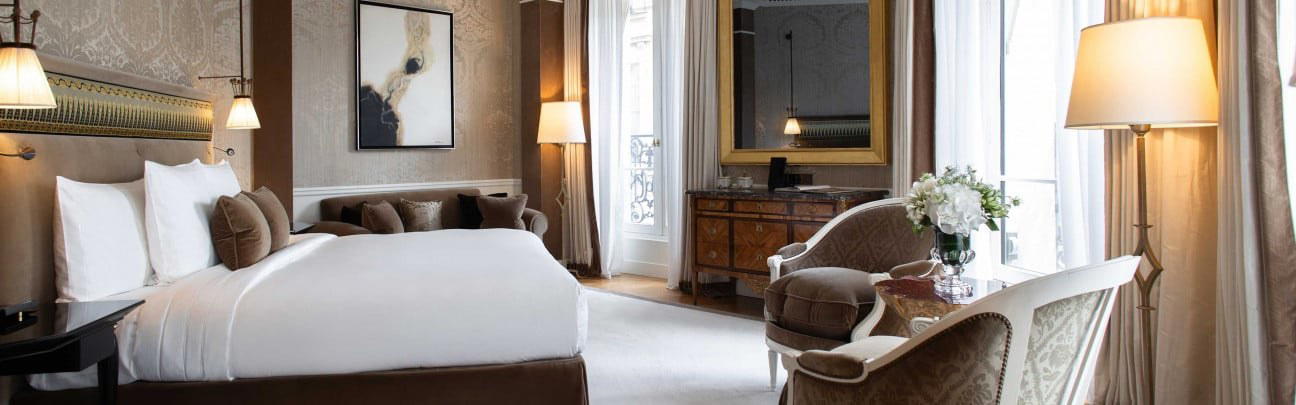
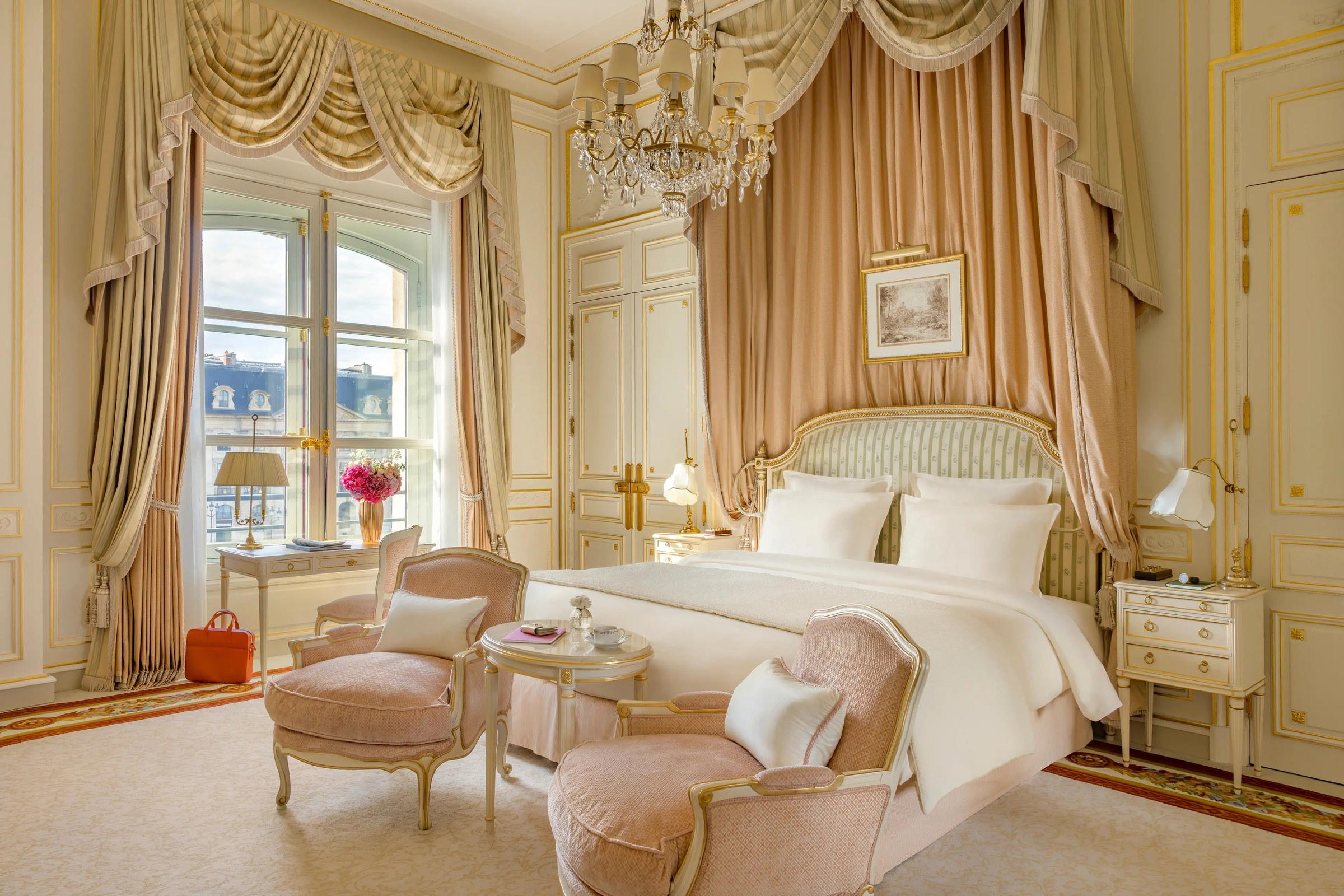
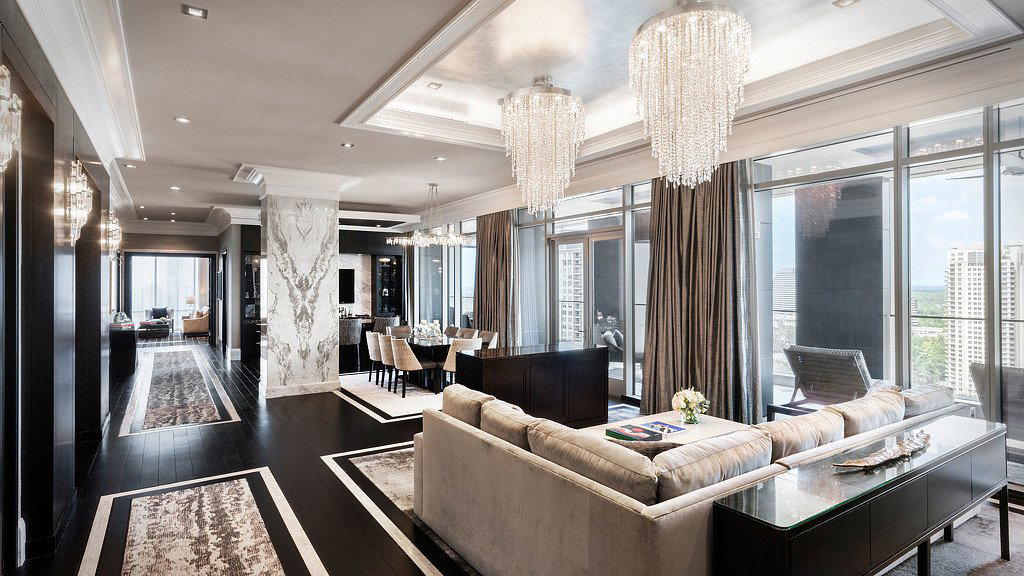
Contemporary luxury with Art Deco heritage; soundproofed rooms, marble bathrooms with heated floors, and sophisticated lighting throughout public spaces.
Tags
Vibe
Best For
Experience
Amenities
View
Accessibility
About the Stay
- Rooms
- 232
- Check-in
- 15:00
- Check-out
- 11:00
- Property Style
- Contemporary Luxury Art Deco Palace Hotel with Modern Amenities and Classical Elegance.
- Design Style
- Art Deco with Contemporary Minimalist Accents; White Marble Bathrooms, Smart Technology Integration, and Sophisticated Neutral Palette.
Know before you go
Know Before You Go
- Getting there
- Hardenbergstraße 28, 10623 Berlin
Planning details
Location
Hardenbergstraße 28, 10623 Berlin · Directions
hilton.com/en/hotels/berwawa-waldorf-astoria-berlin/?SEO_id=GMB-EMEA-WA-BERWAWA
Recognition and awards



Also consider
Also Consider
- 25hours Hotel Bikini Berlin, Notable alternative
- Dorint Kurfürstendamm Berlin, Notable alternative
- HOTEL ZOO BERLIN, Notable alternative
- Hotel Palace Berlin, Notable alternative
- Hotel Bristol Berlin, Notable alternative
Hotel context
How It Compares
Against 25hours Hotel Bikini Berlin, Waldorf Astoria Berlin is the more formal choice. Pick Waldorf for luxury-hotel structure, brand confidence, and a composed City West stay; pick 25hours if atmosphere, design energy, and a less buttoned-up mood matter more than service polish.
Dorint Kurfürstendamm Berlin and Hotel Bristol Berlin are the practical cross-shops when price discipline matters. If Waldorf's rate sits close to these, the stronger luxury credentials make it easier to justify. If the gap widens, Dorint or Bristol can be the better value for travelers who mainly need the Ku'damm location.
HOTEL ZOO BERLIN is the more style-led alternative, while Hotel Palace Berlin is the closest practical comparison for travelers who want a full-service hotel feel near the same part of town. Choose Waldorf for the higher luxury signal and loyalty upside; choose Hotel Palace when availability or rate makes the decision easier.
Around this place
Discover more on Pearl
Unlock the full Waldorf Astoria Berlin guide in Pearl, including awards, comparisons, FAQs, planning details, and nearby places.
Compare Waldorf Astoria Berlin
| Venue | Location | Awards |
|---|---|---|
| Waldorf Astoria Berlin | Berlin | 2026 Virtuoso Luxury Hotel Collection2026 Forbes 4-Star2026 Michelin Guide New Hotels2026 La Liste Top Hotels2025 Michelin Selected Hotels2025 Forbes 4-Star |
| 25hours Hotel Bikini Berlin | Berlin | No published awards |
| Dorint Kurfürstendamm Berlin | Berlin | No published awards |
| HOTEL ZOO BERLIN | Berlin | 2026 La Liste Top Hotels2025 Michelin 1 Key |
| Hotel Palace Berlin | Berlin | Leading Hotels of the World 2026 |
| Hotel Bristol Berlin | Berlin | 2026 Forbes Recommended2025 Forbes Recommended |



How Waldorf Astoria Berlin compares with similar nearby venues.
FAQ
Frequently Asked Questions
Which room category is best at Waldorf Astoria Berlin?
The best room category depends on the published details and pricing for your dates. Consider paying more only when the room description, trip purpose, and expected time at the hotel justify the difference. The confirmed Forbes 4-Star 2026 recognition and La Liste Top Hotels 2026 score of 94.5 points support the hotel's premium positioning, but they do not by themselves determine which room category is best.
How is the location of Waldorf Astoria Berlin?
Waldorf Astoria Berlin is in Berlin. For planning, compare it with other Berlin hotels such as Hotel Bristol Berlin or 25hours Hotel Bikini Berlin, especially if you are weighing a more formal stay against a different hotel mood or price point.
When is the best time to book Waldorf Astoria Berlin?
The best time to book depends on the rates available for your dates. Compare prices early, recheck before committing if your plans are flexible, and cross-shop Dorint Kurfürstendamm Berlin or 25hours Hotel Bikini Berlin if the main goal is value rather than a formal luxury setting. The confirmed 2026 recognition places Waldorf Astoria Berlin in a premium context, so the final decision should come down to the rate and the details available for your stay.