


Patrick Hellmann Schlosshotel
Grunewald, Berlin
Hotel in Berlin, Germany
 Book with Pearl
The Read
Residential Palace Seclusion
Price
$100–200per night
Why go
Patrick Hellmann Schlosshotel is the Berlin pick for a quieter, higher-privacy stay in Grunewald, especially for celebrations or business trips where calm matters more than central-city convenience. Its Michelin 2 Keys, La Liste Top Hotels 92-point score, and Forbes Recommended recognition make it worth cross-shopping seriously, but book early for fixed dates.
About Patrick Hellmann Schlosshotel
Patrick Hellmann Schlosshotel in Berlin has Michelin 2 Keys (2024), a 92-point La Liste Top Hotels listing for 2026, and Forbes Recommended recognition for 2026. Those accolades are a strong reason to consider it for a premium hotel stay in the city.
The confirmed dress code is smart casual. For practical details such as neighborhood character, room count, service style, pricing, amenities, dining, or check-in format, confirm directly with the hotel before booking.
Choose it for confirmed recognition, then verify the stay details
The safest way to frame Patrick Hellmann Schlosshotel is as a Berlin hotel with notable recognition rather than as a property defined by specifics. Michelin 2 Keys and the 2026 La Liste and Forbes mentions make it relevant for a Berlin hotel shortlist, but the practical details of the stay should still be checked directly.
If the trip depends on particular logistics, amenities, dining plans, accessibility needs, room categories, or timing, confirm those details with the hotel before committing. The recognition profile supports its premium standing; it does not define a specific neighborhood experience, rate pattern, restaurant format, or booking strategy.
Who should book, and who should cross-shop
Consider Patrick Hellmann Schlosshotel if you want a Berlin hotel with premium recognition and a smart-casual dress code. If your decision depends on exact location convenience, specific amenities, or a particular style of stay, compare it with other Berlin options before booking. A good starting point is the full Berlin hotels guide.
Because price behavior or availability patterns may vary, avoid assuming that a particular date window will be easier or better value. Check live rates, cancellation terms, and room details directly, especially if the trip is tied to a fixed itinerary or occasion.
For planning around the stay, use the Berlin restaurants guide if dinners are part of the trip, and the Berlin bars guide if you want after-hours ideas. For hotel cross-shopping in Berlin, compare Patrick Hellmann Schlosshotel with options such as Hotel Louisa´s Place, Hotel Q! Provocateur, Wilmina Hotel, and Wilmina Apartments and Lofts.
Planning details
- Location
- Brahmsstraße 10, 14193 Berlin
- Website
- schlosshotelberlin.com
- Phone
- +49 30 895840
The take
The Take
The Vibe
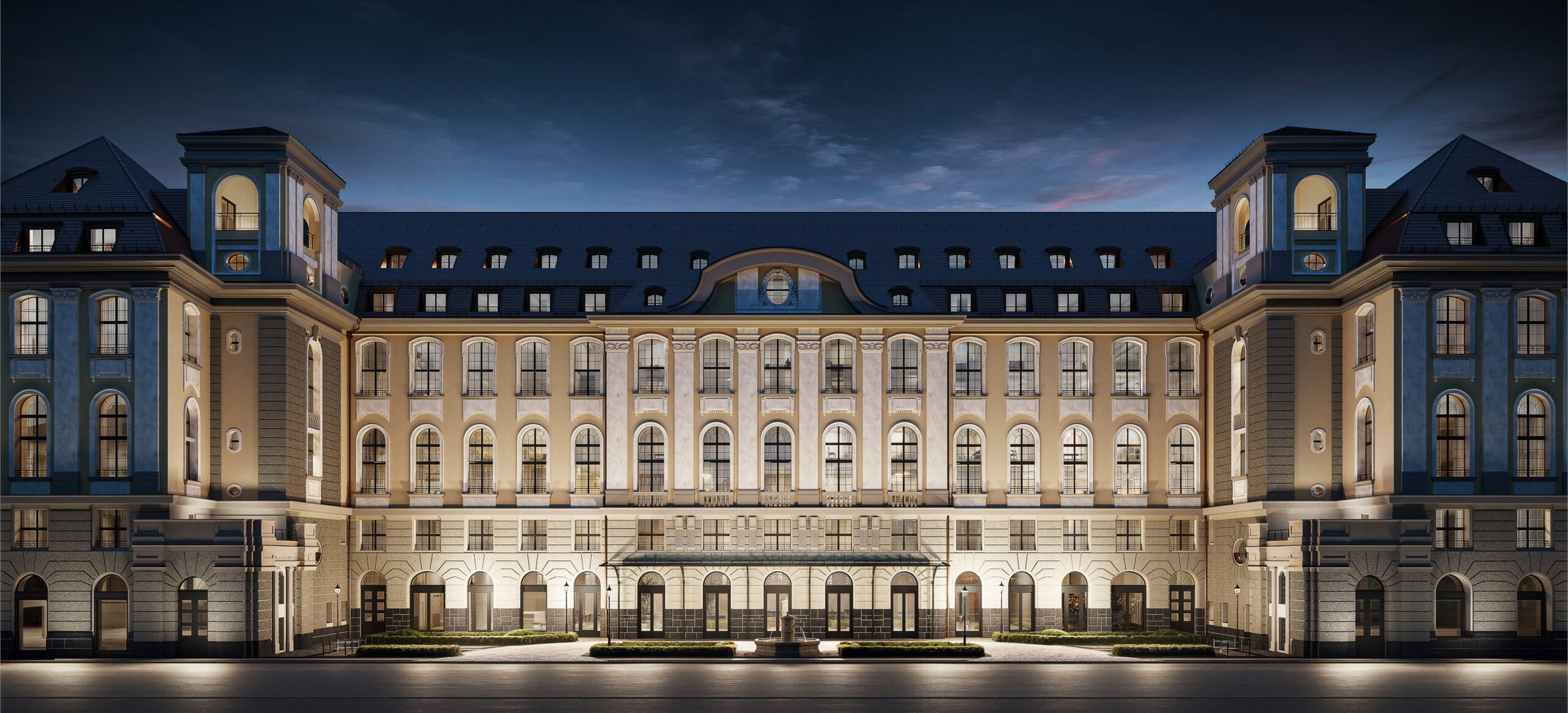
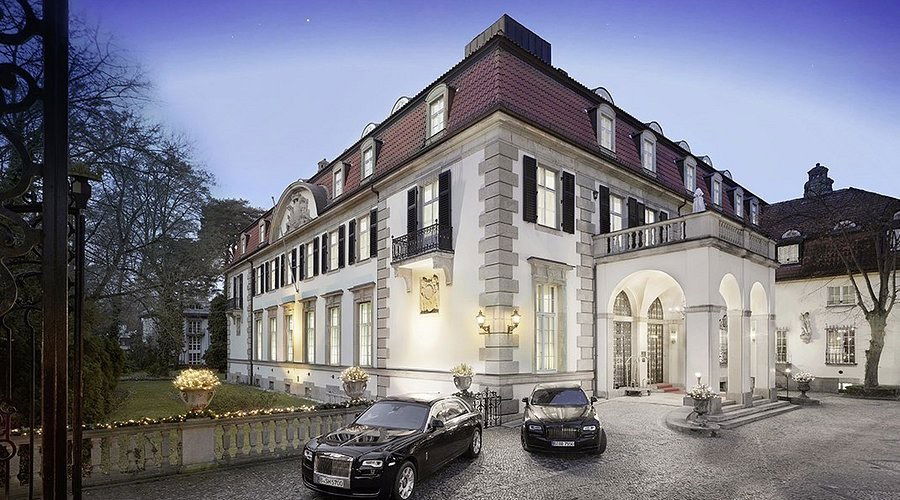
Patrick Hellmann Schlosshotel sits like a well‑kept secret on Brahmsstraße, where a restrained white sign and a set‑back façade announce a property more akin to a private house than a city hotel. The 1914 building and early twentieth‑century villa context lend it historic, classic proportions and a domestic scale; interiors and grounds read as deliberately small‑key and design‑led. The result is an intimate, serene retreat that privileges seclusion and understatement over conspicuousness. Guests encounter a polished, quietly luxurious atmosphere that feels personal rather than grand, ideal for travelers who prefer privacy and refinement to central spectacle.
Best For
This hotel suits travelers seeking a quiet, restorative escape from Berlin’s busier quarters. Its Grunewald setting and garden orientation make it a natural fit for romantic getaways, anniversaries and weekend escapes where privacy matters; the tone is equally appropriate for business travelers who value calm and discretion. Because the property intentionally trades city‑center visibility for residential seclusion, it’s best for guests who want to withdraw from the urban grid and enjoy a residential, park‑like context rather than immediate access to Mitte’s monuments and nightlife.
Stay Tips
Expect a discreet arrival: the hotel’s small sign and set‑back position make it easy to miss, so confirm the Brahmsstraße address and directions before you travel. Because the Schlosshotel operates on a small‑key logic and emphasizes seclusion, book in advance to secure the room type you prefer. Plan transportation with the neighborhood’s suburban character in mind—arrivals that assume central‑city proximity may find the approach quiet and residential rather than bustling. Those seeking immediate access to city attractions should allow extra travel time.
Venue details
Ambiance
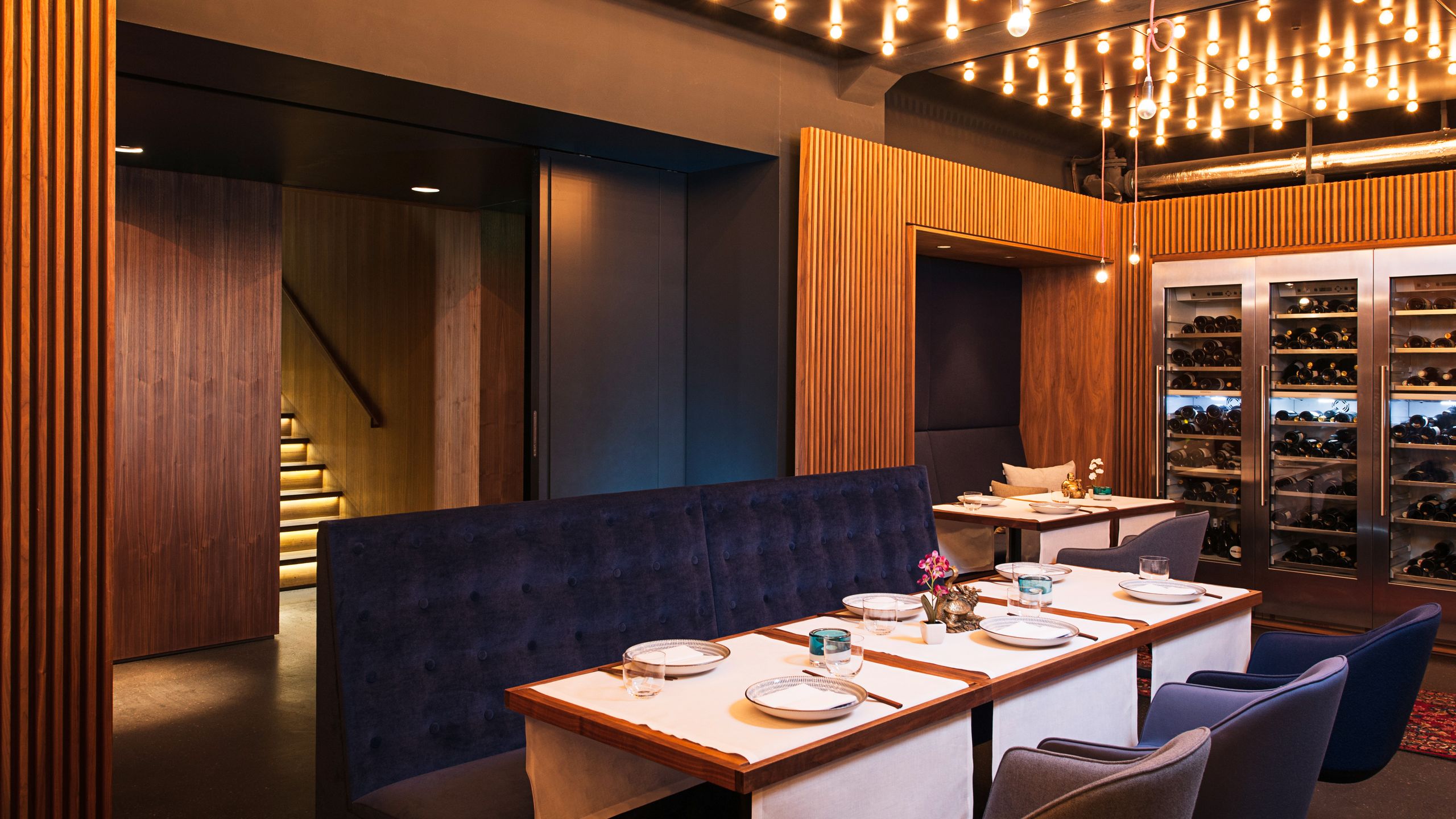
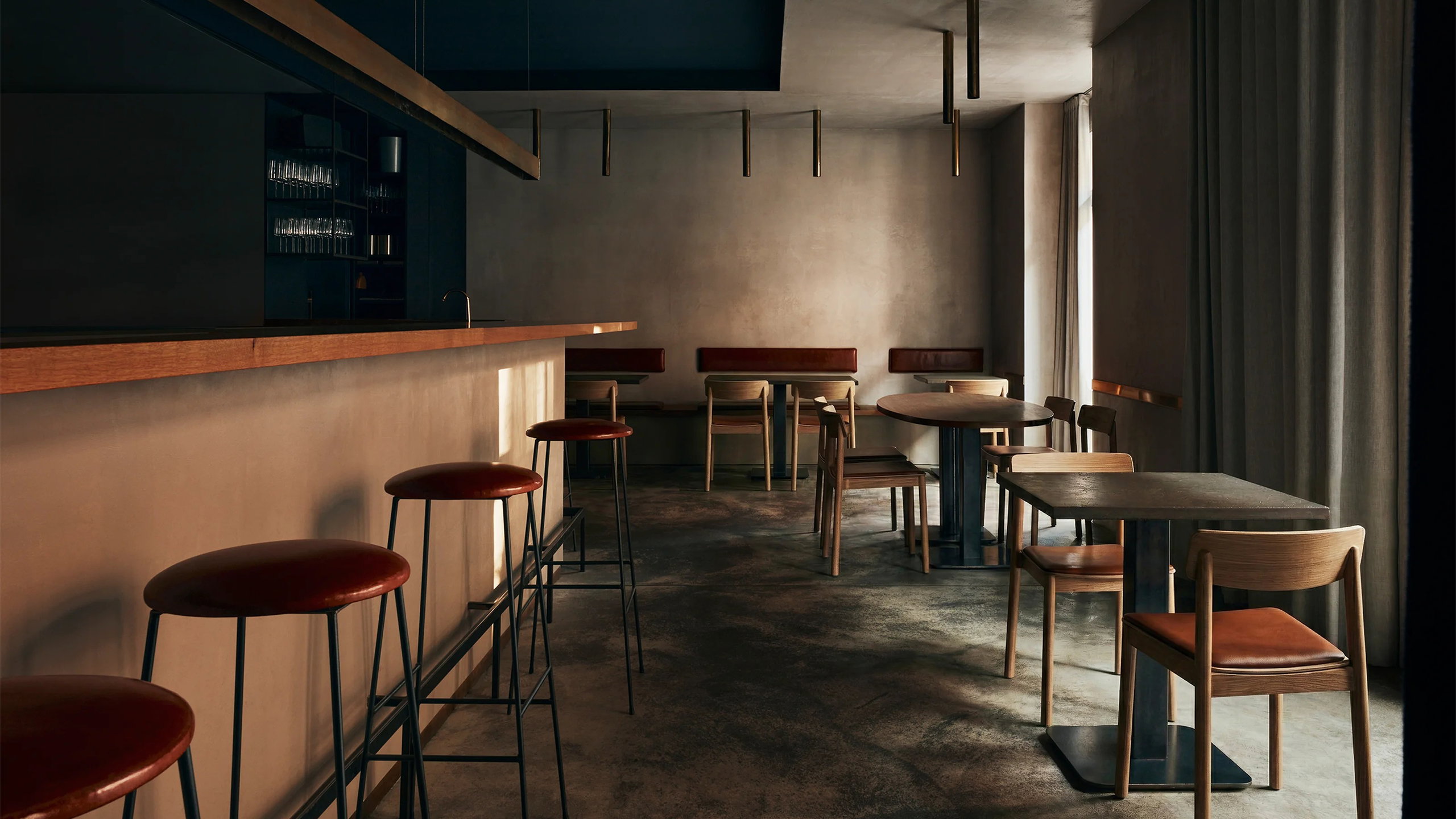
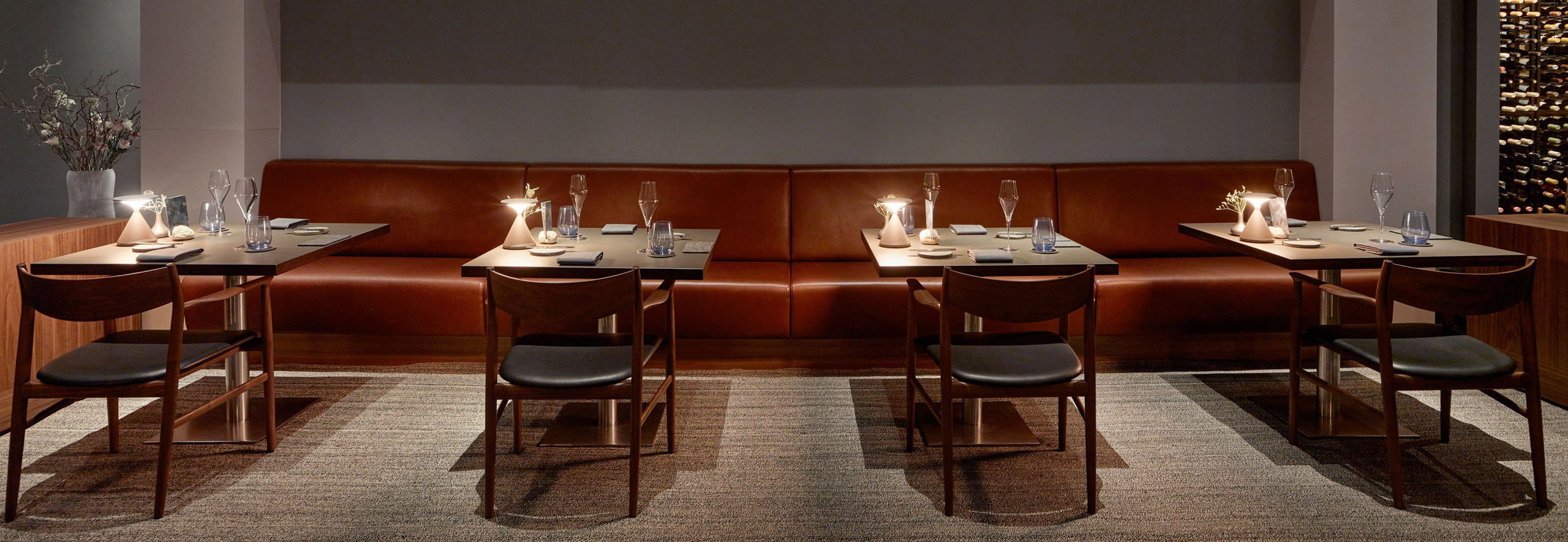
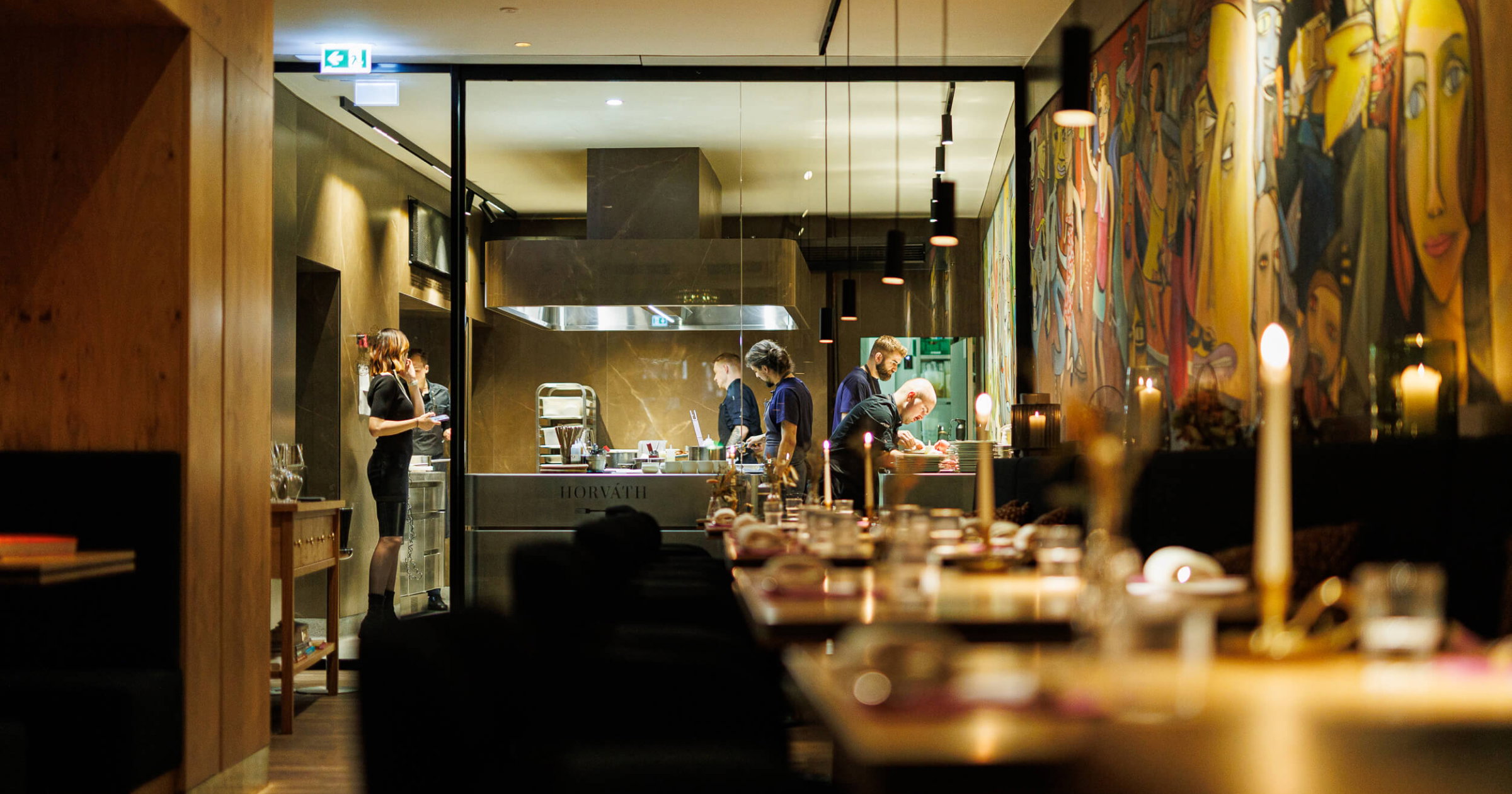
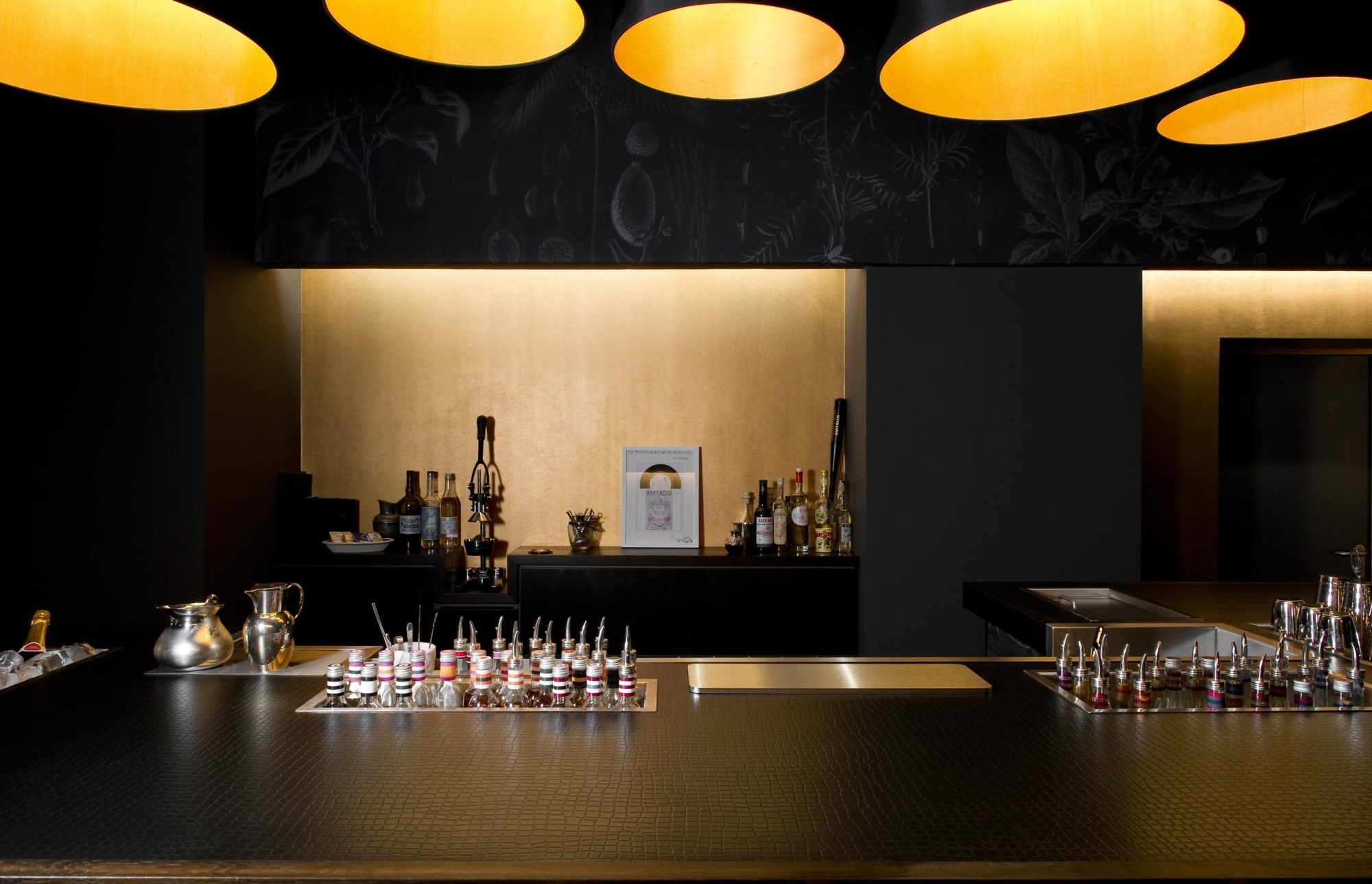
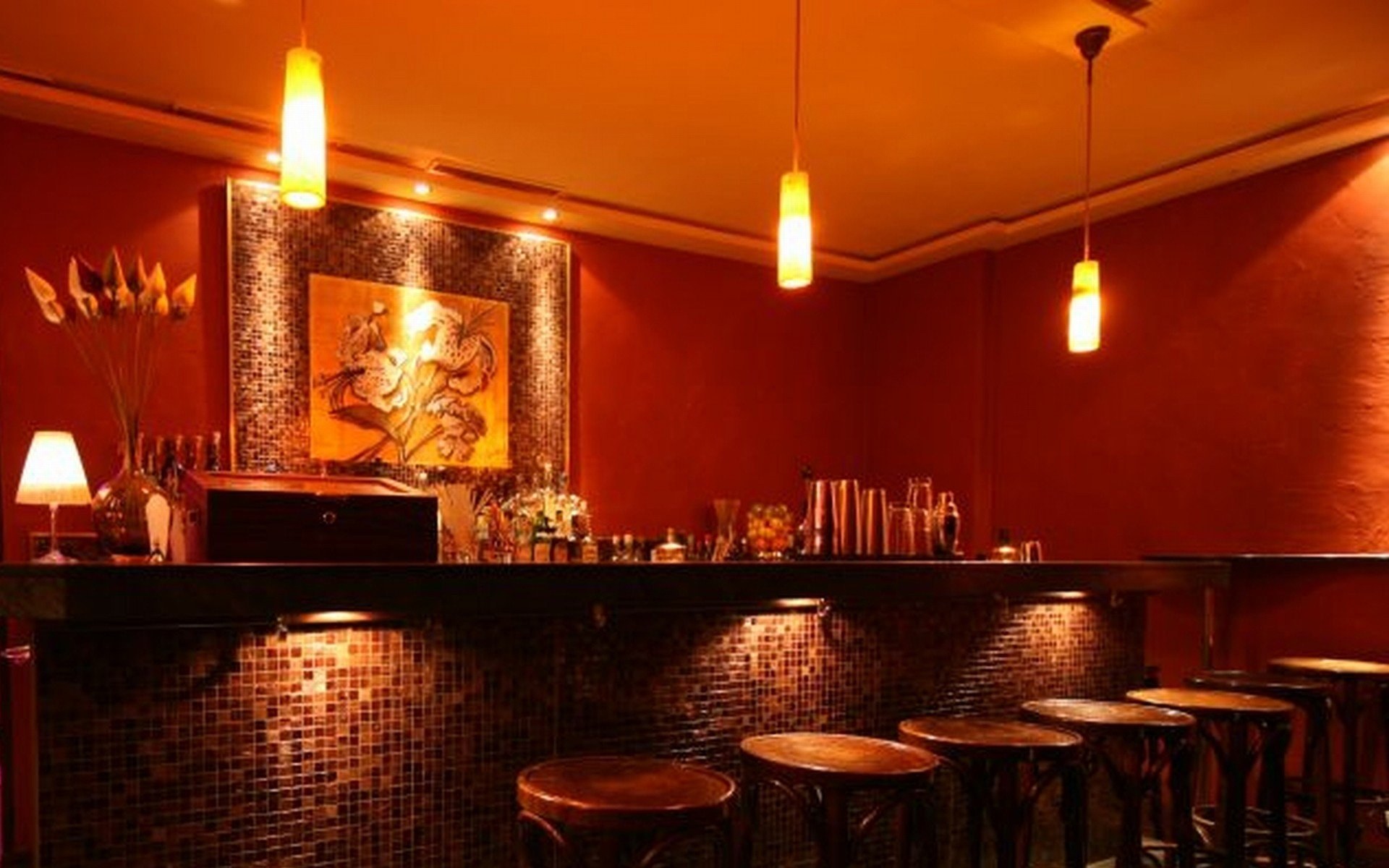
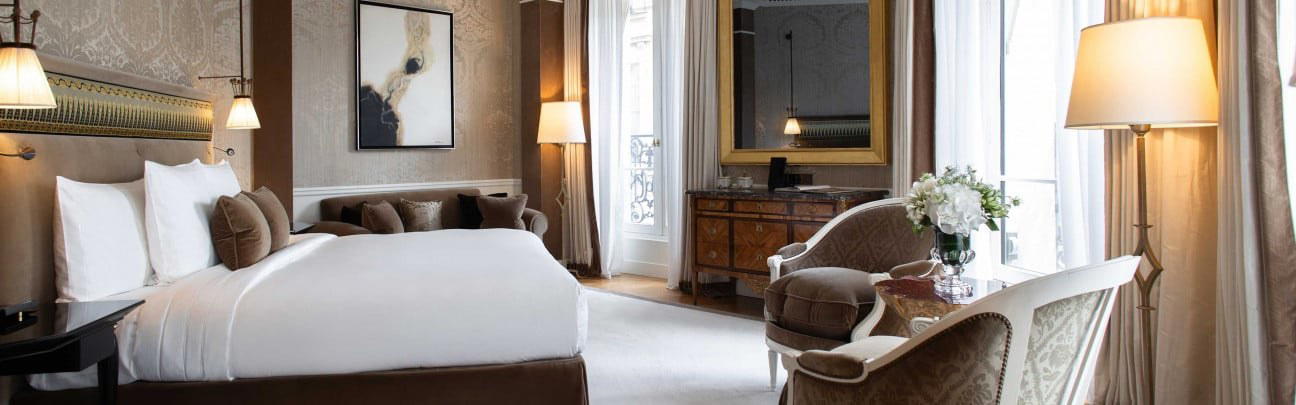
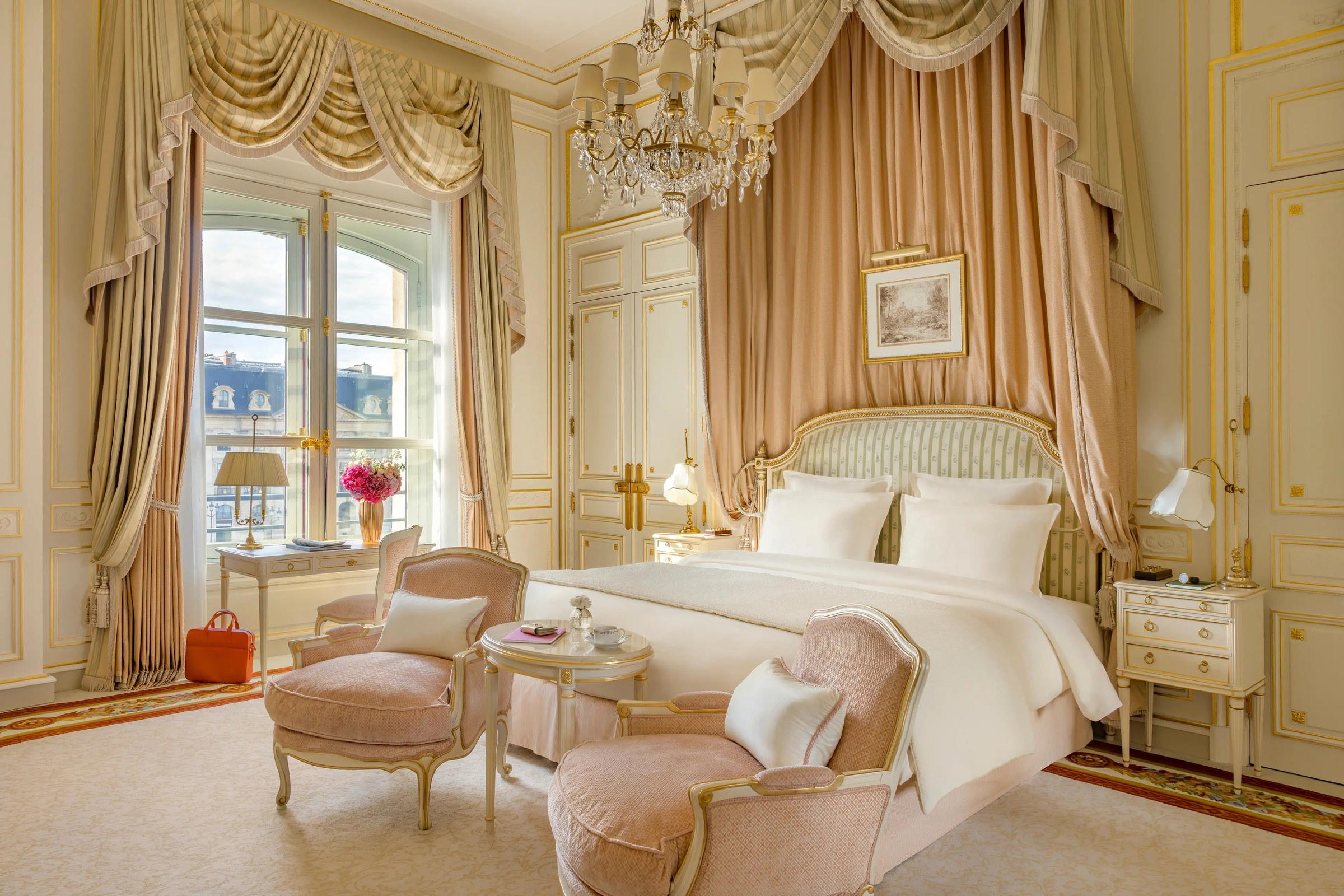
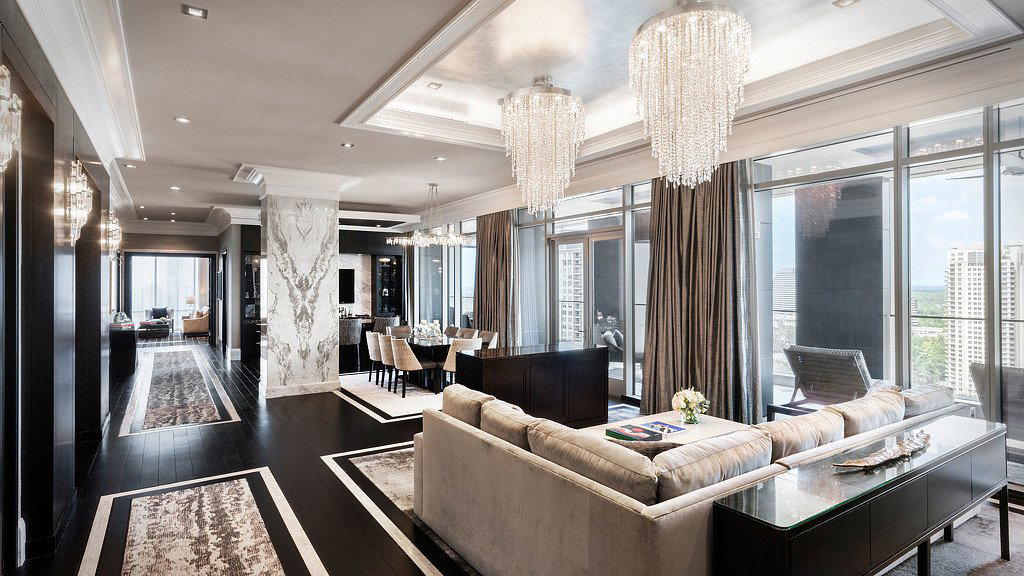
Hushed luxury with opulent black, white, and grey palettes, layers of textures, stunning artworks, and an atmosphere of chic glamour and understated elegance.
Tags
Vibe
Best For
Experience
Amenities
View
Accessibility
About the Stay
- Rooms
- 53
- Check-in
- 15:00
- Check-out
- 11:00
- Property Type
- Boutique hotel
- Property Style
- Historic Palace with Fashion Forward Interiors
- Design Style
- Opulent Rococo Blended with Modern Chic Monochrome Design
- Airport Transfer
- Available
- Pool
- Yes
- Spa
- Yes
- Pets
- Allowed
- Families
- Welcome
- Cancellation
- Moderate
Know before you go
Know Before You Go
- Getting there
- Brahmsstraße 10, 14193 Berlin
Planning details
Location
Recognition and awards


Also consider
Also Consider
- Provocateur, Notable alternative
- Hotel Louisa´s Place, Notable alternative
- Wilmina Apartments and Lofts, Notable alternative
- Wilmina Hotel, Notable alternative
- Hotel Q!, Notable alternative
Hotel context
How it compares in Berlin
Choose Patrick Hellmann Schlosshotel when privacy and occasion value matter more than central convenience. Compared with Provocateur and Hotel Q! it is the calmer, more formal-feeling choice; those two make more sense for travelers who want a stronger city-hotel mood and easier access to busier western Berlin plans.
Hotel Louisa´s Place is the more practical cross-shop for longer stays or guests who value apartment-style comfort over a grander special-occasion setting. Wilmina Hotel and Wilmina Apartments and Lofts are better fits for design-led travelers who want a more contemporary Berlin base, while Patrick Hellmann Schlosshotel is the safer call for a quieter celebration stay.
On booking difficulty, treat Patrick Hellmann Schlosshotel as the one to secure earliest for fixed weekends. If availability or pricing does not line up, start with Wilmina Hotel for atmosphere or Hotel Louisa´s Place for space and utility.
Around this place
Discover more on Pearl
Unlock the full Patrick Hellmann Schlosshotel guide in Pearl, including awards, comparisons, FAQs, planning details, and nearby places.
Compare Patrick Hellmann Schlosshotel
| Venue | Location | Awards |
|---|---|---|
| Patrick Hellmann Schlosshotel | Berlin | 2026 Forbes Recommended2026 La Liste Top Hotels2026 Michelin 2 KeysMichelin 2 Keys 20252025 Michelin 2 Keys2024 Michelin 2 Keys |
| Provocateur | Berlin | No published awards |
| Hotel Louisa´s Place | Berlin | No published awards |
| Wilmina Apartments and Lofts | Berlin | 2026 Mr & Mrs Smith Luxury Hotels2025 Michelin Selected HotelsSmall Luxury Hotels Member 2025 |
| Wilmina Hotel | Berlin | 2026 Mr & Mrs Smith Luxury Hotels2026 Michelin 1 Key2025 Michelin 1 KeySmall Luxury Hotels Member 2025 |
| Hotel Q! | Berlin | No published awards |




How Patrick Hellmann Schlosshotel Berlin compares with similar nearby venues.
FAQ
Frequently Asked Questions
What is check-in like at Patrick Hellmann Schlosshotel?
Check-in details are not specified. The confirmed location is Berlin, and guests should confirm arrival timing, luggage handling, and any special requests directly with the hotel before travel.
Is Patrick Hellmann Schlosshotel good for business travel?
It may suit travelers who want a recognized premium hotel in Berlin, but business facilities, meeting services, and commute details are not specified. Confirm the practical requirements of your trip directly with the hotel.
How does Patrick Hellmann Schlosshotel compare to other hotels?
Patrick Hellmann Schlosshotel stands out here for Michelin 2 Keys (2024), La Liste Top Hotels 2026 at 92 points, and Forbes Recommended 2026. For comparison, Berlin travelers may also look at Provocateur, Hotel Q! Hotel Louisa´s Place, Wilmina Hotel, and Wilmina Apartments and Lofts.
Do loyalty programs work at Patrick Hellmann Schlosshotel?
Loyalty-program participation or benefits are not specified. The confirmed draw is its recognition profile, including Michelin 2 Keys (2024), La Liste Top Hotels 2026 at 92 points, and Forbes Recommended 2026.