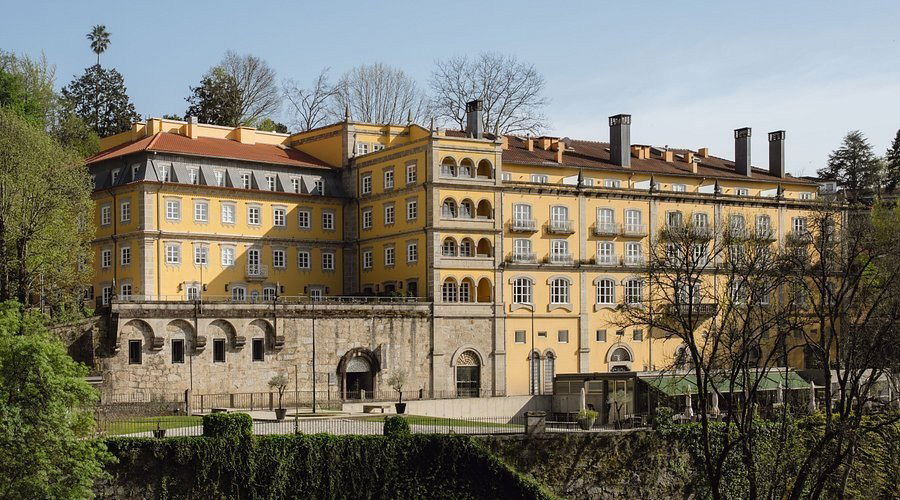


Casa da Calçada
central Amarante, Amarante
Hotel in Amarante, Portugal
 Book with Pearl
The Read
Baroque Manor Viticulture
Why go
Casa da Calçada is the Amarante pick for travellers who want a heritage hotel in town rather than a Douro Valley resort. Its 2026 Relais Chateaux Award and 2025 MICHELIN Guide hotel selection make it a stronger bet than a generic local stay, especially if Amarante itself is central to the trip.
About Casa da Calçada
Casa da Calçada is an Amarante option with two clear recognition signals: a Relais Chateaux Award (2026) and MICHELIN Guide, Hotels Selected (2025). Those are the main reasons to place it on a shortlist when the goal is to stay in Amarante.
The strongest case is simple: choose Casa da Calçada if Amarante itself is central to the trip and you want a property with recognition. If the trip is more focused on the Douro Valley or another route, compare it with relevant alternatives before deciding.
Choose the room level based on current details
Treat the room decision practically: choose the category that fits how much time you expect to spend at the property and confirm the details directly before booking. The dress code is smart casual, which is useful context for planning a polished stay.
This is where the decision may differ from wine-country alternatives. Quinta de São Bernardo Winery & Farmhouse and The Wine House Hotel - Quinta da Pacheca may be more relevant if the trip is built around the Douro Valley, while Casa da Calçada is the more direct fit when Amarante is the priority.
Use Amarante as the deciding factor
The location decision should be framed at city level: Casa da Calçada is in Amarante. For a broader scan before committing, compare it with other Amarante hotel options, then check our full Amarante restaurants guide and other Amarante planning resources to see whether the city fits the length and purpose of your stay.
If Amarante is the point, Casa da Calçada has enough recognition to justify leading the shortlist. If the itinerary is broader, compare it with Douro Valley - Casa Vale do Douro, Six Senses Douro Valley, Quinta de São Bernardo Winery & Farmhouse, The Wine House Hotel - Quinta da Pacheca, or Torel Royal Court according to the route and style of trip.
Inside Casa da Calçada
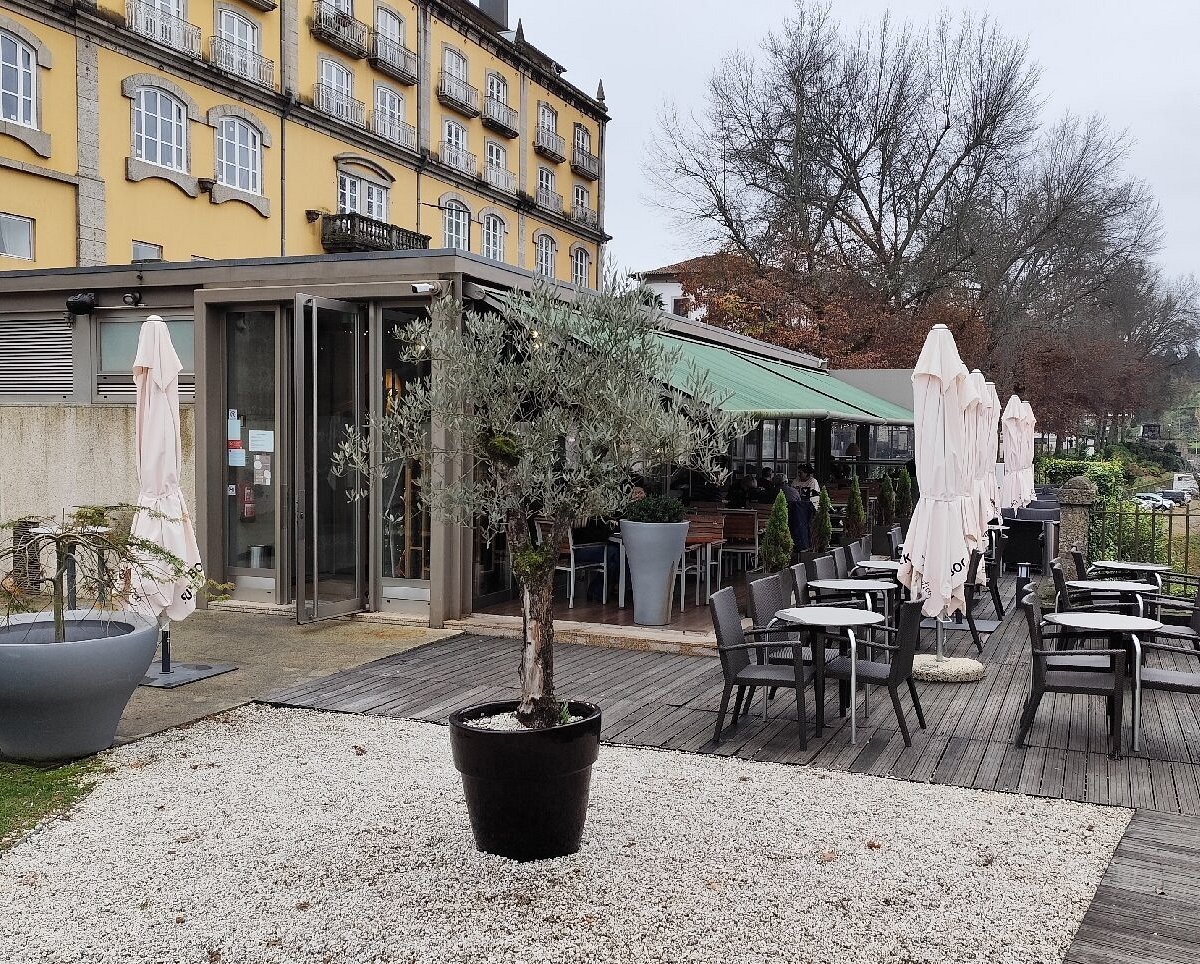
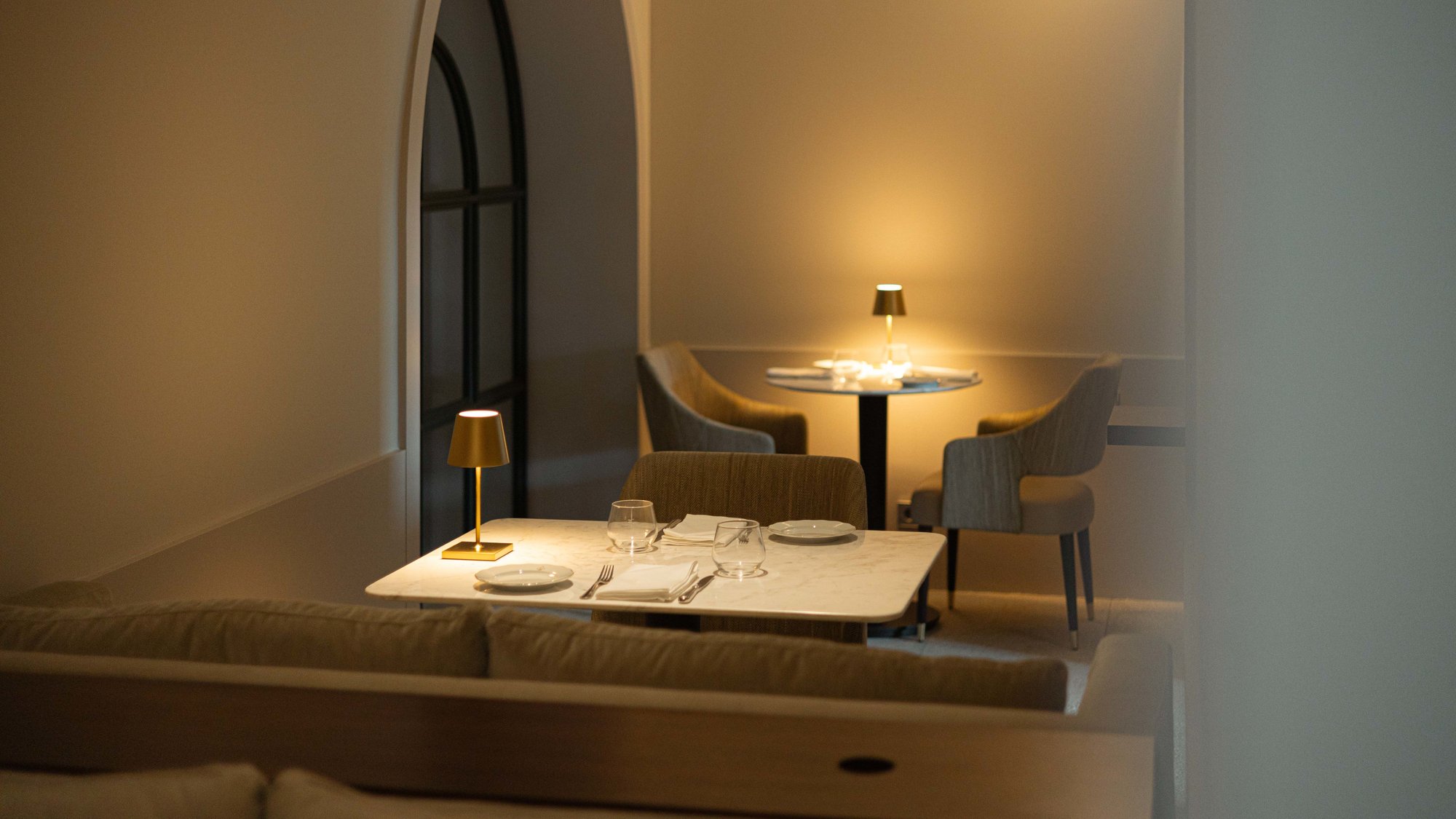 restaurantCanto RedondoCanto Redondo gives Amarante’s bistro tradition a contemporary reading: local ingredients, Portuguese recipes, and a lighter creative hand rather than formal fine-dining ceremony. Chef Emiliano Savio’s kitchen fits a city where river-town hospitality, Minho produce, and Douro-adjacent wine culture meet at the table.
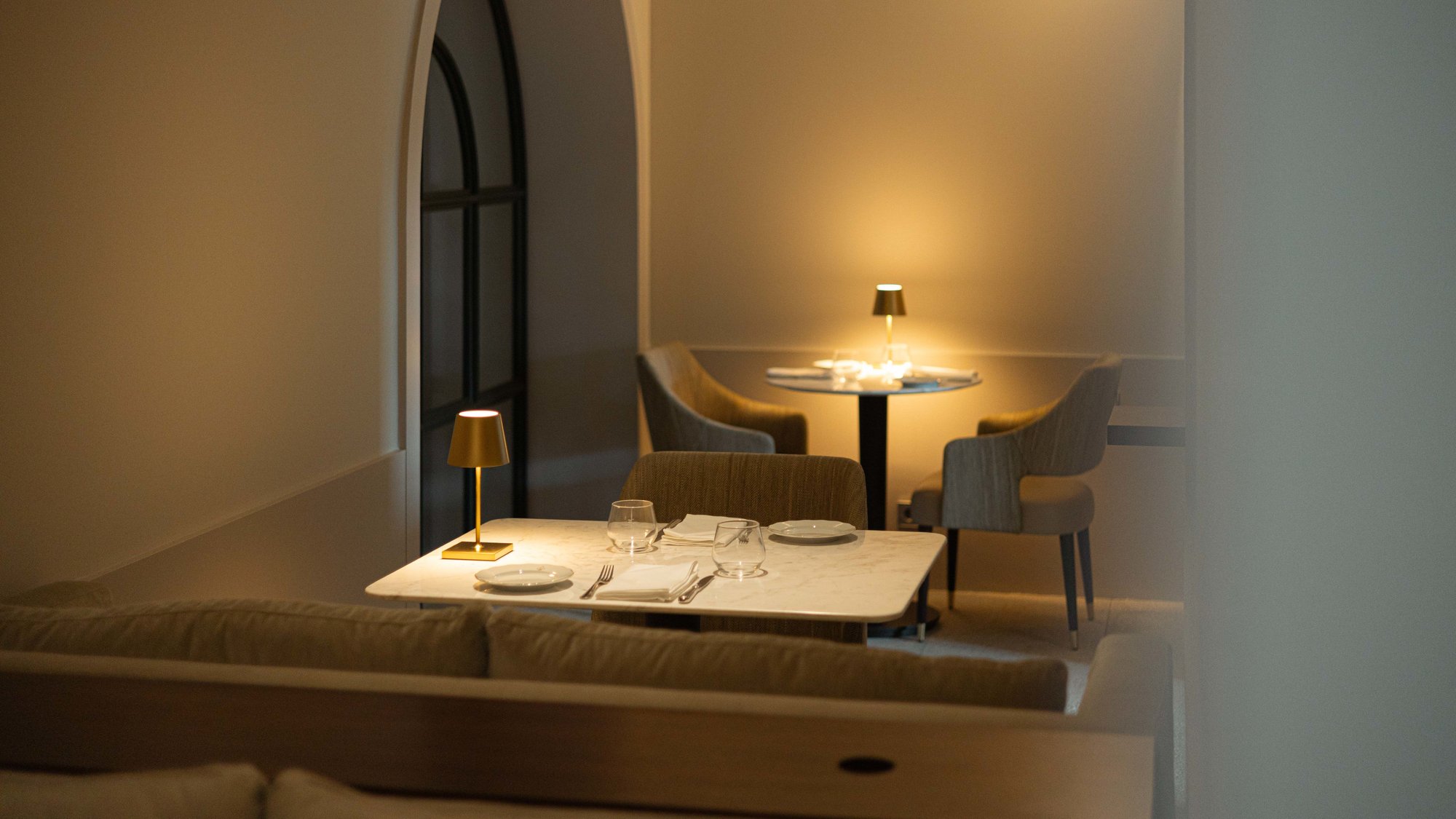
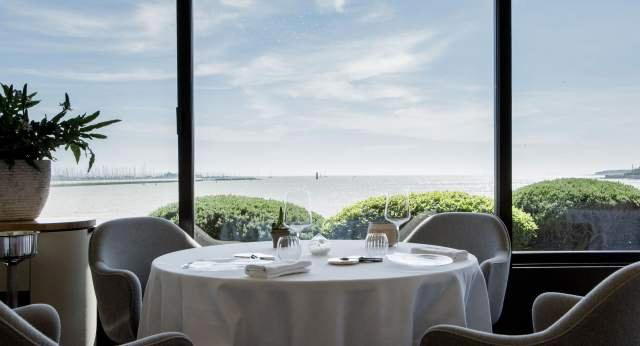
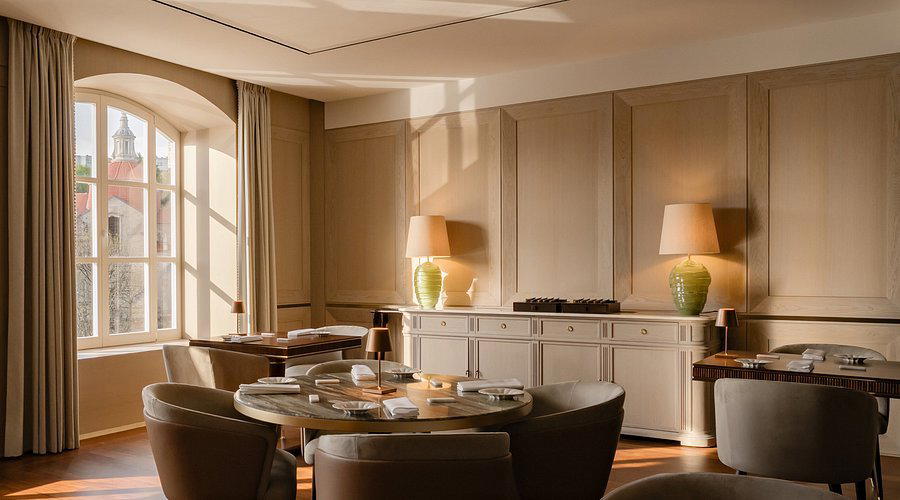 restaurantLargo do PaçoLargo do Paço is the fine dining restaurant at Casa da Calçada, a 5-star historic hotel in Amarante. Under Chef Tiago Bonito, the kitchen works through a Portuguese-rooted menu that draws on classic technique and reinterpreted national produce. Sitting among Portugal's serious hotel dining rooms, it offers one of the few high-format tasting experiences in the Tâmega valley.
Planning details
- Location
- Largo do Paço 6, 4600-017 Amarante
- Website
- casadacalcada.com
- Phone
- +351 255 410 830
The take
The Take
The Vibe
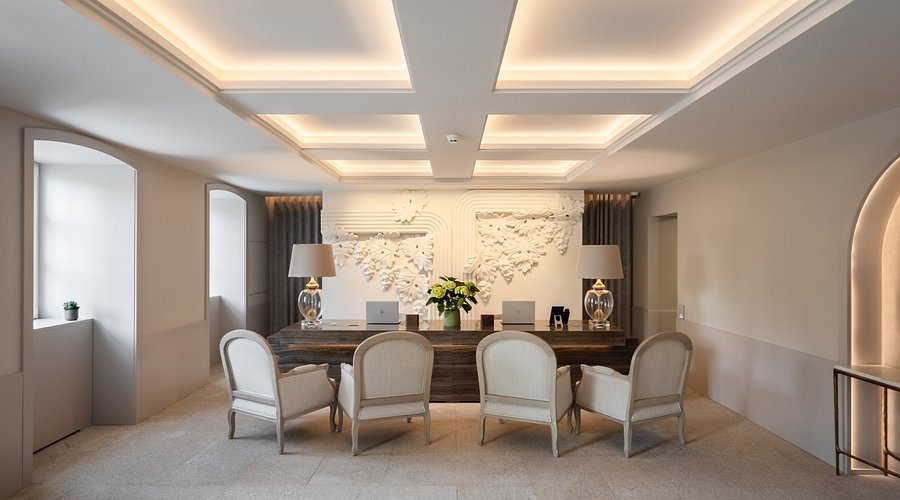
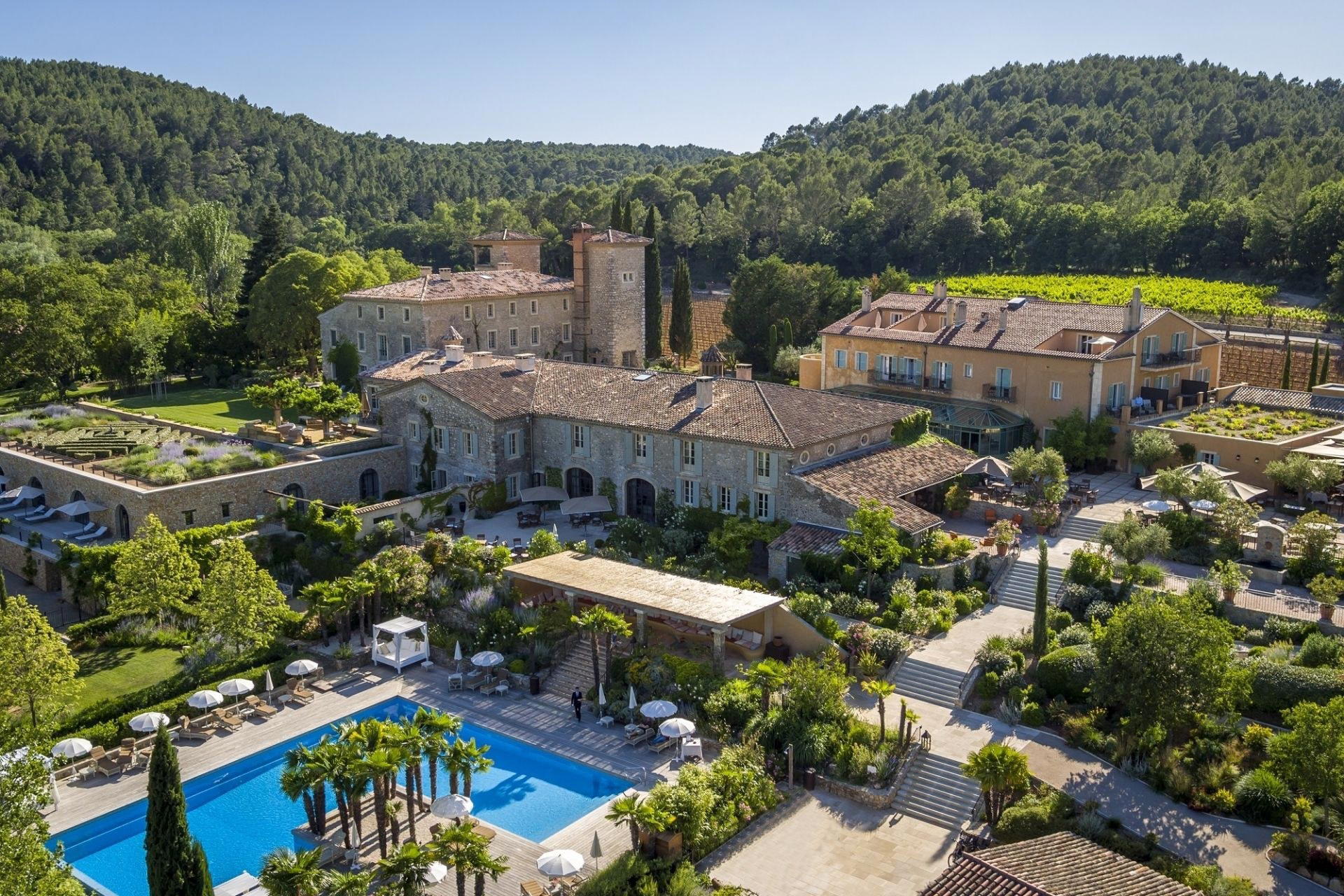
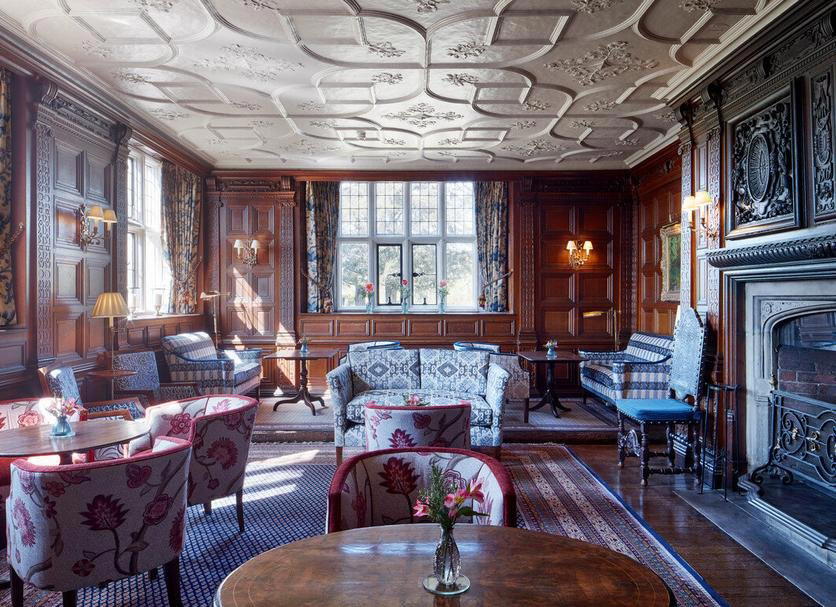
Casa da Calçada presents itself as a living piece of Baroque architecture. The 16th‑century manor sits on the riverbank opposite Amarante’s medieval bridge, and the hotel’s proportions, ornamental language and relationship to formal garden space shape the guest experience as much as its interiors. The writing emphasizes a respectful integration of historic fabric and hospitality: stone façades, a baroque silhouette and carefully framed views across the Tâmega create a composed, historically rooted atmosphere that favors contemplative moments over flash or theatrical modernism.
Best For
This hotel is best for travelers who prize architectural history and a quietly scenic riverside setting — romantic getaways, anniversaries and couples on honeymoon are obvious fits. It also serves weekend escape itineraries from Porto, with the A4 motorway making the property accessible by car in under ten minutes from the junction for Amarante Este. Guests who want a central base for exploring Amarante’s medieval heart and the São Gonçalo bridge will find the location particularly convenient.
Stay Tips
Practicalities matter here: the text stresses that a car is the practical choice for most guests (the nearest train station is 16 kilometres away) and gives clear driving directions from Porto via the A4, junction 17 for Amarante Este. Porto Airport is about 60 kilometres away, while Lisbon is much farther. Expect a balance of serious preservation and attentive hospitality — plan travel logistics in advance, and allow time on arrival to approach the property on foot and take in the riverside setting.
Venue details
Ambiance
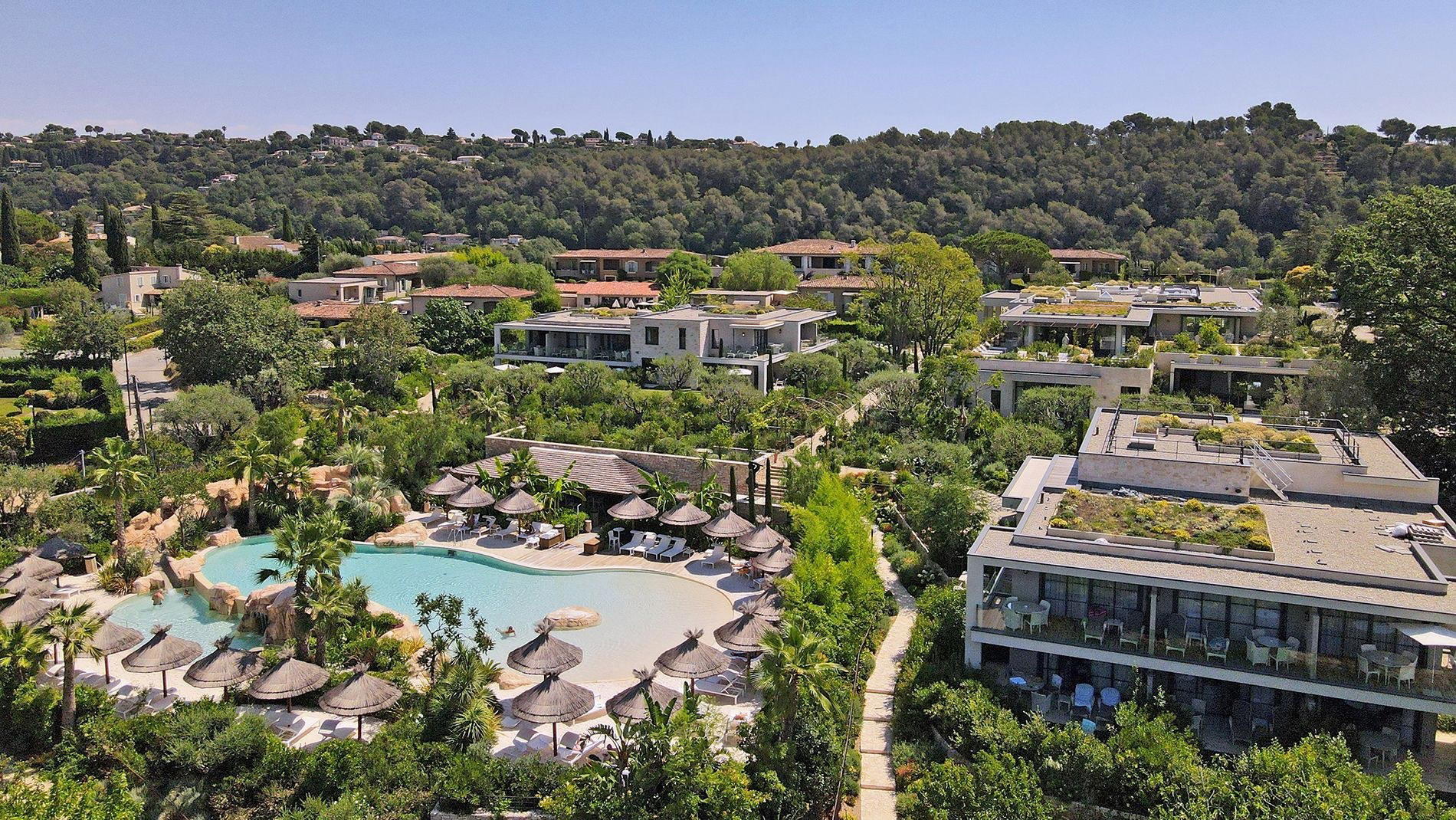
Serene and elegant with peaceful gardens, river views, and a tranquil spa atmosphere featuring soft lighting and luxurious comfort.
Tags
Vibe
Best For
Experience
Amenities
View
Accessibility
About the Stay
- Rooms
- 35
- Check-in
- 15:00
- Check-out
- 12:00
- Property Style
- Historic 16th Century Manor Blending Baroque Grandeur with Modern Luxury
- Design Style
- Contemporary Classic Minimalist
Know before you go
Know Before You Go
- Getting there
- Largo do Paço 6, 4600-017 Amarante
Planning details
Location
Recognition and awards

Also consider
Also Consider
- Quinta de São Bernardo Winery & Farmhouse, Notable alternative
- Six Senses Douro Valley, Notable alternative
- Torel Royal Court, Notable alternative
- The Wine House Hotel - Quinta da Pacheca, Notable alternative
- Douro Valley - Casa Vale do Douro, Notable alternative
Hotel context
How It Compares
Casa da Calçada is the more town-focused choice: book it when Amarante is the base and a quieter historic setting matters more than vineyard programming. Quinta de São Bernardo Winery & Farmhouse and The Wine House Hotel - Quinta da Pacheca make more sense for travellers who want the stay to revolve around wine country.
For a higher-service wellness splurge, Six Senses Douro Valley is the stronger cross-shop, though it shifts the trip away from Amarante and toward resort mode. Torel Royal Court is the one to compare if the brief is design-led Portugal rather than a specific Amarante stay.
If value and simplicity matter more than formal recognition, Douro Valley - Casa Vale do Douro is worth checking as a lower-key alternative. Casa da Calçada is the recommendation when the reader wants the Amarante address, easier logistics in town, and the reassurance of Relais Chateaux and MICHELIN Guide hotel recognition.
Explore Amarante
Around this place
Discover more on Pearl
Unlock the full Casa da Calçada guide in Pearl, including awards, comparisons, FAQs, planning details, and nearby places.
Compare Casa da Calçada
| Venue | Location | Awards |
|---|---|---|
| Casa da Calçada | Amarante | 2026 Relais Chateaux Hotels2025 Michelin Selected Hotels2025 Relais Chateaux Award |
| Quinta de São Bernardo Winery & Farmhouse | Mesão Frio | World Travel Awards 20252025 Michelin 1 Key |
| Six Senses Douro Valley | Lamego | 2026 Forbes Recommended2026 Virtuoso Luxury Hotel Collection2026 Mr & Mrs Smith Luxury Hotels2026 La Liste Top HotelsConde Nast Gold List 20262025 Michelin 2 Keys |
| Torel Royal Court | Guimaraes | Tablet Hotels Top 40 New Hotels 2025 · #292025 Michelin Selected Hotels |
| The Wine House Hotel - Quinta da Pacheca | Lamego | 2025 Michelin 1 Key |
| Douro Valley - Casa Vale do Douro | Cambres | No published awards |








How Casa da Calçada Amarante compares with similar nearby venues.
FAQ
Frequently Asked Questions
Do loyalty programs work at Casa da Calçada?
Information regarding loyalty programs is not available. The clearest trust signals are the Relais Chateaux Award (2026) and MICHELIN Guide, Hotels Selected (2025).
When is the best time to book Casa da Calçada?
A specific booking window is not available. If your dates in Amarante are fixed, check availability directly and compare the stay with other relevant options before committing.
What is check-in like at Casa da Calçada?
How is the pool and spa at Casa da Calçada?
Details about pool or spa facilities are not available. If those amenities matter to the stay, confirm the current facilities and access terms directly before booking.
Which room category is best at Casa da Calçada?
Specific room-category details are not available. Choose based on the rate, the amount of time you expect to spend at the property, and any specific features Casa da Calçada confirms directly.
Is Casa da Calçada good for business travel?
Information on business-travel facilities is not available. It may still be relevant if your plans are tied to Amarante, but confirm any meeting, workspace, or arrival needs directly before booking.