

Torel Royal Court
historic center, Guimaraes
Hotel in Guimaraes, Portugal
 Book with Pearl
The Read
1827 Palatial Residency
Why go
Book Torel Royal Court if the Guimarães trip needs a polished, low-friction hotel for a celebration or calm business stay. It has 2025 recognition from Tablet Hotels and the MICHELIN Guide, but dining details are not strong enough to make the restaurant the reason to stay.
About Torel Royal Court
Torel Royal Court is a hotel in Guimaraes with two 2025 recognition points: Tablet Hotels Top 40 New Hotels #29 and a MICHELIN Guide hotel selection. For a traveler comparing places to stay, those are the clearest reasons to put it on a shortlist for a Guimaraes stay. The recognition does not, by itself, define the entire guest experience, but it does give the property a firmer place in the local hotel conversation.
If dining is central to the trip, use our full Guimaraes restaurants guide first, then decide whether Torel Royal Court is the right base. In other words, treat the hotel as a lodging choice with recognized hotel credentials, not as a restaurant-led destination unless you have checked the current details directly.
A recognized Guimaraes hotel to shortlist
Book Torel Royal Court for its hotel recognition rather than for assumptions about dining, amenities, or a particular on-property format. The most useful signals are its Guimaraes location, smart-casual dress code, Tablet Hotels Top 40 New Hotels placement, and MICHELIN Guide hotel selection in 2025. Together, those details are enough to justify further research, especially if you want a stay in Guimaraes that has appeared on more than one recognized hotel radar. They are not, however, a substitute for checking the practical elements that shape a stay day to day.
This is the right kind of listing to approach with a clean planning hierarchy. First, decide whether Guimaraes is the correct base for the trip. Next, decide whether the recognition attached to Torel Royal Court matches the level of hotel you are seeking. Finally, confirm any details that would change the booking decision, such as the room type you want, the services you expect, or whether dining will play a major role in your itinerary. That approach keeps the decision practical while avoiding assumptions about features that may matter to your trip.
For broader planning, compare it with our full Guimaraes hotels guide and pair the stay with our full Guimaraes experiences guide. If you are weighing other named hotel options, consider Casa da Calçada, Maison Albar - Amoure, Quinta de Silvalde, The Lince Braga, or The Lince Santa Clara as separate comparisons. Those comparisons should be made on the same terms: location, recognition, practical fit, and the details that matter to your stay.
Know Before You Go
- Venue: Torel Royal Court.
- Location: Guimaraes.
- Dress code: Smart casual.
- Dining call: do not book solely for a restaurant, cuisine, chef, or menu format unless the hotel confirms the current setup directly.
- Recognition: Tablet Hotels Top 40 New Hotels #29 and MICHELIN Guide hotel selection in 2025.
Before booking, confirm practical details directly with the hotel if your stay depends on room type, amenities, dining, accessibility, family needs, business facilities, or loyalty benefits. This is especially important when a booking decision turns on something more precise than general hotel recognition. A direct confirmation gives you a clearer sense of whether Torel Royal Court fits the exact shape of your Guimaraes trip.
Planning details
- Location
- R. de Camões 106, 4810-442 Guimarães
- Website
- torelroyalcourt.com
- Phone
- +351 253 144 110
The take
The Take
The Vibe
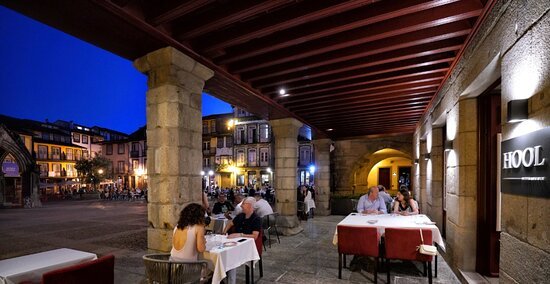
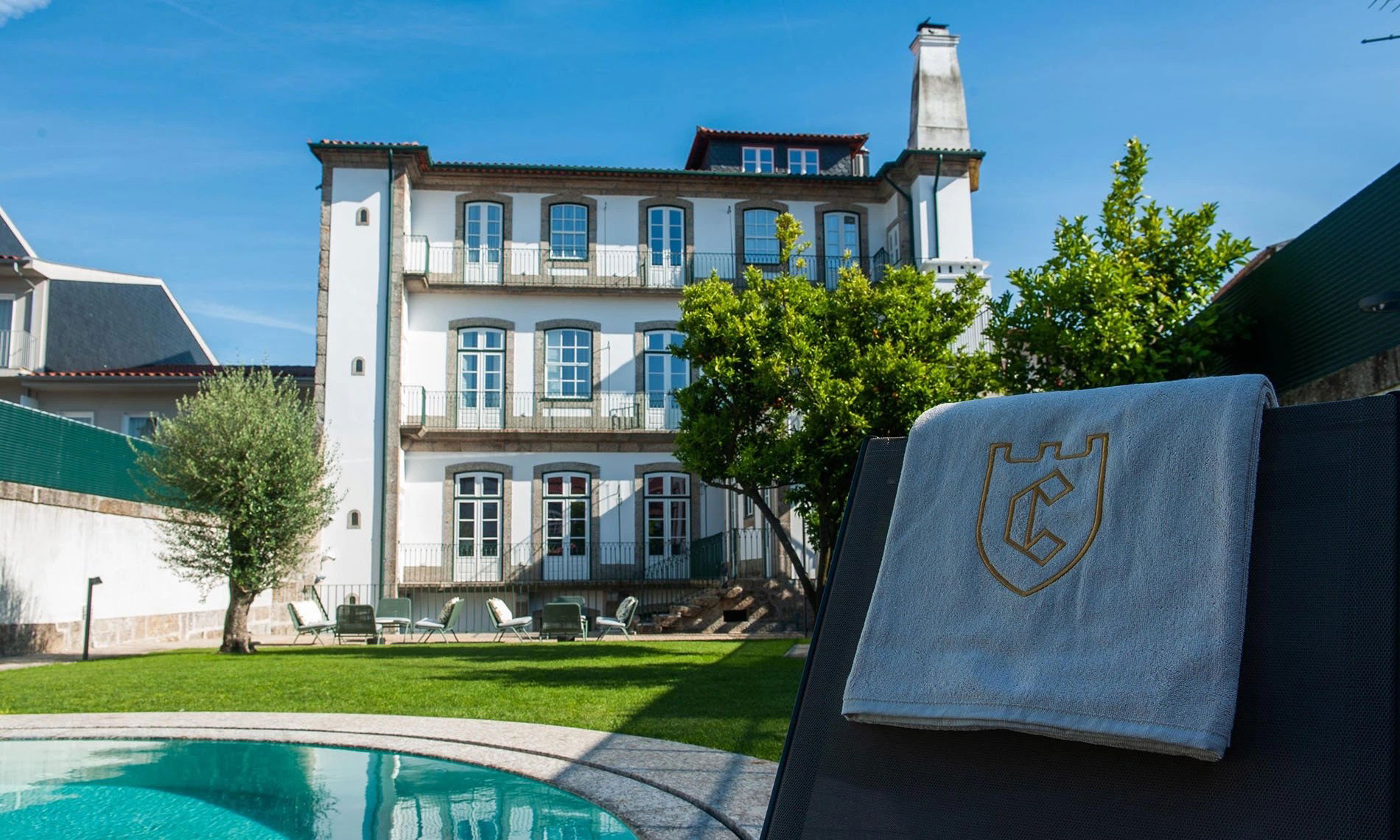
Torel Royal Court reads first as a nineteenth‑century palácio and second as a hotel. The property leans into original materials and proportions: thick stone walls, symmetrical façades and high ceilings that announce civic permanence rather than contemporary minimalism. Situated inside Guimarães’s UNESCO‑listed medieval centre, the stay feels embedded in history—the masonry, restrained ornament and cobbled streets outside all reinforce a sense of place. The hotel’s restoration approach keeps heritage visible, so guests experience an atmosphere shaped by architecture and time rather than by a neutral, modern backdrop.
Best For
This is a stay for travelers who prioritize history and context. Located in the heart of Guimarães’s medieval nucleus, the property suits couples and small parties seeking an intimate, heritage‑forward escape—weekend getaways and anniversary trips fit naturally here. It also appeals to visitors who want to explore the city’s Romanesque chapels, castle and granite lanes on foot; the central address means museums and historic sites are immediately accessible. Guests who want a palatial, contemplative base rather than a trendy, high‑energy hotel will find this place especially fitting.
Stay Tips
Be prepared for a building that preserves historic character rather than erases it: expect thick stone walls, high ceilings and period proportions. The description notes granite‑cobbled lanes in the surrounding streets, so bring comfortable shoes for exploring on foot. Read up on the palácio’s architectural context before arrival to set expectations—this helps you appreciate the way original materials remain in dialogue with contemporary hospitality. Because the property emphasizes heritage integration, plan activities that take advantage of the central, walkable location in Guimarães’s medieval centre.
Venue details
Ambiance
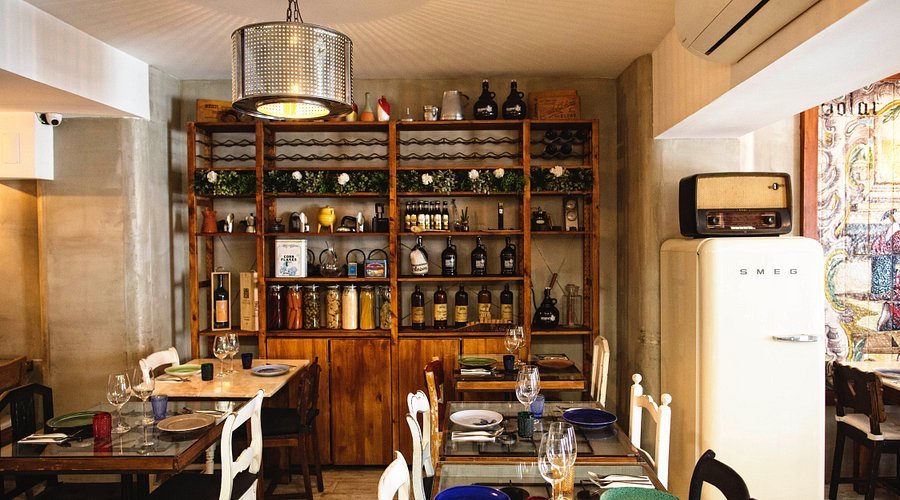
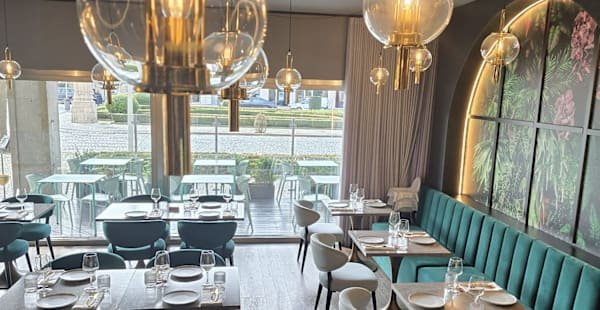
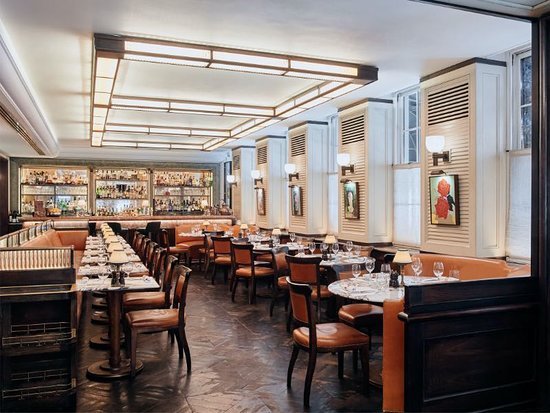
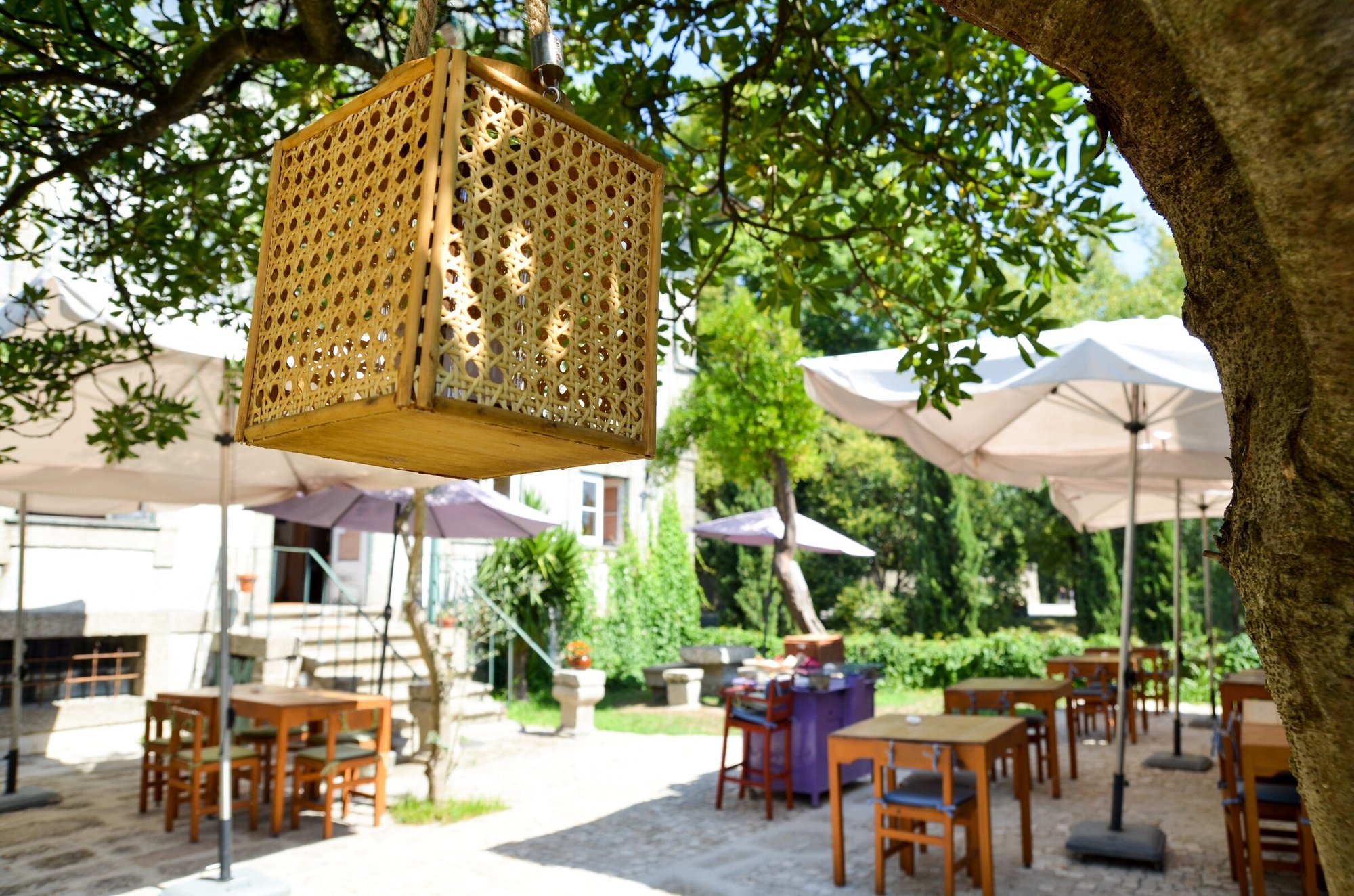
Timeless elegance with modern luxury, serene garden and poolside relaxation, sophisticated sports lounge atmosphere.
Tags
Vibe
Best For
Experience
Amenities
View
Accessibility
About the Stay
- Rooms
- 18
- Check-in
- 16:00
- Check-out
- 12:00
- Property Style
- Renovated 19th Century Urban Palace Blending Timeless Elegance with Modern Luxury.
- Design Style
- Classic Architecture with Sophisticated, Tasteful Luxury Decorations.
Know before you go
Know Before You Go
- Getting there
- R. de Camões 106, 4810-442 Guimarães
Planning details
Location
Recognition and awards

Also consider
Where to Look If This Is Full
If the goal is still a calm northern Portugal stay, try Quinta de Silvalde for a quieter setting or Casa da Calçada for a more classic hotel alternative. If proximity to Braga matters more than staying in Guimarães, The Lince Braga is the cleaner fallback.
Hotel context
How It Compares
Choose Torel Royal Court if Guimarães itself is the priority and easy booking matters. Against The Lince Braga and The Lince Santa Clara, the case is location fit: Torel Royal Court keeps the stay anchored in Guimarães, while the Lince options make more sense when the trip is broader than the city.
For a quieter, more rural-feeling break, Quinta de Silvalde is the better cross-shop. For a more overtly polished hotel detour, compare Maison Albar - Amoure and Casa da Calçada. Torel Royal Court is the practical pick when the win is a composed Guimarães base rather than a destination resort stay.
Explore Guimaraes
Around this place
Discover more on Pearl
Unlock the full Torel Royal Court guide in Pearl, including awards, comparisons, FAQs, planning details, and nearby places.
Compare Torel Royal Court
| Venue | Location | Awards |
|---|---|---|
| Torel Royal Court | Guimaraes | Tablet Hotels Top 40 New Hotels 2025 · #292025 Michelin Selected Hotels |
| The Lince Braga | Braga | No published awards |
| Quinta de Silvalde | Porto | 2026 Michelin 1 KeyMichelin 1 Key 20252025 Michelin 1 Key |
| Maison Albar - Amoure | Braga | No published awards |
| Casa da Calçada | Amarante | 2026 Relais Chateaux Hotels2026 Michelin 2 Keys2025 Michelin Selected Hotels2025 Relais Chateaux Award |
| The Lince Santa Clara | Vila do Conde | No published awards |



How Torel Royal Court Guimaraes compares with similar nearby venues.
FAQ
Frequently Asked Questions
Which room category is best at Torel Royal Court?
Choose a room category based on the space, view, and quiet level you prefer, and confirm those details with the hotel at the time of booking.
Is Torel Royal Court family-friendly?
Do loyalty programs work at Torel Royal Court?
Ask the hotel or booking channel about loyalty-program participation. The main recognition points to weigh are Tablet Hotels Top 40 New Hotels #29 and MICHELIN Guide hotel selection in 2025.
How is the dining at Torel Royal Court?
If dining is important, confirm the current cuisine, restaurant format, menu structure, and pricing directly with the hotel and compare it with other Guimaraes dining options.
Is Torel Royal Court good for business travel?
Torel Royal Court is in Guimaraes and has 2025 hotel recognition, but travellers should confirm any work-related needs directly before booking.