



Banyan Tree AlUla
Ashar Valley, AlUla
Hotel in AlUla, Saudi Arabia
 Book with Pearl
The Read
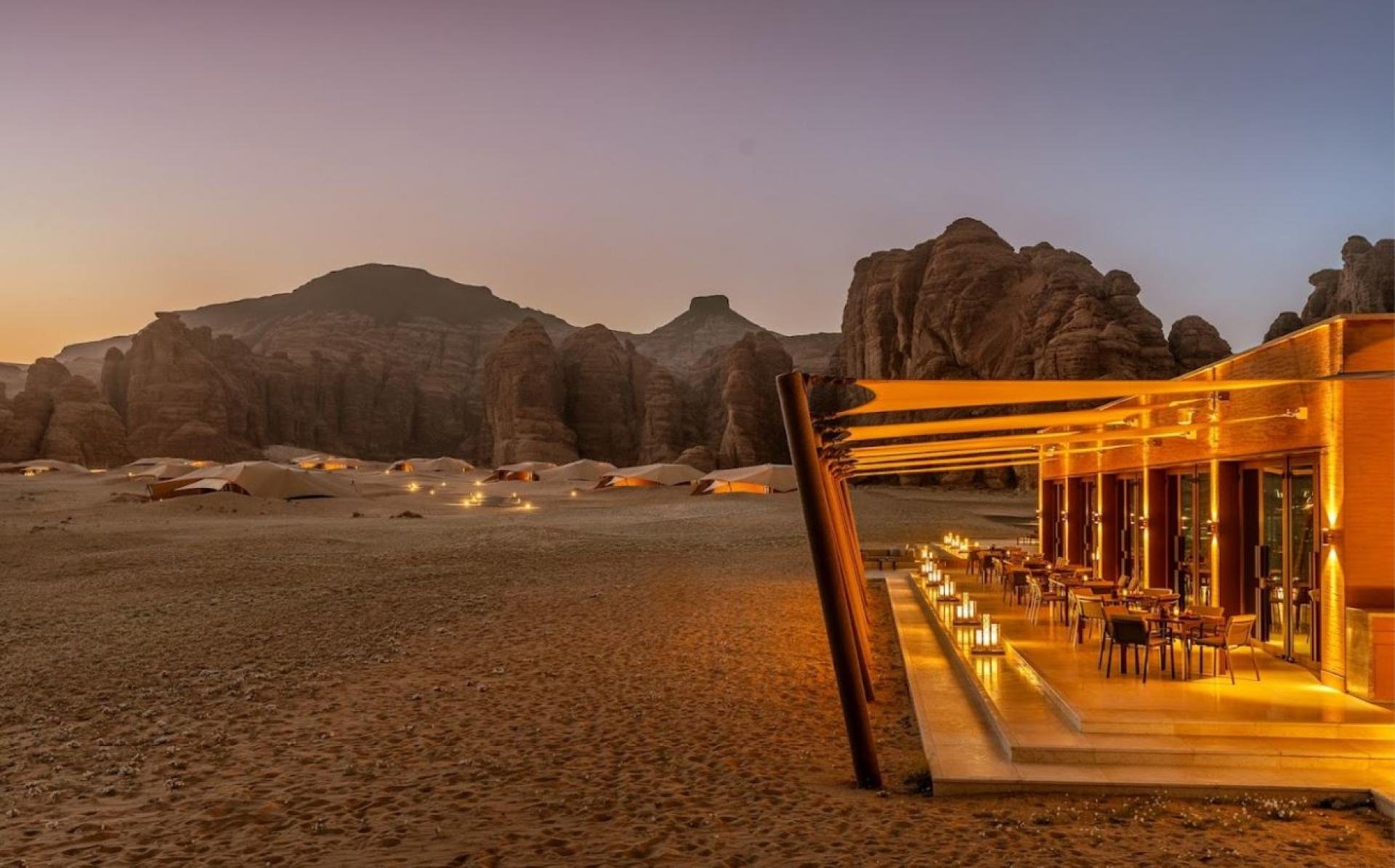
Cliff-Set Desert Villas
Price
$1,500–2,500per night
Why go
Banyan Tree AlUla is the special-occasion pick for travelers who want a polished desert resort base rather than a simple place to sleep. It makes strongest sense for couples and milestone trips in AlUla, with Our Habitas Alula better for a more social stay and Dar Tantora The House Hotel better for heritage character.
About Banyan Tree AlUla
Banyan Tree AlUla is a hotel choice in AlUla with third-party recognition: Michelin 1 Key (2025), La Liste Top Hotels (2026) at 97.5 points, Fodor's Most Incredible Hotels in the World (2026), and Virtuoso Luxury Hotel Partner (2026).
Its strongest appeal lies in that recognition. For travelers comparing hotels for a special stay, Banyan Tree AlUla can be weighed alongside Our Habitas Alula, Dar Tantora The House Hotel, and The Chedi Hegra.
Choose it for a recognized AlUla hotel stay
The profile is simple: Banyan Tree AlUla is in AlUla, has a smart casual dress code, and carries notable hotel recognition from Michelin, La Liste, Fodor's, and Virtuoso.
For trip planning, consider it a hotel to compare carefully rather than as a generic overnight base. If your decision depends on rates, inclusions, transfers, dining, or itinerary logistics, confirm those details directly before booking.
Where it sits against other serious hotel choices
Against The Chedi Hegra, Banyan Tree AlUla is best compared as another high-profile stay with a different hotel identity. Against Dar Tantora The House Hotel, the decision should come down to the kind of hotel experience you want. Our Habitas Alula is also a natural cross-shop for travelers comparing notable stays.
For broader luxury-hotel comparisons, travelers may also look at Miraval The Red Sea - A Virtuoso Preview Property and Nammos Resort AMAALA- A Virtuoso Preview Property, but those are not local substitutes if your trip is fixed around AlUla.
Verdict: consider Banyan Tree AlUla if you want a recognized hotel in AlUla with accolades. Compare it with Our Habitas Alula, Dar Tantora The House Hotel, and The Chedi Hegra if your decision depends on the style of stay rather than awards alone.
Part of
Banyan Tree27 locations on PearlInside Banyan Tree AlUla
Planning details
- Location
- Wadi Ashar Tabuk, Road, Alula 43563
- Website
- banyantree.com/saudi-arabia/alula?goto=fiche_hotel&code_hotel=B850&merchantid=seo-maps-SA-B850&sourceid=aw-cen
- Phone
- +966 14 512 0000
The take
The Take
The Vibe
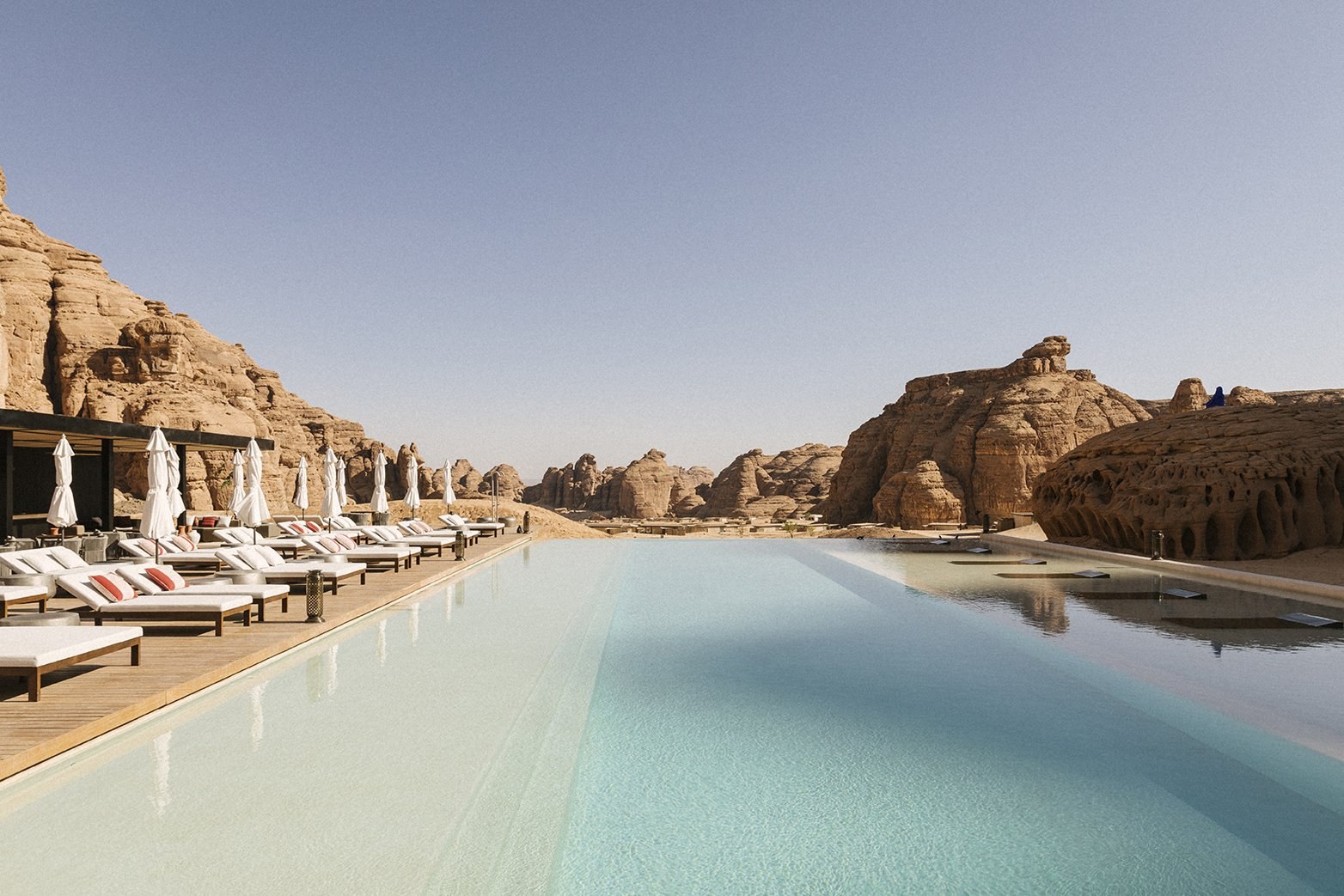
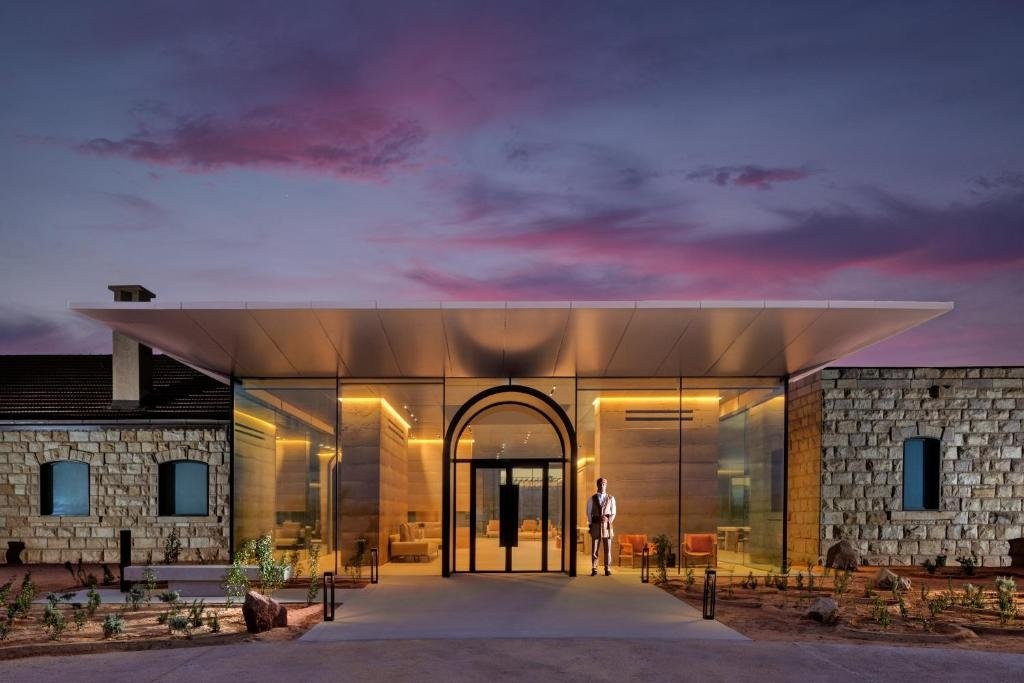
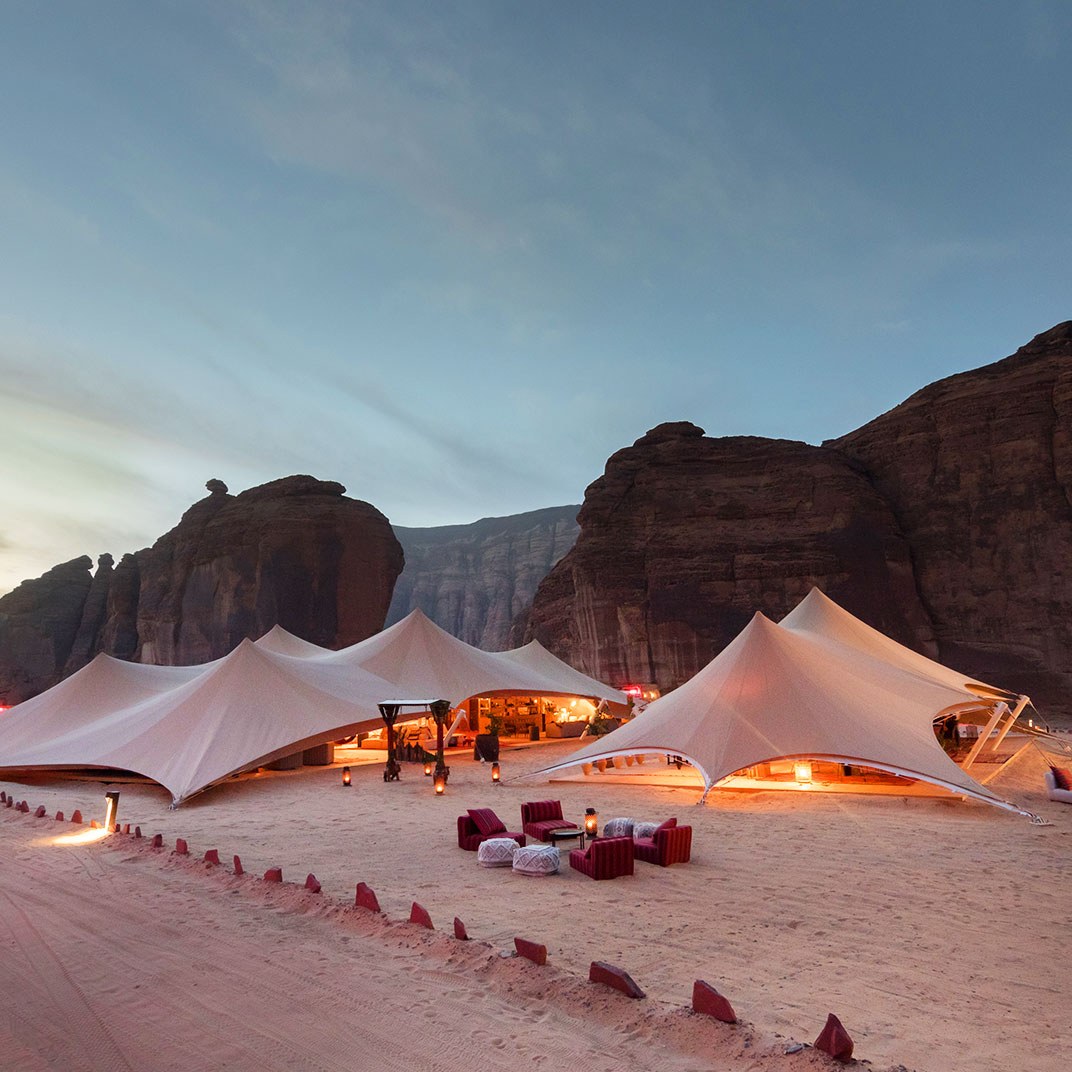
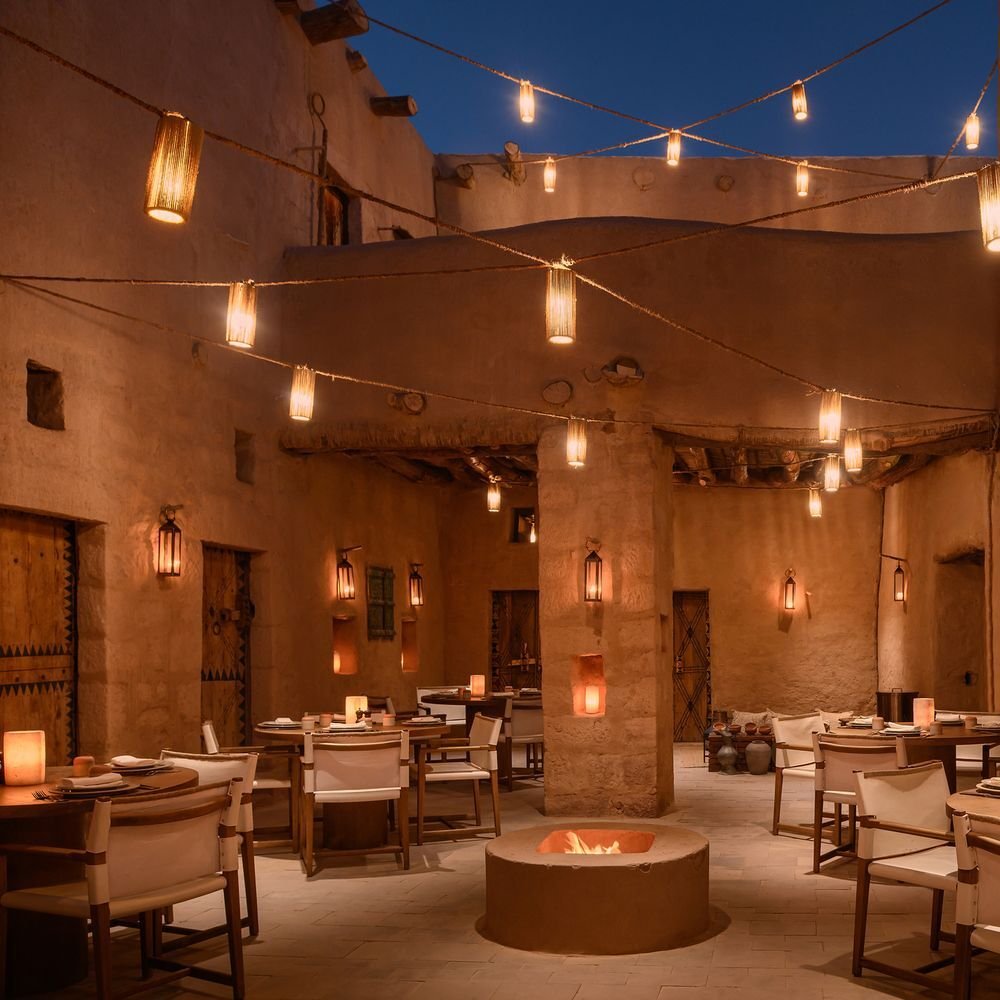
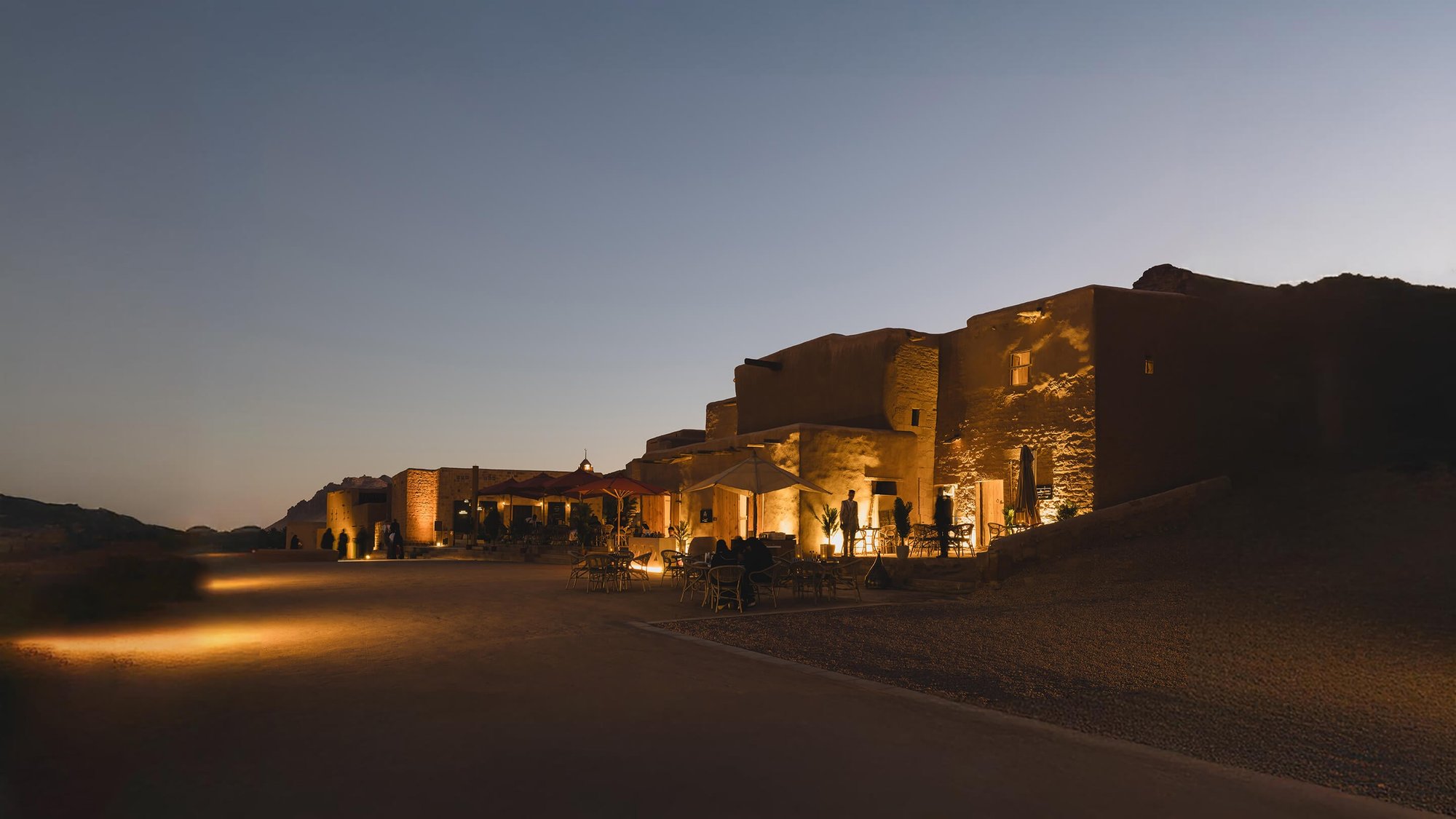
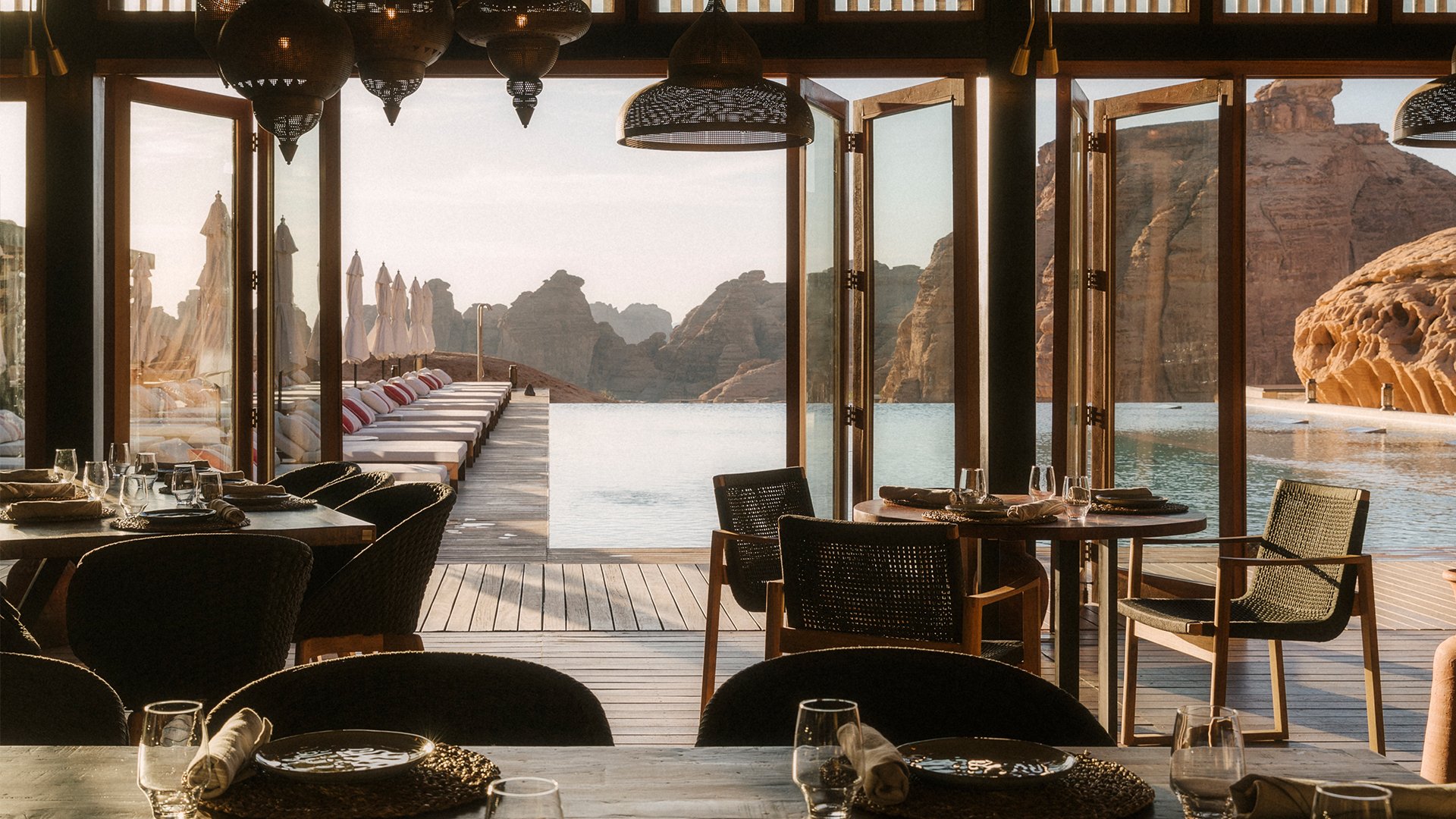
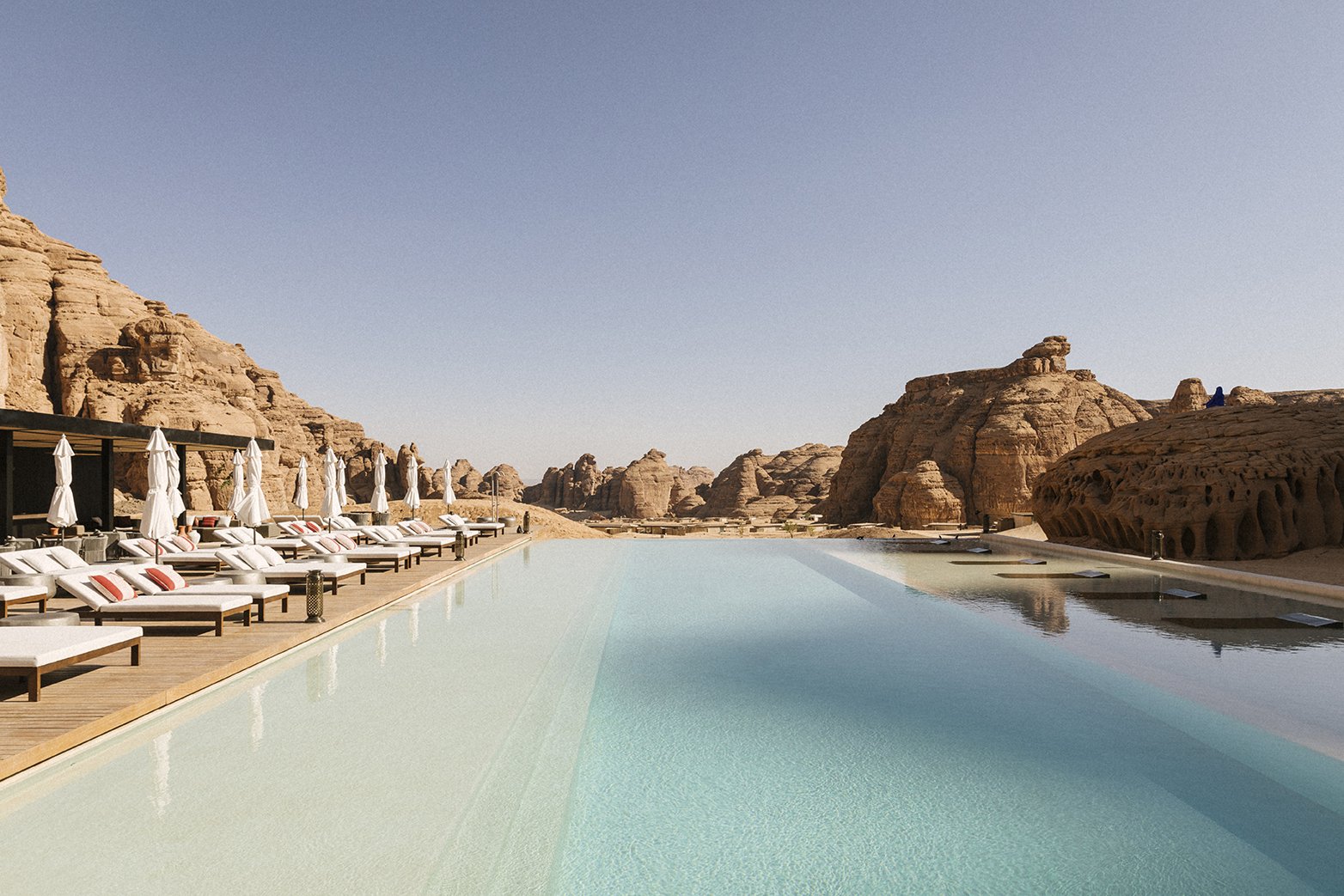
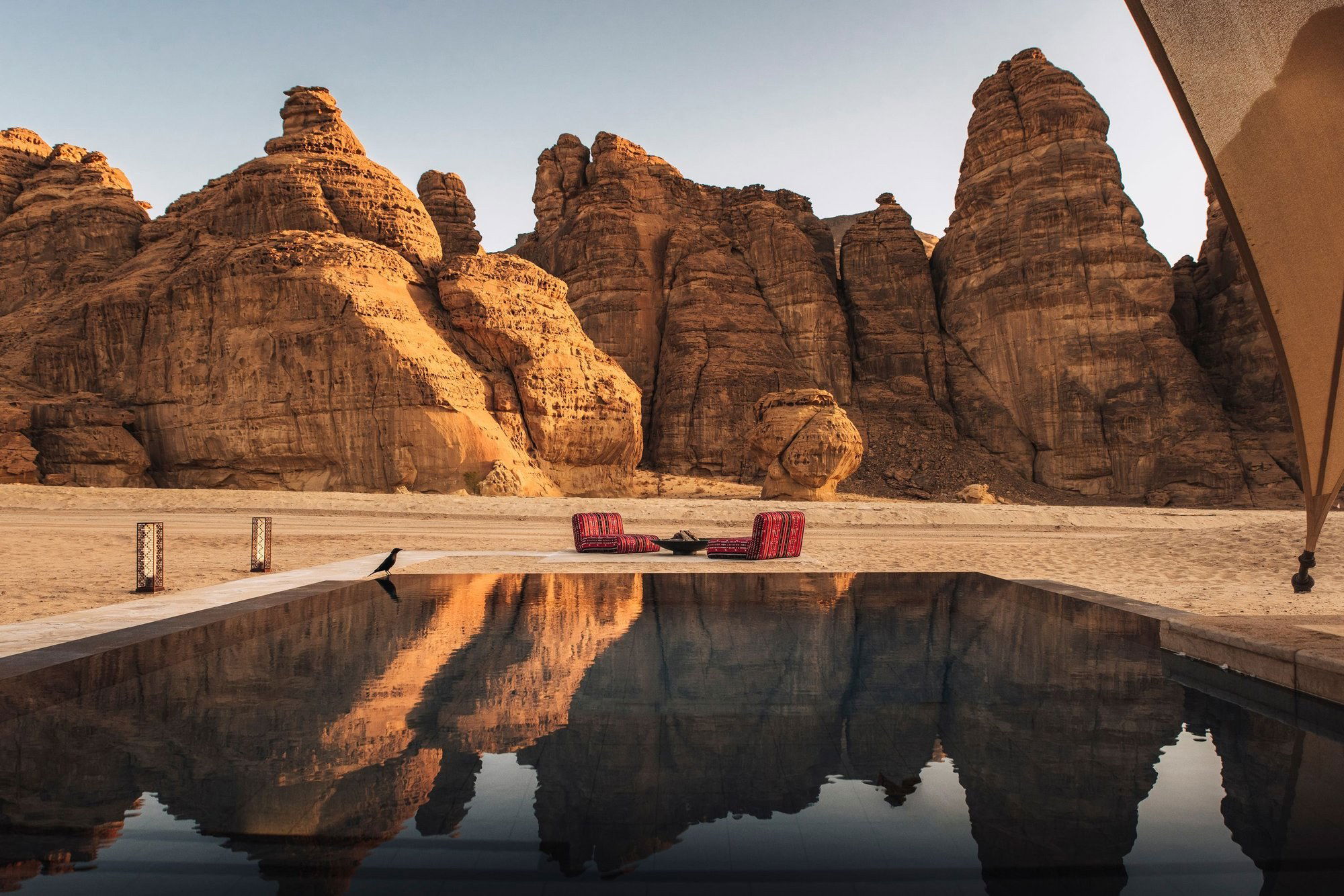
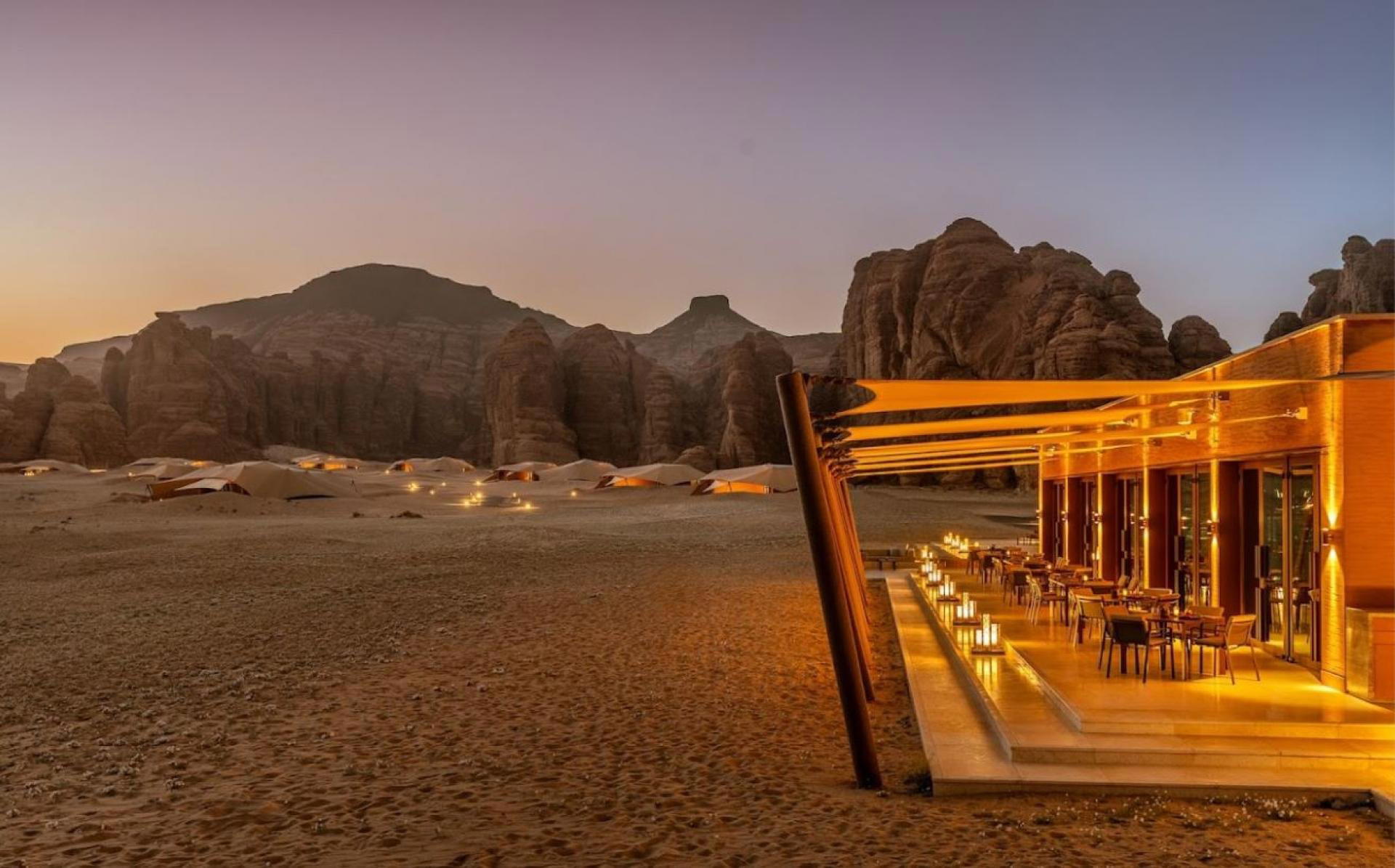
Banyan Tree AlUla presents a quietly dramatic aesthetic that leans into its desert context. The resort reads like a stitched-together village of tent‑like villas set against sheer rose sandstone cliffs, where architecture practices restraint rather than spectacle. The design references travellers’ shelters and classical vernacular, so the property feels both rooted and deliberately low-key. Silence and shifting light are integral to the experience: views of the valley are constant companions, and the place rewards slow observation. The overall effect is scenic and historic with a rustic, considered modernity rather than overt theatricality.
Best For
This resort suits travelers who prize privacy, landscape and cultural context. Couples and honeymooners find the villa configuration and silent valley setting especially appealing, while anyone interested in archaeology and UNESCO heritage will value AlUla’s proximity to Hegra and other ancient sites. The collection of freestanding villas also makes the property a strong choice for guests seeking solitude or a restorative retreat. Banyan Tree AlUla is less about bustling social scenes and more about immersive stays rooted in place and history.
Stay Tips
Book one of the freestanding villas for maximum privacy and to ensure you wake to valley views. Reserve well in advance—the resort is a small village of 47 villas—and plan outdoor time around morning and late‑afternoon light: the sandstone cliffs and shifting light are central to the experience. Bring layers for temperature swings in the desert and allow extra time for excursions to nearby archaeological sites; much of the property’s appeal is its dialogue with the surrounding landscape rather than on‑site entertainment.
Venue details
Ambiance
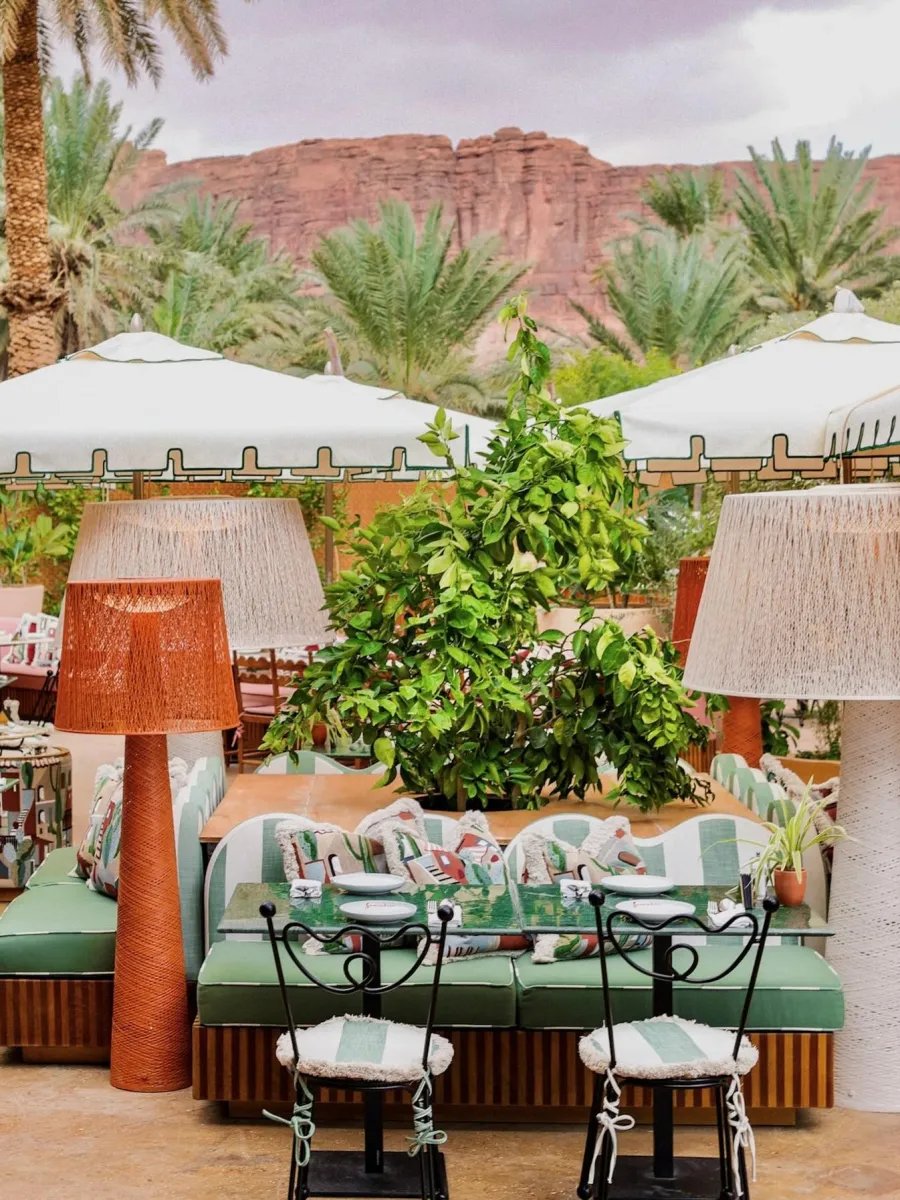
Serene and luxurious atmosphere with natural light-filled spaces, soundproofed villas, and stunning valley views.
Tags
Vibe
Best For
Experience
Amenities
View
Accessibility
About the Stay
- Rooms
- 79
- Check-in
- 12:00
- Check-out
- 12:00
- Property Style
- Luxury Villa Resort Blending Saudi Arabian and Asian Wellness Traditions
- Design Style
- Minimalist Opulent with Compressed Sand Walls, Natural Ventilation, and Tactile Terrazzo Elements
- Airport Transfer
- Available
- Pool
- Yes
- Spa
- Yes
- Cancellation
- Moderate
Know before you go
Know Before You Go
- Getting there
- Wadi Ashar Tabuk, Road, Alula 43563
Planning details
Location
Wadi Ashar Tabuk, Road, Alula 43563 · Directions
Recognition and awards



Also consider
Also Consider
- Our Habitas Alula, Notable alternative
- The Chedi Hegra, Notable alternative
- Dar Tantora The House Hotel, Notable alternative
- Nammos Resort AMAALA- A Virtuoso Preview Property, Notable alternative
- Miraval The Red Sea - A Virtuoso Preview Property, Notable alternative
Hotel context
How Banyan Tree AlUla compares in AlUla
Banyan Tree AlUla is the clearest splurge choice in this set when the stay itself needs to carry the occasion. Our Habitas Alula is the better fit for travelers who want a more social, experience-led desert base, while Dar Tantora The House Hotel makes more sense if old-town atmosphere is the deciding factor.
The Chedi Hegra is the sharper cross-shop for travelers who want a heritage-heavy stay in AlUla. Banyan Tree AlUla has the stronger recognition signal, with Michelin 1 Key in 2025, La Liste Top Hotels 2026 at 97.5 points, Fodor's Most Incredible Hotels in the World 2026, and Virtuoso Luxury Hotel Partner status in 2026. That makes it easier to justify for celebration travel, especially when booking difficulty is expected to be high.
Nammos Resort AMAALA- A Virtuoso Preview Property and Miraval The Red Sea - A Virtuoso Preview Property are better viewed as Saudi resort alternatives rather than direct AlUla substitutes. Choose them if the trip can shift toward the Red Sea; choose Banyan Tree AlUla if the itinerary is anchored around AlUla and the priority is a luxury desert stay with strong external recognition.
Explore AlUla
Around this place
Discover more on Pearl
Unlock the full Banyan Tree AlUla guide in Pearl, including awards, comparisons, FAQs, planning details, and nearby places.
Compare Banyan Tree AlUla
| Venue | Location | Awards |
|---|---|---|
| Banyan Tree AlUla | AlUla | 100 Most Incredible Hotels in the World · 20262026 Virtuoso Luxury Hotel Collection2026 La Liste Top Hotels2026 Michelin 1 Key2025 Michelin 1 KeyMichelin 1 Key 2025 |
| Our Habitas Alula | AlUla | 100 Most Incredible Hotels in the World · 20262026 Virtuoso Luxury Hotel CollectionConde Nast Gold List 20262026 La Liste Top HotelsTatler Best Hotels Middle East 20252025 Michelin Selected Hotels |
| The Chedi Hegra | AlUla | 2026 La Liste Top Hotels2026 Michelin 1 KeyWorld Travel Awards 20252025 Michelin Selected Hotels |
| Dar Tantora The House Hotel | AlUla | 2026 La Liste Top Hotels2026 Michelin 1 Key2025 AFAR Best New Hotels2025 Michelin Selected Hotels |
| Nammos Resort AMAALA- A Virtuoso Preview Property | Al Wajh | No published awards |
| Miraval The Red Sea - A Virtuoso Preview Property | Ḩanak | No published awards |





How Banyan Tree AlUla compares with similar nearby venues.
FAQ
Frequently Asked Questions
When is the best time to book Banyan Tree AlUla?
If your AlUla dates are fixed, confirm the current rate, inclusions, and cancellation terms directly. Banyan Tree AlUla has recognition including Michelin 1 Key (2025) and Virtuoso Luxury Hotel Partner (2026), so it is sensible to plan carefully for a special stay.
What is check-in like at Banyan Tree AlUla?
Is Banyan Tree AlUla good for business travel?
That depends on the trip. Banyan Tree AlUla is a recognized hotel in AlUla. If you need meeting space, work setup, or particular transport arrangements, confirm those details before booking.
How does Banyan Tree AlUla compare to other hotels?
Banyan Tree AlUla has strong third-party recognition, including Michelin 1 Key (2025), La Liste Top Hotels (2026), Fodor's Most Incredible Hotels in the World (2026), and Virtuoso Luxury Hotel Partner (2026). Compare it with The Chedi Hegra, Dar Tantora The House Hotel, and Our Habitas Alula based on the style of stay you want.
Do loyalty programs work at Banyan Tree AlUla?
Banyan Tree AlUla is a Virtuoso Luxury Hotel Partner (2026). If you are comparing booking channels, check the current Virtuoso benefits, direct-booking terms, and any other eligible program details before reserving.