


The Chedi Hegra
Al Hijir District, AlUla
Hotel in AlUla, Saudi Arabia
 Book with Pearl
The Read
Nabataean Proximity Lodging
Price
$500–750per night
Why go
The Chedi Hegra is worth considering for AlUla trips where the hotel setting needs to do serious work: executive hosting, heritage-focused travel, or a high-impact retreat. It is less compelling for routine corporate travel that needs a conventional business-hotel rhythm. Cross-shop Banyan Tree AlUla for resort luxury and Dar Tantora for another heritage-led stay.
About The Chedi Hegra
Is The Chedi Hegra worth booking for an AlUla work trip? It can be, if the reason to stay is the venue itself and its AlUla setting rather than assumptions about a standard corporate-hotel routine. The safest way to evaluate it is by its recognition, location, dress code, and fit against the purpose of the trip.
The basics are direct: The Chedi Hegra is in AlUla, the dress code is smart casual, and the property has been recognized by La Liste Top Hotels (2026) with 95pts, World Travel Awards 2025 as Leading Exclusive Retreat, and MICHELIN Guide Hotels Selected (2025). Before booking, check current details on facilities, room types, dining, prices, services, and business amenities directly with the property.
A recognized AlUla stay, not a generic corporate base
The Chedi Hegra is best considered as an AlUla stay where the destination is part of the reason to book. Do not choose it on assumptions about detailed business facilities, meeting spaces, room categories, dining formats, or wellness amenities.
For travelers comparing stays in AlUla, keep the shortlist focused. Our Habitas Alula and Banyan Tree AlUla are natural alternatives to compare, while Dar Tantora The House Hotel is another relevant option. The right choice depends on current availability, rates, and the details confirmed by each property at the time of booking.
Book it when the destination is part of the work
The Chedi Hegra makes the most sense when the AlUla setting is central to the trip. If the stay is mainly about standard business logistics, confirm practical details directly before committing, including workspace needs, transport arrangements, meal plans, and any schedule-sensitive services.
Recognition from La Liste, World Travel Awards, and the MICHELIN Guide hotel selection gives the property credible hotel validation. Still, the decision should remain practical: book it for an AlUla stay with strong recognition, not for assumptions about facilities or service formats.
Travelers who cannot secure the right dates should keep the AlUla shortlist tight. Dar Tantora The House Hotel, Our Habitas Alula, and Banyan Tree AlUla are the most relevant named comparisons. For planning beyond hotels, use the AlUla restaurants guide and confirm current dining plans directly with each venue.
Planning details
- Location
- 5617, Dist, Madain Salih 43541
- Website
- ghmhotels.com/en/the-chedi-hegra
- Phone
- +966 14 821 4900
The take
The Take
The Vibe
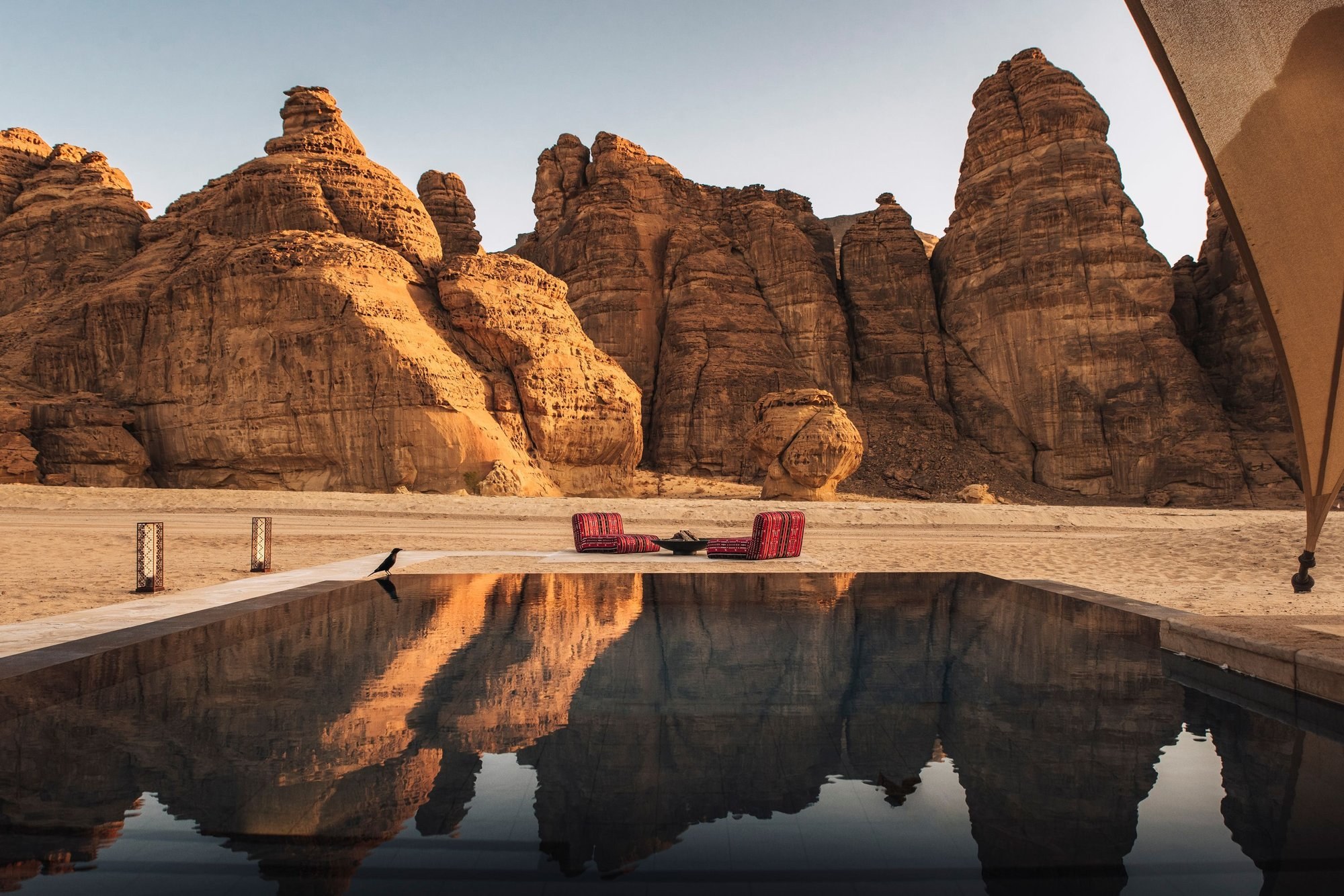
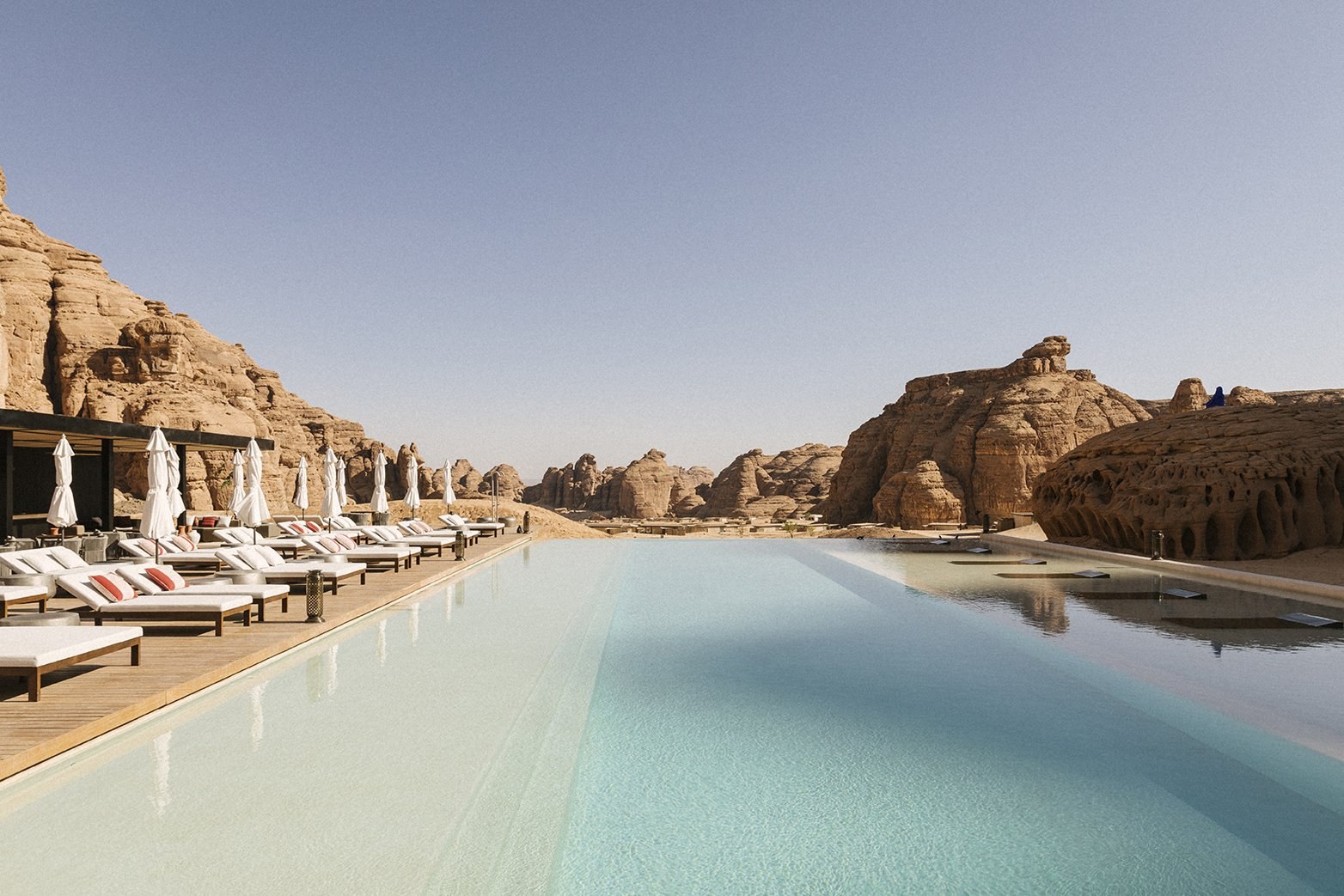
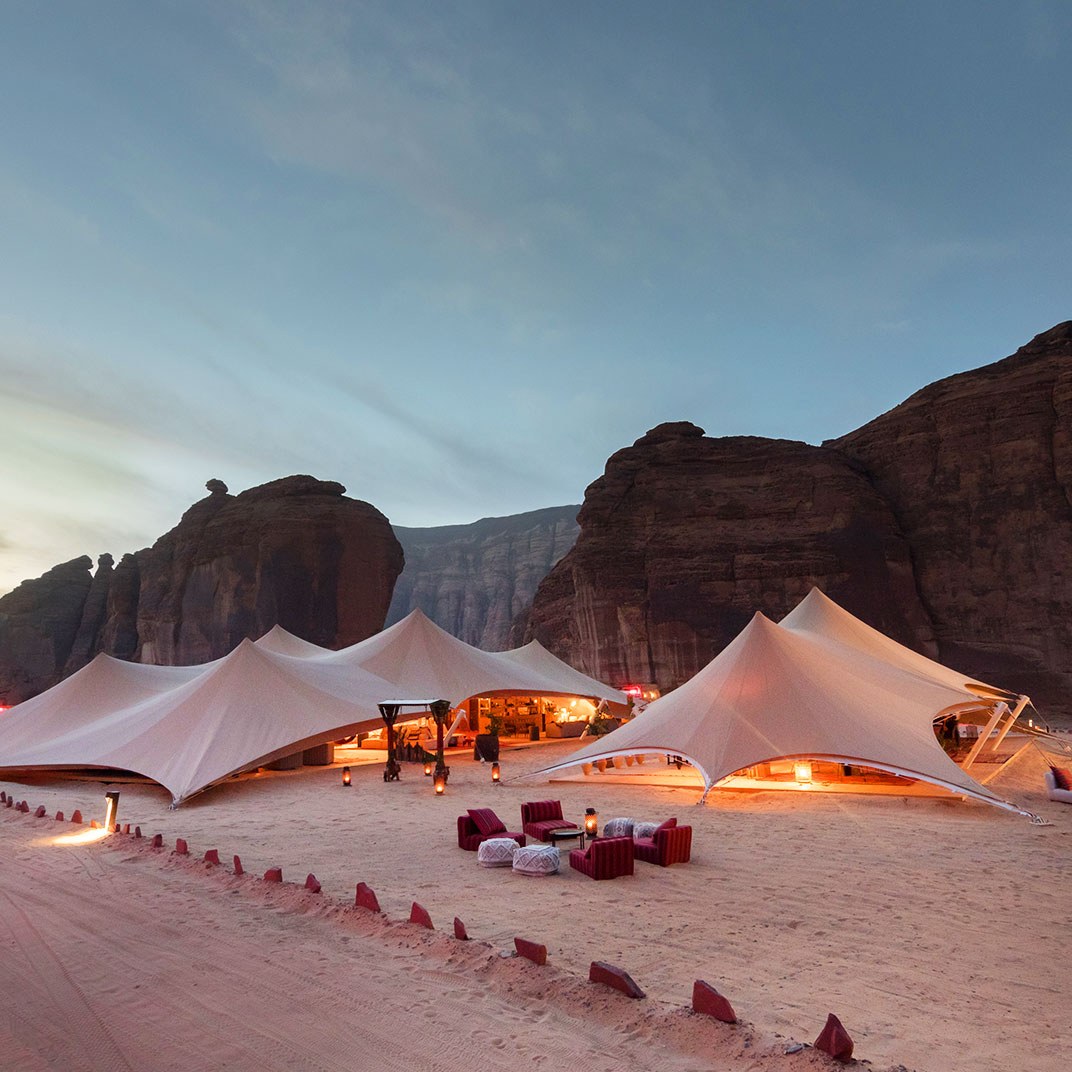
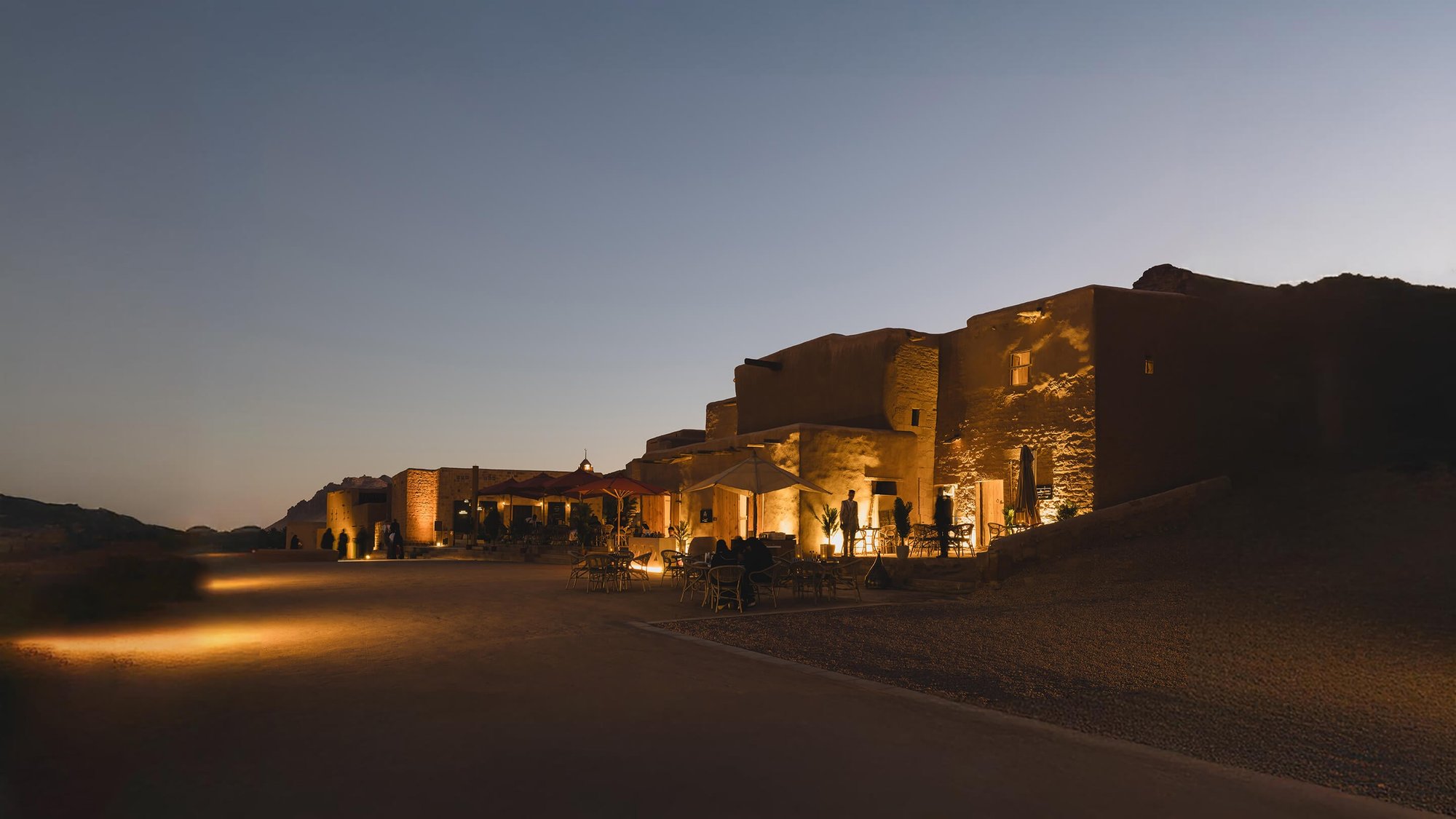
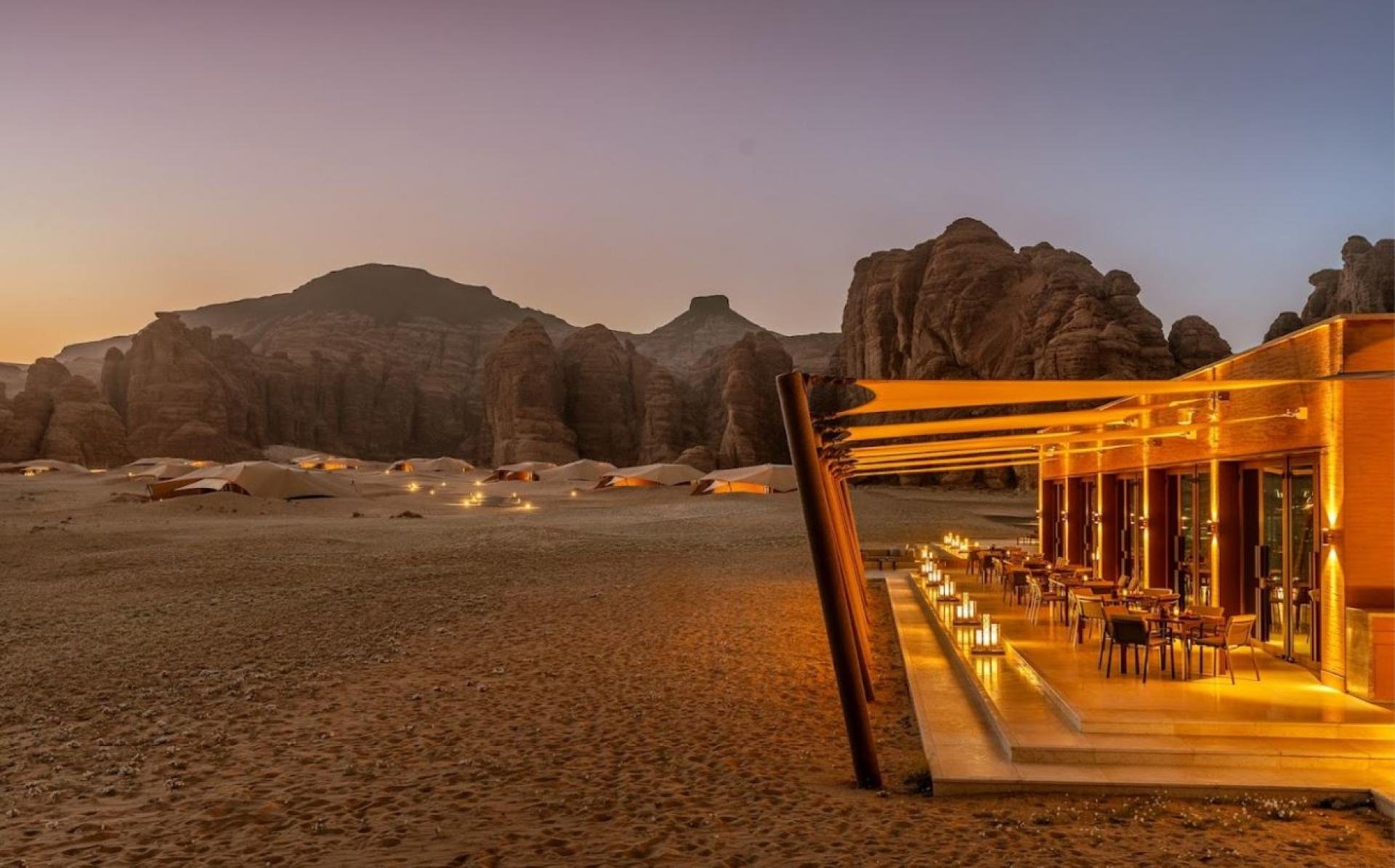
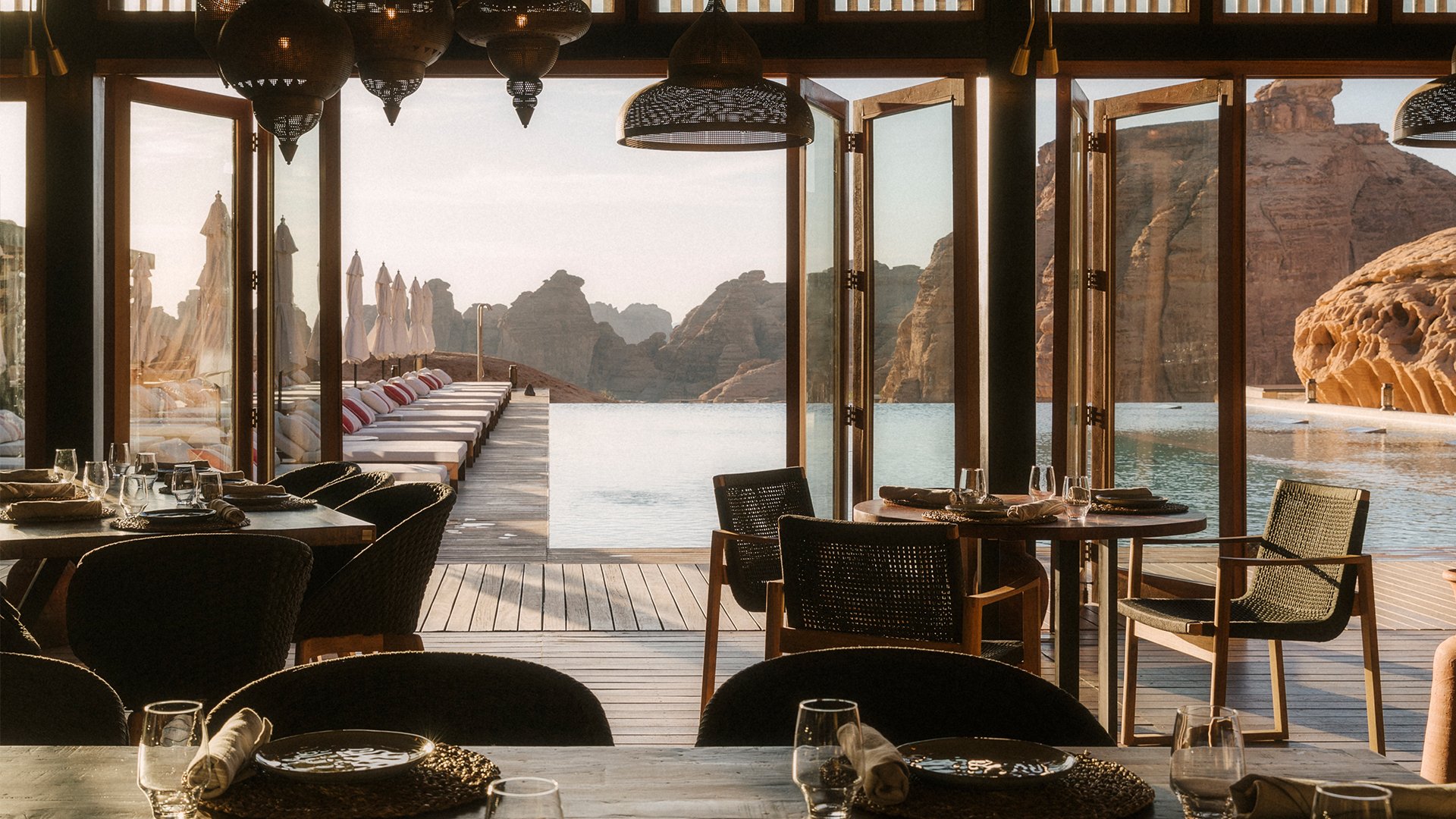
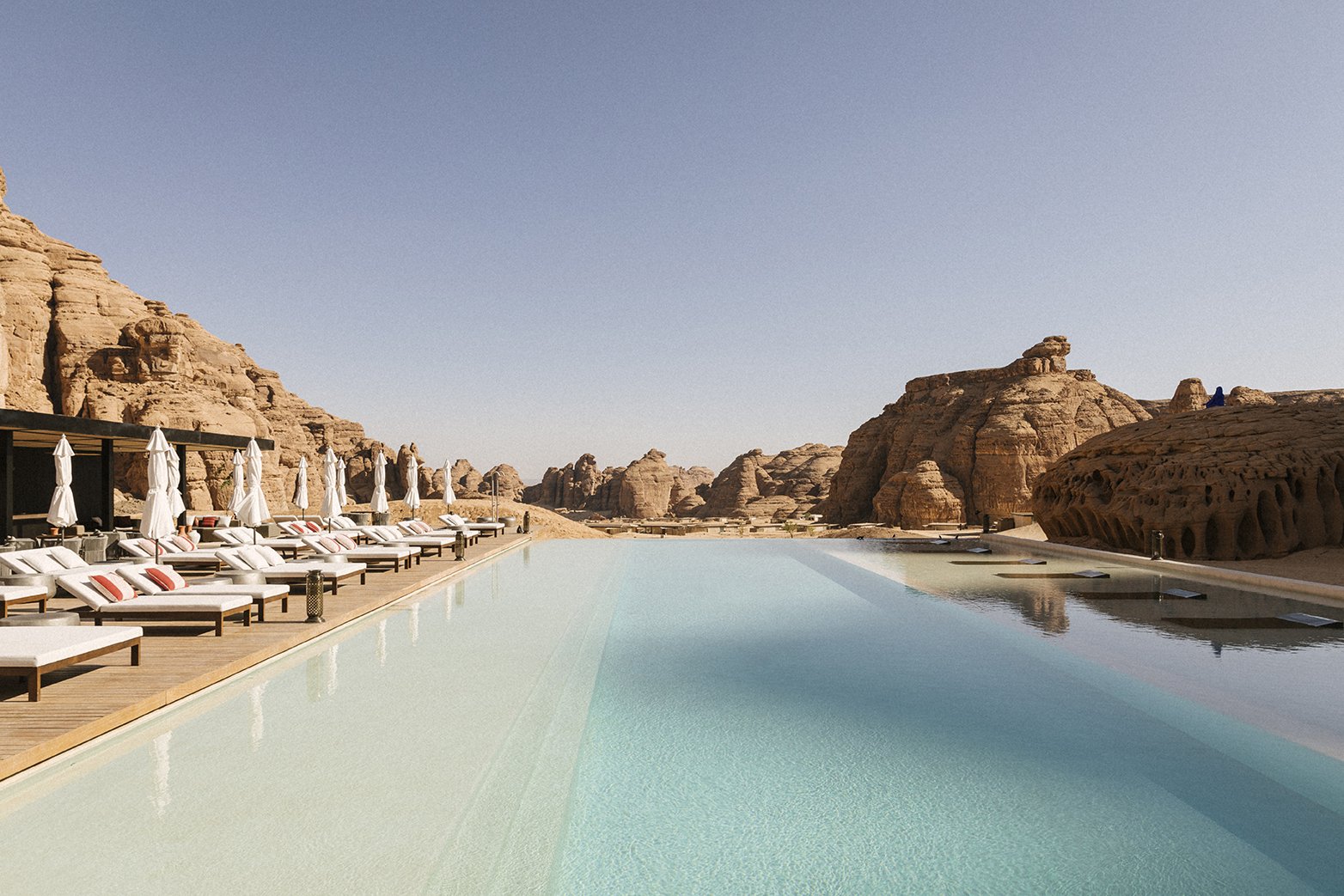
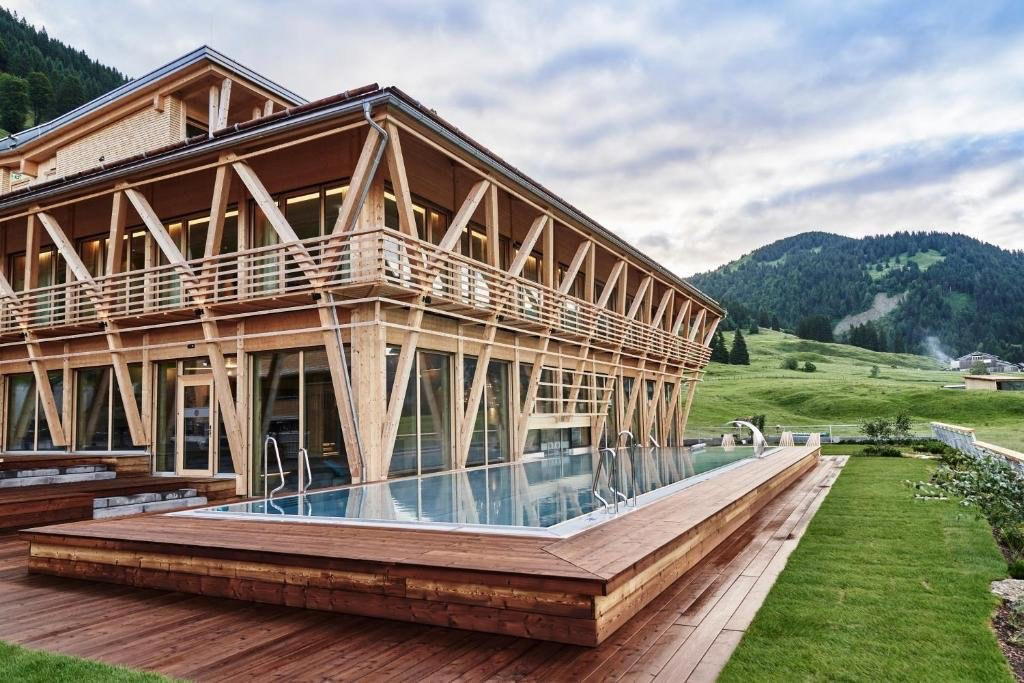
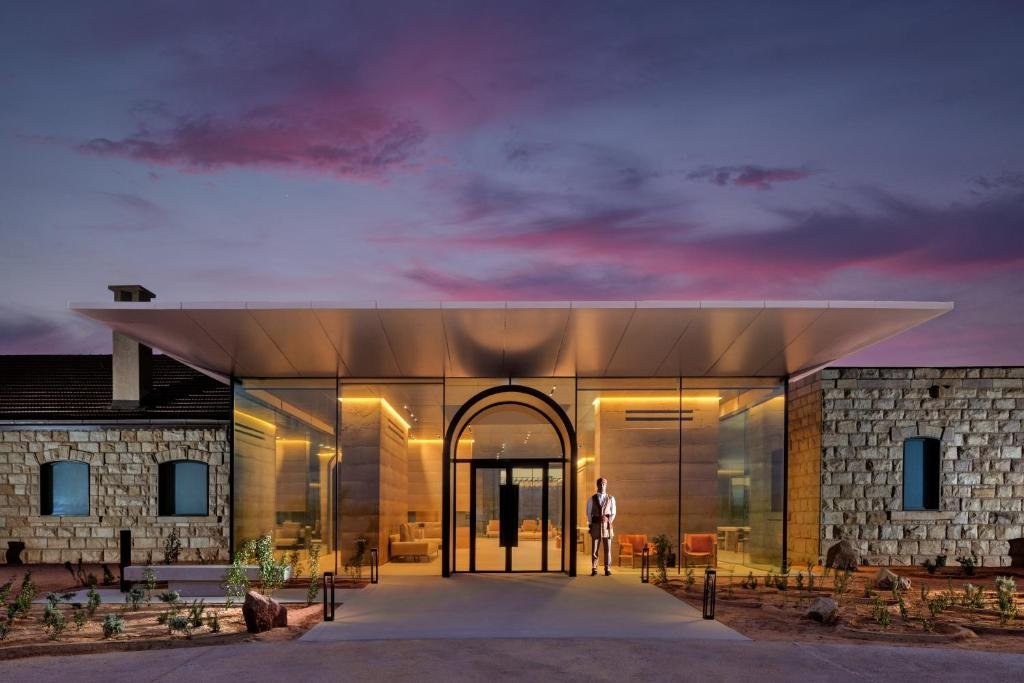
The Chedi Hegra reads as a restrained, site-led desert retreat. Architecture is low-slung and horizontal, intentionally minimizing volume so the building recedes against rust-colored sandstone outcrops. Materials are drawn from the local palette, which lends a quietly rustic texture, while proximity to the Hegra rock formations focuses sightlines outward. The result is a calm, serene property that emphasizes landscape and silence over theatrical interior gesture: a place that privileges subtle, minimalist composition and the ancient setting rather than demanding attention on its own behalf.
Best For
This hotel is best for travelers who prioritize direct access to Hegra and a deeply site-specific relationship with the landscape. Guests who value immersion in archaeology, photographers seeking immediate rock‑formation vistas, and design-minded visitors who appreciate restrained, locally grounded architecture will find the property especially rewarding. Its placement 'inside the archaeological zone' also suits visitors who want to maximize time at the ruins without daily transit, making it a practical choice for focused exploration and quiet, contemplative stays.
Venue details
Ambiance
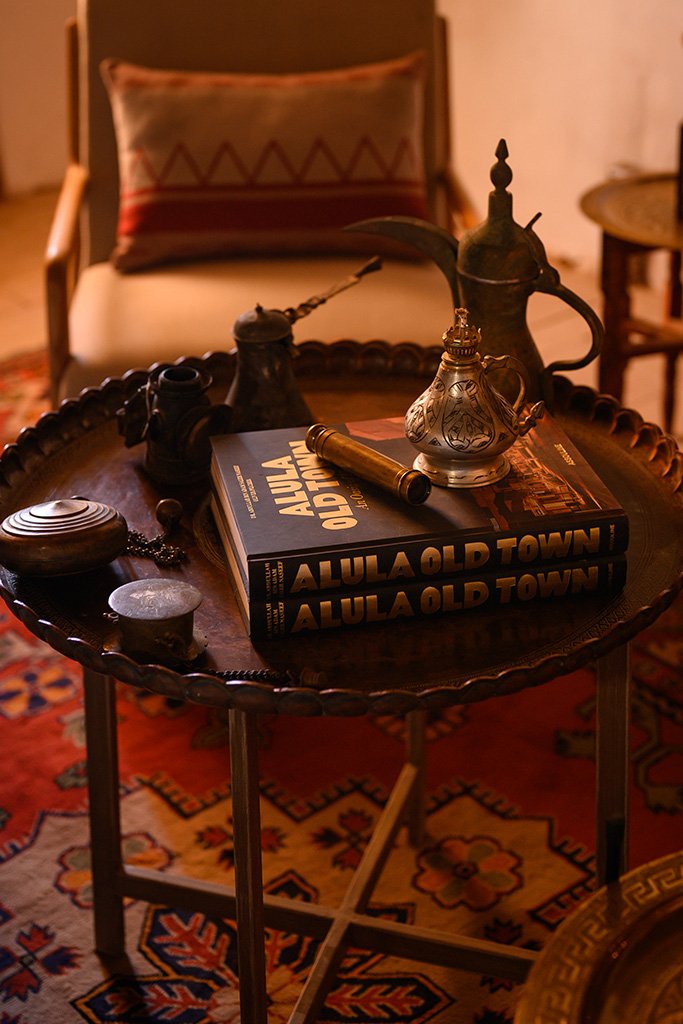
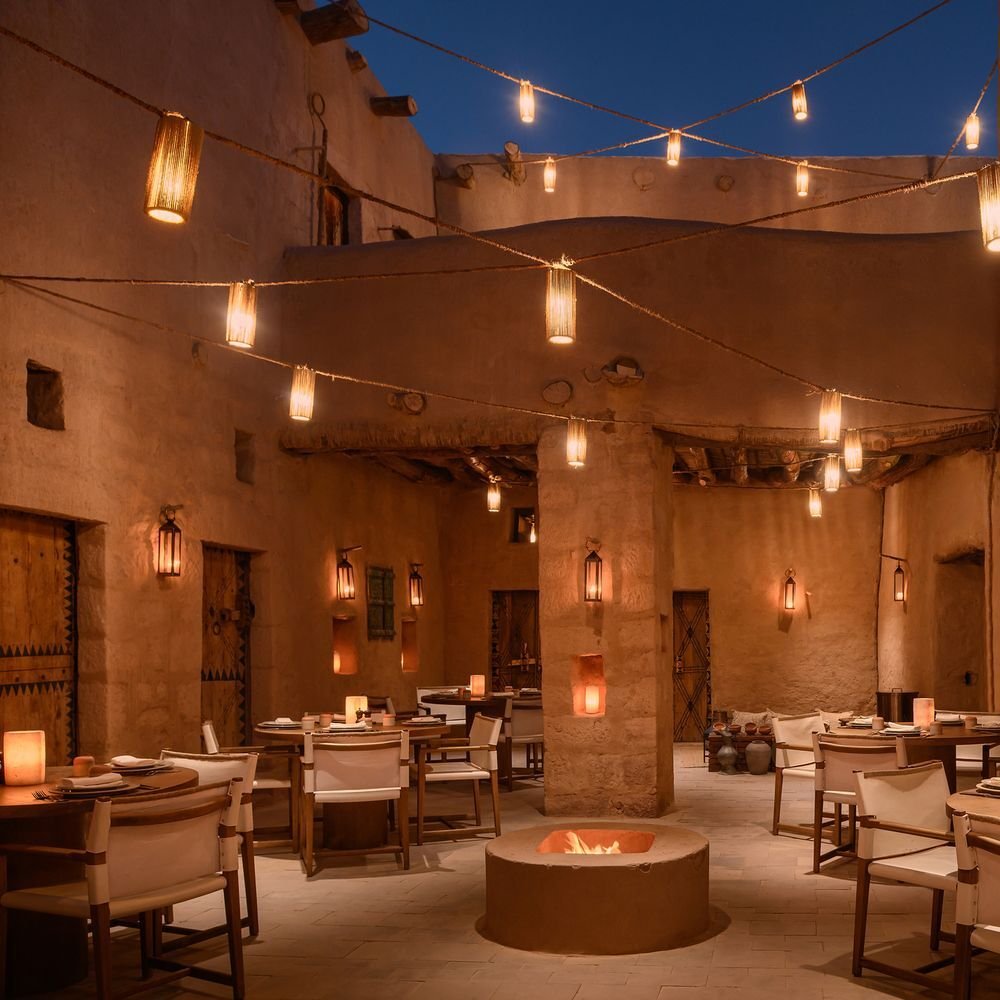
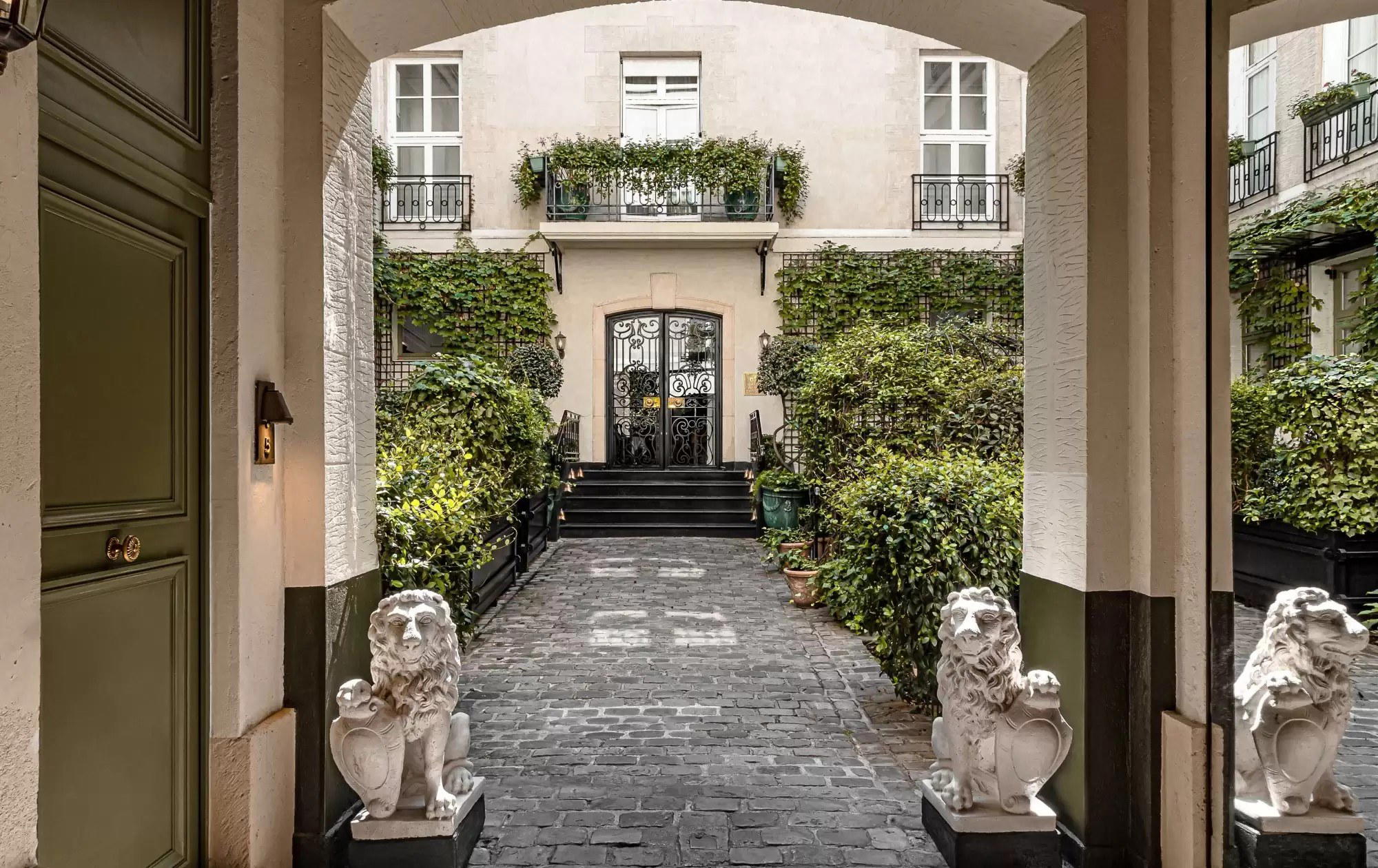
Subdued, warm lighting with high-quality natural materials throughout; stone walls, arched thresholds, and leather-bound lamps create an intimate, historically-grounded atmosphere with contemporary luxury touches.
Tags
Vibe
Best For
Experience
Amenities
View
Accessibility
About the Stay
- Rooms
- 35
- Check-in
- 14:00
- Check-out
- 12:30
- Property Type
- Heritage hotel
- Property Style
- Contemporary Luxury Integrated Within Historic Railway Station Architecture, Blending Arabian Opulence with Asian Elegance and Unesco World Heritage Site Preservation.
- Design Style
- Modern Design with Traditional Saudi Craftsmanship; Stone Walls, Arched Thresholds, Leather Bound Lamps, Smart Lighting and Climate Controls, Natural Fiber Textures, and Desert Facing Terraces.
- Breakfast
- Included
- Airport Transfer
- Available
- Pool
- Yes
- Spa
- Yes
- Families
- Welcome
- Cancellation
- Strict
Know before you go
Know Before You Go
- Getting there
- 5617, Dist, Madain Salih 43541
Planning details
Location
Recognition and awards


Also consider
Also Consider
- Our Habitas Alula, Notable alternative
- Banyan Tree AlUla, Notable alternative
- Dar Tantora The House Hotel, Notable alternative
- Nammos Resort AMAALA- A Virtuoso Preview Property, Notable alternative
- Miraval The Red Sea - A Virtuoso Preview Property, Notable alternative
Hotel context
How it compares in AlUla
Our Habitas Alula is the easier pick for travelers who want a relaxed desert-resort feel with a social, wellness-leaning atmosphere. The Chedi Hegra is the more serious choice for heritage weight and client-facing impact, especially when the stay itself needs to justify the trip. For value, Our Habitas Alula may make more sense if the priority is downtime rather than a high-significance setting.
Banyan Tree AlUla is the cleaner cross-shop for travelers who want a luxury-resort frame in AlUla. Choose Banyan Tree AlUla if spa time, resort ease, and a softer leisure rhythm matter more. Choose The Chedi Hegra if the trip is built around Hegra, cultural context, and a more destination-specific sense of occasion. Dar Tantora The House Hotel is the more direct alternative for a heritage-first stay, and it should be on the shortlist when atmosphere matters more than resort breadth.
Nammos Resort AMAALA- A Virtuoso Preview Property and Miraval The Red Sea - A Virtuoso Preview Property are not AlUla substitutes; they belong to a different Red Sea trip logic. Cross-shop them only if the decision is Saudi destination luxury rather than AlUla specifically. For an AlUla itinerary, keep the comparison focused on The Chedi Hegra, Banyan Tree AlUla, Our Habitas Alula, and Dar Tantora.
Explore AlUla
Around this place
Discover more on Pearl
Unlock the full The Chedi Hegra guide in Pearl, including awards, comparisons, FAQs, planning details, and nearby places.
Compare The Chedi Hegra
| Venue | Location | Awards |
|---|---|---|
| The Chedi Hegra | AlUla | 2026 La Liste Top Hotels2026 Michelin 1 KeyWorld Travel Awards 20252025 Michelin Selected Hotels |
| Our Habitas Alula | AlUla | 100 Most Incredible Hotels in the World · 20262026 Virtuoso Luxury Hotel CollectionConde Nast Gold List 20262026 La Liste Top HotelsTatler Best Hotels Middle East 20252025 Michelin Selected Hotels |
| Banyan Tree AlUla | AlUla | 100 Most Incredible Hotels in the World · 20262026 Virtuoso Luxury Hotel Collection2026 La Liste Top Hotels2026 Michelin 1 Key2025 Michelin 1 Key |
| Dar Tantora The House Hotel | AlUla | 2026 La Liste Top Hotels2026 Michelin 1 Key2025 AFAR Best New Hotels2025 Michelin Selected Hotels |
| Nammos Resort AMAALA- A Virtuoso Preview Property | Al Wajh | No published awards |
| Miraval The Red Sea - A Virtuoso Preview Property | Ḩanak | No published awards |






How The Chedi Hegra AlUla compares with similar nearby venues.
FAQ
Frequently Asked Questions
Do loyalty programs work at The Chedi Hegra?
Do not assume a loyalty-program benefit unless your booking channel confirms it. The Chedi Hegra's public profile includes its AlUla location, smart casual dress code, MICHELIN Guide Hotels Selected 2025 recognition, La Liste Top Hotels (2026): 95pts, and World Travel Awards 2025 Leading Exclusive Retreat recognition. If loyalty benefits matter, compare current booking terms with Banyan Tree AlUla and Our Habitas Alula before you decide.
Is The Chedi Hegra family-friendly?
The Chedi Hegra is in AlUla, and the dress code is smart casual. If you are planning a family stay, ask the property directly about room setup, age policies, dining arrangements, and any family services before booking. Our Habitas Alula and Banyan Tree AlUla are also worth comparing for current family-stay details.
When is the best time to book The Chedi Hegra?
Choose dates based on your AlUla itinerary, availability, and the hotel's current booking terms. If your dates are fixed, compare The Chedi Hegra with Banyan Tree AlUla and other AlUla options before you commit.
Which room category is best at The Chedi Hegra?
Choose a room category only after reviewing the latest information from the hotel or your booking channel. For a stay in AlUla, compare room details, rates, and cancellation terms with Dar Tantora The House Hotel and other relevant options.
How does The Chedi Hegra compare to nearby hotels?
Choose The Chedi Hegra if its AlUla setting and hotel recognition are the main draw: MICHELIN Guide Hotels Selected 2025, La Liste Top Hotels (2026): 95pts, and World Travel Awards 2025 Leading Exclusive Retreat. Our Habitas Alula, Banyan Tree AlUla, and Dar Tantora The House Hotel are the most relevant named comparisons, but final choice should depend on current availability and property details.
Is The Chedi Hegra good for business travel?
It may work for business travel when the AlUla stay itself is part of the purpose of the trip. If you need specific business facilities or meeting amenities, confirm practical requirements directly before booking. If you need a different hotel setup in AlUla, compare current details with Banyan Tree AlUla and Our Habitas Alula.