Bobo, the bar behind the restaurant, debuts Wednesday, July 8, adding a back-room drink option before or after dinner. Mohajir's first weeks over wood fire come before the kitchen has settled into a technique the chef had not used before this restaurant (Eater1).
Why Muhājir restaurant in Chicago belongs on your July list
Muhājir matters because Mohajir has tied the restaurant to his own surname. In Arabic and Urdu, muhājir means one who migrates, and the restaurant uses historical spice routes to frame that word through dinner rather than through wall text. The route Mohajir traces runs from Portugal through the Mediterranean and the Levantine region, then through Basra, the Persian Gulf, and southern India (Eater2).
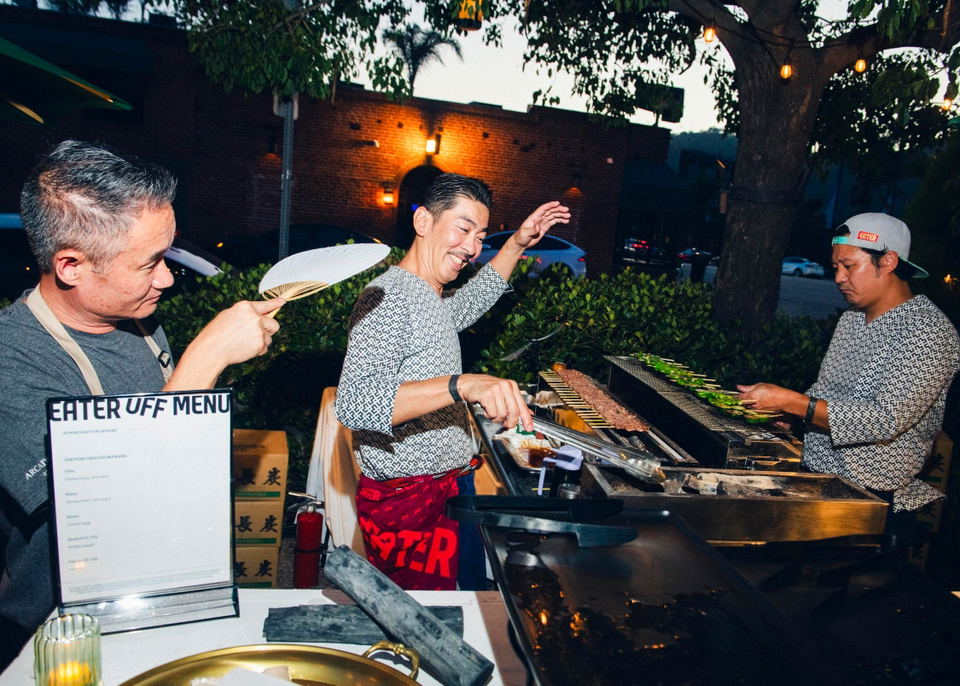
That gives the restaurant a narrower brief than the usual global-small-plates opening. Muhājir is not asking you to graze through disconnected dishes. The menu follows cumin, coriander, cardamom, vinegar, fish sauce, rice, duck, and fire across borders. The appeal is the through-line. The menu may feel too directed for diners who prefer a list of hits. Muhājir is built around dinner with a thesis.
The stronger comparison is to Mohajir's own past work. He previously opened Lilac Tiger, Mariela, Mirra, and Sarima, and he spent five years at Coach House exploring ancient recipes from southern Spain and southern Portugal. Muhājir takes that historical research out of the tasting-menu lane and into a shared wood-fired format. Compared with those previous tasting-menu-focused ventures, this should be better for a table that wants to order broadly and pass plates, but less suited to diners who want a chef-controlled sequence from first bite to final course (Eater2).
That format also changes the group calculus. A shared wood-fired menu gives four people a better chance to see the range of the kitchen than two people ordering cautiously. A date at Muhājir works best when both diners want smoke, spice, and a fairly specific historical frame. For a small group of food obsessives, Muhājir is the stronger play.
The 927-year-old duck dish is the anchor
The preparation gives the duck a purpose beyond the backstory. The restaurant takes a whole duck, butchers it, and dry-ages the crown for seven days. The wings become jus and the legs become confit. The crown goes over the fire at the start of service and finishes in the brasa. The restaurant has a view of ducks hanging over the fire.
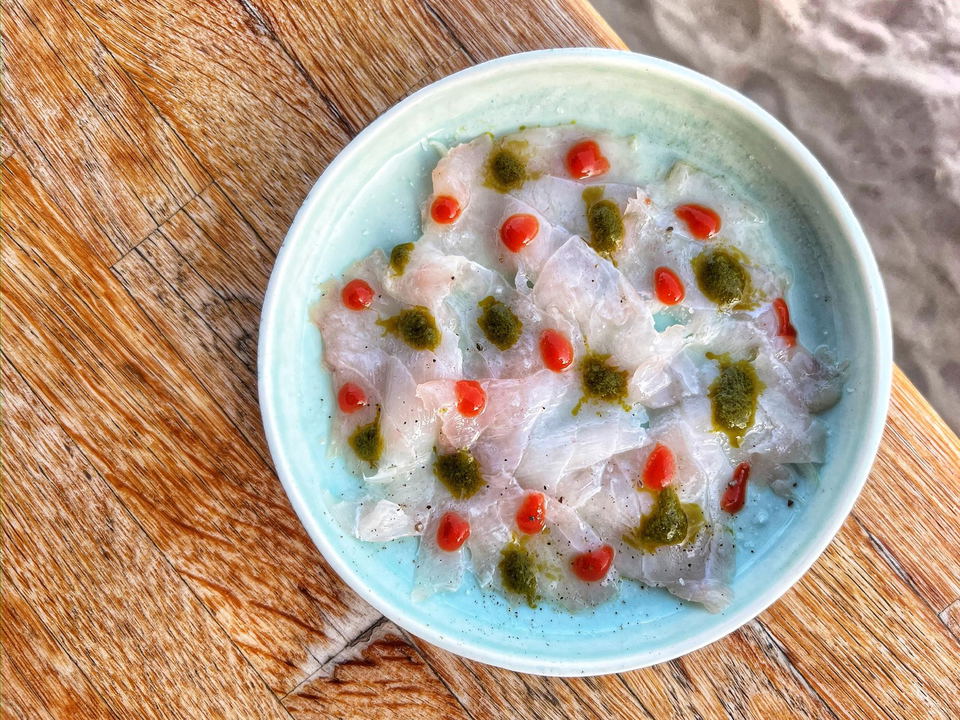
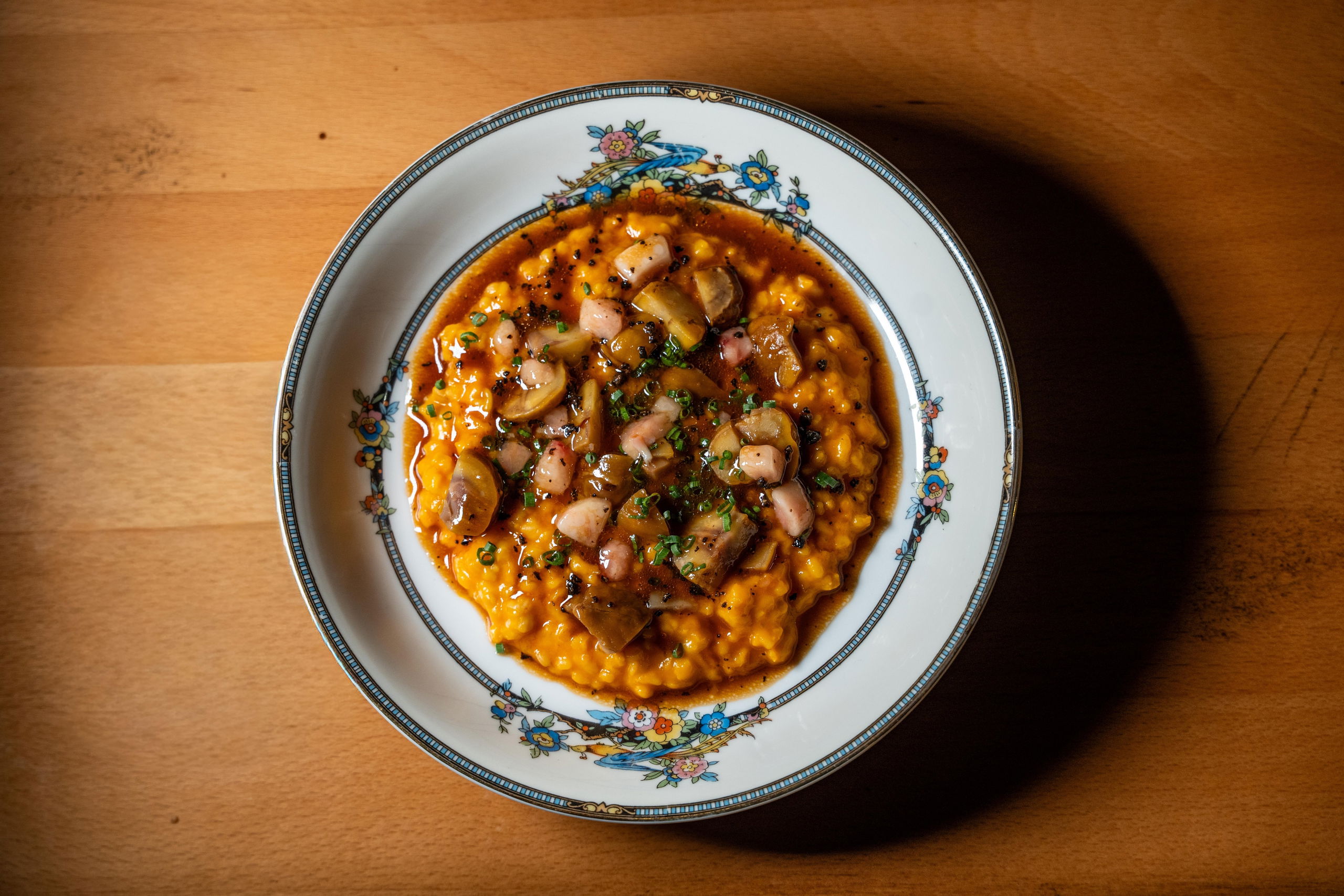
The finishing details matter because they stop the dish from becoming a history lecture. Mohajir presents the duck with black raspberry achaar, duck jus, duck rice, duck skin cut into medallions, and duck breast with crisp skin. The spice mix comes from the old recipe: cumin, coriander, cardamom, toasted pine nuts, red wine vinegar, and fish sauce. That combination makes the duck a central dish rather than an add-on.
The duck anchors the meal when it is available. It is the dish most likely to explain Muhājir in one course: southern Spain as a starting point, spice routes as method, live fire as cooking language, Chicago as the place where it all lands. Tables that avoid duck will miss the menu's cleanest argument.
Zubair Mohajir is learning live fire in public
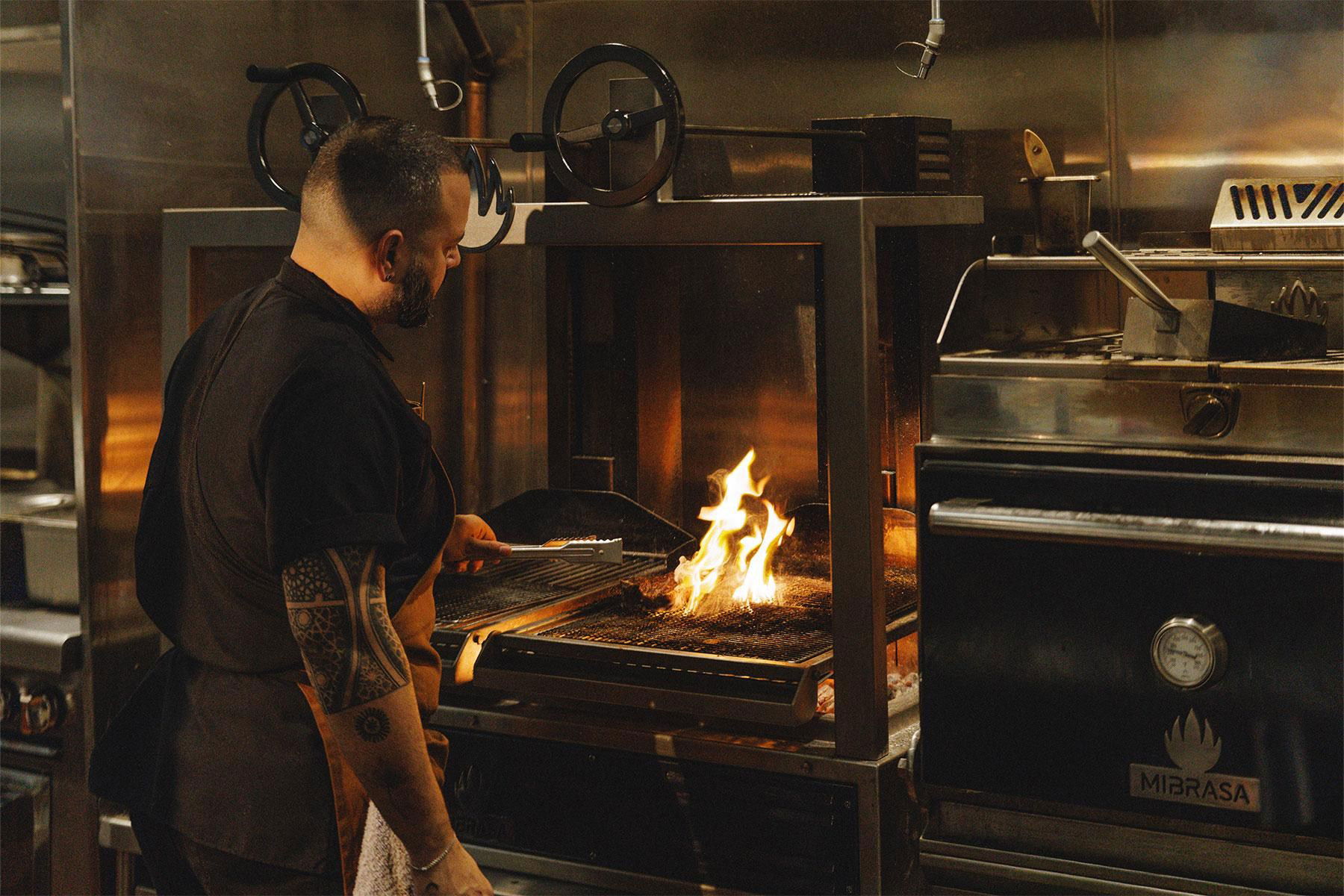
The risk at Muhājir is tied to the reason for going early. Mohajir had not cooked on live fire before this restaurant, and he chose to make wood fire the whole engine of the menu. That is a meaningful swing from a chef whose recent Chicago run includes multiple openings and a five-year period working with old Iberian recipes at Coach House.

In the early weeks, the restaurant is still calibrating heat, timing, service pacing, and shared-menu flow. Live fire does not behave like a gas line, and the format puts pressure on the kitchen from the start of service. The upside is that the cooking method matches the story. Mohajir has said the restaurant's story had to be told through wood fire, not through a sauté pan on a stove.
That choice keeps Muhājir from feeling academic. A restaurant built around 900-year-old recipes could easily become stiff. Here, the fire gives the room a visible point of action and gives the food a reason to exist in the present. The duck crown over the fire, the brasa finish, and the shared menu all keep the meal from reading as an archive (Eater).
There is another practical implication. Early meals at Muhājir will likely reward diners who enjoy watching a restaurant settle into itself. Week one is not the best fit for diners focused on precision alone. Week one is better suited to diners interested in seeing a chef translate five years of historical work into a live-fire restaurant than to diners expecting late-stage consistency on every plate.
Bobo gives the night a second address inside the same building
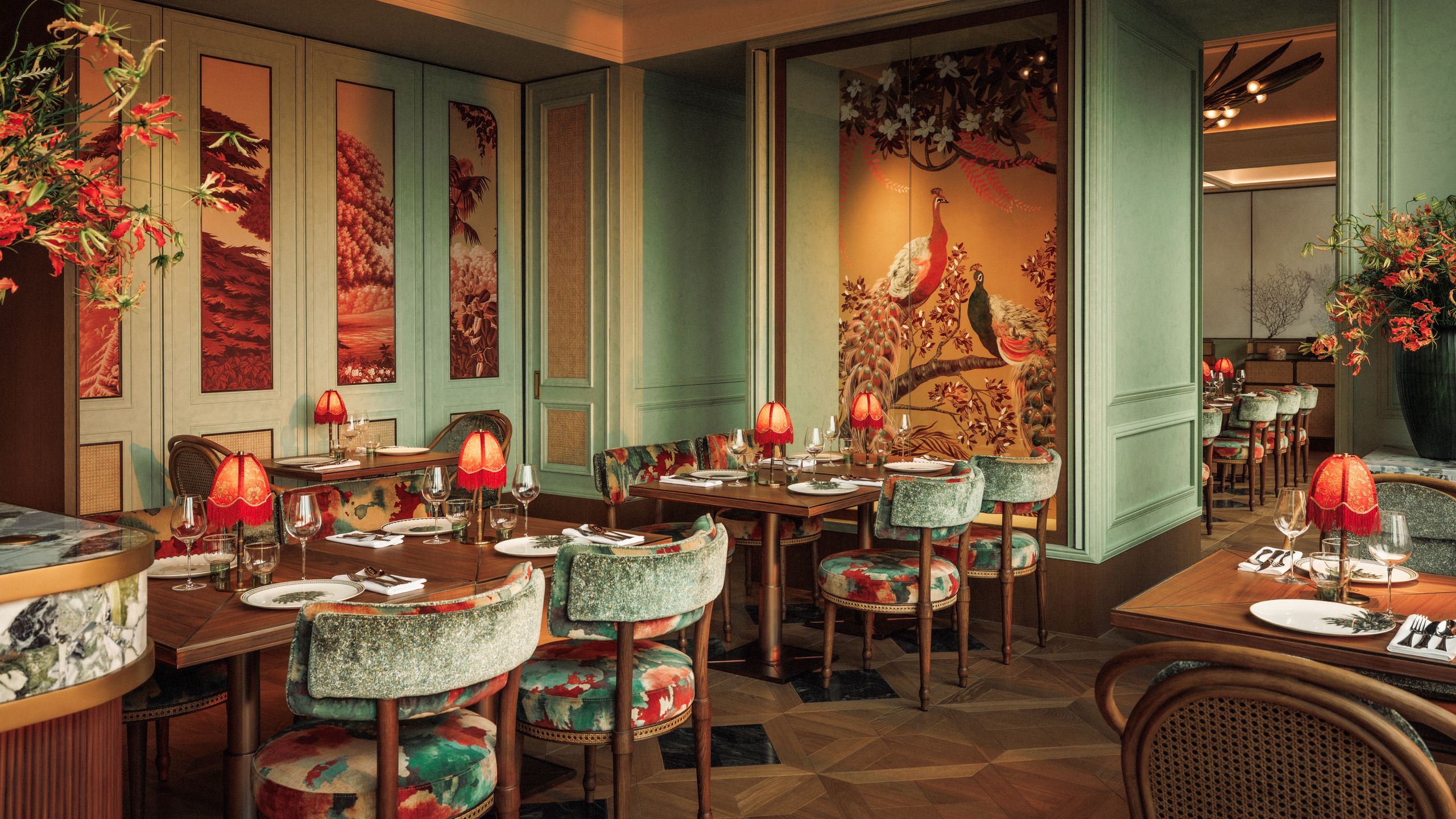
Bobo sits behind Muhājir, and you cannot get to it without walking through the restaurant. That makes it useful for two kinds of diners: people arriving early for a reservation, and people who want one more stop after dinner without getting back in a car. The bar opens Wednesday, July 8, one week after Muhājir (Eater1).
The name comes from Jacob Dela Cruz's side of the partnership. Dela Cruz is Mohajir's partner at Muhājir, and the two built Sarima together. Bobo is named for Dela Cruz's father, Bho; in Tagalog, bobo can mean silly or stupid as a term of endearment. That detail matters because it gives the bar its own emotional register rather than making it a holding pen for diners waiting on tables.
For a first Muhājir restaurant Chicago booking, Bobo may show whether the bar can handle the pre-dinner slot. If dinner runs long, use it after the meal instead. The physical setup should create a useful loop: restaurant guests see people moving to the back, bar guests pass through the dining room, and both spaces feed curiosity for the other.
That is also why Bobo may become the easier first look for people who cannot get the dinner time they want. The restaurant is the main event, but the back bar gives regulars and industry friends another way into the building.
How to book Muhājir on North Clark Street
Muhājir is at 2630 North Clark Street, Chicago, Illinois 60614. The restaurant is open Tuesday through Saturday from 5 p.m. to 10 p.m. and closed Sunday and Monday. Those five dinner services are the whole weekly window, so plan accordingly if you are trying to fit it around a weekend trip or a limited Chicago itinerary (Eater).
The absence of a published tasting-menu price in the available opening details changes the booking advice. Do not treat Muhājir like a fixed-price splurge where you can calculate the night before you arrive. Treat it like a shared-menu restaurant where the table size and the duck decision will shape the check. Four diners should be able to read the menu more widely than two, especially if the duck is part of the order.
For neighborhood planning, North Clark Street puts Muhājir in Lincoln Park rather than the West Loop 's restaurant cluster. That matters for timing. If you are coming from a hotel downtown or stacking dinner with another bar stop, build in travel time rather than assuming a short hop between the usual restaurant corridors. The reward is a Chicago opening that feels tied to Mohajir's own map rather than to a district's formula.
The clean recommendation: book Muhājir if you want a chef-led Chicago restaurant with a specific historical idea, a live-fire kitchen, and a shared format that works better for curious groups than for cautious diners. Wait a few weeks if you prioritize fully settled service over seeing the first version of Mohajir's most personal restaurant. The next thing to watch is how Muhājir and Bobo shape each other once the bar opens on July 8, because the strongest version of the night may be the one that moves through both rooms.