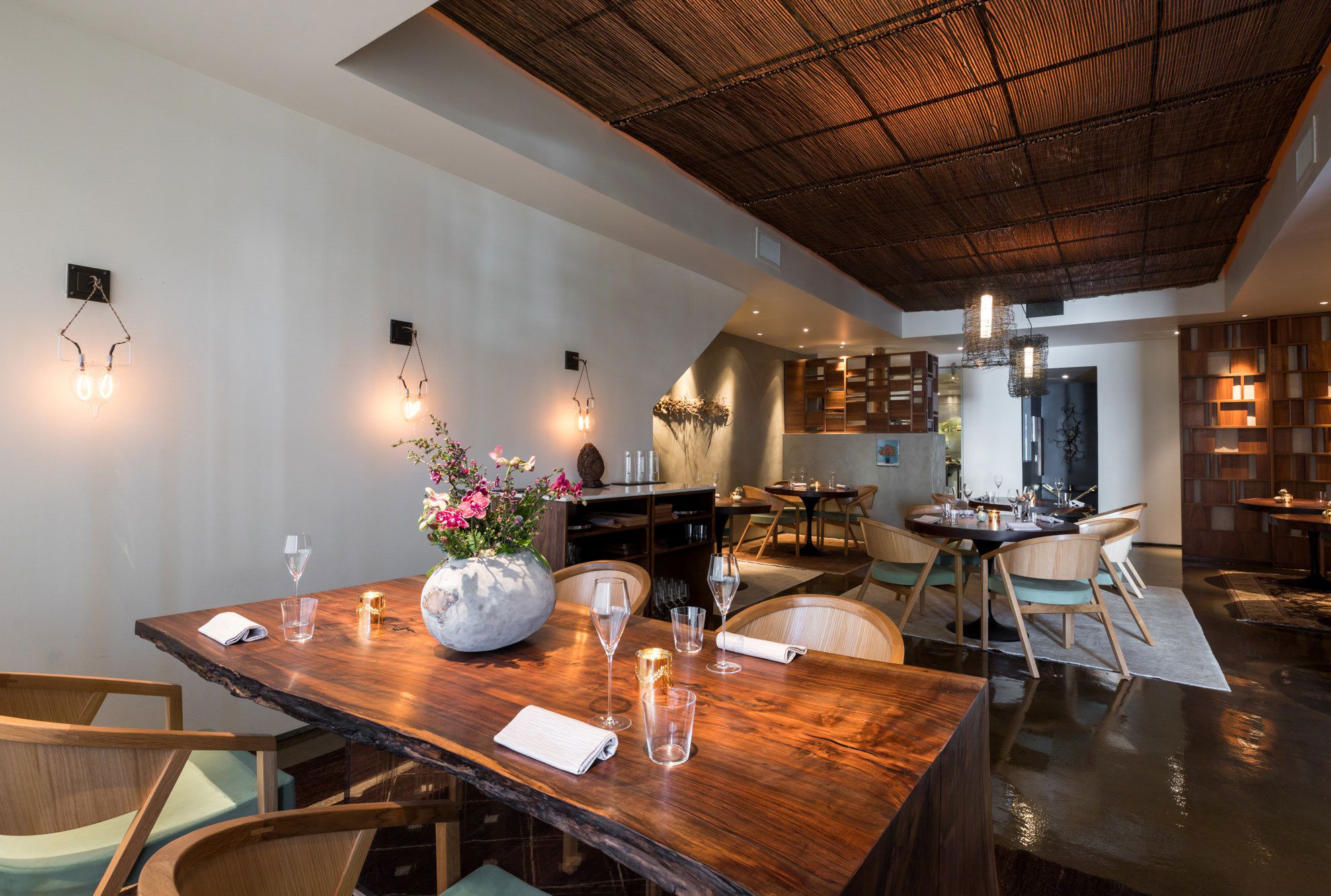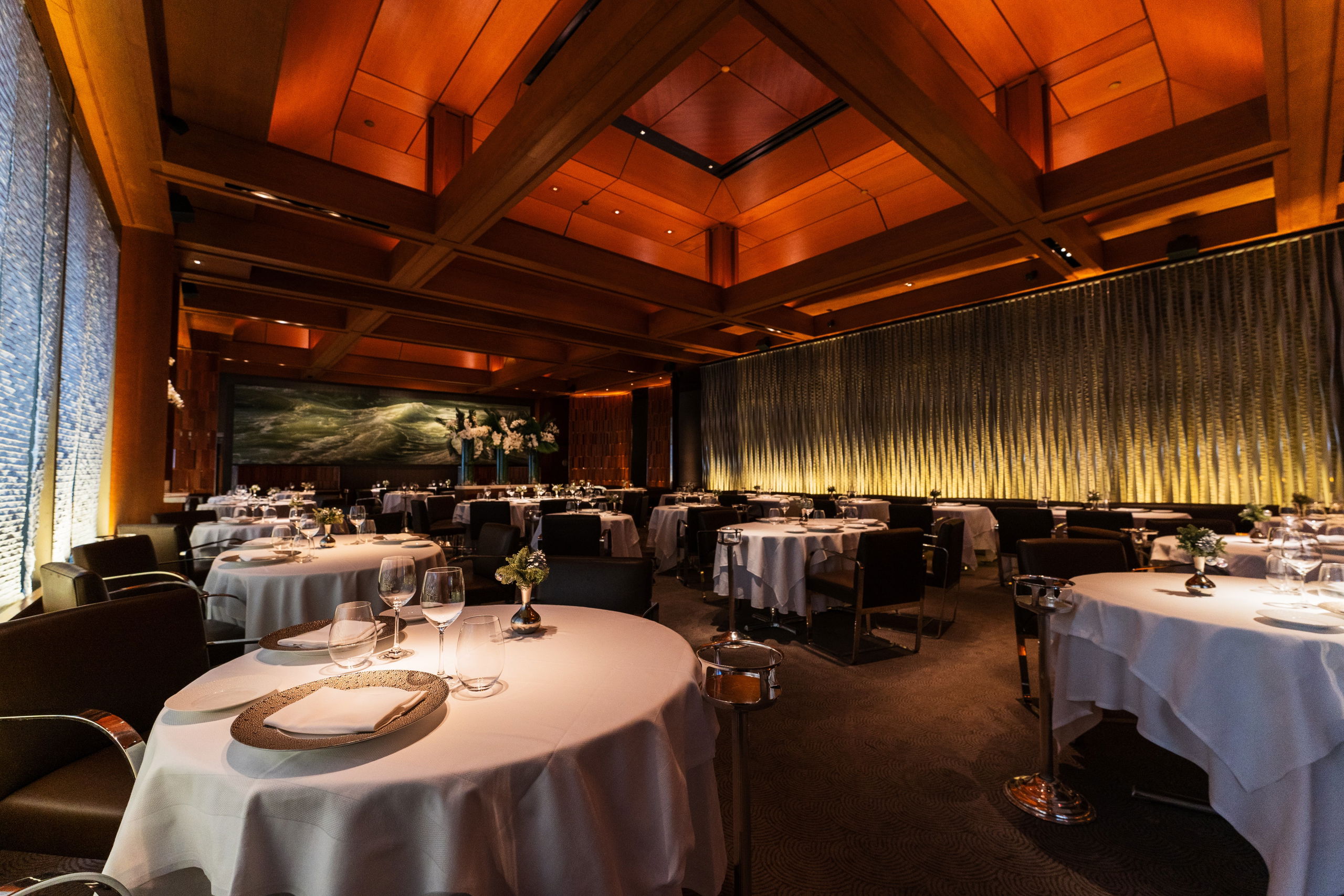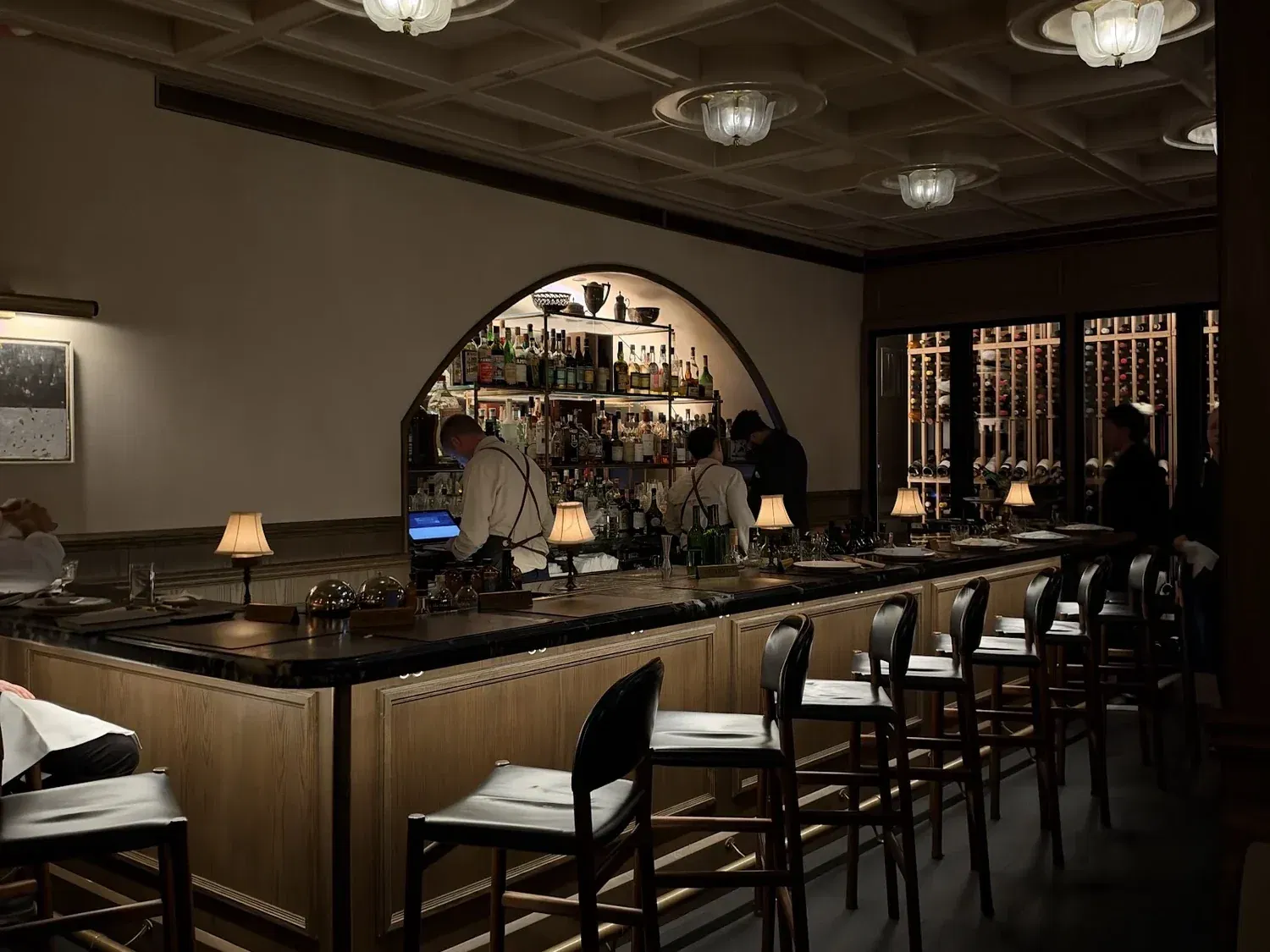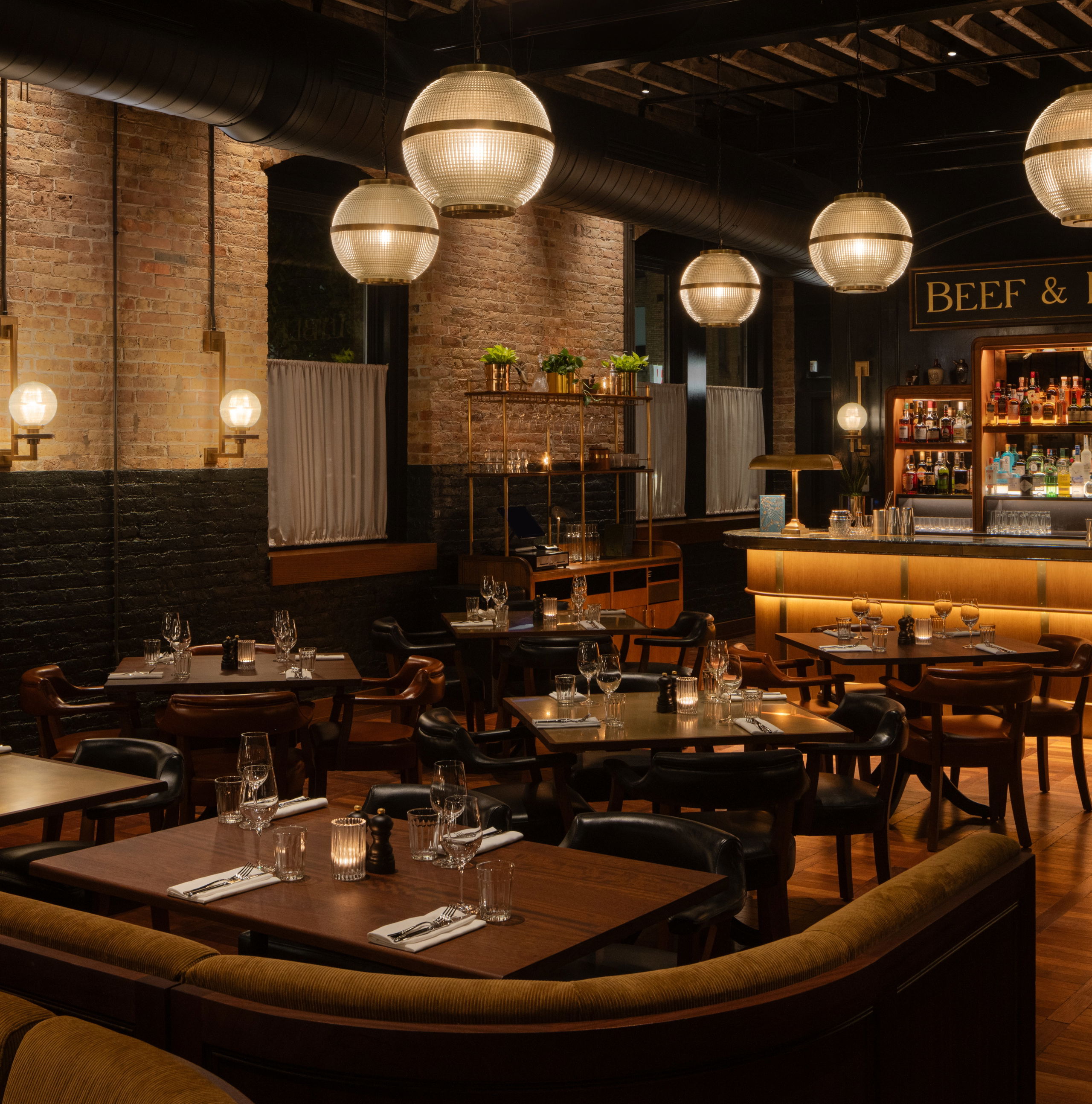
Chicago private dining usually runs through a direct inquiry. The strongest route is a tight brief to the restaurant's private-dining or events contact with the date range, group size, budget range, privacy needs, and decision deadline. The main dining room is the better option for instant confirmation.
Why Chicago private rooms disappear before an app helps
Private dining requires a different access process from a normal table. A restaurant can turn a dining-room table more than once in a night; a private room usually locks a room, a menu, staff attention, and sometimes the beverage plan around one group. That means the inquiry takes longer and the stakes are higher for the restaurant.
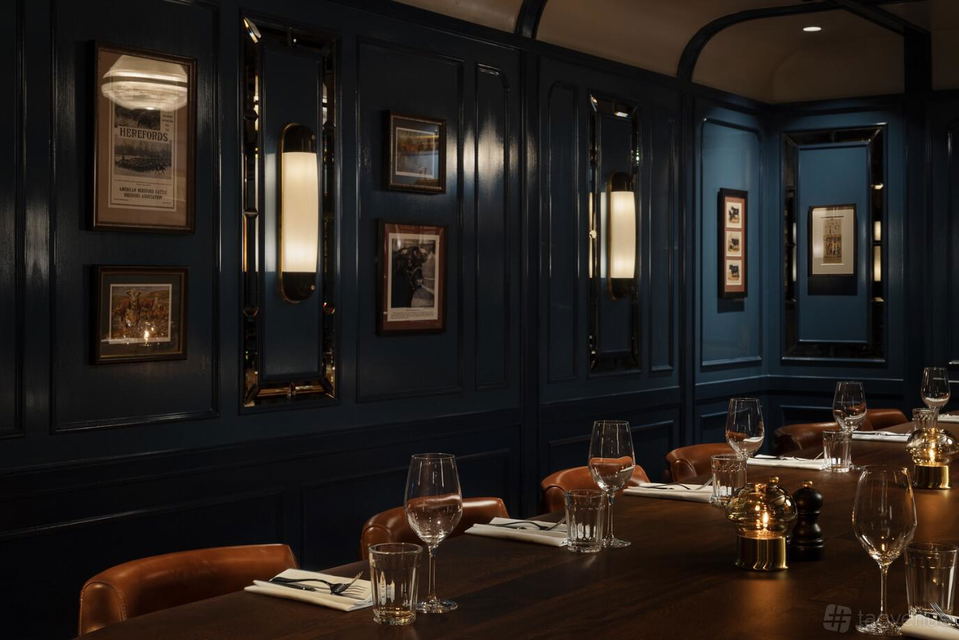
Your competition includes other diners, corporate dinners, law-firm recruiting meals, board nights, wedding-weekend groups, donor dinners, family weekends, and hotel-concierge requests. If the room sits inside a serious restaurant, the venue will favor the group that sends a complete brief and can sign terms quickly.
Chicago private dining is a category, not a single reservation product. A chef's counter, a semi-private room, a full buyout, a wine-room dinner, and a hotel restaurant salon all behave differently. If you care most about the food, prioritize restaurants with Michelin-starred or James Beard-recognized kitchens. For privacy, entrances, AV, speeches, or a tight schedule, a luxury hotel restaurant may beat a hotter standalone restaurant.
Pearl has guides to Arpège, Florilège, and Den. Those are table-access problems. Chicago private dining is a proposal problem because the person who controls the room needs to know whether the group is worth holding space for.
When to ask Chicago restaurants for a 2026 private room
A drop time matters only when the restaurant itself confirms one in writing. The safer assumption is that private dining moves through inquiry, quote, hold, signed agreement, and final details.
A date range gives the restaurant more options than a single date. A restaurant can sometimes offer a better room, a better time, or a cleaner menu when the date has flexibility. A first note should state whether the date is tied to a convention, graduation weekend, holiday week, gala, or major sporting event. The restaurant needs to know whether the date can move.
The cost timeline is a common source of mistakes. The inquiry stage is for exchanging information, not money. The proposal stage is when the room, menu format, beverage structure, minimum spend if quoted, tax, service charges, cancellation terms, and overtime rules can be compared. At the hold stage, the venue may ask for written acceptance or payment if its policy requires it. At the final-confirmation stage, the guest count, dietary notes, seating plan, wine plan, speeches, and arrival timing are locked. A proposal that does not state what happens after the room is held is not secure.
The phrase "deposit" is where people get sloppy. When a restaurant quotes a deposit, the relevant terms are whether it is refundable, whether it applies to the final bill, what deadline changes the refund status, and whether the deposit covers room use, food, beverage, or all of the above. When the restaurant quotes a prepaid menu, the remaining open charges may include beverage, additional courses, corkage if allowed, tax, service, or overtime. Private dining does not necessarily work like a standard tasting-menu prepayment.
The channels that actually reach a Chicago private-dining decision-maker
The restaurant's own private-dining or events contact is the highest-odds route when it exists. A general reservation line may help, but it often cannot quote a room, write a contract, or hold a private space. If the restaurant publishes a private-dining form,1 use it and then follow with a concise email if you have a complex request.
A luxury hotel concierge helps most when the restaurant sits inside the hotel, the group is staying on property, or the occasion involves rooms as well as dinner. A concierge can frame the spend and the guest profile, but it cannot manufacture space if the room is already committed. Use the concierge to draw on your relationship, not as a substitute for giving the restaurant the details it needs.
A relationship with the general manager, beverage director, or chef can help, but only if you respect the venue's process. Regulars do not send a vague text asking for "something special." They send the date range, group size, desired format, wine expectations, privacy requirement, and a named decision-maker. That is why they get a faster answer.
Consumer reservation platforms are useful only if the exact private room, chef's counter, or large-party product appears there. Do not assume an empty public calendar means the private room is unavailable. Also do not assume a public table can be converted into a private dinner. Ask the venue directly before promising your guests a format the restaurant has not approved.
Social media is the weakest channel for a serious private-dining request. A direct message that says "Are you available?" gives the restaurant nothing to quote and gives you nothing to compare.
Inside a Chicago private room, from proposal to final bill
The proposal should name the room, the menu format, the timing, the staffing model, and the beverage structure before you treat the experience as fixed.
You want control: a room that fits the conversation, a menu that can land on time, a beverage plan that does not stall the table, and enough privacy for the reason you booked private dining in the first place. If the proposal reads like a normal reservation with a higher spend, push for more clarity before you commit.
Ask what guests will see when they arrive, where coats and gifts go, whether there is a dedicated entrance or host point, how speeches work, whether the table is seated all at once, and how late arrivals affect the meal. These questions sound operational, but they determine whether the night feels hosted or improvised.
How regulars improve their Chicago private-dining odds
Insiders send a short brief with occasion, date range, arrival time, guest count, budget range, room preference, menu style, beverage direction, dietary needs, and decision timeline. That lets the events manager answer with a real option instead of a request for more information.
They also give the venue a reason to prioritize the inquiry. A collector who wants a wine dinner should say whether the group wants pairings, corkage if allowed, or a sommelier-led format. A corporate host should say whether speeches, screen use, branded materials, or a tight departure time matter. A family host should say whether children, mobility needs, or surprise elements are involved. Specificity makes the booking easier for the restaurant and safer for you.
They accept adjacent formats when the private room is gone. A semi-private alcove, a chef's counter, an early full-table seating, or a restaurant buyout on a quieter night can beat holding out for a room that is already spoken for. The right substitute depends on what you are buying: privacy, menu control, wine service, status, or convenience.
The mistakes that cost people access are predictable. Sending a vague inquiry with no guest count forces the restaurant to guess. Asking multiple people to email the venue creates confusion about who can sign. Waiting to mention dietary restrictions can break a fixed menu late in the process. Negotiating the minimum, timing, and cancellation terms after you have asked the venue to hold the room tells the restaurant you may not close.
Use one decision-maker. Private dining fails when the host, assistant, planner, spouse, and office manager all speak for the same party. Give the restaurant one name, one email thread, and one deadline. If you need internal approval, say when you will have it.
Read the proposal like a contract. Look for what is included, what is estimated, what is discretionary, and what can change. Ask whether the room is exclusive, whether the restaurant can move your group to a different space, whether the menu is fixed, and whether the beverage plan is consumption-based or preselected. The room photo matters less than the answer to those questions.
If the private room stalls, use these substitutes
A chef's counter is the first substitute when the food matters more than privacy. You lose the closed room, but you gain focus, pacing, and a format that already exists. For a small group that wants to talk about food rather than host speeches, this can be the better night.
A semi-private room works when you need separation but not secrecy. It can be easier for the restaurant to staff, easier for guests to find, and less rigid than a fully private space. Ask exactly what separates the room from the main dining area before you accept it.
A main dining-room large table works when the group wants the restaurant's normal energy and does not need speeches, AV, or menu control. This is the lower-friction option for celebrations where privacy sounds nice but does not drive the decision.
A luxury hotel restaurant becomes attractive when the dinner connects to guest rooms, transportation, board meetings, or a weekend itinerary. The food may be less of a trophy than at a chef-driven standalone restaurant, but the logistics can be cleaner. If the dinner has executives, older relatives, or out-of-town guests, logistics may matter more than the chef name.
Pearl has a Rao's reservation guide and the Tawaraya booking guide. Those problems turn on a specific venue. Chicago private dining turns on matching your group to a room the restaurant is willing to hold.
Who should spend effort on Chicago private dining in 2026
Private dining makes sense when the occasion needs privacy, pacing, and control. Board dinners, investor meals, collector wine nights, milestone birthdays, rehearsal-adjacent dinners, and client meals justify the extra back-and-forth. A regular dining-room table is usually better for a casual celebration where the room itself does not matter.
Book the private room when the host needs to speak, pour specific wines, manage arrivals, keep the guest list contained, or avoid a noisy room. Skip it if the group mainly wants the restaurant's normal menu and atmosphere. Private dining can make a dinner smoother, but it can also make it more rigid.
The strongest fit is a host who can confirm budget, timing, and guest count quickly. Restaurants do not want to hold premium private space for a group that cannot confirm budget, timing, or guest count. If your group needs committee approval, build that into the timeline before you ask the restaurant for a hold.
Skip the chase if you want flexibility on the night. Private dining often means fixed timing, planned courses, and agreed terms. If your guests may arrive late, order unpredictably, or change the headcount close to dinner, a standard reservation will create fewer points of failure.
Chicago Private Dining: Venue Comparison
| Venue | Capacity Range | Room Options | How to Book |
|---|---|---|---|
| Hawksmoor Chicago2 | 22 to 200 guests2 | Big Mike (22 seated, 32 standing),2 Beefsteak Stakes Room (130 seated, 150+ standing),2 Beef & Liberty Bar (85 seated, 100 standing),2 Power House Room (125 seated, 165 standing)2 | Direct inquiry via venue private-dining page |
| Toro Chicago1 | 10 to 285 guests1 | Multiple event spaces | Direct inquiry via venue private-events page |
| The Hoxton Chicago3 | 8 to 18 guests3 | Apartment Dining Room (18 seated),3 Apartment Green Room (8 seated),3 Apartment Mapping Room (8 seated),3 Apartment Drafting Room (8 seated)3 | Direct inquiry via hotel private-dining page |
| City Winery Chicago4 | 18 to 320 guests4 | Mezzanine dining room (18 seated),4 Barrel dining room (30 seated),4 Concert hall (320 seated)4 | Direct inquiry via venue events team |
| Red Violet4 | 12 guests4 | Private dining room with round table (12 seated)4 | Direct inquiry via restaurant |
The bottom line on Chicago private dining in 2026
Chase Chicago private dining if the room itself solves a problem: privacy, speeches, wine service, guest control, or a schedule that needs to run cleanly. Do not chase it just because it sounds more exclusive than a good table.
The direct event inquiry is the only route that reliably works, and the first email should read like a bookable brief, not a wish list. If the restaurant cannot confirm room, format, timing, payment terms, and cancellation rules in writing, keep looking.
For most readers, the private room is worth the effort only when control matters more than the bragging rights of the regular dining room.
Frequently Asked Questions
How far in advance should I ask for Chicago private dining in 2026?
Ask the specific restaurant or hotel directly, and do not plan around any drop time unless the venue confirms it in writing.
Can a Chicago private dining room be booked through a reservation app?
Do it only if the exact venue publishes that private room or large-party option on its booking surface. If the private room is not shown, contact the restaurant's events or private-dining team directly.
Does Chicago private dining require a deposit?
It depends on the venue's written terms. If a deposit or prepayment is quoted, confirm whether it is refundable, whether it applies to the final bill, and what charges remain open on the night.
Is Chicago private dining better than a chef's counter?
Choose private dining for privacy, speeches, and control. Choose a chef's counter when the food and pacing matter more than a closed room.