New York Design Guide for a 2026 Design Weekend
Book Cooper Hewitt, Smithsonian Design Museum1 at 2 East 91st Street1 on the Upper East Side first. That is the right anchor for a 2026 New York design weekend, then you can add MAD, the New Museum, galleries, architecture tours, and showroom access only where the calendar supports it. Admission to the Cooper Hewitt is ticketed in advance; the galleries at the Museum of Arts and Design (MAD) at Columbus Circle are walk-in during open hours. Neither needs weeks of lead time. The access worth planning around is harder: architecture tours, private showrooms in the D&D Building, and restaurant tables adjacent to the design world's social calendar.
Start With Cooper Hewitt, Then Add the Harder Access
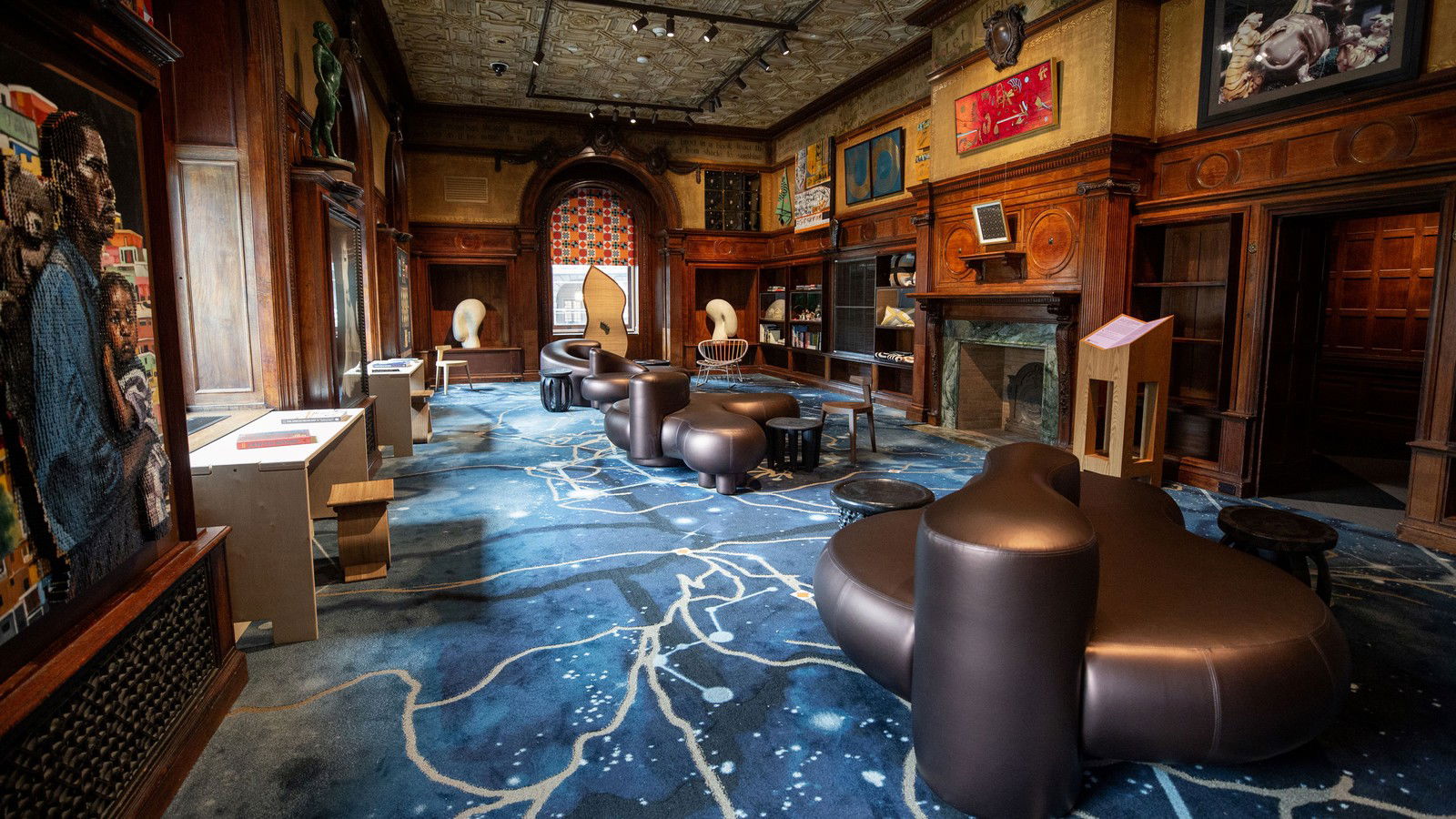
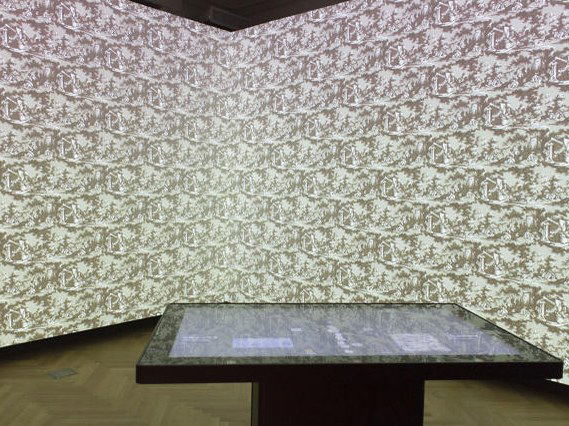
Cooper Hewitt should anchor this New York design guide because the strongest design stops are time-limited, capacity-controlled, or not visible from the street. The Cooper Hewitt occupies the Andrew Carnegie Mansion at 2 East 91st Street1 and runs ticketed entry; it charges admission unlike other Smithsonian museums.2 The interactive Immersion Room, where visitors can project their own wallpaper designs onto the walls, has a finite number of interactive pens issued per visit. The New Museum on the Bowery runs ticketed exhibitions with timed-entry windows during peak periods. The Center for Architecture in Greenwich Village hosts programming that sells out, especially its walking tours of specific neighborhoods or building types.
The D&D Building on Third Avenue at 58th Street is the city's main trade showroom complex and the biggest access barrier for serious design travelers. It is technically trade-only during the week, meaning most showrooms are not accessible to the general public without a design professional escort.
Gallery openings in Chelsea and the Lower East Side are free and walk-in, but the programming depends on the calendar. Arriving on a Tuesday in February and expecting the same density of open shows as a Thursday in September is a planning error.
Book Cooper Hewitt as early as the site allows if you want a weekend afternoon in peak season. The museum sells timed-entry tickets through its own website; it does not publish a specific drop schedule for new dates, so confirm the release window directly before planning around a particular slot. Tickets for popular weekend afternoons can sell out days in advance during peak tourist season. During National Design Week (typically a week in October; confirm current dates at cooperhewitt.org), the Cooper Hewitt offers free admission,3 the one reliable window where cost is not a factor.
For the Center for Architecture, check the events calendar weekly if you have a specific date in mind. Its walking tours and public programs sell out at varying speeds depending on the topic, and the venue does not publish a universal release window.
The New Museum handles ticketing through its own site. Timed-entry windows for major exhibitions fill faster than general admission slots, and the venue does not publish a fixed drop time for new availability, so confirm directly before your trip.
For the D&D Building, the annual Kips Bay Decorator Show House is the most accessible public-facing event in the New York interior design calendar. Its dates vary by year and have recently included fall dates, with ticketed public hours. The show house rotates locations annually; check the Kips Bay Boys & Girls Club website for the current year's address and ticket release. The venue does not publish a fixed drop schedule; tickets go on sale in the weeks before opening and can sell out for weekend slots.
Use direct booking for museums, and do not assume trade showrooms will admit you without a route in. For the Cooper Hewitt, book directly through the museum's ticketing page. The interactive pen experience is included with admission; no separate reservation is required, but the pens are issued on a first-come basis at the door, so arriving at opening time on weekends is the practical move.
For the Center for Architecture, the events calendar on its website is the primary channel. There is no published waitlist system; if a tour is sold out, check back, because cancellations do open slots.
For the New Museum, tickets are available through the museum's own site. Members get advance booking windows; a basic membership is worth considering if you plan to visit more than twice in a year.
For the D&D Building's trade showrooms, non-trade visitors have two realistic routes: a connection to a working interior designer who can bring you in as a client, or attendance at the annual NYCxDESIGN festival, typically held in May, during which some showrooms open to the public. The festival's programming is listed on the NYCxDESIGN website; specific showroom open-house hours vary by participant and are published in the weeks before the festival.
For gallery access in Chelsea and the Lower East Side, no booking is required for standard gallery hours. The practical channel is the gallery's own mailing list or Instagram, which announces opening receptions, typically Thursday or Friday evenings, and special programming.
Choose the Efficient Route or the Patient Route
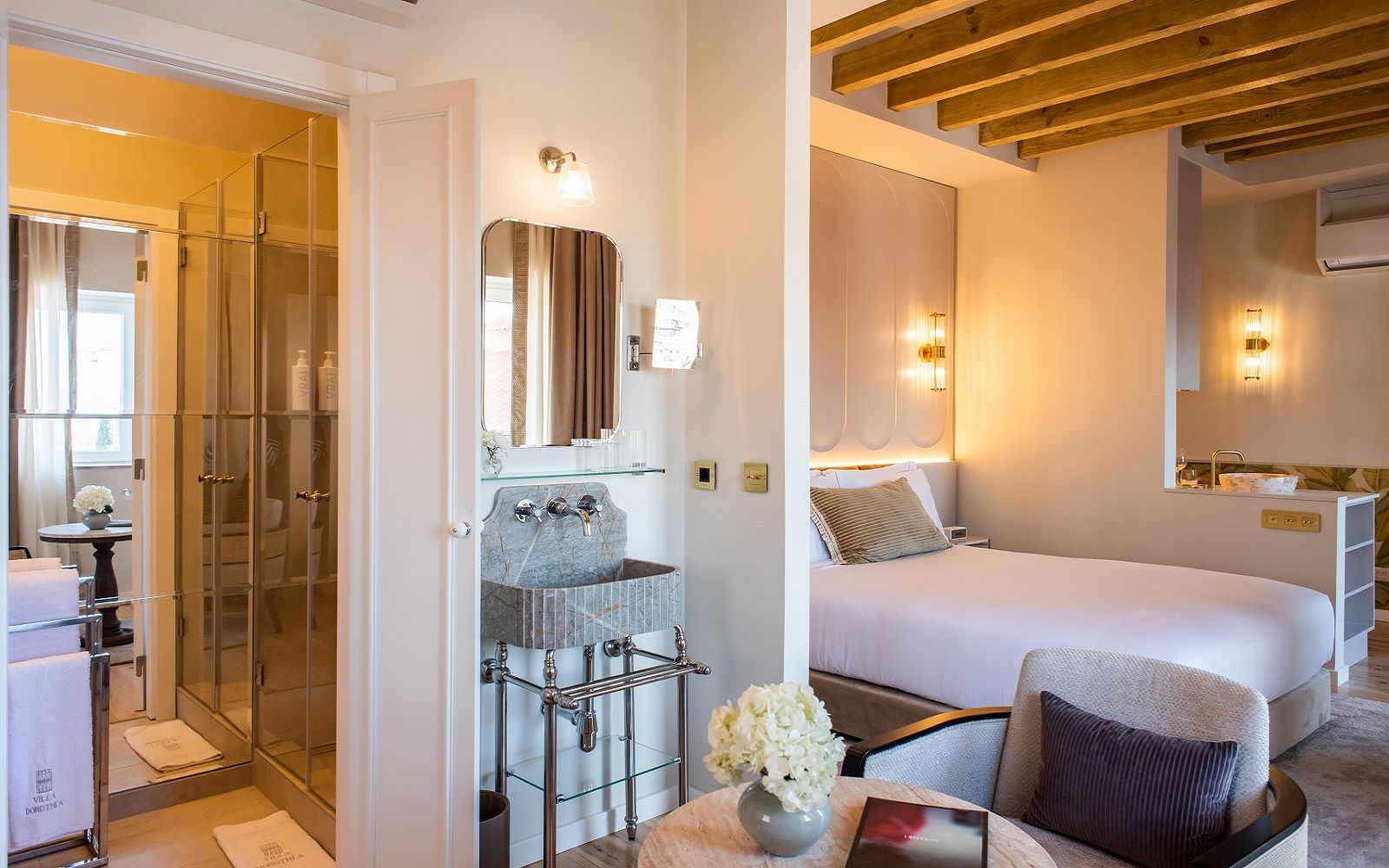
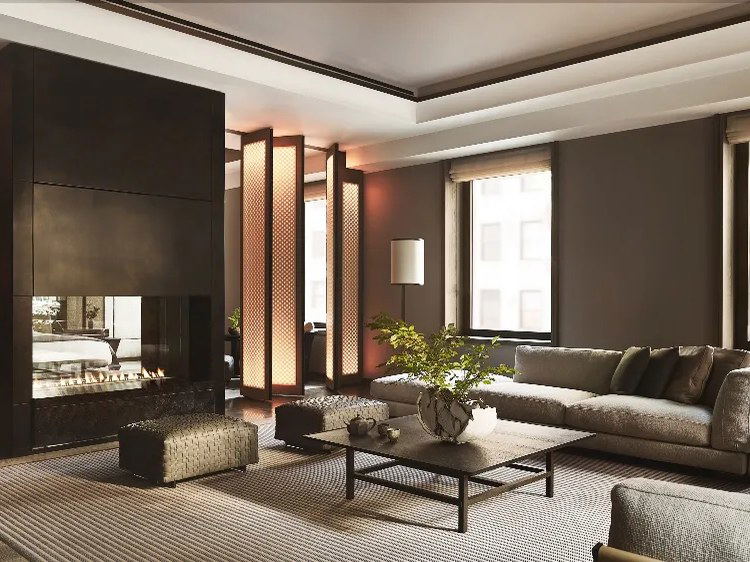
If you want efficiency, pay for proximity, memberships, and a private architecture guide. The expensive-but-efficient route: stay at a design-forward hotel within walking distance of your anchor institutions, buy museum memberships rather than single tickets, and hire a private architecture guide for a half-day tour. This compresses the planning overhead. Hotels in this category in the Upper East Side and Midtown East run at rates that vary widely by season; confirm current pricing directly with the property. For a base that doubles as a design destination, Aman New York's 83-suite property4 is the reference point in the city, though its rates reflect that position.
The patient route: plan the weekend three to four weeks out, book museum tickets as soon as they are available, attend free gallery openings in the evenings, and use the Center for Architecture's free public programming where it fits your dates. Some events are free; check the calendar. The cost difference between these two approaches is real, but the experience overlap is high. The Cooper Hewitt's collection is the same regardless of how you got there.
A cost note: the Cooper Hewitt charges admission, unlike other Smithsonian museums;2 current rates are published on the museum's website and change periodically. The New Museum's ticket prices are similarly published on its site. The Center for Architecture charges separately for tours and events; many public lectures are free.
A Practical 48-Hour New York Design Itinerary
Friday should start at Cooper Hewitt, because it is the stop most likely to shape the rest of the weekend. Arrive at or near opening. The Carnegie Mansion's rooms are worth moving through slowly; the Process Lab and the Immersion Room are the two spaces that justify the visit over a standard art museum. Plan on at least 90 minutes; a thorough pass through the collection runs closer to two and a half hours, though the venue does not publish official visit-length guidance.
Friday evening: go to Chelsea galleries if your dates align with late hours on Thursday or Friday. The cluster between West 24th and West 27th Streets on the High Line side is the densest. No booking is required; walk in during open hours. Check gallery websites for current shows before going, since not every space will have something worth your time on a given week.
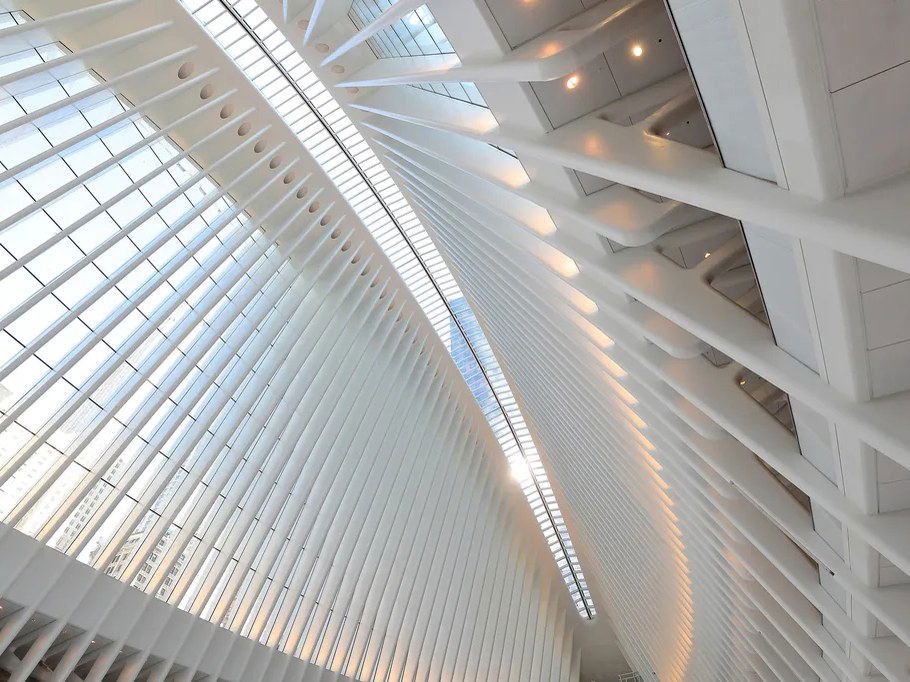
Saturday morning: book the Center for Architecture in Greenwich Village if a tour or program aligns with your dates. If not, the building itself has a free public gallery space worth a look. The Oculus at the World Trade Center transportation hub, designed by Santiago Calatrava, is a short walk away and free to enter. The interior is worth seeing once, though the retail context undercuts it.
Saturday afternoon: go to the Museum of Arts and Design at Columbus Circle. The building's exterior is a renovation of the former Huntington Hartford Gallery by Allied Works Architecture and is itself a talking point. The collection focuses on craft and material process, which makes it a useful counterpoint to the Cooper Hewitt's design-history framing.
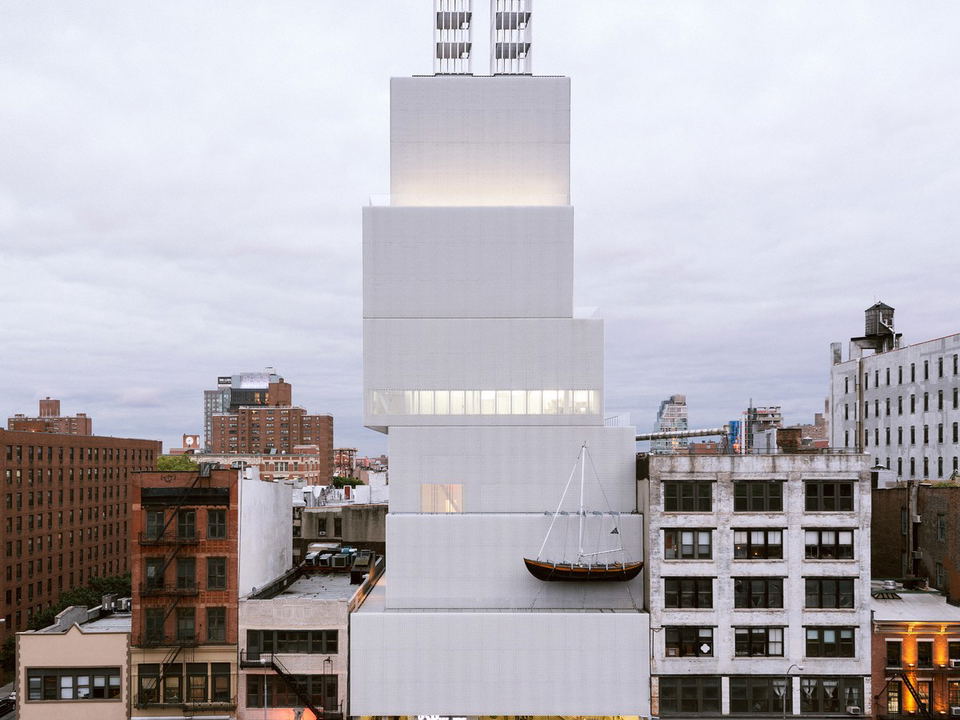
Sunday: book the New Museum on the Bowery, then walk through the Lower East Side gallery district. The New Museum's building, designed by SANAA, is one of the city's most photographed contemporary structures; the stacked-box exterior reads differently in person than in photographs. If sculpture and studio practice interest you, the Noguchi Museum in Long Island City, roughly a 20-minute subway ride from Midtown, is worth the detour; it occupies Isamu Noguchi's former studio and is one of the better artist-museum experiences in the city.
For design retail alongside the institutional circuit, Roman and Williams Guild at 53 Howard Street5 is the most edited stop in SoHo. Hours are 10am-7pm daily; confirm current hours on rwguild.com.5
Access, Cost, and Booking at a Glance
New York Design Weekend: Access, Cost, and Booking
| Venue | Access Difficulty | Typical Cost | Lead Time | How to Book |
|---|---|---|---|---|
| Cooper Hewitt, Smithsonian Design Museum | Low, Medium (timed tickets) | Ticketed admission (confirm current rate on site) | Days to 1 week in peak season | Museum website direct |
| Museum of Arts and Design (MAD) | Low (walk-in during open hours) | Ticketed admission (confirm current rate on site) | None required | Walk-in or museum website |
| New Museum | Low, Medium (timed entry for major shows) | Ticketed admission (confirm current rate on site) | Days in advance for peak weekends | Museum website direct |
| Center for Architecture | Medium (tours sell out) | Free to ticketed (varies by program) | 1 to 3 weeks for popular tours | Center for Architecture events calendar |
| D&D Building showrooms | High (trade-only most of year) | Free with trade access; Kips Bay Show House ticketed | Weeks for Kips Bay; NYCxDESIGN in May | Kips Bay website; NYCxDESIGN festival calendar |
| Chelsea Galleries | Low (walk-in, free) | Free | None | Walk-in; check gallery websites for hours |
Use These Alternatives if Key Slots Are Full
If the Cooper Hewitt is sold out for your dates, book MAD at Columbus Circle as the most direct substitute: smaller collection, but the craft-and-process focus is different rather than redundant. If you want architecture over objects, the Skyscraper Museum in Battery Park City covers New York's building history in a compact space.
For the D&D Building access problem, the NYCxDESIGN festival in May is the most realistic public-access substitute. If your dates do not align, the ICFF (International Contemporary Furniture Fair), also typically held in May at the Javits Center, is fully public and covers the commercial design world in a single venue.
The Cooper Hewitt sits at 2 East 91st Street1 inside the Andrew Carnegie Mansion, and moving through it is partly an architectural experience. The permanent collection covers product design, graphic design, textiles, and decorative arts across a large holdings base, though only a fraction is on view at any time. The interactive pen, issued at the front desk, lets visitors save objects from the collection to a personal digital profile and, in the Immersion Room, project their own wallpaper designs onto a large table surface. It is a smart interactive layer rather than a gimmick, and it changes how you move through the galleries: you are selecting and collecting rather than just looking.
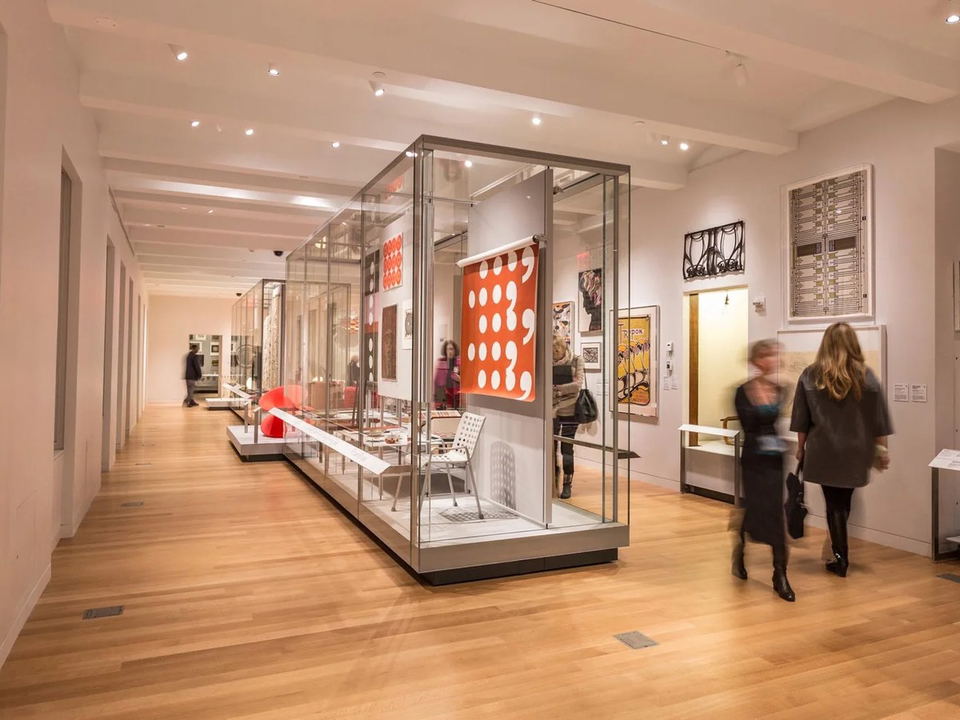
The mansion's rooms vary in scale from intimate to formal; the garden is open seasonally and worth the detour. The gift shop carries a tight selection of design books and objects, and it is one of the better museum shops in the city for design-specific titles.
The crowd skews toward design professionals, architecture students, and culturally engaged tourists rather than the general museum-going public. On weekend afternoons, the Immersion Room gets busy; arrive early in the day if you want more time with it before the queue builds.
Who Should Book This New York Design Weekend
Book this itinerary if design or architecture is already the point of your trip. It works for travelers who want to use New York's institutional infrastructure rather than just its retail or restaurant scene. It is not the right frame for someone whose primary interest is contemporary art; MoMA and the Whitney serve that better. If fashion is the goal, the Met's Costume Institute is the stronger anchor.

For a solo traveler or a couple, the 48-hour loop is manageable without a car or guide. For a group of four or more with mixed interests, the design-only itinerary will require negotiation; the Chelsea gallery walk and the High Line are the easiest shared-interest additions.
The Kips Bay Decorator Show House is worth the trip if interior design, rather than product or graphic design, is your primary interest. It is the one event in the New York design calendar that puts you inside a fully realized residential interior at a level of finish that no showroom visit replicates.
Bottom Line: Is a New York Design Weekend Worth It?
Yes, a design-focused weekend in New York in 2026 is worth the planning effort if you book around access rather than hope for it on arrival. The Cooper Hewitt is the non-negotiable anchor; it charges admission unlike other Smithsonian museums,2 so book timed entry as early as the site allows for weekend slots in peak season. The MAD and the New Museum are walk-in or easy-book additions. The harder access problems, the D&D Building, the Kips Bay Show House, and the Center for Architecture's strongest tours, reward visitors who align their dates with the right programming windows.
The Chelsea gallery walk and the Lower East Side galleries are free, require no planning, and are consistently underused by visitors who spend all their time in the museum corridor. They are where the current conversation in design and art lives, and they cost nothing to enter.
If you can only pick one date-specific event to build a trip around, choose the NYCxDESIGN festival in May. It opens the most doors, literally in the case of the D&D Building showrooms, and compresses more access into a single week than any other point in the calendar year. For the rest of the year, the institutional circuit is reliable and bookable; the trade-world access remains a gap that no amount of advance planning fully closes without a professional connection, and that gap is worth knowing before you arrive.
Frequently Asked Questions
How far in advance should I book Cooper Hewitt tickets for a weekend visit?
The Cooper Hewitt sells timed-entry tickets through its own website. The museum does not publish a fixed release window for new dates. In peak tourist season, late spring through early fall, popular weekend afternoon slots can sell out several days in advance. Book as early as the site allows; confirm current availability and pricing directly with the museum before your trip.
Can non-trade visitors access the D&D Building showrooms in New York?
Most D&D Building showrooms are trade-only during regular business hours. The most realistic public-access routes are the NYCxDESIGN festival, typically held in May, when some showrooms open to the public, and the Kips Bay Decorator Show House, typically fall, with ticketed public hours. The D&D Building does not publish a general public access policy; confirm current open-house programming through the NYCxDESIGN website or the Kips Bay Boys & Girls Club website.
Is the Cooper Hewitt's interactive pen experience included with general admission?
Yes, the interactive pen is included with standard admission to the Cooper Hewitt. Pens are issued at the front desk on a first-come basis; arriving at or near opening time on weekends gives you more time in the Immersion Room before it gets busy. No separate reservation is required for the pen experience.
What is the right time of year to visit New York for design programming?
May is the densest month for design-specific programming: NYCxDESIGN and ICFF, the International Contemporary Furniture Fair at the Javits Center, both typically fall in May, and the Kips Bay Decorator Show House, New York edition, usually opens in fall. September is strong for gallery programming, with many spaces launching new shows after the summer break. The permanent museum collections are accessible year-round; the calendar-dependent events are the reason to time a trip.
Does the Cooper Hewitt ever offer free admission to the public?
Yes. The Cooper Hewitt offers free admission during National Design Week, typically a week in October; confirm current dates at cooperhewitt.org, which is the one reliable window where the admissions fee is waived for general visitors. Outside that window, standard ticketed admission applies; confirm current pricing on the museum's website before your visit.