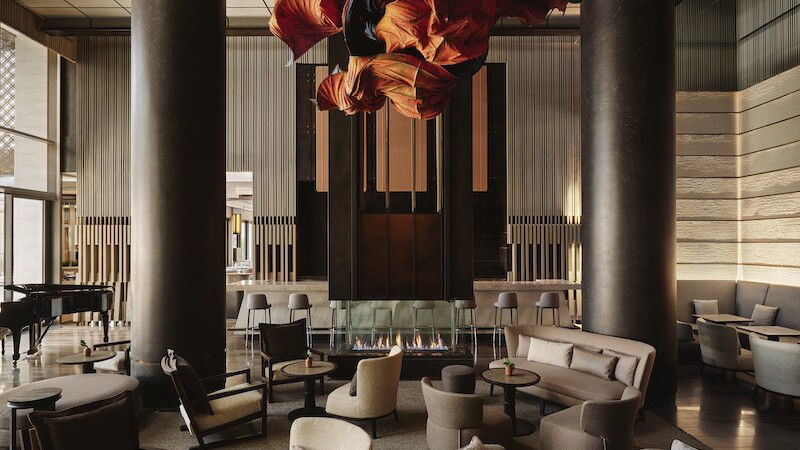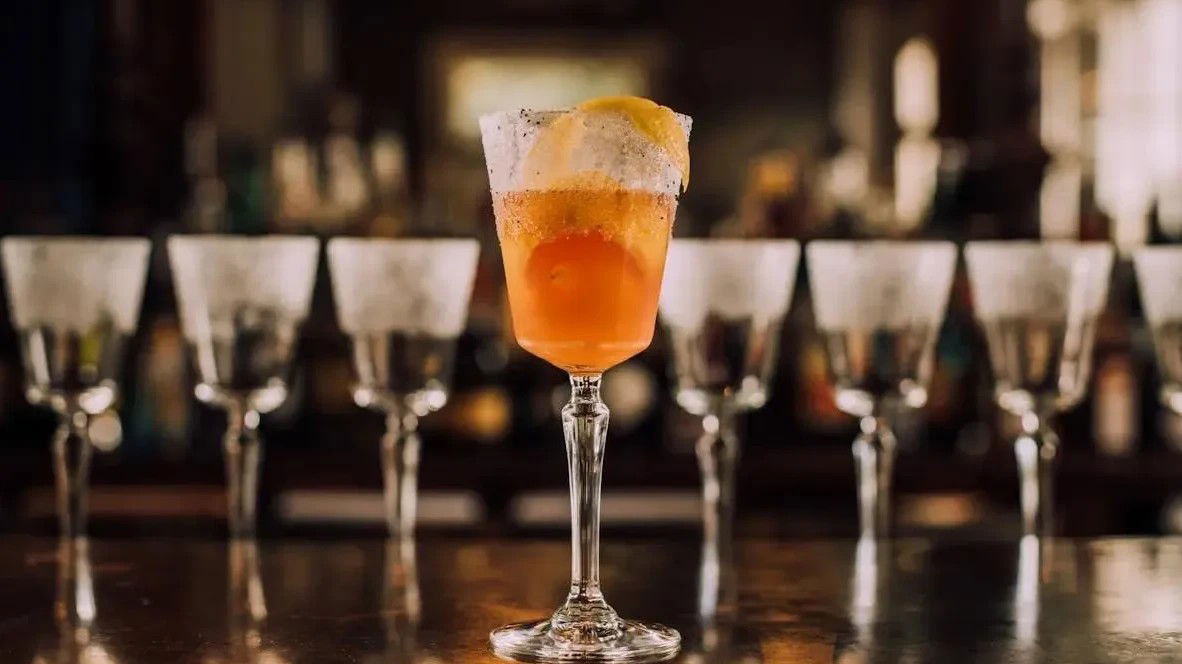
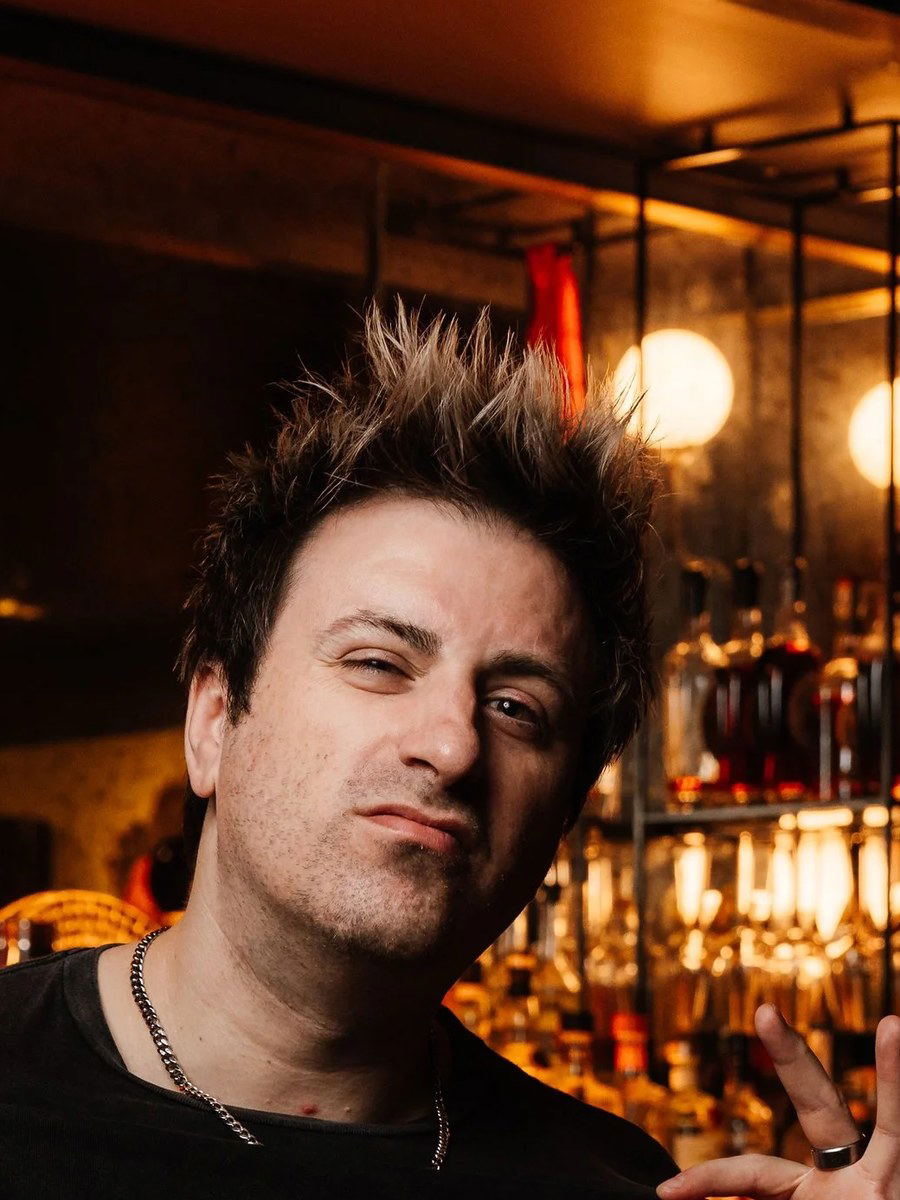
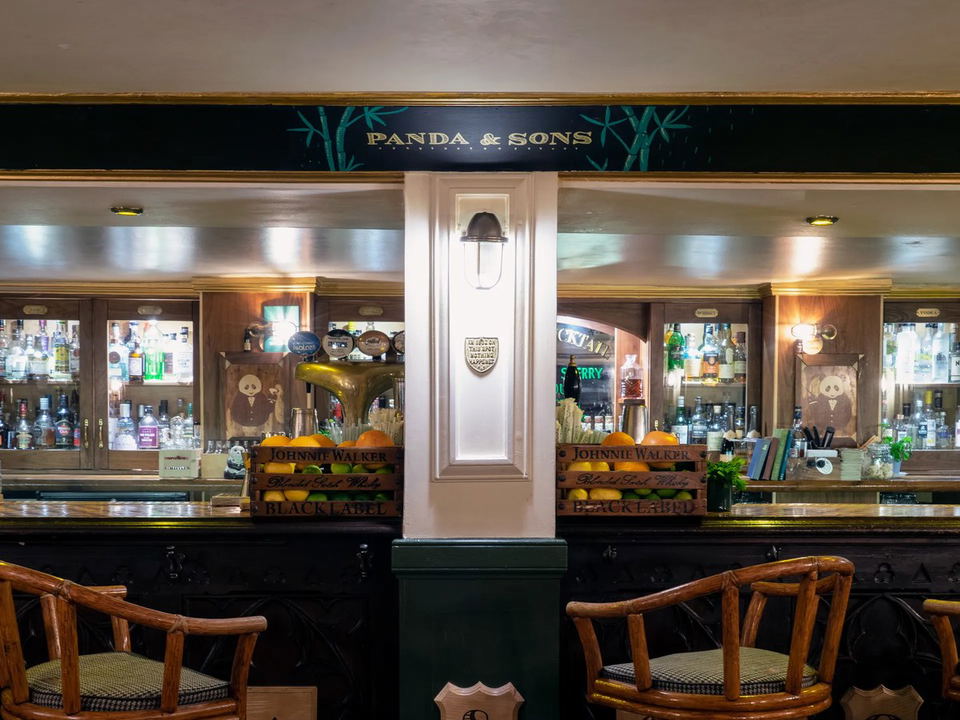
Deke Dunne just left an eight-year run as beverage director at Allegory, one of D.C.'s most decorated cocktail bars, to launch The Cocktail Hour in New Orleans' French Quarter. Worth tracking if you care about world-class bar programs, Dunne is testing a rotating residency model with approximately 30 bars over eight months before returning to D.C. in spring to open his own Shaw venue. The one-week rotations will feature Dead Rabbit (New York City), Panda & Sons (Edinburgh), and Brujas (Mexico City), among others, each recreating their signature menus, design, and hospitality in a blank-canvas space.
The project is backed by the team behind Jewel of the South, the James Beard Outstanding Bar winner that ranks No. 6 on North America's 50 Best Bars. Dunne joins NOLA bartending veterans John Stubbs and Chris Hannah on the ambitious project, which will bring some of the world’s best bars to the French Quarter for week-long rotations. The inaugural season runs mid-October through mid-June, with the exact French Quarter address to be announced in the coming weeks.
Why Deke Dunne Left D.C.'s Allegory for New Orleans
Dunne passed the beverage director role to Princess Johnson, a longtime Allegory mixologist, before relocating to New Orleans. The move is temporary, Dunne plans to return to D.C. in spring to open his first independent bar in Shaw. The Cocktail Hour serves as both a proving ground for the residency format and a high-profile project that positions Dunne within the James Beard and World's 50 Best ecosystems before launching his own concept.
New Orleans offers lower overhead and higher tourist volume than D.C., making it a more forgiving market for an experimental format. The French Quarter location benefits from Tales of the Cocktail proximity and the credibility of Jewel of the South's team, who won Outstanding Bar at the 2024 James Beard Foundation Awards. For Dunne, the project is a bridge between his Allegory tenure and his D.C. return, a chance to operate at a different scale, test a residency model that requires weekly design overhauls, and build relationships with the bars he's hosting.
The Cocktail Hour Pop-Up: How the Residency Model Works
The Cocktail Hour will run approximately 30 one-week residencies from mid-October through mid-June. Each visiting bar will transform the space into a full replica of its home location, design, food, cocktails, music, programming, and hospitality included. "We're going to be redesigning, remodeling, and reworking the [space] for each world-class bar flying in," said Deke Dunne.1
The format is ambitious by U.S. standards. Most bar pop-ups run for a single night or a weekend, with the visiting team serving a limited menu in a host venue's existing space. The Cocktail Hour inverts that model, the space is a blank canvas, and each residency is a full takeover. The visiting bar's team will train local staff in their techniques, recreate signature cocktails using their specs, and import the programming (live music, DJs, themed nights) that defines their home venue.
This is closer to the residency model used by high-end restaurants, where a guest chef takes over a kitchen for a week, trains the brigade, and serves their menu, than the typical bar collaboration. It requires significant logistical coordination: ingredient sourcing, glassware and barware shipping, design fabrication, and staff training, all compressed into a one-week window. The payoff is a more immersive experience than a standard pop-up. A guest at The Cocktail Hour during Dead Rabbit's residency should feel like they've walked into the New York original, not a New Orleans bar serving Dead Rabbit cocktails.
The one-week rotation cadence is aggressive. Most multi-week residency programs (like those run by high-end hotel bars or culinary festivals) space rotations further apart to allow for setup and teardown. The Cocktail Hour's schedule suggests either a highly modular design system or a large production team capable of turning the space over in 24-48 hours. Either way, the format is a test case for whether sustained, high-frequency bar residencies can work in the U.S. market.
Which Bars Are Confirmed for French Quarter Rotations
The remaining 27 residencies have not been announced. Based on the inaugural lineup, expect a mix of World's 50 Best Bars regulars, regional standouts (particularly from Latin America and Europe), and a few U.S. bars outside the New York-Los Angeles-San Francisco axis. The Cocktail Hour's success will depend on whether the rotation maintains quality across all 30 weeks, a single weak residency could undermine the program's credibility.
What This Means for Dunne's Planned D.C. Return
Dunne's New Orleans project is a bridge to his D.C. venue, not a permanent relocation. He plans to return to D.C. in spring to open his first independent bar in Shaw, a neighborhood that has seen significant hospitality development in recent years. The Cocktail Hour gives Dunne operational experience outside the Allegory model, he's now managing a rotating cast of guest teams, coordinating weekly design overhauls, and operating in a higher-volume tourist market.
The project also positions Dunne within the James Beard and World's 50 Best networks. By hosting 30 bars over eight months, Dunne is building relationships with the bartenders, owners, and brand teams who control those programs' nomination and voting processes. That network will be valuable when Dunne opens his D.C. venue and begins competing for the same awards Allegory earned during his tenure.
The Shaw location suggests Dunne is targeting a neighborhood bar format rather than a downtown hotel bar or a hidden speakeasy. Shaw has a younger, more diverse demographic than downtown D.C., and the neighborhood's bar scene skews toward wine bars, natural wine shops, and casual cocktail spots rather than high-concept cocktail bars. Dunne's track record at Allegory (a hidden bar in a hotel lobby) suggests he can execute a more formal cocktail program, but the Shaw market may push him toward a hybrid format, serious cocktails in a more approachable setting.
The spring timeline is aggressive. Dunne will need to secure a lease, design the space, hire a team, and build a menu while managing The Cocktail Hour's final rotations. The New Orleans project ends in mid-June, giving Dunne a narrow window to open before summer. If the Shaw venue opens in late spring or early summer, it will miss the fall opening season (when most high-profile D.C. bars launch) but will have a full summer to build momentum before the James Beard and World's 50 Best nomination cycles begin in late fall.
The Cocktail Hour's French Quarter Location and Booking Details
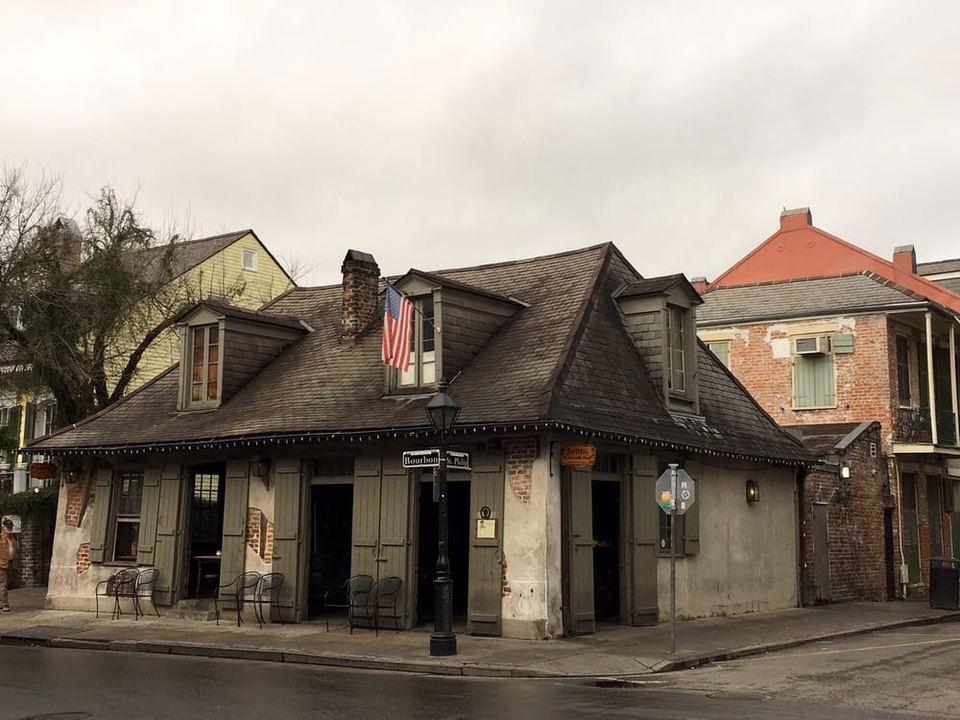
The exact address in the French Quarter will be announced in the coming weeks. The French Quarter location is strategic, it places The Cocktail Hour within walking distance of Tales of the Cocktail venues, the city's hotel corridor, and the tourist traffic that flows through Bourbon Street and Royal Street. The neighborhood has a high concentration of bars, but few operate at the World's 50 Best level. The Cocktail Hour will compete with Jewel of the South (No. 6 on North America's 50 Best Bars) and a handful of other high-end cocktail bars, but the rotating residency format differentiates it from the city's standing bar scene.
Booking details have not been released. Based on the one-week rotation format, expect limited availability, each residency will likely operate Thursday through Sunday or Friday through Monday, with the space dark for setup and teardown during the week. Reservations will probably open on a rolling basis as each residency is announced. For readers planning trips to New Orleans during the October-to-June season, track The Cocktail Hour's social media and website for residency announcements and reservation windows.
The project is worth tracking if you care about bar residencies, if you follow the World's 50 Best Bars list, or if you're planning a New Orleans trip during the season. The one-week format means you'll need to time your visit to a specific residency, this is not a bar you can walk into on any given night and expect the same experience. For D.C. readers, The Cocktail Hour is also a preview of what Dunne might bring to Shaw when he returns in spring.