Dae
Carroll Gardens-Cobble Hill-Gowanus-Red Hook, New York City
Bar in New York City, United States
 Book with Pearl
Why go
Dae was a practical Smith Street choice for an easy Brooklyn plan with flexible daytime-to-evening hours. It was a better fit for casual meet-ups, low-pressure dates, and first stops than for a chef-driven or awards-led meal, since no cuisine, price range, or signature order is listed.
About Dae
Dae is a New York City venue with operating hours from Wednesday through Sunday and a smart casual dress code.
The most useful detail is timing. Dae is closed Monday and Tuesday, opens at 10 AM on Wednesday through Sunday, closes at 10 PM on Wednesday, Thursday, and Sunday, and closes at 11 PM on Friday and Saturday. That schedule gives it daytime-to-evening flexibility on operating days, but any plans that depend on a specific menu, service style, outdoor seating, discounts, or special accommodation should be confirmed directly with the venue.
Use it for a New York City plan built around the basics
Choose Dae when the hours and smart casual dress code fit your plan. Avoid assuming a particular cuisine, price point, crowd, booking difficulty, chef connection, award history, or signature dish.
For broader planning around the city, use Our full New York City restaurants guide, Our full New York City bars guide, Our full New York City hotels guide, Our full New York City wineries guide, and Our full New York City experiences guide.
Go by the schedule
Dae is open Wednesday and Thursday from 10 AM to 10 PM, Friday and Saturday from 10 AM to 11 PM, and Sunday from 10 AM to 10 PM. It is closed Monday and Tuesday. Confirm any specific requirement before building the plan around it.
Planning details
- Location
- 385 Smith St, Brooklyn, NY 11231
- Reservations
- Book on Resy
- Website
- daenewyork.com
The take
The Take
The Vibe
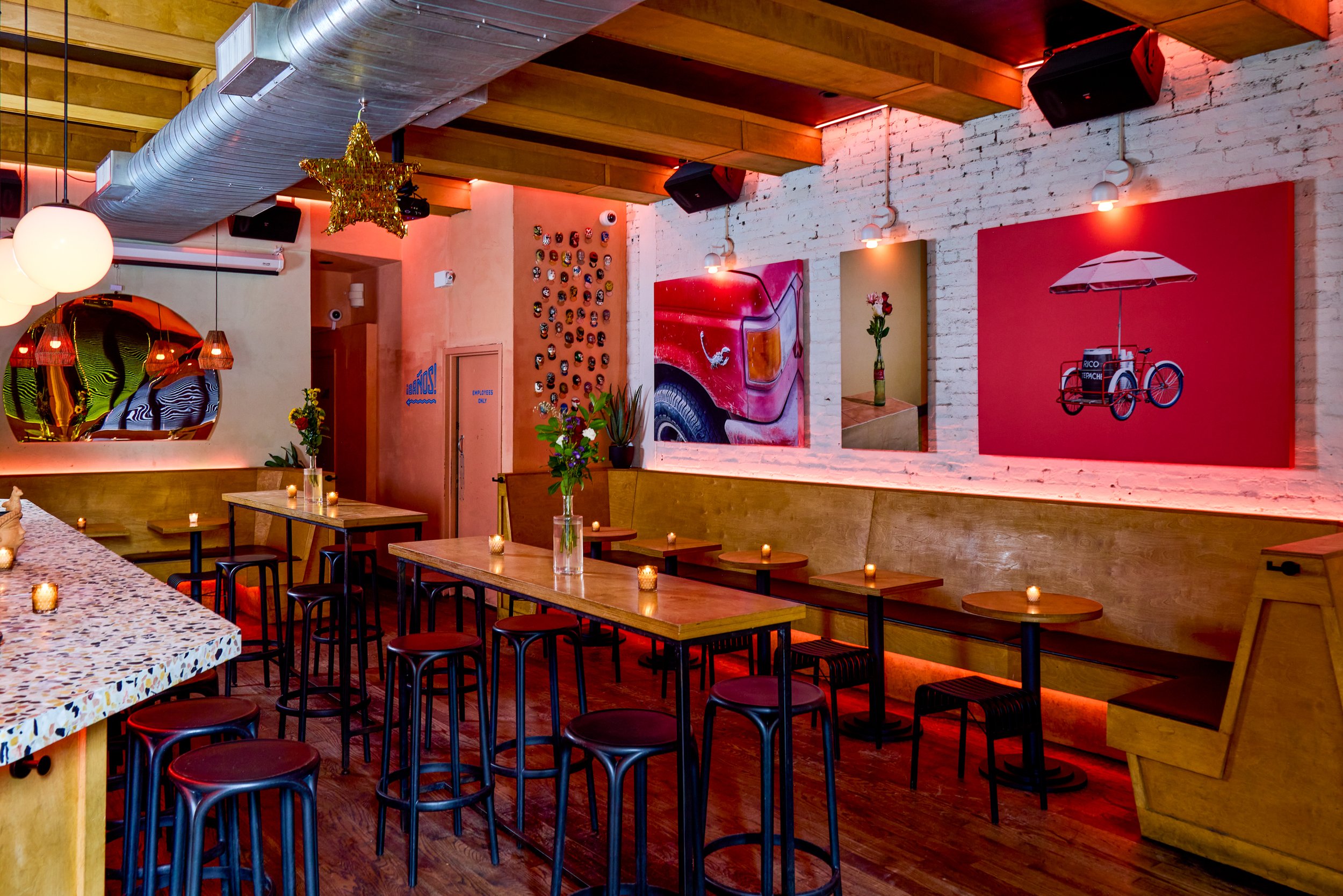
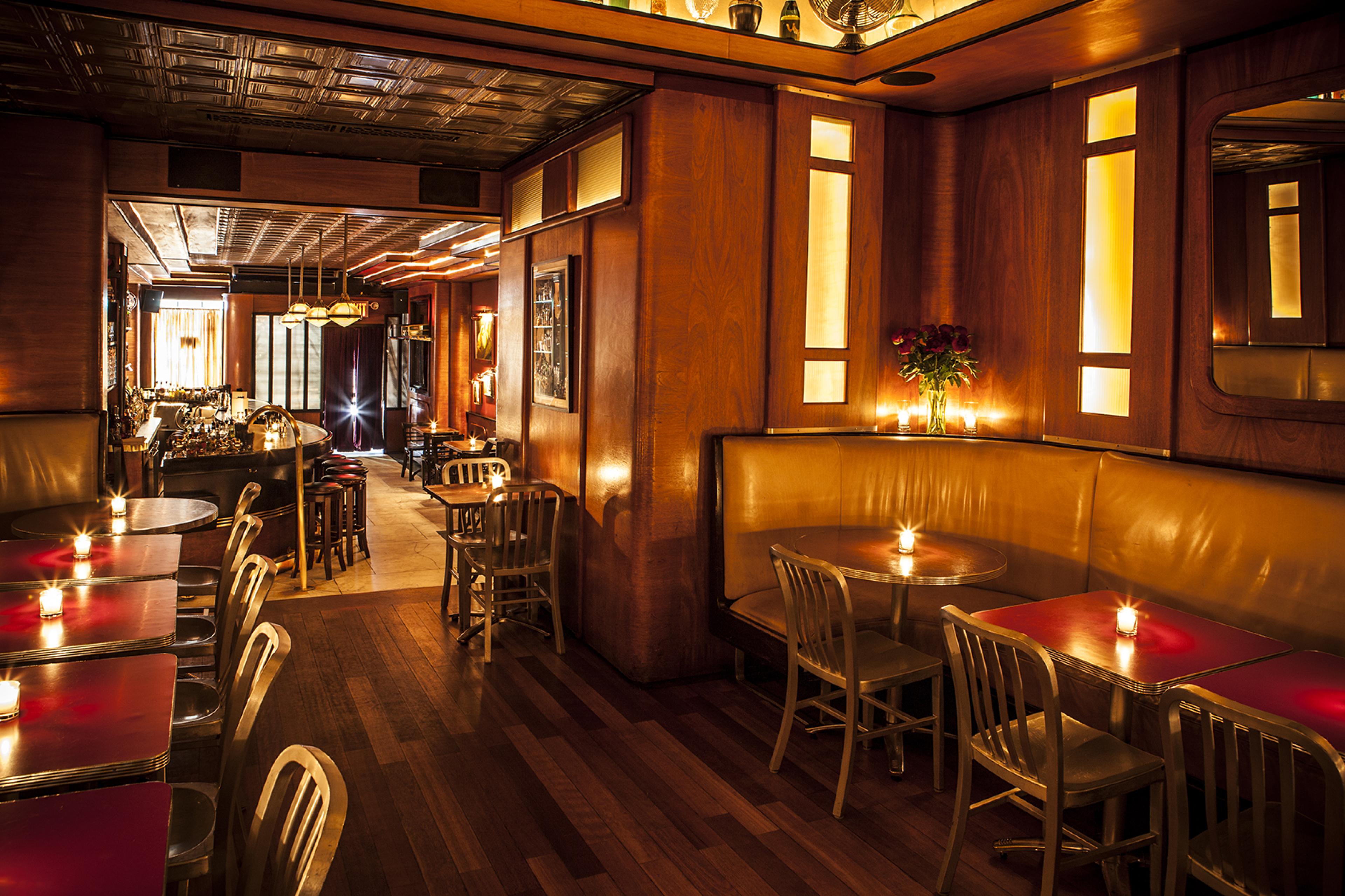
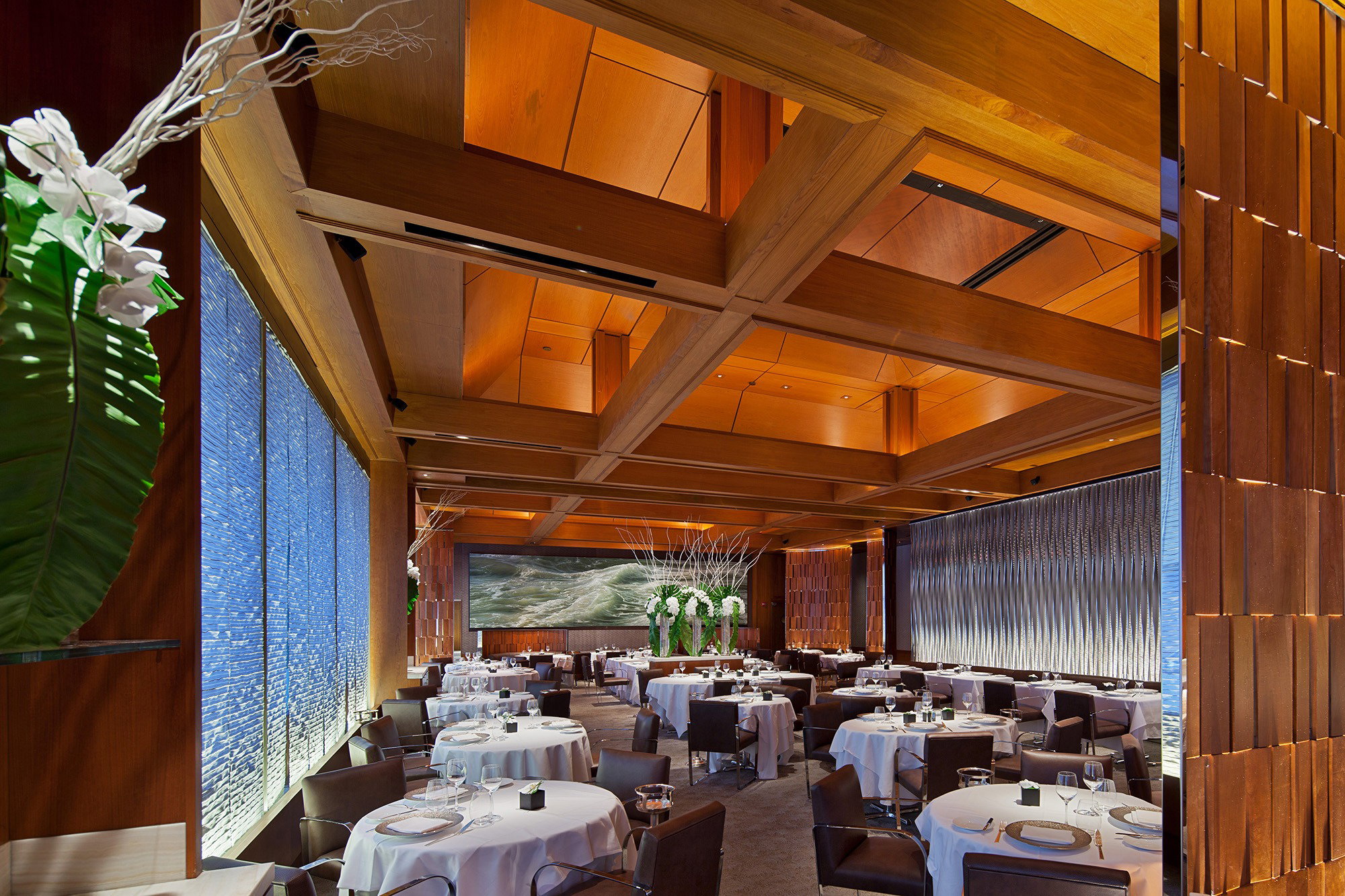
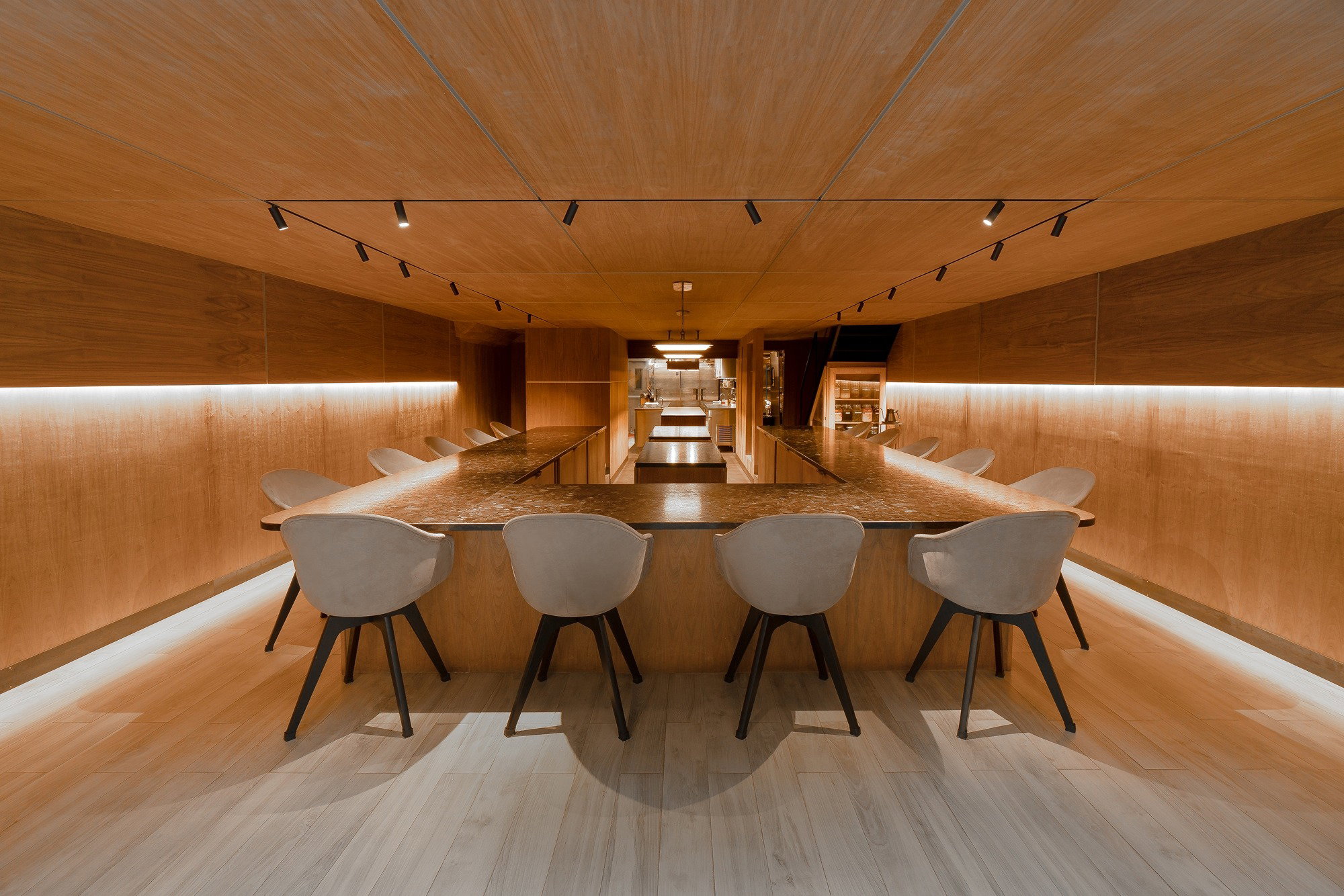
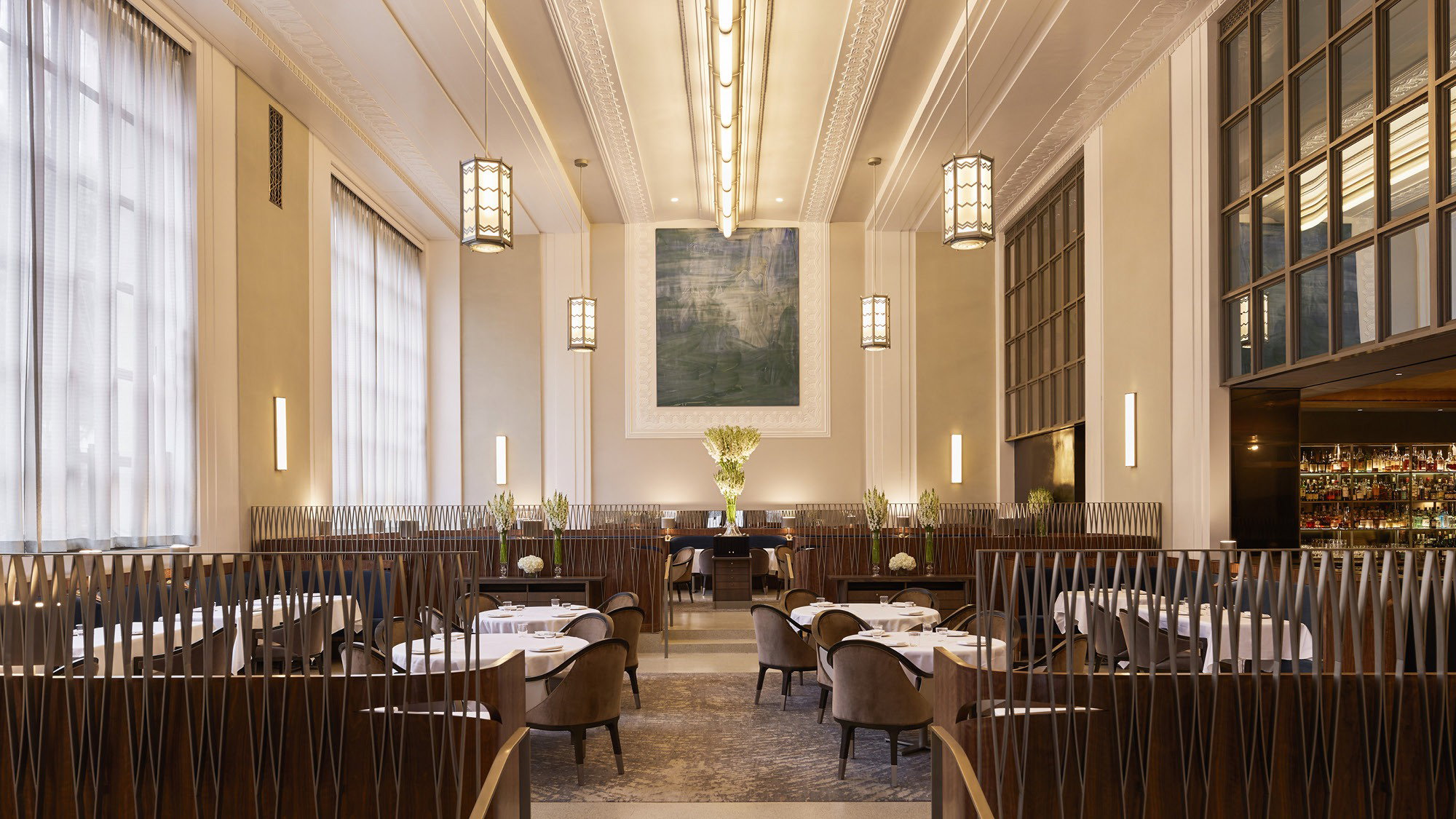
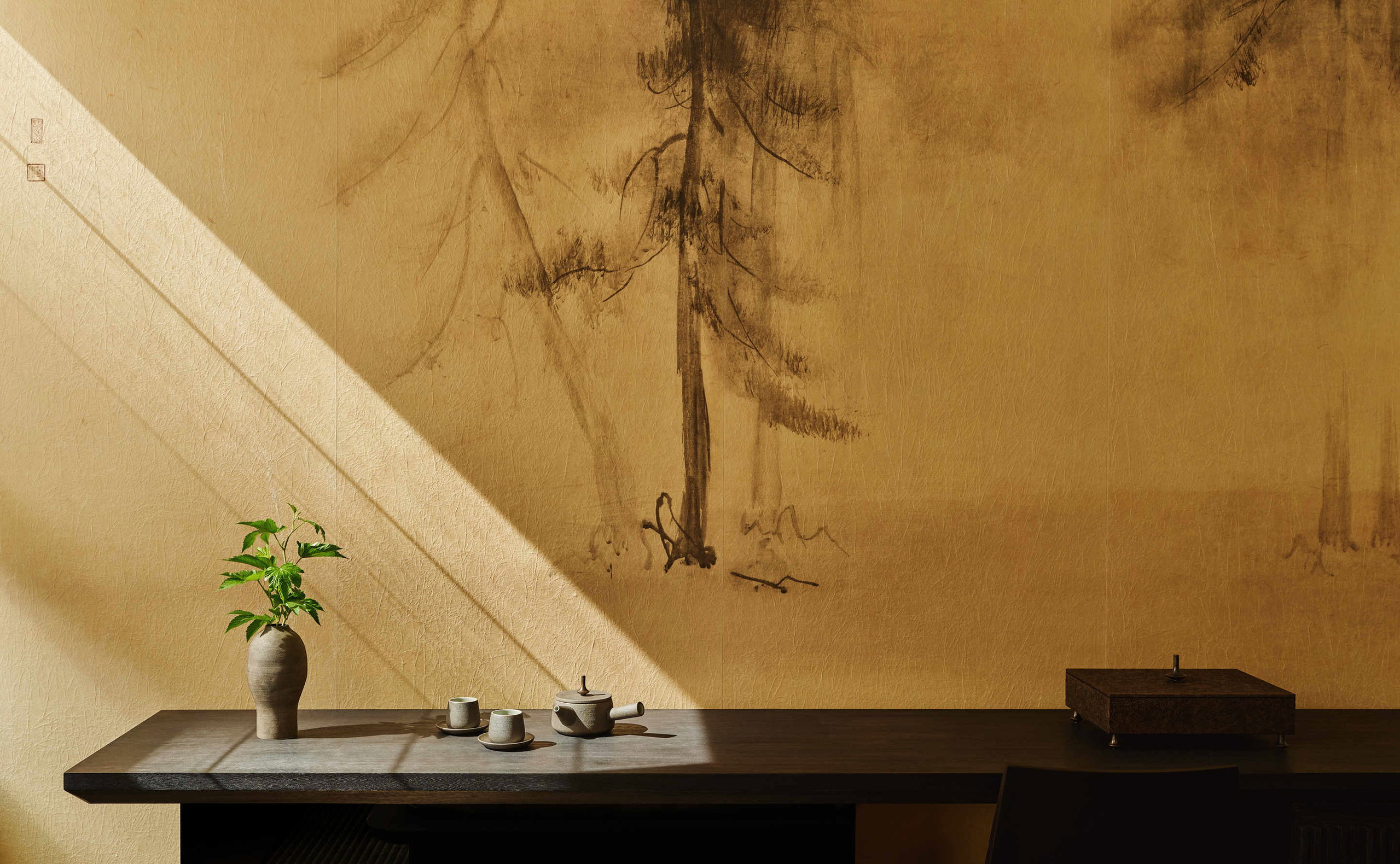
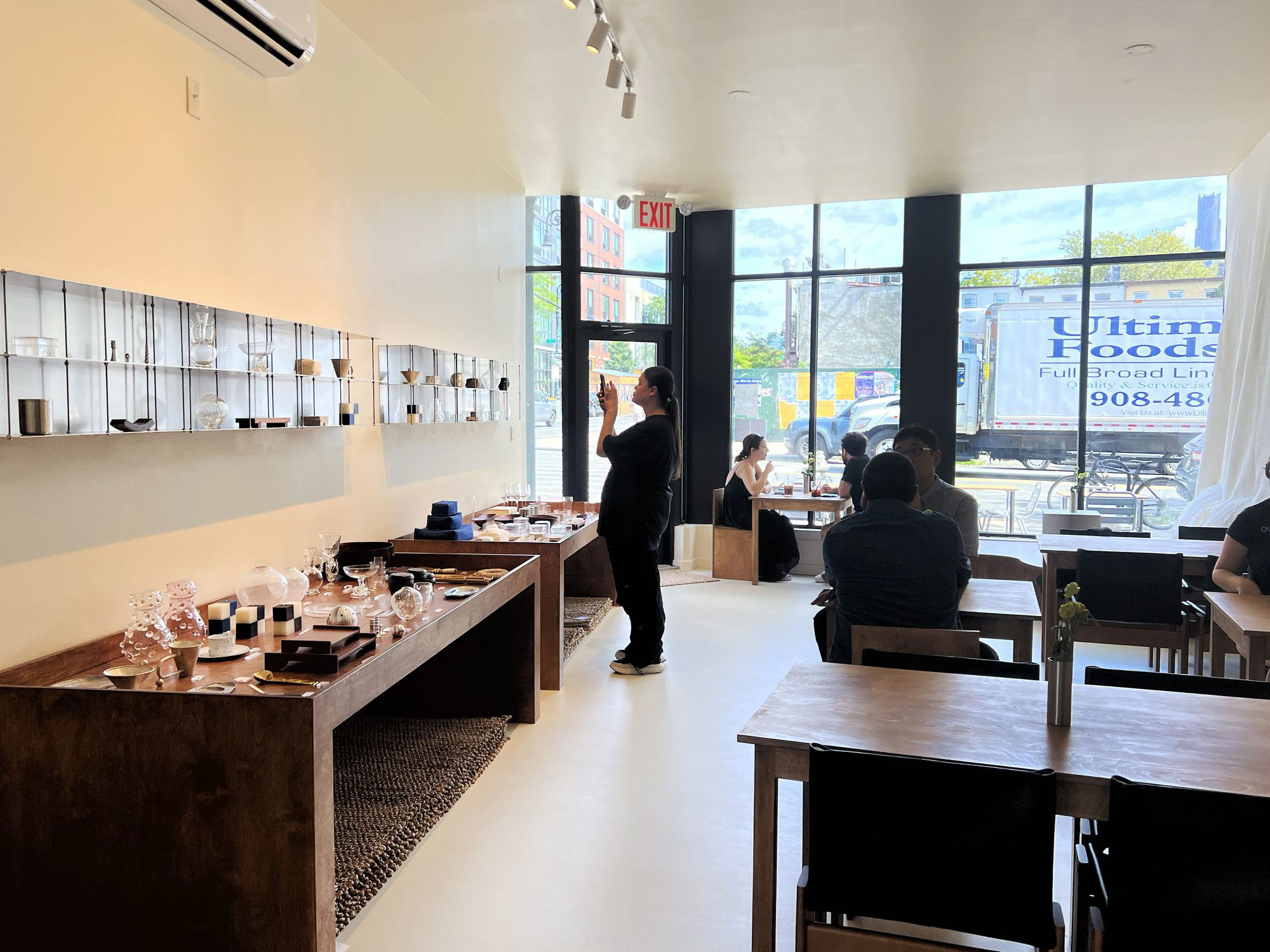
Dae presents a restrained, modern take on Korean dining that foregrounds meal architecture over familiar Western dish categories. The room reads as part of Smith Street’s wine-bar current: attentive rather than flashy, and oriented toward diners who want to engage with how each dish relates to the next. The writing emphasizes relational plates — banchan, proteins and fermented elements functioning together — which produces an intimate, sophisticated energy in the dining room. Rather than leaning on gimmicks, the restaurant stakes its identity on clarity of purpose and a considered approach to sharing and sequencing.
Best For
This is strongest as an evening destination for diners who enjoy thoughtful, communal-style meals. The menu’s relational logic rewards groups or couples who plan to share and pay attention to how plates interact; that format naturally suits dinner service when patrons linger and converse. Given the focus on a curated wine list and an engaged dining room, Dae fits date nights and after-work evenings when guests want a focused, slightly elevated experience rather than a quick, transactional meal.
Ordering Tips
Read the menu as a set of relationships rather than a list of starters and mains: think in terms of proteins anchored by banchan and fermented components that act as seasoning layers, not mere garnishes. Expect soups to function as a continuous palate conditioner throughout the meal rather than a discrete first course. Order multiple items to create counterpoints on the table, and prioritize pairings—protein plus complementary banchan—over singular entrées. This attention to balance yields the most revealing and satisfying experience of the kitchen’s approach.
Venue details
Ambiance
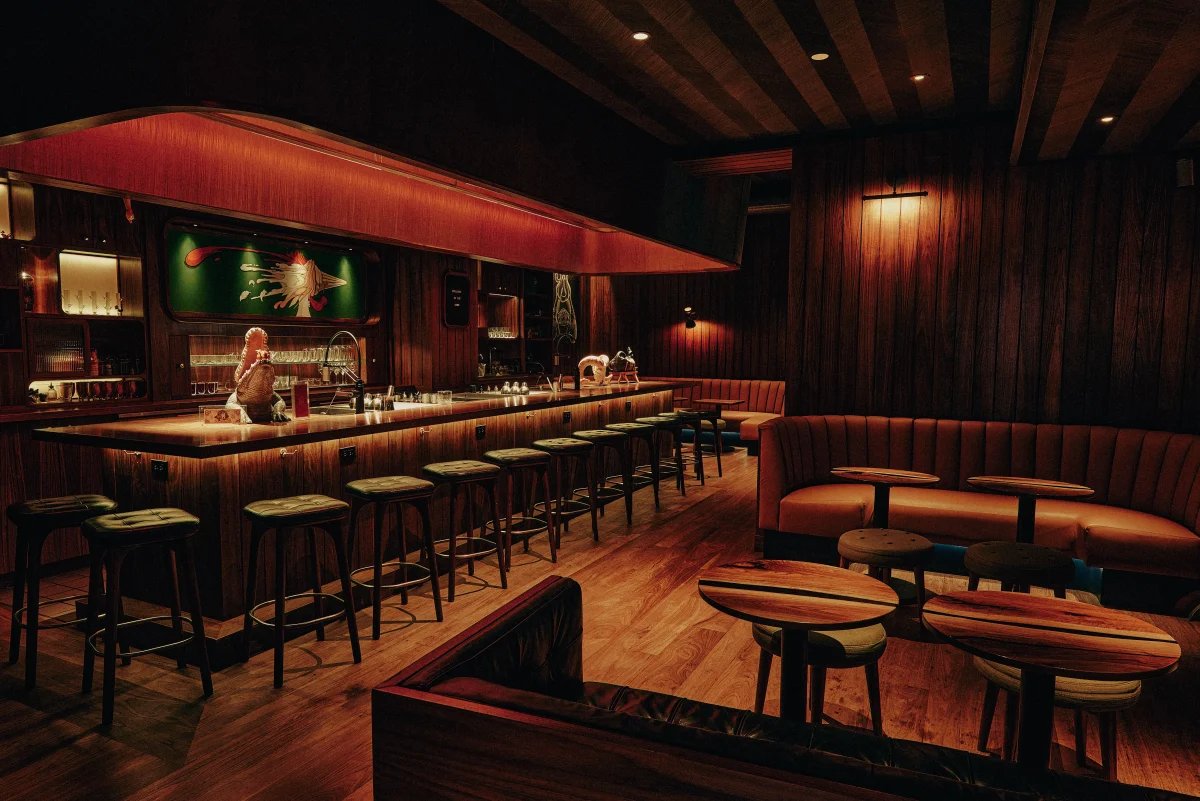
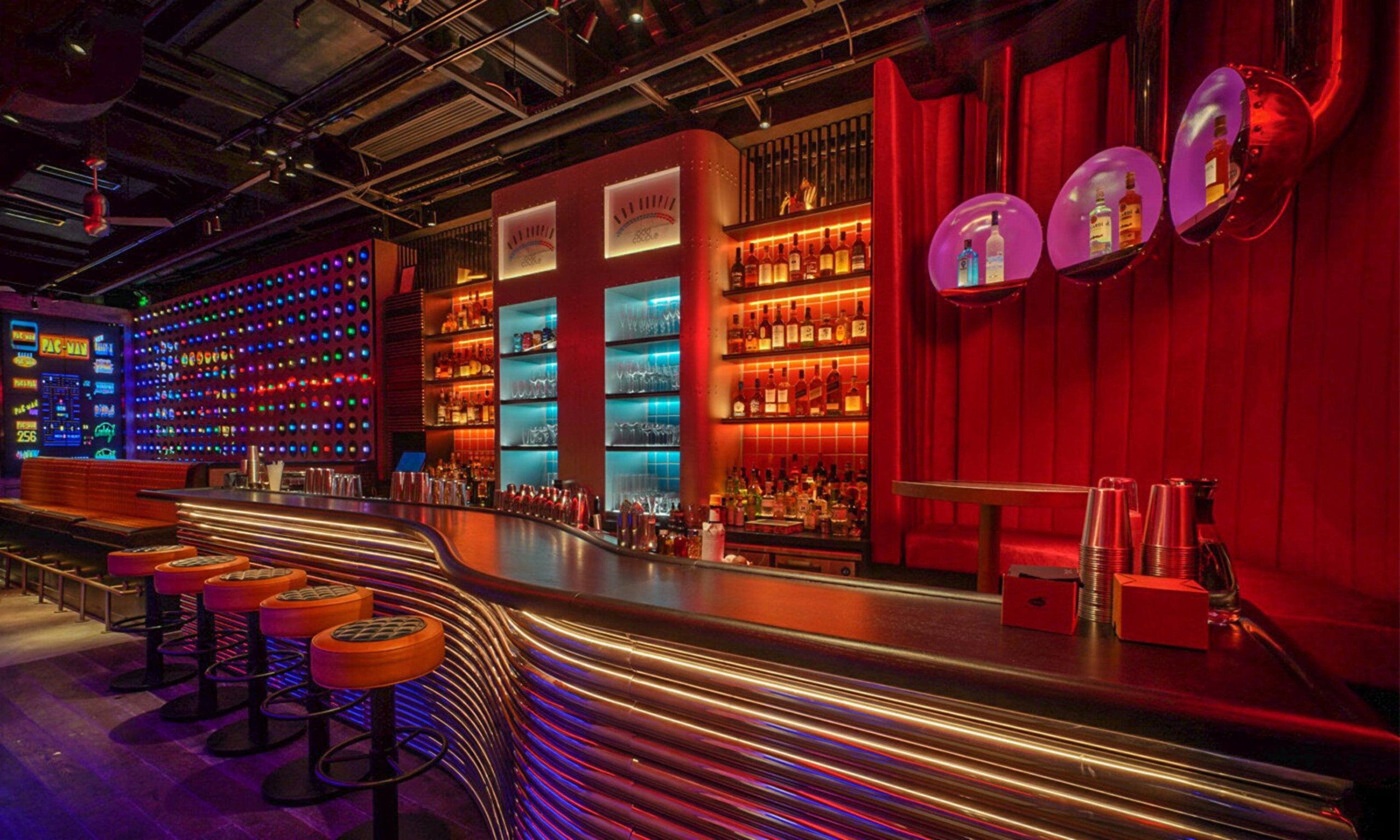
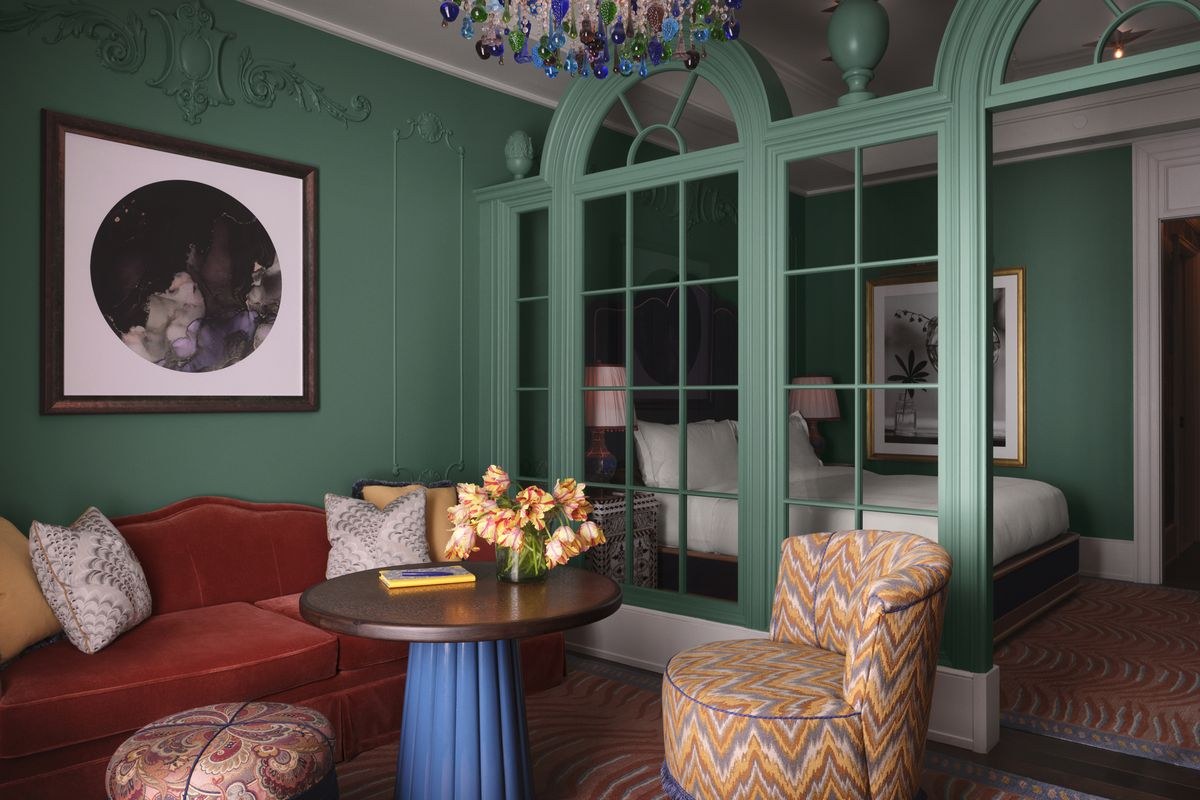
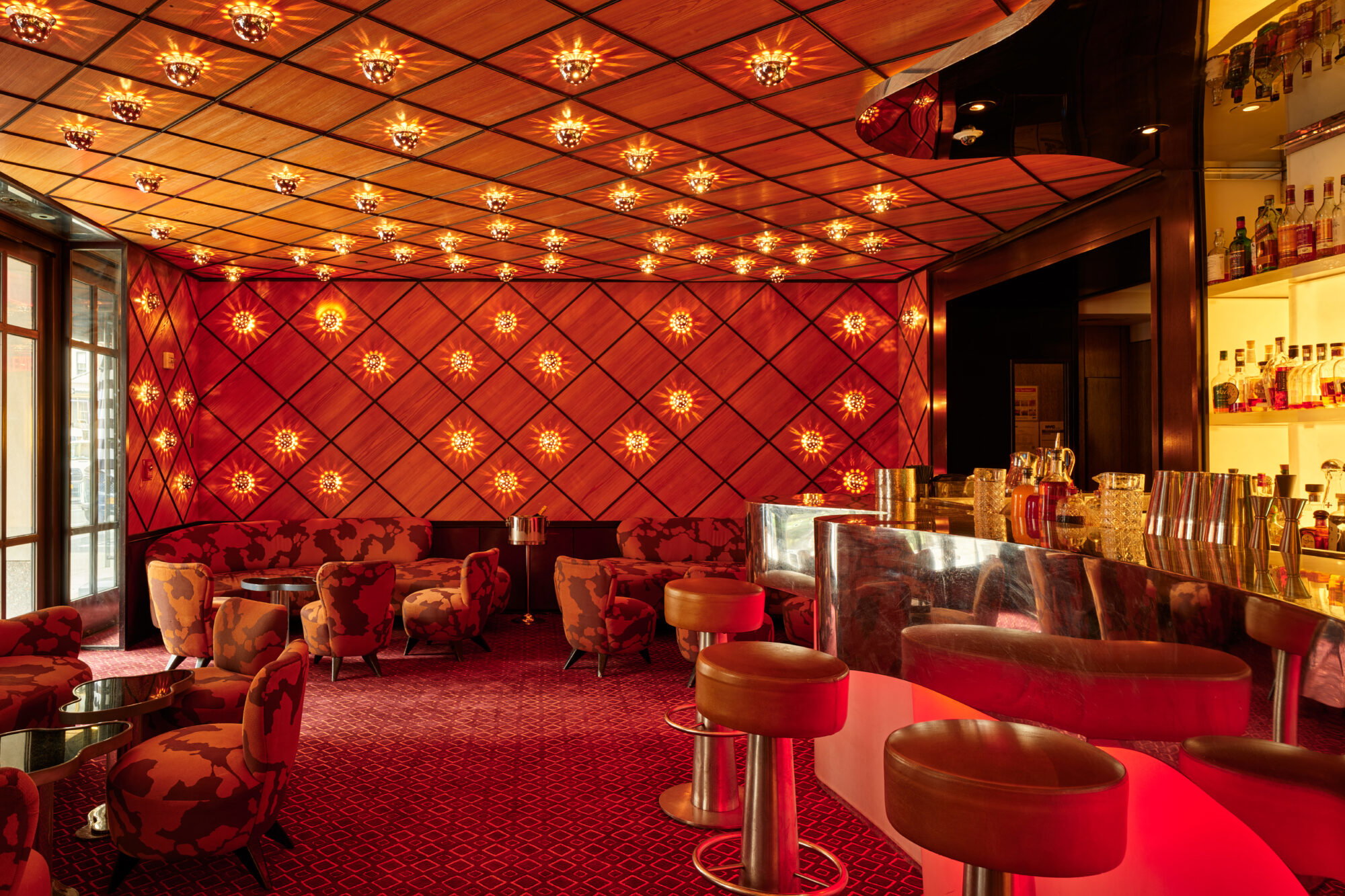
Dimly lit, narrow bar with a sophisticated and refined atmosphere designed for intimate conversation and craft cocktail appreciation.
Tags
Vibe
Best For
Experience
Format
At the Bar
- Bar Category
- Cocktail Bar
- Late Night
- Open Until 2am
- Spirits Focus
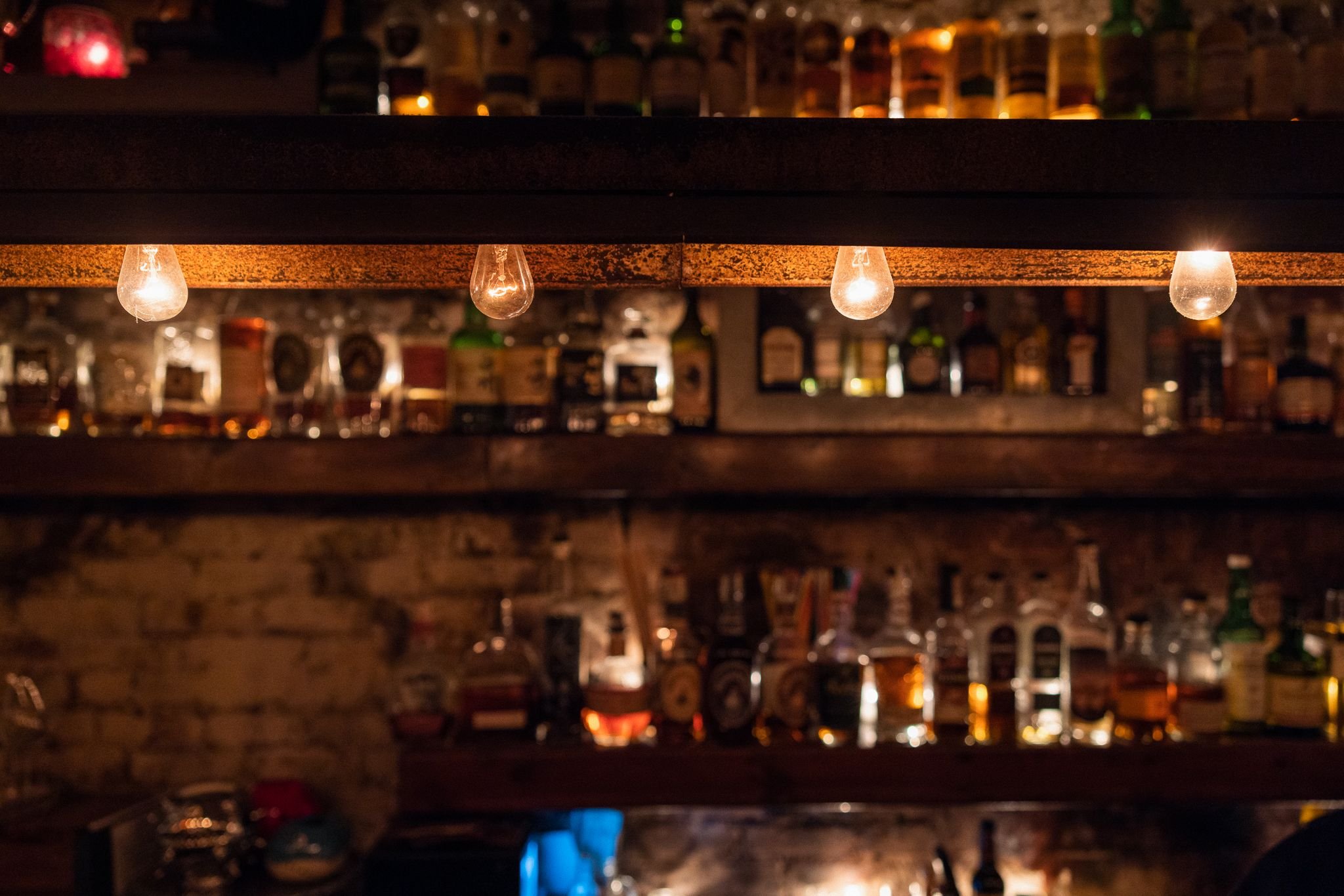
- Gin, Mezcal, Rum
Know before you go
Know Before You Go
- Getting there
- 385 Smith St, Brooklyn, NY 11231
Planning details
Location
Also consider
Also Consider
- Black Mountain Wine House, Notable alternative
- Wingbar, Notable alternative
- Sociale, Notable alternative
- Barely Disfigured, Notable alternative
- Bar Rêve, Notable alternative
Bar context
How Dae compares in New York City
Choose Dae when ease is the priority. Against Black Mountain Wine House, Wingbar, Sociale, and Barely Disfigured, the clearest advantage is low booking friction and flexible hours, not a published price tier or awards-backed destination pull.
If the night needs a more clearly defined bar identity, cross-shop the named bar options first. Black Mountain Wine House is the smarter comparison for a wine-led plan, while Wingbar makes more sense when the group wants a narrower, casual food-and-drink brief. Sociale and Barely Disfigured are better to check when ambiance is the deciding factor.
Bar Rêve sits outside the immediate metro comparison, so use it only as a broader reference point rather than a direct substitute. For a Brooklyn plan with minimal advance work, Dae remains the easier call.
Explore New York City
Around this place
Discover more on Pearl
Unlock the full Dae guide in Pearl, including awards, comparisons, FAQs, planning details, and nearby places.
Compare Dae
| Venue | Location | Awards |
|---|---|---|
| Dae | New York City | No published awards |
| Black Mountain Wine House | New York City | No published awards |
| Wingbar | New York City | No published awards |
| Sociale | New York City | No published awards |
| Barely Disfigured | New York City | Pearl Recommended Bars |
| Bar Rêve | Brooklyn | No published awards |

How Dae New York City compares with similar nearby venues.
FAQ
Frequently Asked Questions
What's the crowd like at Dae?
A specific crowd description is not available. The confirmed details are that Dae is in New York City, has a smart casual dress code, and is open Wednesday through Sunday.
Is Dae good for groups?
Group suitability is not available. If you are planning for a party size, seating need, or reservation requirement, confirm directly with the venue before visiting.
Is Dae good for a date?
Dae may work for a New York City plan if its smart casual dress code and Wednesday-Sunday hours fit your timing. Confirm any date-night requirements directly.
Is Dae open late?
Dae is open until 11 PM on Friday and Saturday. It closes at 10 PM on Wednesday, Thursday, and Sunday, and is closed Monday and Tuesday.