




The Carlyle, A Rosewood Hotel
Upper East Side-Carnegie Hill, New York City
Hotel in New York City, United States
 Book with Pearl
The Read
Old-World Manhattan Permanence
Why go
The Carlyle, A Rosewood Hotel is a hotel on East 76th Street in New York City.
About The Carlyle, A Rosewood Hotel
The Carlyle, A Rosewood Hotel is a premium hotel option in New York City. The strongest reasons to consider it are its recognition profile and its smart-casual dress code. Its accolades include Michelin 2 Keys in 2024, a 98.5-point La Liste Top Hotels score for 2026, Pearl Recommended Hotel recognition in 2025, World's 50 Best Hotels #30 in 2024, and Forbes 4-Star recognition in 2025.
Book for hotel recognition, not a lifestyle brief
The Carlyle, A Rosewood Hotel makes the clearest case for travelers who want a New York City hotel with a strong awards profile. The recognitions are meaningful: Michelin 2 Keys in 2024, La Liste Top Hotels 2026 at 98.5 points, Pearl Recommended Hotel in 2025, World's 50 Best Hotels #30 in 2024, and Forbes 4-Star recognition in 2025.
Use the awards as a confidence signal, but confirm practical requirements directly if they matter to the stay.
Who should choose it over other premium alternatives
Compare The Carlyle, A Rosewood Hotel with The Mark, The Lowell, The Surrey, A Corinthia Hotel, Fasano Fifth Avenue, and Loews Regency New York Hotel if you are choosing among premium New York City hotels. Favor The Carlyle for its recognition profile, then compare rooms, amenities, dining, and neighborhood fit directly before booking.
For a wider New York scan, use Our full New York City hotels guide; for planning the rest of the trip, pair it with Our full New York City restaurants guide, Our full New York City bars guide, and Our full New York City experiences guide.
Quick reference: choose it for a New York City hotel with Michelin 2 Keys, La Liste Top Hotels, Pearl Recommended Hotel, World's 50 Best Hotels, and Forbes 4-Star recognition; confirm stay-specific details before booking.
Part of
Rosewood79 locations on PearlInside The Carlyle, A Rosewood Hotel
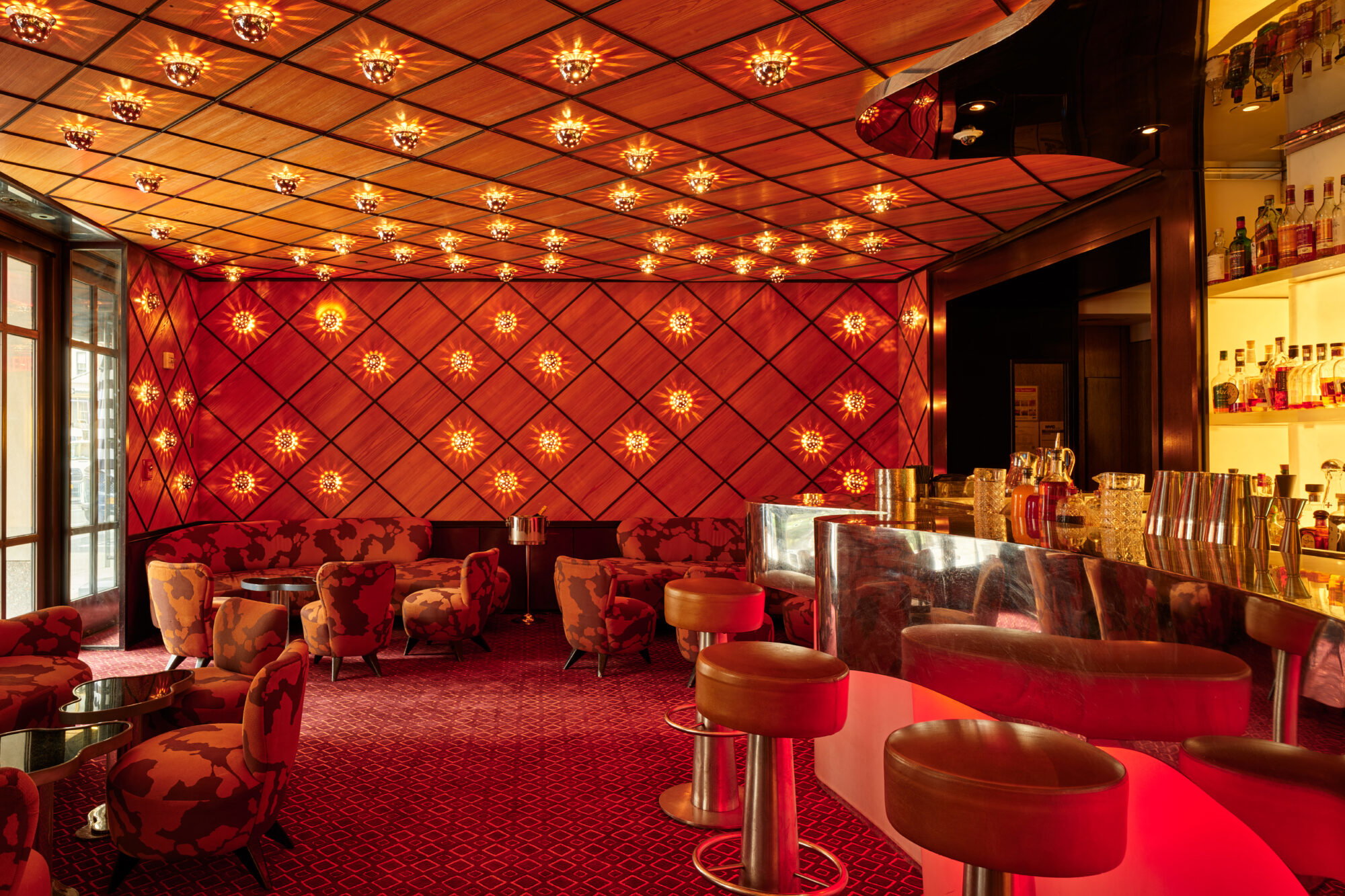
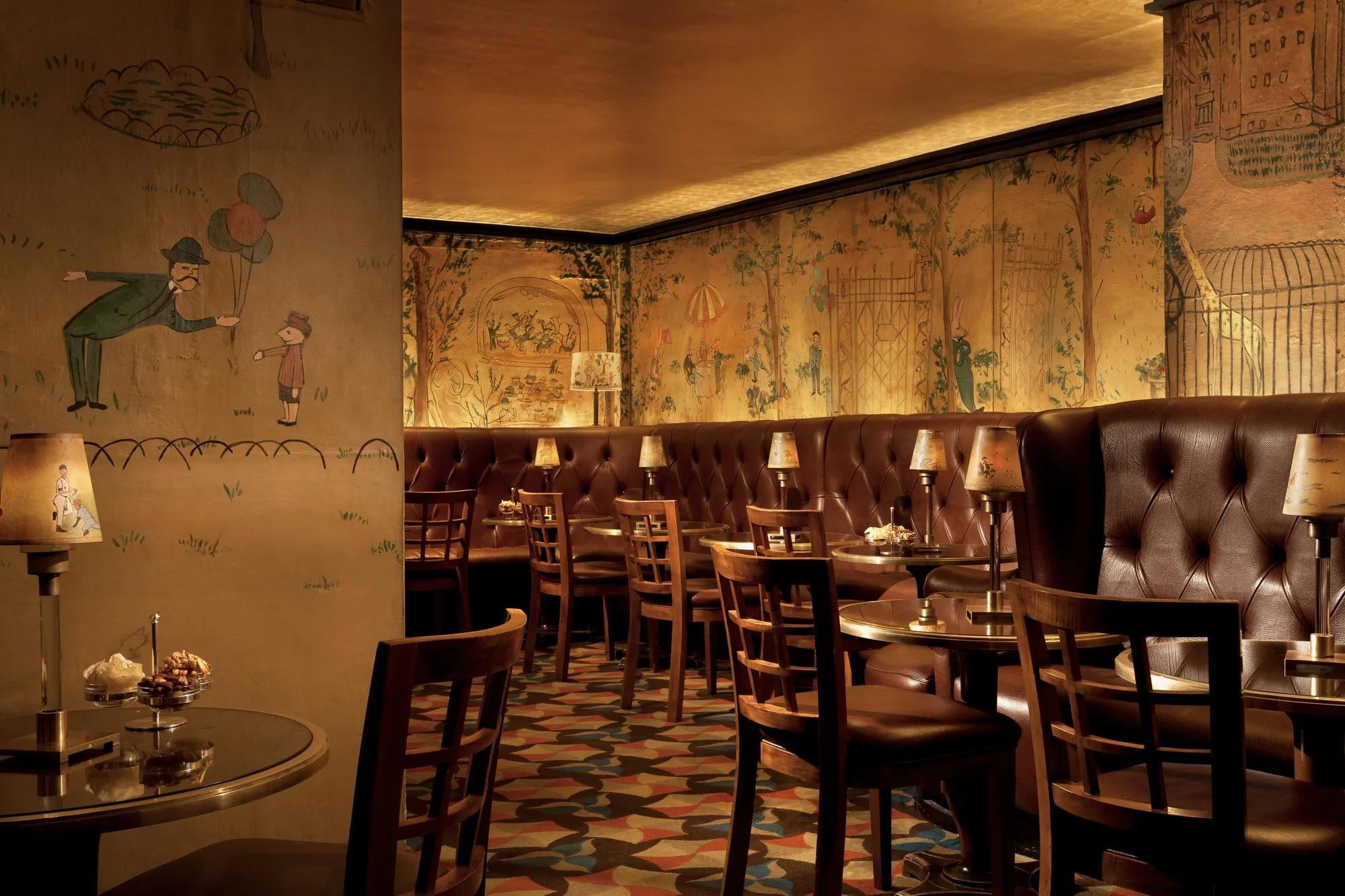 lobby_barBemelmans BarOpen since 1947, Bemelmans Bar at The Carlyle has held its place in New York's upper-tier hotel bar circuit longer than most of its competitors have existed. Ranked No. 45 on the Top 500 Bars Best Bars list for 2025, it occupies the Upper East Side's most recognisable cocktail room, where Ludwig Bemelmans's original murals still cover the walls. A benchmark for the classic New York hotel bar format.
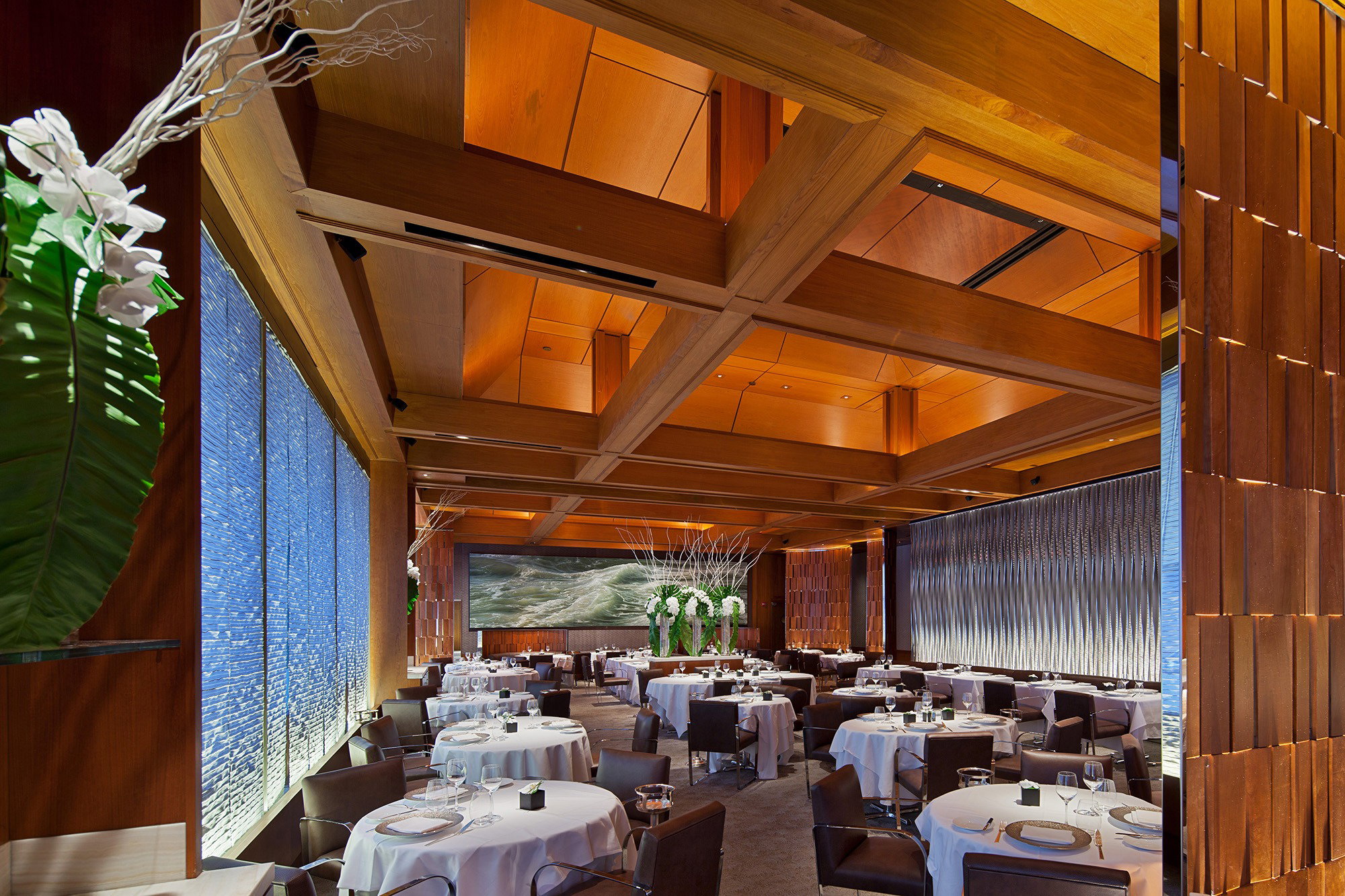
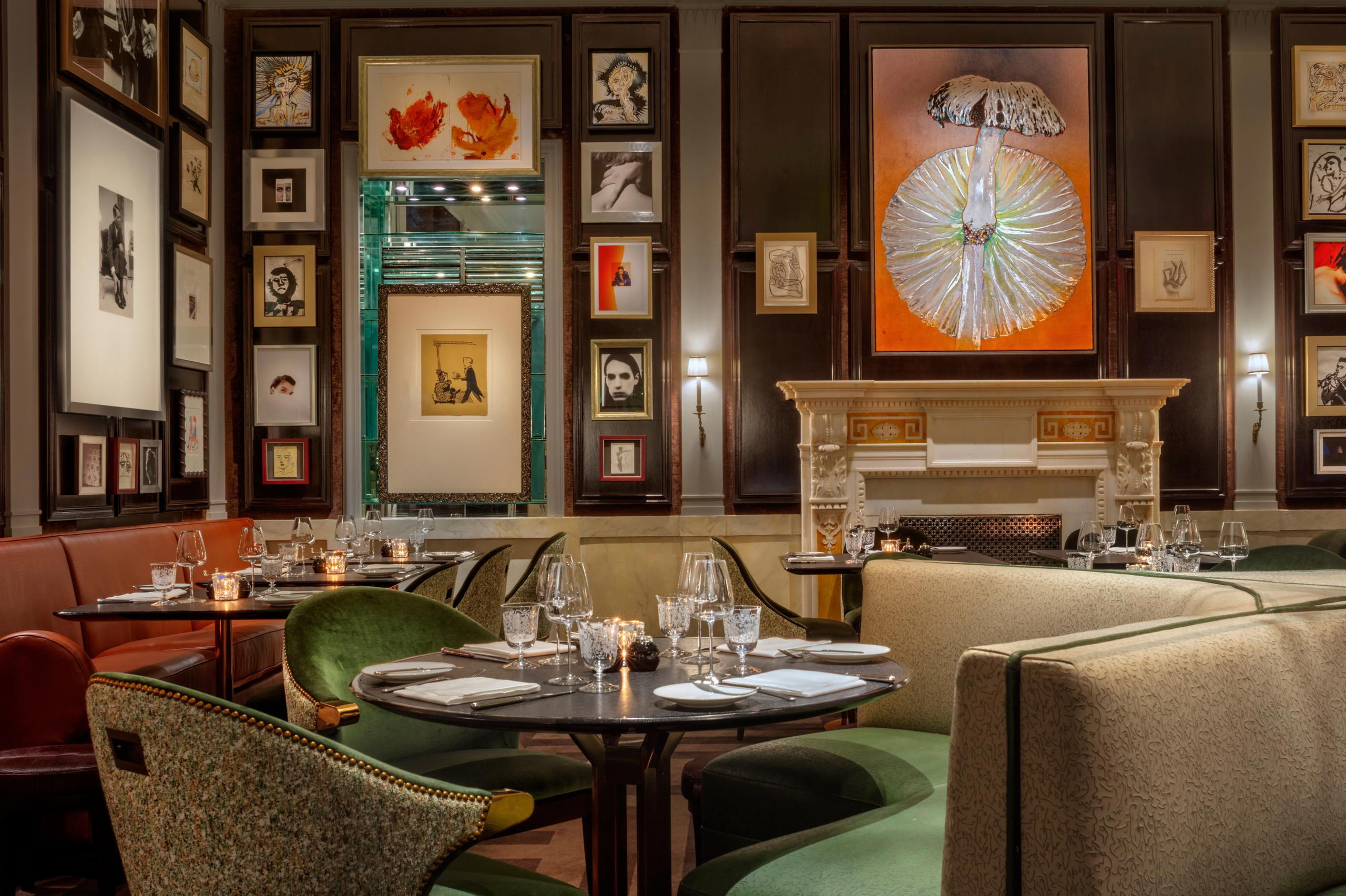 restaurantDowling's at The CarlyleInside the Carlyle Hotel on the Upper East Side, Dowling's at The Carlyle operates in a tier of American dining shaped as much by its address as its kitchen. Chef Sylvain Delpique leads a program that has earned consecutive Opinionated About Dining recognition in both 2024 and 2025, placing it among ranked North American restaurants. Open daily from mid-morning through evening, the room serves a clientele that treats this stretch of Madison Avenue as a neighbourhood, not a destination.
Planning details
- Location
- 35 E 76th St, New York, NY 10021
- Website
- rosewoodhotels.com/en/the-carlyle-new-york
- Phone
- +1 212-744-1600
The take
The Take
The Vibe
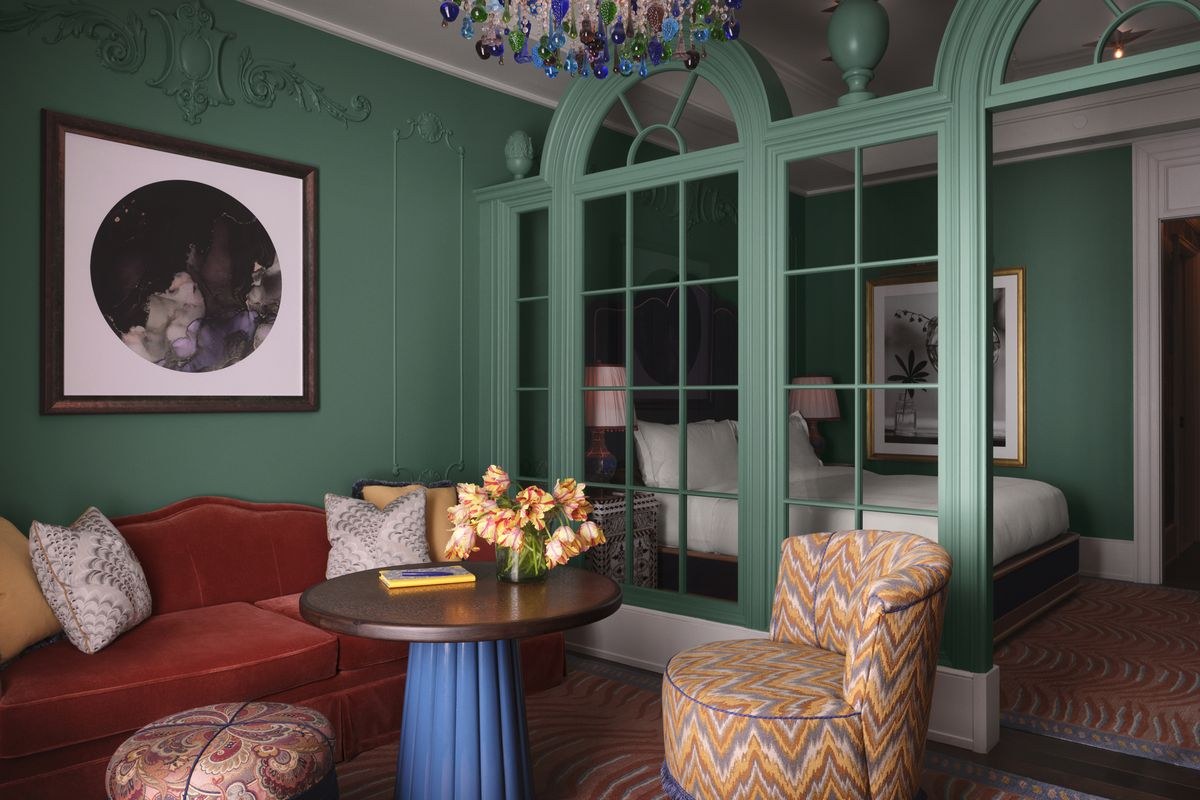
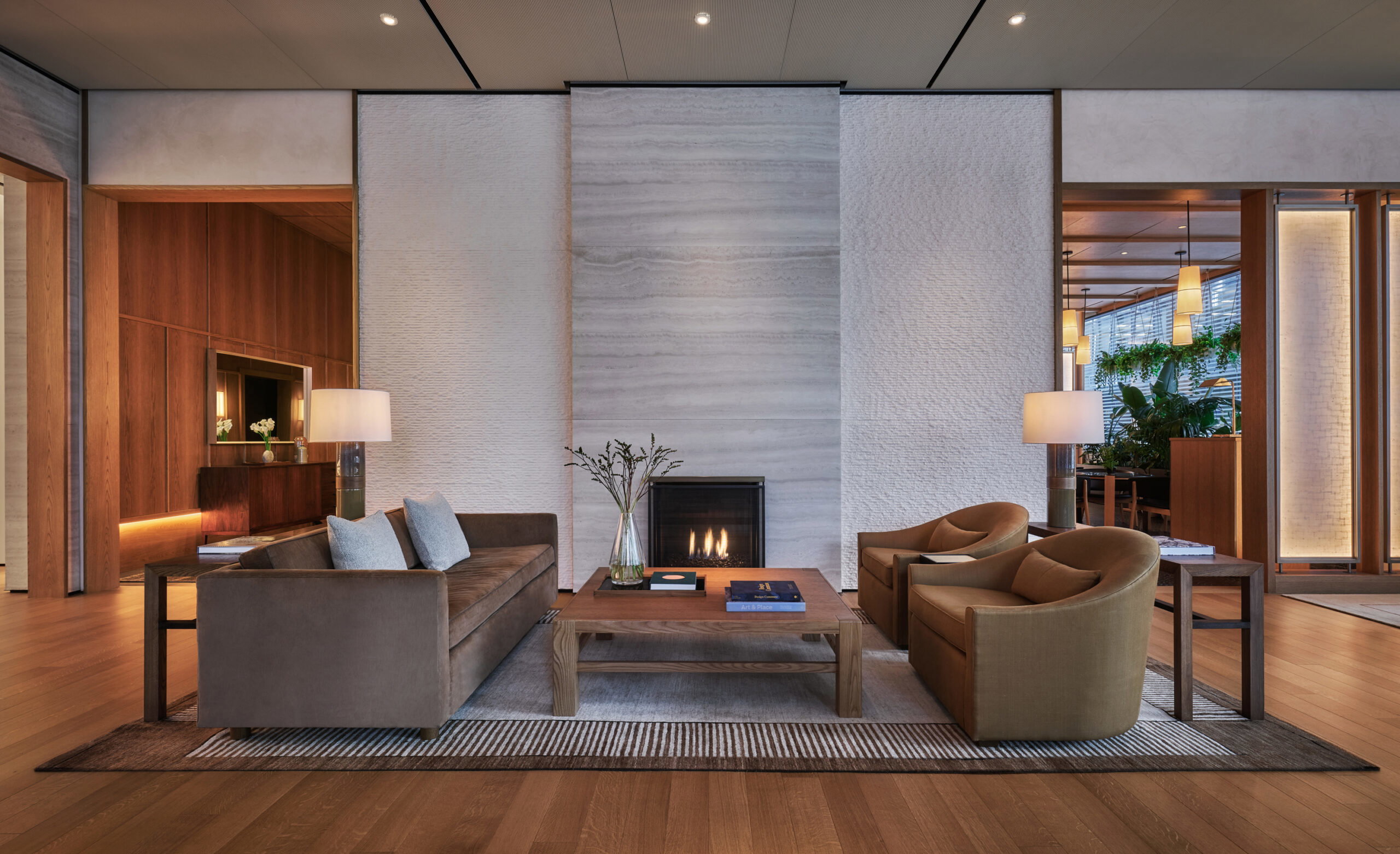
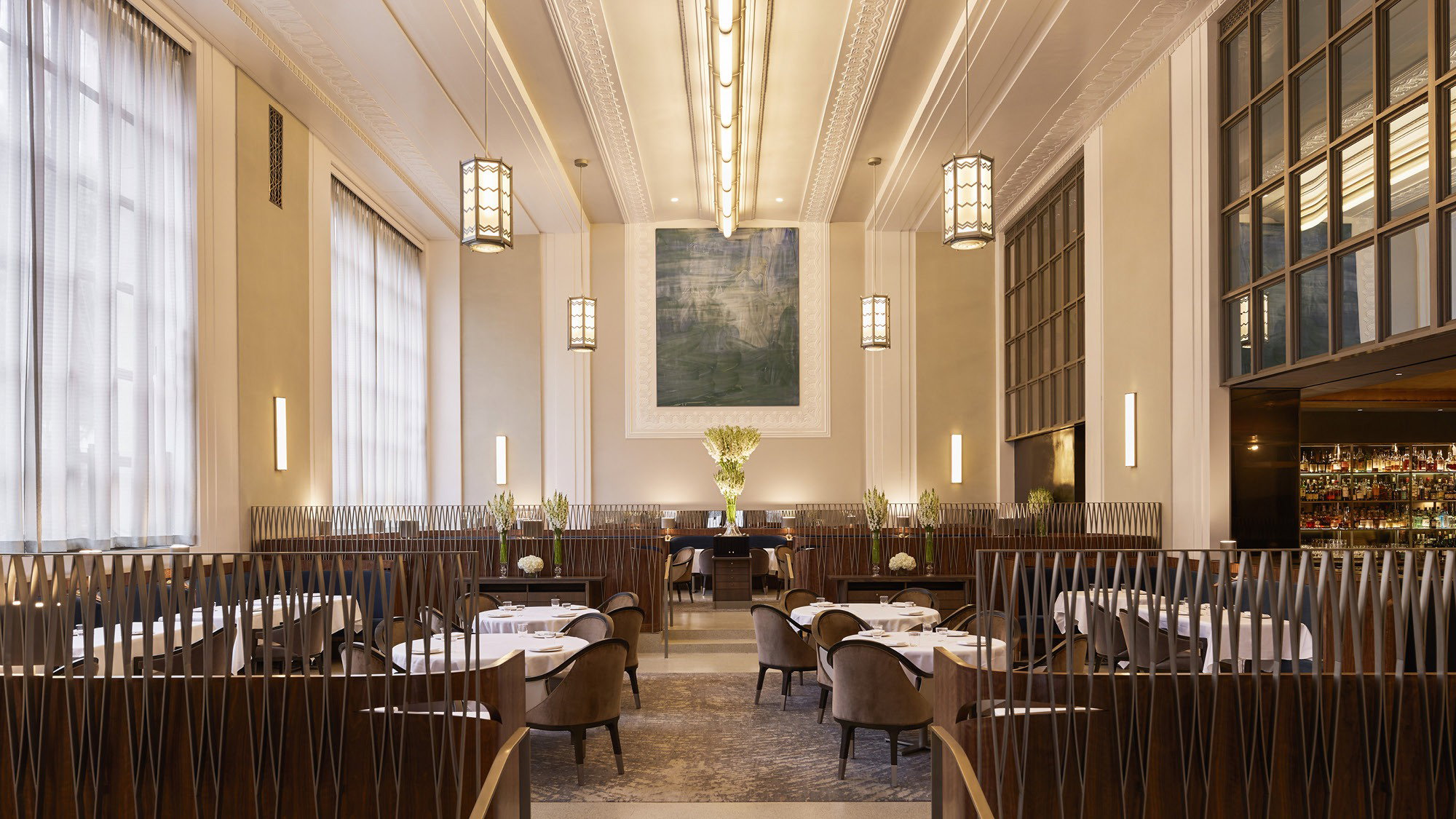
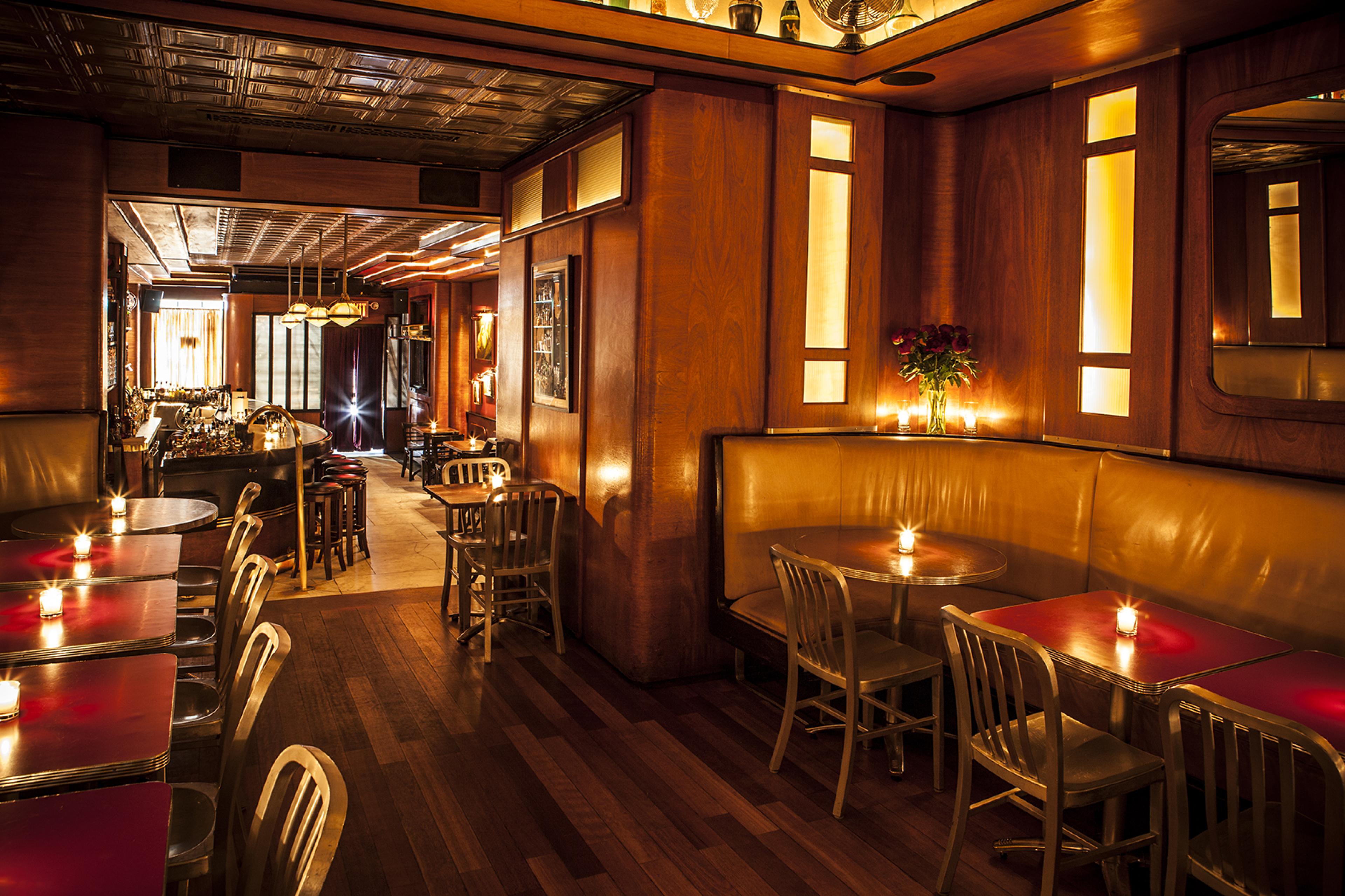
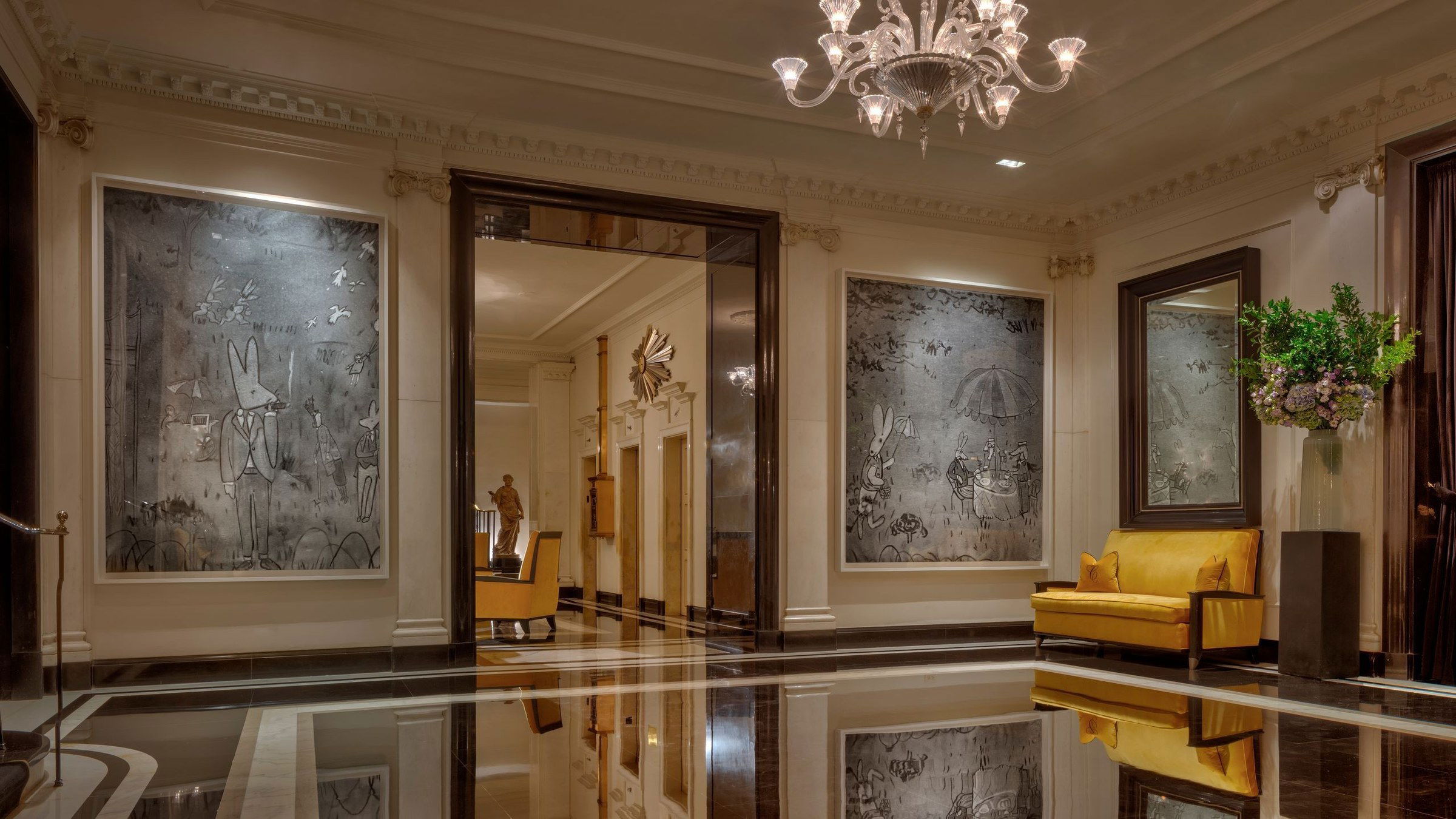
The Carlyle reads like a curated architectural record rather than a recent redesign: its Art Deco lines and references to the building’s 1930 origins anchor a multi‑layered interior that successive designers have added to rather than erased. That palimpsest effect — Dorothy Draper, Mark Hampton, Renzo Mongiardino, Thierry Despont — gives the hotel a quietly authoritative personality. It feels lived‑in without losing polish, an Upper East Side institution whose accumulated character and measure‑for‑measure service convey a composed, historic elegance rather than the flash of novelty.
Best For
The Carlyle is best for travelers who prize tradition, discretion and space. Its long institutional history and the description’s emphasis on generous rooms and a decades‑deep staff‑to‑guest relationship make it a natural choice for romantic getaways, anniversaries and honeymoons where atmosphere matters, as well as for business travelers seeking confidentiality and steadiness rather than trendiness. Located on the Upper East Side, it suits guests who prefer a residential, composed Manhattan experience over downtown’s design‑forward alternatives.
Venue details
Ambiance
Elegant and historic with romantic, sophisticated lighting in a quiet, luxurious atmosphere.
Tags
Vibe
Best For
Experience
Amenities
Accessibility
About the Stay
- Rooms
- 188
- Check-in
- 15:00
- Check-out
- 12:00
- Property Style
- Art Deco Luxury Hotel with Vintage English Style Furnishings Reminiscent of the Jazz Age.
- Design Style
- Elegant Art Deco with Antique Furnishings and Historic Charm.
Know before you go
Know Before You Go
- Getting there
- 35 E 76th St, New York, NY 10021
Planning details
Location
35 E 76th St, New York, NY 10021 · Directions
Recognition and awards



Also consider
Also Consider
- The Surrey, A Corinthia Hotel, Notable alternative
- The Mark, Notable alternative
- The Lowell, Notable alternative
- Fasano Fifth Avenue, Notable alternative
- Loews Regency New York Hotel, Notable alternative
Hotel context
How it compares in New York City
The Carlyle, A Rosewood Hotel is the classic Upper East Side choice in this group: more formal than Loews Regency New York Hotel, more established-feeling than The Surrey, A Corinthia Hotel, and less fashion-forward than The Mark. Choose it when the stay needs old New York gravity and a polished residential address rather than a design-led statement.
The Lowell is the stronger pick for travelers who want a quieter, more private townhouse mood. The Mark is better for guests who want a sharper social charge and a more visible scene. The Surrey is the main alternative for a refreshed luxury stay nearby, while Fasano Fifth Avenue suits travelers who prefer a discreet, residential Fifth Avenue feel.
For value discipline, Loews Regency New York Hotel is the practical cross-shop: it gives you the neighborhood and business-travel convenience without the same heritage premium. For a splurge where recognition and atmosphere matter, The Carlyle remains the more compelling booking; for easier everyday utility, Loews Regency is the safer call.
Explore New York City
Around this place
Discover more on Pearl
Unlock the full The Carlyle, A Rosewood Hotel guide in Pearl, including awards, comparisons, FAQs, planning details, and nearby places.
Compare The Carlyle, A Rosewood Hotel
| Venue | Location | Awards |
|---|---|---|
| The Carlyle, A Rosewood Hotel | New York City | 2026 La Liste Top Hotels2025 World’s 50 Best Hotels · #64Michelin 2 Keys 20252025 Forbes 4-Star2025 Michelin 2 Keys2024 World's 50 Best Hotels · #302024 Michelin 2 KeysPearl Recommended Hotels |
| The Surrey, A Corinthia Hotel | New York City | Star Wine Lists 20262026 Forbes 4-Star2026 Virtuoso Luxury Hotel CollectionWorld Travel Awards 2025 · #12025 Esquire Best New Hotels2025 Michelin 1 Key |
| The Mark | New York City | 2026 Forbes 4-Star2026 Virtuoso Luxury Hotel CollectionStar Wine Lists 20262026 La Liste Top Hotels2025 World’s 50 Best Hotels · #43Preferred Hotels Member 20252025 Michelin 2 Keys2025 Forbes 4-Star2024 Michelin 2 Keys |
| The Lowell | New York City | Leading Hotels of the World 2026Conde Nast Gold List 20262026 La Liste Top HotelsWorld Travel Awards 20252025 Michelin 1 Key2025 Forbes 4-Star2024 Michelin 1 Key |
| Fasano Fifth Avenue | New York City | No published awards |
| Loews Regency New York Hotel | New York City | 2026 Forbes Recommended2025 Forbes Recommended |








How The Carlyle, A Rosewood Hotel compares with similar nearby venues.
FAQ
Frequently Asked Questions
Is The Carlyle, A Rosewood Hotel family-friendly?
If family-specific amenities or policies matter for your stay, check directly with The Carlyle, A Rosewood Hotel before booking. For comparison, you can also review Loews Regency New York Hotel and other premium New York City options.
Is The Carlyle, A Rosewood Hotel good for business travel?
If business-specific amenities or services are essential, check directly with The Carlyle, A Rosewood Hotel before booking. The hotel's recognition profile includes Michelin 2 Keys in 2024 and Forbes 4-Star recognition in 2025. You can also compare it with Loews Regency New York Hotel.
How is the pool and spa at The Carlyle, A Rosewood Hotel?
Treat wellness facilities as a direct-check item before booking. If those amenities are central to the stay, compare The Carlyle, A Rosewood Hotel with The Mark or The Surrey, A Corinthia Hotel and verify current facilities with each property.
How does The Carlyle, A Rosewood Hotel compare to other premium hotels?
A key comparison point is recognition. The Carlyle, A Rosewood Hotel has Michelin 2 Keys, La Liste Top Hotels, Pearl Recommended Hotel, World's 50 Best Hotels, and Forbes 4-Star recognition. Compare it with The Mark, The Lowell, Fasano Fifth Avenue, The Surrey, A Corinthia Hotel, and Loews Regency New York Hotel based on your own travel needs.
Do loyalty programs work at The Carlyle, A Rosewood Hotel?
If earning, redemption, or elite benefits matter, check directly with The Carlyle, A Rosewood Hotel before booking and compare with Loews Regency New York Hotel or another New York City hotel that fits your program needs.