1925 Vermutería
Vallvidrera, el Tibidabo i les Planes, Barcelona
Bar in Barcelona, Spain
 Book with Pearl
Why go
A practical Sarrià-Sant Gervasi choice for casual vermouth-style drinks, especially if the group wants an easy Barcelona meet-up outside the busier central bar routes. Book it for flexibility and location, not for a fully documented food or cocktail program.
About 1925 Vermutería
1925 Vermutería is a Barcelona venue open every day from 12 PM to 12 AM. It is best approached as a straightforward Barcelona option rather than a place defined by assumptions about cuisine, menu, drinks, pricing, seating, or service style.
The dress code is smart casual. If you are comparing it with other Barcelona dining or bar choices, use the basics first: daily midday-to-midnight hours, Barcelona location, and smart-casual expectations.
Works better as a flexible stop than a detail-heavy special-occasion booking
Because the hours run from 12 PM to 12 AM every day, 1925 Vermutería may be easier to fit into a Barcelona plan than venues with narrower schedules. If the night depends on a specific menu, seating arrangement, price point, or drinks program, those details should not be assumed. For a broader scan, use our full Barcelona bars guide to compare other options.
The main tradeoff is certainty. With no booking method, website, menu, seating count, or price range listed here, this is not the venue to choose when a host needs total control over spend, pacing, or format. If you are comparing named options, Andreu is another Barcelona venue to review alongside 1925 Vermutería.
Who should choose it, and who should look elsewhere
Choose 1925 Vermutería if the basics are enough for your plan: Barcelona, smart-casual dress, and daily 12 PM to 12 AM hours. Look elsewhere if you need confirmed information on cuisine, signature drinks, dietary accommodations, takeout, delivery, exact pricing, reservations, or a specific atmosphere. For broader planning, pair this page with our full Barcelona restaurants guide, our full Barcelona hotels guide, our full Barcelona wineries guide, and our full Barcelona experiences guide.
For alternatives, compare 1925 Vermutería with other Barcelona options such as Andreu, or browse unnamed dining and bar choices elsewhere in the city. Keep the comparison practical: hours and dress code are clear here, while menu, price, service style, and drinks details are not.
Located inside
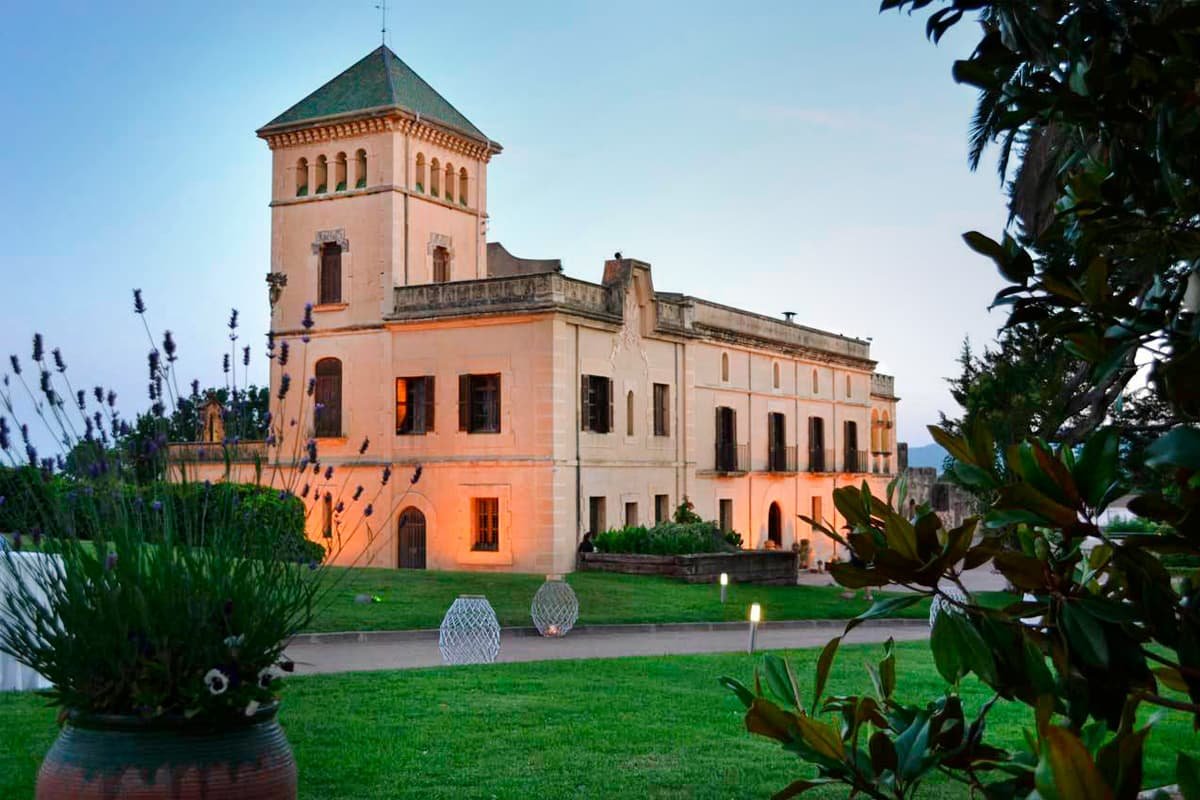
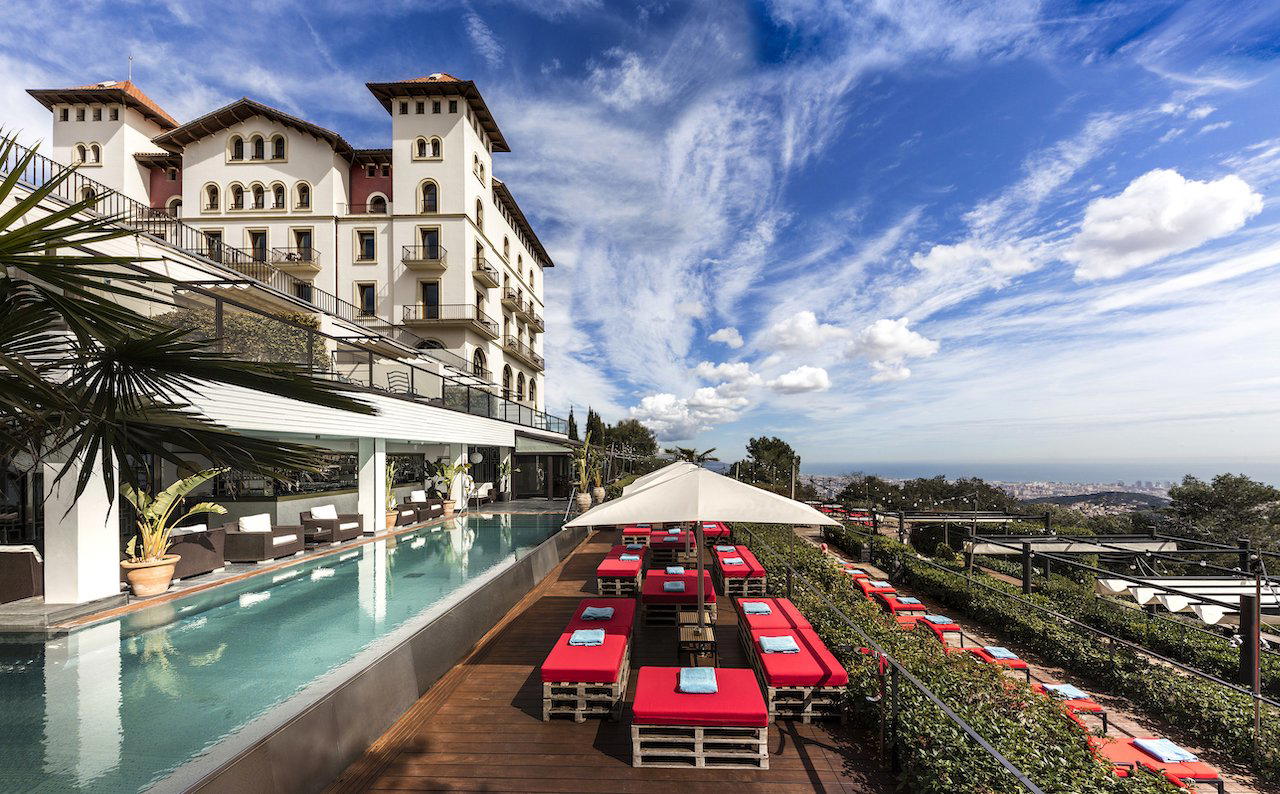 HotelGran Hotel La FloridaFull hotel guide
Planning details
- Location
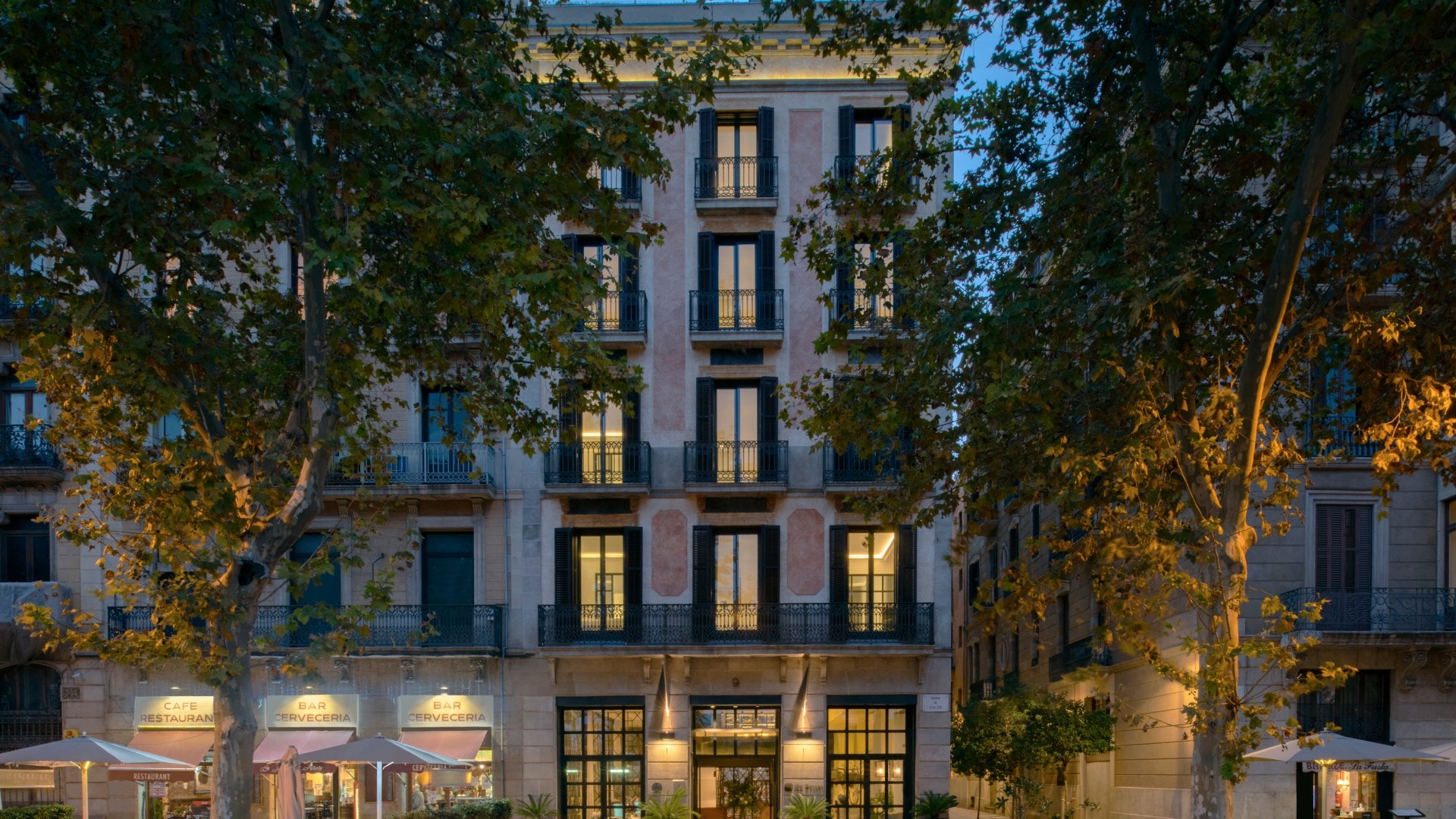
- Camí de Vallvidrera al Tibidabo, 83, Sarrià-Sant Gervasi, 08035 Barcelona, Spain
- Website
- 1925vermuteria.com
- Phone
- +34 932 59 30 00
The take
The Take
The Vibe
1925 Vermutería situates itself up on the Tibidabo road in Sarrià-Sant Gervasi, away from Barcelona’s more touristed cocktail corridors. The piece frames the bar as a deliberate nod to an earlier era; naming it after 1925 signals a rootedness in Catalan vermouth culture rather than a trendy reinvention. The writing emphasises neighbourhood ritual and a bodega-like approach: it feels like a local stop where the ritual of vermouth drinking is front and center. That distance from the city’s technical cocktail scene gives the place a quiet, classic character — less about precision showmanship and more about communal ritual and taste.
Best For
This bar reads as best for a slow, sociable pre-lunch moment rather than a late-night cocktail crawl. The description highlights the tradition of a morning vermouth taken before lunch on a Sunday, paired with simple accompaniments and conversation; that makes 1925 especially well suited to weekend aperitivo routines and relaxed daytime visits. Because it’s positioned in a quieter residential quarter up the hill, the venue works for locals looking to keep things low-key and for visitors seeking an authentic, neighbourhood vermutería experience off the usual tourist track.
Ordering Tips
Treat vermouth as the main event here: the write-up explicitly positions vermouth not as a mixer but as the programme. The text mentions the morning vermouth custom served with olives and anchovies, so ordering a vermouth with classic small plates or tapas-style accompaniments is the straightforward way to approach a visit. Don’t expect theatrical cocktail innovation; instead, lean into the ritual — a simple vermouth, a few anchovies or olives, and time for conversation replicate the experience the description celebrates.
Venue details
Ambiance
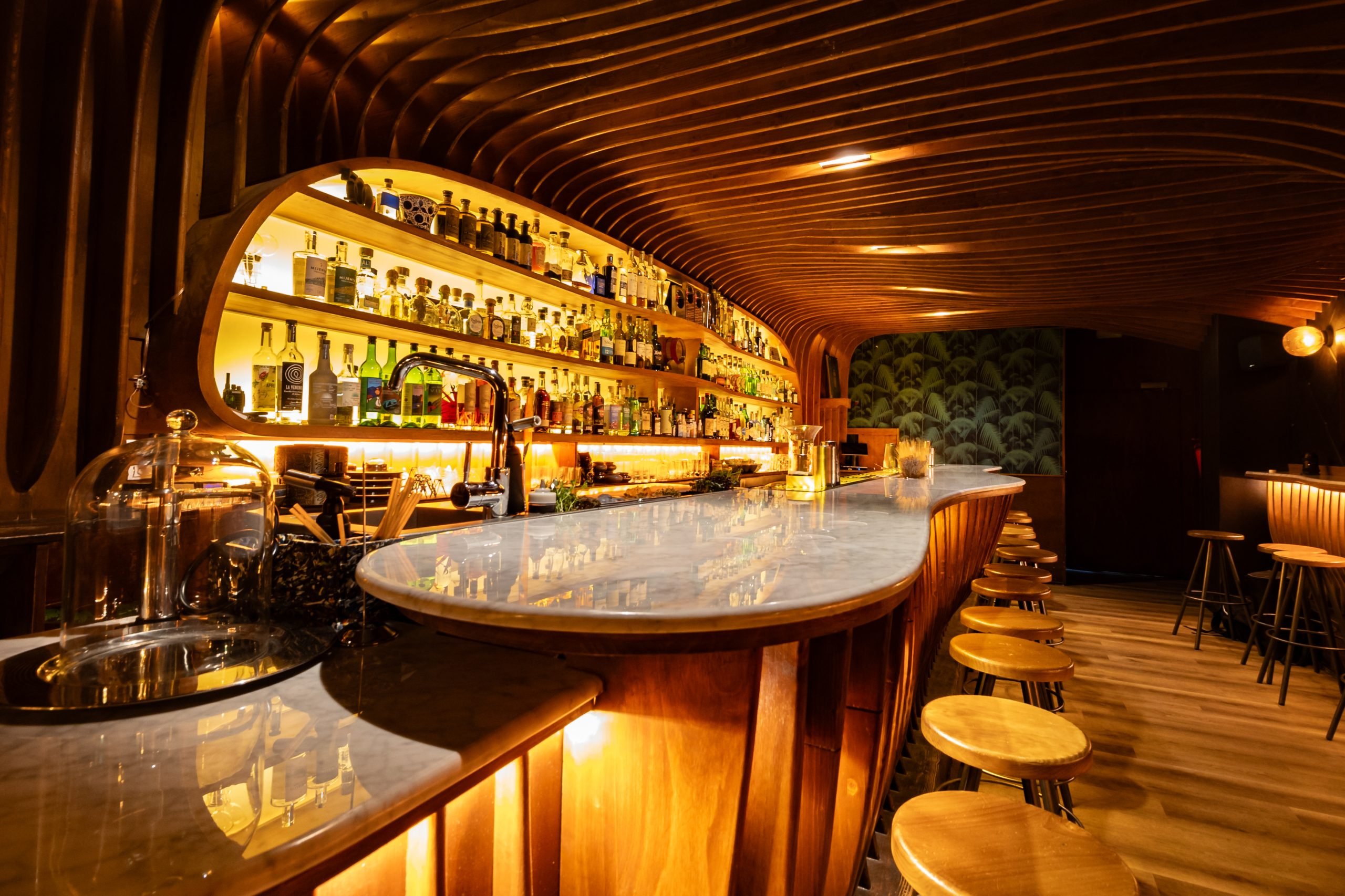
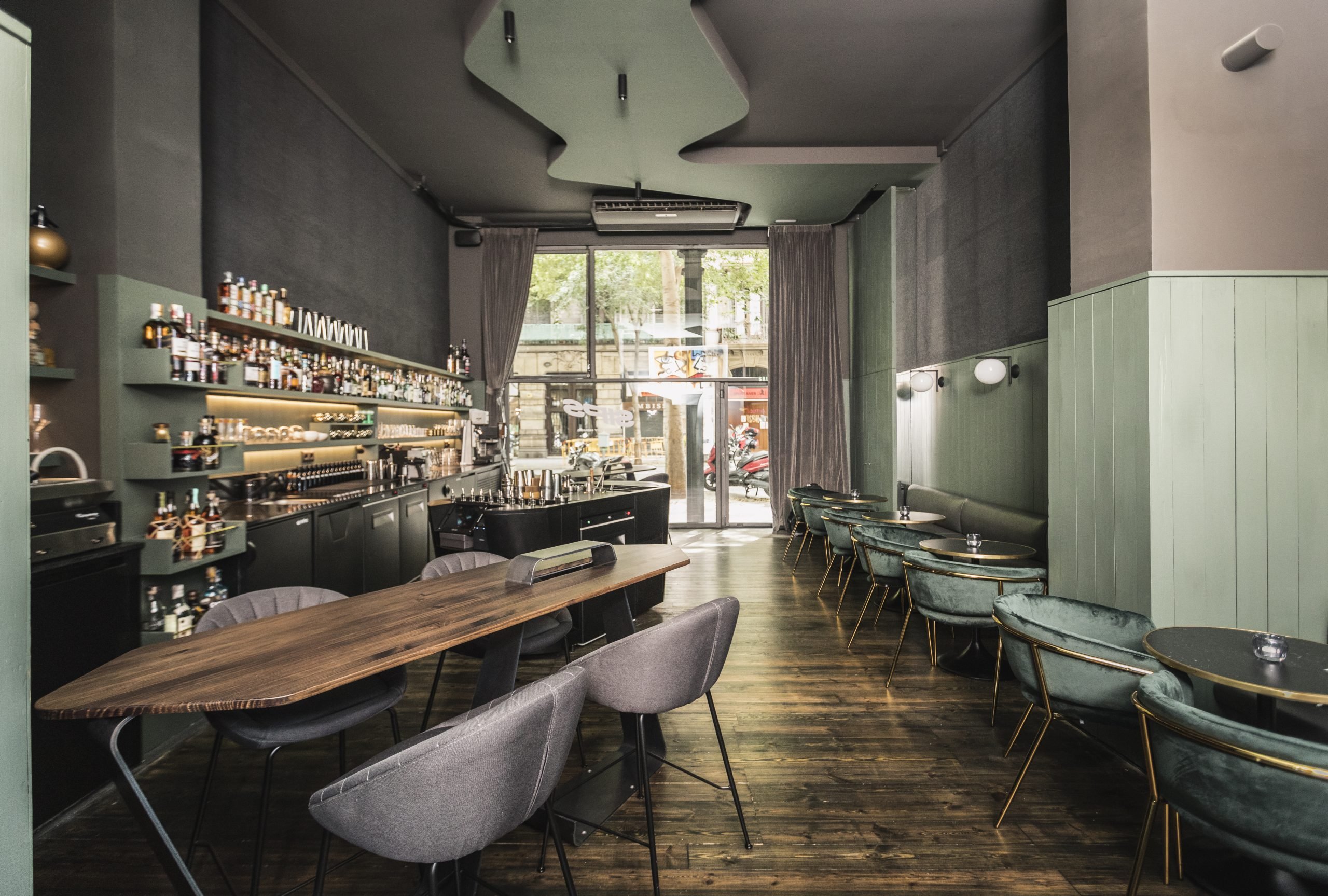
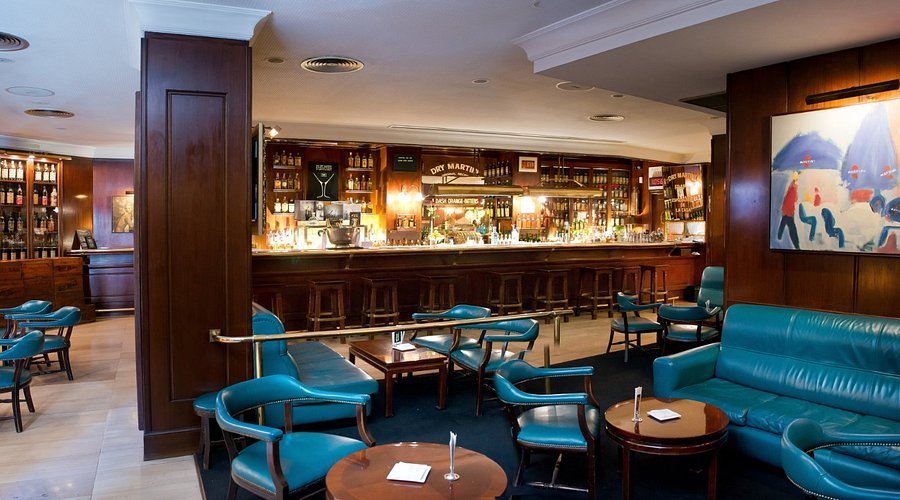
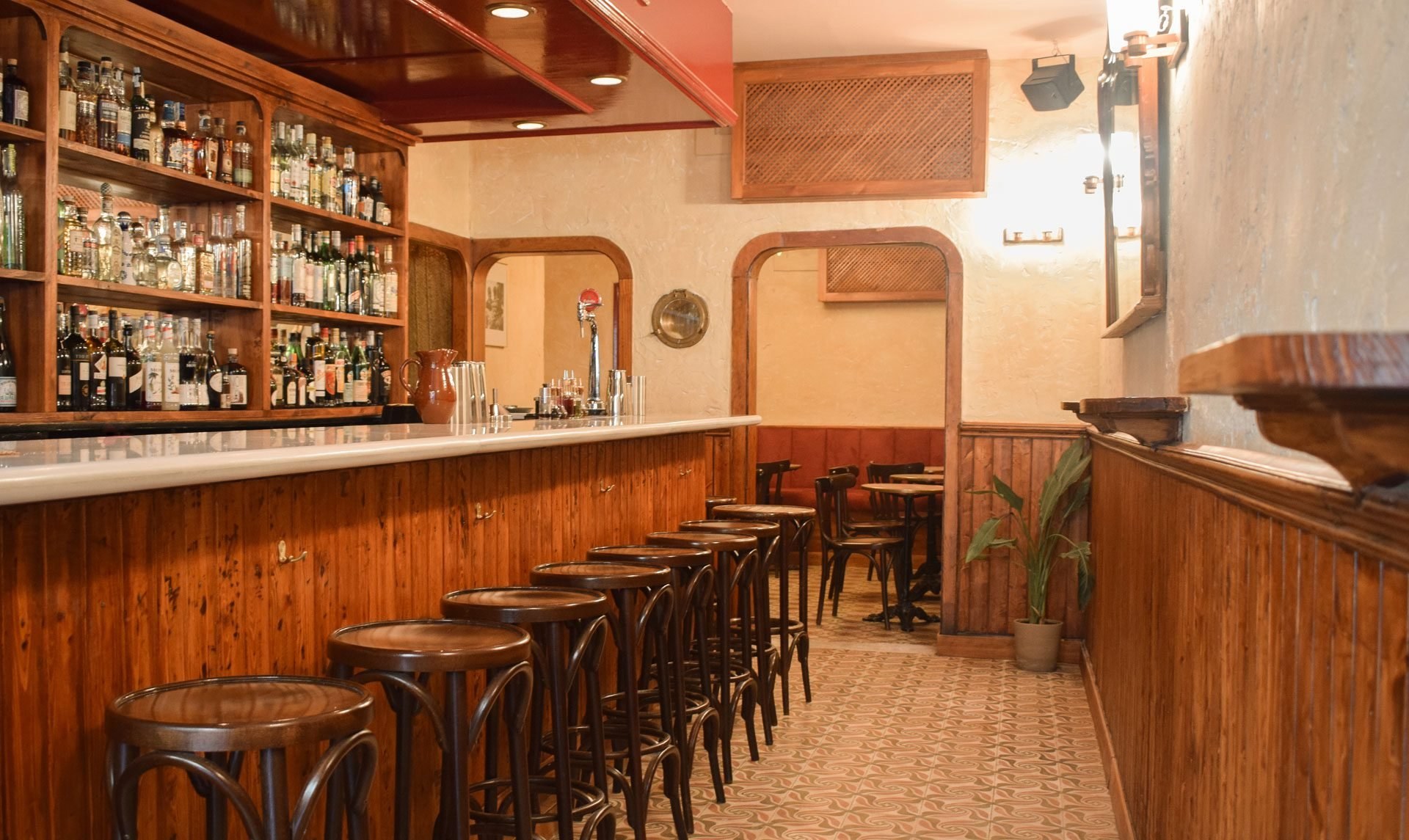
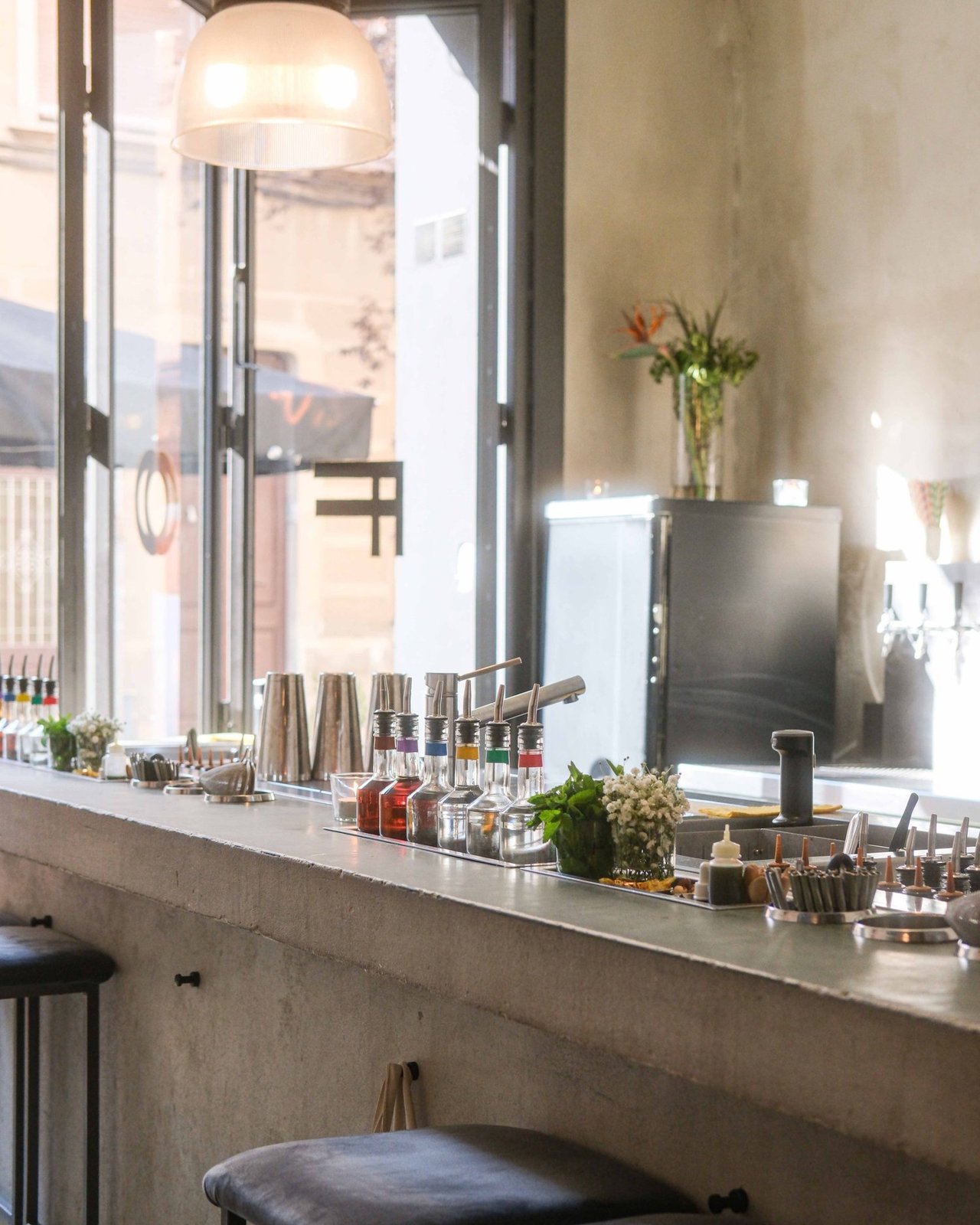
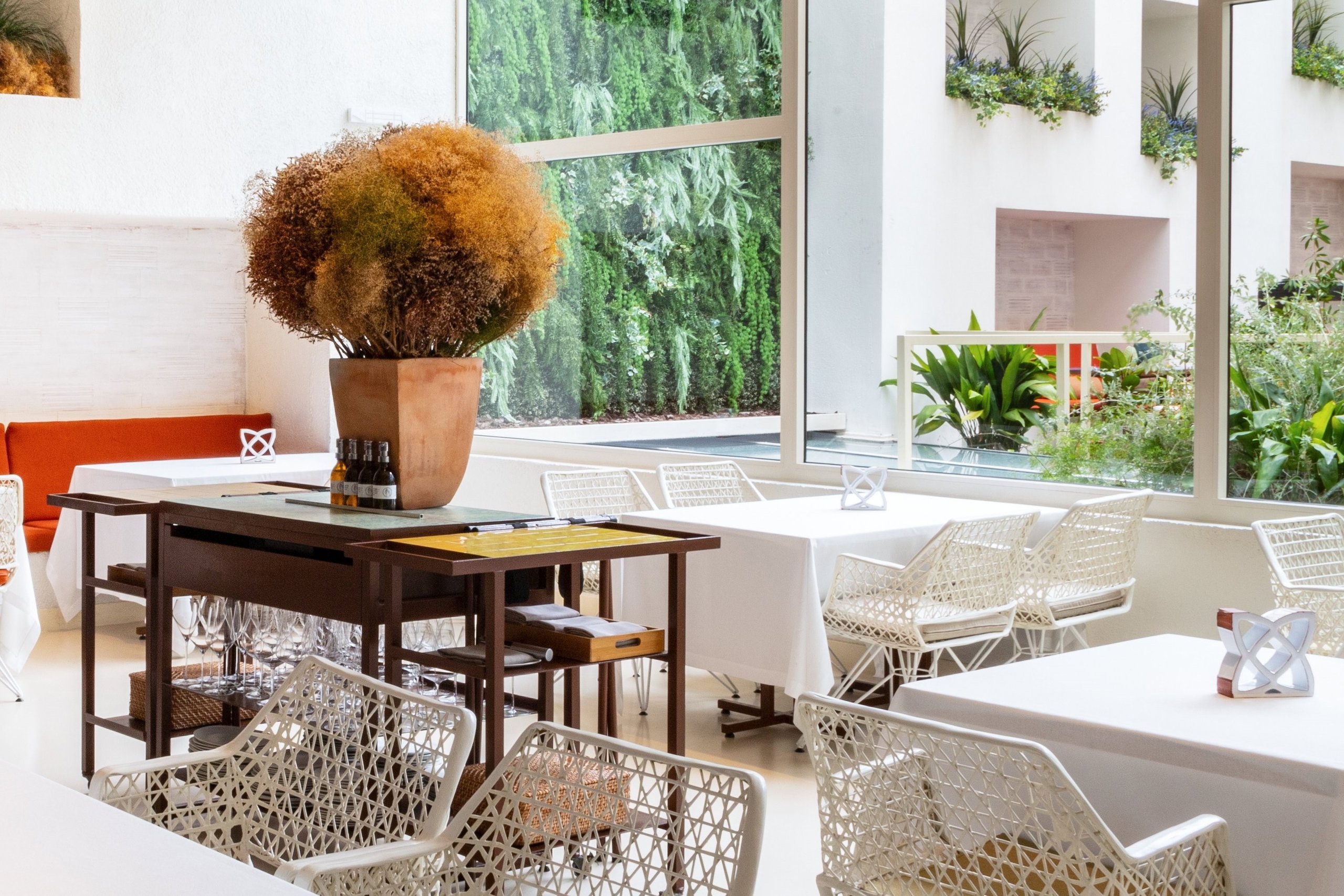
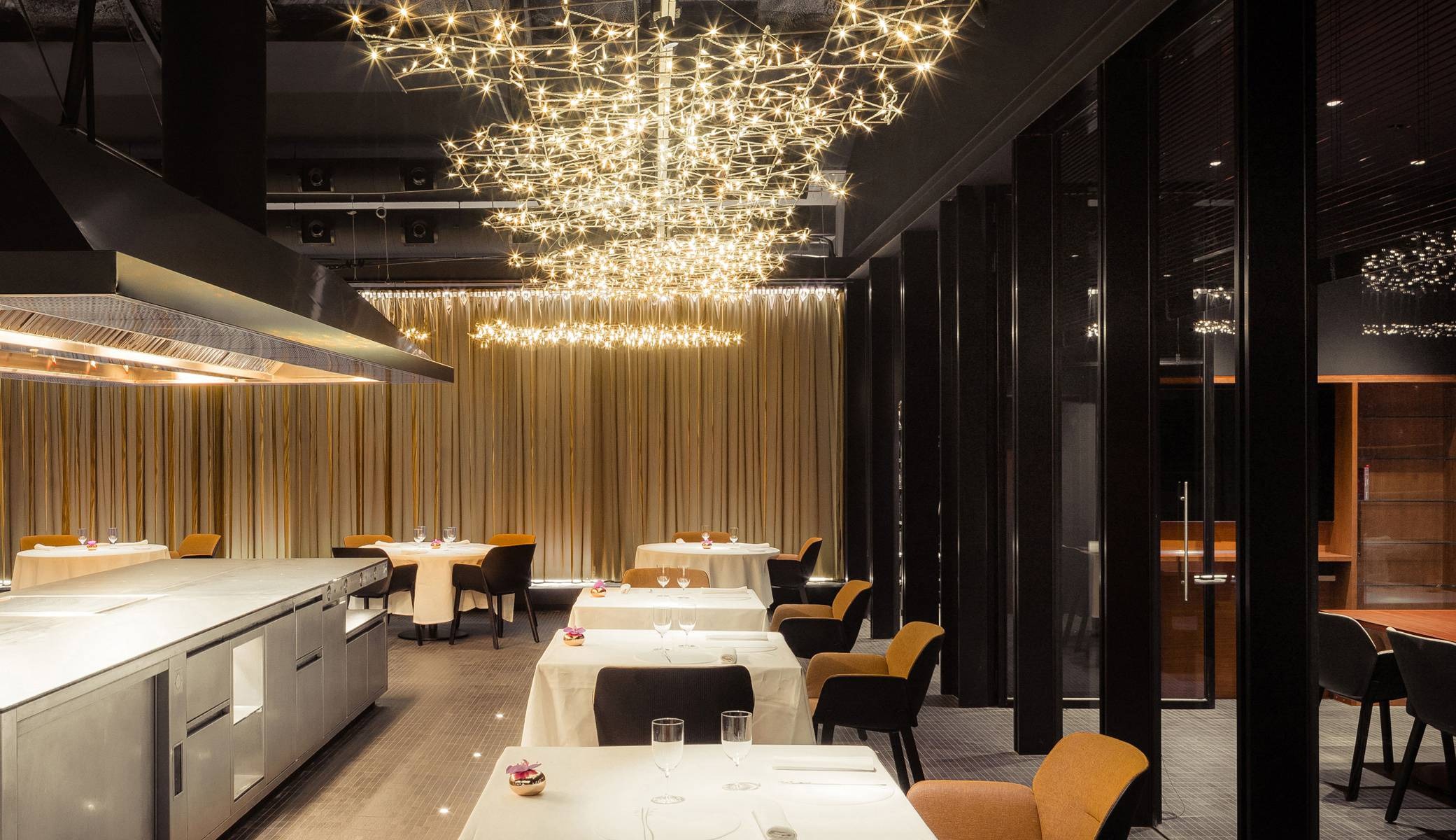
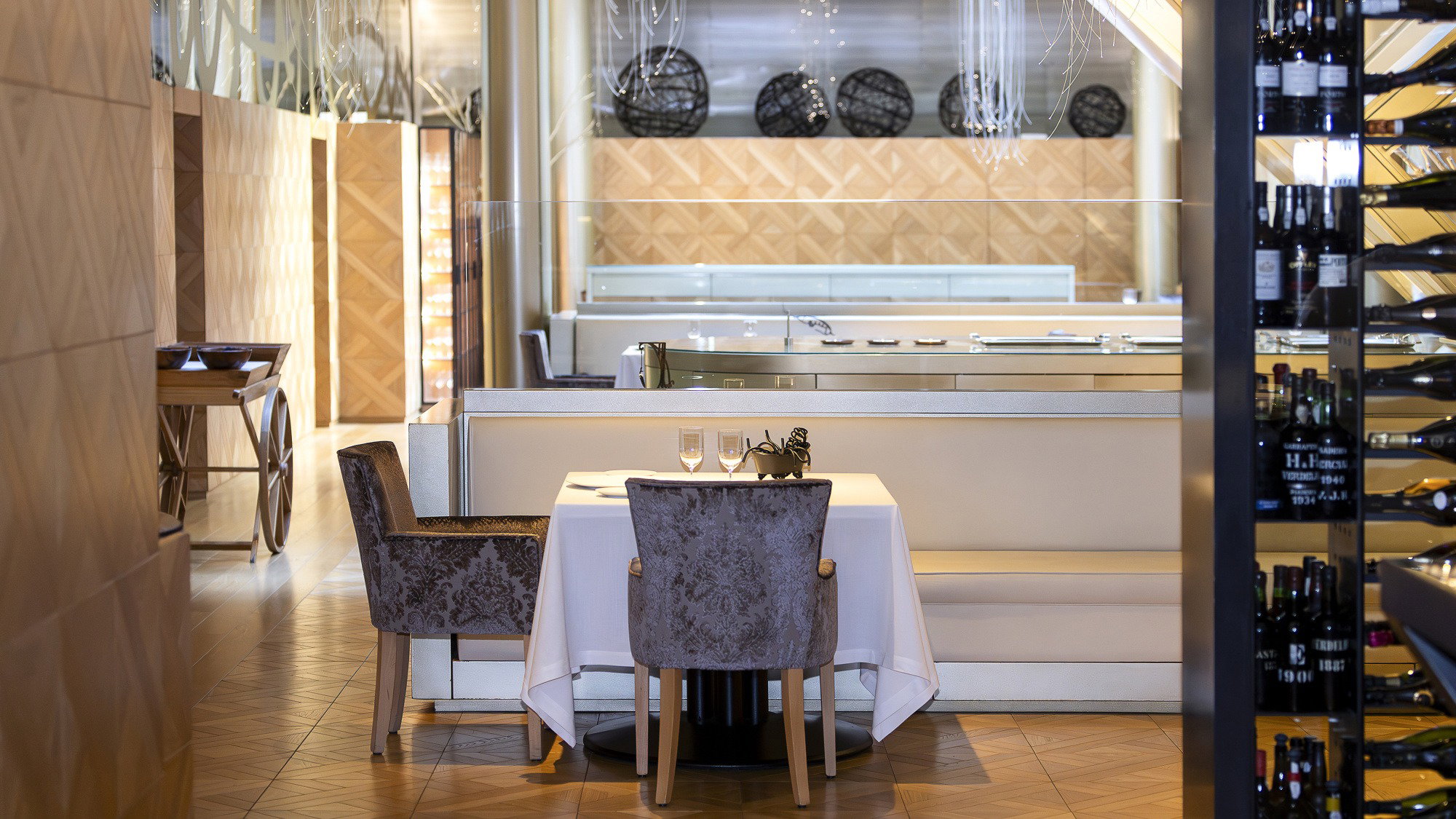
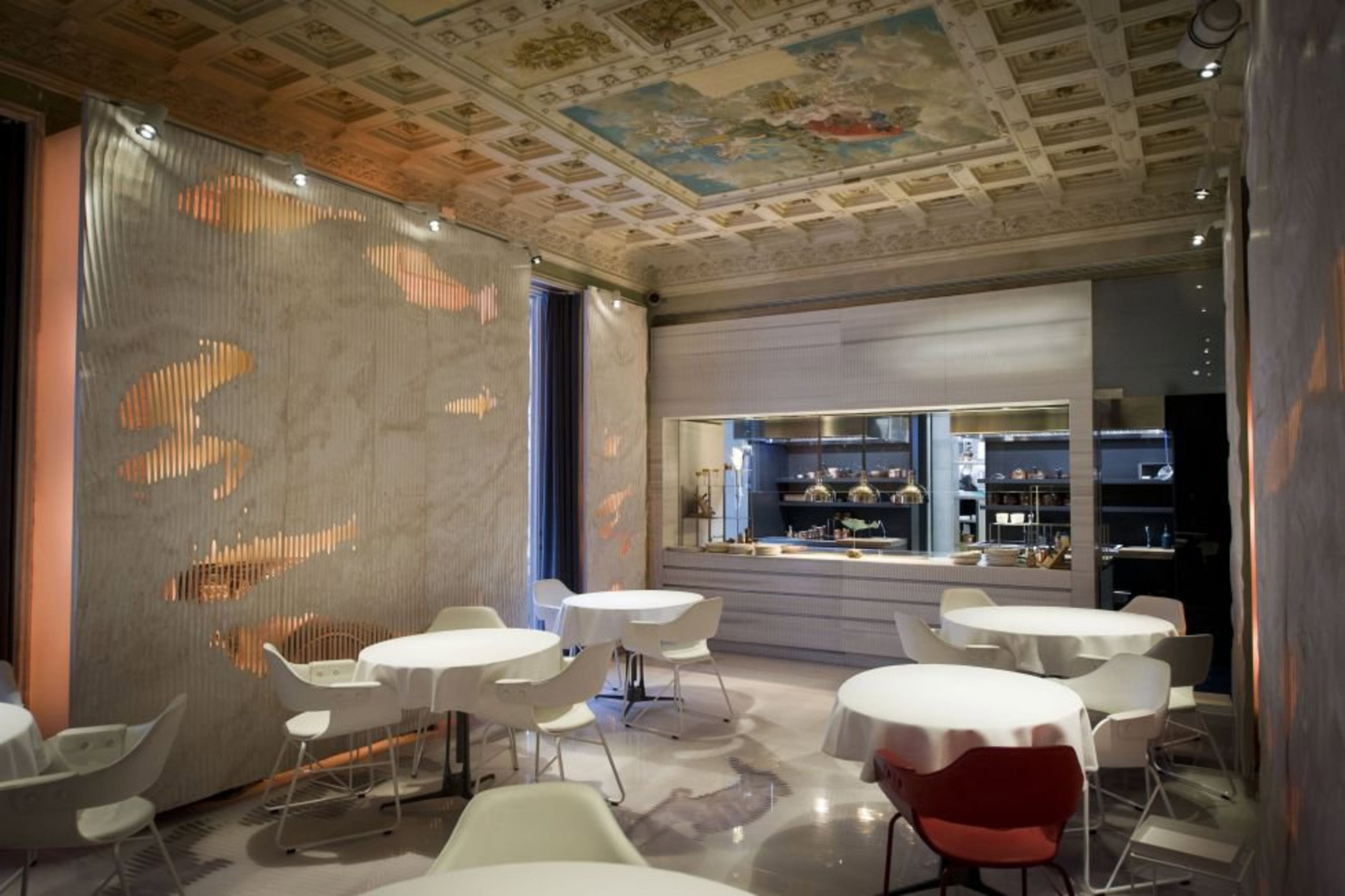
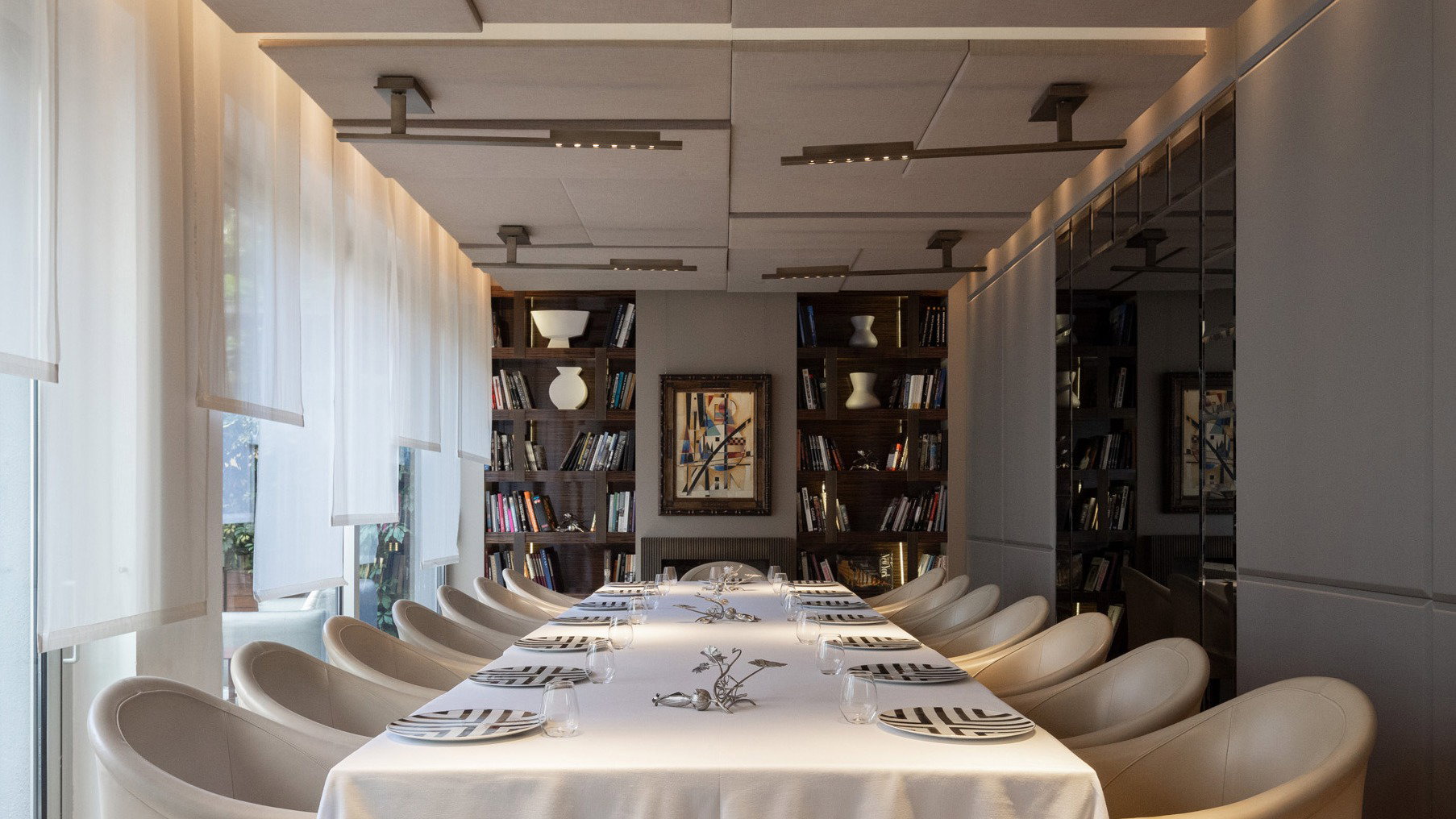
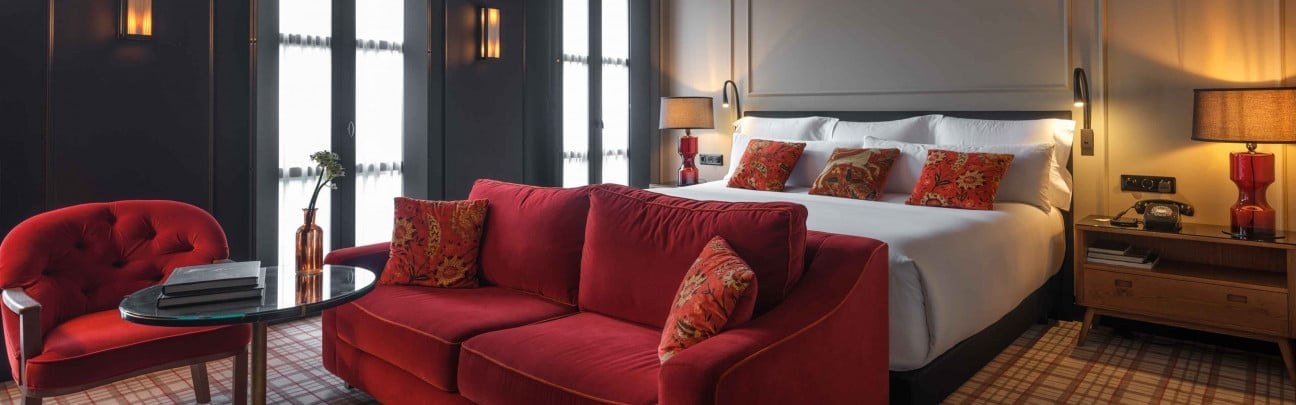
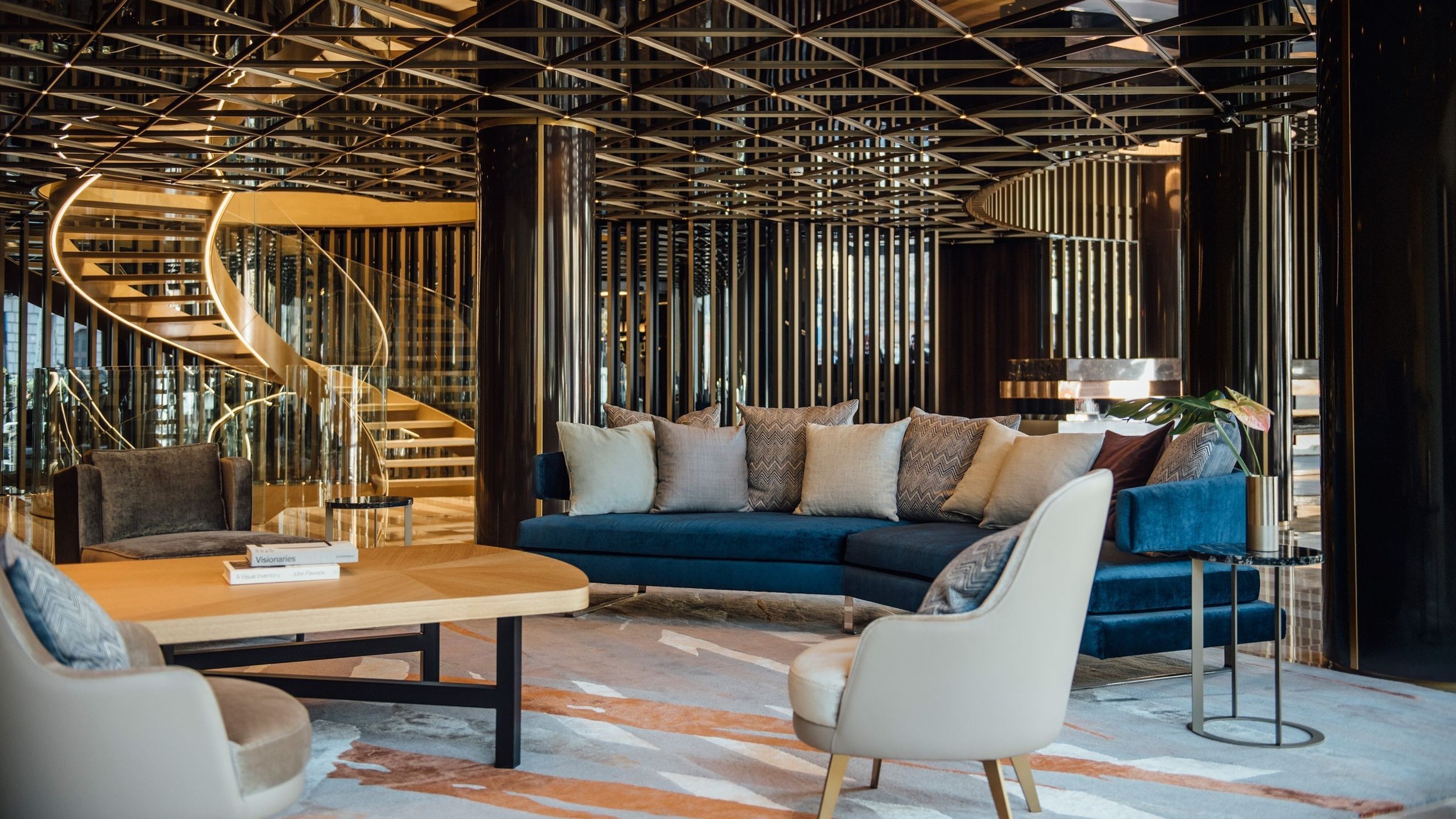
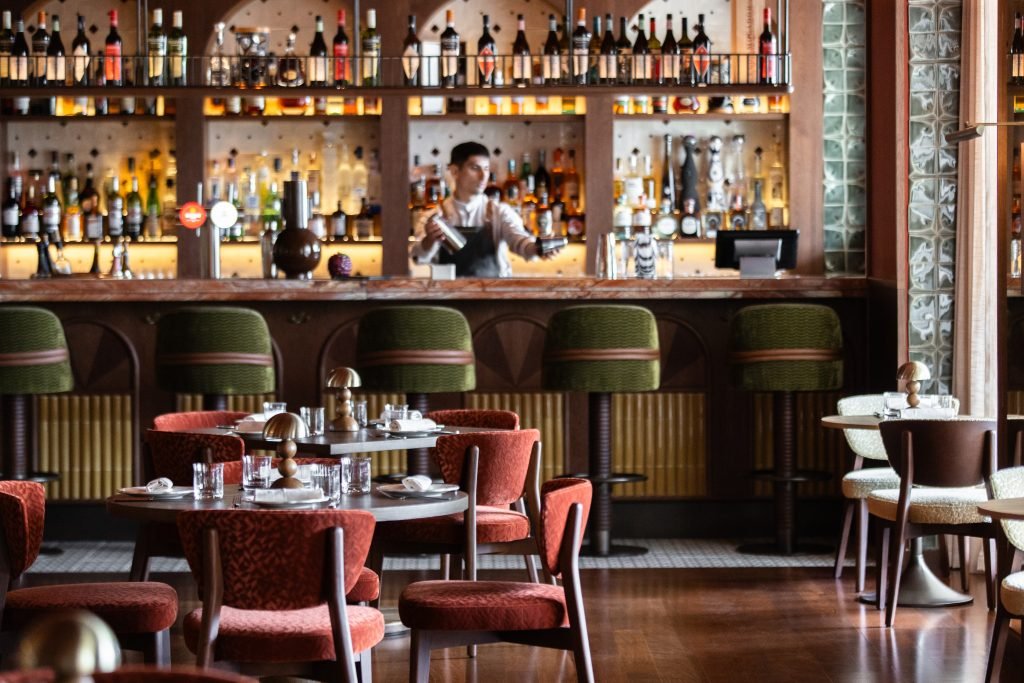
Red-toned ceilings create a moody, elegant interior with a well-stocked bar, complemented by the treasure of an outdoor terrace offering stunning vistas.
Tags
Vibe
Best For
Experience
Format
View
At the Bar
- Bar Category
- Rooftop Bar
- Late Night
- Open Until 2am
Signature Pours
- Mandarina sour
- Costa brava breeze
- Negroni
Know before you go
Know Before You Go
- Getting there
- Camí de Vallvidrera al Tibidabo, 83, Sarrià-Sant Gervasi, 08035 Barcelona, Spain
Planning details
Location
Camí de Vallvidrera al Tibidabo, 83, Sarrià-Sant Gervasi, 08035 Barcelona, Spain · Directions
Also consider
Also Consider
- Matos Bar de Vins & Enoteca, Notable alternative
- Viblioteca, Notable alternative
- Foco, Notable alternative
- Andreu, Notable alternative
- Bar Raïm, Notable alternative
Bar context
How it compares with Barcelona peers
Pick 1925 Vermutería when convenience in Sarrià-Sant Gervasi matters more than a documented wine-bar or cocktail-bar program. Matos Bar de Vins & Enoteca and Viblioteca are better cross-shops for readers prioritizing a wine-led evening, while 1925 Vermutería is the easier call for a casual group stop when the exact spend and menu are less central to the plan.
For ambiance, compare it with Foco, Andreu, and Bar Raïm before choosing. Without confirmed pricing or menu detail, 1925 Vermutería is not the safest value play for a tightly budgeted night; it is the more practical option when the priority is a low-pressure Barcelona meet-up with easy booking rather than a planned tasting experience.
If 1925 Vermutería is not convenient, start with Matos Bar de Vins & Enoteca or Viblioteca for a more wine-focused alternative, and use Foco, Andreu, or Bar Raïm when the group wants to compare room feel and location before deciding.
Around this place
Discover more on Pearl
Unlock the full 1925 Vermutería guide in Pearl, including awards, comparisons, FAQs, planning details, and nearby places.
Compare 1925 Vermutería
| Venue | Location | Awards |
|---|---|---|
| 1925 Vermutería | Barcelona | No published awards |
| Matos Bar de Vins & Enoteca | Barcelona | No published awards |
| Viblioteca | Barcelona | No published awards |
| Foco | Barcelona | No published awards |
| Andreu | Barcelona | No published awards |
| Bar Raïm | Barcelona | No published awards |
How 1925 Vermutería Barcelona compares with similar nearby venues.
FAQ
Frequently Asked Questions
Do I need a reservation at 1925 Vermutería?
Plan around the daily 12 PM to 12 AM schedule and check directly before relying on a booking.
Is 1925 Vermutería open late?
Yes. 1925 Vermutería is open until 12 AM every day in Barcelona.
What's the best time to go to 1925 Vermutería?
The schedule is 12 PM to 12 AM daily. No specific best time, busy period, or service rhythm is listed, so choose a time that fits your Barcelona plans and verify details directly if timing matters.