




El Palace Barcelona
la Dreta de l'Eixample, Barcelona
Hotel in Barcelona, Spain
 Book with Pearl
The Read
Civic-Scale Neoclassical Hospitality
Why go
El Palace Barcelona is a strong choice for travelers who want a polished, central Eixample hotel rather than a scene-led stay. It is especially useful for families, multigenerational trips, and business travelers who value location and trust signals over trend value, though guests wanting a younger design mood should compare Almanac Barcelona, ME Barcelona, or Casa Bonay.
About El Palace Barcelona
El Palace Barcelona is a hotel in Barcelona with several luxury-travel recognition signals. Confirmed references include Leading Hotels of the World membership for 2025, a La Liste Top Hotels 2026 score of 95 points, Forbes 4-Star recognition for 2026, Virtuoso Luxury Hotel Partner status for 2026, and selection in the MICHELIN Guide Hotels for 2025.
Because the data here is limited, this guide does not assert unconfirmed details about the hotel's address, neighborhood, room categories, dining, amenities, service style, or suitability for a particular trip type. Treat the confirmed awards and memberships as the main basis for comparison, and verify practical details directly before booking.
Choose it for luxury-hotel recognition in Barcelona
The clearest reason to consider El Palace Barcelona is its confirmed recognition across multiple hotel-focused sources. Forbes, La Liste, Virtuoso, Leading Hotels of the World, and the MICHELIN Guide all provide useful trust signals for travelers comparing premium hotels in Barcelona.
If you are comparing other Barcelona options, ME Barcelona, Casa Bonay, Almanac Barcelona, The Cotton House Hotel, and Catalonia Passeig de Gracia may be useful cross-shops depending on the kind of stay you want. The available facts do not support a more specific claim about which hotel is best for nightlife, design, family travel, business travel, or budget value.
Best for travelers who can confirm practical details directly
There is not enough information here to make a firm claim that families or business travelers get the clearest value from El Palace Barcelona. The confirmed facts support a more cautious conclusion: it is a recognized luxury-hotel option in Barcelona, and travelers with specific needs should confirm room setup, amenities, services, and policies directly before booking.
The dress code is smart casual. No confirmed public room-category guidance, seat count, restaurant format, price detail, hours, allergy information, take-out or delivery service, or specific dining program is included in the available data.
Who should skip it
The current record is strongest on recognition and hotel positioning, not on operational specifics.
The verdict: consider El Palace Barcelona when you want a Barcelona hotel with confirmed luxury recognition from Forbes, La Liste, Virtuoso, Leading Hotels of the World, and the MICHELIN Guide. Do not rely on assumptions about location details, room categories, dining, or trip-type fit without checking directly.
Inside El Palace Barcelona
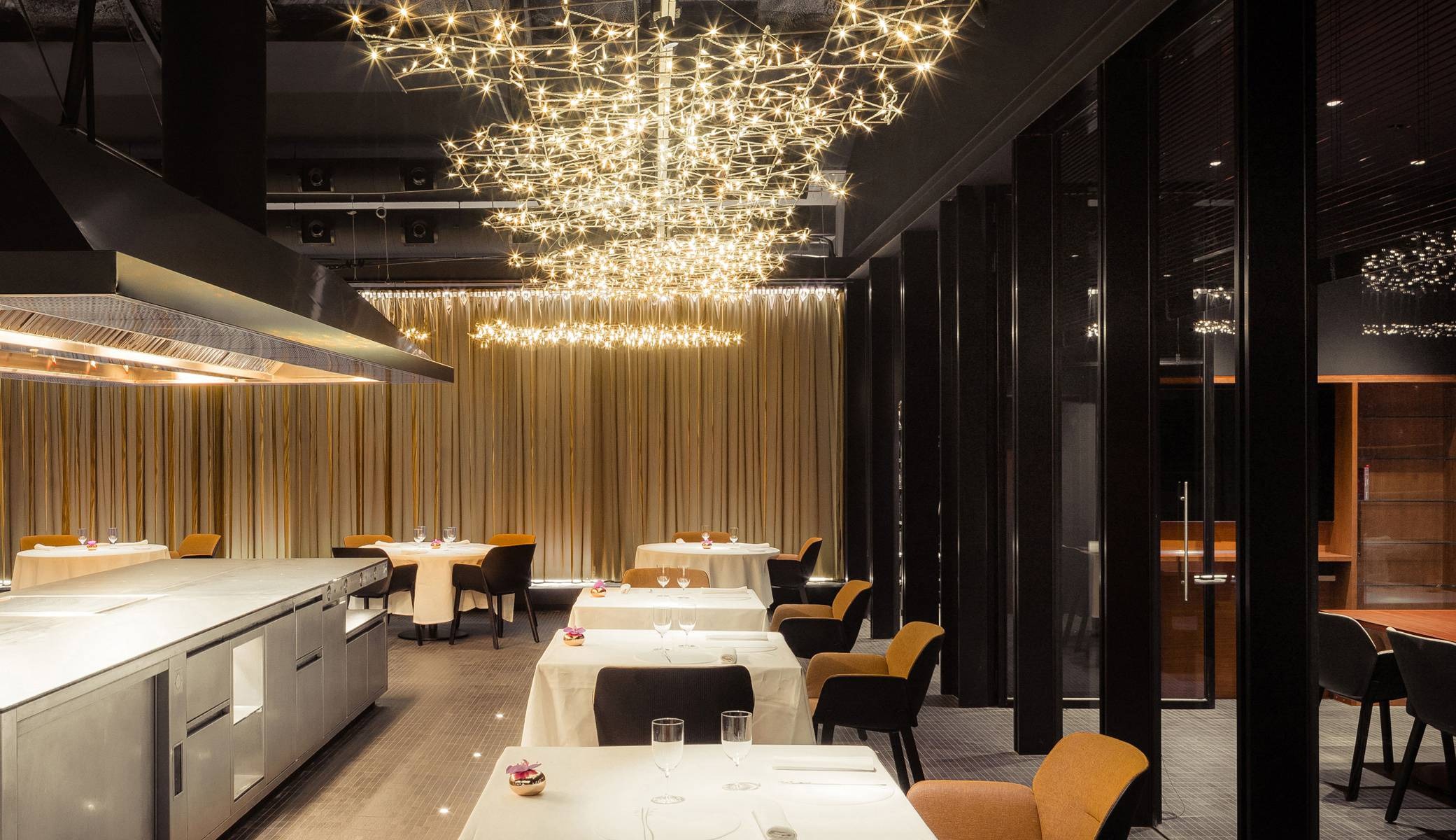
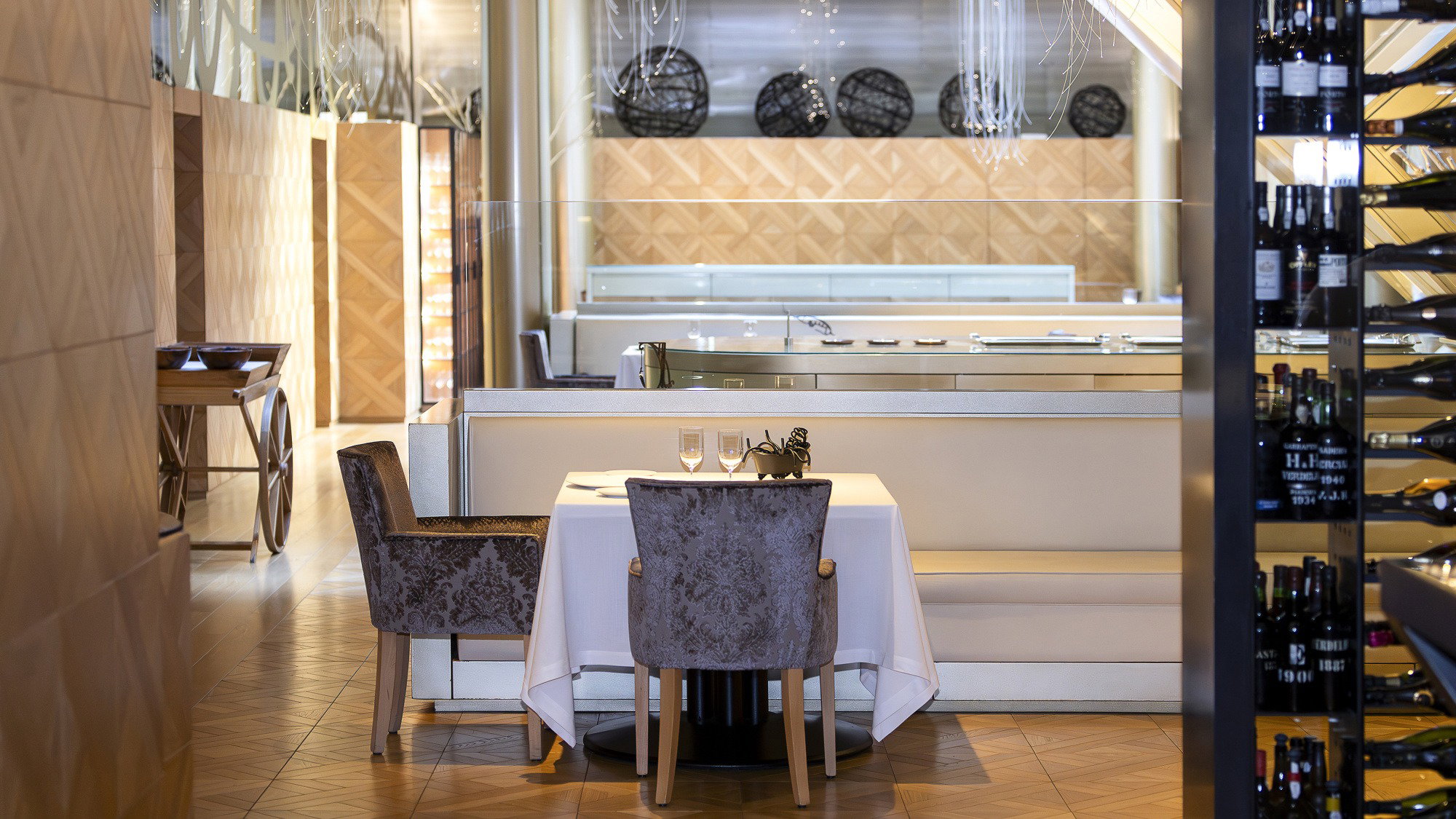
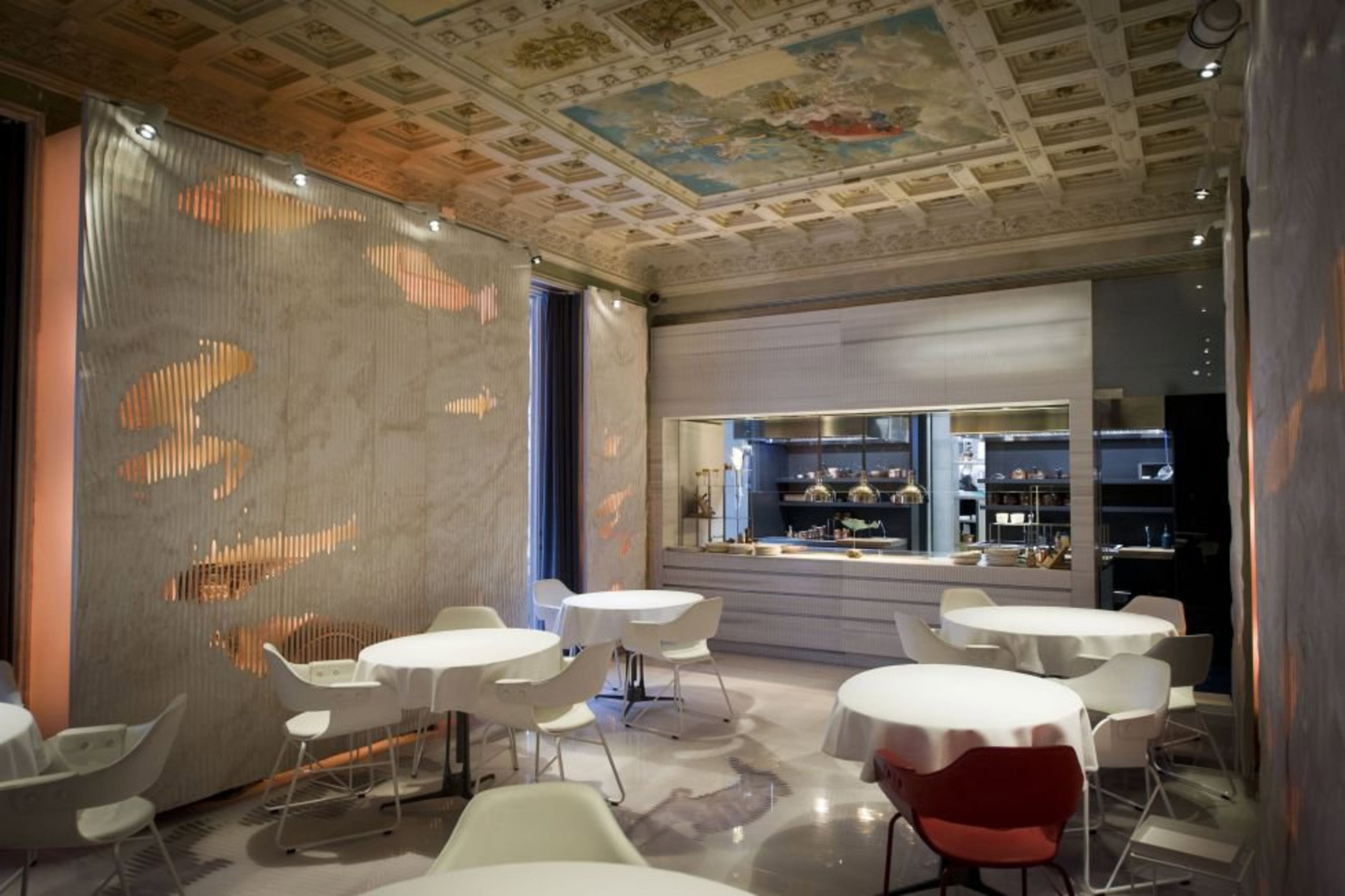
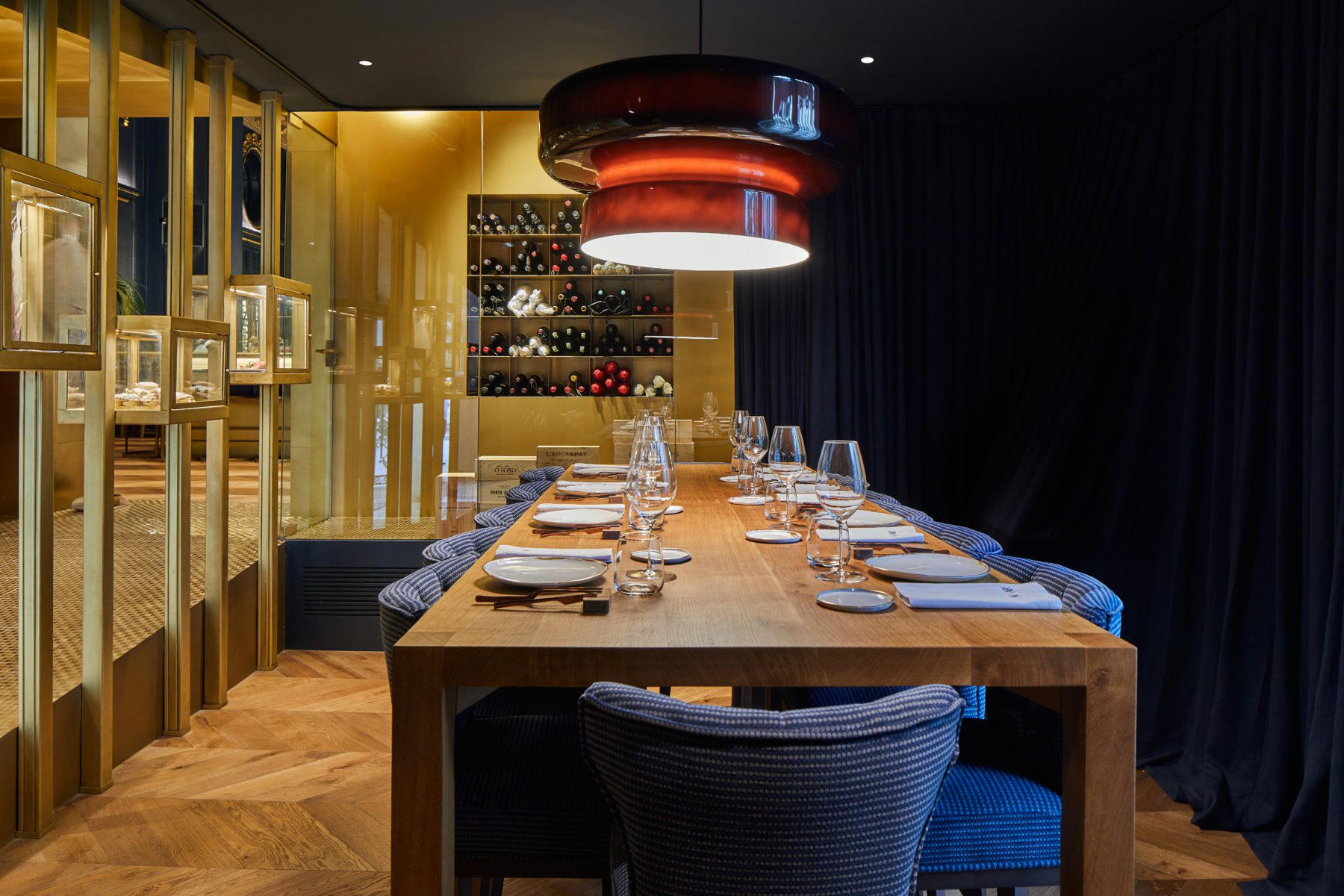 restaurantAmar BarcelonaInside The Palace Barcelona on Gran Via, Amar occupies the city's most structurally significant hotel dining room and delivers a menu shaped by Mediterranean catch, traditional Catalan preparation, and a tasting format that keeps the sea at its centre. A Michelin Plate holder ranked 242nd among Europe's top restaurants by Opinionated About Dining in 2025, it reads as a confident statement about where Barcelona's grand-hotel dining is heading.
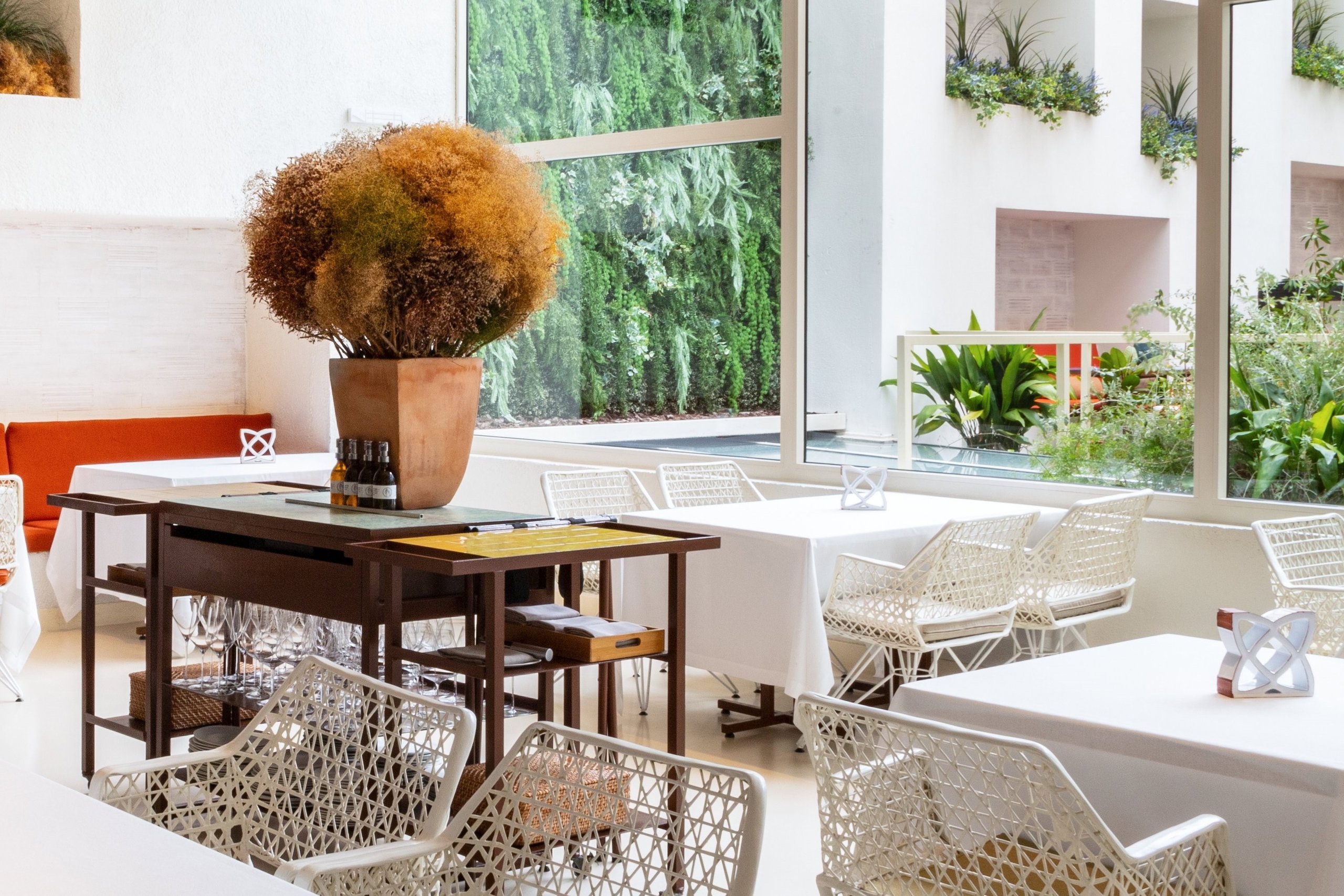
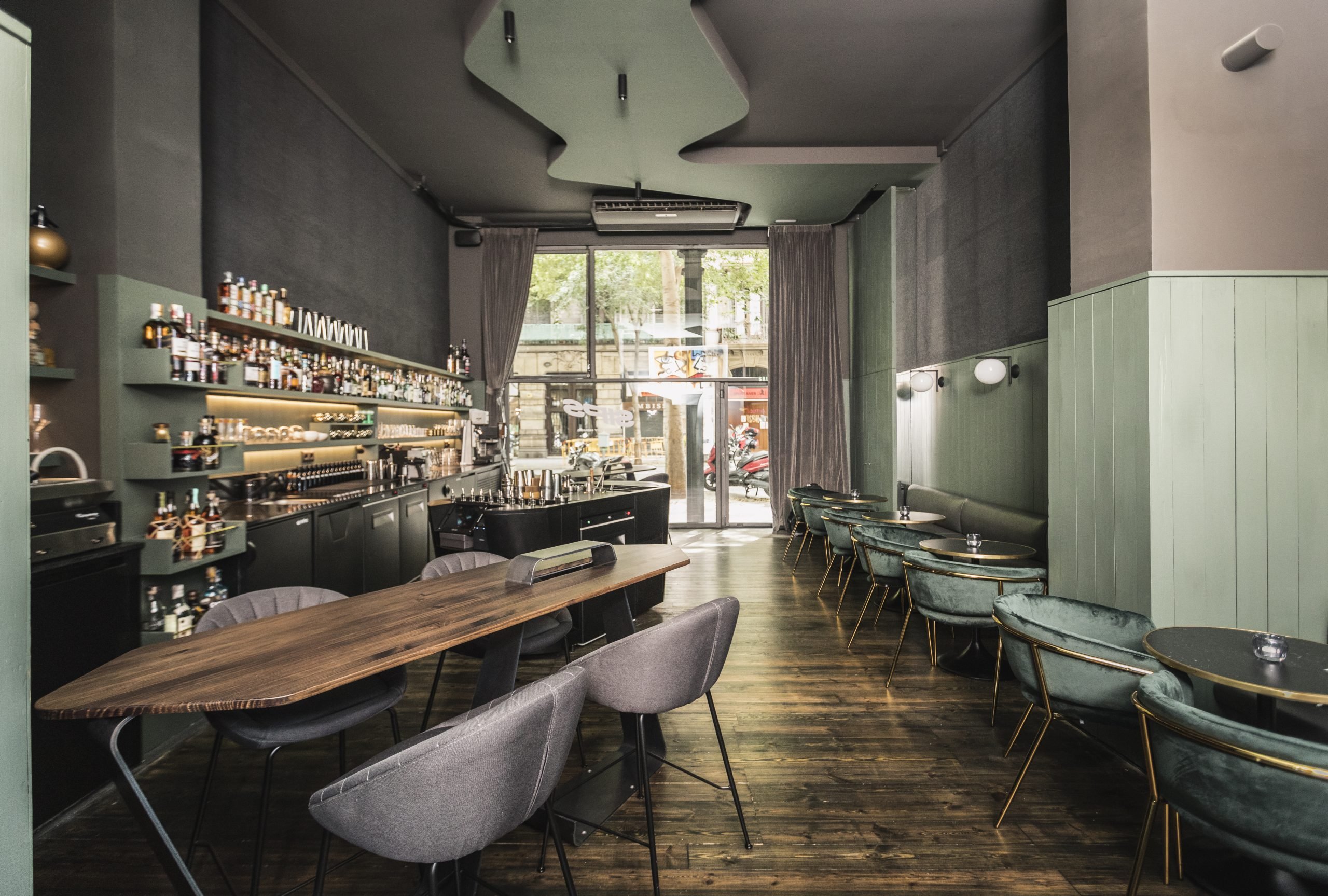
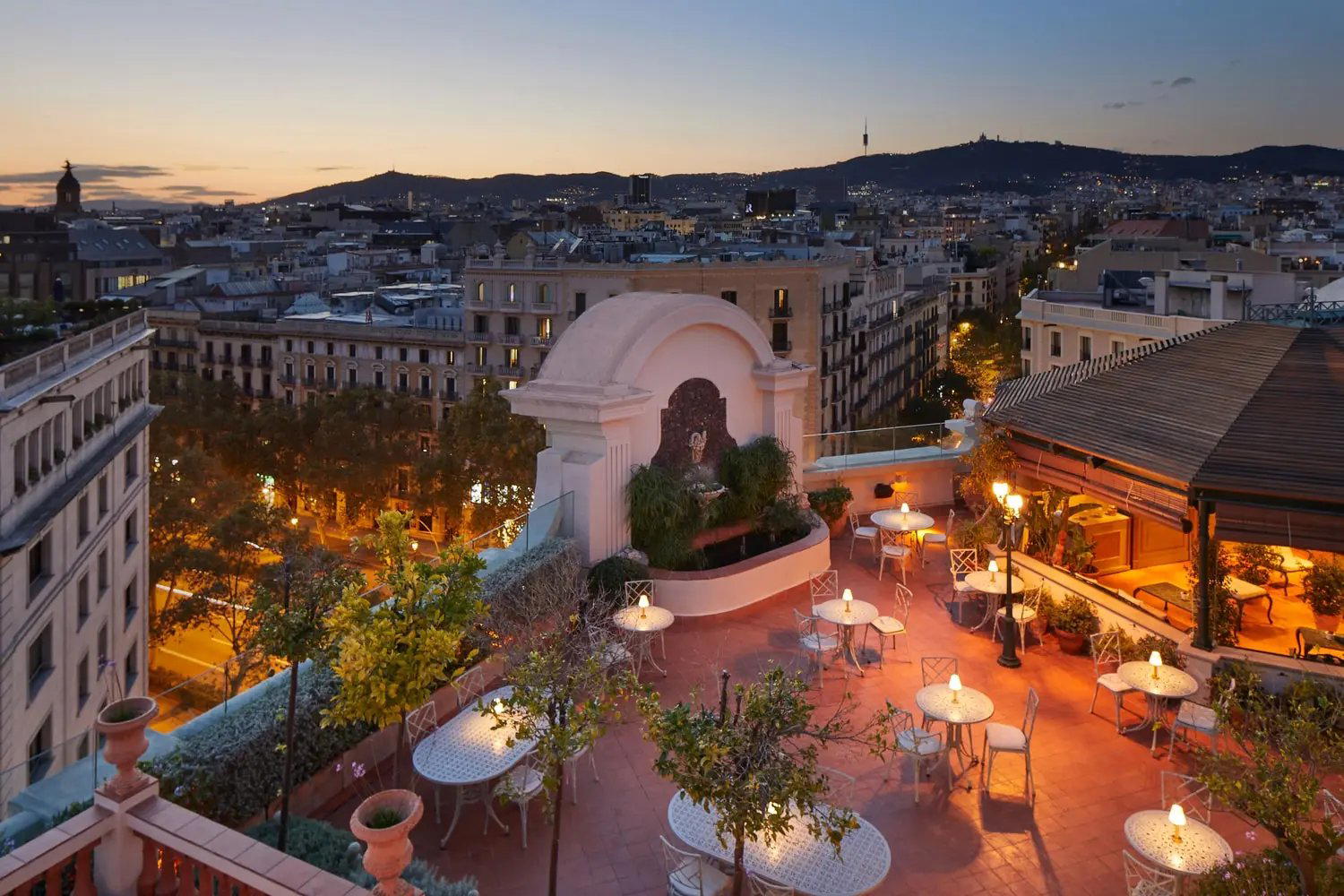 restaurantRooftop GardenRooftop Garden serves modern Mediterranean tapas at Hotel El Palace Barcelona, with craft cocktails, an extensive wine list, and a leisurely, conversational pace.
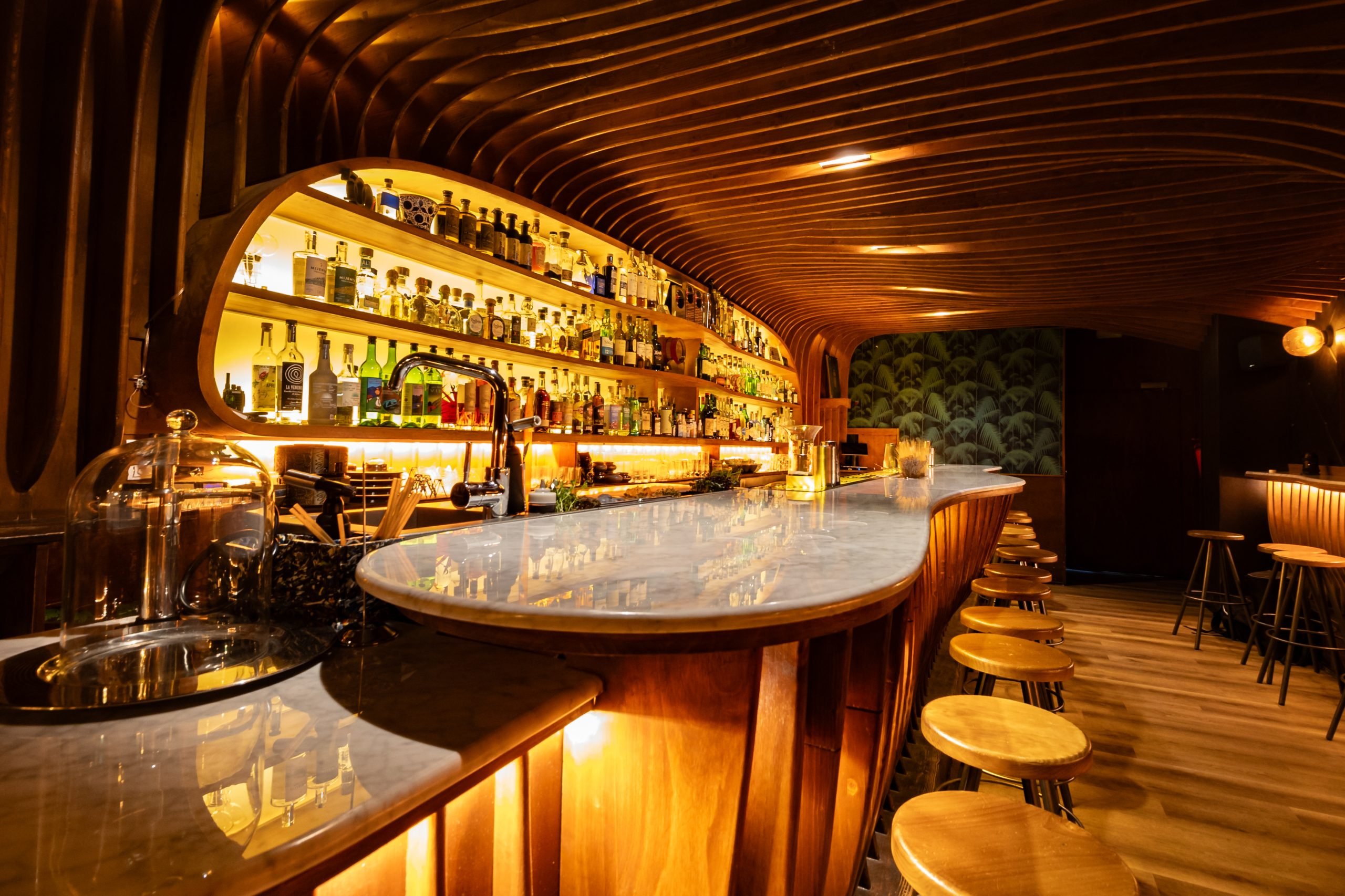
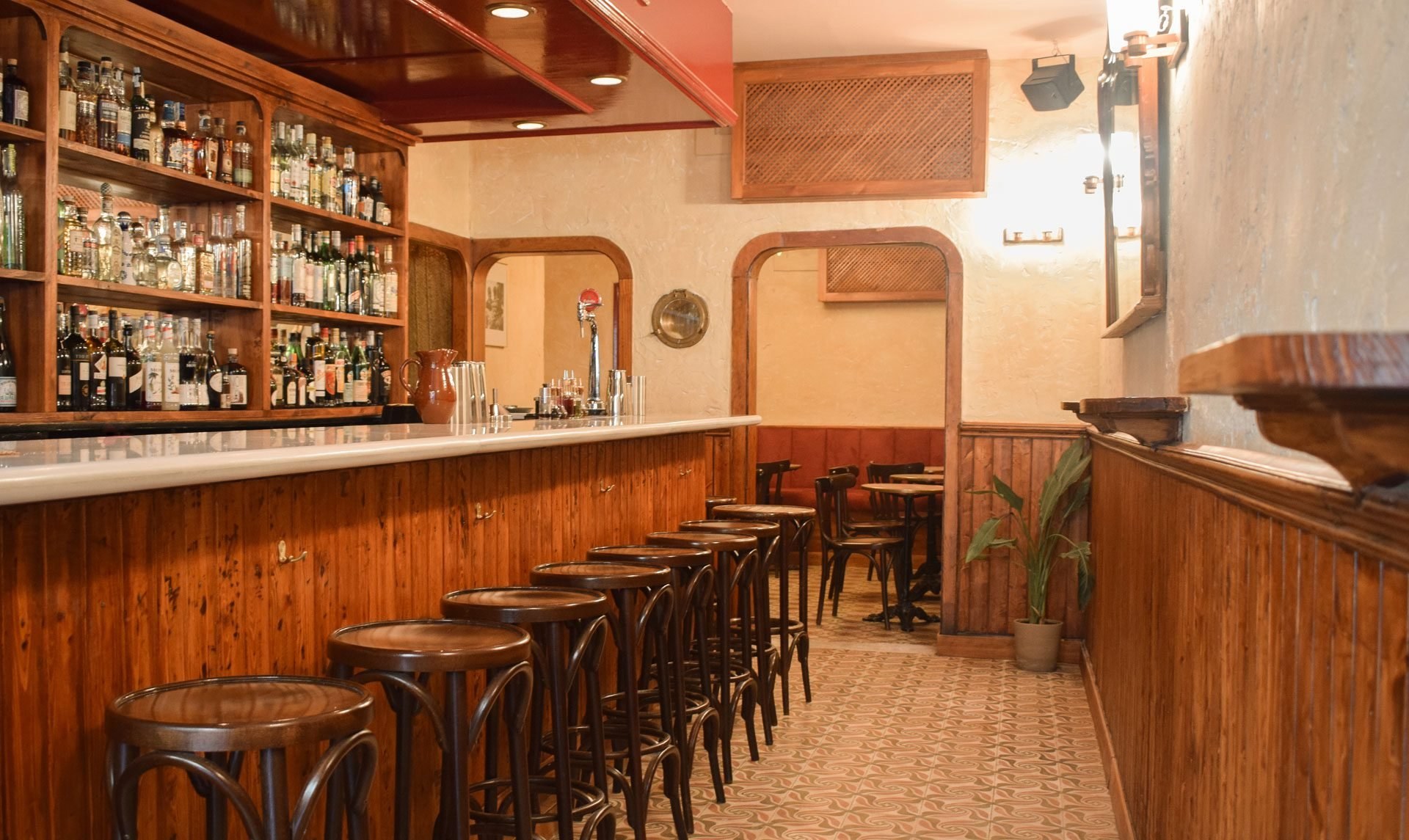
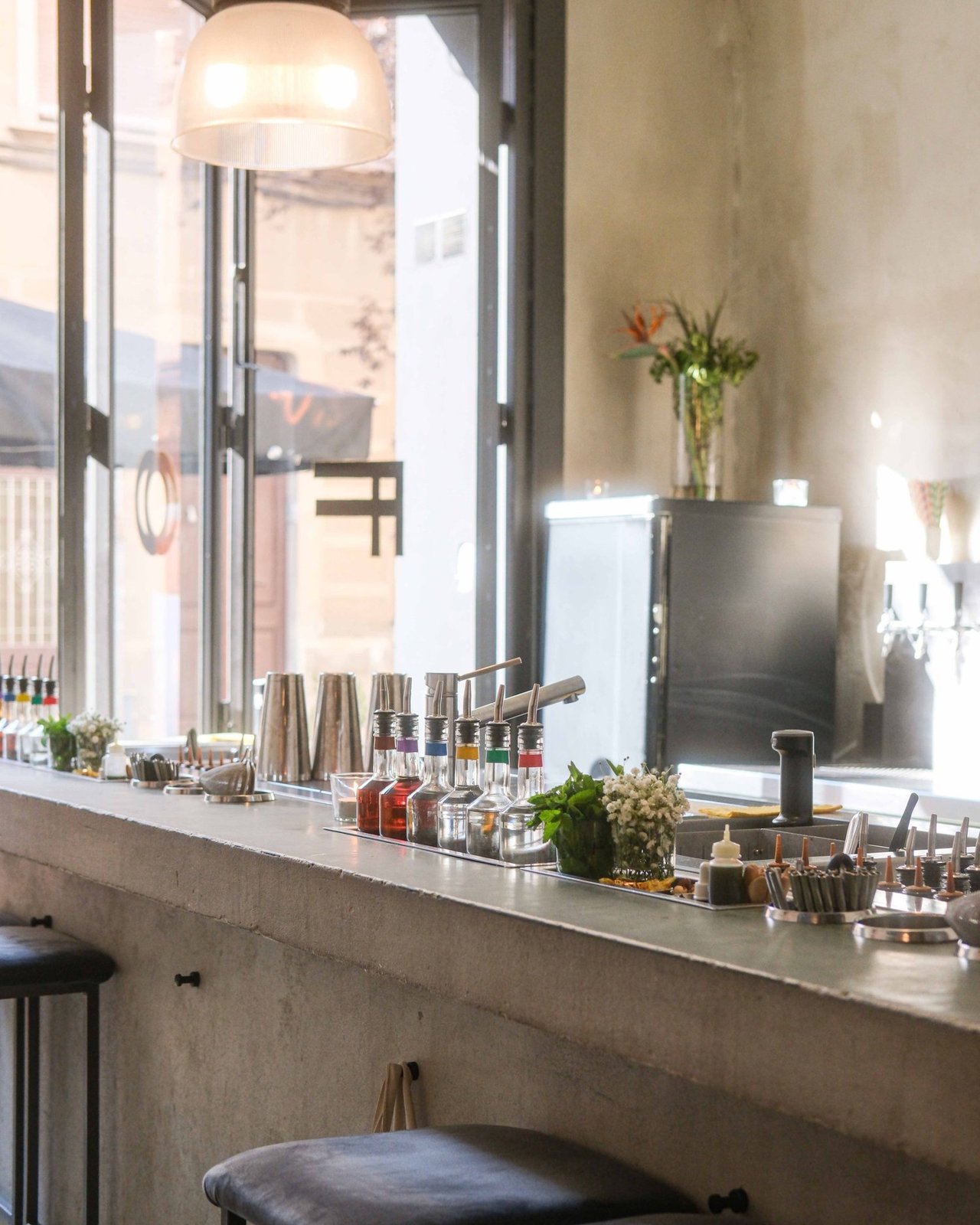
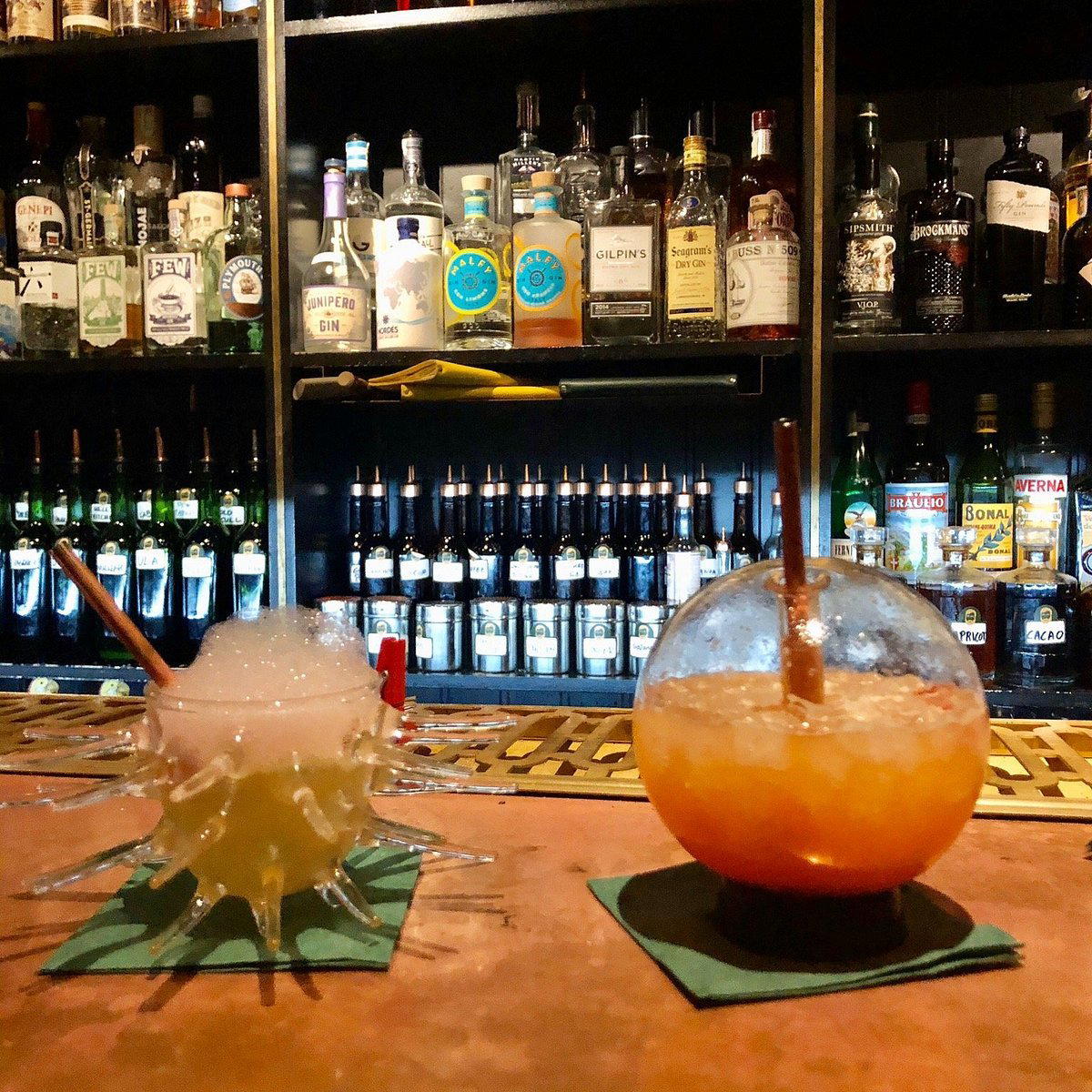 barHemingway Gin & Cocktail BarRanked among the Top 500 Bars globally in 2025, Hemingway Gin & Cocktail Bar occupies a quiet stretch of Eixample on Carrer de Muntaner, where a loyal neighbourhood clientele returns not for spectacle but for precision. The bar sits in Barcelona's mid-tier of serious cocktail destinations: more intimate than the city's destination showpieces, more technically rigorous than its tourist-facing competition.
Planning details
- Location
- Gran Via de les Corts Catalanes, 668, Eixample, 08010 Barcelona
- Website
- hotelpalacebarcelona.com
- Phone
- +34 935 10 11 30
The take
The Take
The Vibe
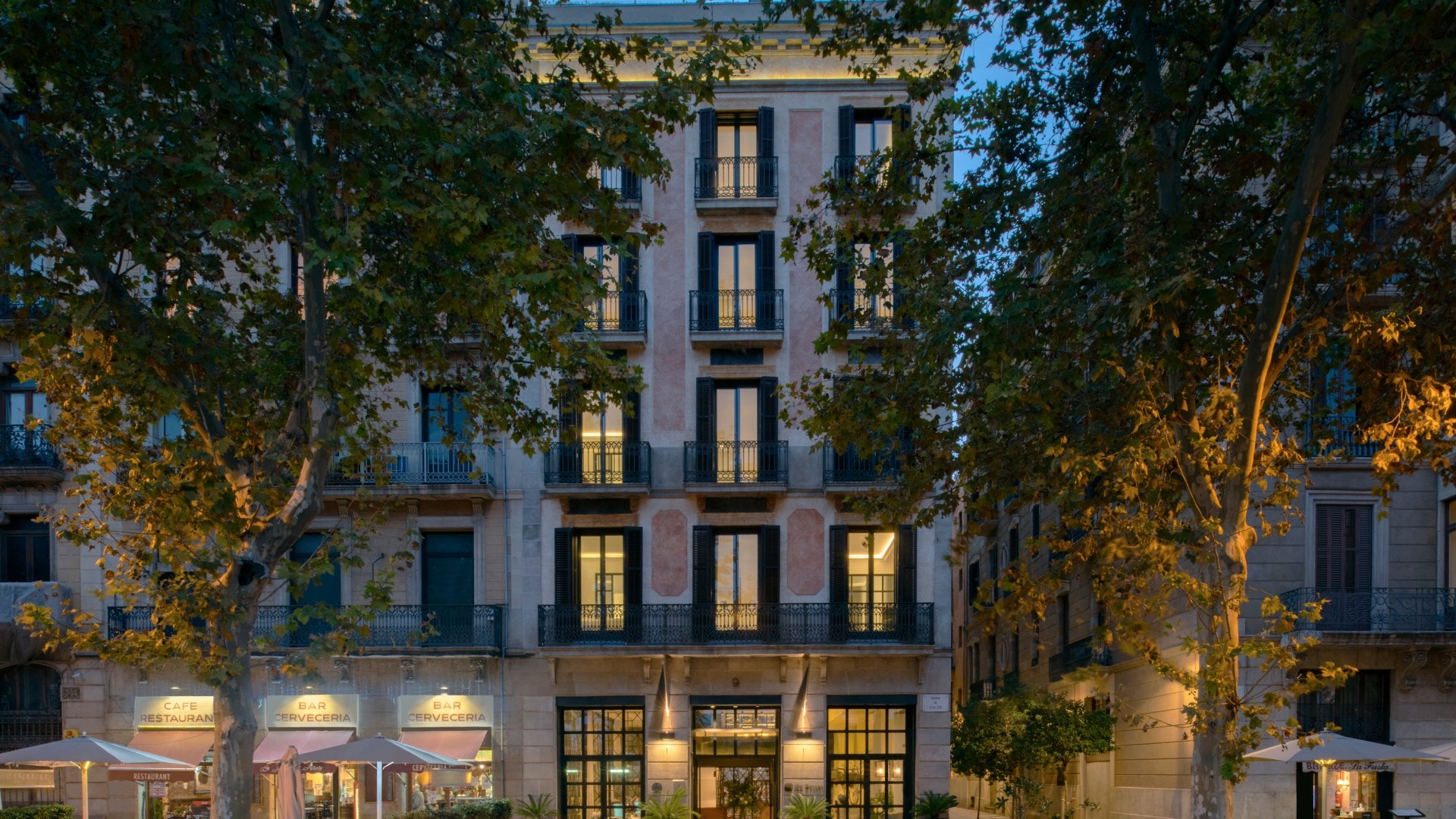
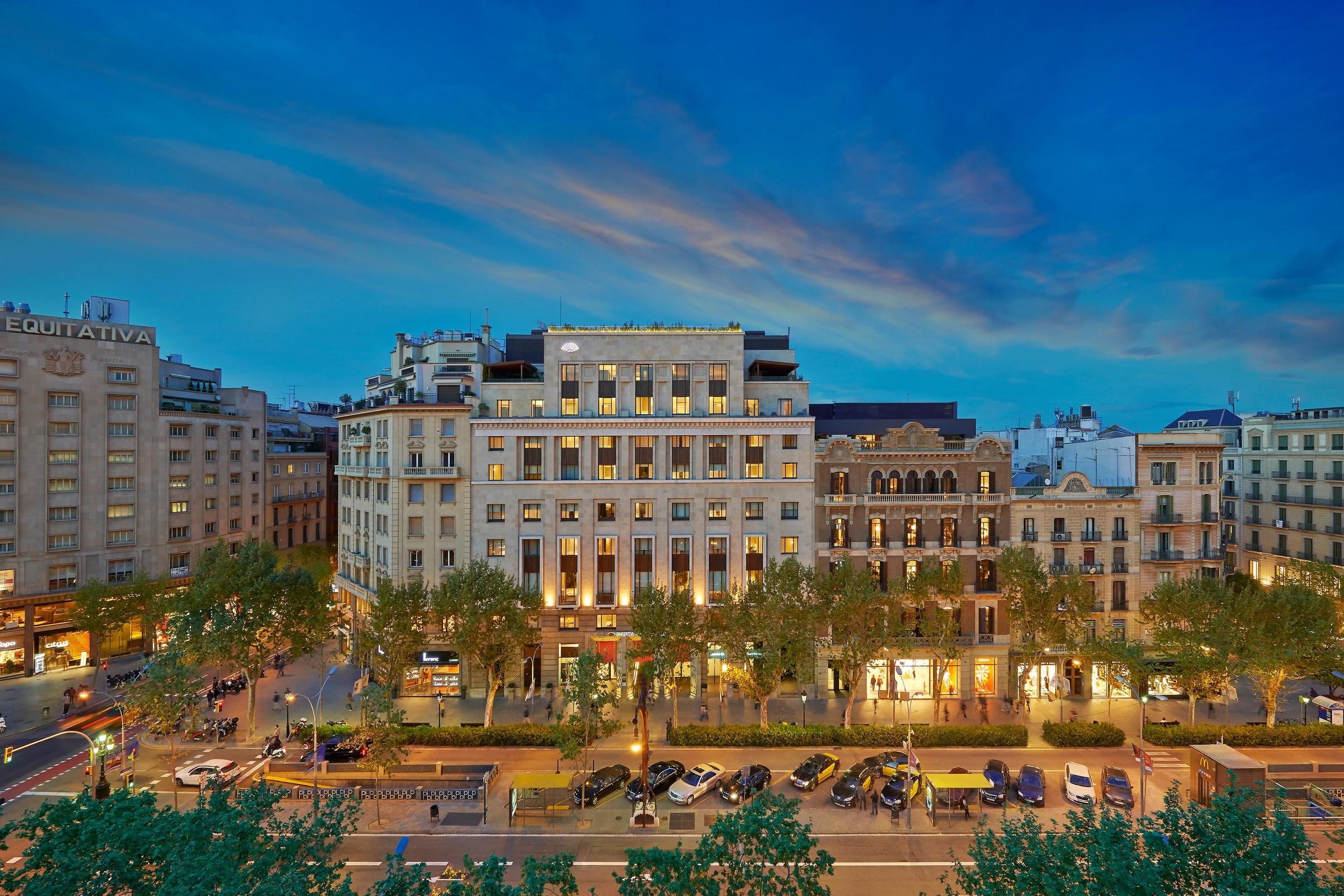
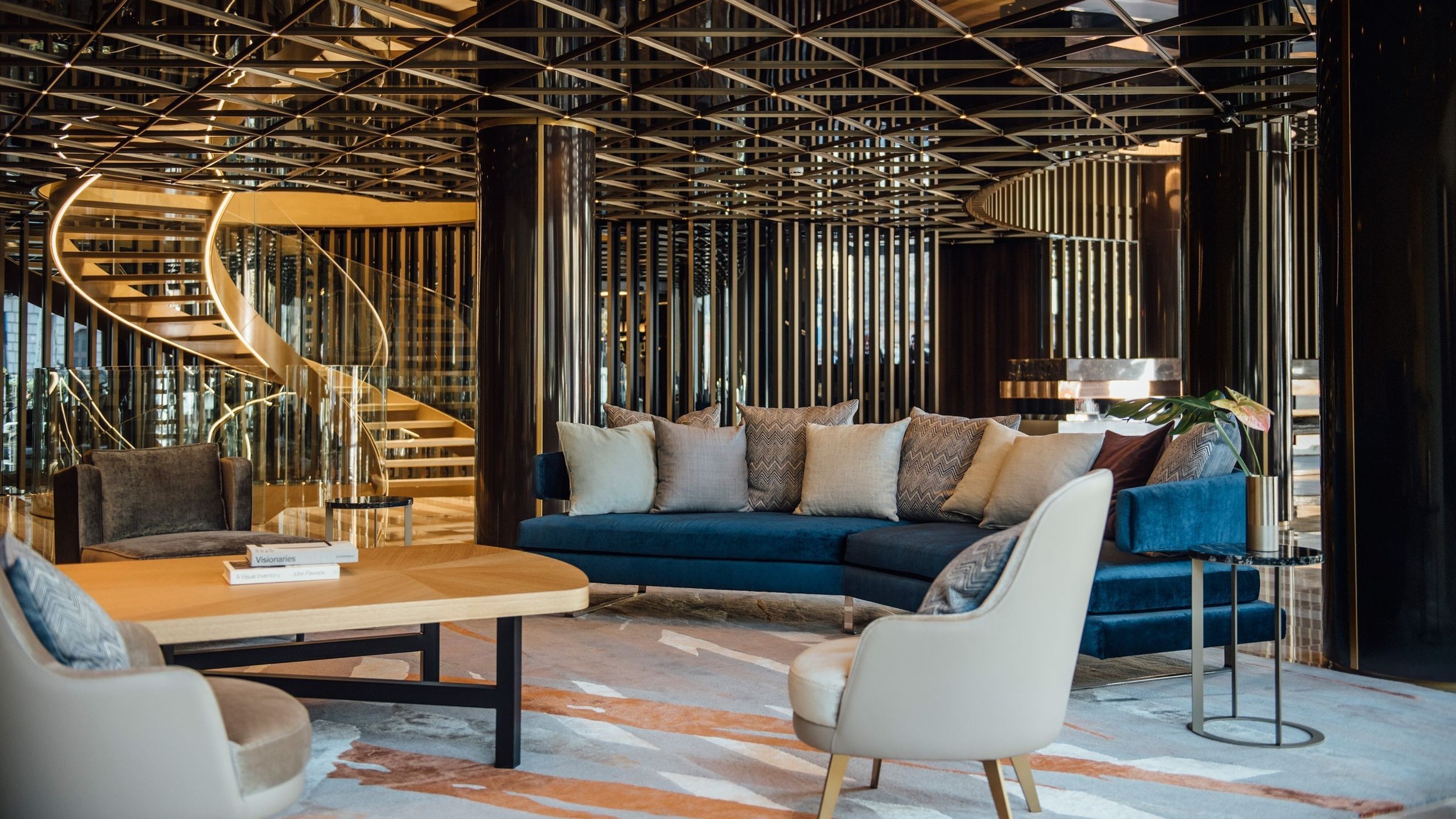
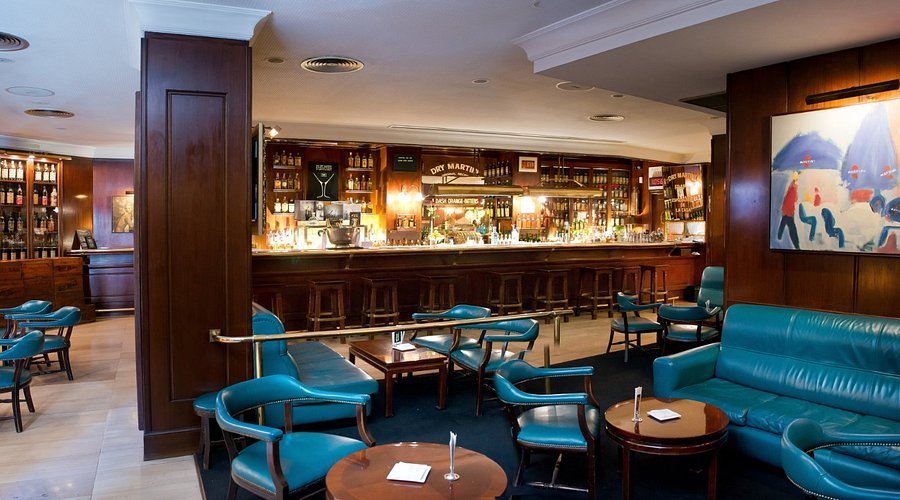
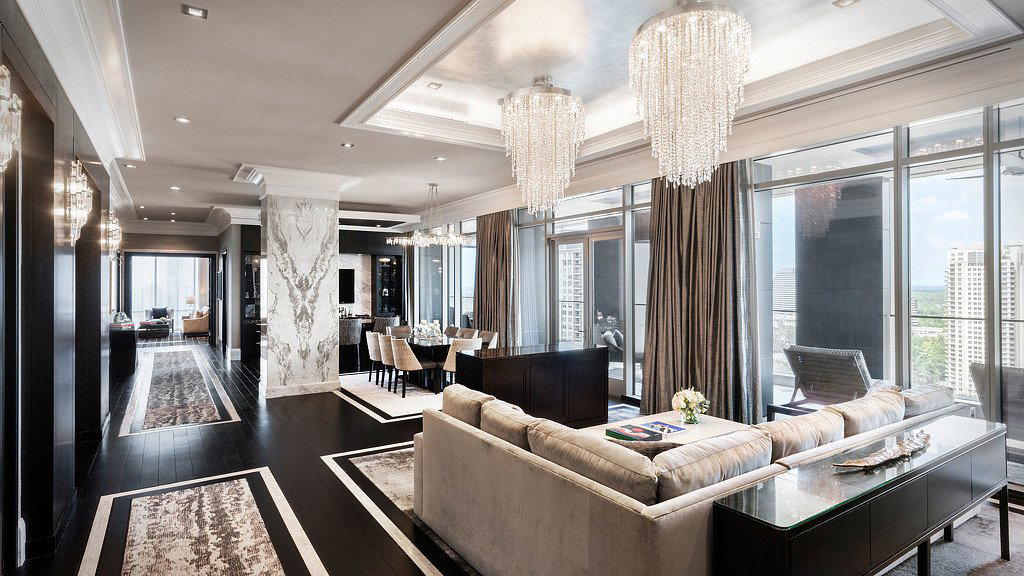
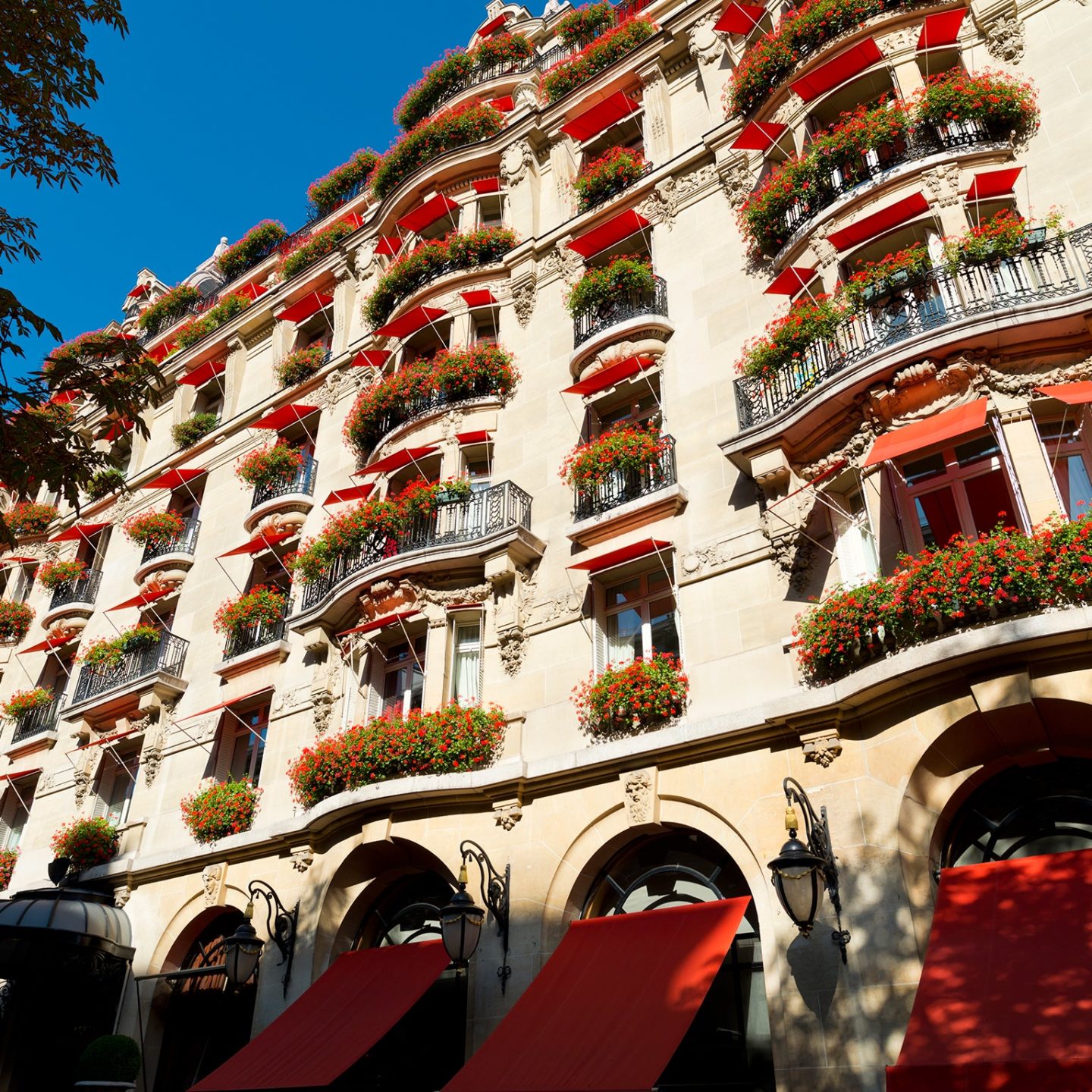
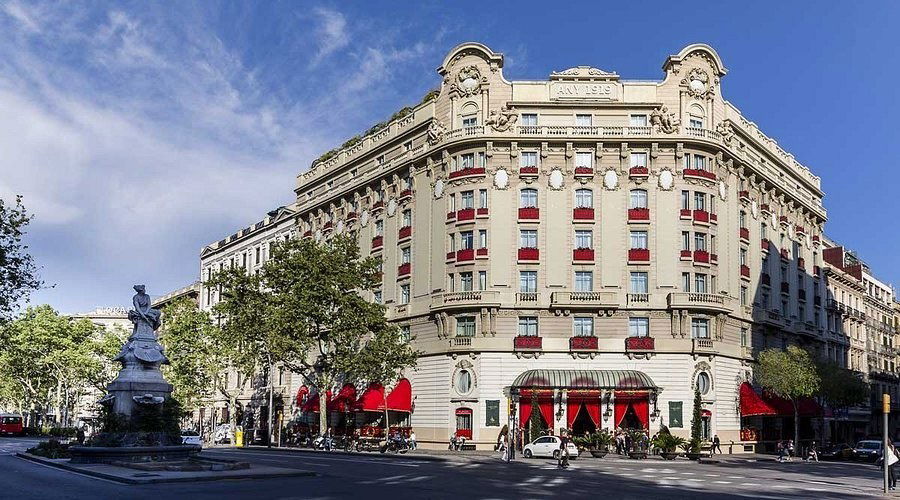
El Palace Barcelona lives as a living statement of grand-hotel tradition: marble floors, velvet drapes and a revolving door form an institutional choreography that regulars treat as part of their Barcelona rhythm. The hotel foregrounds ritual and formality rather than trendy reinvention, so the atmosphere reads as dignified and ceremonious rather than showy. Guests who appreciate heritage hospitality find comfort in the hotel's steady adherence to established practices; the building itself is the main character. Expect ceremonious public rooms and measured service that underscore the hotel's role as a historic, iconic address in the city.
Best For
This is a destination for travelers who prize classic, formal hospitality—couples seeking a romantic getaway, guests marking anniversaries and business travelers who value discreet, reliable service. The property's La Liste score and Leading Hotels membership underline an upscale standard that appeals to those booking for special occasions or important trips. Regulars and locals who favor afternoon tea and established rituals return for the sense of continuity here, so it also suits visitors who want to experience Barcelona’s enduring grand-hotel tradition rather than the city’s flashier design-led alternatives.
Stay Tips
Reserve time in the Hall for afternoon tea to sample one of the hotel’s signature rituals; the copy highlights this space as a preferred room among locals and regulars. Book rooms and restaurant seating well in advance, especially for weekends or celebratory stays, since the property’s reputation and Leading Hotels standing attract repeat and discerning guests. Lean into traditional experiences rather than expecting cutting-edge gastronomy: the hotel trades on ceremony and formal service, so choose classic tea service and established dining times over late-night, trend-driven options.
Venue details
Ambiance
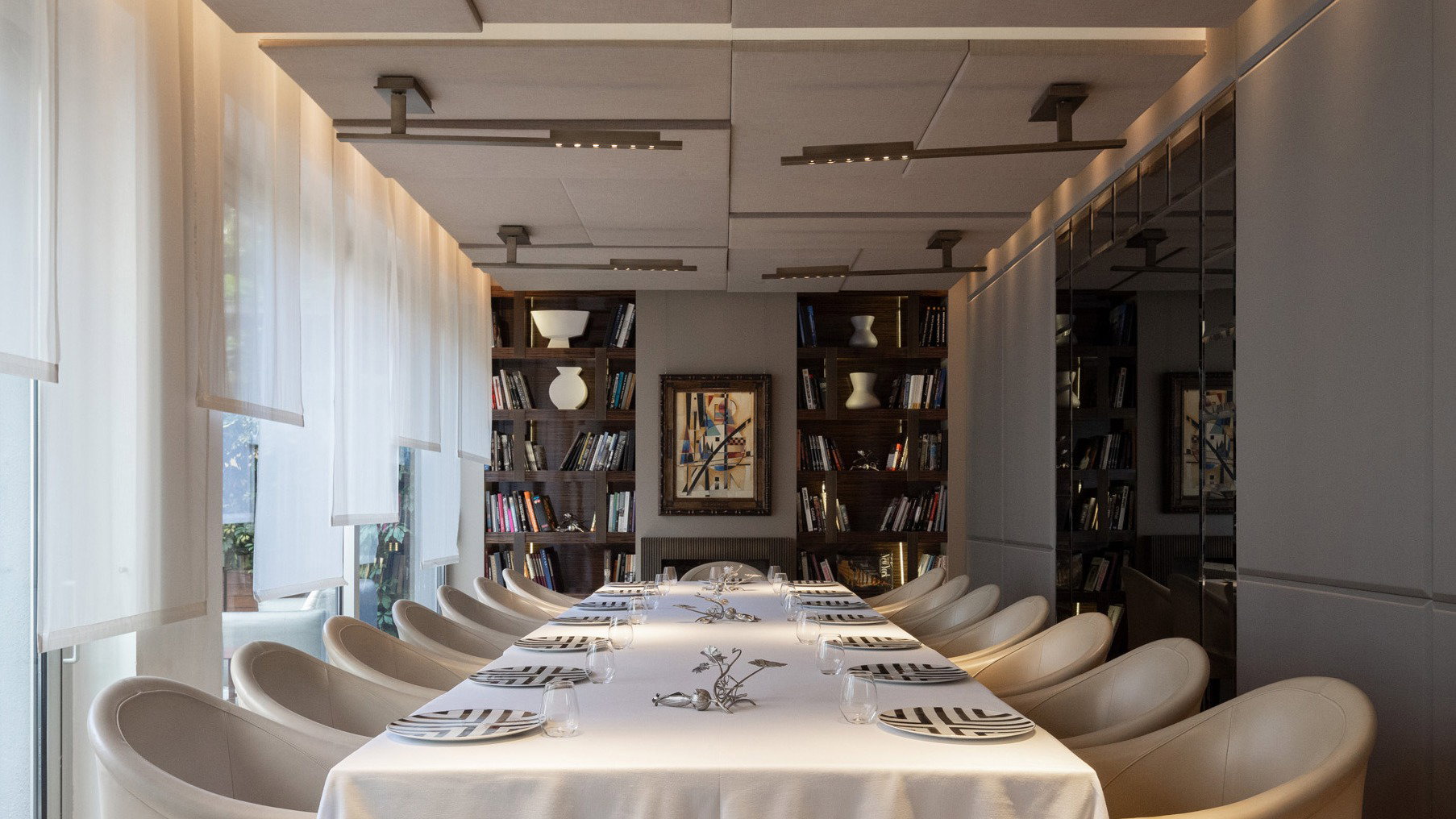
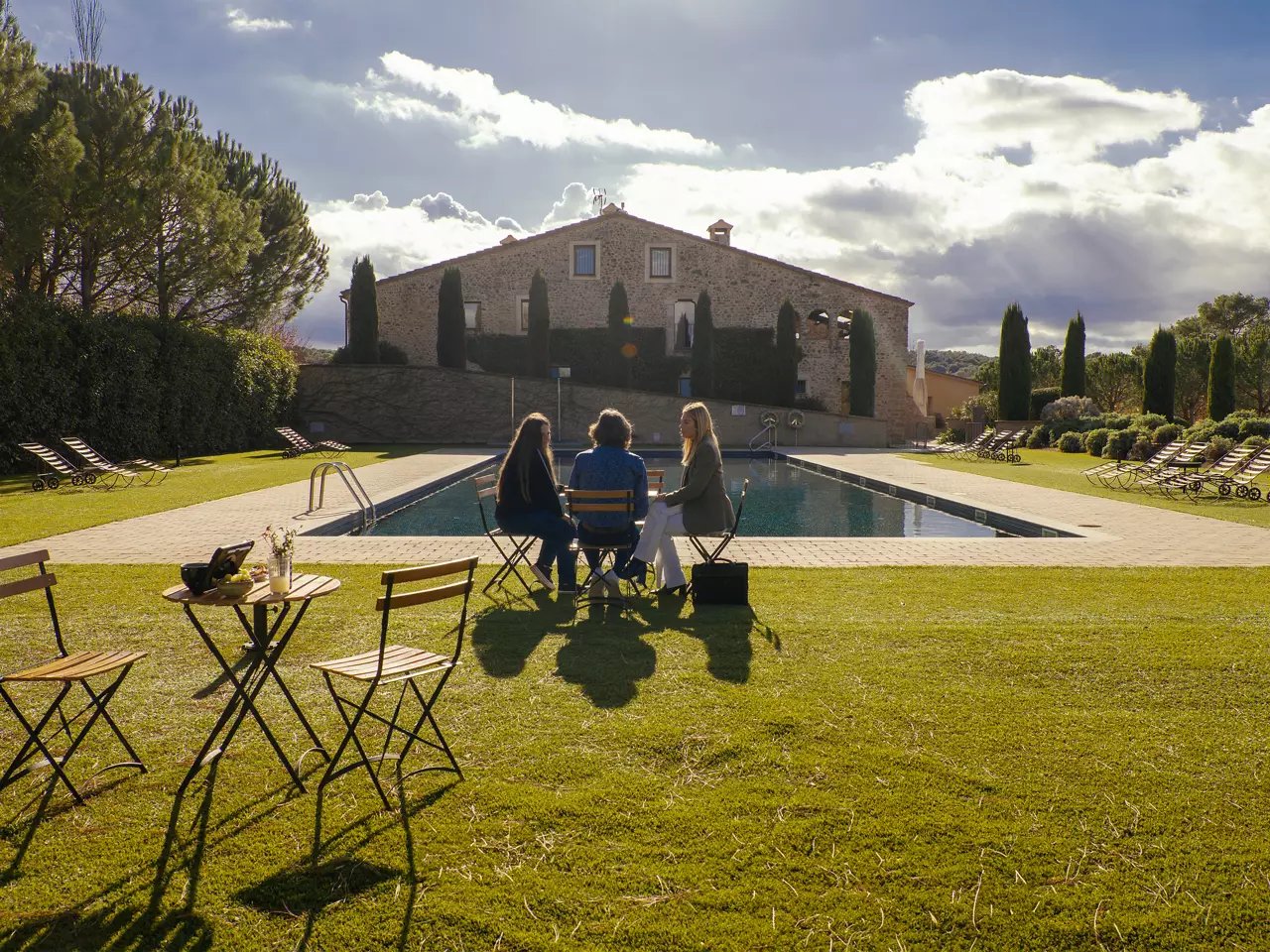
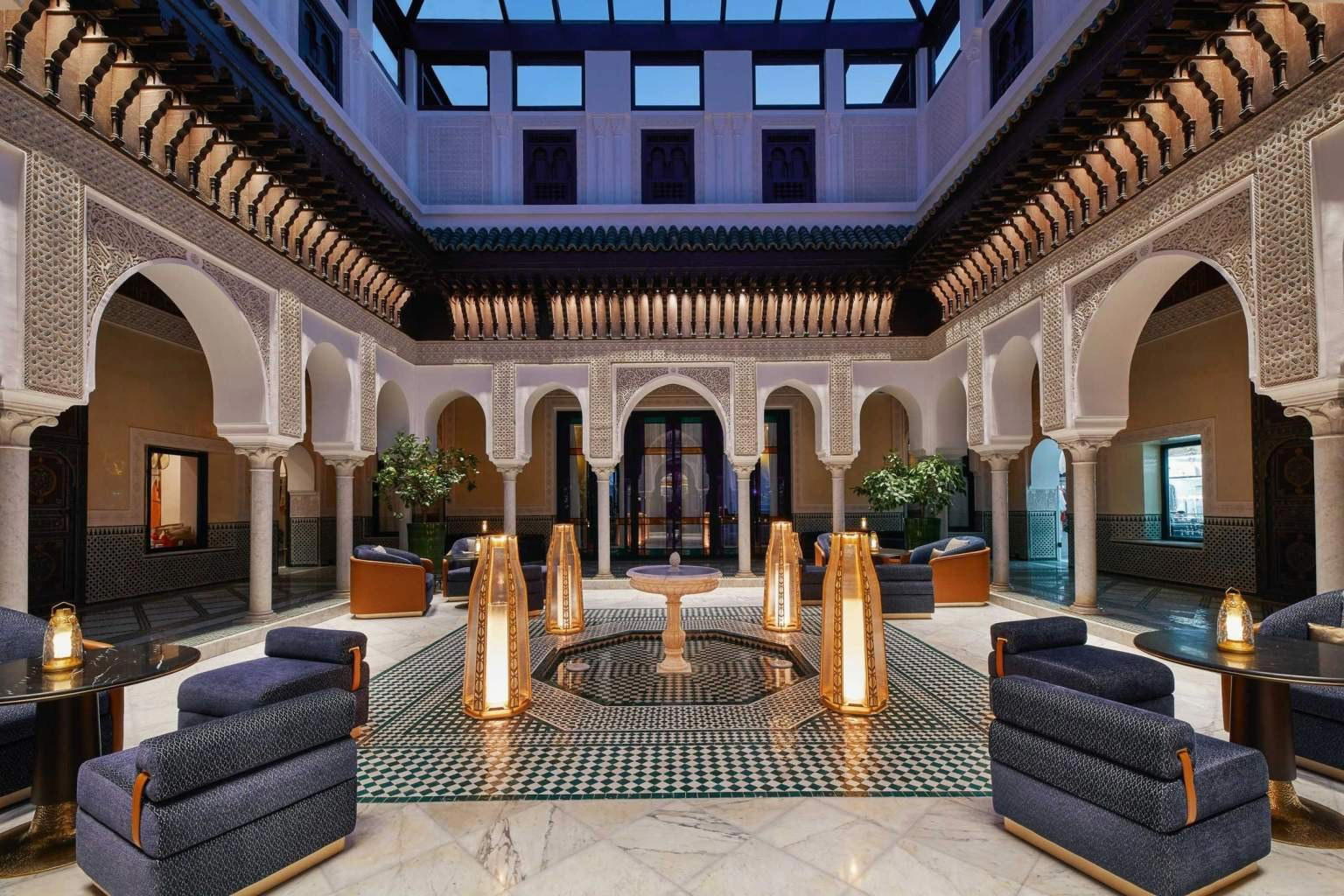
Timeless elegance with Old World charm, stunning architecture, plush furnishings, and serene lighting in grand halls and lounge areas.
Tags
Vibe
Best For
Experience
Amenities
View
Accessibility
About the Stay
- Rooms
- 120
- Check-in
- 15:00
- Check-out
- 12:00
- Property Style
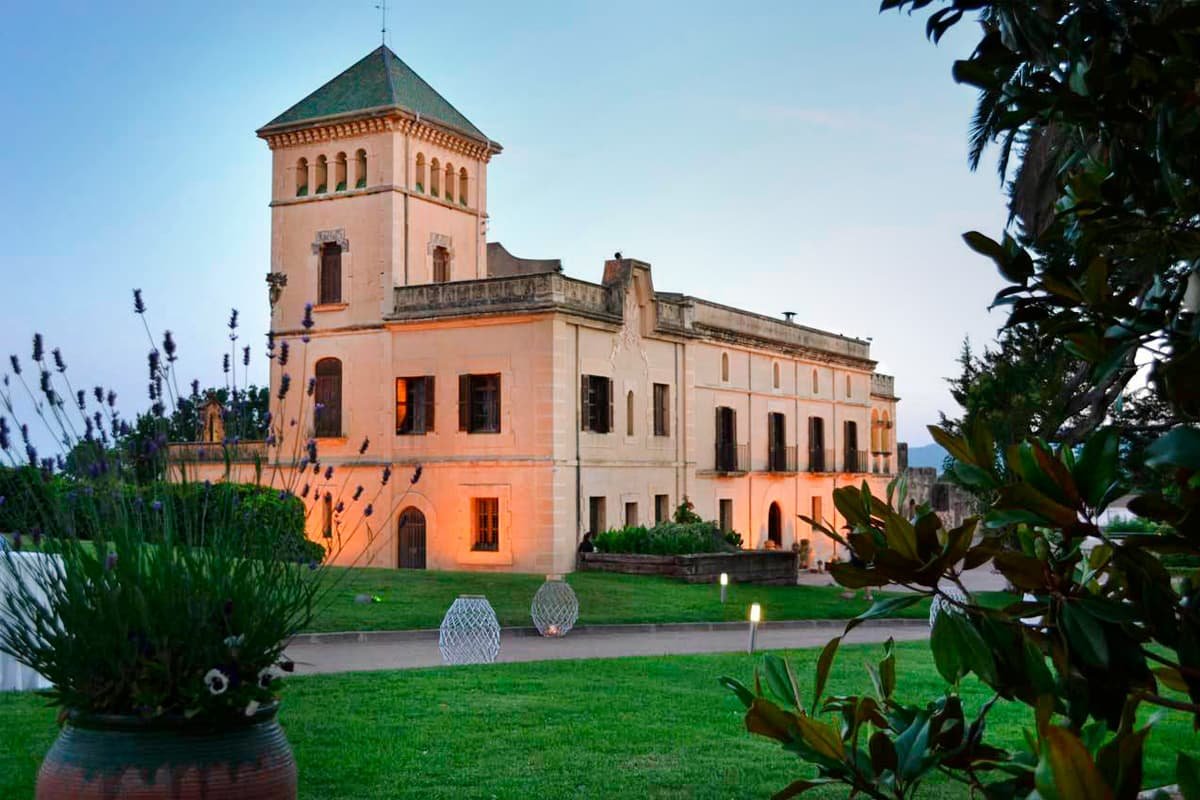
- Timelessly Elegant Historic Palace with Modern Conveniences.
- Design Style
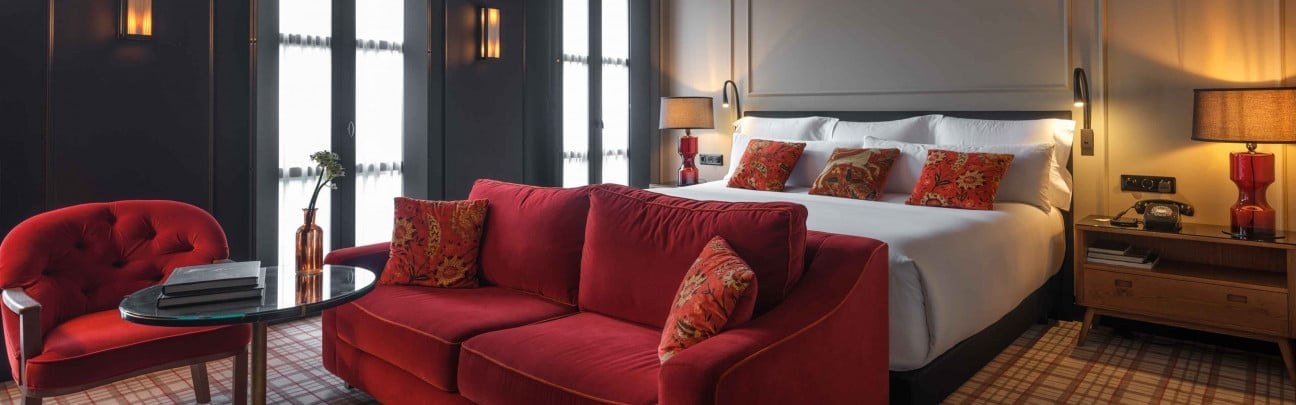
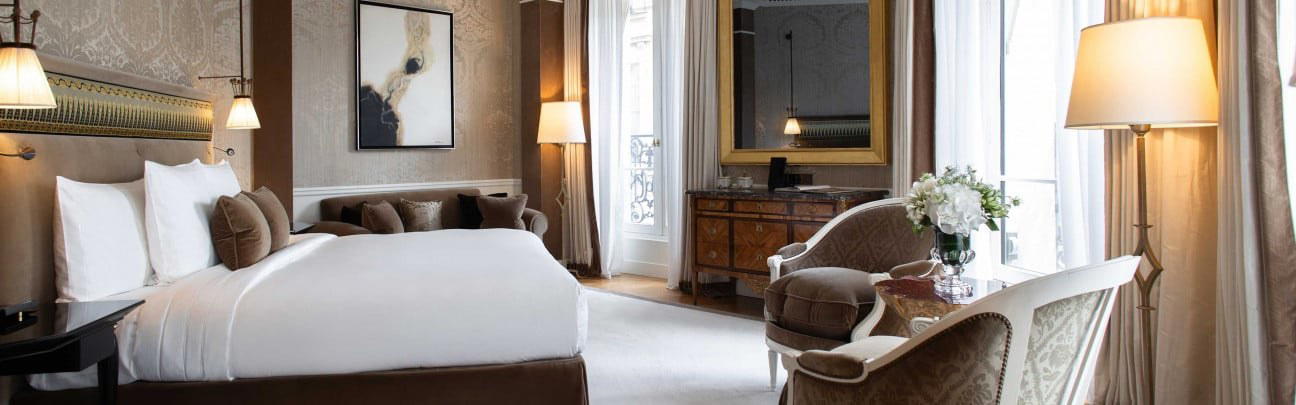
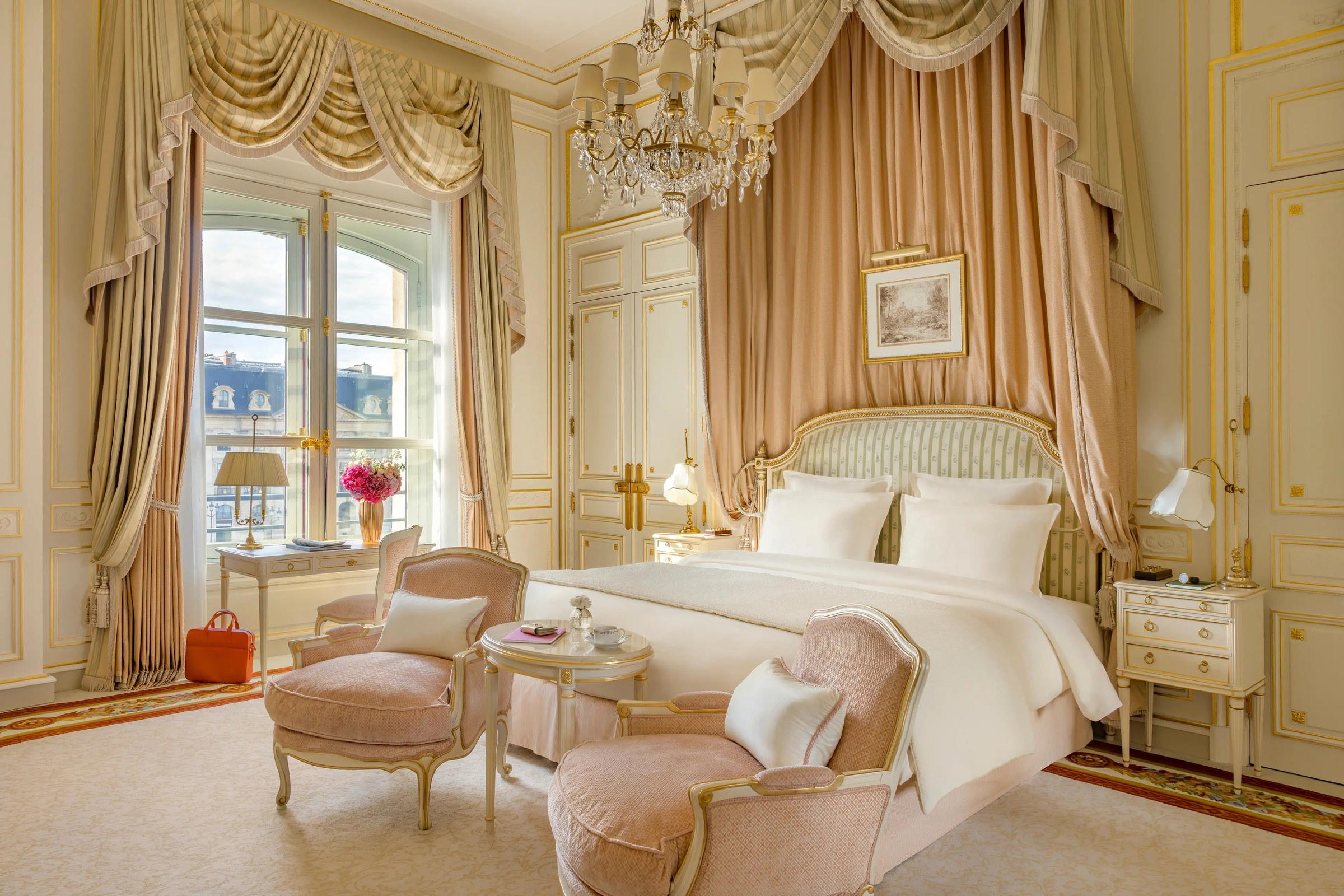
- Classic Luxury with Plush Furnishings, Fabric Covered Walls, and Individually Decorated Rooms.
Know before you go
Know Before You Go
- Getting there
- Gran Via de les Corts Catalanes, 668, Eixample, 08010 Barcelona
Planning details
Location
Gran Via de les Corts Catalanes, 668, Eixample, 08010 Barcelona · Directions
Recognition and awards




Also consider
Where to look if this is booked
Try Almanac Barcelona if the goal is central luxury with a more contemporary feel. It is the better alternative for couples or business travelers who want a cleaner modern mood without leaving the central hotel category.
Try Catalonia Passeig de Gracia if the budget is the constraint. It is the practical fallback when location matters more than luxury recognition, especially for travelers planning to spend more time out in the city than inside the hotel.
Hotel context
How it compares in Barcelona
El Palace Barcelona is the safer luxury pick if calm atmosphere, established service cues, and a central Eixample base matter more than a newer design statement. The Cotton House Hotel is the better cross-shop for travelers who still want heritage character but with a more contemporary boutique feel, while Almanac Barcelona is stronger for guests prioritizing modern rooms and a sharper city-hotel mood.
For energy, ME Barcelona is the more social choice; it makes more sense for couples or friends who want the hotel to be part of the night. Casa Bonay is the better fit for a relaxed, design-conscious stay that feels less formal. Neither is the obvious substitute for a family needing a quieter luxury base.
For value, Catalonia Passeig de Gracia is the practical comparison if the main goal is a central location at a lower spend. Choose El Palace Barcelona when the extra cost buys confidence, recognition, and a more composed hotel experience. Choose Catalonia Passeig de Gracia when price discipline matters more than luxury credentials.
Around this place
Discover more on Pearl
Unlock the full El Palace Barcelona guide in Pearl, including awards, comparisons, FAQs, planning details, and nearby places.
Compare El Palace Barcelona
| Venue | Location | Awards |
|---|---|---|
| El Palace Barcelona | Barcelona | 2026 Forbes 4-Star2026 Virtuoso Luxury Hotel Collection2026 La Liste Top HotelsLeading Hotels of the World 20262025 Michelin Selected Hotels2025 Forbes 4-Star |
| The Cotton House Hotel | Barcelona | 2026 Forbes 4-Star2026 La Liste Top Hotels2025 Michelin Selected Hotels2025 Forbes 4-Star |
| Almanac Barcelona | Barcelona | 2026 Virtuoso Luxury Hotel Collection2026 La Liste Top Hotels2025 Michelin 1 Key2024 Michelin 1 Key |
| ME Barcelona | Barcelona | No published awards |
| Casa Bonay | Barcelona | No published awards |
| Catalonia Passeig de Gracia | Barcelona | Preferred Hotels Member 2025 |


How El Palace Barcelona compares with similar nearby venues.
FAQ
Frequently Asked Questions
Which room category is best at El Palace Barcelona?
There is no room-category guidance in the available data. Choose based on your party size, space needs, and budget, and confirm the specific room details directly with the hotel before booking.
Is El Palace Barcelona good for business travel?
The data supports describing El Palace Barcelona as a recognized luxury-hotel option in Barcelona, with Forbes 4-Star 2026 status, La Liste Top Hotels 2026 recognition at 95 points, Virtuoso Luxury Hotel Partner status for 2026, Leading Hotels of the World membership for 2025, and MICHELIN Guide Hotels selection for 2025. Specific business-travel amenities or services are not confirmed here.
What is El Palace Barcelona known for?
El Palace Barcelona is known in the data as a Barcelona hotel with confirmed recognition from Leading Hotels of the World, La Liste, Forbes, Virtuoso, and the MICHELIN Guide Hotels selection.
Where is El Palace Barcelona located?
El Palace Barcelona is located in Barcelona.