


Almanac Barcelona
la Dreta de l'Eixample, Barcelona
Hotel in Barcelona, Spain
 Book with Pearl
The Read
Contemporary-Luxe Eixample Refinement
Why go
Almanac Barcelona is a strong pick for repeat visitors who want a polished Eixample base rather than palace-style grandeur. It sits well between heritage options like El Palace Barcelona and bigger luxury names like Mandarin Oriental Barcelona, with a more contemporary feel and a practical central location for dining, shopping, meetings, and neighborhood exploring.
About Almanac Barcelona
Almanac Barcelona is a hotel in Barcelona with a smart casual dress code and three notable recognitions: Michelin 1 Key (2024), La Liste Top Hotels (2026) with 96.5pts, and Virtuoso Luxury Hotel Partner (2026).
Use it as a cautious shortlist note rather than a full hotel review, and compare room types, amenities, dining details, prices, hours, and street-level location details directly before booking. The strongest reason to consider Almanac Barcelona is its recognition profile in Barcelona.
Book it for a recognized Barcelona hotel stay
The clearest signal is Michelin 1 Key (2024), supported by La Liste Top Hotels (2026): 96.5pts and Virtuoso Luxury Hotel Partner (2026). Those credentials make Almanac Barcelona relevant for travelers who want a premium Barcelona hotel with third-party recognition, while still checking current rates, room details, and services directly before booking.
If you are comparing options in Barcelona, keep Almanac Barcelona on the same shortlist as Catalonia Passeig de Gracia, El Palace Barcelona, ME Barcelona, Mandarin Oriental Barcelona, and The Cotton House Hotel. For detailed differences in style, service, amenities, or location, compare current availability and official hotel information.
The timing sweet spot is whatever fits your Barcelona plans
Rather than assuming a best time to book, treat timing as a trip-planning question: check your Barcelona dates, compare live prices, and confirm the specific hotel features that matter to you.
For travelers who value formal recognition, Almanac Barcelona has a clear case: Michelin 1 Key (2024), La Liste Top Hotels (2026): 96.5pts, and Virtuoso Luxury Hotel Partner (2026). For travelers who need specific facilities, dining, room categories, or loyalty benefits, those details should be checked directly with the hotel before committing.
Inside Almanac Barcelona
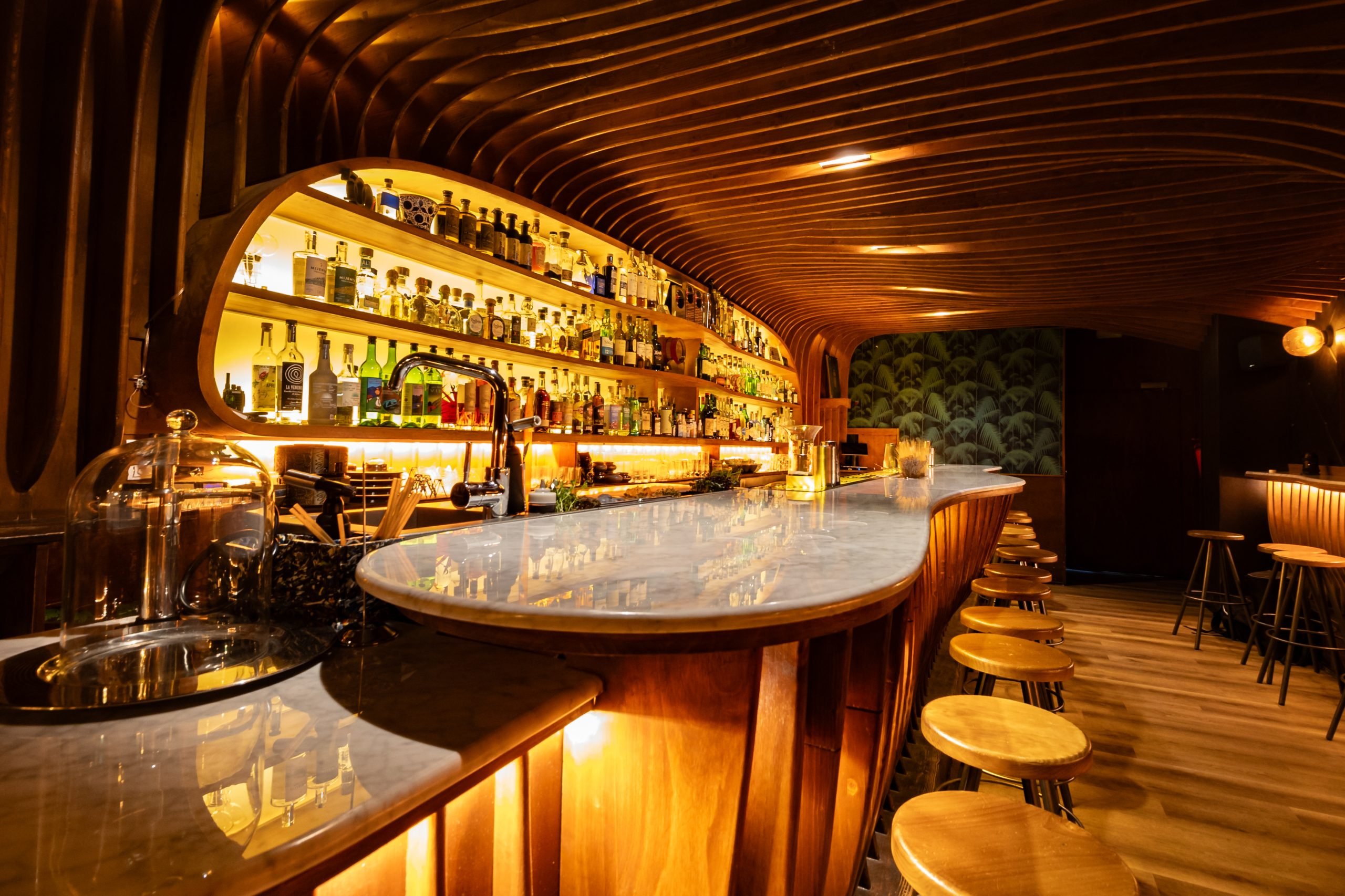
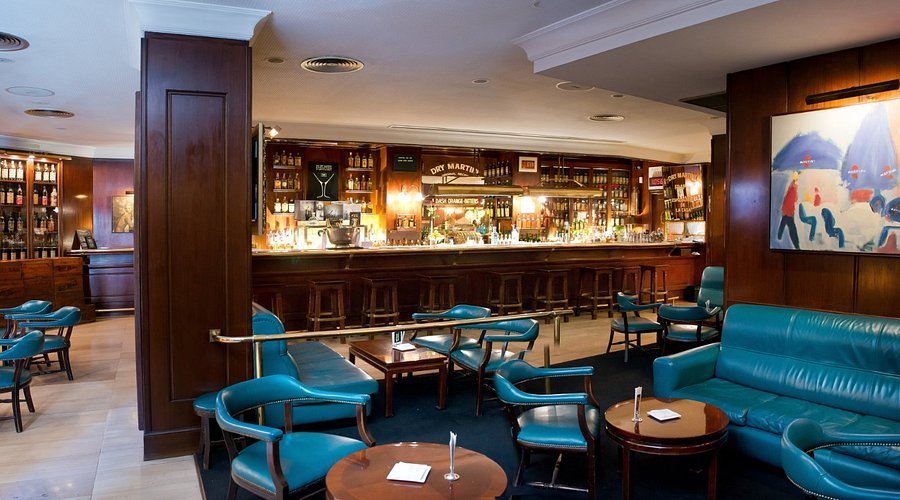
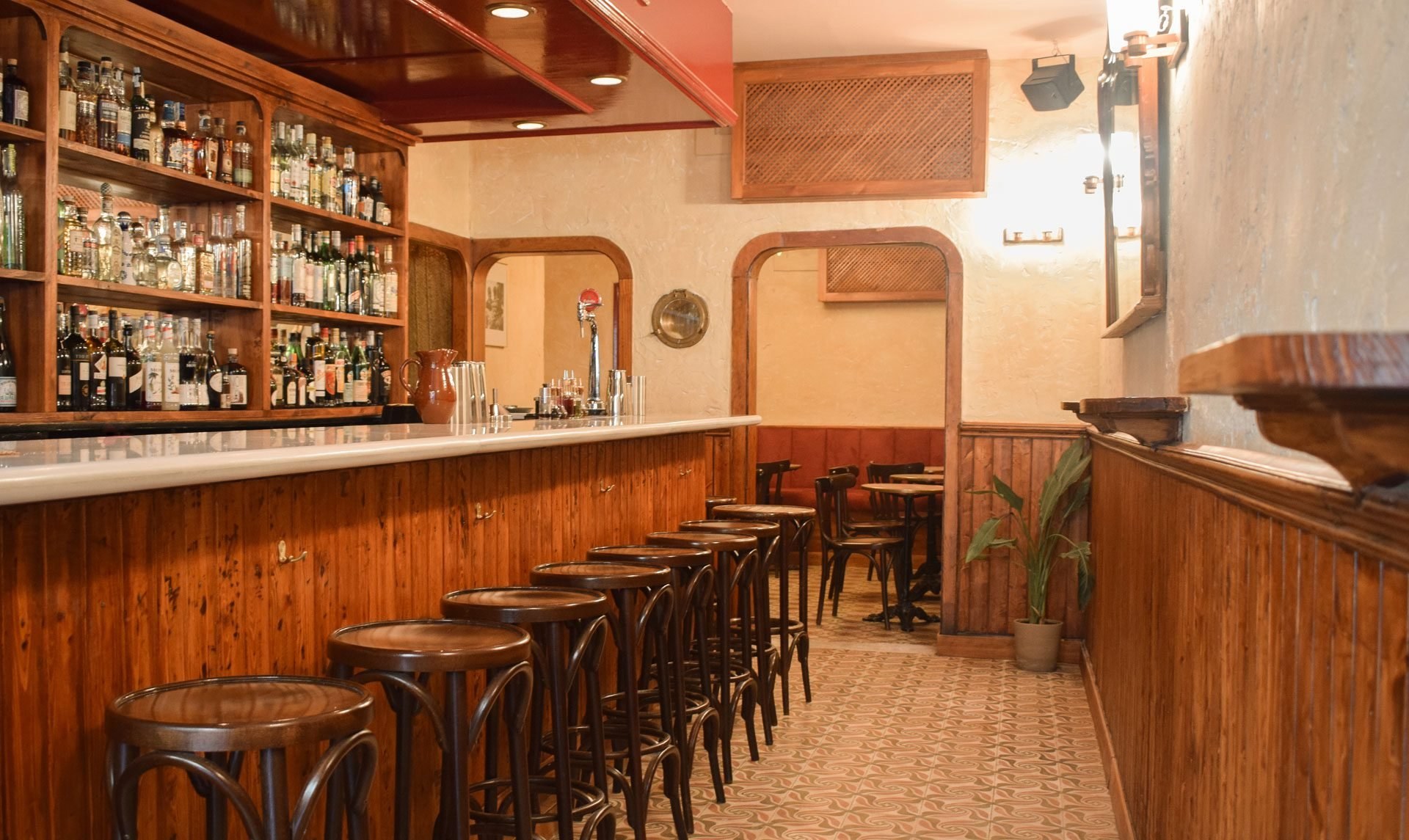
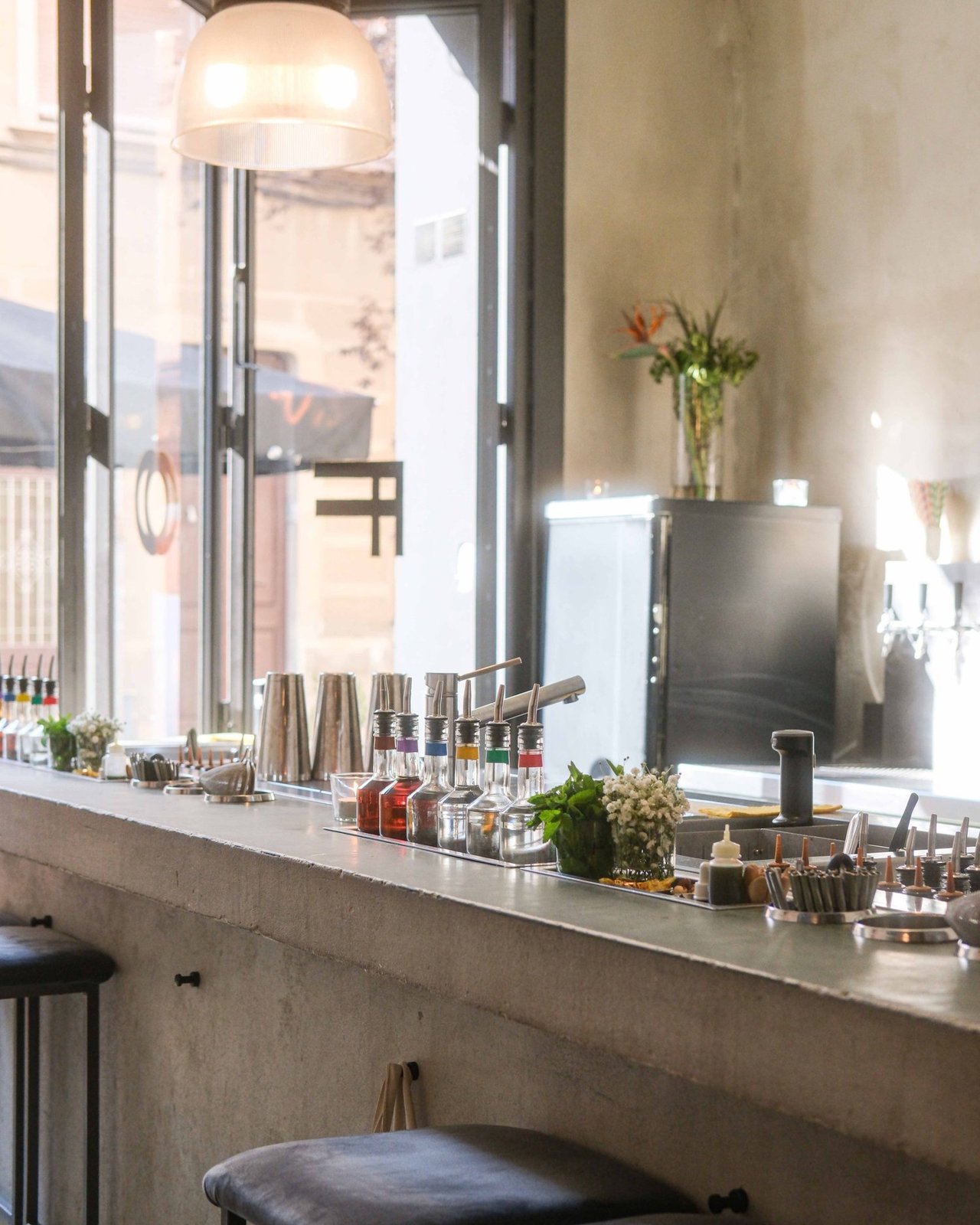
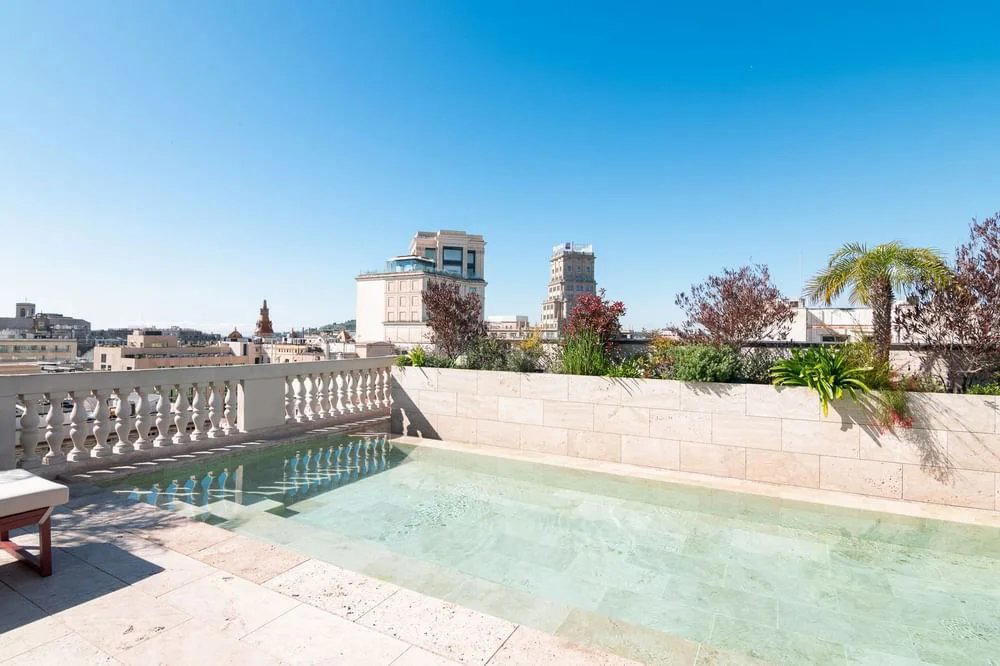 rooftop_barAzimuth Rooftop BarOccupying the eighth-floor terrace of a Gran Via address, Azimuth Rooftop Bar positions itself above Barcelona's street-level cocktail scene, literally and categorically. The format favours open sky over interior theatre, placing it in a smaller comparable set than the city's celebrated basement bars and ground-floor craft programs. For refined outdoor drinking with city sightlines, it sits apart from the Eixample's more enclosed options.
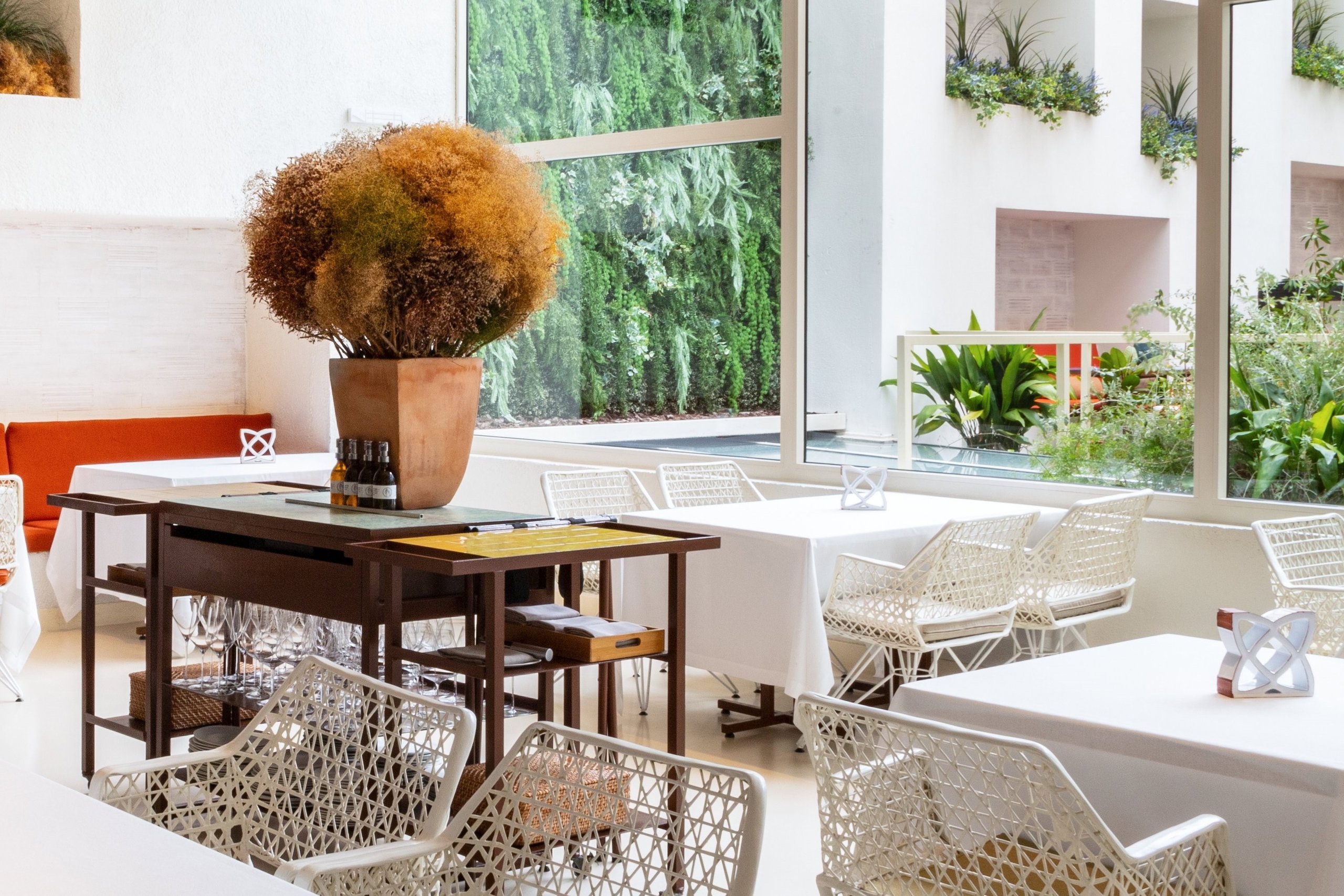
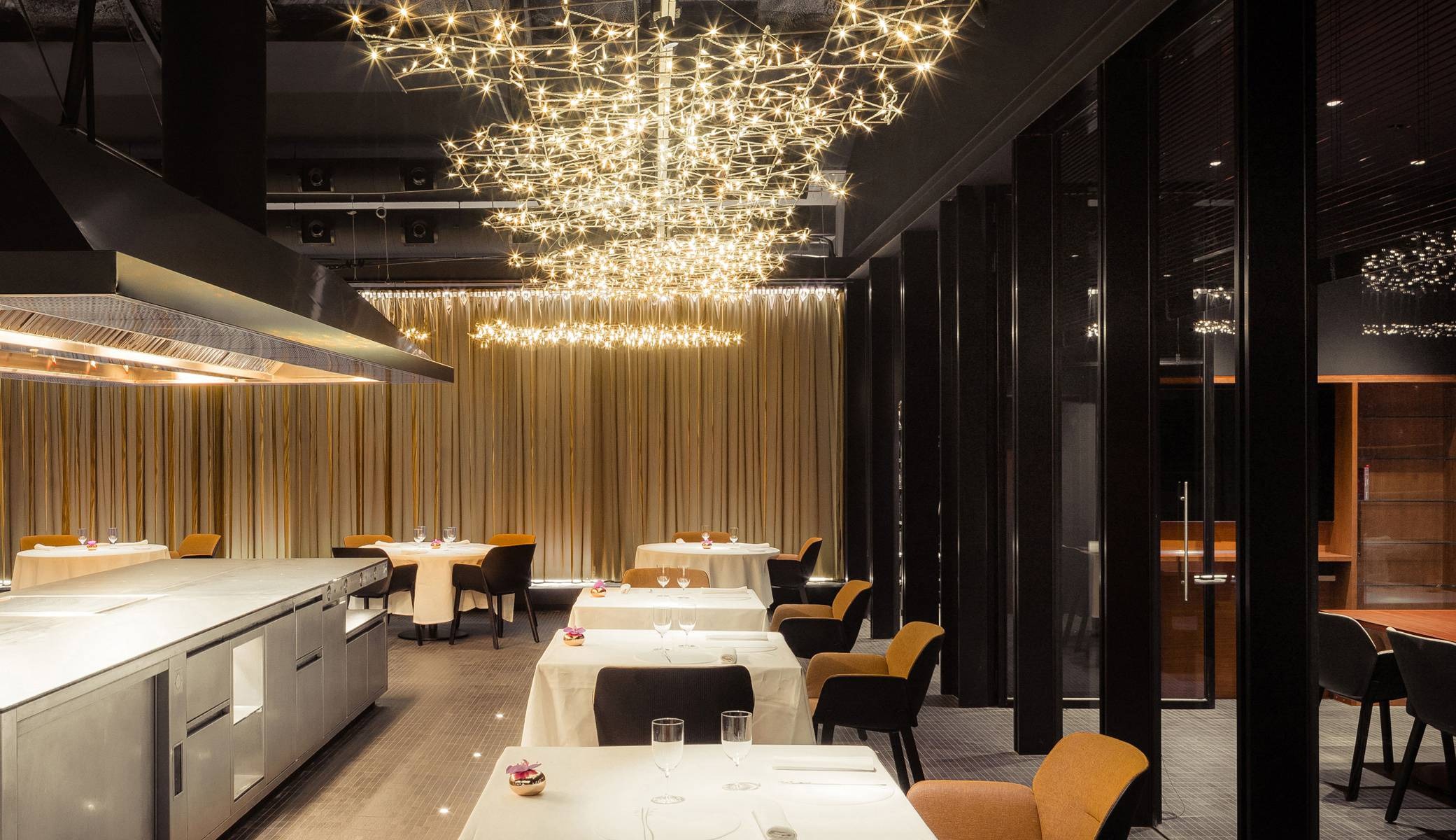
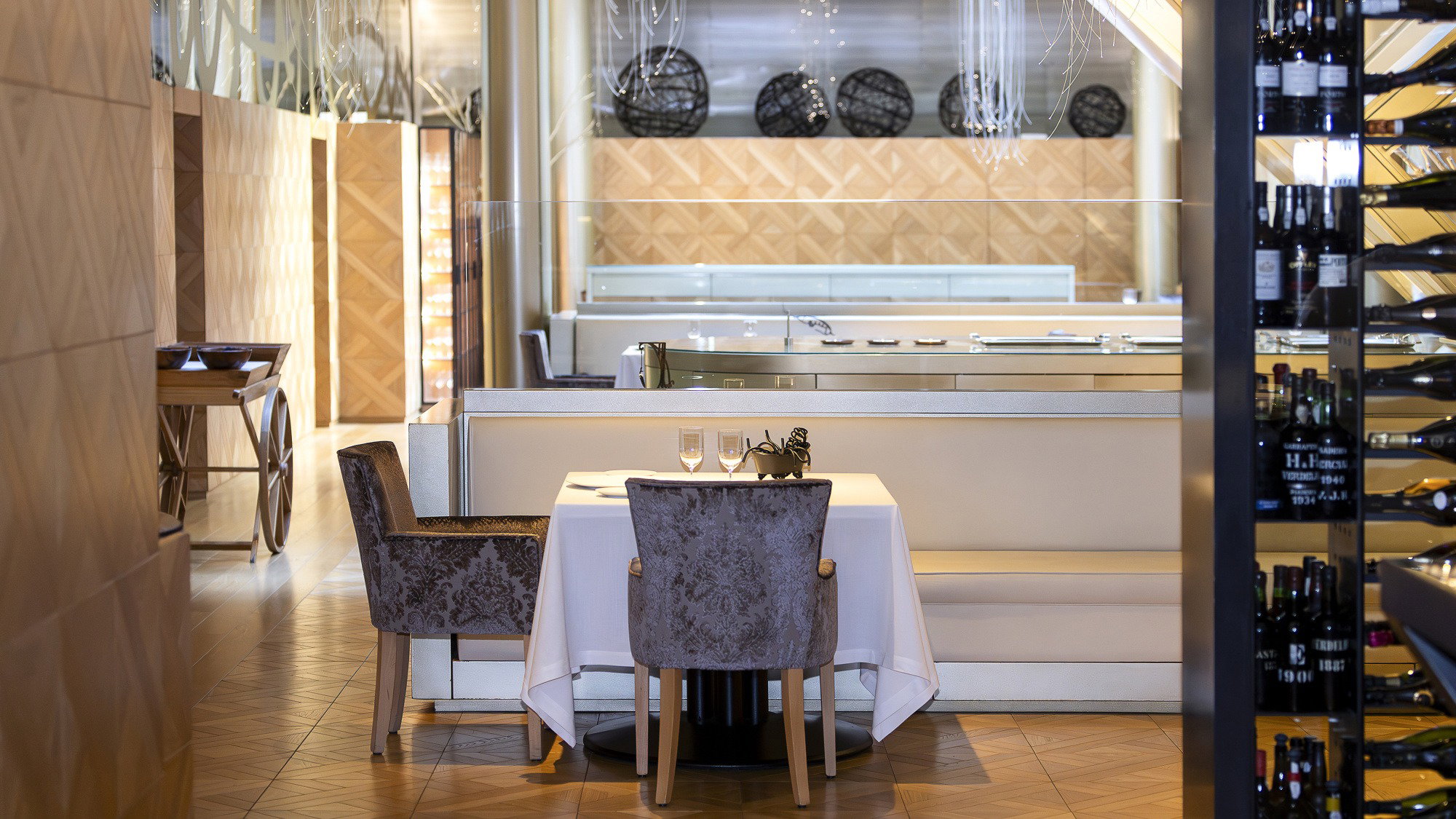
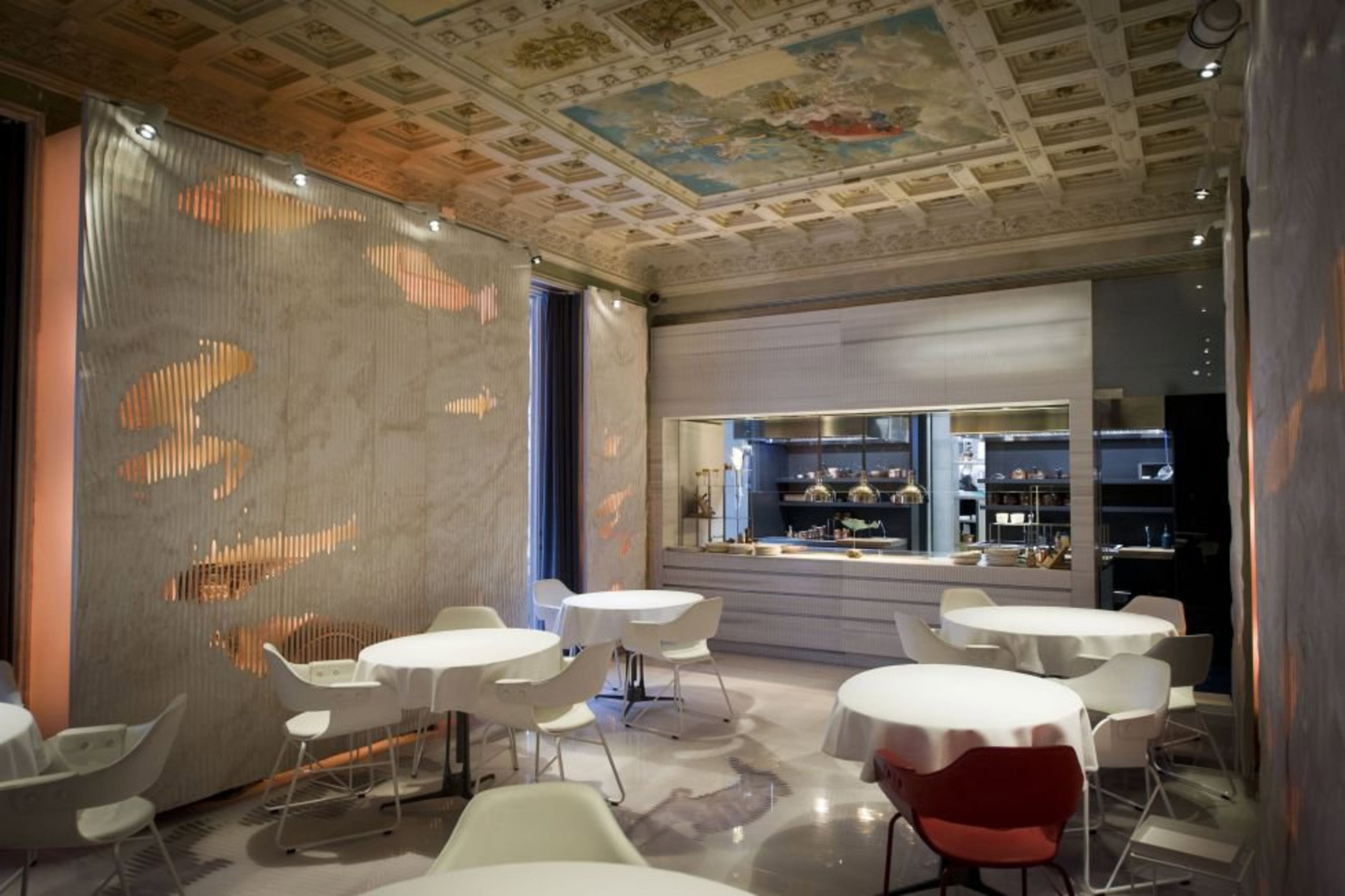
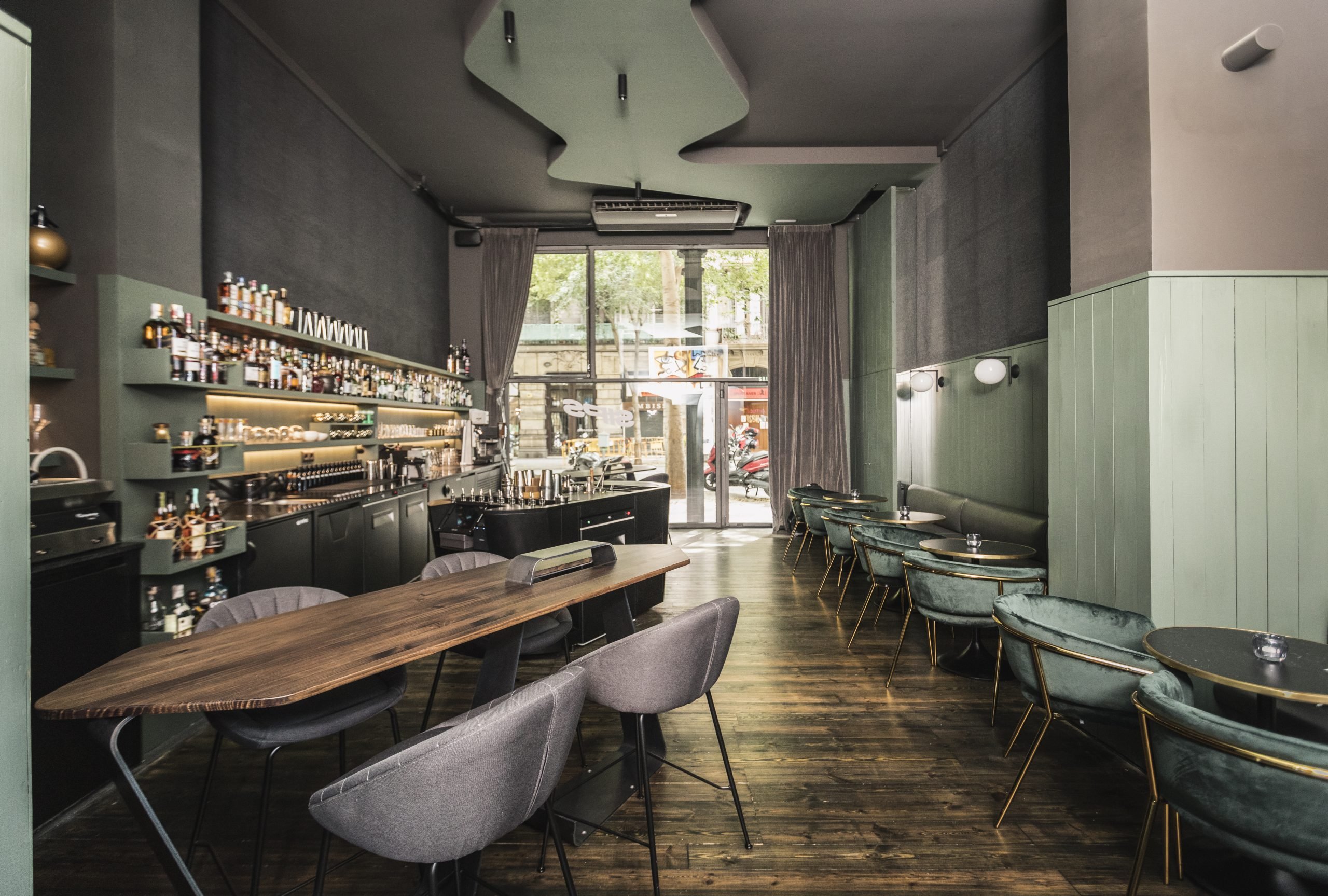
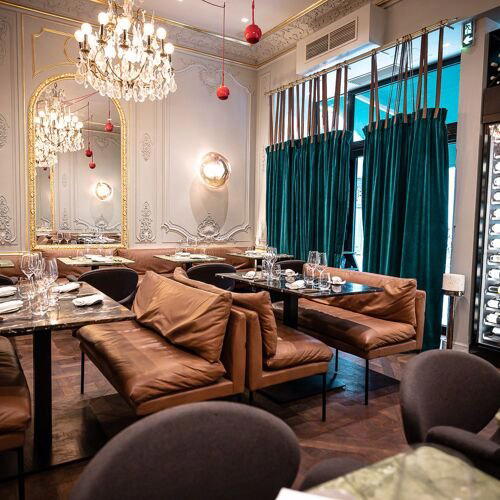 restaurantVirensRodrigo de la Calle's Barcelona address on Gran Via brings the plant-forward philosophy of his celebrated 'green cuisine' to the Eixample, with tasting menus built around organically grown produce and small-scale local suppliers. Holding a Michelin Plate for 2024 and 2025, and recognised with a We're Smart Discovery Award for Spain in 2022, Virens sits at the thoughtful end of Barcelona's contemporary dining scene at the €€ price point.
Planning details
- Location
- 619-621, Gran Via de les Corts Catalanes, Eixample, 08007 Barcelona
- Website
- almanachotels.com/barcelona
- Phone
- +34 930 18 70 00
The take
The Take
The Vibe
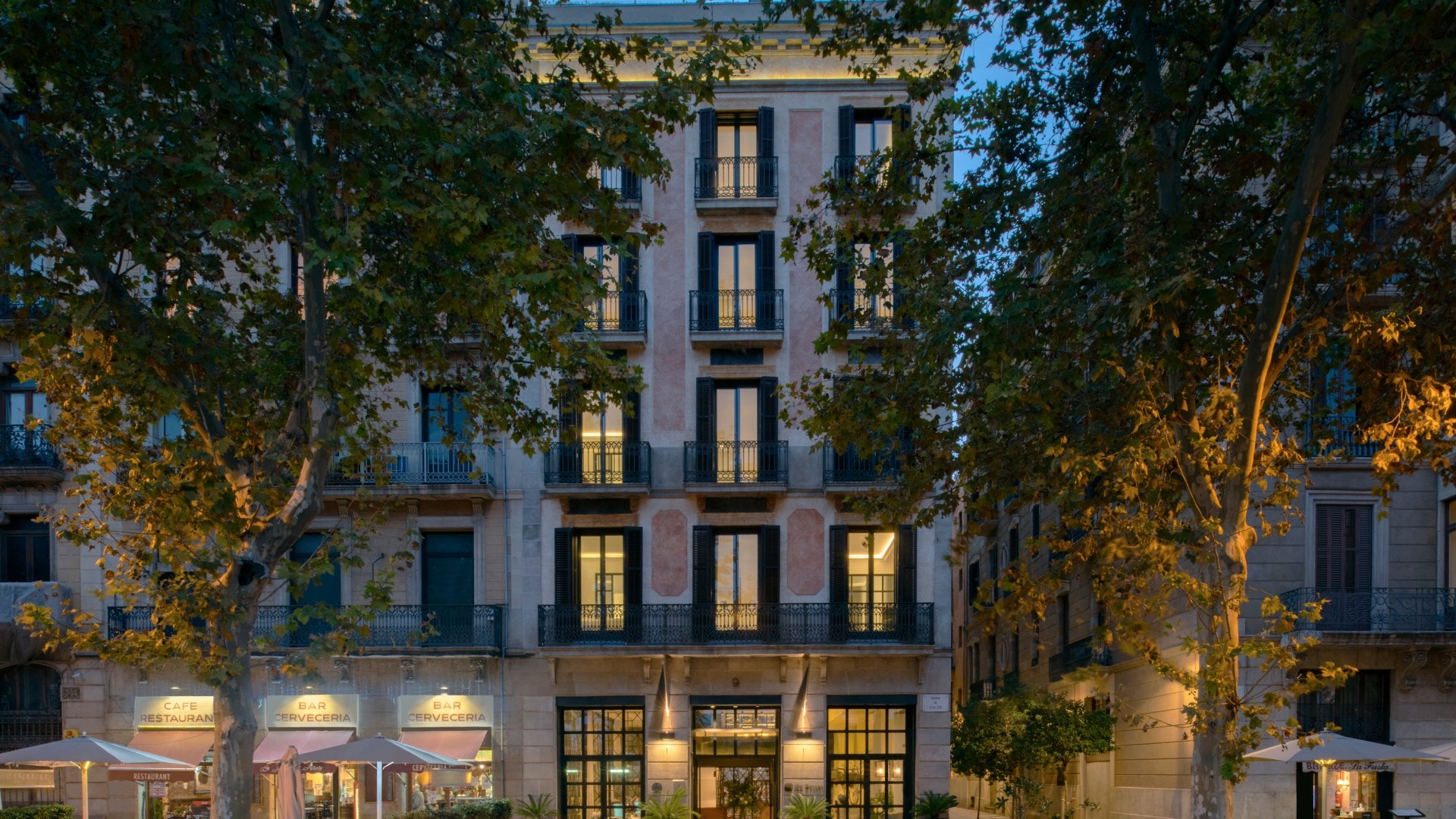
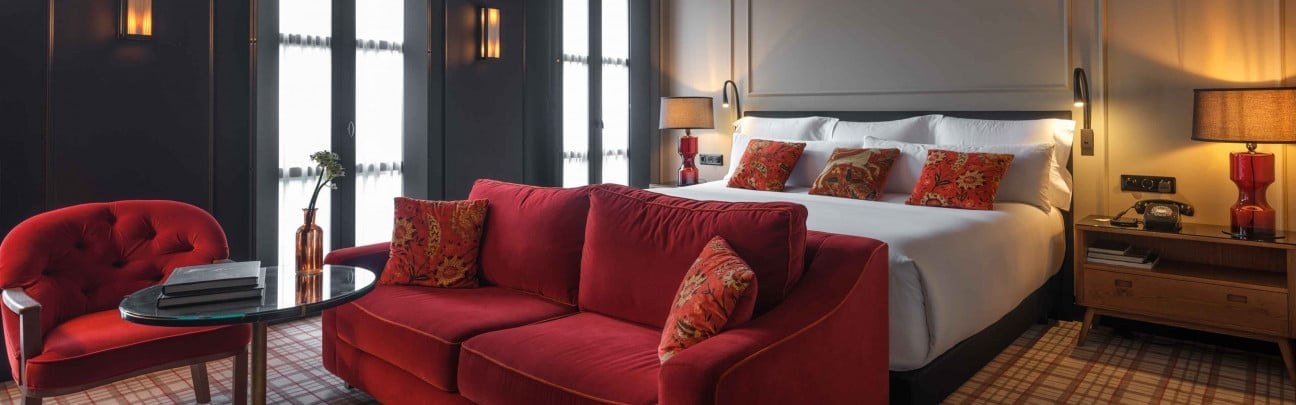
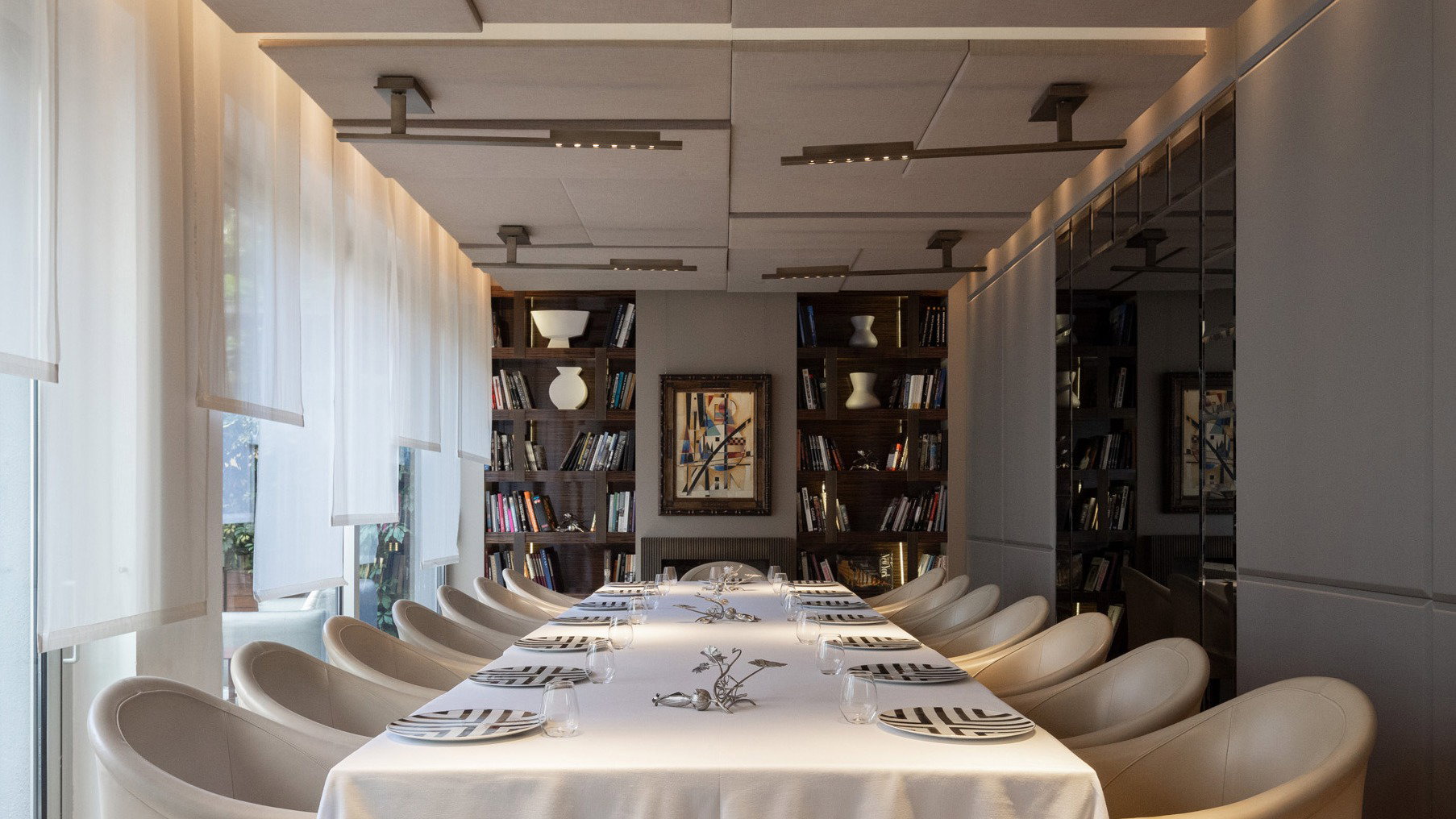
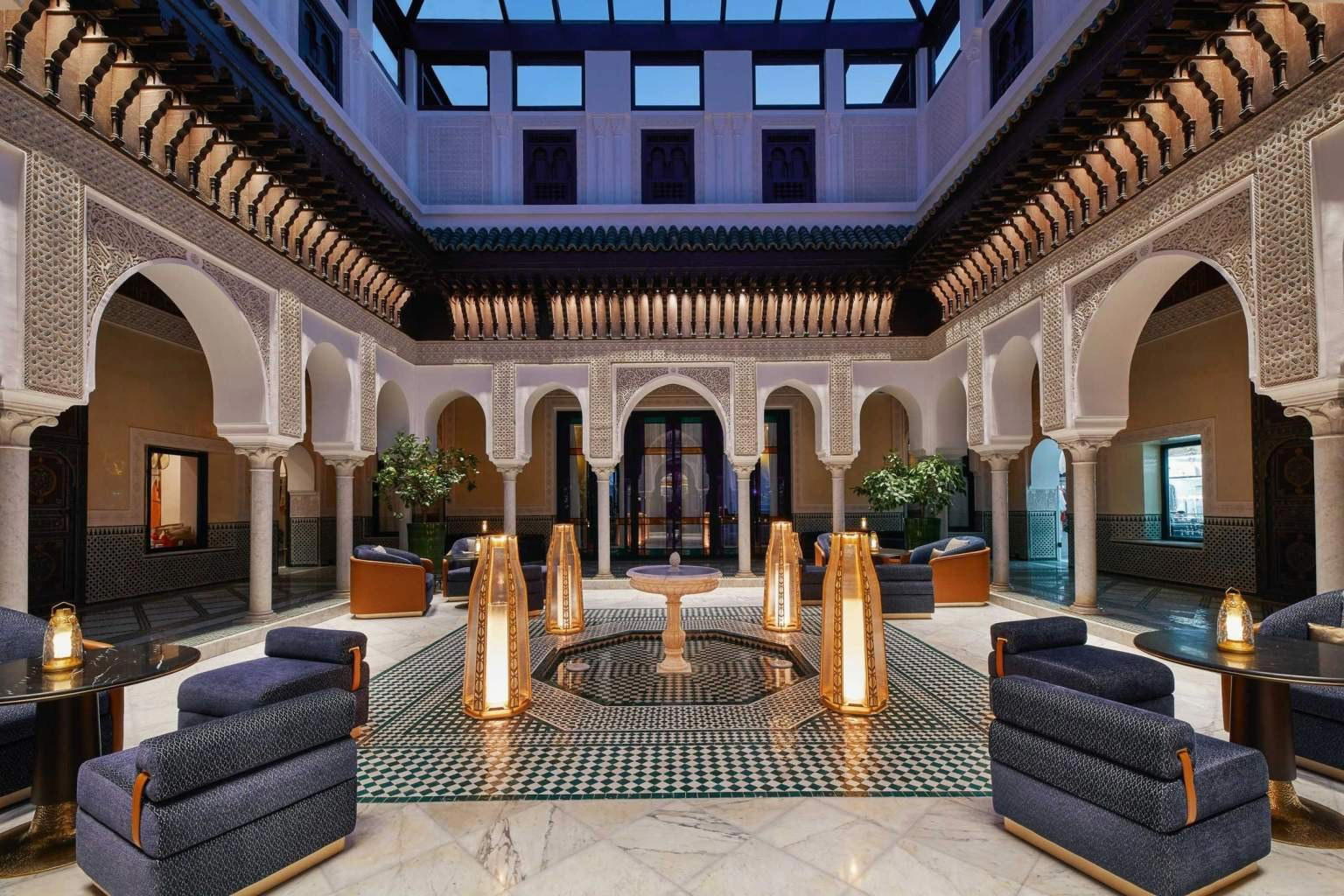
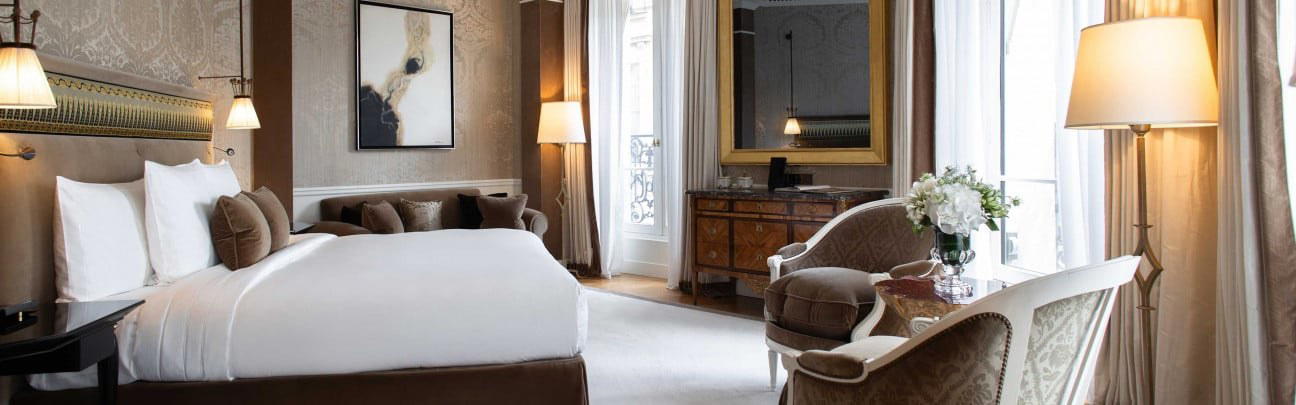
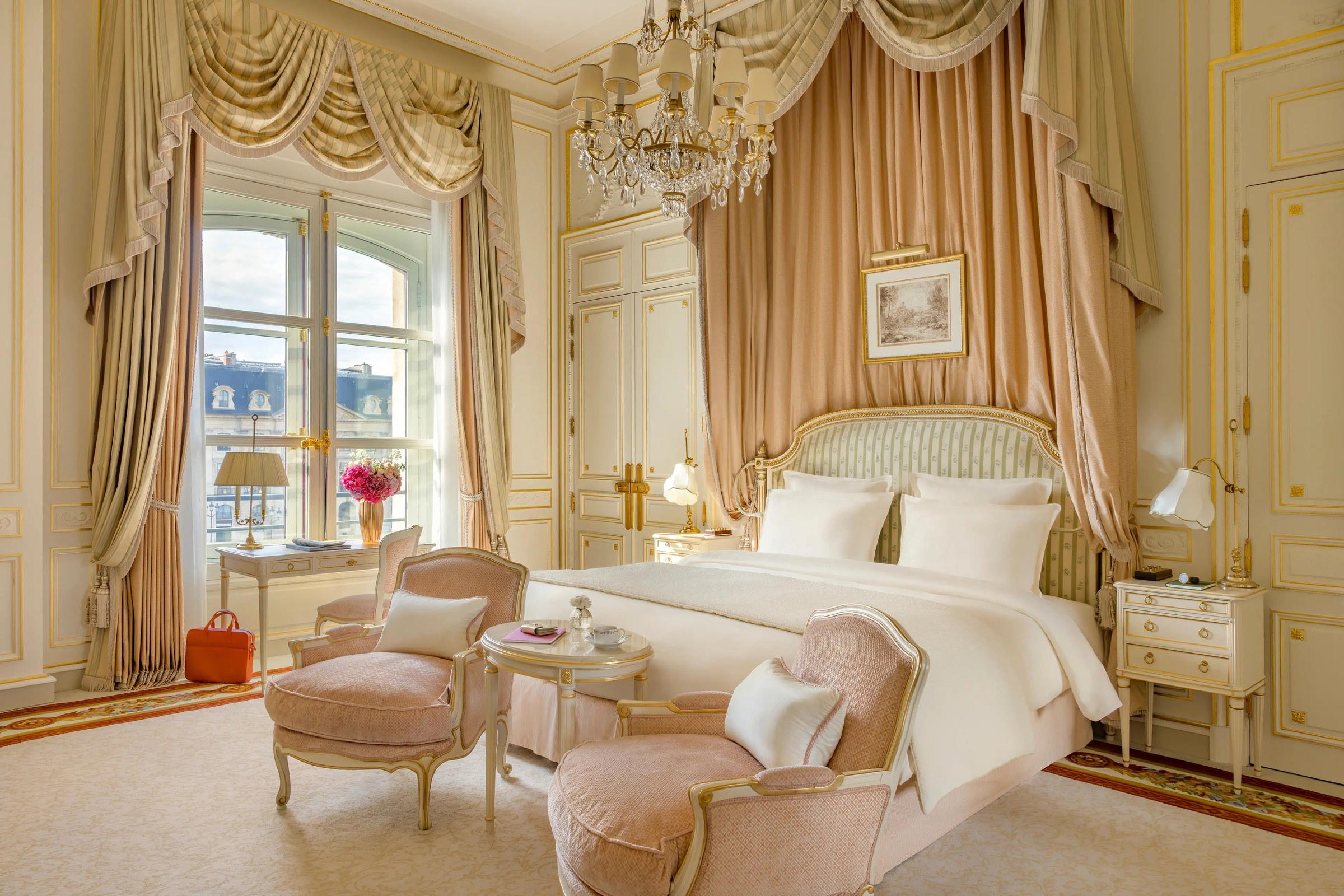
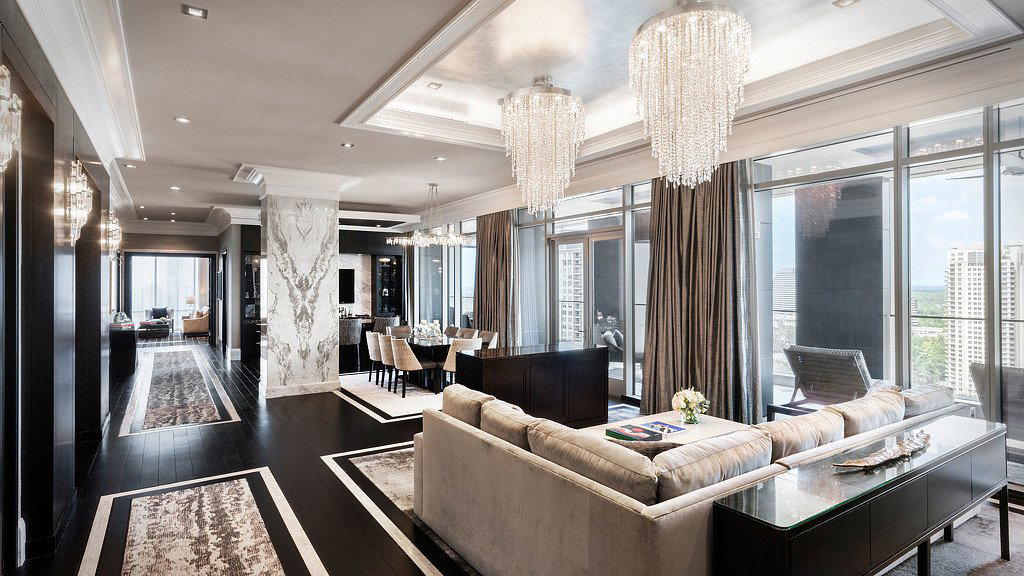
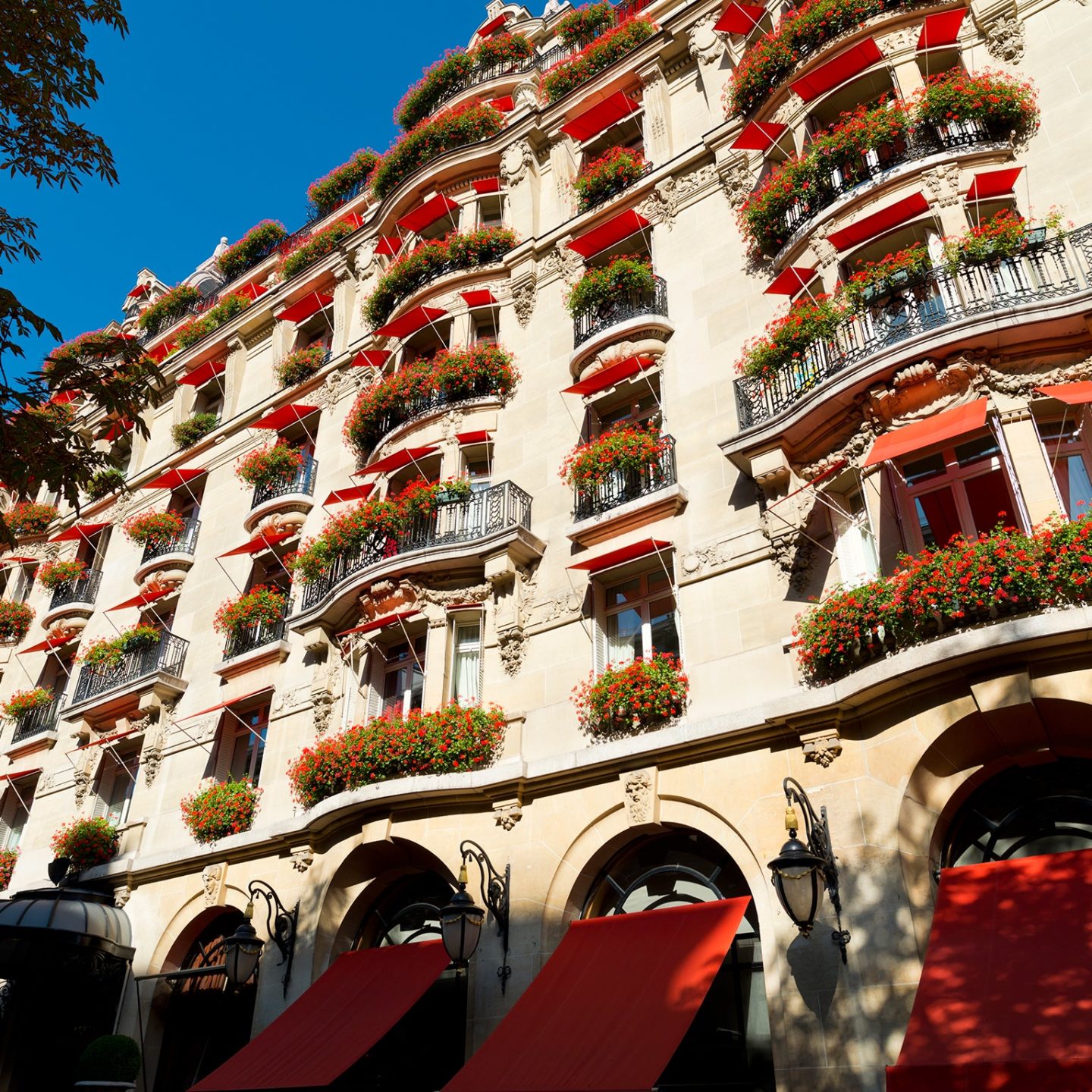
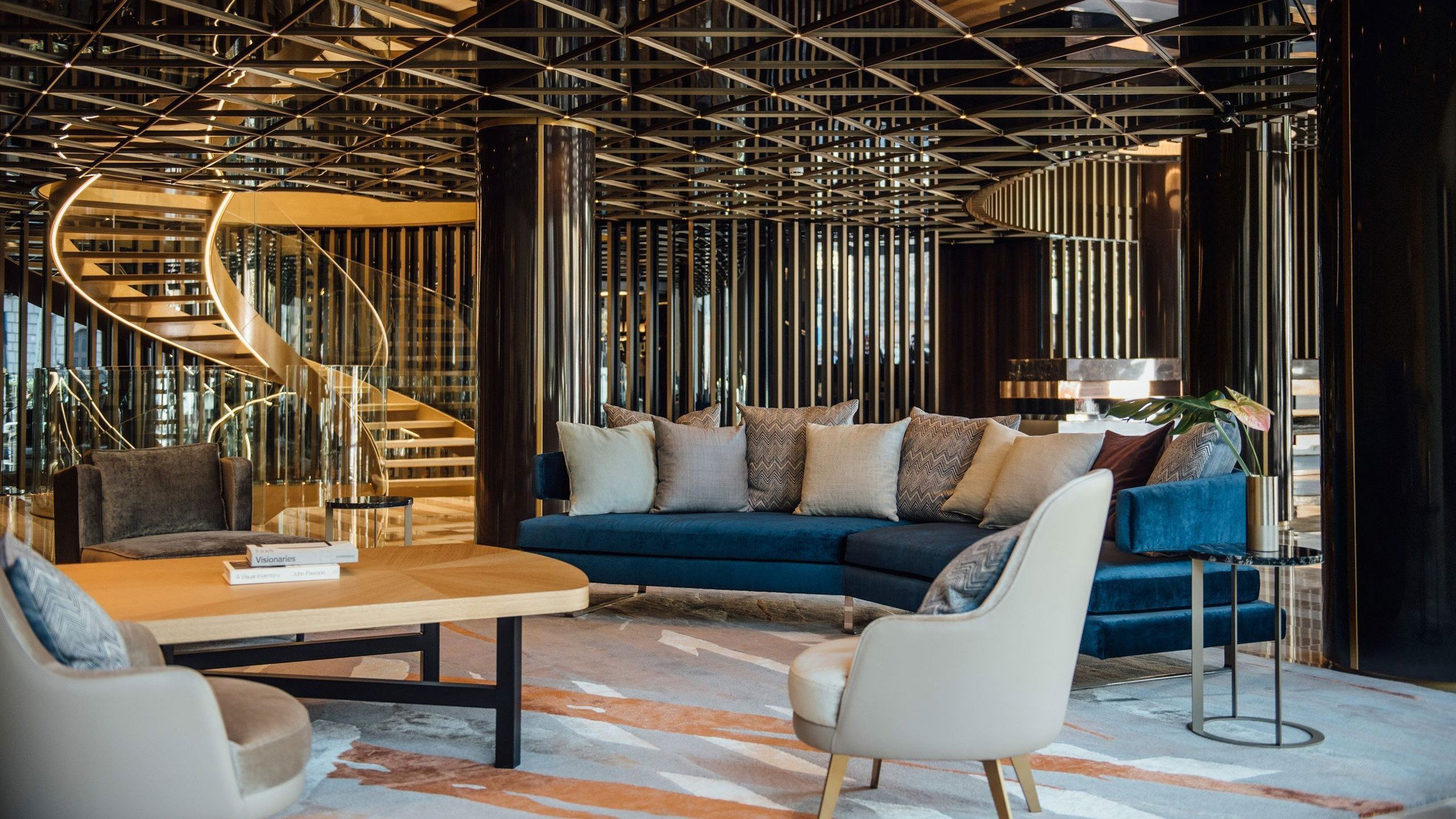
Almanac Barcelona reads like an architectural companion to the Eixample: a 19th‑century street façade that slips easily into a quietly refined interior. Jaime Beriestain's interiors splice Art Deco geometry, mid‑century warmth and contemporary restraint so that the rooms feel intentional rather than showy. Full‑length windows and pale stone surfaces let the district's oblique afternoon light become part of the palette, softening edges and reinforcing a calm, warm register. The overall effect is quietly dignified and considerate — a hotel that privileges good design and natural light over theatricality.
Best For
This is a hotel for travelers who value address, architecture and a composed interior sensibility. It suits romantic getaways and weekend escapes for couples who want sun‑lit rooms and a calm base in Eixample, and it fits business trips where polished surroundings and a serious sense of place matter. Positioned near Passeig de Gràcia and named among upper‑tier boutique properties, Almanac also works well for special occasions that benefit from a refined, design‑forward setting rather than flash or nightlife energy.
Stay Tips
If you want to experience what the hotel emphasizes, ask for a room with full‑length windows that look toward the Eixample streets to maximize the afternoon light the description highlights. Note that the hotel is relatively compact at 91 rooms, so choose a room that emphasizes the design era you prefer — the interiors reference Art Deco geometry and mid‑century warmth alongside contemporary restraint. Use the address just off Passeig de Gràcia as a planning anchor when arranging arrival and nearby reservations.
Venue details
Ambiance
Modern luxurious atmosphere with natural light, warm tones, and serene retreats enhanced by soundproofing despite central location.
Tags
Vibe
Best For
Experience
Amenities
View
Accessibility
About the Stay
- Rooms
- 91
- Check-in
- 15:00
- Check-out
- 12:00
- Property Style
- Boutique Luxury Hotel in a Stylish Traditional Building with Modern Residential Refinement.
- Design Style
- Modern Design with Muted Gold Tones, Oak and Walnut Accents, Natural Light, and Ibizan Marble Bathrooms.
Know before you go
Know Before You Go
- Getting there
- 619-621, Gran Via de les Corts Catalanes, Eixample, 08007 Barcelona
Planning details
Location
619-621, Gran Via de les Corts Catalanes, Eixample, 08007 Barcelona · Directions
Recognition and awards


Also consider
Also Consider
- El Palace Barcelona, Notable alternative
- ME Barcelona, Notable alternative
- The Cotton House Hotel, Notable alternative
- Mandarin Oriental Barcelona, Notable alternative
- Catalonia Passeig de Gracia, Notable alternative
Hotel context
How Almanac Barcelona compares nearby
Choose Almanac Barcelona if the priority is a contemporary Eixample base with a polished but less ceremonial feel. El Palace Barcelona is the better fit for old-world atmosphere and a more formal sense of occasion, while Mandarin Oriental Barcelona is the stronger splurge when brand-led luxury service is the deciding factor.
ME Barcelona is a better cross-shop for travelers who want a more social, nightlife-friendly hotel mood. The Cotton House Hotel works better for guests who want heritage character over a cleaner contemporary read. Almanac is the more balanced choice for a city itinerary that mixes restaurants, shopping, meetings, and architecture without making the hotel feel too formal.
For value-sensitive travelers, Catalonia Passeig de Gracia is the practical alternative to check first. For travelers choosing on recognition, Almanac has Michelin 1 Key recognition from 2024, a La Liste Top Hotels 2026 score of 96.5 points, and Virtuoso Luxury Hotel Partner status for 2026, which places it in a credible luxury set rather than a purely design-led category.
Around this place
Discover more on Pearl
Unlock the full Almanac Barcelona guide in Pearl, including awards, comparisons, FAQs, planning details, and nearby places.
Compare Almanac Barcelona
| Venue | Location | Awards |
|---|---|---|
| Almanac Barcelona | Barcelona | 2026 Virtuoso Luxury Hotel Collection2026 La Liste Top HotelsMichelin 1 Key 20252025 Michelin 1 Key2024 Michelin 1 Key |
| El Palace Barcelona | Barcelona | 2026 Forbes 4-Star2026 Virtuoso Luxury Hotel Collection2026 La Liste Top HotelsLeading Hotels of the World 20262025 Michelin Selected Hotels2025 Forbes 4-Star |
| ME Barcelona | Barcelona | No published awards |
| The Cotton House Hotel | Barcelona | 2026 Forbes 4-Star2026 La Liste Top Hotels2025 Michelin Selected Hotels2025 Forbes 4-Star |
| Mandarin Oriental Barcelona | Barcelona | 2026 Forbes 5-Star2026 Virtuoso Luxury Hotel Collection2026 La Liste Top Hotels2025 Forbes 4-Star2025 Michelin 2 Keys2024 Michelin 2 Keys |
| Catalonia Passeig de Gracia | Barcelona | Preferred Hotels Member 2025 |






How Almanac Barcelona compares with similar nearby venues.
FAQ
Frequently Asked Questions
Is Almanac Barcelona good for business travel?
Almanac Barcelona may be worth considering for a Barcelona stay because it has Michelin 1 Key (2024) recognition, La Liste Top Hotels (2026): 96.5pts, and Virtuoso Luxury Hotel Partner (2026), but travelers should confirm meeting, workspace, and service needs directly with the hotel.
How does Almanac Barcelona compare to nearby hotels?
Almanac Barcelona can be compared with Catalonia Passeig de Gracia, El Palace Barcelona, ME Barcelona, Mandarin Oriental Barcelona, and The Cotton House Hotel when shortlisting premium hotels in Barcelona. Its credentials include Michelin 1 Key (2024), La Liste Top Hotels (2026): 96.5pts, and Virtuoso Luxury Hotel Partner (2026), and its dress code is smart casual. For detailed differences in amenities, room categories, or service style, compare current hotel information directly.
How is the location of Almanac Barcelona?
Which room category is best at Almanac Barcelona?
Choose a room only after checking current official descriptions and matching them to your budget and comfort needs.
How is the pool and spa at Almanac Barcelona?
Do loyalty programs work at Almanac Barcelona?
Almanac Barcelona is a Virtuoso Luxury Hotel Partner (2026), with Michelin 1 Key (2024) and La Liste Top Hotels (2026): 96.5pts. For points earning, redemption rules, or other loyalty-program benefits, travelers should check the booking channel and hotel policies before reserving.