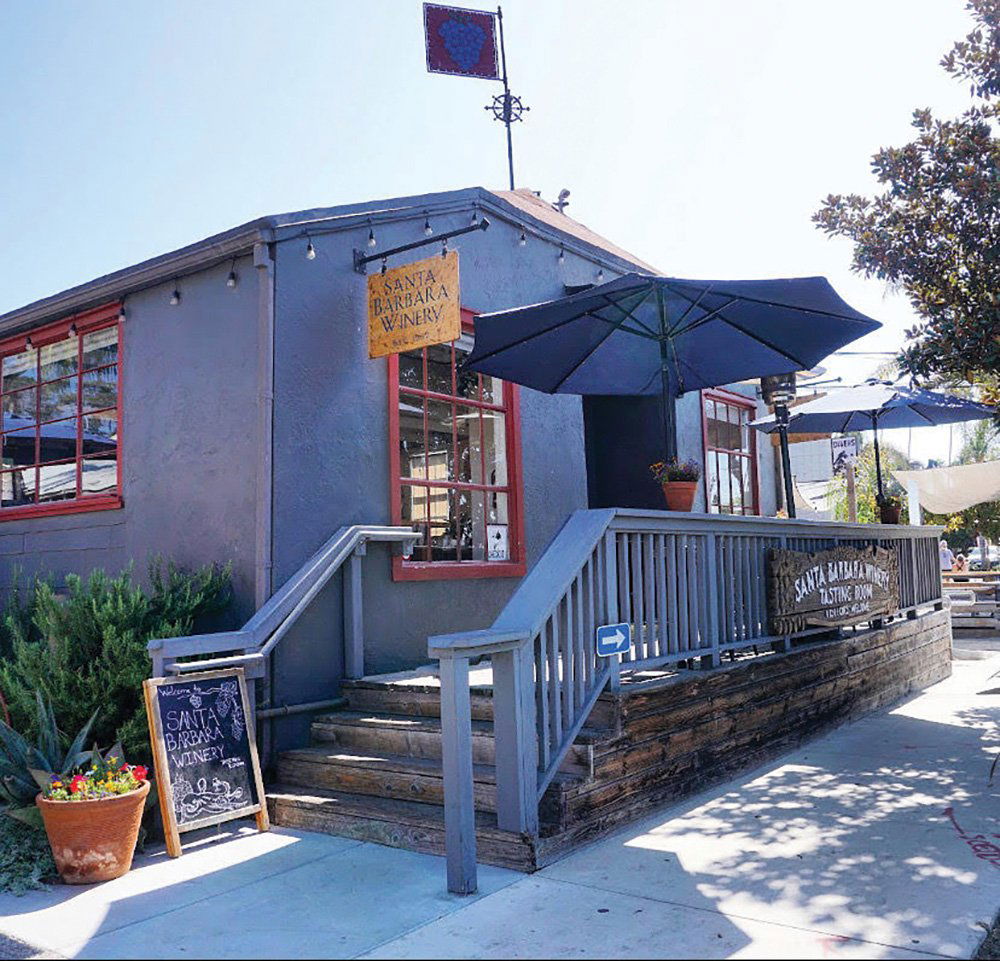
Santa Barbara Winery
Santa Barbara
Winery in Santa Barbara, United States
 Book with Pearl
The Read
Urban Appellation Pouring
Price
$10–20tasting
Why go
Choose Santa Barbara Winery when the plan calls for a wine-first Santa Barbara stop with enough polish for a date, birthday, or client outing. It is not the right anchor if the group needs a confirmed food program, so pair the tasting with a separate restaurant plan and keep a backup for peak times.
About Santa Barbara Winery
Santa Barbara Winery in Santa Barbara has Pearl 3 Star Prestige recognition for 2025. It is a Santa Barbara venue to consider for a planned visit, with current menus, hours, seating, pricing, booking rules, and service format best confirmed directly before you go.
The dress code is casual, which makes the venue easy to consider for a relaxed Santa Barbara plan. For specific food, tasting, group, or reservation details, confirm current visit logistics directly with the venue before building a schedule around it.
A Santa Barbara pick for planned visits
Use this page as a starting point rather than a complete operations guide. Before relying on Santa Barbara Winery for a full meal or a tightly timed itinerary, confirm cuisine, chef, price, seat count, hours, menu format, and on-site food details directly. If the plan also needs dinner, use Our full Santa Barbara restaurants guide. If the trip also needs lodging or a later drink, keep Our full Santa Barbara hotels guide and Our full Santa Barbara bars guide nearby.
For comparison, Cutler's Artisan Spirits is another venue to evaluate if the group is considering something beyond Santa Barbara Winery. Keep the decision practical: Santa Barbara Winery has casual dress and Pearl 3 Star Prestige recognition for 2025, while other visit-specific details should be checked directly before you go.
Plan ahead if the visit matters
If Santa Barbara Winery is important to the day, confirm the basics before committing the group. Check hours, reservation rules, group capacity, seating, pricing, takeout, delivery, allergy accommodations, and food-program details directly, especially when timing or party size matters.
For a broader plan, compare this stop against Our full Santa Barbara wineries guide. Other named venues you may want to evaluate separately include Margerum Wine Company, Melville Vineyards and Winery, The Valley Project, and Whitcraft Winery, while Santa Barbara Winery remains the Santa Barbara venue in focus.
Planning details
- Location
- 28 Anacapa St ste a, Santa Barbara, CA 93101
- Website
- sbwinery.com
- Phone
- +1 805-963-3633
The take
The Take
The Vibe
Santa Barbara Winery reads like a piece of the county's winemaking history dropped into a walkable downtown. Its tasting room sits at the older end of Anacapa Street’s cluster of urban producers, and the description leans on institutional weight earned through longevity rather than flashy renovation. The winery frames its identity around coastal-influenced Pinot Noir, Chardonnay and Rhône varieties and carries critical recognition that signals a focused, refined ethos. Overall the place projects a quietly sophisticated, historically rooted character — more about pedigree and terroir than trendy design flourishes.
Best For
This downtown tasting room is well suited to visitors who want to understand Santa Barbara County’s winemaking story. It works for solo explorers tracing an urban tasting-room route and for people curious about regional expressions of Pinot, Chardonnay and Rhône varieties. Because the write-up emphasizes geography, slow ripening and aromatic complexity, the winery also appeals to those seeking a contextual, informational tasting rather than a bar-focused social night out. It fits visitors who value provenance and critical recognition as part of the tasting experience.
Tasting Tips
Focus tastings on the varieties and appellations highlighted in the description: Pinot Noir and Chardonnay plus the county’s Rhône-style wines. Ask about fruit sources mentioned in the text — Happy Canyon, Sta. Rita Hills and the Santa Ynez floor — to understand how different sites influence aroma and acidity. Given the winery’s noted critical recognition, inquire whether there are estate- or prestige-tier bottlings (the Pearl 3 Star Prestige was referenced) and request comparative pours that demonstrate coastal influence and slow-ripening character.
Venue details
Ambiance
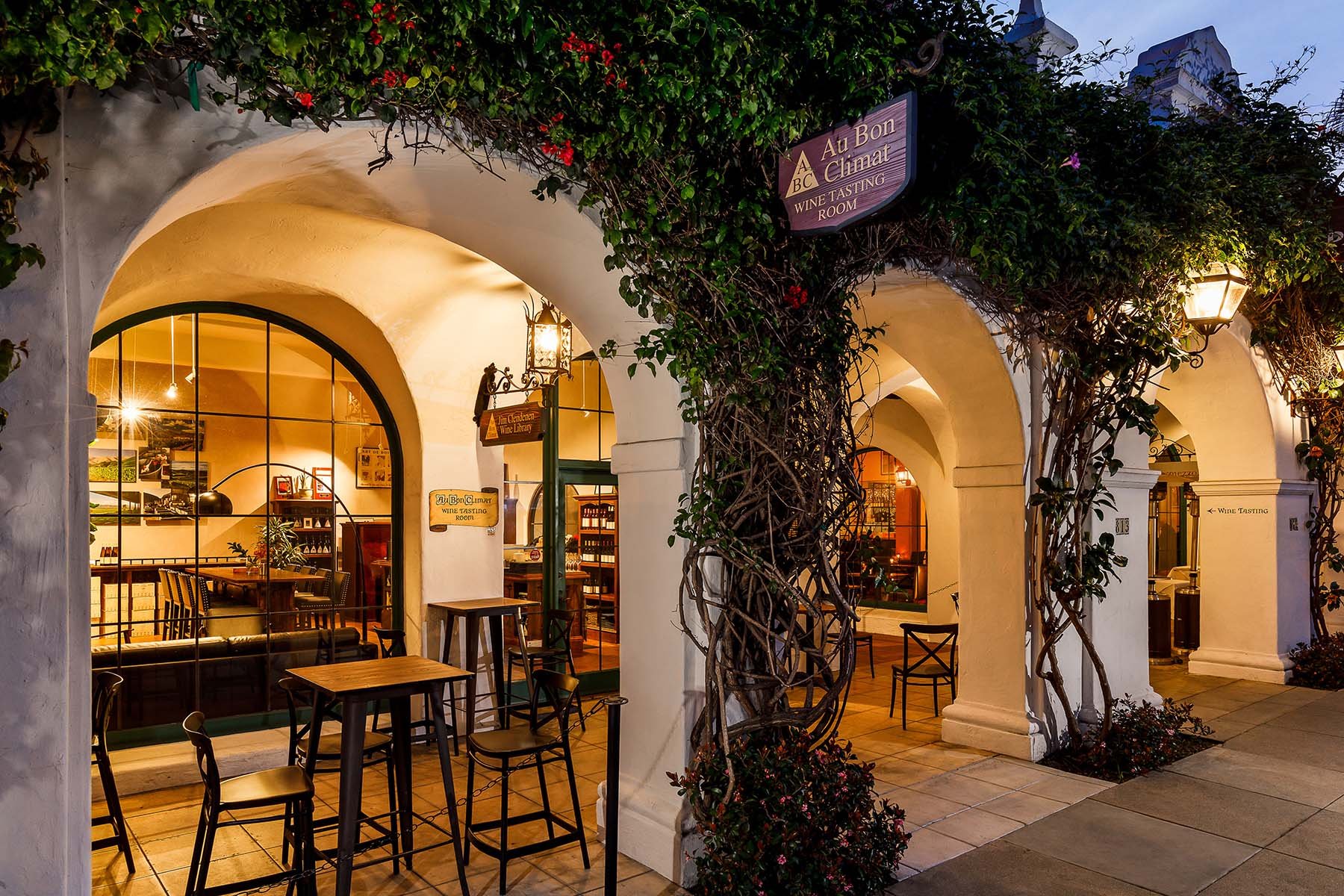
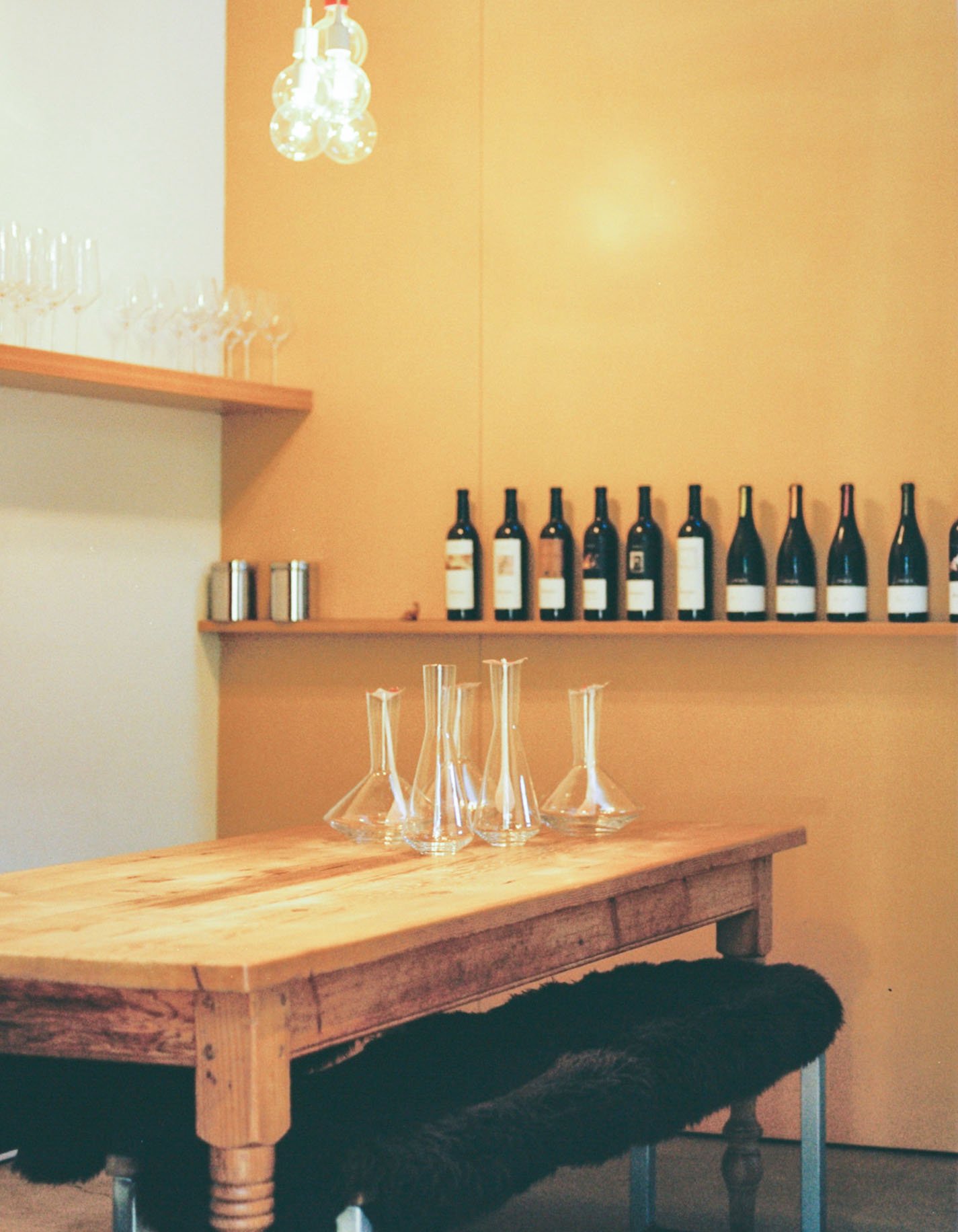
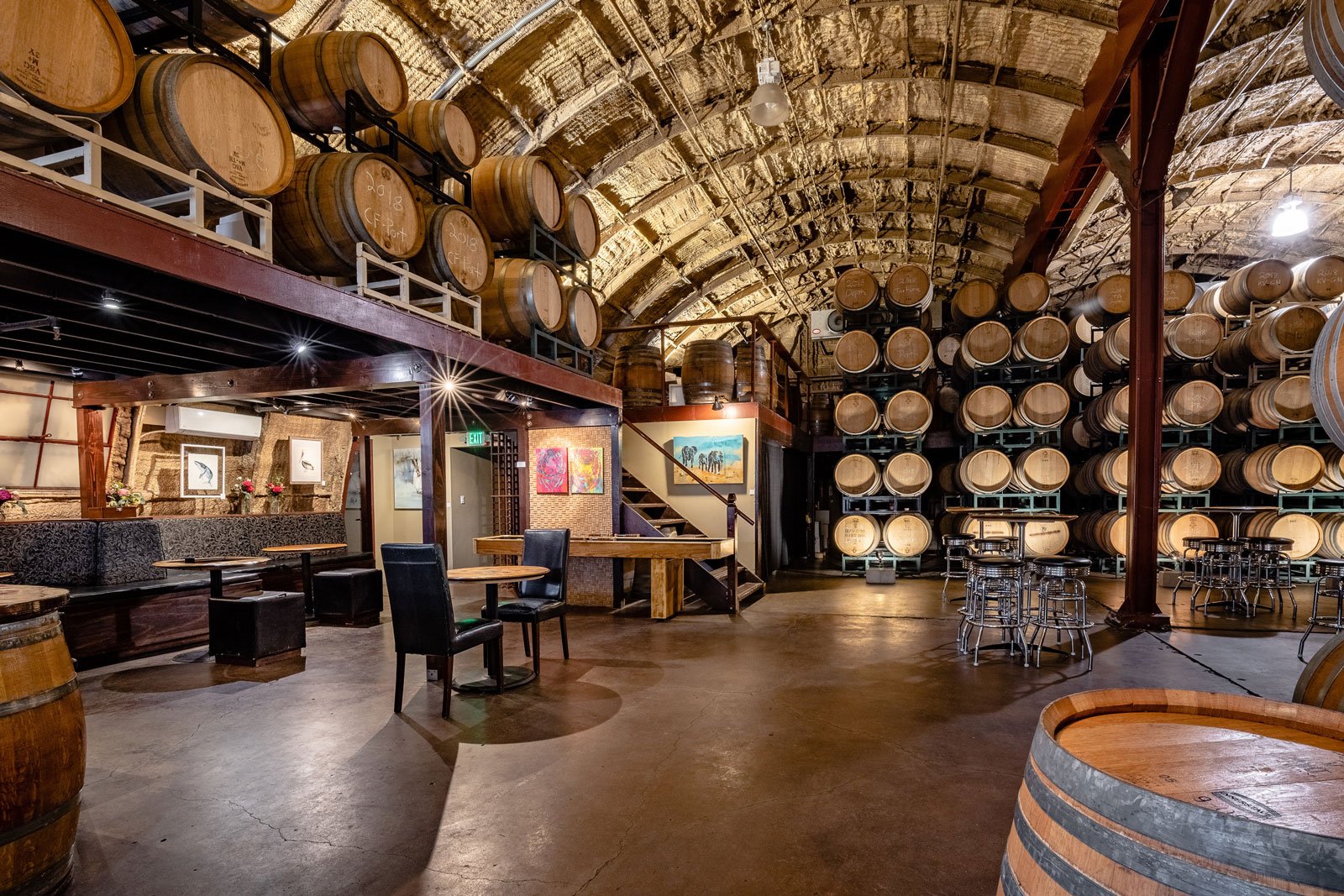
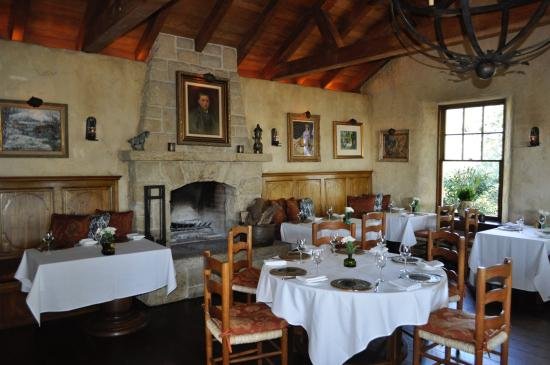
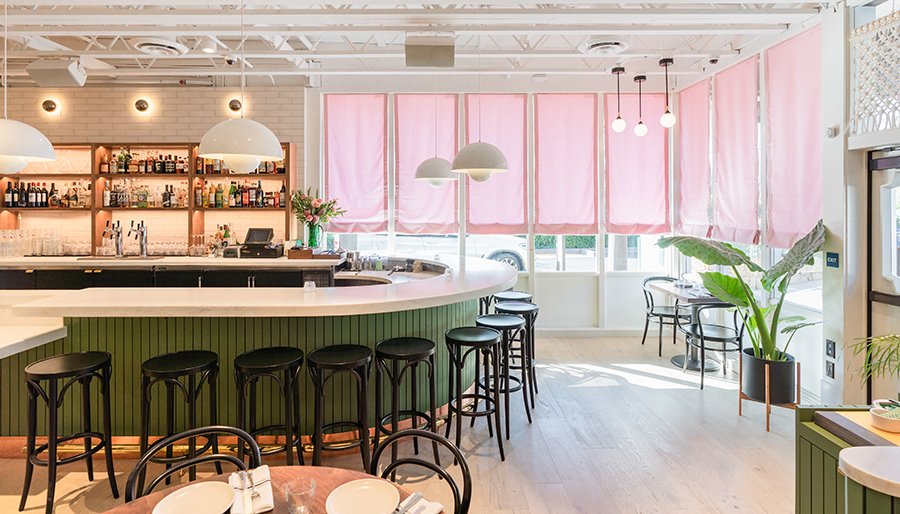
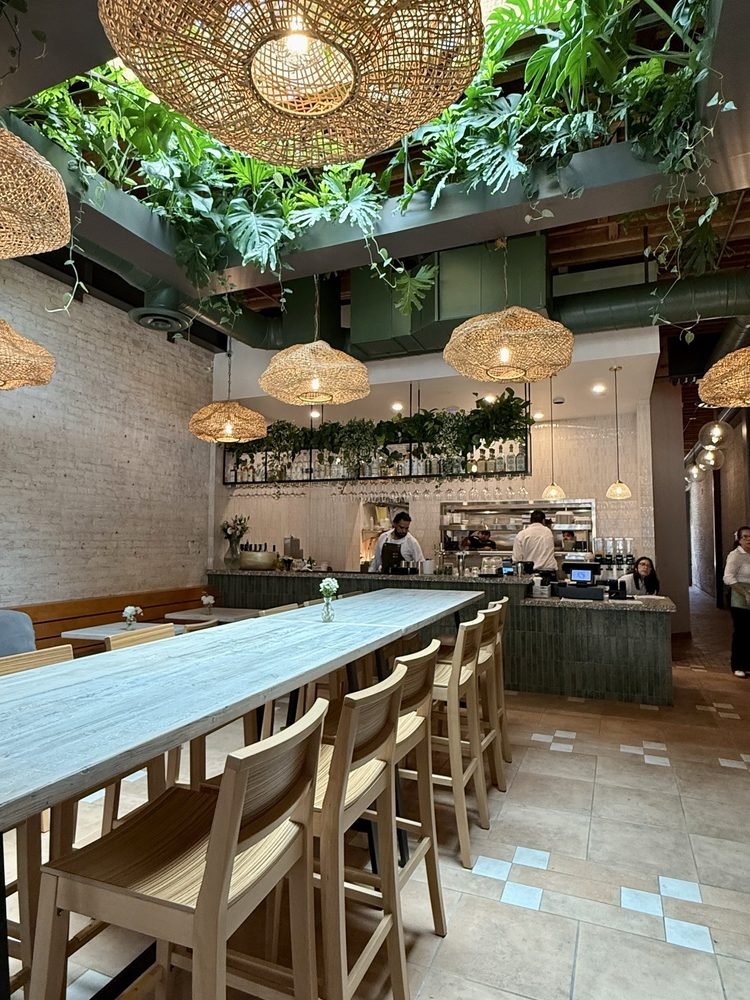
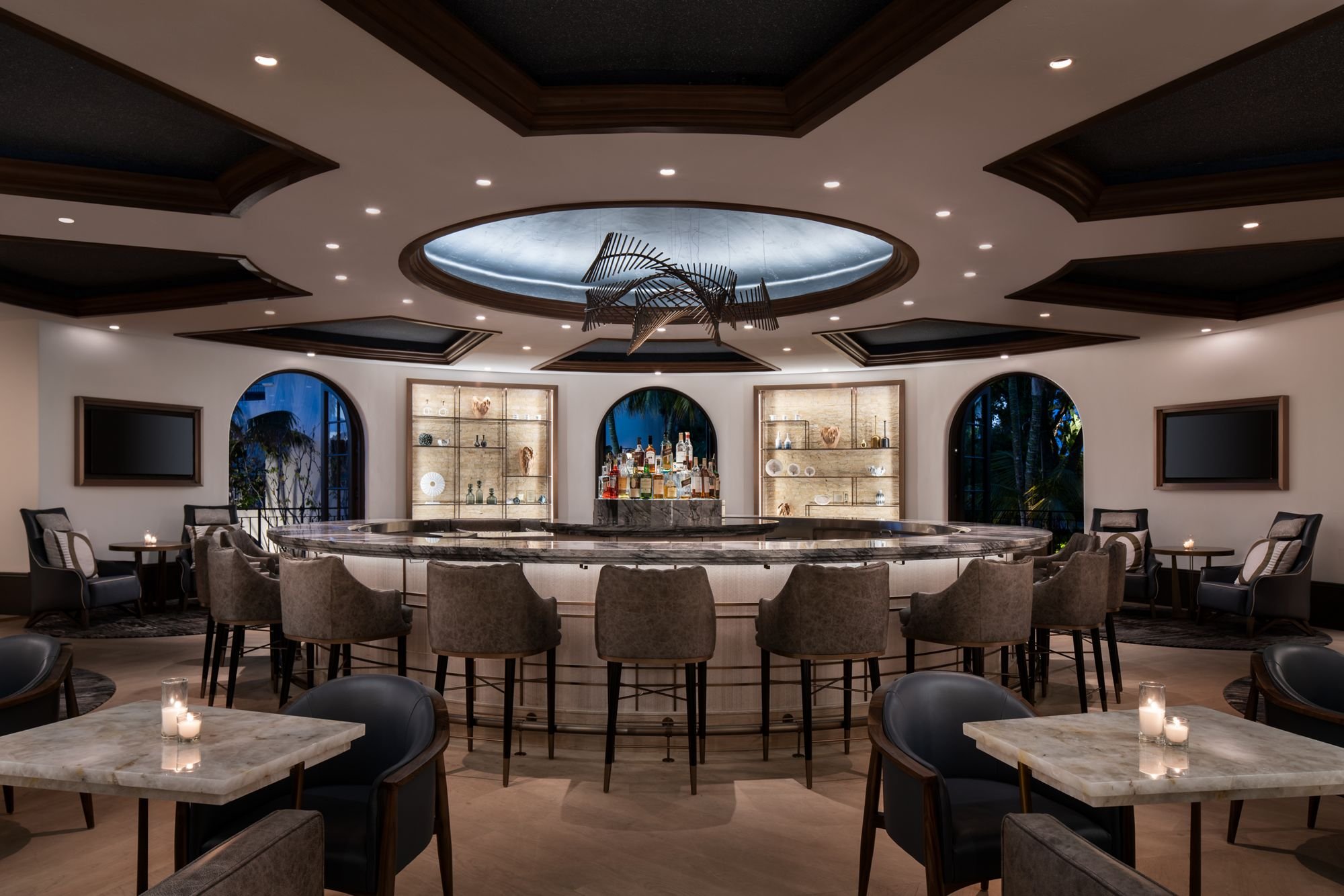
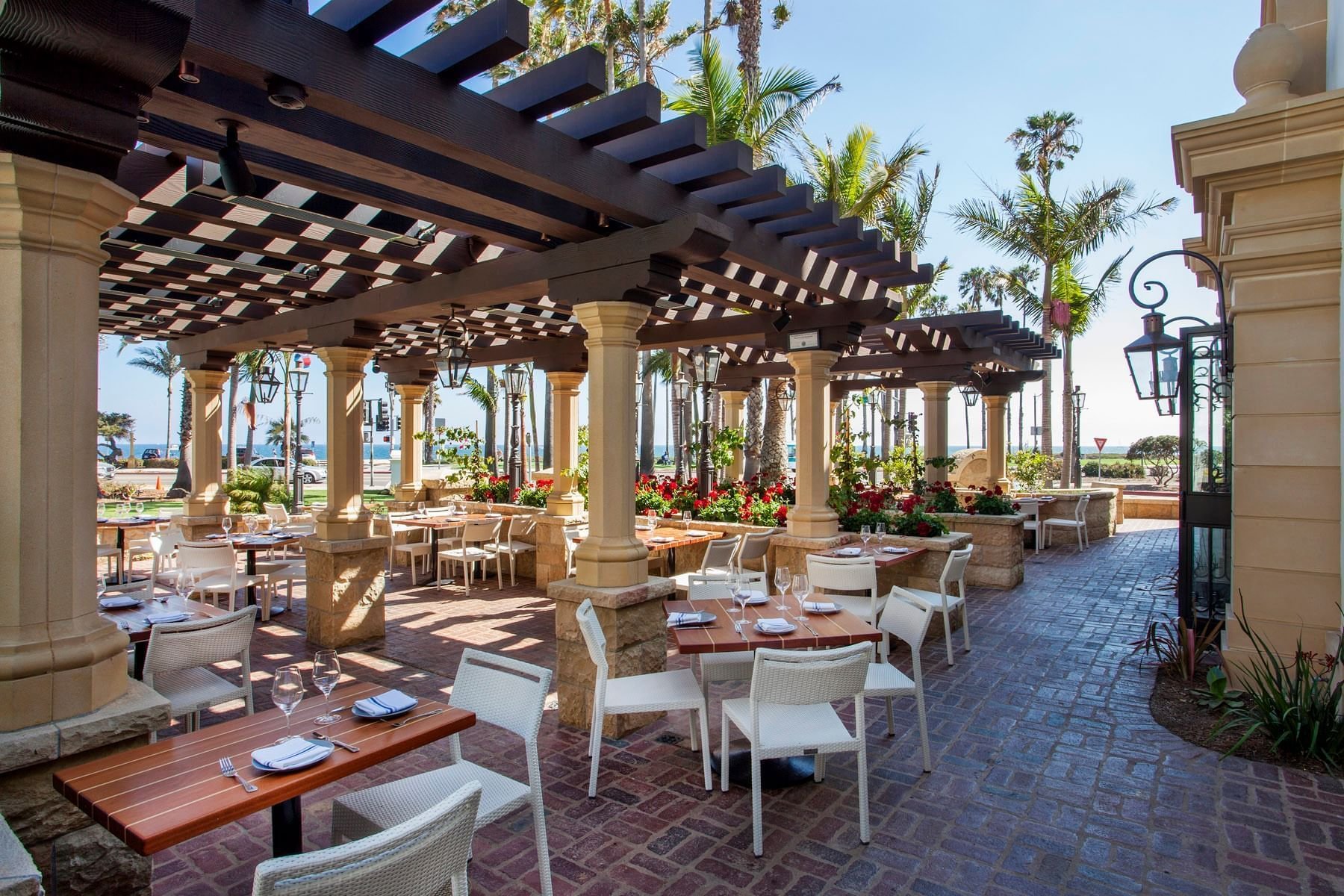
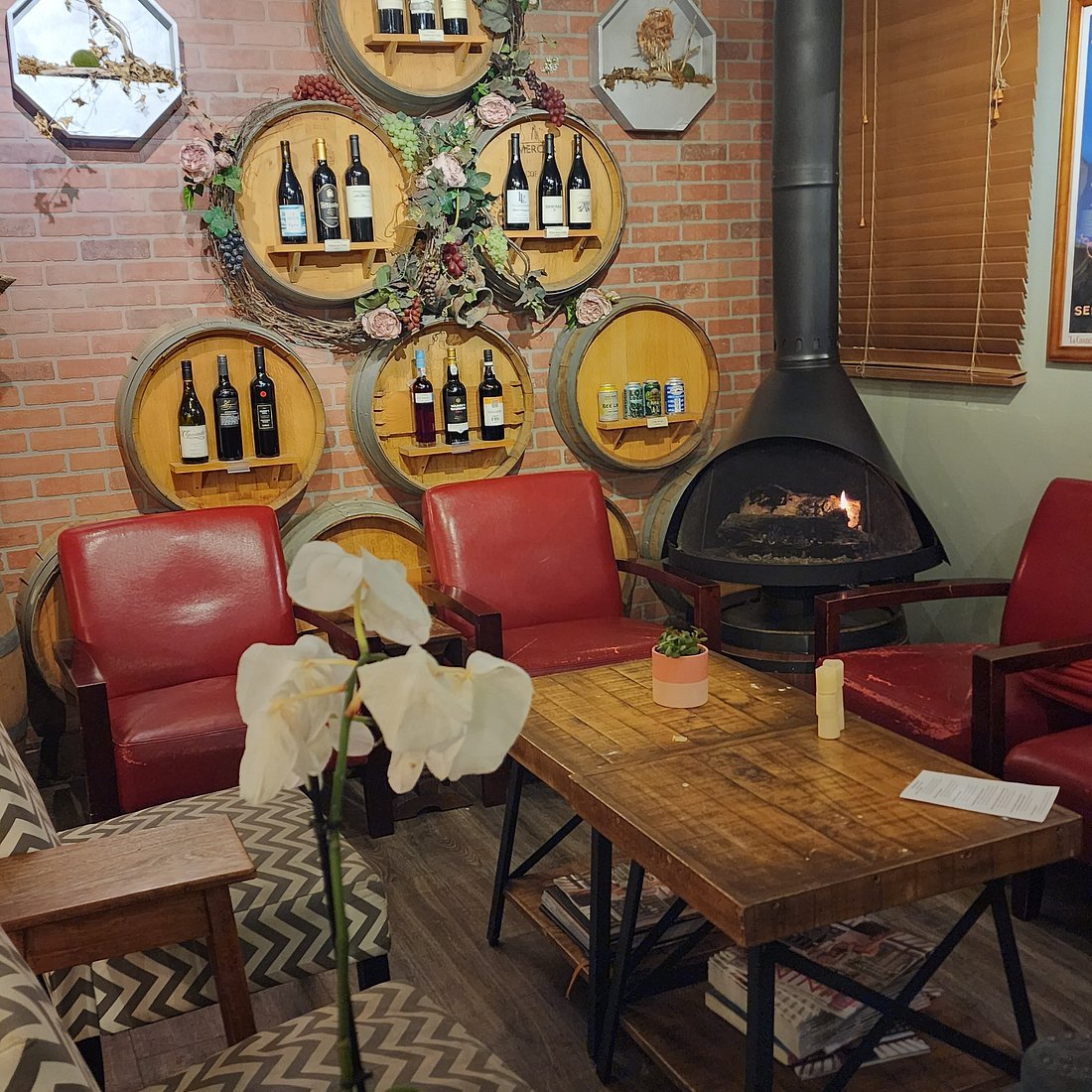
Welcoming urban tasting room with friendly, knowledgeable staff and a fun, conversational atmosphere.
Tags
Vibe
Best For
Experience
At the Vineyard
- Appellation
- Santa Barbara County
- Varietals
- Chardonnay, Pinot Noir, Syrah, Riesling, Petit Verdot
- Production
- Small producer
- Wine Styles
- Still White, Still Red
- Food Pairing
- Offered
- Shipping
- Available
- Wine Club
- Available
Know before you go
Know Before You Go
- Getting there
- 28 Anacapa St ste a, Santa Barbara, CA 93101
Planning details
Location
Also consider
Where to go if this is unavailable
Try Margerum Wine Company if the group still wants a Santa Barbara wine tasting, or The Valley Project if the priority is learning the region through a broader lens.
If the group is not committed to wine, switch to Cutler's Artisan Spirits. It is the cleaner pivot for a mixed group that wants a drinks stop without making wine the whole point.
Winery context
How It Compares
Among Santa Barbara peers, Santa Barbara Winery is the safer choice for a classic winery visit in the city, while Margerum Wine Company is the cleaner cross-shop for guests who want another wine-focused tasting room nearby. With no confirmed price tier for either in this brief, judge value by format: choose the winery stop for producer-led context, and choose Margerum when the group wants to compare another established Santa Barbara wine name in the same general category.
Cutler's Artisan Spirits is the better call for groups split between wine and cocktails, because the spirits format changes the whole experience. The Valley Project is the smarter backup for visitors who want a broader regional learning angle rather than committing to one producer. For a celebration, keep the first pick wine-first; for mixed preferences, move the group to one of those alternatives.
Melville Vineyards and Winery and Whitcraft Winery are better cross-shops for drinkers who want to compare Santa Barbara wine styles more seriously. If availability is difficult, do not force the original plan. Pick one of these peers, keep the group size manageable, and build the rest of the afternoon around a second nearby stop.
Around this place
Discover more on Pearl
Unlock the full Santa Barbara Winery guide in Pearl, including awards, comparisons, FAQs, planning details, and nearby places.
Compare Santa Barbara Winery
| Venue | Location | Awards |
|---|---|---|
| Santa Barbara Winery | Santa Barbara | No published awards |
| Margerum Wine Company | Santa Barbara | No published awards |
| Cutler's Artisan Spirits | Santa Barbara | No published awards |
| The Valley Project | Santa Barbara | No published awards |
| Melville Vineyards and Winery | Santa Barbara | 2025 Pearl 3 Star Prestige |
| Whitcraft Winery | Santa Barbara | No published awards |

How Santa Barbara Winery compares with similar nearby venues.
FAQ
Frequently Asked Questions
Does Santa Barbara Winery serve food?
What other venues can I compare with Santa Barbara Winery?
Margerum Wine Company, The Valley Project, Melville Vineyards and Winery, and Whitcraft Winery are useful comparison venues to evaluate separately. Santa Barbara Winery is in Santa Barbara.
Can Santa Barbara Winery handle large groups?
If you are planning for a larger party, contact Santa Barbara Winery directly before finalizing the visit.