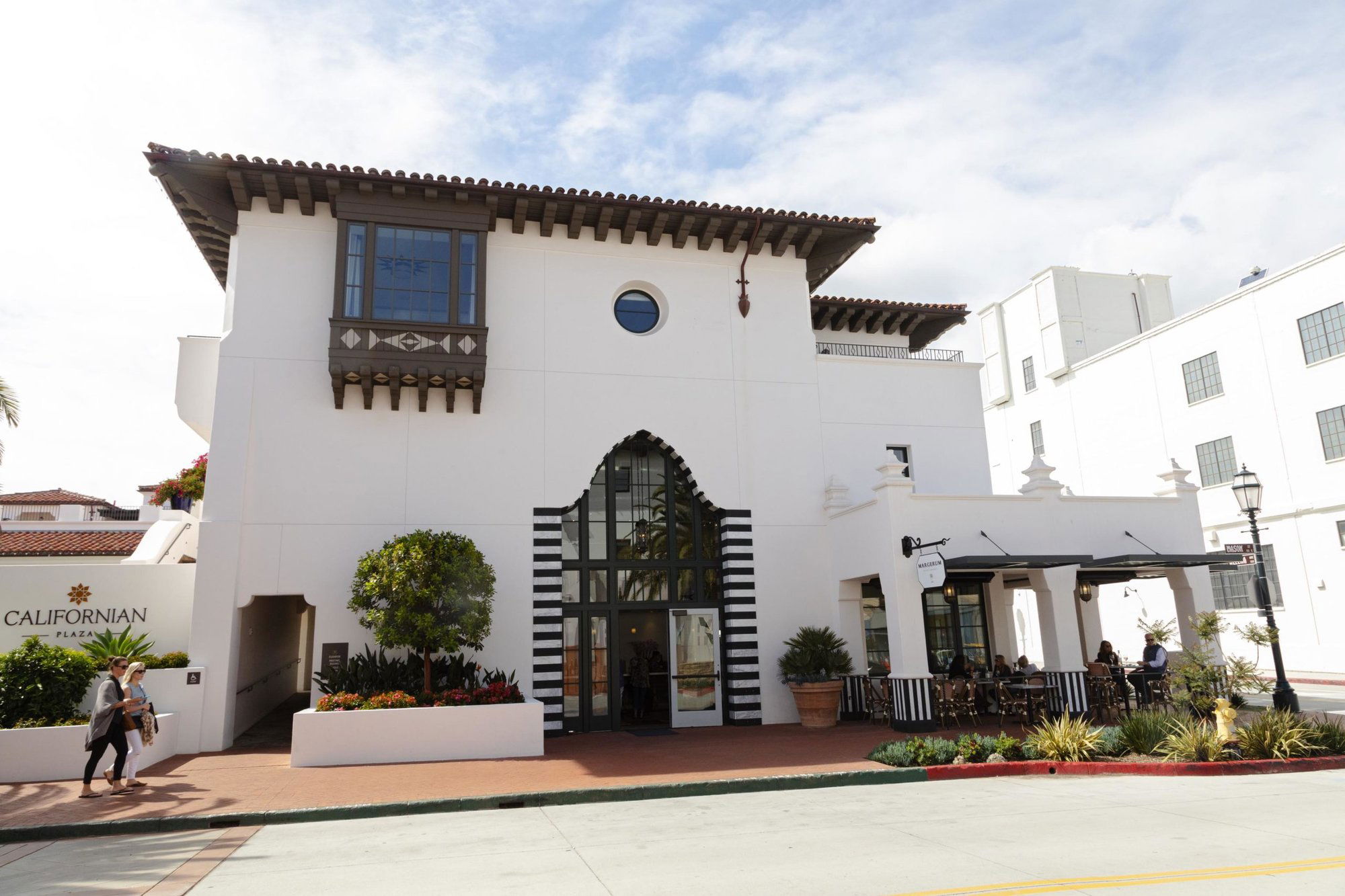
Margerum Wine Company
Santa Barbara waterfront, Santa Barbara
Winery in Santa Barbara, United States
 Book with Pearl
The Read
Rhône-Focused Urban Tasting
Why go
Margerum Wine Company is a strong pick for a Santa Barbara tasting when convenience matters more than estate scenery. It suits dates, small celebrations, and wine-led itineraries in town, but readers looking for vineyard grounds or a meal-driven experience should compare other local options before committing.
About Margerum Wine Company
Margerum Wine Company is a Santa Barbara venue with Pearl 2 Star Prestige recognition for 2025. As planning details are limited, confirm any visit-specific details directly before you go.
The dress code is smart casual, and the venue is in Santa Barbara. Specific details such as visit format, food service, pricing, hours, reservations, shipping, and exact location are not available and should not be assumed when building an itinerary.
Choose it for a Santa Barbara stop with limited planning details
The main decision point is how much certainty your occasion needs. Margerum Wine Company has Pearl 2 Star Prestige recognition, but public-facing planning details are thin. For a date, birthday, business-adjacent outing, or group plan, confirm the practical details directly before making it the anchor of the day.
Because details on food service, visit format, hours, reservations, or pricing are not available, plan conservatively and avoid assuming it can carry a full meal or a fixed itinerary. Smart casual dress is the standard. For broader planning, use Our full Santa Barbara restaurants guide; for lodging nearby, use Our full Santa Barbara hotels guide. If the night is continuing after the visit, Our full Santa Barbara bars guide is the better planning layer.
How to place it against other Santa Barbara options
For readers comparing Santa Barbara options, keep the comparison focused on basics rather than assumed formats. Santa Barbara Winery, The Valley Project, Whitcraft Winery, and Margerum Wine Company are natural names to compare when planning a Santa Barbara outing. For a broader scan, start with Our full Santa Barbara guide.
The practical verdict: choose Margerum Wine Company when you want to consider a Pearl 2 Star Prestige Santa Barbara venue and are comfortable confirming the details directly. If the occasion depends on specific food, shipping, reservation, seating, price, or visit-format details, verify those points before committing.
Planning details
- Location
- 19 E Mason St, Santa Barbara, CA 93101
- Website
- margerumwines.com
- Phone
- +1 805-845-8435
The take
The Take
The Vibe
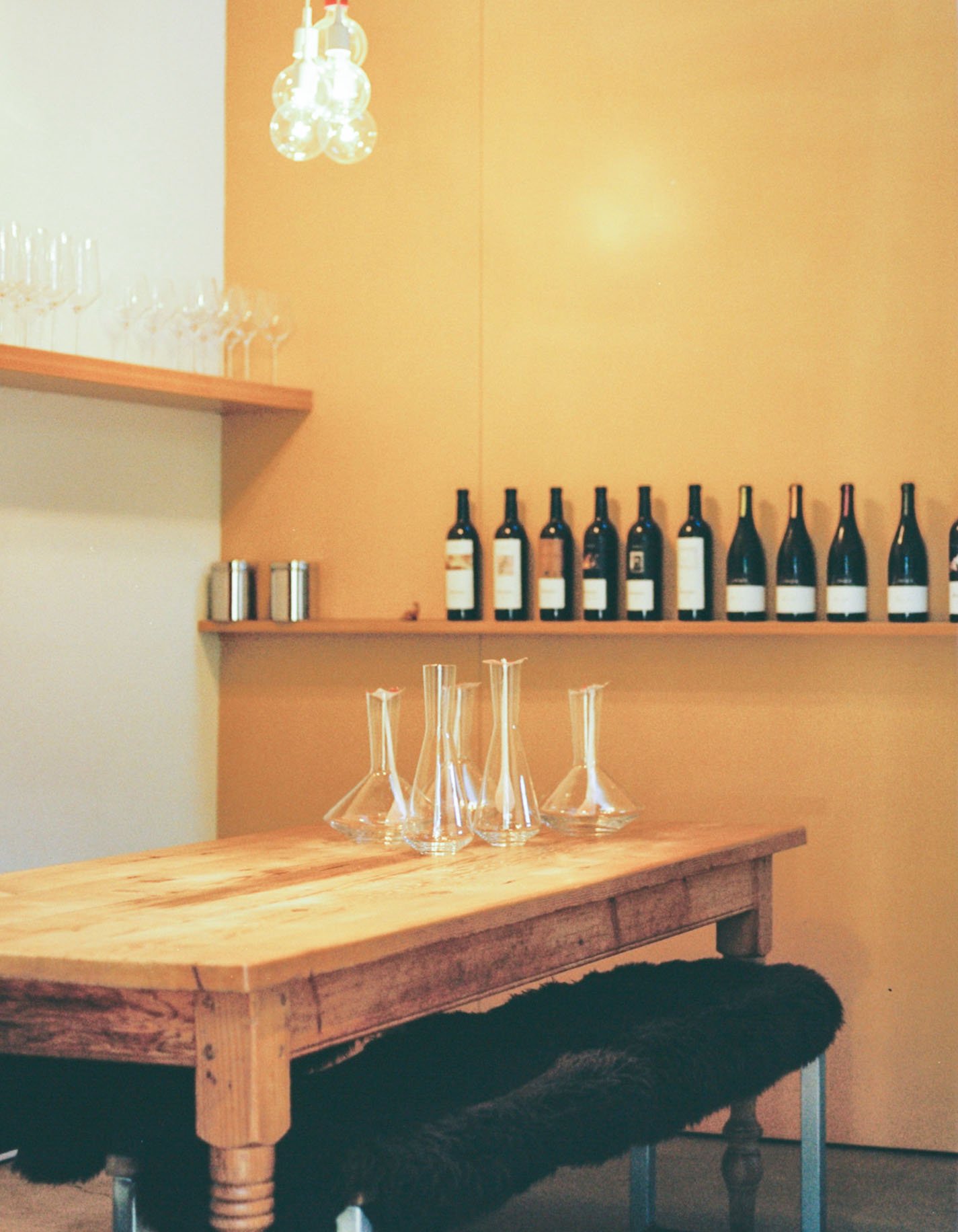
Margerum Wine Company presents as a downtown tasting room with the mindset of a working producer: the storefront is a front door to a technical, blend-forward program rather than a souvenir-driven pour spot. The writing emphasizes the winery’s focus on post-harvest decisions — barrel selection, aging and blending across Santa Barbara’s microclimates — so the room feels purposeful and instructive. Visitors encounter staff who speak in vineyard parcels, appellational differences and barrel regimes, making the space feel like a laboratory for carefully calibrated wines rather than a simple tasting stop in the tourist flow.
Best For
This tasting room is best for people who come to learn about winemaking choices and to taste wines built on blending and barrel strategy. It suits curious wine students, collectors tracking a producer’s stylistic decisions, and visitors who want a focused exploration of Santa Barbara’s appellations and Rhône-style work. Its downtown location also makes it a convenient stop for visitors in the Mason Street/State Street corridor who want a serious tasting experience without traveling to an estate, and it works well for memorable visits tied to a noteworthy bottle or release.
Tasting Tips
Ask to taste with an emphasis on how the wines are put together: request comparisons that highlight blending choices or barrel treatments across appellations. Inquire specifically about their Rhône-variety expressions and how Pinot Noir and Chardonnay are handled in barrel and through aging. Staff can explain aging duration and barrel selection, which are central to Margerum’s approach; those conversations will deepen appreciation more than a surface-level flight. Mention the EP Club Pearl 2 Star Prestige recognition if you’re interested in higher-tier bottlings or library stock.
Venue details
Ambiance
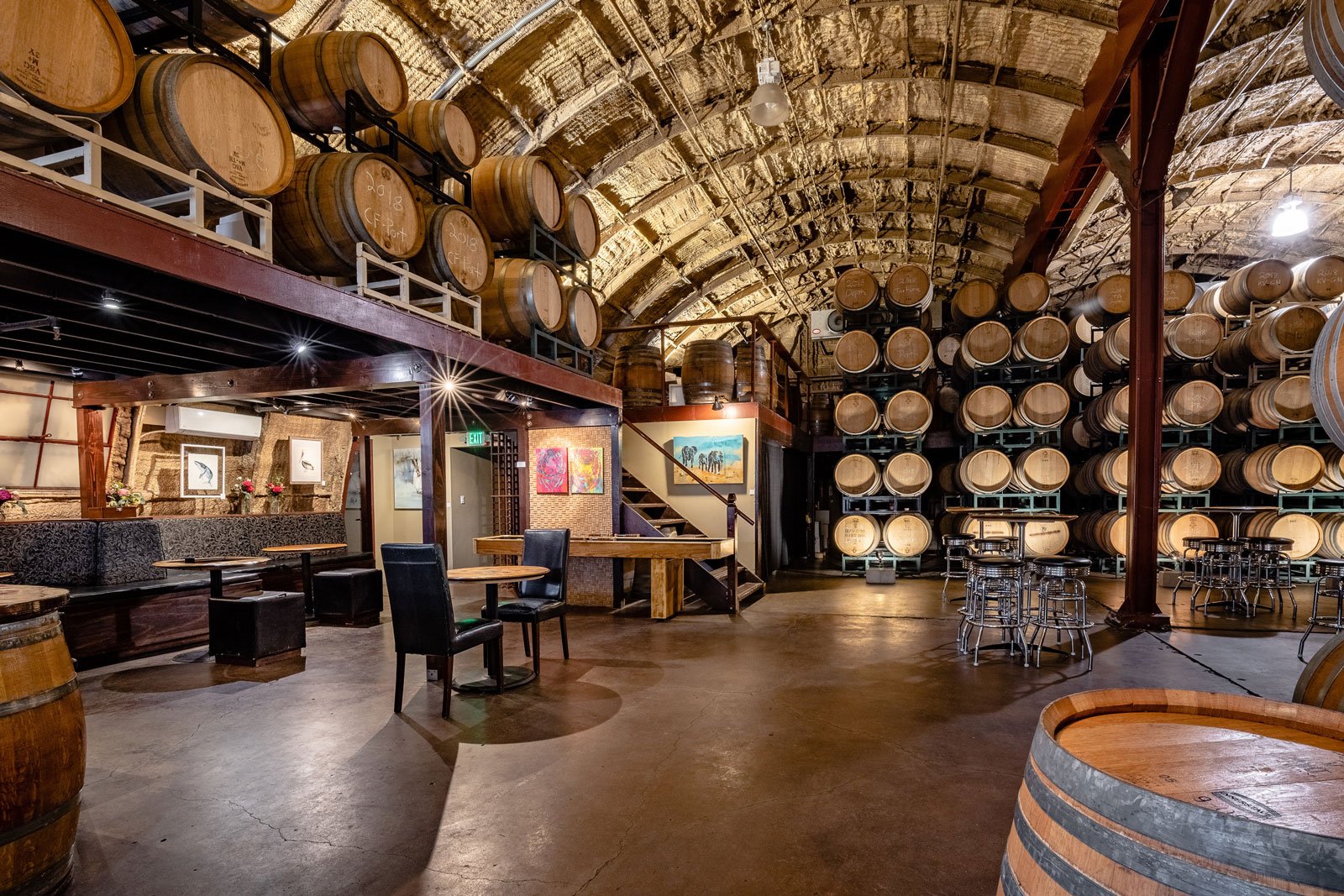
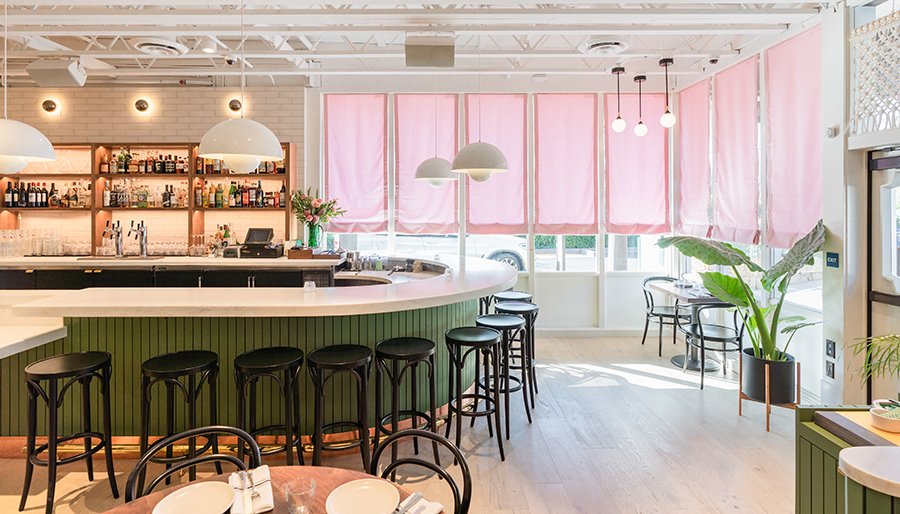
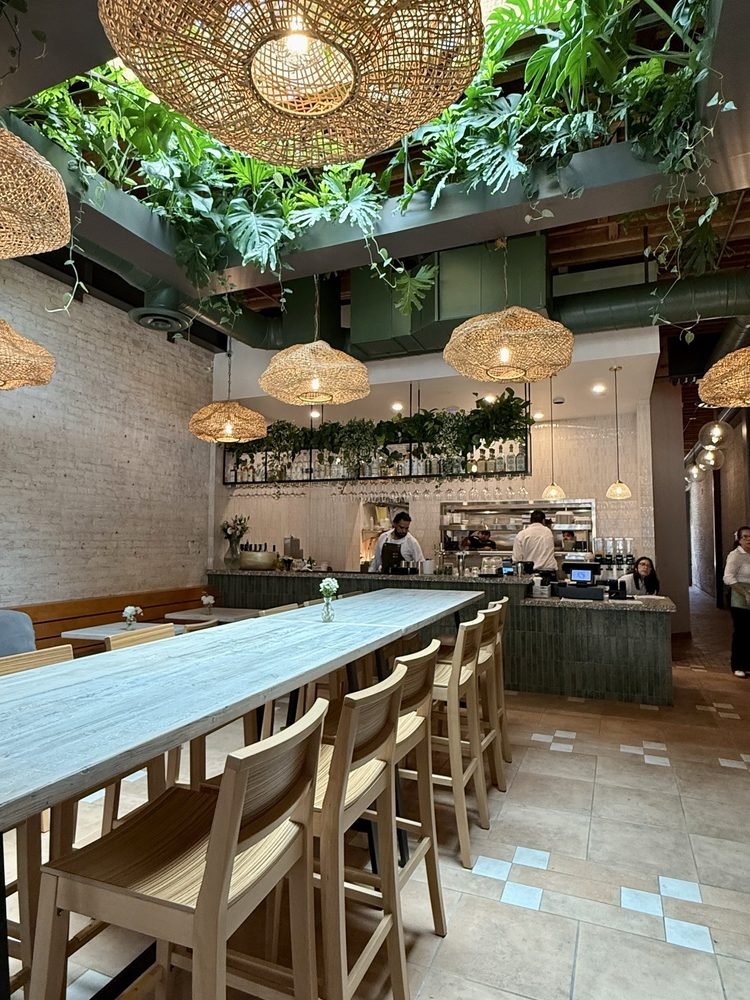
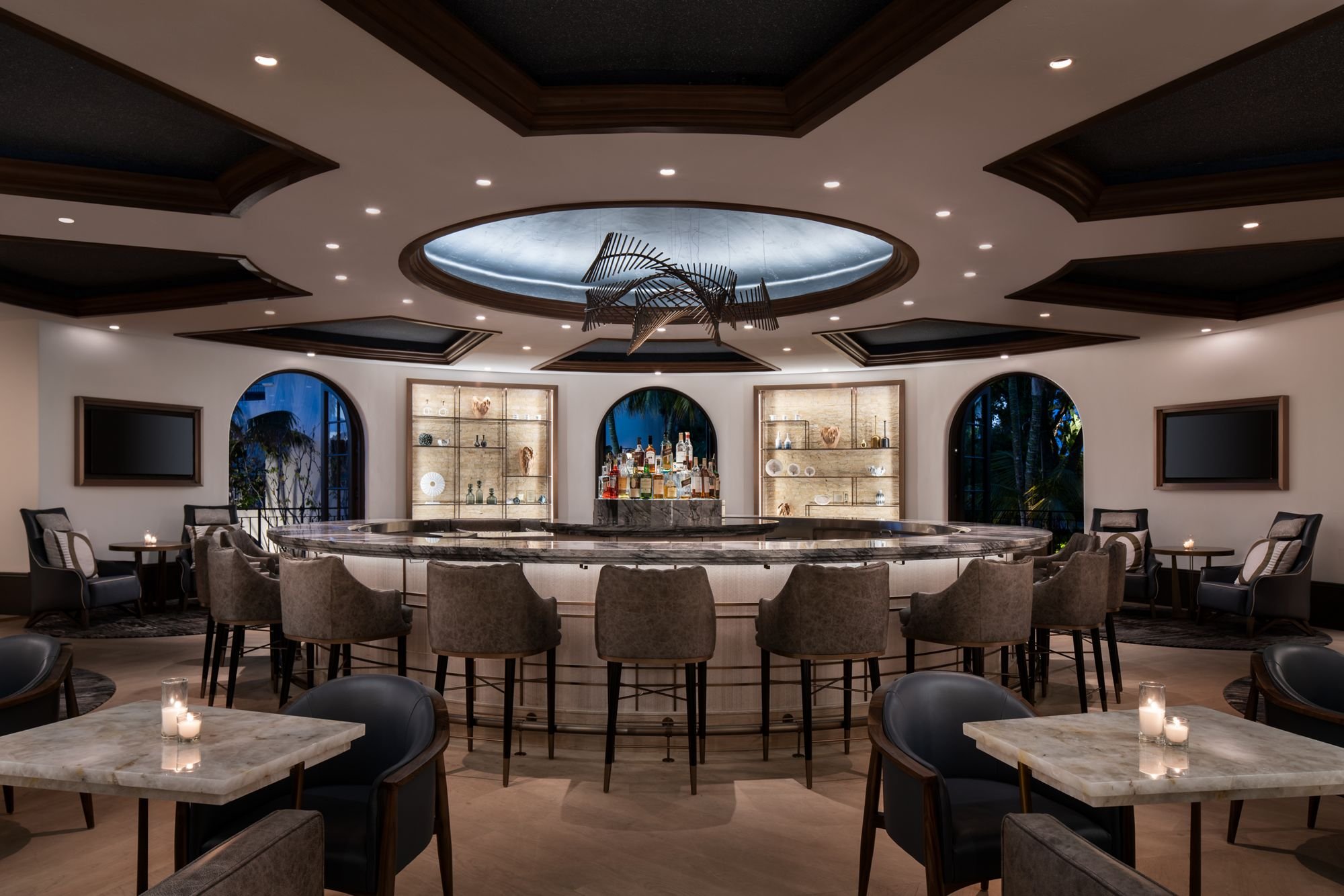
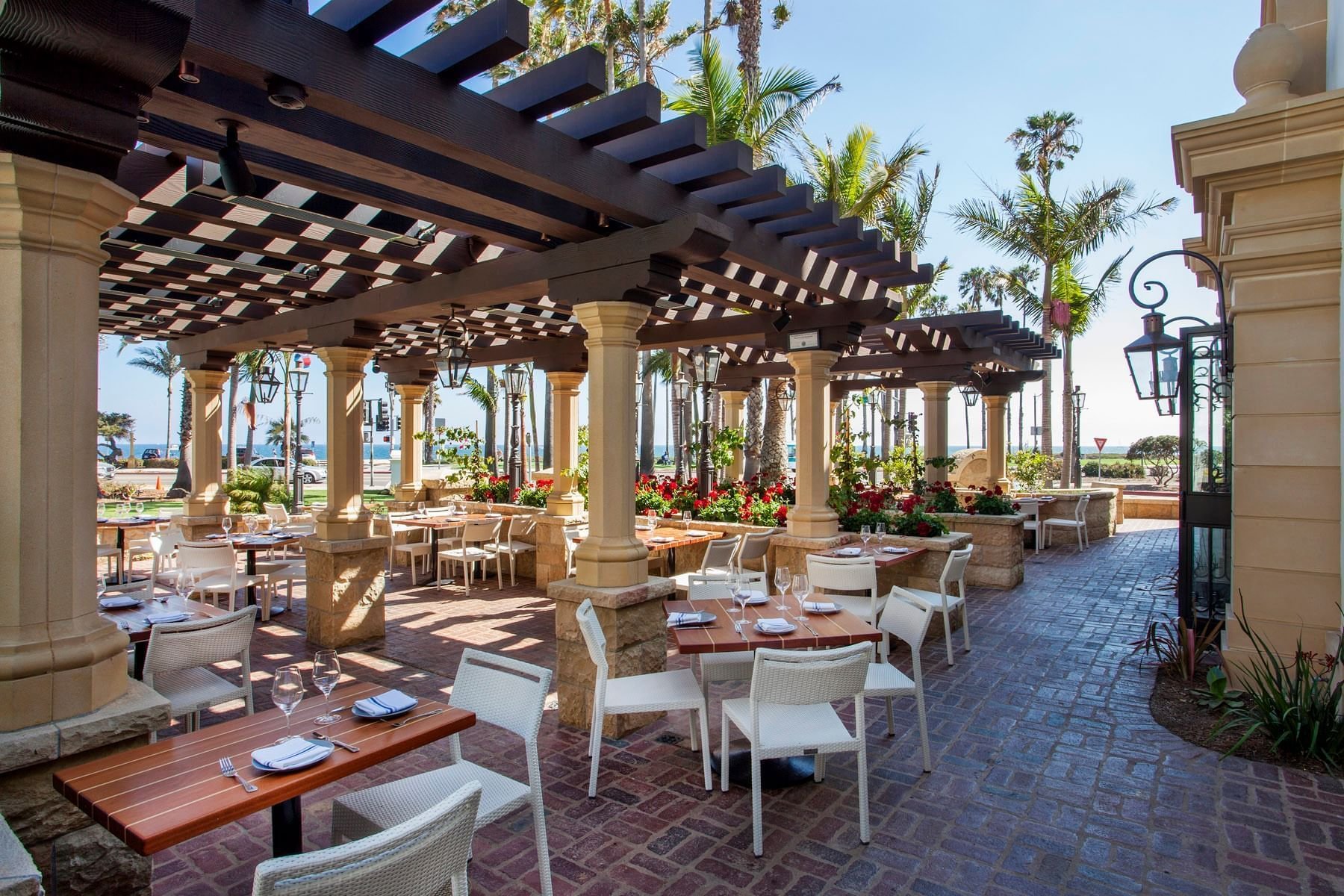
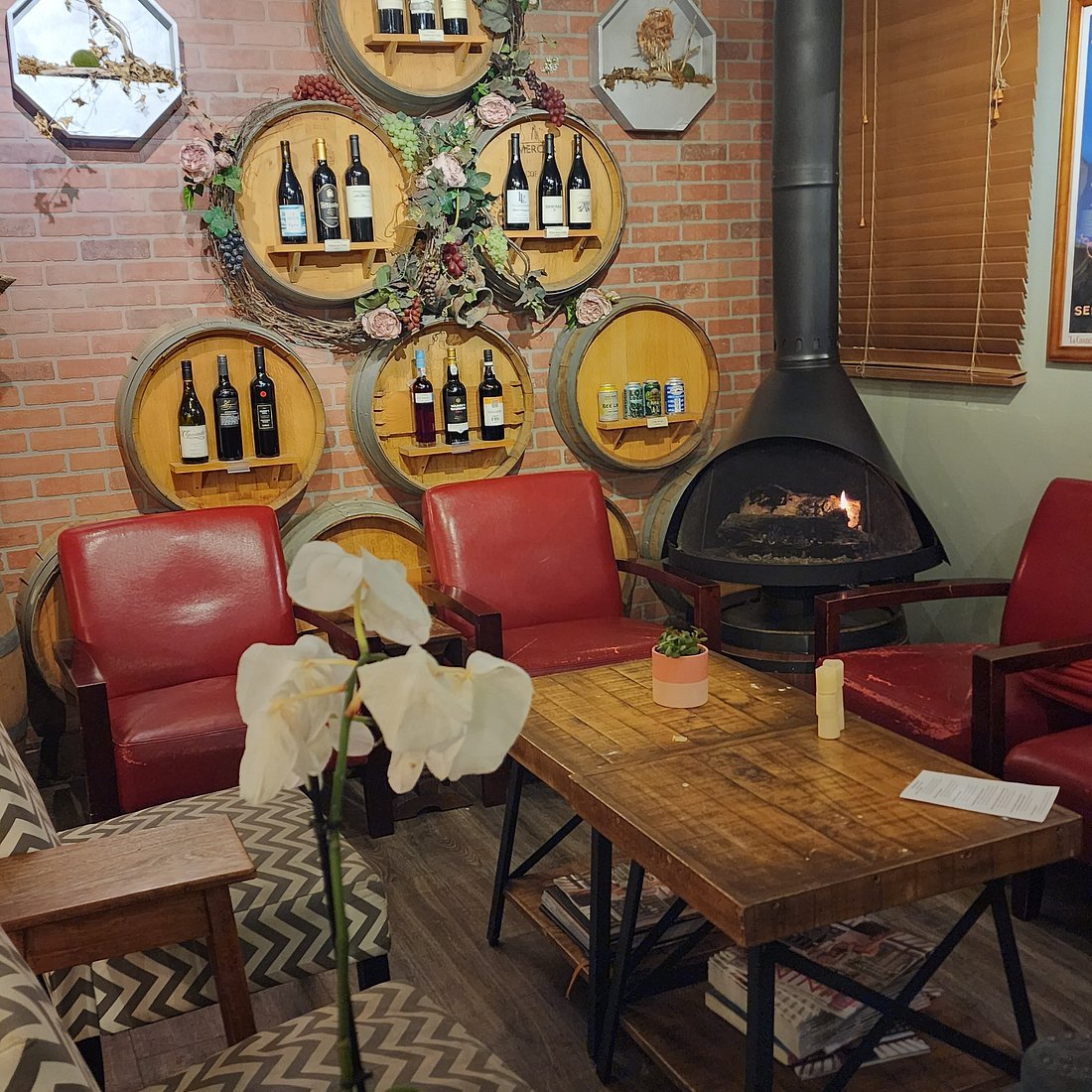
Expansive tasting room near the waterfront with heated patio offering an elegant and scenic atmosphere.
Tags
Vibe
Best For
Experience
View
At the Vineyard
- Appellation
- Santa Barbara County
- Varietals
- Sauvignon Blanc, Syrah, Grenache, Pinot Gris, Riesling
- Tour Duration
- 60-90 minutes
- Visits
- Walk-ins welcome
- Farming
- Sustainable
- Wine Styles
- Still White, Still Red, Still Rose
- Shipping
- Available
- Wine Club
- Not available
Know before you go
Know Before You Go
- Getting there
- 19 E Mason St, Santa Barbara, CA 93101
Planning details
Location
Also consider
Where to go if this is full
If Margerum Wine Company is not available, try Santa Barbara Winery for another Santa Barbara wine stop, or The Valley Project if the group wants to stay in the same general wine-tasting lane.
For a different kind of outing, Cutler's Artisan Spirits is the practical pivot when the group is open to spirits instead of wine.
Winery context
How it compares in Santa Barbara
Margerum Wine Company is the pick when the priority is an in-town wine stop with a polished, occasion-friendly feel. Cutler's Artisan Spirits is the better substitute for a spirits-led outing rather than wine, while Santa Barbara Winery is the more obvious cross-shop for readers who want another Santa Barbara tasting-room plan.
For a more vineyard-oriented day, compare against Melville Vineyards and Winery. That is the stronger direction if the setting itself is part of the occasion. The Valley Project and Whitcraft Winery make sense for readers who want to stay in the Santa Barbara wine lane but want to cross-shop style and room feel before choosing.
Booking difficulty is the main caution: treat Margerum Wine Company as a harder table-style commitment than a casual fallback. If the date is fixed, have Santa Barbara Winery or The Valley Project ready as alternates rather than waiting until the day of the visit.
Around this place
Discover more on Pearl
Unlock the full Margerum Wine Company guide in Pearl, including awards, comparisons, FAQs, planning details, and nearby places.
Compare Margerum Wine Company
| Venue | Location | Awards |
|---|---|---|
| Margerum Wine Company | Santa Barbara | No published awards |
| Cutler's Artisan Spirits | Santa Barbara | No published awards |
| Melville Vineyards and Winery | Santa Barbara | 2025 Pearl 3 Star Prestige |
| Santa Barbara Winery | Santa Barbara | No published awards |
| The Valley Project | Santa Barbara | No published awards |
| Whitcraft Winery | Santa Barbara | No published awards |

How Margerum Wine Company Santa Barbara compares with similar nearby venues.
FAQ
Frequently Asked Questions
Do I need a reservation at Margerum Wine Company?
Reservation details are not available, so check directly with Margerum Wine Company before planning a time-specific visit. It is located in Santa Barbara, has smart casual dress, and holds Pearl 2 Star Prestige recognition for 2025. Santa Barbara Winery and The Valley Project are other names to compare when planning a Santa Barbara outing.
What other venues should I compare with Margerum Wine Company?
For Santa Barbara planning, compare Margerum Wine Company with Santa Barbara Winery, The Valley Project, and Whitcraft Winery. Cutler's Artisan Spirits is a different kind of venue to consider. Melville Vineyards and Winery can also be part of a broader comparison, but confirm geography and logistics before grouping visits together.
Is a flagship bottle or style for Margerum Wine Company?
No single flagship bottle or style is specified. Treat this as a question to ask Margerum Wine Company directly rather than arriving with a specific item in mind.
Are membership or club details for Margerum Wine Company?
Membership or club details are not available, so the value of any such program depends on terms you should confirm directly with Margerum Wine Company. Pearl 2 Star Prestige recognition may make the venue worth considering, but benefits, pickup options, shipping, pricing, and availability should not be assumed.
Are shipping details for Margerum Wine Company?
Shipping terms are not available. If shipping matters, ask Margerum Wine Company directly before buying or planning around it.
Does Margerum Wine Company serve food?
Food service is not available. The safer move is to plan food separately in Santa Barbara and confirm directly with Margerum Wine Company if food availability matters to your visit.