Carr Vineyards & Winery
Santa Barbara
Winery in Santa Barbara, United States
 Book with Pearl
The Read
Urban Santa Barbara Winemaking
Price
$10–20tasting
Why go
Carr Vineyards & Winery is worth considering for a Santa Barbara tasting when the goal is a more serious wine-club decision, not just a casual stop. The 2025 Pearl 2 Star Prestige signal supports planning ahead, but membership value should be judged after tasting rather than from published perks alone.
About Carr Vineyards & Winery
Is Carr Vineyards & Winery worth considering in Santa Barbara? It is a casual Santa Barbara venue with 2 Star Prestige recognition for 2025. Details are limited, so it's best to evaluate current information directly rather than relying on assumptions about service format, food, pricing, reservations, or group setup.
The grounded appeal is simple: Carr Vineyards & Winery is a recognized Santa Barbara venue with a casual dress code. If the plan also includes dining, hotels, or bars in town, pair the decision with Our full Santa Barbara restaurants guide, Our full Santa Barbara hotels guide, and Our full Santa Barbara bars guide rather than assuming the visit will cover the whole occasion.
Good choice if you want a recognized Santa Barbara venue
Carr Vineyards & Winery's 2 Star Prestige recognition for 2025 is a strong reason to keep it on your shortlist. The dress code is casual, which makes it easier to fit into a Santa Barbara day without planning around formal attire.
Reservation requirements, pricing, food service, specific offerings, seating capacity, or group accommodations should be confirmed directly. If any of those details will determine the visit, confirm them before making plans. For a broader local search, use Our full Santa Barbara wineries guide to compare other Santa Barbara options.
How to decide before committing to a visit
If you are considering Carr Vineyards & Winery, make that decision only after confirming the current details with the venue. Confirm pricing, availability, visit format, access, or any purchase terms directly with the venue.
The practical verdict: put Carr Vineyards & Winery on the Santa Barbara shortlist if you want a casual venue with 2 Star Prestige recognition. If you are comparing multiple wineries, consider it alongside Jaffurs Wine Cellars, Sanguis Winery, Santa Barbara Winery, The Valley Project, and Whitcraft Winery, then confirm current details directly before committing.
Planning details
- Location
- 414 N Salsipuedes St, Santa Barbara, CA 93103
- Website
- carrwinery.com
- Phone
- +1 805-965-7985
The take
The Take
The Vibe
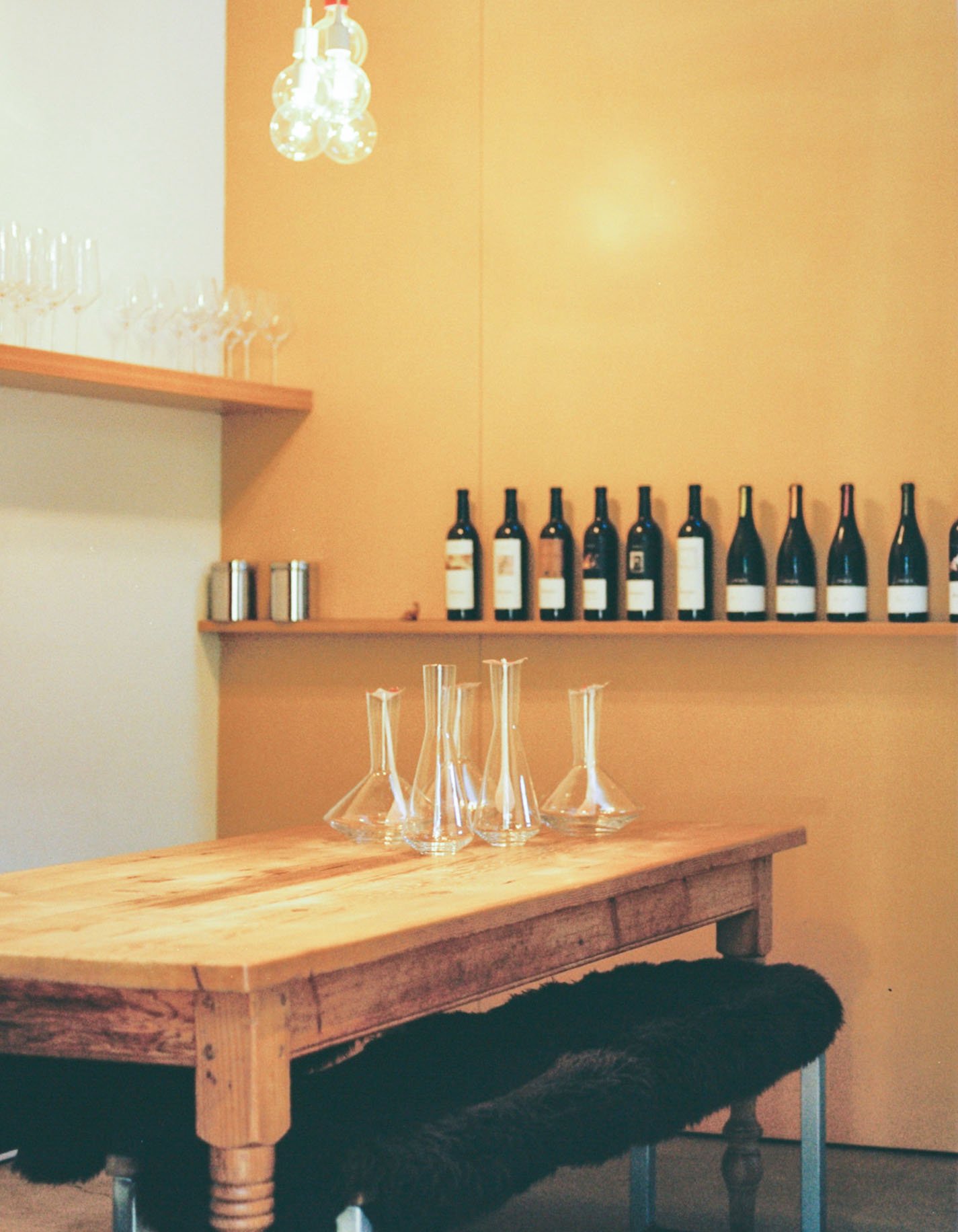
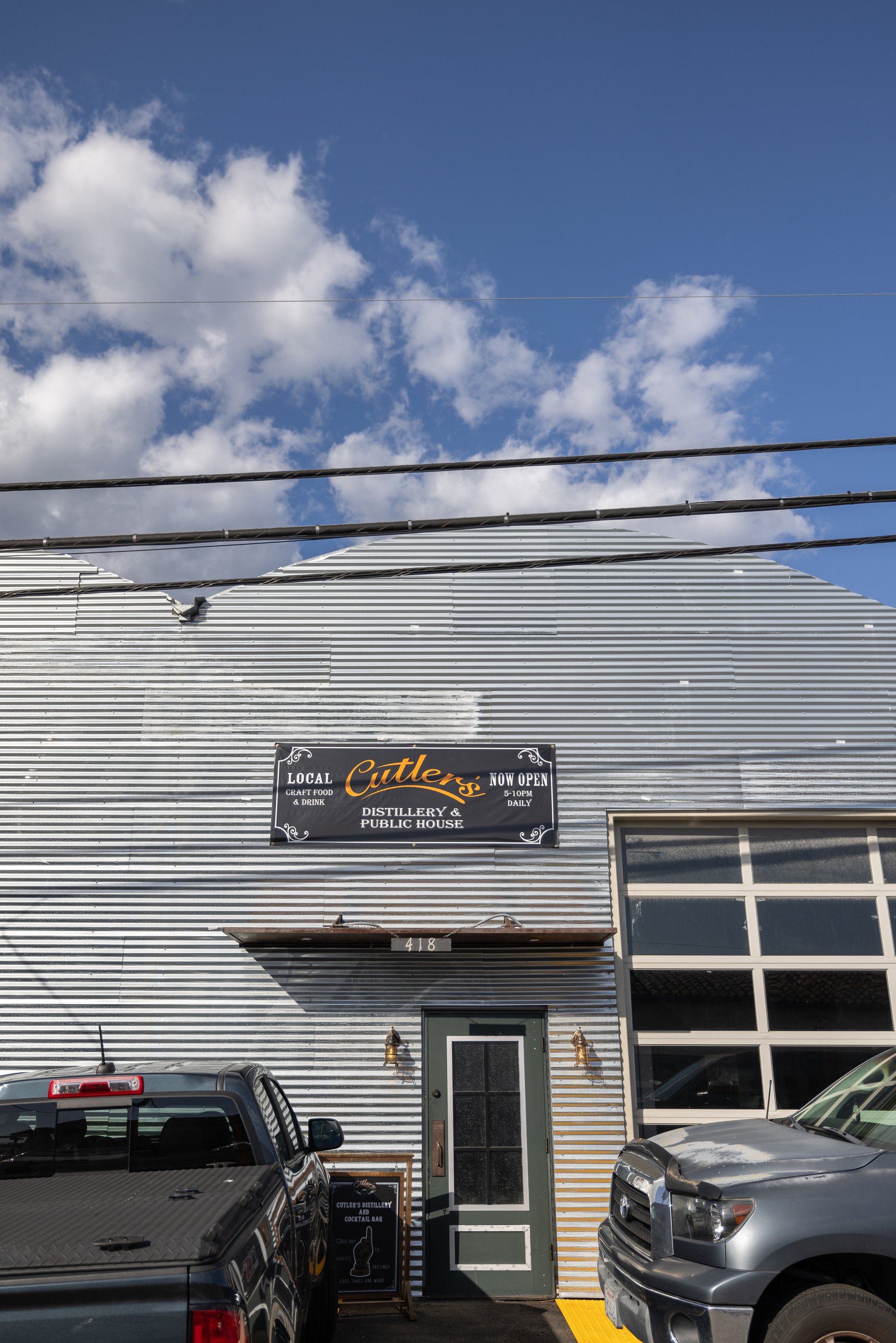
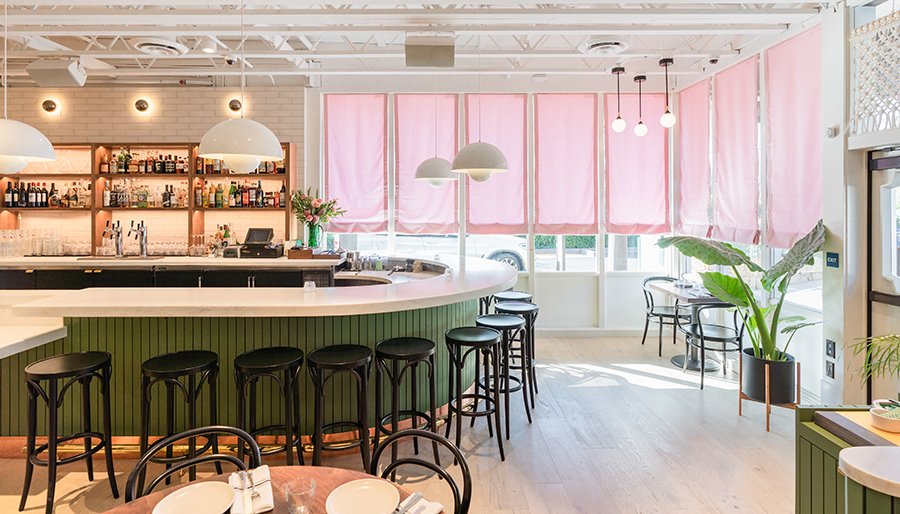
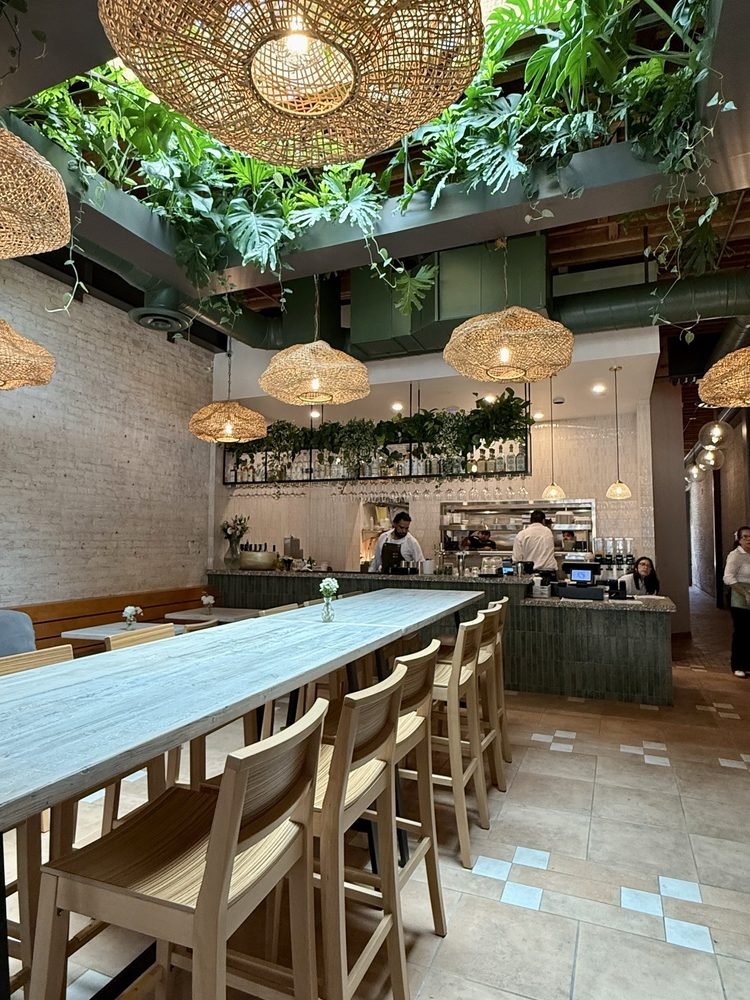
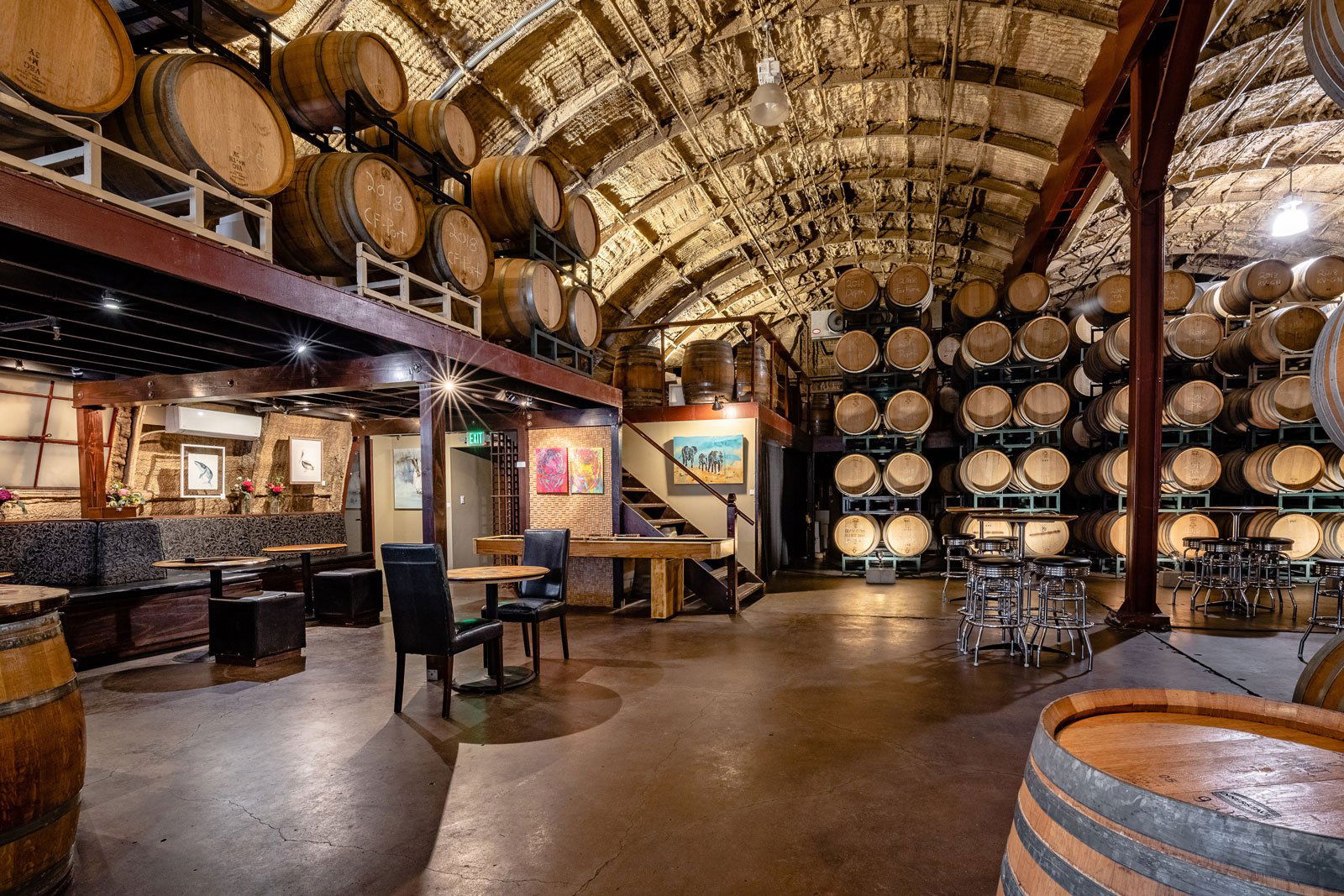
Carr Vineyards & Winery reads as a production-first, urban tasting room that favors substance over polish. Situated on a working stretch of Salsipuedes Street, the space leans into a hands-on, cellar-driven identity rather than resort-style hospitality. Visitors encounter the frankness of a maker’s environment — equipment, barrels, and a compact tasting setup — which reinforces the sense that this is primarily a place to evaluate wines. The emphasis on Burgundian varietals and careful fruit sourcing gives the visit a focused, considered air: convivial but purposeful, with the wines clearly taking center stage.
Best For
Carr is best for wine-focused visitors who prioritize tasting quality over theatrical hospitality. It suits solo tasters and small groups who want a close-up look at how wines are made and who appreciate clarity about vineyard sourcing and cellar work. The urban location makes Carr accessible for downtown visits and appeals to those who prefer tasting-room directness: less landscaped estate, more immediate access to production and the bottles that result. If your aim is to learn about regional Pinot Noir and Chardonnay from a hands-on producer, this is an appropriate stop.
Tasting Tips
Center your tasting on the region’s strengths: Pinot Noir and Chardonnay are singled out in the description, so start there. Ask staff about vineyard sources and the cellar techniques they prioritize — the copy notes that producers in this format invest in fruit sourcing and cellar work rather than in hospitality frills. Expect a straightforward, production-adjacent tasting setup and request comparisons across vineyard-designated lots if available; that will reveal the terroir effects the narrative highlights. Keep expectations modest about frills and focused on the wines themselves.
Venue details
Ambiance
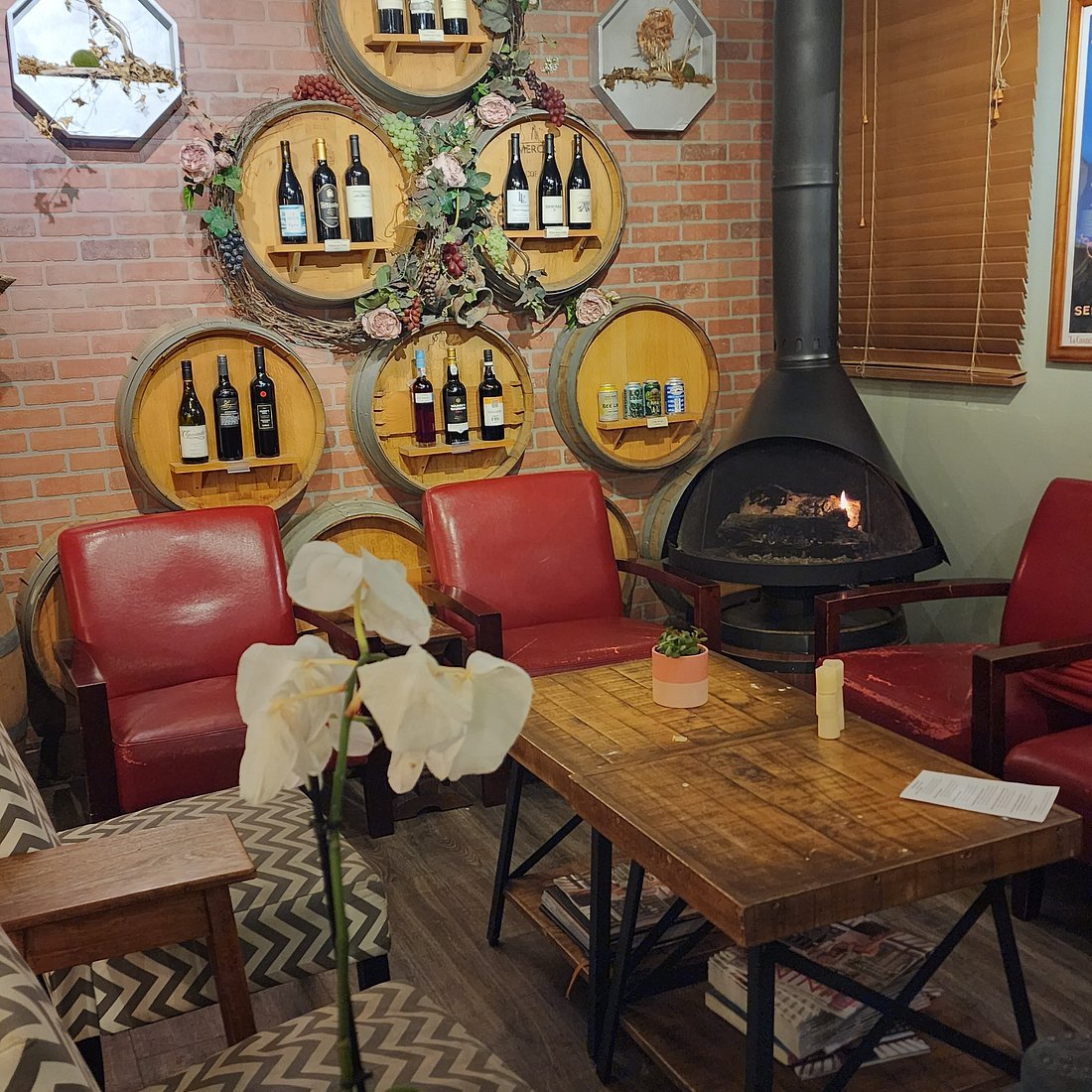
Casual pub-like atmosphere with minimalist design, air-conditioned tasting room, friendly staff, and occasional live music.
Tags
Vibe
Best For
Experience
At the Vineyard
- Appellation
- Santa Barbara County
- Varietals
- Pinot Noir, Syrah, Cabernet Franc, Sauvignon Blanc, Chardonnay
- Tour Duration
- 60-90 minutes
- Visits
- Walk-ins welcome
- Farming
- Sustainable
- Production
- Small producer
- Wine Styles
- Still Red, Still White
- Shipping
- Available
- Wine Club
- Available
Know before you go
Know Before You Go
- Getting there
- 414 N Salsipuedes St, Santa Barbara, CA 93103
Planning details
Location
Also consider
Where to Look If This Is Full
If availability is tight, start with Jaffurs Wine Cellars for another serious Santa Barbara winery choice. For a broader, easier group outing, check The Valley Project or Santa Barbara Winery.
Winery context
How It Compares
Choose Carr Vineyards & Winery when the decision is about whether to commit to a producer after a focused Santa Barbara tasting. Jaffurs Wine Cellars is the cleaner cross-shop for readers who want another serious local winery stop, while The Valley Project is a better fit for a broader overview-style outing.
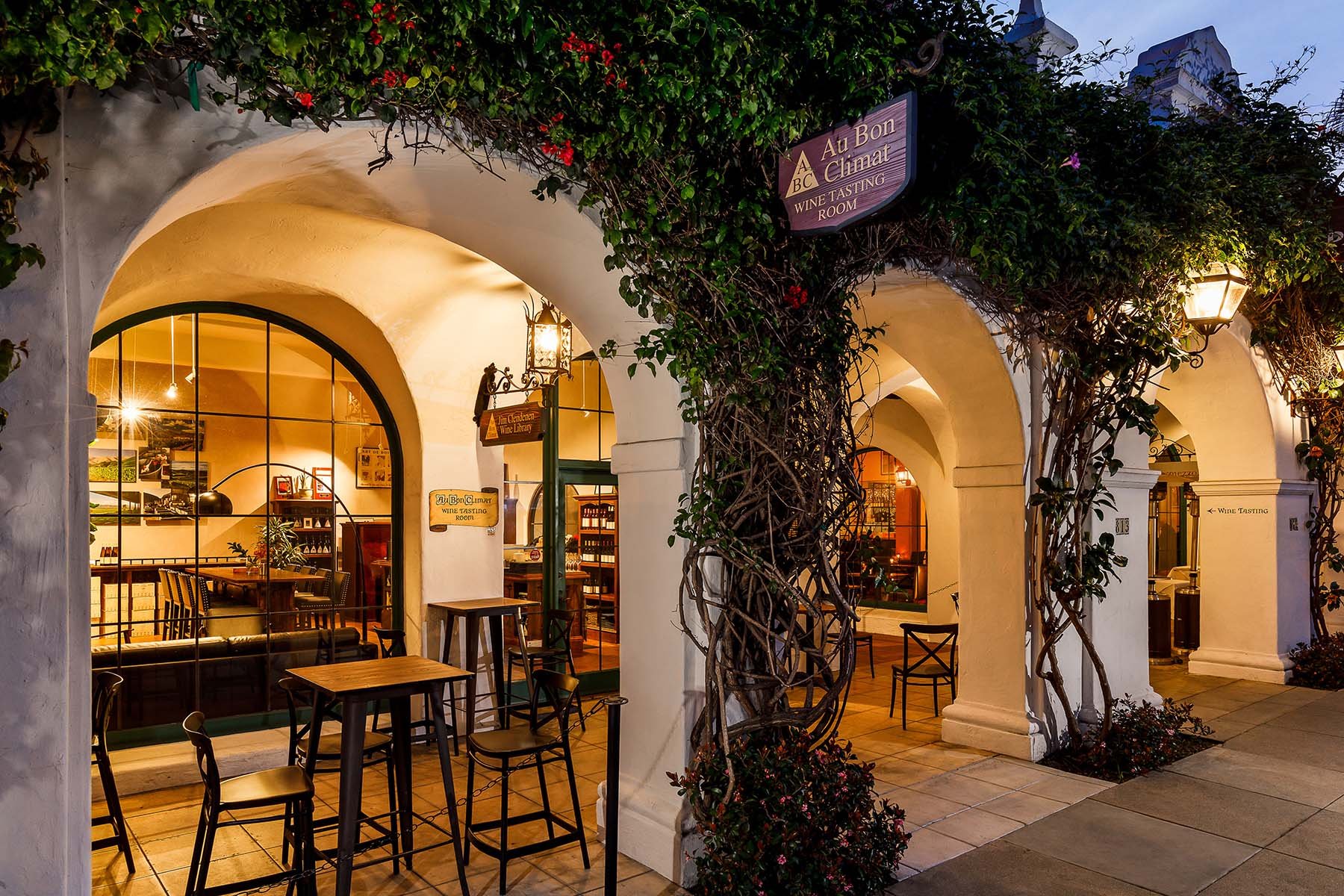
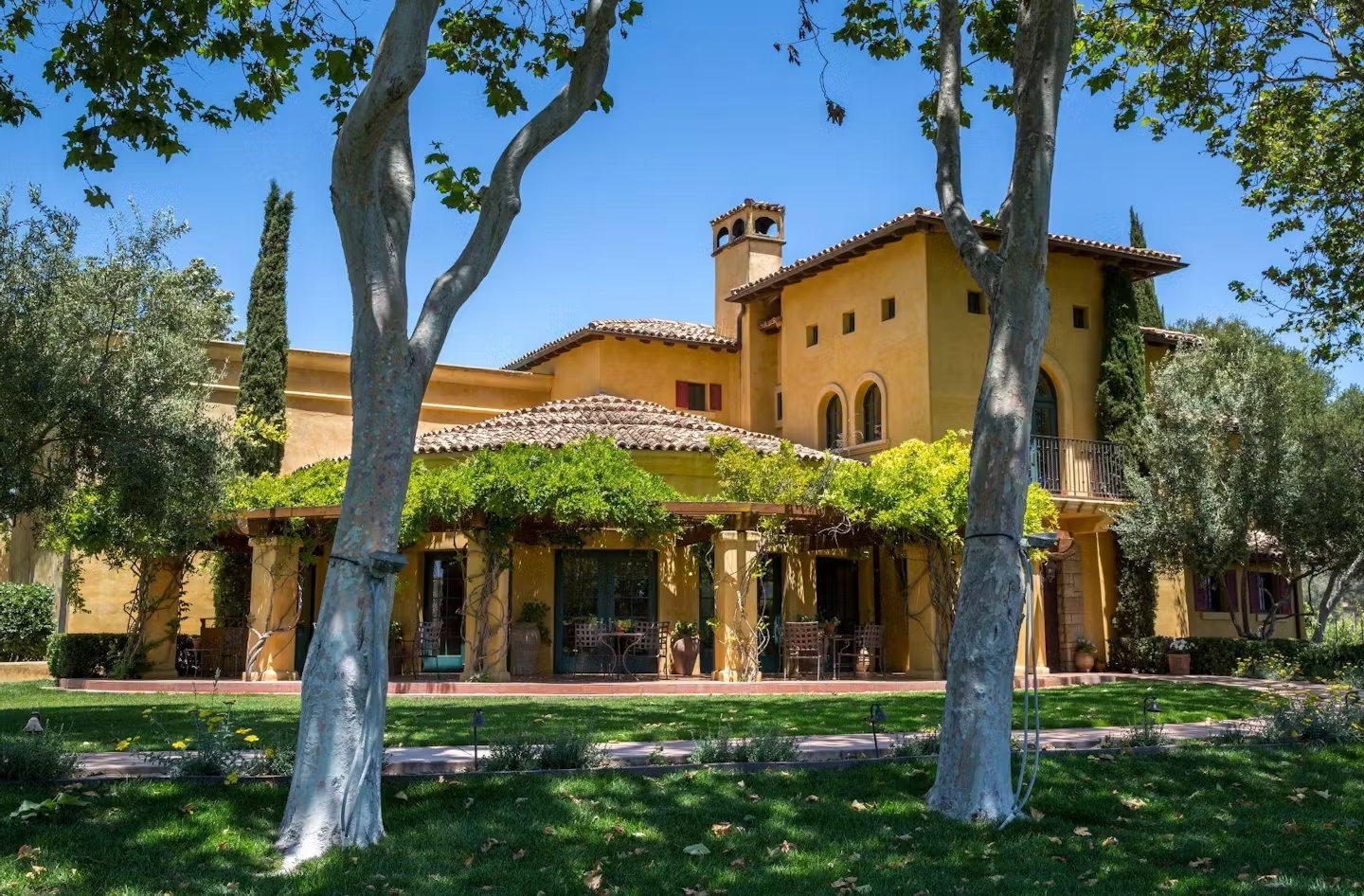
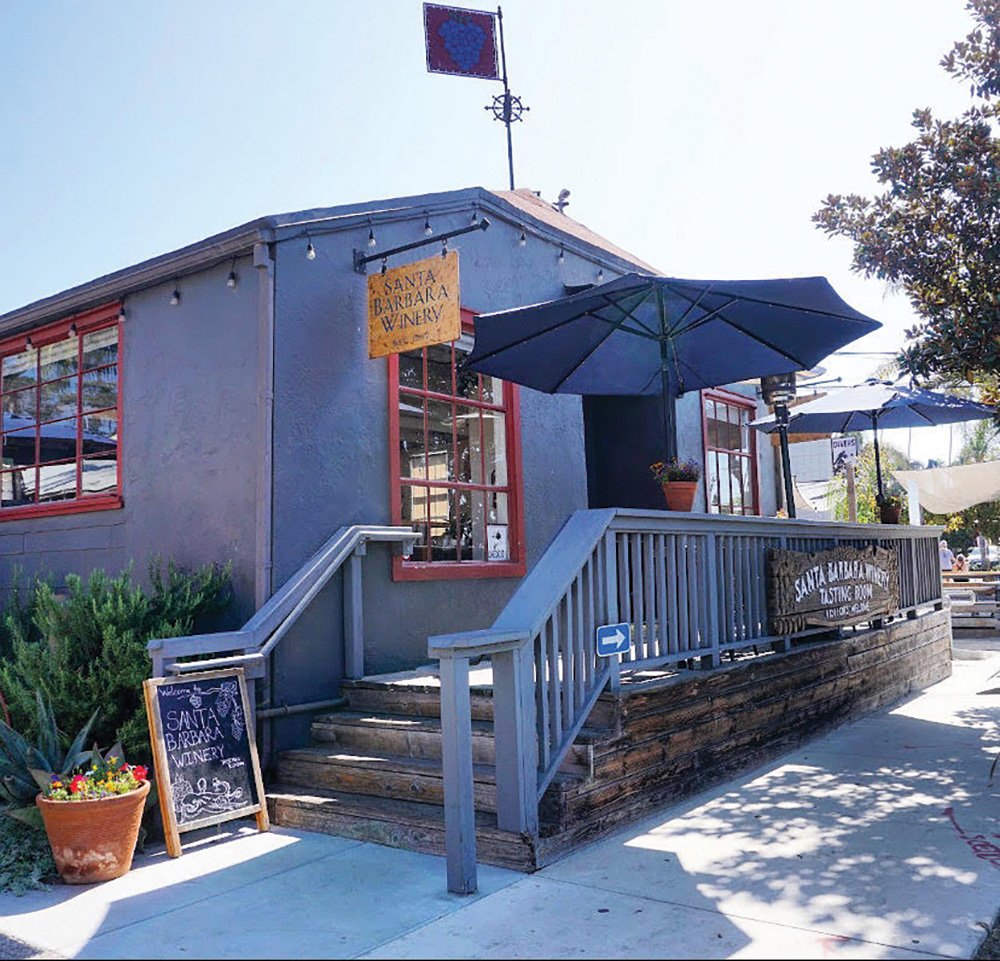
For ambiance, Sanguis Winery and Whitcraft Winery are the peer checks to make if the occasion matters as much as the bottles. If the group includes casual drinkers who mainly want an accessible Santa Barbara winery name, Santa Barbara Winery may be the simpler choice.
Value for money depends on what the visit is supposed to solve. For a club decision, Carr is stronger than a random tasting-room pick because it gives the visit a clear purpose. For a flexible afternoon, compare availability across Jaffurs Wine Cellars, The Valley Project, and Santa Barbara Winery before locking the plan.
Around this place
Discover more on Pearl
Unlock the full Carr Vineyards & Winery guide in Pearl, including awards, comparisons, FAQs, planning details, and nearby places.
Compare Carr Vineyards & Winery
| Venue | Location | Awards |
|---|---|---|
| Carr Vineyards & Winery | Santa Barbara | No published awards |
| Jaffurs Wine Cellars | Santa Barbara | No published awards |
| Sanguis Winery | Santa Barbara | No published awards |
| Whitcraft Winery | Santa Barbara | No published awards |
| The Valley Project | Santa Barbara | No published awards |
| Santa Barbara Winery | Santa Barbara | No published awards |
How Carr Vineyards & Winery Santa Barbara compares with similar nearby venues.
FAQ
Frequently Asked Questions
Do I need a reservation at Carr Vineyards & Winery?
Reservation requirements should be confirmed directly with Carr Vineyards & Winery before visiting.
What is Carr Vineyards & Winery known for?
It has a casual dress code and 2 Star Prestige recognition for 2025. Check directly with Carr Vineyards & Winery for current offerings and visit details.
Does Carr Vineyards & Winery offer shipping or purchases to take home?
Shipping and purchase details should be confirmed directly with Carr Vineyards & Winery before making a purchase decision.
Is Carr Vineyards & Winery a casual place?
Yes. The dress code for Carr Vineyards & Winery is casual.
Can Carr Vineyards & Winery handle large groups?
Group accommodations should be confirmed directly with Carr Vineyards & Winery before arriving.
How long should I plan for a visit to Carr Vineyards & Winery?
A specific visit length should be confirmed directly with Carr Vineyards & Winery. Plan according to the current details Carr Vineyards & Winery provides and leave flexibility if you are pairing it with other Santa Barbara stops.
Does Carr Vineyards & Winery serve food?
Food service details should be confirmed directly with Carr Vineyards & Winery. If you want a meal with the visit, confirm directly with Carr Vineyards & Winery or plan separately with other Santa Barbara dining.