
Melville Vineyards and Winery
Funk Zone, Santa Barbara
Winery in Santa Barbara, United States
 Book with Pearl
The Read
Cool-Climate Estate Pinot
Why go
Melville Vineyards and Winery is worth prioritizing if the goal is a producer-focused Santa Barbara tasting rather than a casual downtown sampler. The value case rests on established winemaking credentials and a 1999 first vintage, but planning requires flexibility because key practical details are not published here.
About Melville Vineyards and Winery
Melville Vineyards and Winery is a Santa Barbara venue with Chad Melville as chef/owner, a casual dress code, and Pearl 3 Star Prestige recognition for 2025.
Before building a tight itinerary, check current pricing, hours, reservation method, food service, seating, and visit format directly with the venue. If you are comparing Santa Barbara options, you can also consider The Valley Project, while Santa Barbara Winery is another venue to review before deciding.
Worth it for a Chad Melville-led Santa Barbara venue with Pearl 3 Star Prestige recognition
The clearest reason to keep Melville Vineyards and Winery on the shortlist is its connection to Chad Melville as chef/owner and its Pearl 3 Star Prestige recognition for 2025. More specific questions about the on-site experience or visit format should be confirmed directly with the venue.
The tradeoff is that practical details may require extra planning. Check current hours, booking method, food details, prices, and group capacity through the venue's own channels first.
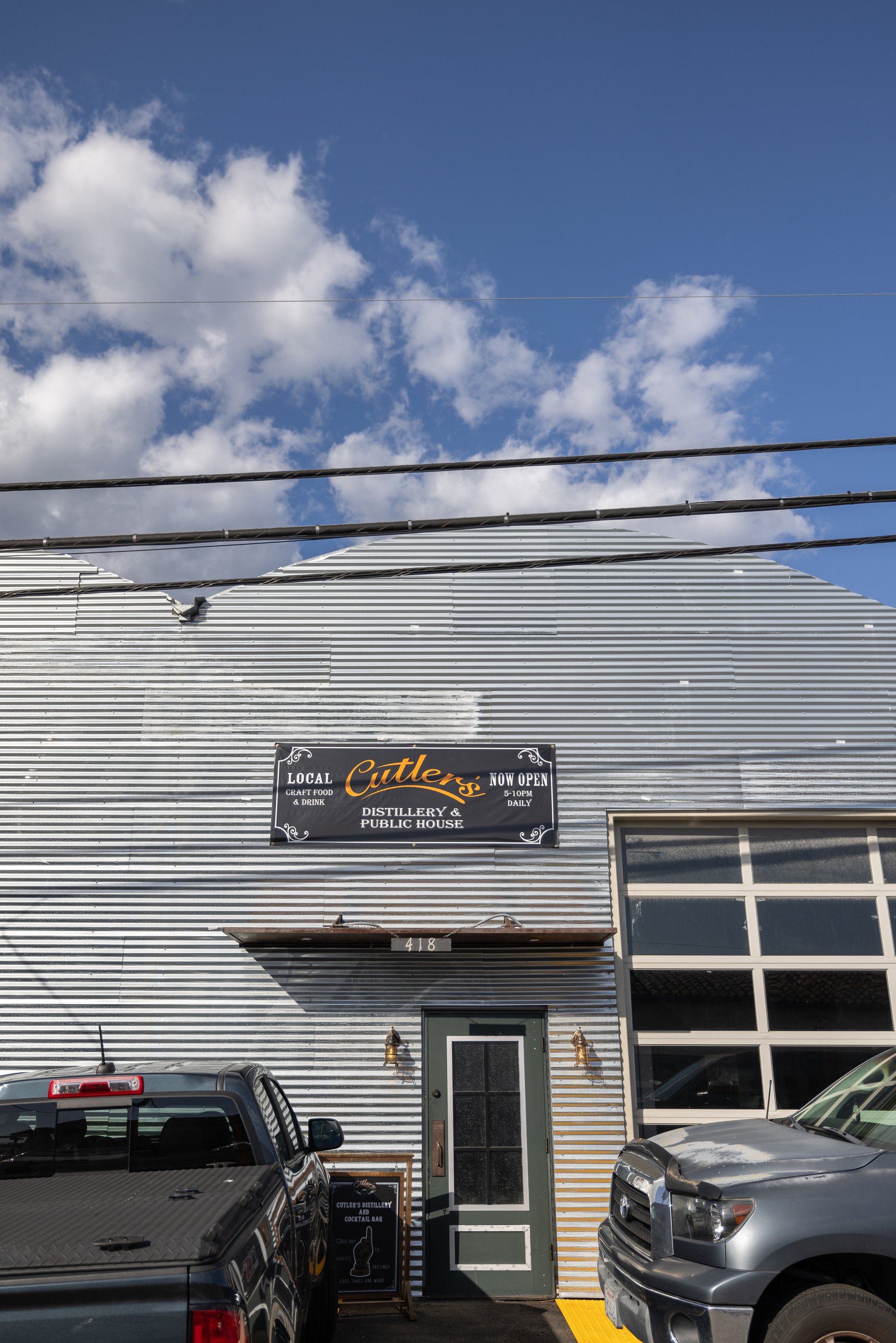
For a broader Santa Barbara day, pair this research with Our full Santa Barbara wineries guide, then compare other names such as Margerum Wine Company, Whitcraft Winery, The Valley Project, and Santa Barbara Winery. If the group wants another option to review, Cutler's Artisan Spirits may be worth considering.
Plan this as a Santa Barbara venue, and confirm the practical specifics
Melville Vineyards and Winery is best approached as a Santa Barbara stop with a casual dress code, Chad Melville listed as chef/owner, and Pearl 3 Star Prestige recognition for 2025. Confirm additional details directly with the venue rather than assuming them.
Use it as one part of a Santa Barbara itinerary after confirming the basics that matter to your visit. For the rest of the trip, keep the planning practical with Our full Santa Barbara restaurants guide, Our full Santa Barbara hotels guide, Our full Santa Barbara bars guide, and Our full Santa Barbara experiences guide.
Quick reference: consider it if a Chad Melville-led Santa Barbara venue with Pearl 3 Star Prestige recognition fits your plans, and confirm practical details before you go.
Planning details
- Location
- 120 State St suite c, Santa Barbara, CA 93101
- Website
- melvillewinery.com
- Phone
- +1 805-770-7952
The take
The Take
The Vibe
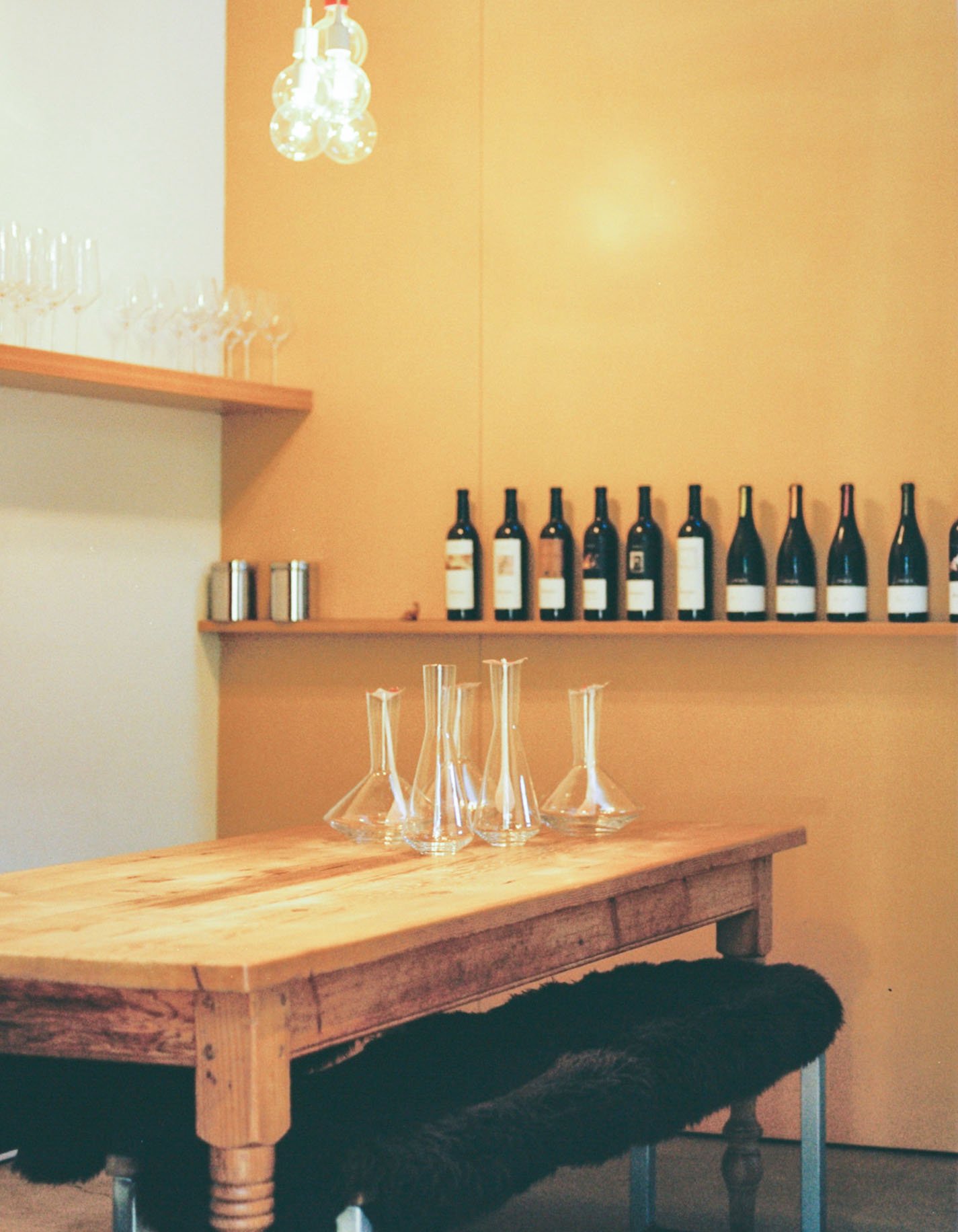
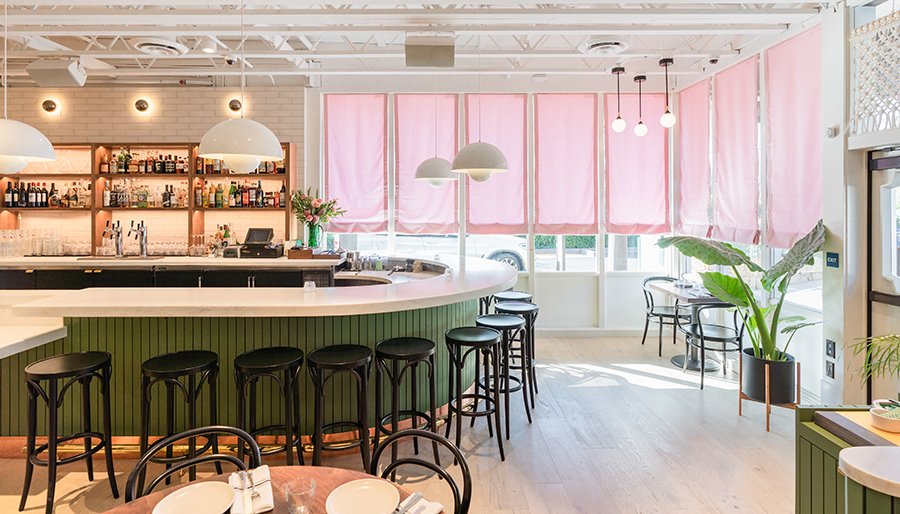
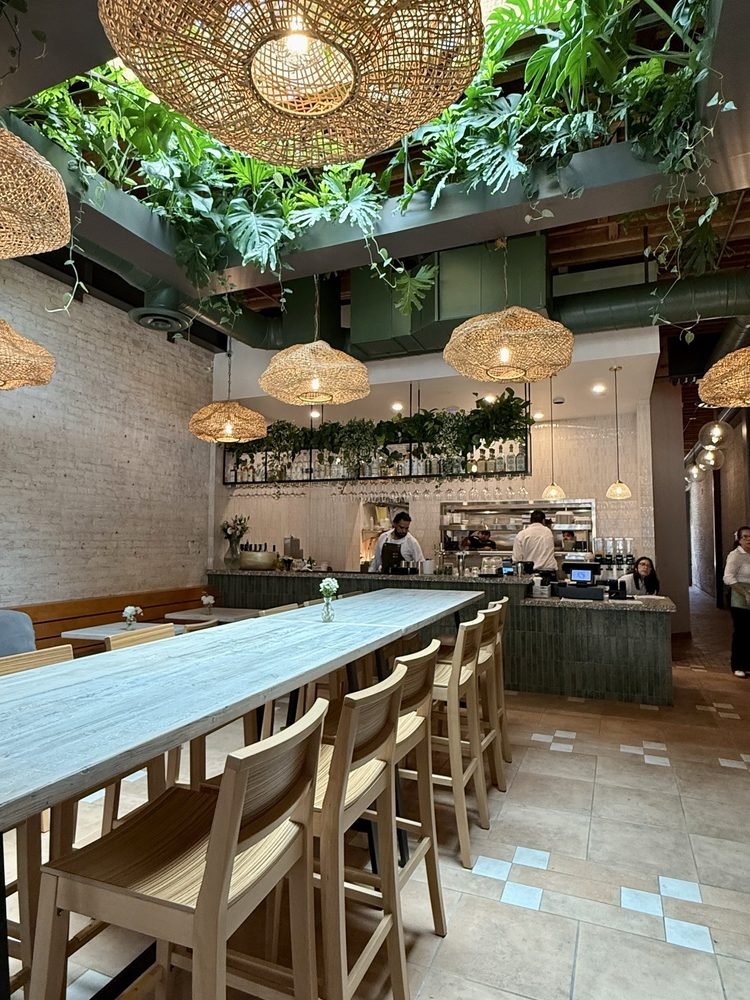
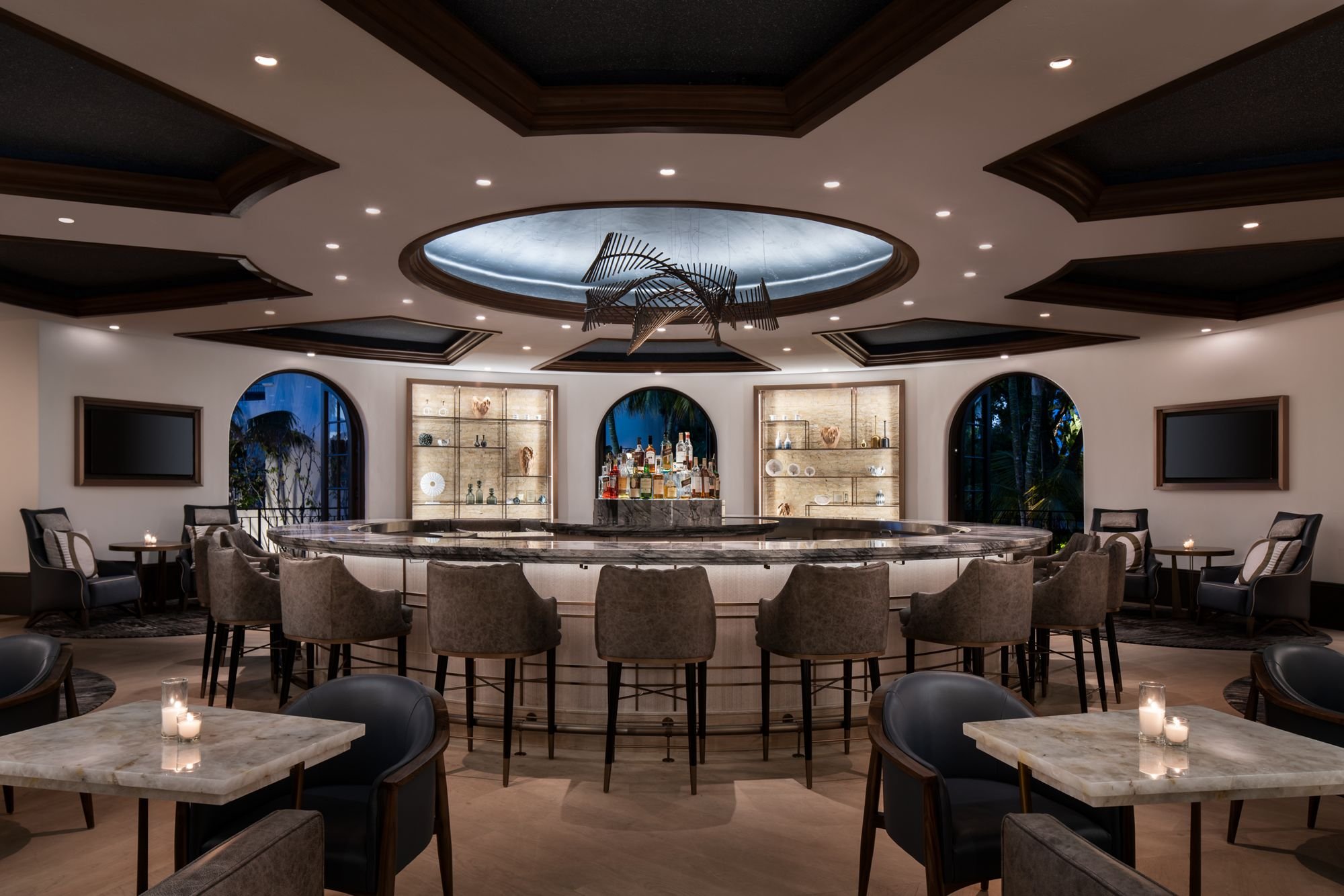
Melville presents as a composed, classic tasting room rooted in a long-running Santa Barbara program that dates to 1999. Operating from a State Street suite, the venue reads as urban and considered rather than trendy — the copy emphasizes a sustained stylistic approach and recent recognition with a 2025 Pearl 3 Star Prestige award. The wines themselves are described as cool-climate, structurally minded Pinot Noir and Chardonnay, so the overall feel is refined and serious: a place where restraint, balance and acidity matter more than theatrical hospitality.
Best For
This tasting room is best for people who come to study wine: learners, solo visitors and couples seeking an education-forward sip. The write-up frames Melville as part of the urban tasting circuit, a controlled setting for finished wines that favors exploration of cool-climate expression and structural detail. Because the wines are described as built to sit alongside food, it also appeals to diners or planners thinking about pairings. The setting rewards thoughtful tasting, comparative sampling and quiet conversation rather than rambunctious socializing.
Tasting Tips
When you visit, prioritize the cool-climate Pinot Noir and Chardonnay that the profile highlights — those varieties are central to Melville’s argument. Ask staff about vintage variation and how the east–west coastal influence affects ripeness and acidity; the description repeatedly links the wines’ architecture to fog and wind. Mention the winery’s 1999 origins and the 2025 Pearl 3 Star Prestige award to invite a house-level stylistic explanation. If you’re interested in food, ask how specific bottles perform at the table, since the program is framed around pairing potential.
Venue details
Ambiance
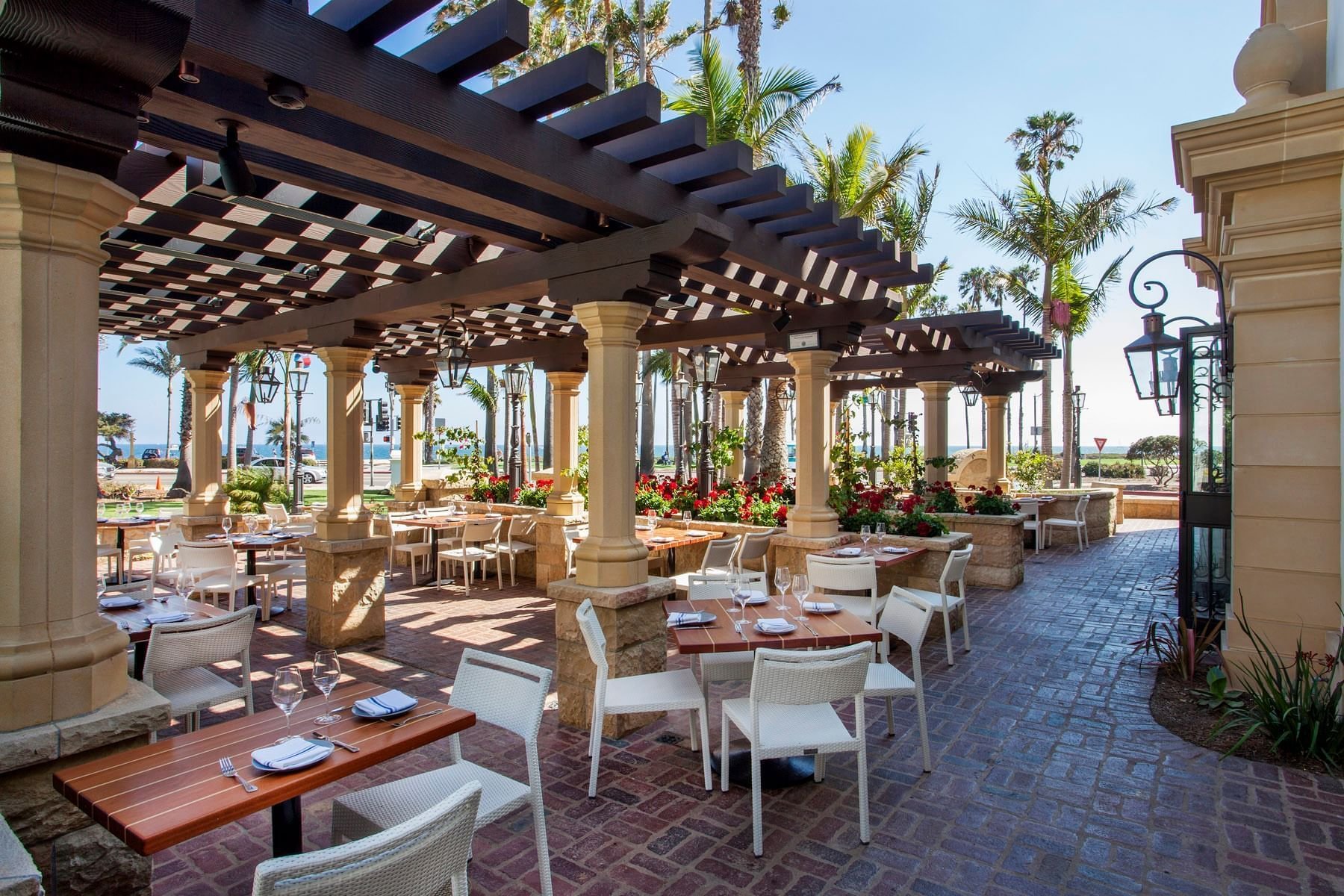
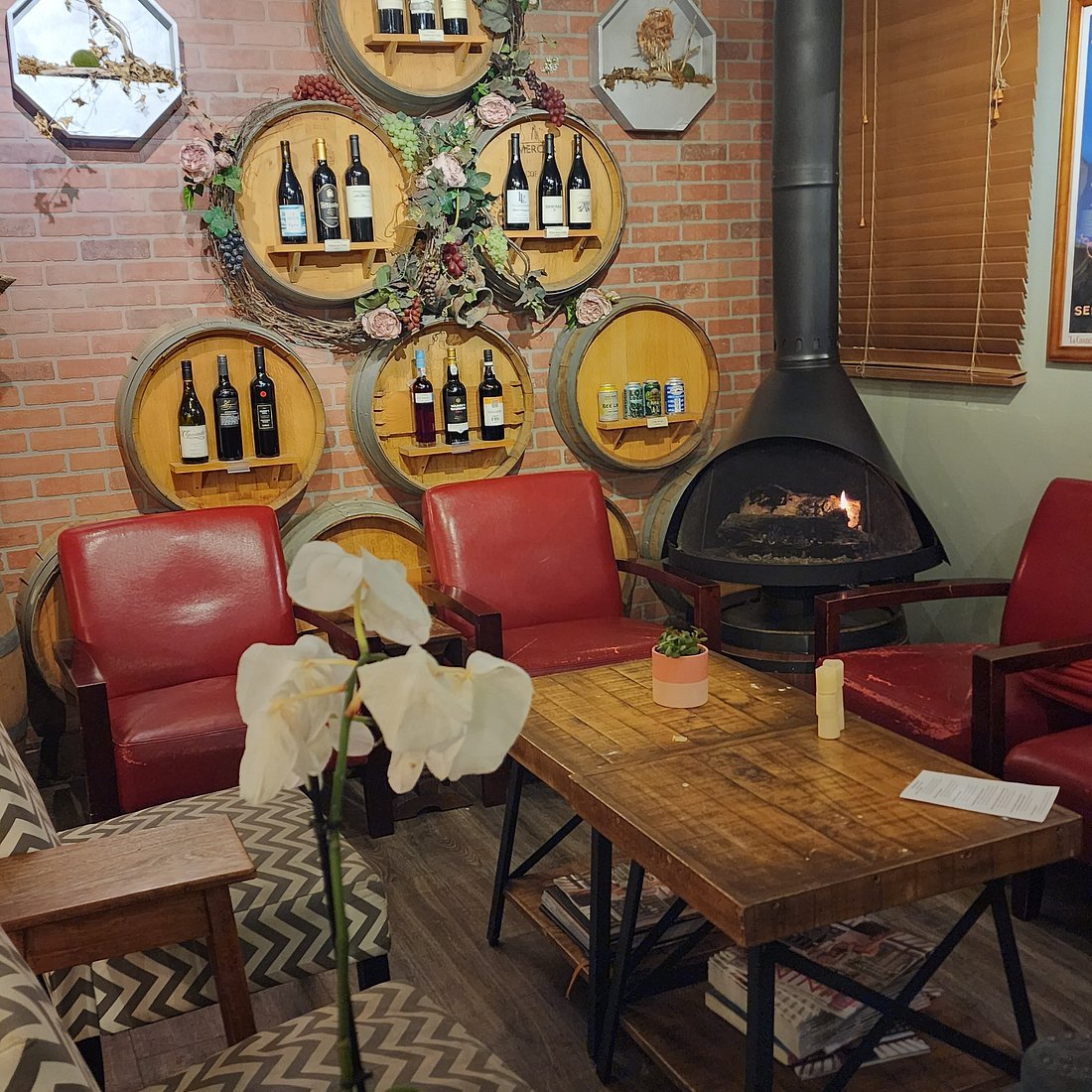
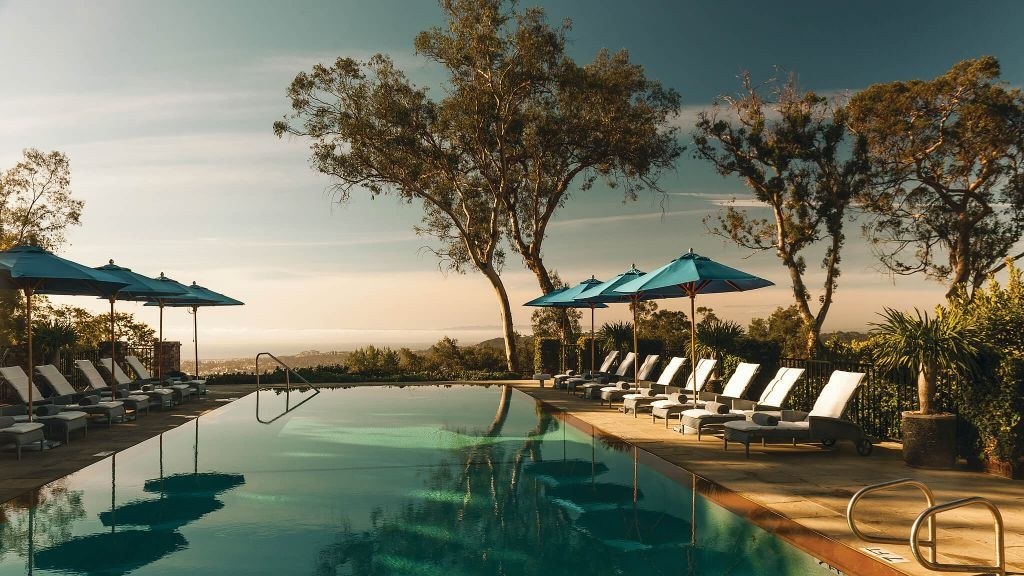
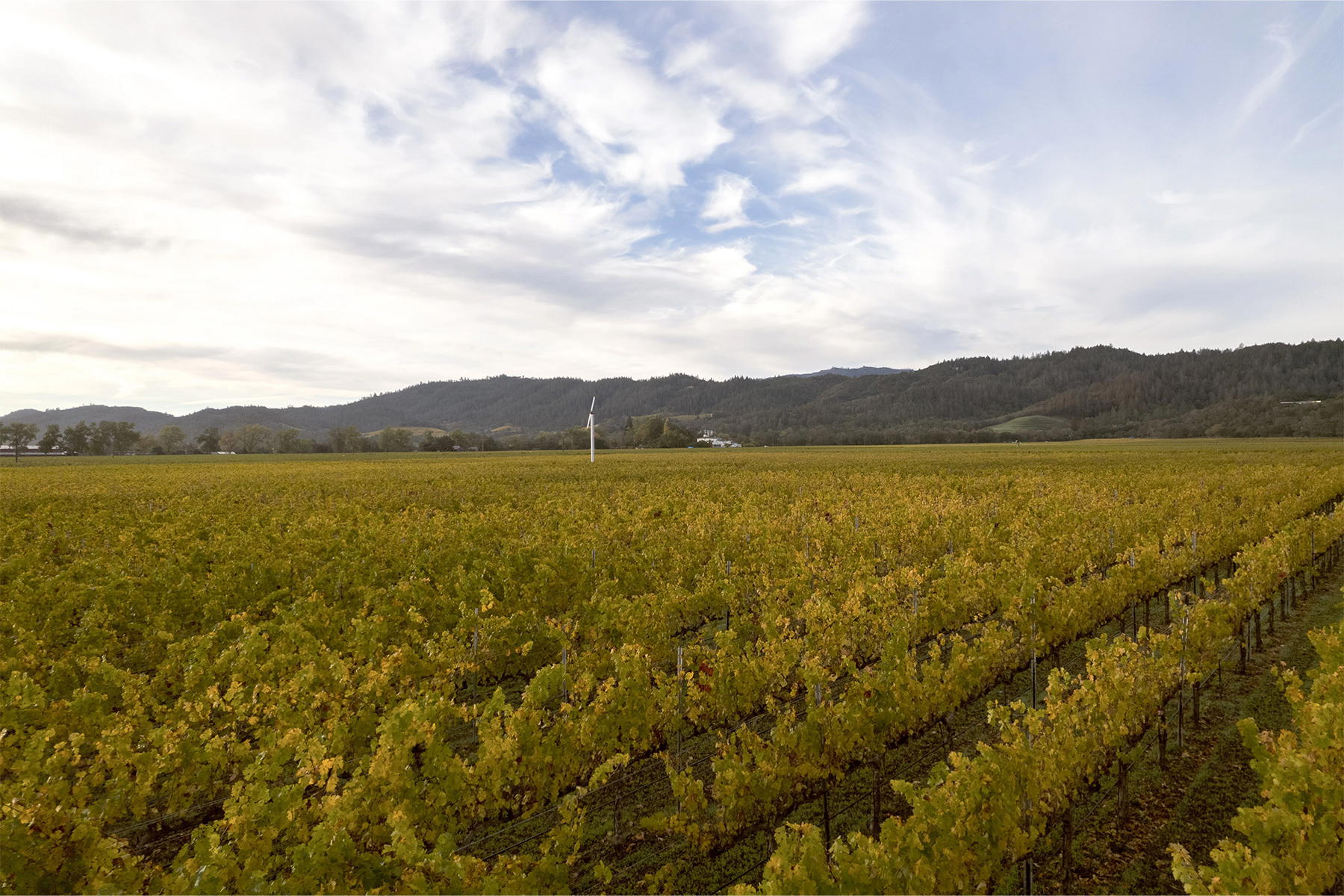
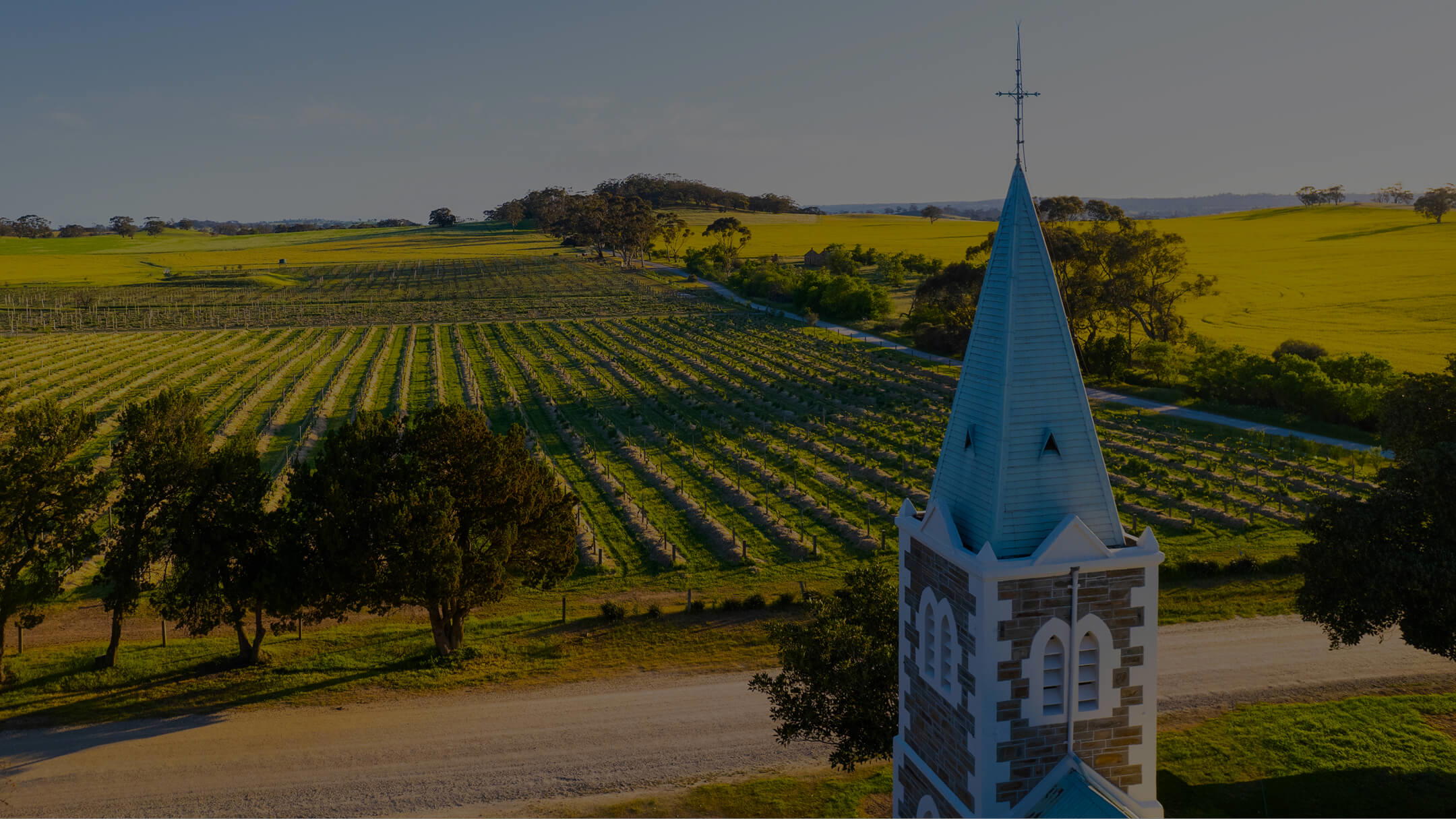
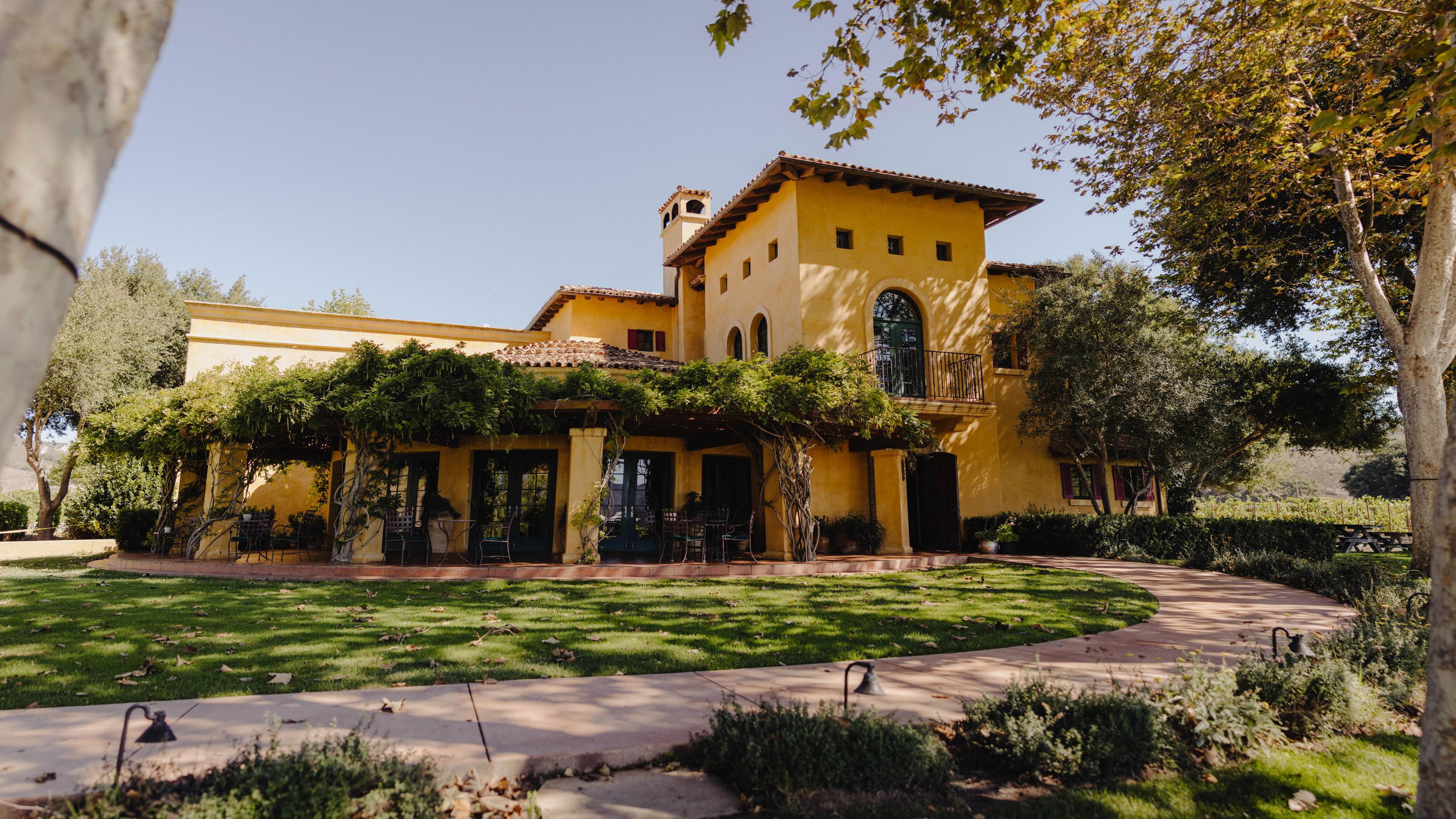
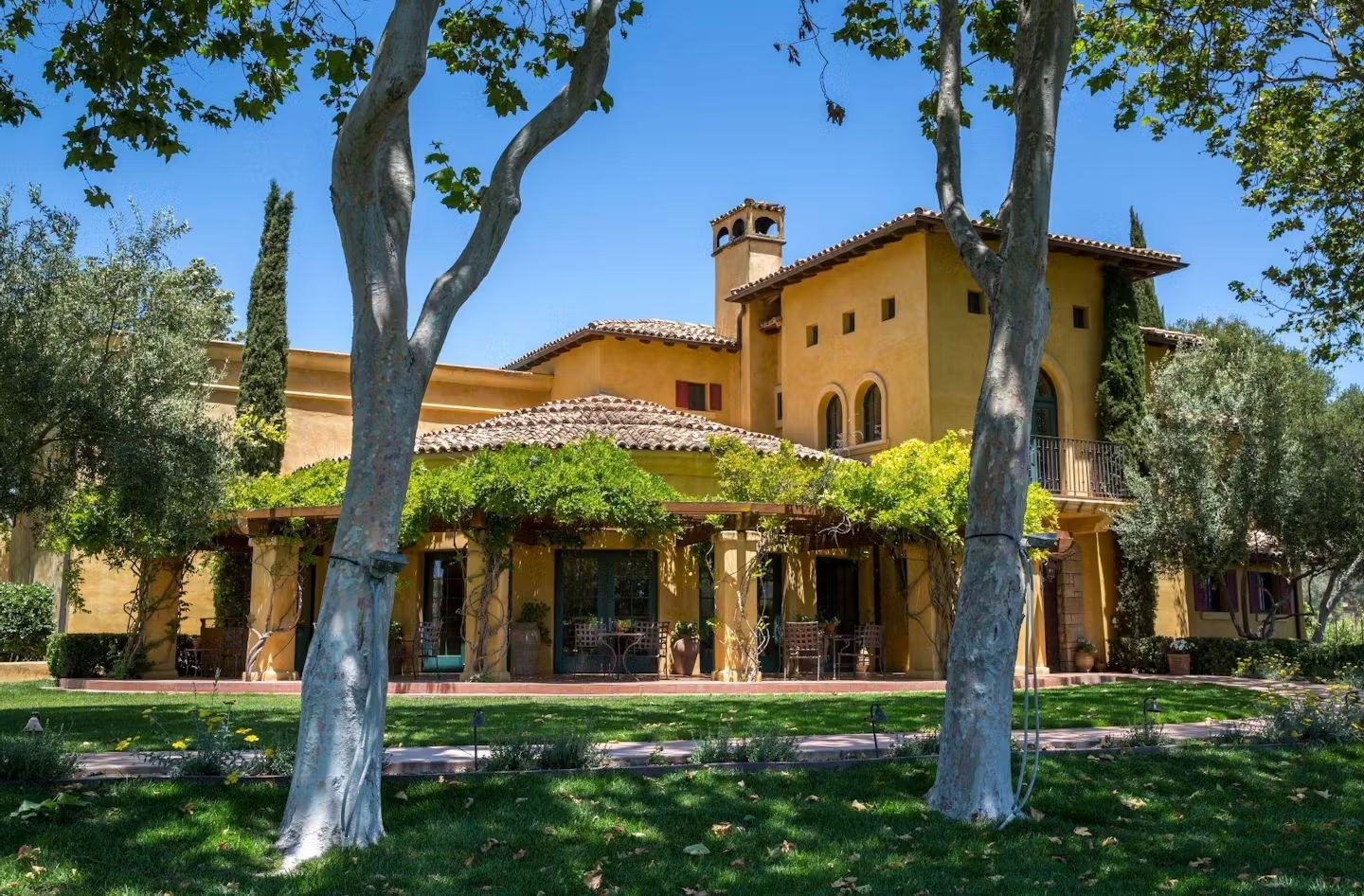
Picturesque vineyard setting with beautiful grounds, covered patio, and scenic views, offering a serene and elegant tasting experience amid rolling hills.
Tags
Vibe
Best For
Experience
Sourcing
View
Accessibility
At the Vineyard
- Appellation
- Sta. Rita Hills AVA
- Varietals
- Pinot Noir, Chardonnay, Syrah
- Tour Duration
- 60-90 minutes
- Visits
- By reservation
- Farming
- Organic
- Wine Styles
- Still Red, Still White
- Wine Club
- Available
Know before you go
Know Before You Go
- Getting there
- 120 State St suite c, Santa Barbara, CA 93101
Planning details
Location
Recognition and awards
Also consider
Where to go if this is hard to book
If availability is the problem, try The Valley Project for a more educational Santa Barbara wine overview or Santa Barbara Winery for a more classic downtown tasting plan. If the group includes non-wine drinkers, Cutler's Artisan Spirits is the practical backup.
Winery context
How it compares in Santa Barbara
Melville Vineyards and Winery is the higher-intent pick if producer focus matters more than easy logistics. Compared with Margerum Wine Company and Santa Barbara Winery, it reads as a more specific wine decision: better for visitors who want to understand one label, less flexible for groups trying to keep the afternoon loose.
The Valley Project is the smarter alternative for education and regional breadth. Choose it if the goal is to map Santa Barbara wine styles in one stop. Choose Melville when the goal is a narrower producer lens and the booking friction feels worth accepting.
If the group is split between wine and spirits, Cutler's Artisan Spirits is the easier compromise. Whitcraft Winery is the stronger cross-shop for visitors who want another serious wine stop rather than a casual tasting-room crawl.
Around this place
Discover more on Pearl
Unlock the full Melville Vineyards and Winery guide in Pearl, including awards, comparisons, FAQs, planning details, and nearby places.
Compare Melville Vineyards and Winery
| Venue | Location | Awards |
|---|---|---|
| Melville Vineyards and Winery | Santa Barbara | 2025 Pearl 3 Star Prestige |
| Margerum Wine Company | Santa Barbara | No published awards |
| Cutler's Artisan Spirits | Santa Barbara | No published awards |
| The Valley Project | Santa Barbara | No published awards |
| Santa Barbara Winery | Santa Barbara | No published awards |
| Whitcraft Winery | Santa Barbara | No published awards |
How Melville Vineyards and Winery Santa Barbara compares with similar nearby venues.
FAQ
Frequently Asked Questions
What should I confirm before visiting Melville Vineyards and Winery?
What is Melville Vineyards and Winery known for in this guide?
This guide highlights the Santa Barbara location, Chad Melville as chef/owner, casual dress code, and Pearl 3 Star Prestige recognition for 2025. More specific questions should be confirmed directly with the venue.
When is the best time to visit Melville Vineyards and Winery?
Check current hours and visit timing directly with the venue, and choose a time that gives you enough room to enjoy the Santa Barbara visit without rushing.
Do I need a reservation at Melville Vineyards and Winery?
Plan ahead by checking Melville Vineyards and Winery's official channels before visiting in Santa Barbara.
Can Melville Vineyards and Winery handle large groups?
Large groups should contact the venue before showing up to confirm whether Melville Vineyards and Winery can accommodate the party.